
1. Jane Pauley: The Beloved Anchor Who Was Suddenly Replaced
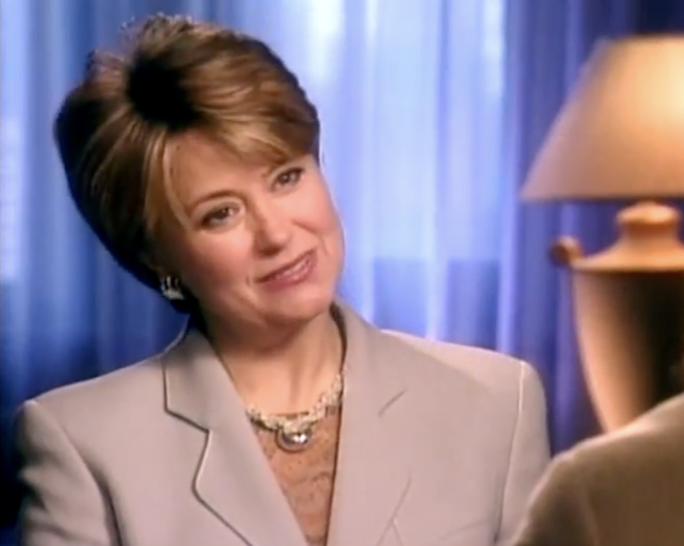
Jane Pauley was a comforting presence on morning television for more than a decade. As co-anchor of NBC’s Today show from 1976 to 1989, she brought a warm, steady presence to millions of households. Viewers loved her approachable intelligence and natural chemistry with colleagues like Bryant Gumbel. She seemed like someone you could trust with hard news, parenting advice, and everything in between. But in a move that stunned longtime fans, NBC replaced her with the younger and less-experienced Deborah Norville, sparking public backlash. Pauley had not asked to leave and was blindsided by the shift, making her sudden exit all the more painful to viewers.
Though she stayed in broadcasting, hosting Real Life with Jane Pauley, co-anchoring Dateline, and eventually joining CBS Sunday Morning, she never quite returned to the towering visibility she once had. Her exit from Today marked a turning point not just for her career, but for how networks handled aging women in news. Pauley never made a public fuss, but the behind-the-scenes decision remains one of television’s most controversial anchor swaps. She continues to work in journalism with grace and poise, but for a generation of viewers, her abrupt disappearance from morning TV still stings. It felt like something was taken away, and never fully restored.
2. Tom Snyder: Late-Night’s Bold Voice That Fell Silent
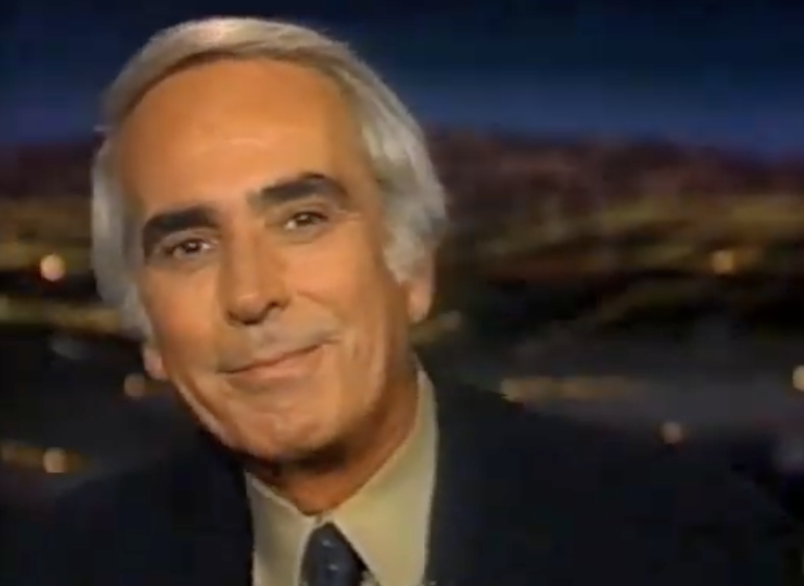
Tom Snyder brought a distinct kind of energy to late-night television. With his signature puff of cigarette smoke and no-nonsense tone, he made The Tomorrow Show a destination for raw, real interviews. He wasn’t afraid of silence or intensity, and his one-on-one chats stood apart from the more polished talk show formats of the era. Everyone from Charles Manson to John Lennon sat across from him.
But by the early ’80s, Snyder’s show was canceled and replaced without a proper sendoff. As newer, flashier hosts took over the late-night scene, Snyder simply vanished. He returned briefly in the ’90s with The Late Late Show, but even that stint ended without much fuss. For someone who once defined bold, personality-driven television, his eventual fade-out seemed especially muted.
3. Art Linkletter: The TV Legend Who Just Faded Out
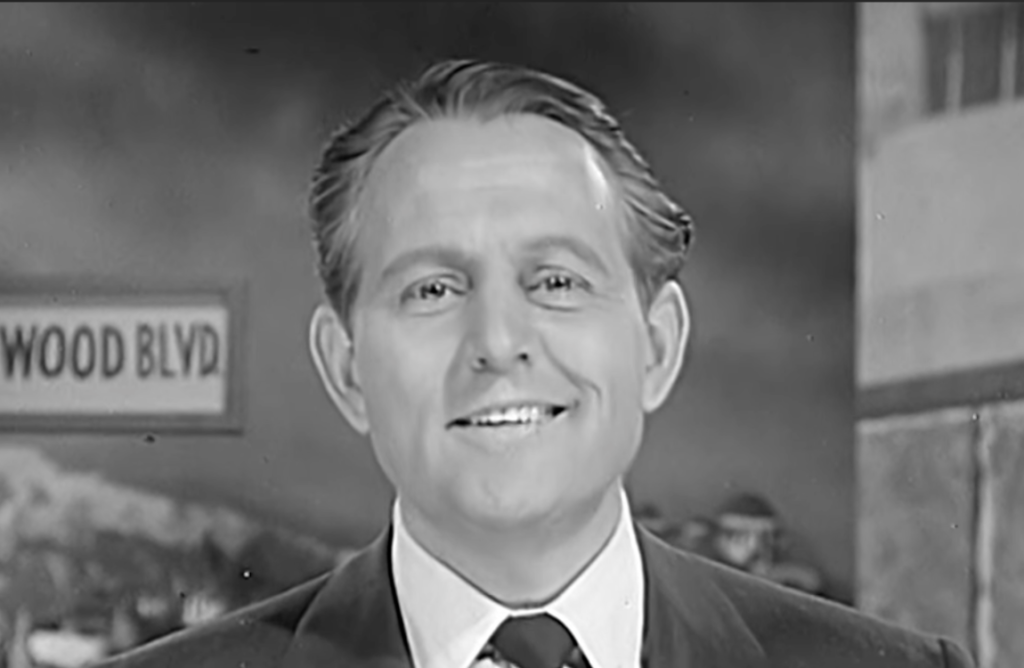
Art Linkletter had a rare gift: he could talk to anyone, especially kids, and make it entertaining for millions. His long-running shows, People Are Funny and House Party, became cultural touchstones, and his segment, Kids Say the Darndest Things, remains iconic even today. He brought humor, curiosity, and an appreciation for everyday wisdom into homes during television’s golden age.
But by the late 1970s, Linkletter stepped back from regular hosting. While he lived until 2010, he didn’t return to TV in any meaningful way. His exit felt more like a slow fade, as if he sensed his style of television was no longer in vogue. He gave speeches, wrote books, and made occasional appearances, but the spotlight had moved on. His warmth remained in memory, but new generations never got to experience it firsthand.
4. Dinah Shore: America’s Sweetheart Who Stepped Away Quietly
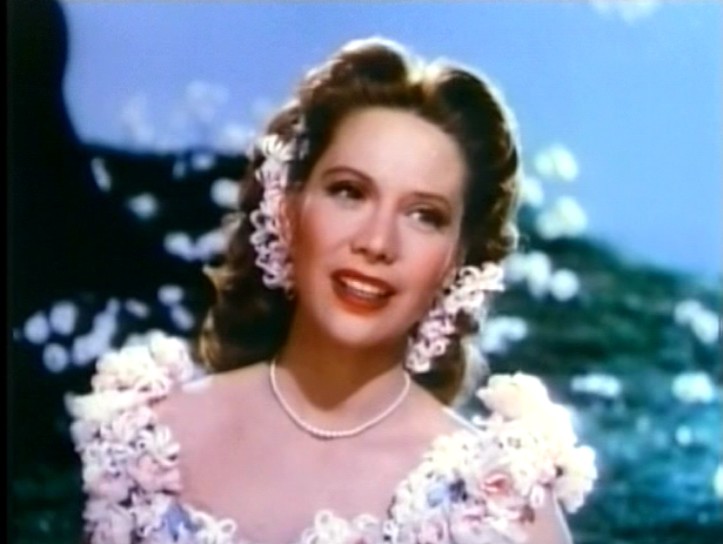
With her golden voice and easy smile, Dinah Shore brought music, comedy, and charm into American living rooms with The Dinah Shore Chevy Show and later her talk show, Dinah!. She was beloved for her warmth and was one of the rare women to headline her own variety show in an era when most were hosted by men. For a time, she felt as much a part of Sunday nights as a roast in the oven or Jell-O in the fridge.
But when her shows ended in the early 1980s, Shore quietly withdrew from television. She never transitioned into recurring guest spots, game show panels, or TV retrospectives. Despite being a pioneer, she seemed uninterested in revisiting her fame or reminding viewers of her legacy. When she died in 1994, younger audiences barely knew her name, even though older viewers remembered her as once being everywhere.
5. Monty Hall: The Deal Maker Who Let the Curtain Fall
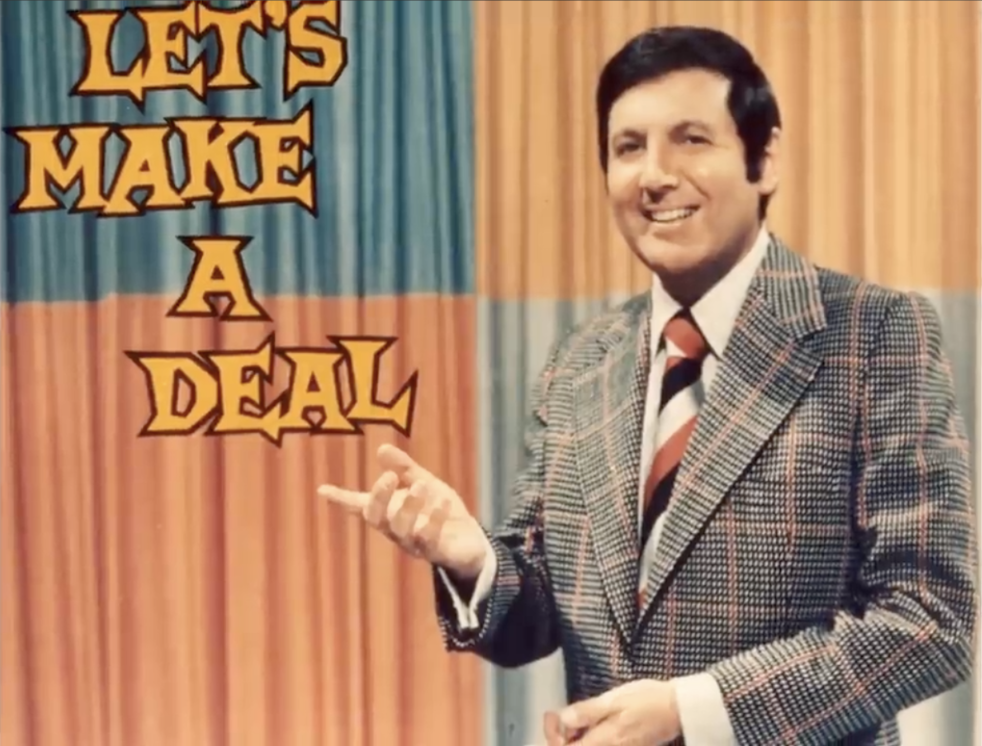
Monty Hall was synonymous with excitement, suspense, and audience participation. As the creator and original host of Let’s Make a Deal, he turned game show hosting into a form of controlled chaos. Viewers tuned in to see wacky costumes, risky gambles, and Monty’s twinkle-eyed showmanship as he asked, “Do you want what’s behind Door Number One?” For decades, Hall was a fixture in pop culture, and the show’s success was tied directly to his energy and timing. He was one of the few hosts who helped invent a genre and remained associated with it for life.
Yet as newer versions of Let’s Make a Deal were introduced, Hall gradually stepped away. He remained a consultant and made occasional appearances, but he never returned as a full-time host. There was no official sendoff, no final spin of the wheel, just a slow retreat into the background. He continued philanthropic work and stayed active behind the scenes, but his on-screen presence dwindled. When he passed away in 2017 at the age of 96, fans remembered his charisma, but few realized how long it had been since he stood center stage. His quiet departure was in stark contrast to the zany fanfare that once surrounded him.
6. Hugh Downs: The Anchor Who Left Without a Word
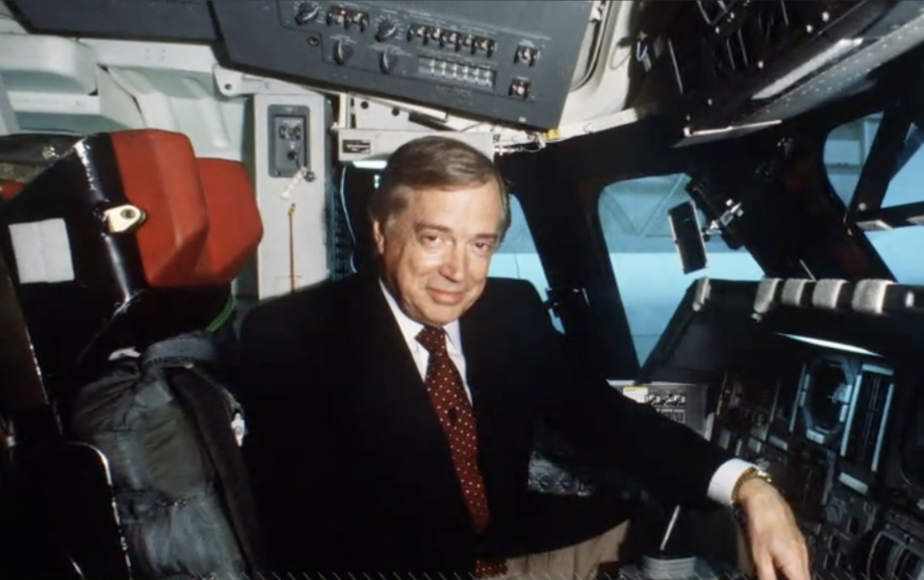
Hugh Downs was a staple of American broadcasting, bringing a steady, reassuring presence to everything from the Today show in the 1960s to 20/20 well into the ’90s. He had one of the most trusted faces on TV and could go from serious reporting to light banter without missing a beat. Unlike many anchors who seem tied to one network or role, Downs floated between formats with ease. Whether co-hosting with Barbara Walters or delivering the nightly news, he projected calm authority and Midwestern warmth.
And then, just like that, he was gone. Downs officially retired in 1999 with little fanfare and chose a quiet life in Arizona over continued public appearances. He lived for two more decades, but made few returns to the spotlight, never launching a farewell tour or writing a tell-all memoir. He simply opted out, and viewers didn’t get closure. For someone so present in our homes for so long, his exit felt almost ghostly.
7. Mike Douglas: TV’s Smooth Talker Who Left Without Fuss
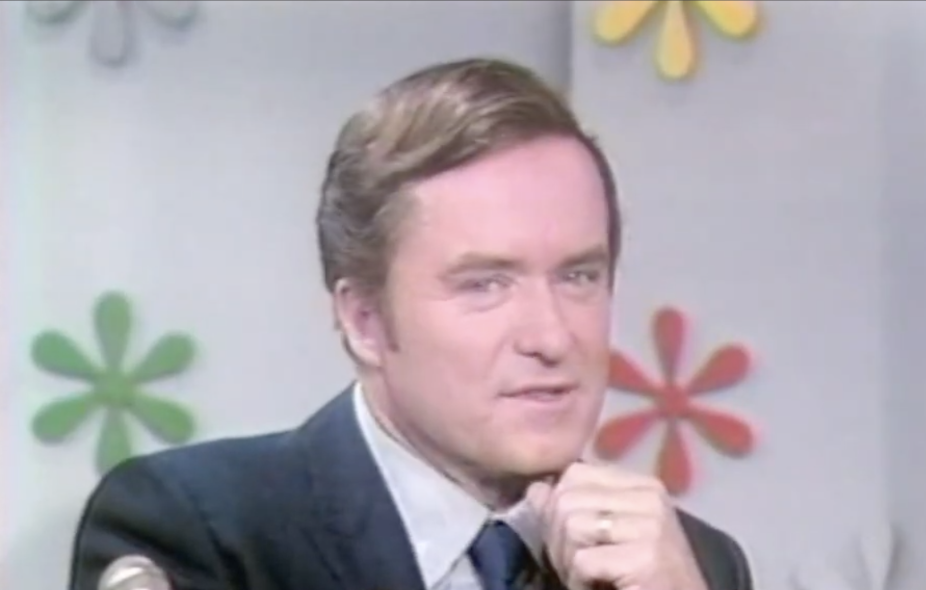
For nearly two decades, The Mike Douglas Show was must-watch afternoon television. Launched in 1961, the syndicated talk show was known for its relaxed charm and eclectic guest list. Douglas interviewed everyone from Muhammad Ali to Fred Rogers, and even co-hosted a week with John Lennon and Yoko Ono. With his easygoing style and old-school showbiz polish, Douglas was a pioneer of the modern daytime format. Before there was Oprah or Ellen, there was Mike. By the time his show ended in 1982, he had logged more than 4,000 episodes and become a household name.
But after the show wrapped, Douglas mostly stepped back from the spotlight. He made a few scattered TV appearances but never launched another major project. There was no final tribute or retrospective, and younger generations never really learned his name. Despite his influence on the format, he’s rarely mentioned in the same breath as today’s talk show titans. When he passed away in 2006, it barely made headlines. His legacy lives on in reruns and YouTube clips, but his quiet exit from the industry left a gap that few ever acknowledged.
8. Soupy Sales: The Slapstick Star Who Slipped Out of Sight
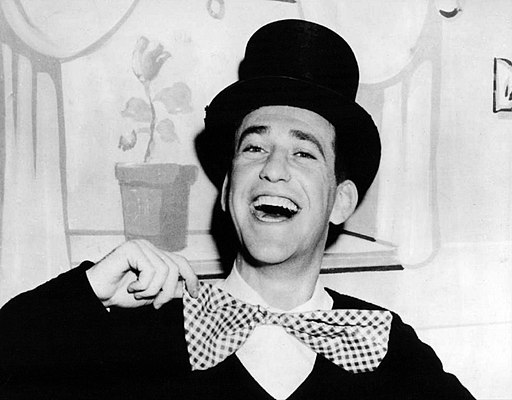
Soupy Sales was a legend in kids’ television and a true original. With his signature pie-throwing gags, talking puppets, and unpredictable humor, he became a sensation in the 1950s and ’60s. The Soupy Sales Show was chaotic and surreal, and it drew not just children but also beatniks, jazz musicians, and curious adults. Sales had a cult following and regularly pushed the envelope, once famously getting suspended for telling kids to sneak money from their parents’ wallets and mail it in. Despite the controversy, he remained beloved for his irreverent spirit and offbeat comedy.
But by the 1980s, Sales had largely disappeared from the airwaves. Attempts to revive his career or return to mainstream television never gained traction. He made the occasional guest appearance, but his brand of humor no longer fit with the polished, family-friendly programming networks preferred. Younger viewers never really got to know him, and his contributions to television comedy faded from public view. When he died in 2009, it served as a quiet bookend to a career that once made TV feel wild and unpredictable. For those who remembered him, his absence was long felt, and long unexplained.
9. Allen Ludden: The Game Show Host Who Never Got a Goodbye
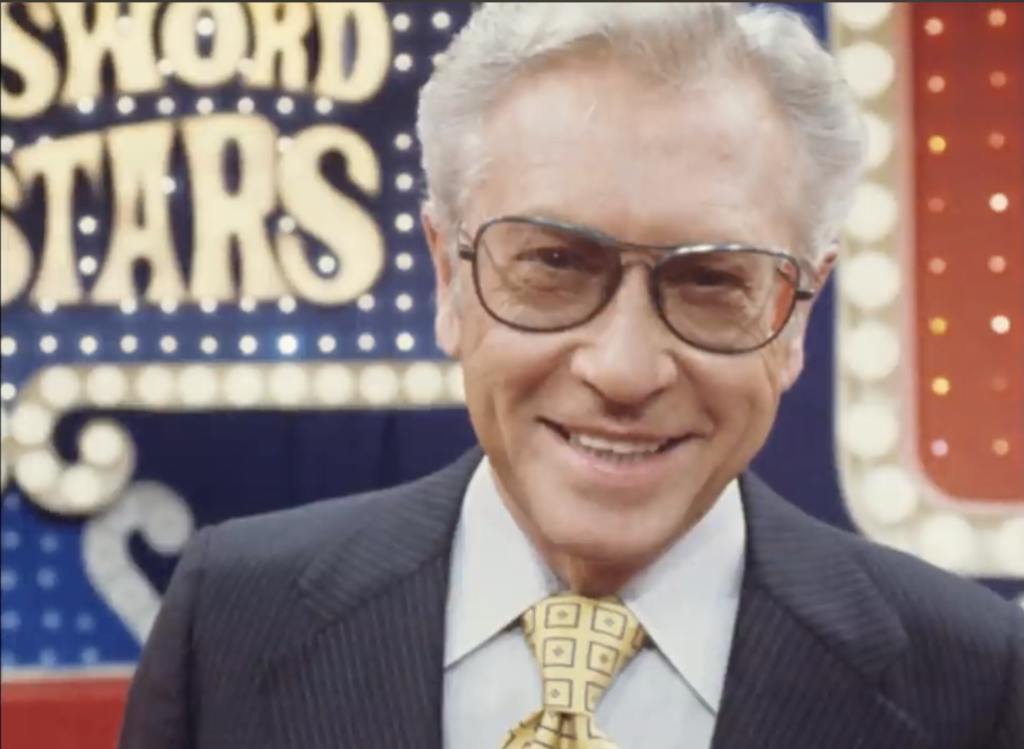
Allen Ludden brought intelligence and kindness to the quiz show format, especially as the longtime host of Password. Unlike many game show hosts, Ludden came across more like your favorite teacher than a slick entertainer. His chemistry with contestants, and his obvious joy in wordplay, made him a daytime fixture. He even helped launch the careers of celebrity guests and regularly shared the screen with his wife, actress Betty White.
But in 1981, Ludden passed away from cancer at just 63. There was no final episode, no farewell montage, and no public goodbyes. Password continued for a time with other hosts, but something essential was missing. Ludden’s absence was sudden and deeply felt, yet largely unacknowledged on air. He was a bright presence whose quiet departure left a surprising void in daytime TV.
10. Jack Barry: The Comeback King Who Disappeared Again
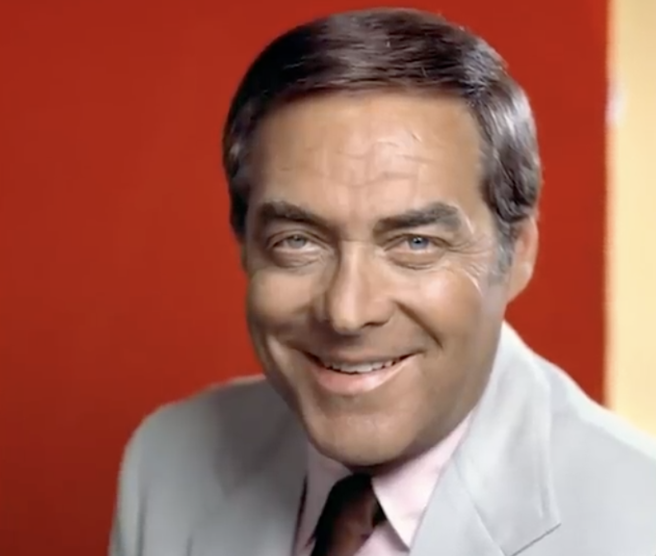
Jack Barry was once a rising star of the quiz show boom, until the 1950s game show scandals nearly ended his career. After years of being blacklisted, he finally returned with The Joker’s Wild, a flashy trivia show that let him reclaim some of his reputation. His hosting was crisp and confident, and he had a knack for making even the most random questions sound thrilling.
But in 1984, Barry died of a sudden heart attack, and with him, The Joker’s Wild went off the air. There was no transition, no replacement host; it was a hard stop. While his earlier disappearance was driven by scandal, this one felt different, as if the curtains had simply closed, and no one dared pull them back. He faded out of television history again, and this time, it stuck.
11. Arlene Francis: TV’s First Lady Who Simply Vanished
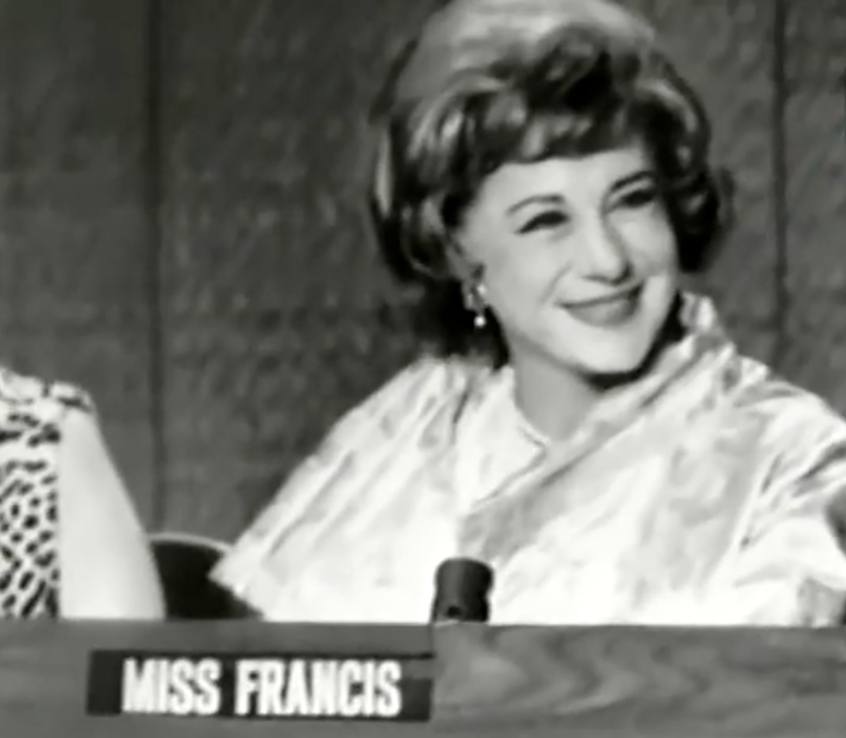
Arlene Francis was one of the first women to truly dominate American television. As a regular panelist on What’s My Line? and host of Home on NBC, she combined intelligence, wit, and glamour at a time when few women were allowed to do all three. She was charming, quick on her feet, and beloved by audiences for decades. Her face was instantly recognizable.
But in the 1970s, Francis gradually disappeared from regular broadcasting. There was no scandal, no final broadcast, and no tribute. She simply stopped appearing. Some blamed ageism, others said she chose privacy, but the lack of public farewell was striking. She lived until 2001, but for a generation of viewers, she seemed to vanish without explanation, leaving behind only black-and-white clips and fading memories.
12. Bert Parks: Fired from Miss America Without Warning
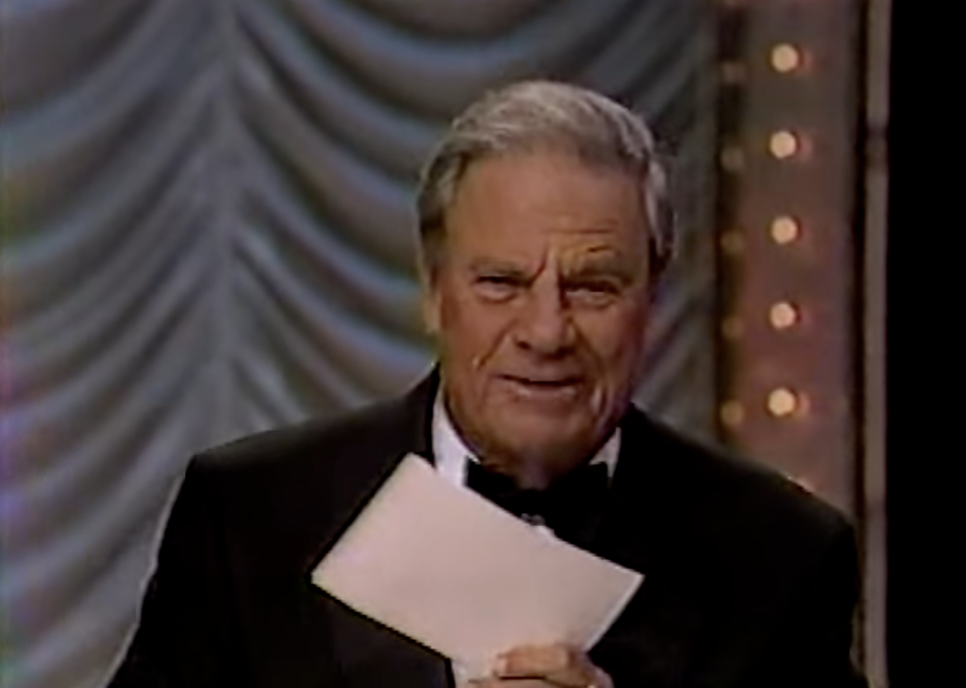
For decades, Bert Parks was the host of the Miss America Pageant. His dramatic delivery of “There she is…” became a tradition, a moment as iconic as the crown itself. Parks had a theatrical flair and old-school showmanship that matched the pageant’s formal tone. He was the bridge between glamor, television, and live performance, and his presence helped define what the event felt like.
So it shocked audiences when Parks was unceremoniously fired in 1979, supposedly to appeal to younger viewers. Despite public outcry and media backlash, he was never asked back. He occasionally poked fun at the decision in interviews, but mostly accepted his fate with grace. For someone who had been such a visible part of the American cultural fabric, his ousting and the silence that followed felt oddly cruel.
13. Gary Collins: Daytime’s Favorite Who Quietly Struggled
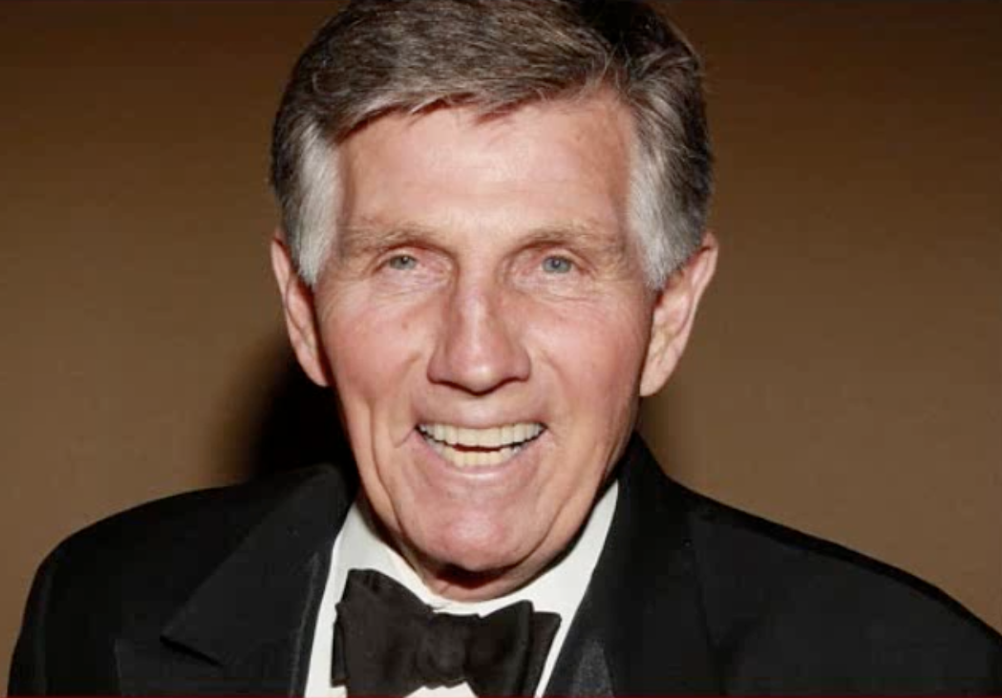
In the 1980s, Gary Collins was a familiar face thanks to his hosting duties on Hour Magazine and frequent appearances on beauty pageants and telethons. His handsome looks and gentle delivery made him a comfortable midday companion. He was the kind of TV host who made you feel like he genuinely cared, whether he was interviewing a celebrity or giving away a blender.
But as his career slowed, Collins faced personal struggles, including legal issues and health concerns, which he kept largely out of the spotlight. By the 2000s, he had quietly disappeared from TV altogether. When he died in 2012, many viewers were surprised to hear how long he’d been gone. His decline was subtle, almost invisible, and left many remembering him as he was, smiling on screen, forever frozen in the sunny world of ’80s daytime TV.
14. Dennis James: A Game Show Pioneer Lost to Time
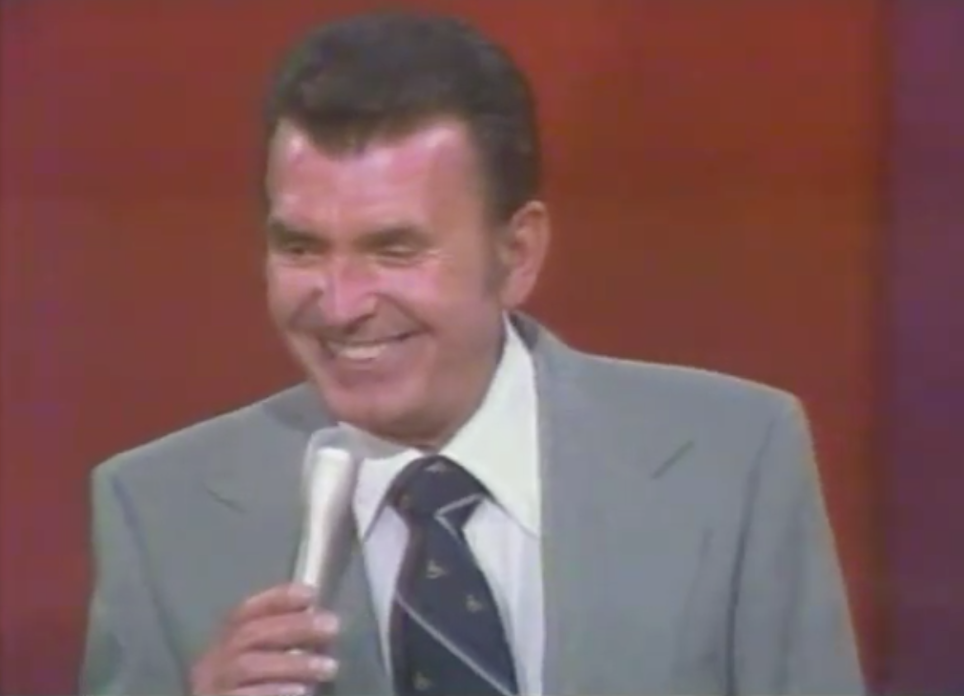
Dennis James was there at the beginning. As one of the first television game show hosts, he brought his booming voice and enthusiastic delivery to programs like Name That Tune and Okay, Mother. He was a pioneer in live commercials and helped define the TV sales pitch long before infomercials took over. For a time, he was so ubiquitous that you couldn’t turn the dial without seeing him.
But as game shows modernized and younger hosts took the reins, James was gradually pushed out. There was no controversy, just a quiet shift away from the format he helped build. He continued working in smaller roles, but the big spotlight never returned. When he died in 1997, his contributions had already faded from public memory, even though the genre he helped shape was still thriving.
This story, 14 Once-Trusted TV Hosts Who Quietly Disappeared was first published on dailyfetch.net.


