
1. Elizabeth Holmes

Elizabeth Holmes built a story that many people didn’t just hear, but believed in deeply. It felt like one of those rare moments where innovation, ambition, and timing all aligned perfectly. A young entrepreneur in Silicon Valley, speaking with certainty about changing healthcare, promising that blood tests could be done faster, cheaper, and with just a finger prick. Investors leaned in. The media amplified her voice. For a while, everything about Theranos felt like the future arriving early. And because the story was so compelling, very few people paused to question how it all worked behind the scenes.
But over time, small gaps began to show. Reports started asking quiet questions about the technology, about accuracy, about whether the results matched the claims. At first, those questions felt like background noise, easy to dismiss in the presence of such a strong narrative. Then they became harder to ignore. “I wanted to believe it,” one observer admitted in a documentary, and that line stayed with many people because it captured something honest. When investigations eventually revealed that the technology didn’t perform as promised, the shift was immediate and uncomfortable. What once felt like certainty became doubt, and what looked like innovation began to feel incomplete. It left people reflecting not just on Holmes, but on how easily a powerful story can move forward without being fully examined.
2. Lance Armstrong
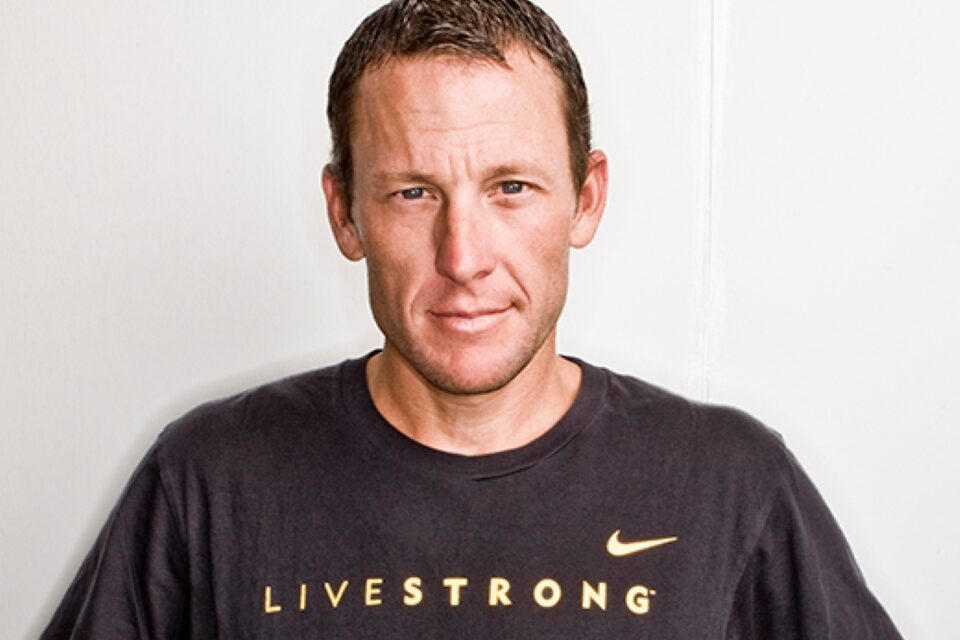
Lance Armstrong wasn’t just known for winning races, he represented something much bigger. His return to cycling after surviving cancer made his victories feel meaningful in a way that went beyond sport. Each Tour de France title added to a story that people found inspiring, almost necessary. It was the kind of narrative that gave hope, and because of that, many held onto it firmly. Even when doping allegations surfaced over the years, Armstrong denied them consistently. His confidence made it easier for supporters to stand by him, to believe that the story was still intact.
When the truth eventually came out, it didn’t feel like a single moment of revelation, but more like a slow unraveling. “I didn’t feel like I was cheating,” he later said in an interview, a statement that didn’t fully settle the questions people had. Instead, it added another layer to an already complicated story. The victories were still there, the records still existed, but they carried a different weight. For many, it wasn’t just about what he did, but how long the denial lasted and how strongly the narrative had been defended. It left behind a sense that something had been missing all along, something people couldn’t quite name at the time, but could clearly see in hindsight.
3. Britney Spears
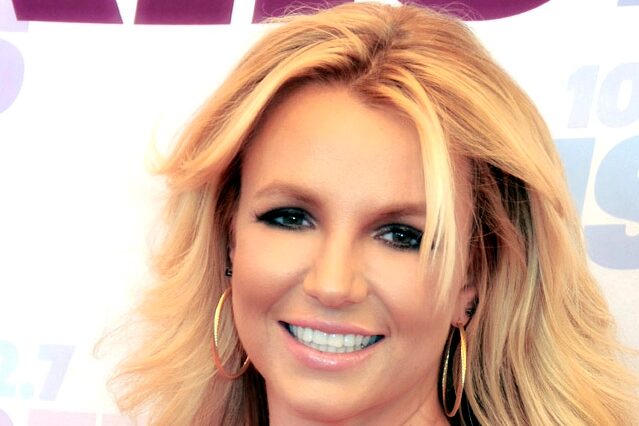
Britney Spears has lived most of her life in front of the public, but there were long stretches where the full picture didn’t seem clear. From the outside, her career looked structured and controlled, yet there were moments that felt difficult to understand. The conservatorship that governed her life for years existed quietly in the background, rarely questioned in depth by the mainstream for a long time. Fans noticed small things, subtle signals that suggested she might not have as much freedom as it appeared. Still, the overall narrative remained largely unchanged, at least on the surface.
As time passed, those quiet concerns began to grow louder. Movements formed, conversations shifted, and eventually, more details came into public view. “There were moments I didn’t feel heard,” she later shared, and that simple statement reframed everything. What once looked like stability began to feel restrictive, and what had been accepted for years started to raise deeper questions. The story didn’t suddenly change overnight, but the understanding of it did. People began to look back and reconsider moments they had overlooked, realizing that the narrative had never been as complete as it seemed. It became less about celebrity and more about control, voice, and the importance of being fully seen.
4. Ellen DeGeneres
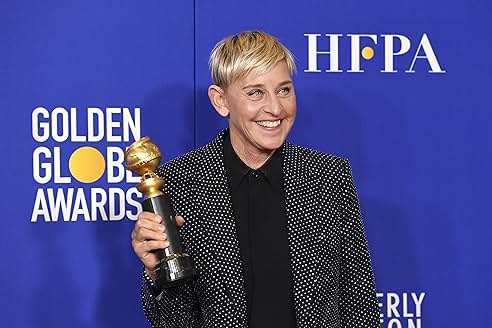
Ellen DeGeneres created something that felt consistent for a very long time. Her show was built on kindness, generosity, and lightness, a space people turned to when they wanted something uplifting. The brand was clear and steady, and over the years, it became almost inseparable from how she was perceived. Viewers trusted what they saw, and that trust made the show more than just entertainment. It felt personal in a way that few programs manage to achieve.
Then, gradually, a different perspective began to emerge. Reports from staff members described experiences that didn’t align with the image on screen. “It was surprising,” one former employee shared, and that reaction reflected what many viewers felt as well. The contrast between the public persona and the behind-the-scenes accounts created a kind of tension that was hard to ignore. It wasn’t just about whether the reports were true, but about how different they felt from what people had come to expect. That gap, between what is presented and what is experienced, is where the story began to feel incomplete. It reminded people that even the most consistent narratives can have layers that aren’t immediately visible.
5. Johnny Depp
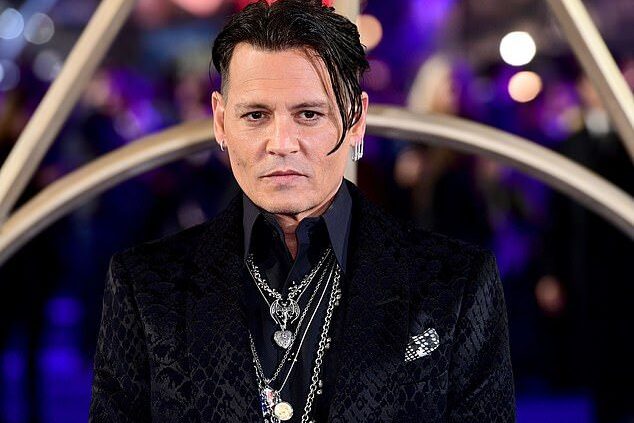
Johnny Depp has always had a career that moved in waves, moments of strong visibility followed by quieter periods. But the legal battle involving Amber Heard brought a different kind of attention, one that wasn’t just about film roles or public appearances. It became a story people followed closely, not just for updates, but to understand what was really happening beneath the surface. As details were shared in court, the narrative didn’t move in a straight line. Instead, it shifted depending on whose perspective was being heard at the time.
What made it feel unresolved for many people was how layered everything seemed. “I spoke my truth,” became a repeated phrase, but it didn’t land the same way for everyone listening. Some people felt clarity, others felt more confusion. It wasn’t just about evidence or headlines, it was about how differently the same situation could be interpreted. In the end, the story didn’t settle into something simple or neatly concluded. It remained something people continue to revisit, not necessarily to find a final answer, but to make sense of how public narratives can unfold in ways that feel incomplete even after everything has been said.
6. Sam Bankman-Fried

Sam Bankman-Fried once stood at the center of what looked like a modern financial success story. His cryptocurrency exchange, FTX, appeared stable, innovative, and widely trusted. He spoke often about responsibility, about giving back, about building something that would last. For many, that consistency made it easier to believe in the structure behind the scenes. It didn’t feel like something that needed questioning, at least not immediately.
When the collapse happened, it didn’t just surprise people, it unsettled them. The details that followed painted a picture that was far more complex than what had been presented publicly. “I didn’t ever try to commit fraud,” he stated, but that explanation didn’t fully answer the questions people had. It created a space where intention and outcome didn’t seem to align clearly. What stood out most was how quickly confidence turned into uncertainty. The same system that once felt secure suddenly felt difficult to understand. It left many reflecting on how much of the story had been visible all along, and how much had only come into view after everything had already fallen apart.
7. Bill Cosby

Bill Cosby was, for a long time, associated with something steady and familiar. His presence in entertainment carried a sense of trust, built over years of work that resonated with audiences across generations. People didn’t just watch his shows, they connected with the image he represented. That consistency made it difficult, at first, to process the allegations that began to surface over time. They didn’t seem to fit into the story people thought they knew.
As more voices came forward, the narrative began to shift in a way that felt gradual but unavoidable. “I feel like people knew something wasn’t right,” one commentator reflected, and that idea lingered because it suggested that the signs may not have been entirely invisible. The gap between perception and reality became more apparent with each new detail. For many, the difficulty wasn’t just in what was revealed, but in reconciling it with what had been believed for so long. It left behind a sense that the story had always been more complicated than it appeared, even if that complexity wasn’t fully acknowledged at the time.
8. Roseanne Barr

Roseanne Barr experienced something that has become more common in recent years, where a single moment online can reshape everything that came before it. Her career had already been established, her voice recognizable, her place in entertainment clearly defined. But one tweet, posted in a matter of seconds, changed the direction of that story almost immediately.
“It was a mistake,” she later said, but the speed of the response made it clear how little space there is for pause in the digital age. The reaction wasn’t gradual, it was immediate and decisive. What made the situation feel unresolved for some people was not just the action itself, but how quickly the consequences followed. There was little time for context, reflection, or conversation before decisions were made. It raised quiet questions about how narratives are formed now, how quickly they solidify, and whether there is room for them to evolve afterward. In many ways, the moment didn’t just change her story, it reflected a broader shift in how public figures are seen and judged today.
9. Meghan Markle

Meghan Markle entered the royal family in a way that felt modern and refreshing to many people watching from the outside. Her background, her voice, and her presence seemed to signal a shift in what tradition could look like. For a while, the story appeared hopeful, almost like a bridge between old structures and new perspectives. But over time, small tensions began to surface, not always clearly defined, but noticeable enough to raise quiet questions. Media coverage varied widely, public opinion felt divided, and the narrative no longer moved in one clear direction.
When interviews and personal accounts began to offer more insight, the story became even more layered. “There’s two sides to every story,” a commentator noted, and that sentiment seemed to follow every discussion that came after. What stood out wasn’t just what was said, but how differently it was received. Some people felt they were finally hearing the truth, others believed there were still missing pieces. That uncertainty is what keeps the story open-ended. It doesn’t settle easily into a single version, and maybe that’s why it continues to be revisited. It reminds people that some narratives aren’t meant to feel complete, at least not all at once.
10. Bernie Madoff
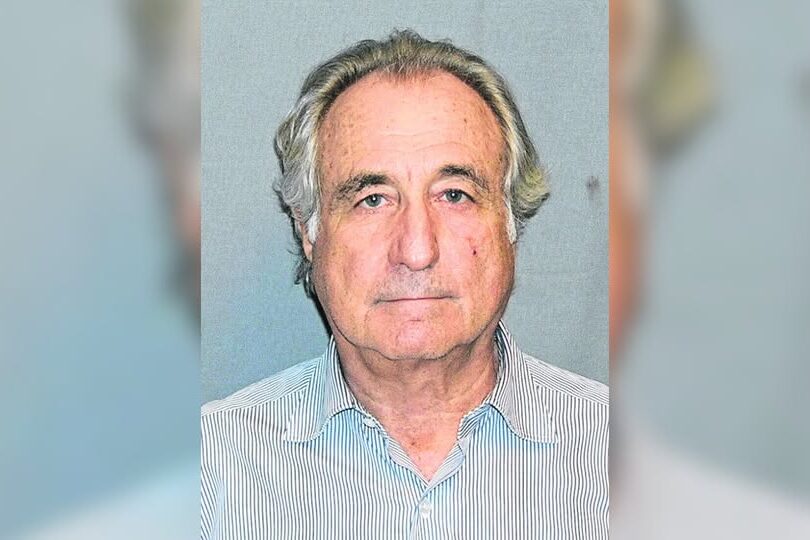
Bernie Madoff built something that, on the surface, seemed steady and reliable. Investors trusted him, institutions respected him, and for years, everything appeared to function without disruption. There was a rhythm to it, a consistency that made it easier for people to believe that what they were seeing was exactly what it seemed. That sense of stability is often what makes deeper questions feel unnecessary, especially when nothing appears to be going wrong.
When the truth finally came out, it didn’t just reveal a problem, it revealed a system that had gone unchecked for far too long. “How did no one see it?” became a common reaction, not just from outsiders, but from those who had been closely involved. The scale of it made the story feel almost difficult to process. It wasn’t just about the deception itself, but about how convincingly it had been maintained. Even after everything was exposed, there remained a lingering sense that the full picture was hard to grasp. It became a reminder that some structures can appear complete on the outside while holding unresolved realities beneath.
11. Kanye West
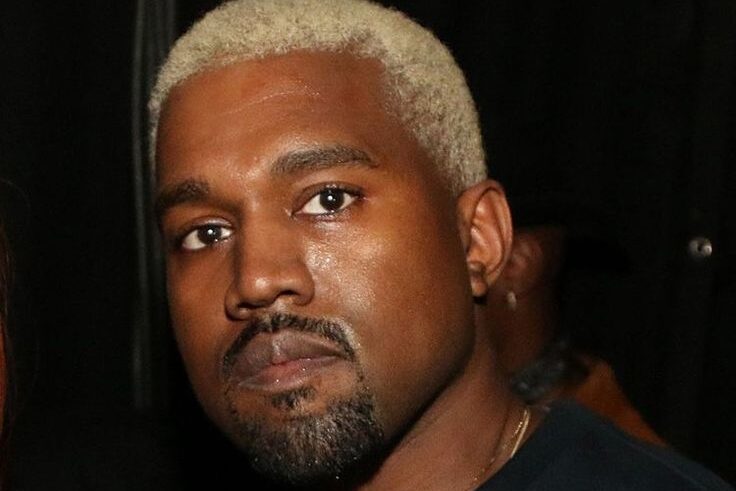
Kanye West has always moved in ways that feel difficult to predict. From music to fashion to public statements, his journey hasn’t followed a single, steady path. Instead, it has shifted repeatedly, with each phase introducing a new version of how he wants to be seen and understood. For some, that evolution feels creative and bold. For others, it feels uncertain, even confusing at times. But what remains consistent is the sense that his story is still unfolding in real time.
“I am a creative,” he once said, and that statement seems to sit at the center of everything he does. It explains some things, but not everything. That’s where the disconnect often appears, in the space between intention and interpretation. People engage with his work and his words differently, bringing their own perspectives into how they understand him. As a result, the narrative never feels fully settled. It continues to shift, to expand, to leave room for both admiration and questioning at the same time. In many ways, his story reflects how identity, especially in the public eye, can remain fluid rather than fixed.
12. Anna Delvey
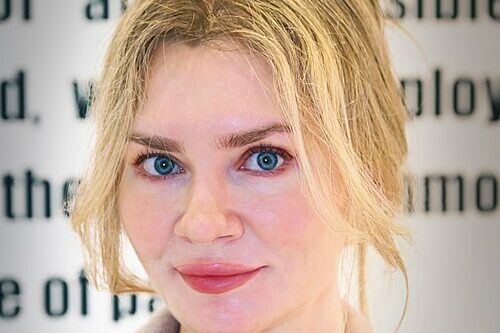
Anna Delvey created a version of reality that felt believable enough to move through high-profile spaces without immediate doubt. She presented herself with confidence, carried a lifestyle that appeared effortless, and for a time, people accepted the image without asking too many questions. It wasn’t just about wealth, it was about perception, about how convincingly a story can be told when all the visible pieces seem to align.
“I just created the life I wanted,” she said, and that line stayed with many people because of how simply it was put. It blurred the boundary between aspiration and misrepresentation in a way that felt both striking and unsettling. When the truth came out, it didn’t erase what had happened, it reframed it. The same story that once seemed impressive began to feel constructed, carefully maintained rather than naturally lived. What makes it linger is not just the deception, but how long it held together. It leaves behind a quiet question about how often perception is accepted as reality, especially in environments where appearance carries so much weight.
13. Michael Jackson
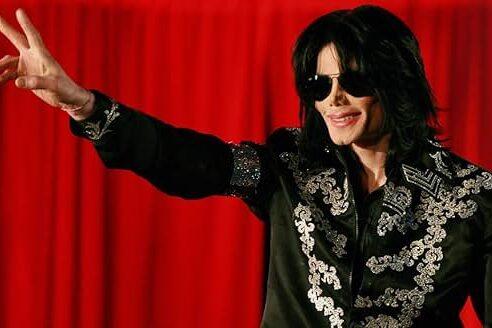
Michael Jackson remains one of the most influential figures in music history, and for many people, his work is deeply personal. His songs, performances, and creative impact shaped an entire era, leaving behind a legacy that continues to resonate. At the same time, conversations about his personal life have introduced a different layer to how that legacy is understood. It’s not a simple shift, but a gradual one, where admiration and uncertainty begin to exist side by side.
“It’s complicated,” is how many people describe it, and that simplicity in wording reflects the complexity underneath. For some, the focus remains on the art, on what he contributed to music and culture. For others, the questions surrounding his personal life are impossible to separate from the overall narrative. The story doesn’t settle into one clear perspective, and maybe that’s why it continues to be revisited over time. It asks people, quietly, how they choose to hold both appreciation and doubt in the same space, without forcing a conclusion that feels too certain.
14. Mark Zuckerberg

Mark Zuckerberg’s story has always been tied to the idea of connection. When Facebook first grew, it felt like something simple and useful, a way for people to stay in touch, share moments, and feel a little closer despite distance. The platform expanded quickly, and with that growth came influence. Over time, it became more than just a social network, it shaped conversations, news, and even how people understood the world around them. Zuckerberg himself remained relatively quiet, often appearing composed, focused, and certain about the direction he was building toward. But as the platform grew, so did the questions surrounding it.
Concerns about data privacy, misinformation, and the broader impact of social media began to surface more frequently. “We didn’t take a broad enough view of our responsibility,” he admitted during a congressional hearing, a statement that felt honest but also left room for reflection. It wasn’t just about one issue, but about how something designed to connect people could also create unintended consequences. For many, the story doesn’t feel fully settled. It sits somewhere between innovation and responsibility, between what was created and how it has been used. And like many of the stories before it, it leaves behind a quiet sense that the full picture is still unfolding, shaped by time, perspective, and what comes next.


