
1. Creative AI And Assistants
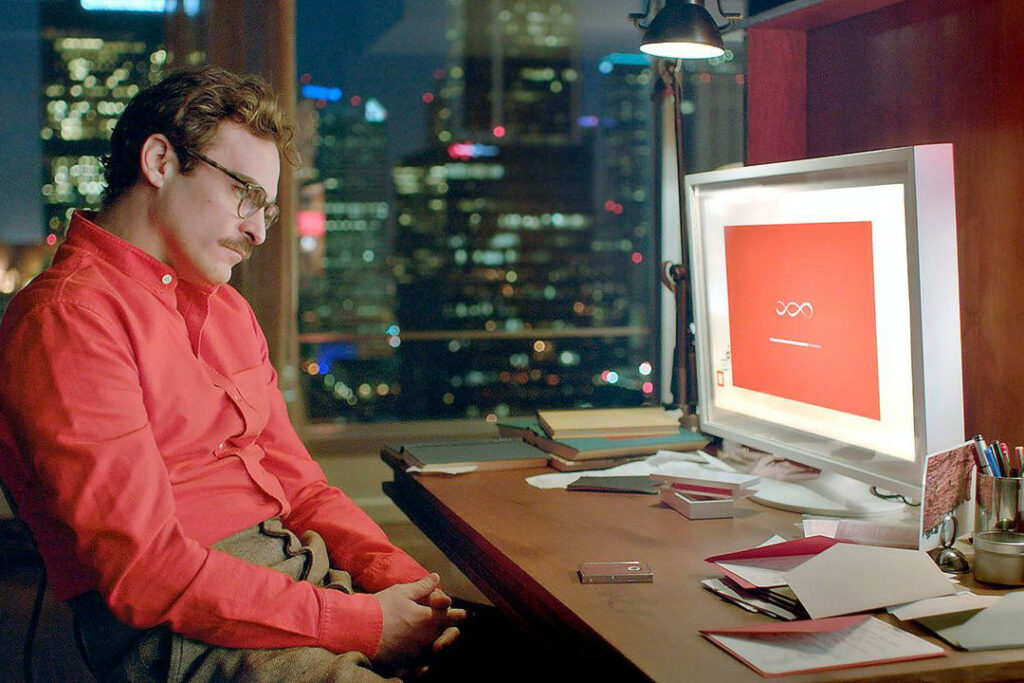
Science fiction frequently imagined intelligent machines capable of understanding human speech, responding emotionally, and assisting with complex tasks. Films like Her and Iron Man presented AI as conversational companions rather than cold calculators. Today’s AI systems are not conscious, but they can generate text, images, music, and code, as well as assist with research and productivity. These tools rely on machine learning and massive datasets rather than true understanding, yet they fulfill the core prediction: computers that interact naturally with humans. Their rapid adoption across creative and professional fields shows how quickly fictional assistants became practical digital tools.
2. 3D Printing Emergence
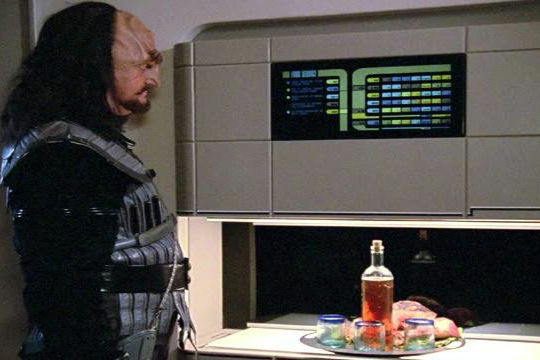
Science fiction long imagined machines that could instantly create physical objects from nothing, most famously the “replicators” seen in Star Trek. While real-world 3D printing doesn’t work instantly, the underlying concept became reality through additive manufacturing. Modern 3D printers build objects layer by layer from digital blueprints, allowing rapid prototyping and customized production. Today, the technology is widely used in medicine for prosthetics and implants, in aerospace for lightweight components, and in manufacturing to reduce waste and costs. Researchers are even experimenting with bioprinting tissues and organs. What once seemed like pure fantasy is now an everyday industrial tool, proving that the idea of “printing” physical objects was not only plausible, but transformative.
3. Electric Cars on Roads
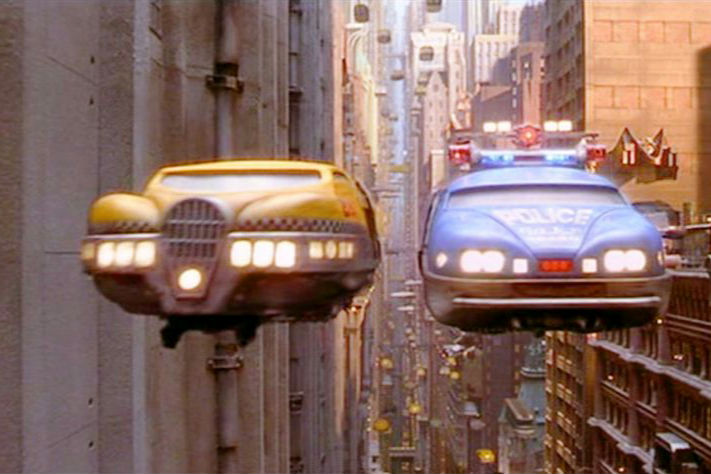
Long before climate change entered public conversation, science fiction predicted vehicles powered by alternatives to gasoline. While truly electric cars weren’t a major focus, 90s sci-fi films like Gattaca (1997) featured sleek, futuristic vehicles with quiet, electric-like sounds, while The Fifth Element (1997) showcased iconic flying taxis (though gasoline-powered in reality), and 1995’s Steel Frontier had a solar-charging electric motorcycle, hinting at alternative power in a dystopian future. That vision has materialized as electric vehicles move steadily into the mainstream. Modern EVs now offer long driving ranges, fast acceleration, and increasingly accessible charging networks.
4. Video Calls Everywhere
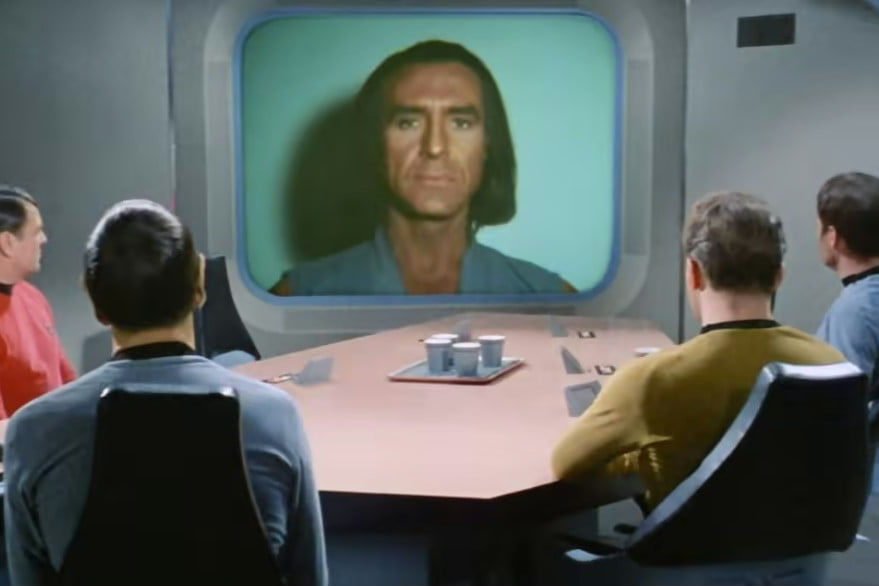
Futuristic stories frequently portrayed characters communicating face to face across vast distances using screens, a concept popularized in franchises like Star Trek. For decades, this idea felt technically unrealistic due to bandwidth and hardware limitations. Advances in internet infrastructure, digital cameras, and compression software eventually made video calling reliable and affordable. Today, video calls are routine for business meetings, education, healthcare consultations, and personal relationships. Their widespread adoption during global lockdowns further cemented them as an essential communication tool. What was once a novelty or cinematic trope is now so commonplace that many people barely consider it remarkable anymore.
5. 4D Cinematic Experiences
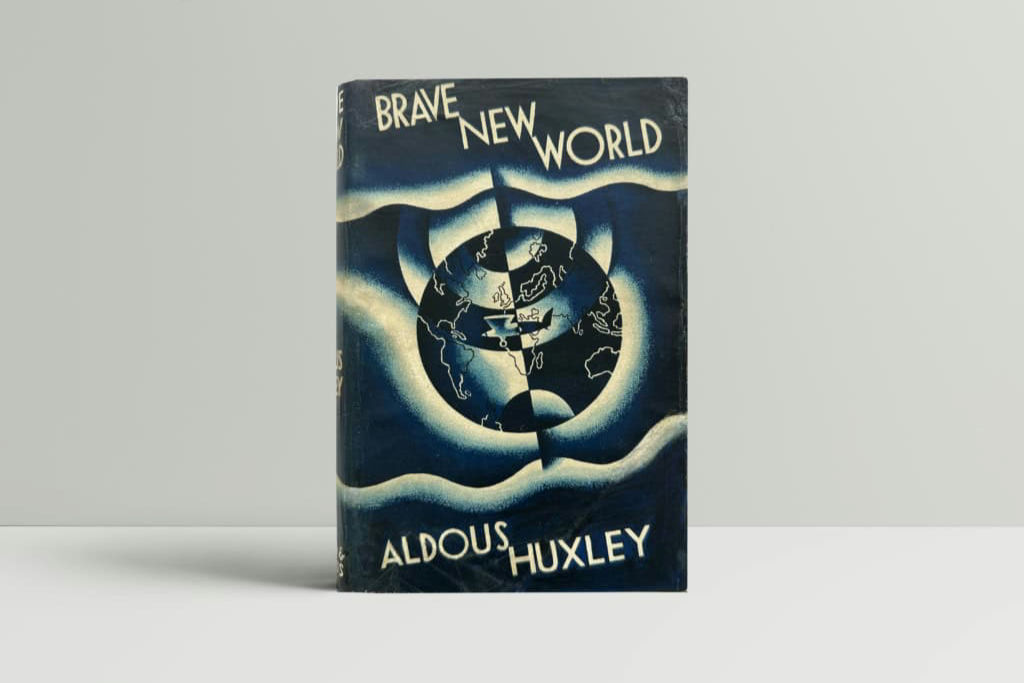
Aldous Huxley’s “feelies,” introduced in his 1932 novel Brave New World, serve as a prophetic, dystopian vision of 4D cinema, anticipating multisensory, immersive entertainment by decades. The feelies are characterized as a “super-cinema” that enhances visual storytelling with physical sensation, aiming to overwhelm the audience through total sensory immersion. These theaters add physical effects like moving seats, air blasts, vibrations, and even scents to traditional films. Although still a niche experience, 4D cinema exists in theme parks and select theaters worldwide. The technology demonstrates how early science fiction correctly anticipated entertainment becoming increasingly immersive, pushing audiences beyond passive viewing into sensory participation.
6. Driverless Vehicles
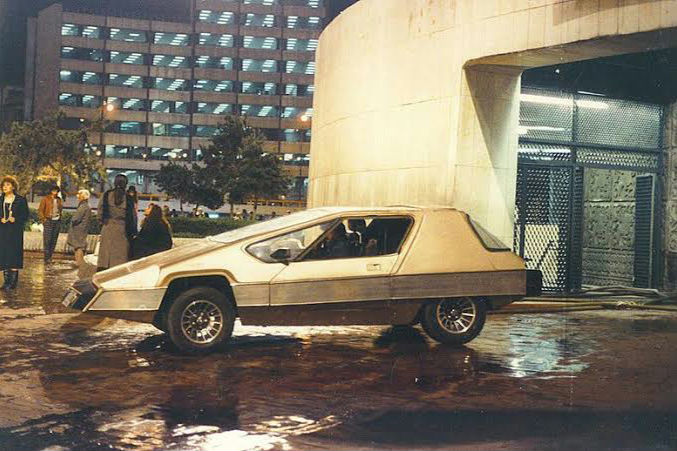
Self-driving cars appeared in science fiction long before computers were powerful enough to support them, including memorable portrayals in films like Total Recall. Today, autonomous vehicle technology is no longer hypothetical. Advanced driver-assistance systems handle parking, lane-keeping, and adaptive cruise control, while fully autonomous shuttles operate in controlled environments. Although widespread adoption remains gradual due to safety and regulatory challenges, the core prediction has been fulfilled. Cars can now navigate roads, interpret surroundings, and make driving decisions using sensors, cameras, and artificial intelligence.
7. Jetpacks In Flight
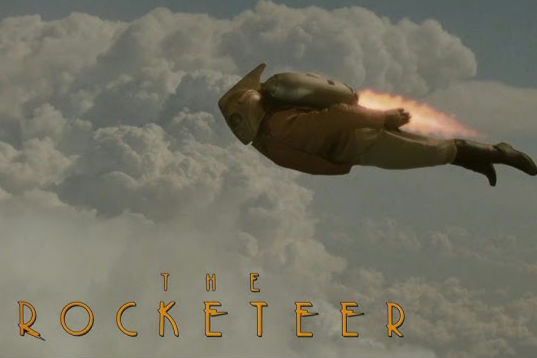
Personal jetpacks became iconic symbols of futuristic freedom in science fiction and mid-century pop culture. The most prominent 90s movie featuring a jetpack as a central, functional technology is The Rocketeer (1991), which portrayed a prototype jetpack allowing for high-speed, controlled flight in a 1930s setting. While the movie is set in the past, it heavily reinforced the “future” prediction of personal flight that was common throughout the 20th century. Functional jetpacks now exist, using turbines, rockets, or water propulsion to lift individuals briefly into the air. They are used for demonstrations, rescue training, and extreme sports rather than daily transportation. Still, the fundamental idea, individual human flight powered by wearable technology, has moved from fantasy into engineering reality, even if practicality limits widespread use.
8. Cloning In Labs
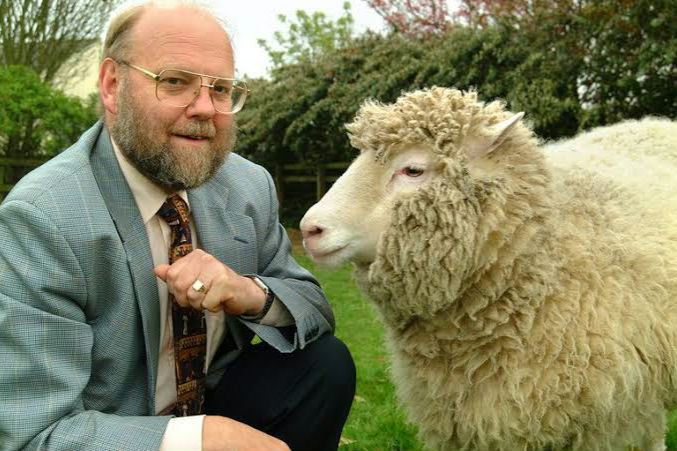
Cloning was once portrayed as a near-magical process in science fiction, often involving instant replicas of humans. While those portrayals exaggerated reality, the underlying concept became real science. In 1996, Dolly the sheep became the first mammal successfully cloned from an adult cell, proving that genetic duplication was possible. Since then, cloning has been used in research, agriculture, and conservation efforts. Human cloning remains ethically restricted, but therapeutic cloning and genetic replication confirm that science fiction’s core prediction, copying life, was fundamentally correct.
9. Humanoid Robots
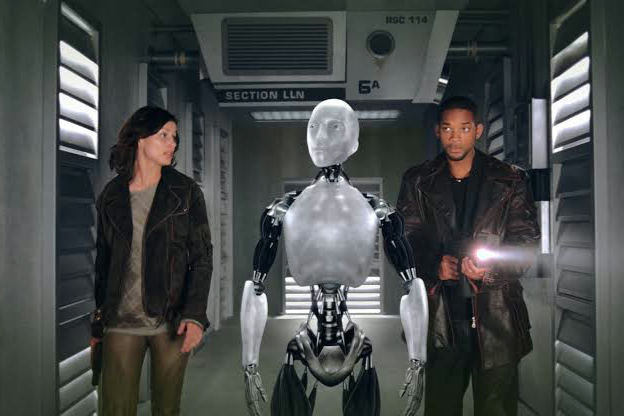
Stories like I, Robot imagined robots that looked and behaved like humans. Modern robotics has not fully reached that level, but humanoid robots now exist with lifelike faces, articulated limbs, and basic social interaction abilities. These machines are used in research, customer service experiments, and public demonstrations. While limited in autonomy, they represent a major step toward the human-like robots once imagined, showing that physical resemblance and interaction were realistic goals, even if full intelligence remains a challenge.
10. Robotic Limbs And Prosthetics
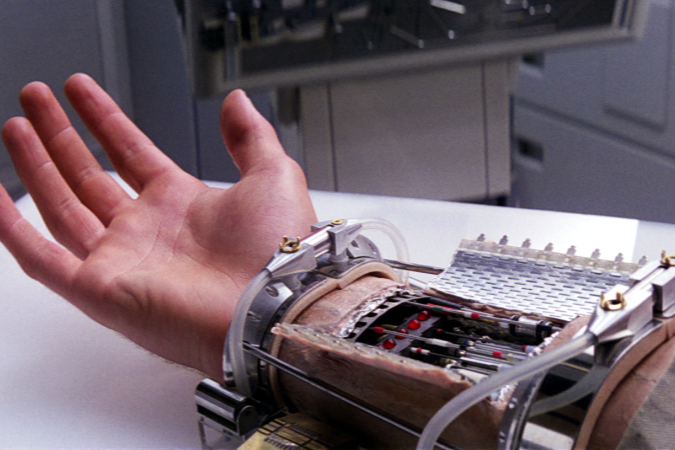
Science fiction like Star Wars often explored human enhancement through mechanical limbs that matched or exceeded biological ability. Today, advanced robotic prosthetics provide users with fine motor control, grip strength, and even sensory feedback. Brain-computer interfaces allow some prosthetics to respond directly to neural signals, making movement more natural and precise. These innovations have dramatically improved quality of life for amputees and injury survivors. While not superhuman, modern prosthetics validate the long-standing prediction that technology would merge with the human body to restore and extend physical capability.
11. Smartphones As Computers
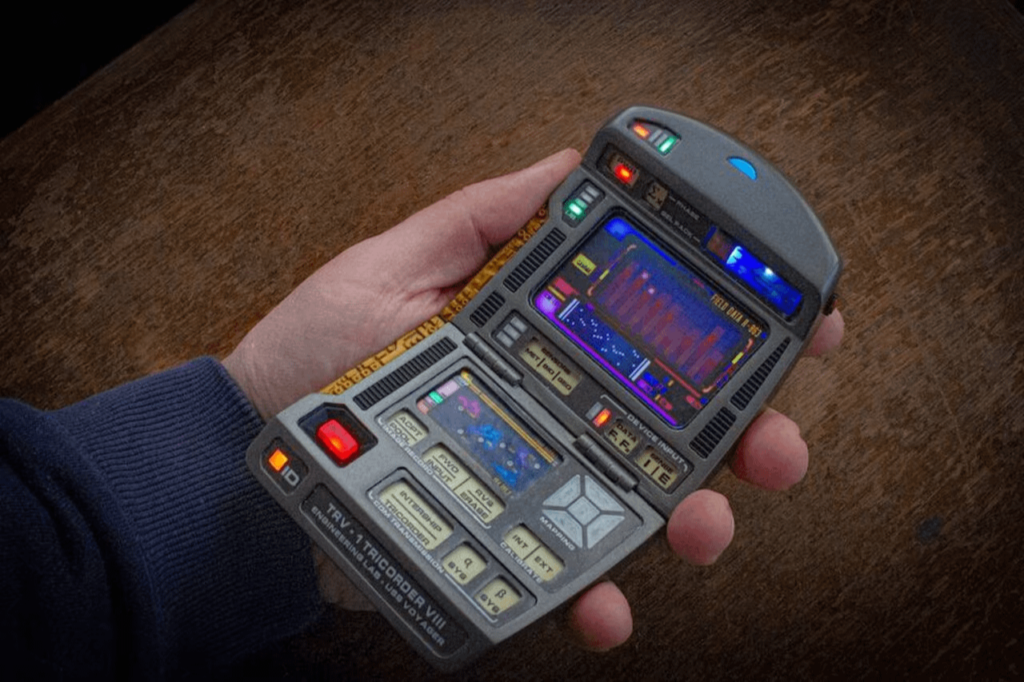
In the 90s, movies often predicted portable computing merging with phones, seen in futuristic shows like Beyond 2000 featuring notebook-like devices with fax/call functions, and Disney’s The Smart House (1999) hinting at AI assistants (Siri/Alexa) and smart homes. While sci-fi like Star Trek (communicator) inspired real inventors like Martin Cooper, 90s films and media struggled to foresee the sleek, pocket-sized power of modern smartphones, often envisioning clunkier, dedicated gadgets or just advanced phones, rather than the all-in-one info hubs they became, though they nailed the idea of constant connectivity and integrated data. Today’s smartphones function as powerful computers that fit in a pocket, handling photography, navigation, payments, entertainment, and work tasks once reserved for desktops. Processing power that once filled entire rooms now exists in handheld devices used billions of times daily.
12. Drones In Civilian Use
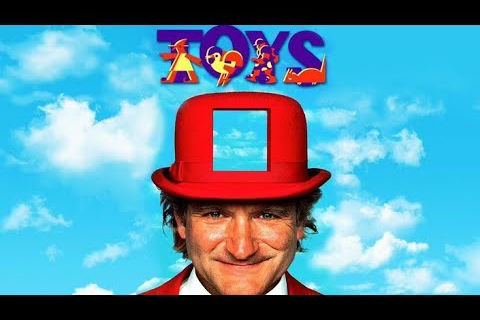
’90s movies predicted modern drones through military simulation themes in films like Toys (1992), showing video-game-like remote warfare, and by featuring autonomous aerial vehicles (UAVs) in Virtuosity (1995), where a killer AI used robotic units, foreshadowing remote-controlled and autonomous military/surveillance drones seen today. While not strictly “drones,” films like Enemy of the State (1998) predicted mass surveillance, and Back to the Future Part II (1989) foresaw consumer UAVs. Although early fiction imagined large autonomous aircraft, reality delivered smaller, more versatile machines that quietly became indispensable tools across industries.
13. Voice Controlled Technology
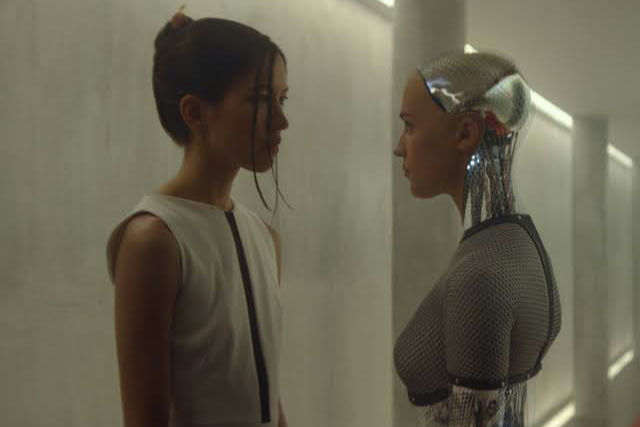
Several movies have famously predicted or explored the nuances of communicating with intelligent machines, ranging from romantic entanglements with AI to dystopian takeovers. Her (2013) is often cited as the most accurate depiction of modern voice assistants (Siri, Alexa, AirPods), focusing on a man falling in love with an AI operating system. Ex Machina (2014) explores the ethical boundaries of AI consciousness and the danger of creating highly intelligent, manipulative robots. 2001: A Space Odyssey (1968): HAL 9000 remains a seminal example of a machine with natural language capabilities that turns against its human users. A.I. Artificial Intelligence (2001) explores AI that can feel and love, creating ethical dilemmas regarding companionship and consciousness. While modern systems still misunderstand context at times, the fundamental prediction came true.
14. Space Tourism Beginnings
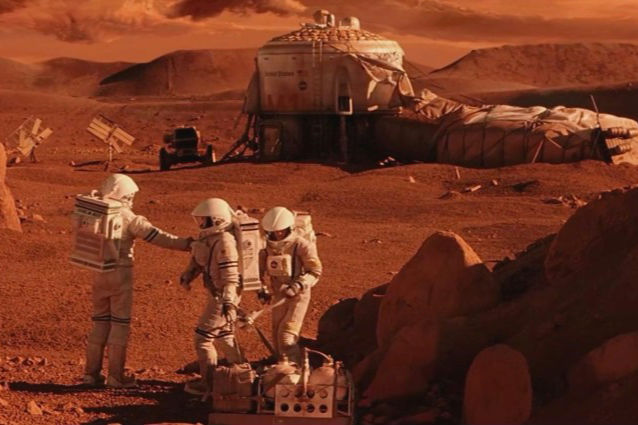
Several science fiction films from the 1990s anticipated the rise of space tourism and commercial space exploration, moving beyond solely government-funded missions. Key examples include Total Recall (1990): This film features civilian travel to Mars and hints at the commercialization of off-world colonies, reflecting a future where space is accessible to non-astronauts. Gattaca (1997): While focused on genetic engineering, the film portrays a society where space travel, including commercial or private flights, is a routine, albeit elite, endeavor for those deemed genetically worthy. Mission to Mars (2000): Although released just after the decade, this film was heavily influenced by 90s concepts of space, focusing on private/international collaboration for Mars exploration, which is central to modern space tourism discussions.
Many ideas that once felt impossible became ordinary through incremental innovation rather than dramatic breakthroughs.


