
Copper For Furniture Flaws
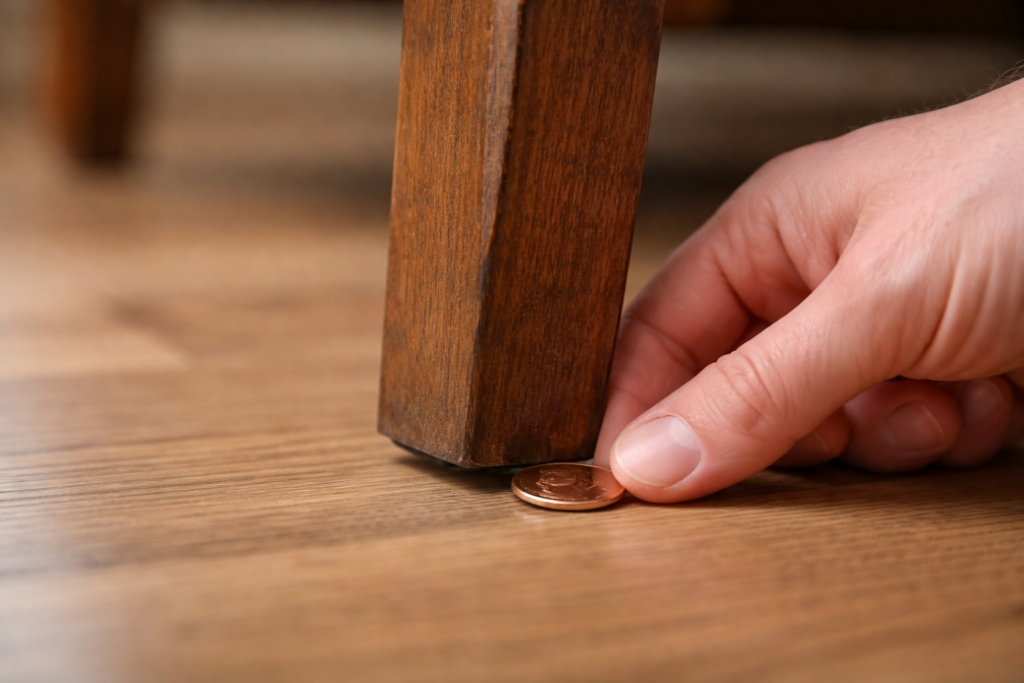
Most people view spare change as a minor nuisance that clutters up their pockets or car consoles, yet those old pennies can actually save your sanity when dealing with a wobbly table. If you have a desk or a chair that rocks back and forth because of an uneven floor, you can slide a few pre-1982 pennies under the short leg to create a solid base. These older coins are particularly useful because they have a higher copper content which makes them sturdy enough to withstand the weight of heavy wooden furniture without compressing over time.
Beyond fixing furniture, these versatile coins are famous for checking the safety of your vehicle. You can insert a penny into your tire tread with Lincoln’s head pointing down to see if the rubber covers the top of his hair, resulting in a quick and free way to know if you need a trip to the mechanic. Some gardeners even swear by dropping a few copper pennies into a vase of water to keep cut flowers looking fresh for longer. It is a brilliant way to put that idle jar of loose change to work around the house.
Rubber Band Grip Tricks

A simple rubber band is usually destined for a junk drawer or the back of a door handle, whereas it actually serves as a powerful tool for DIY repairs. One of the most frustrating moments in home maintenance is trying to unscrew a bolt or screw that has a stripped head. By placing a wide rubber band flat across the top of the screw before applying the screwdriver, you provide the metal tool with the necessary traction to grip the damaged grooves. This friction allows you to turn the screw easily, which prevents the metal from grinding further.
These elastic loops are also perfect for organizing a cluttered closet where silky dresses or wide-neck shirts constantly slip off their hangers. You can wrap a rubber band around each end of a plastic or wooden hanger to create a non-slip surface that keeps your wardrobe securely in place. If you are working on a home painting project, try stretching a large band vertically around an open paint can so that it crosses over the middle of the opening. This gives you a perfect edge to wipe your brush, resulting in fewer drips and a much cleaner rim for sealing the lid.
Better Traction With Gloves
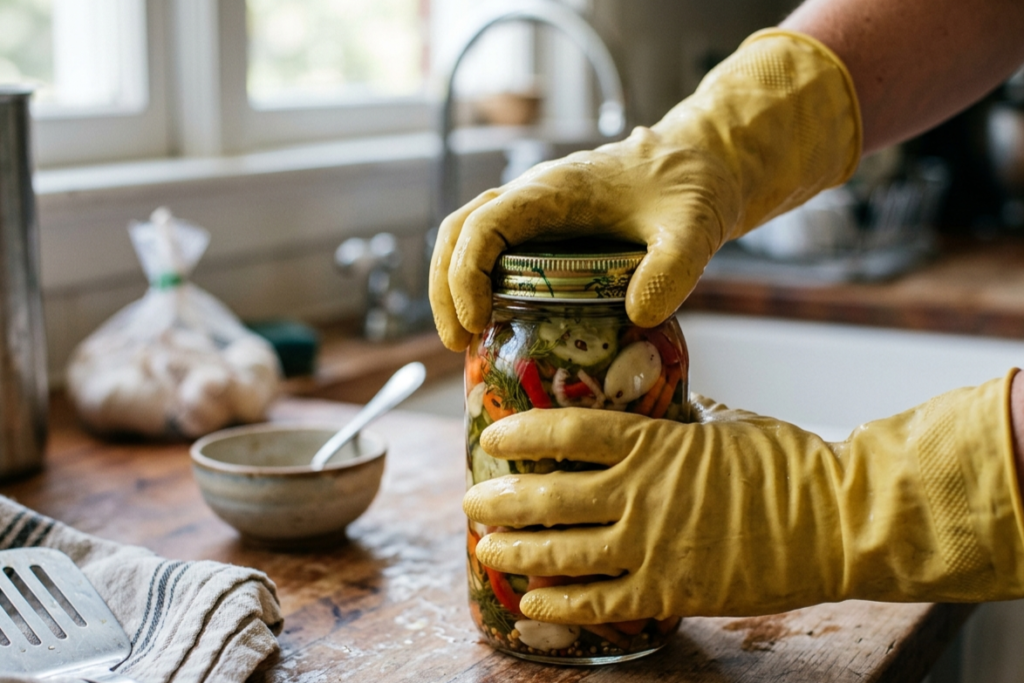
Rubber gloves are a staple for protecting your skin from harsh cleaning chemicals, yet their utility extends far beyond the kitchen sink. The high-grip texture of the latex or nitrile material makes them the ultimate tool for opening stubborn jars that refuse to budge. By wearing a glove or simply draping it over the lid, you create an incredible amount of friction that compensates for a lack of hand strength. This simple trick provides enough leverage to break the vacuum seal on pickles or pasta sauce without needing a specialized gadget.
When you move your efforts to the backyard, these gloves become an essential layer of defense against the elements. They are particularly effective when you need to pull aggressive weeds like poison ivy or thorny vines because the thick material prevents oils and prickers from reaching your skin. Because the gloves are waterproof and easy to rinse off, they handle the mud and grime of gardening much better than traditional fabric versions. Keeping an extra pair in the garage ensures you are always ready for heavy-duty tasks that require a steady, protected hand.
Grating For Fresh Laundry
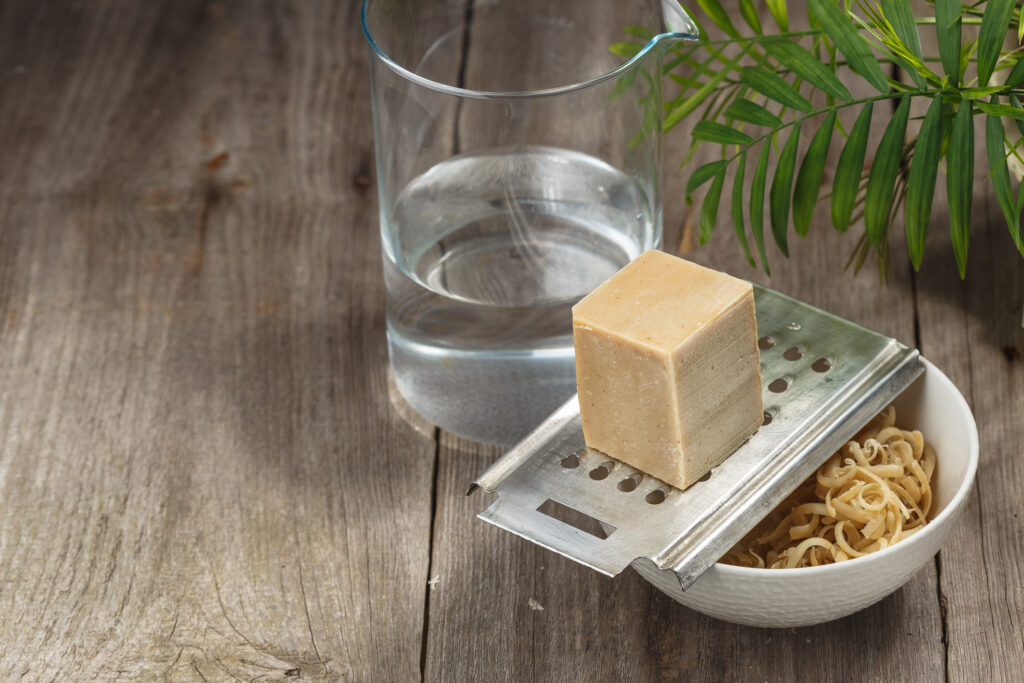
The box grater is a classic kitchen tool used for cheese and vegetables, but it can also be a secret weapon for your laundry routine. Many people are switching to traditional bar soaps for washing because they are often more affordable and contain fewer synthetic additives than liquid detergents. By using the fine-zesting side of your grater, you can transform a solid bar of laundry soap into delicate flakes that dissolve quickly in the wash. This process allows you to customize your scent and cleaning power while saving a significant amount of money over the year.
This technique is especially helpful for those who prefer to make their own DIY cleaning solutions or need a gentle soap for hand-washing delicates. The grated soap spreads evenly through the water, resulting in a thorough clean that doesn’t leave behind any waxy residue on your favorite clothes. Just be sure to give the grater a thorough rinse before you go back to preparing dinner to avoid a soapy aftertaste in your food. It is a simple lifestyle shift that turns a basic kitchen implement into a key part of your household maintenance.
Eggs As Natural Adhesive
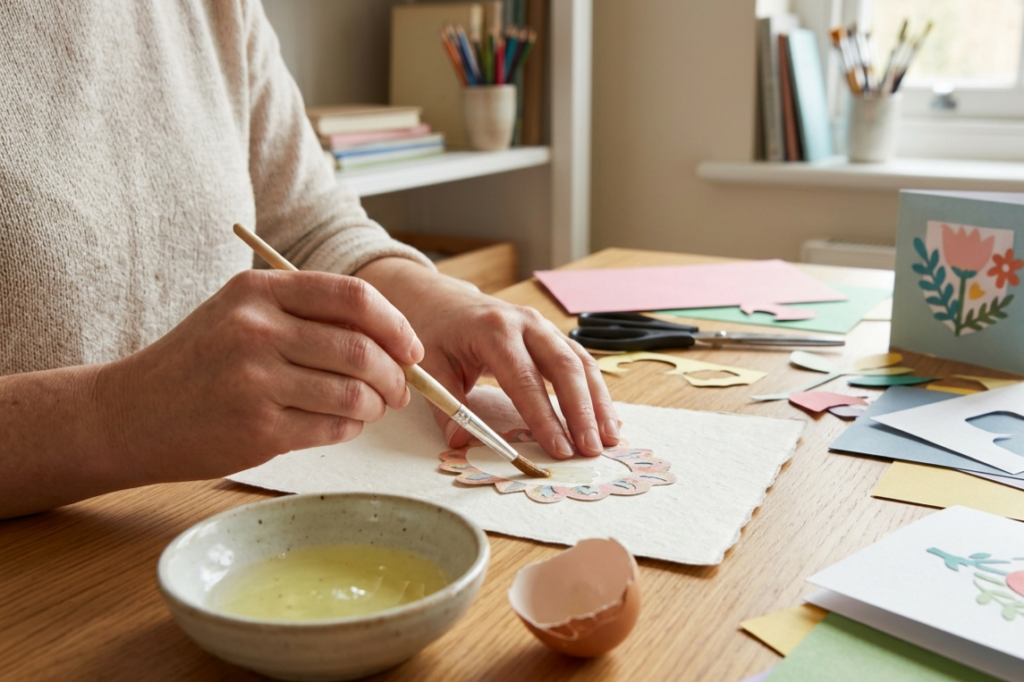
Most of us view eggs as a breakfast staple or a baking necessity, whereas the whites actually possess remarkable binding properties that work outside of a frying pan. If you find yourself in a pinch without a glue stick, a small amount of egg white can serve as a temporary adhesive for paper projects or lightweight crafts. The protein-rich liquid dries clear and creates a surprisingly strong bond that is perfect for sealing envelopes or sticking labels onto homemade preserves. It is an old-fashioned remedy that still holds up in a modern home.
The usefulness of the egg doesn’t stop at the liquid inside because the shells are a goldmine for your outdoor garden. Instead of tossing them in the trash, you can crush the shells into small, sharp pieces and sprinkle them around the base of your plants. This creates a physical barrier that deters soft-bodied pests like slugs and snails which find the jagged edges uncomfortable to crawl over. As the shells break down over time, they also release calcium into the soil, resulting in healthier vegetables and a more vibrant garden landscape for you to enjoy.
The Night Drive Secret
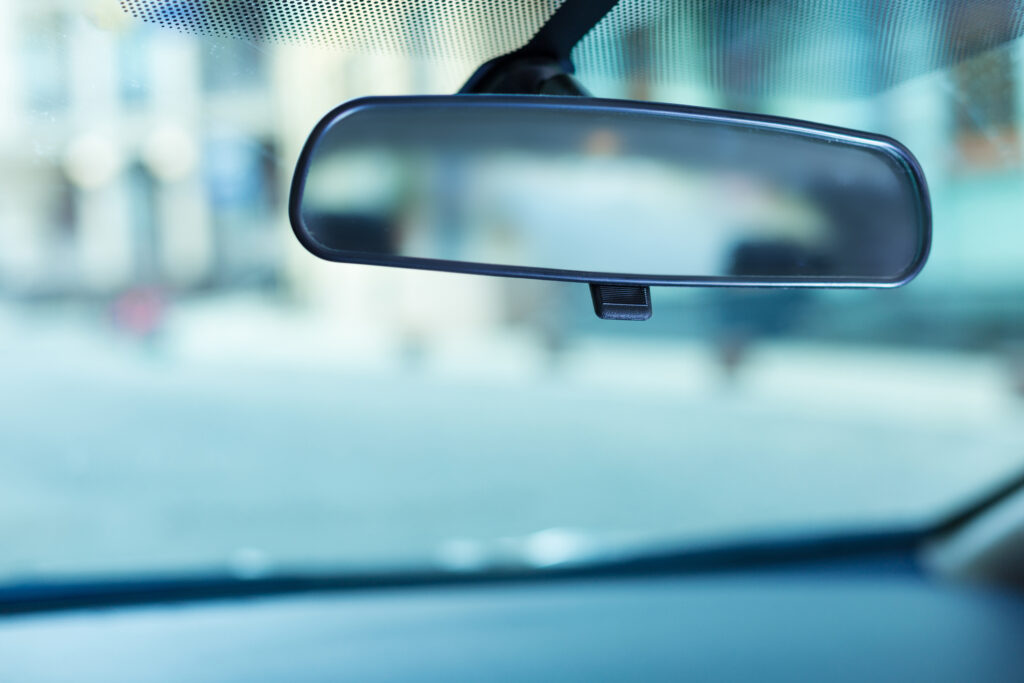
Almost every modern car comes equipped with a small plastic tab at the bottom of the rearview mirror, yet many drivers never realize its true purpose. This feature is designed to be flipped when you are driving at night to engage a specialized “night mode” that changes the angle of the reflection. By shifting the tab, you significantly reduce the blinding glare from the headlights of vehicles behind you whereas you can still see the road clearly. This adjustment is a vital safety feature that helps prevent eye strain and temporary blindness during long evening commutes.
Using this tab is much more effective than simply tilting the mirror away because the glass is specifically manufactured to dim bright lights while maintaining a visible image. It allows you to stay focused on the path ahead without being distracted by the high beams of a following truck or SUV. Once the sun comes up, you simply flip the tab back to its original position to restore full daytime visibility. Understanding this simple mechanical toggle can make your nightly travels much more comfortable and significantly safer for everyone on the road.
Scrubbing With Dryer Sheets
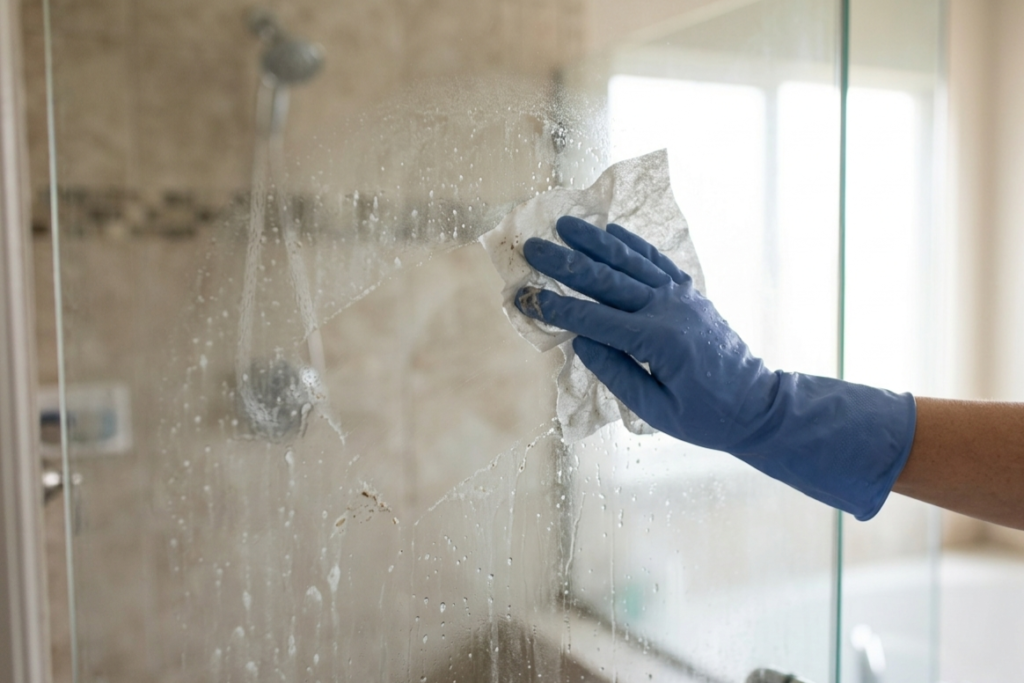
Dryer sheets are famous for making your towels soft and smelling like a spring breeze, but their textured surface makes them an elite cleaning tool. These sheets are coated with softening agents that are surprisingly effective at breaking down the tough minerals found in soap scum. If your glass shower doors are covered in a cloudy film, you can dampen a used dryer sheet and scrub the surface to lift away the buildup with very little effort. This method is often more effective than traditional liquid cleaners because the sheet provides a gentle abrasive action.
You can also take these sheets into the laundry room to maintain your appliances, specifically the bottom of your clothes iron. Over time, starches and synthetic fibers can melt onto the iron plate, resulting in a sticky surface that can ruin your best shirts. By running a warm iron over a fresh dryer sheet, you can pull those stubborn deposits right off the metal to restore a smooth glide. It is a fantastic way to extend the life of your household tools and keep your cleaning routine moving along without the need for expensive chemical solvents.
Aluminum Foil Pan Polish
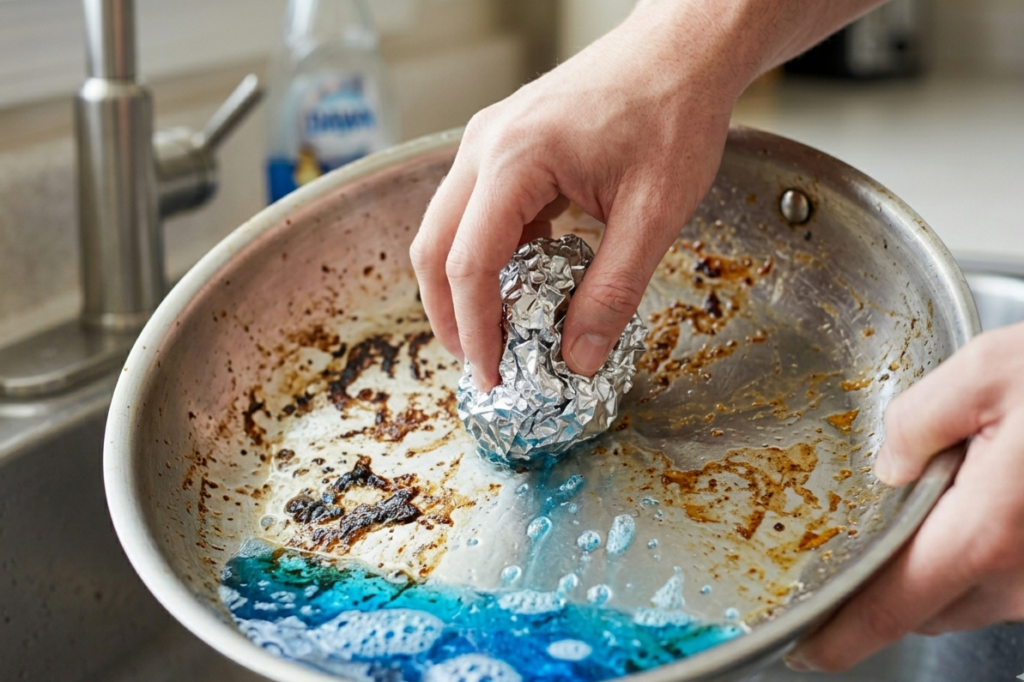
While most of us use aluminum foil to cover leftovers or line baking sheets, a crumpled ball of this metallic paper is a powerhouse in the kitchen. If you have a glass casserole dish or a stainless steel pan with burnt-on food, the foil acts as a heavy-duty scrubber that won’t rust like a traditional steel wool pad. You simply tear off a small piece, ball it up, and use it with a bit of dish soap to gently scrape away the grime. This technique is highly effective at restoring the shine to your cookware without requiring a trip to the store for new supplies.
Beyond the kitchen sink, aluminum foil can be used to maintain the sharpness of your household tools. If your scissors have become dull and are beginning to tear paper rather than cut it, you can simply fold a piece of foil several times and make a series of rapid cuts through the layers. The friction between the blades and the metal foil helps to hone the edges, resulting in a much cleaner cut for your next project. It is a quick and satisfying way to breathe new life into old equipment that might otherwise be destined for the bin.
Mayonnaise For Sticky Messes
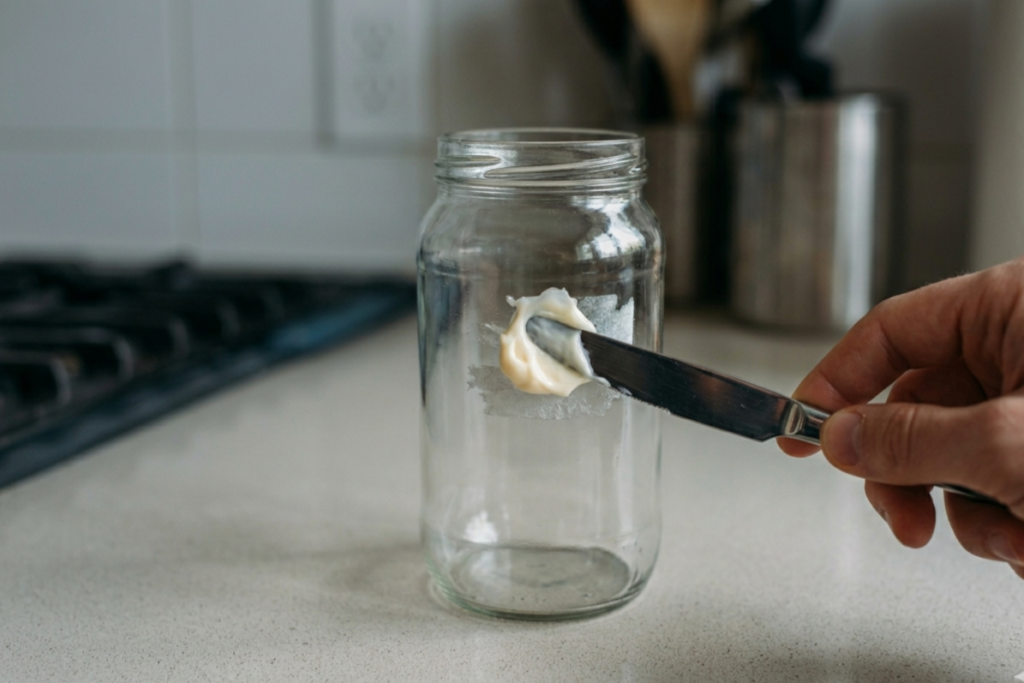
Mayonnaise is usually reserved for sandwiches and salads, yet the high oil content in this condiment makes it an incredible solvent for sticky situations. We have all experienced the frustration of trying to peel a price tag or a label off a new jar, only to be left with a tacky, gray residue that refuses to wash away. If you spread a small amount of mayo over the area and let it sit for a few minutes, the fats will break down the adhesive. You can then wipe it clean with a cloth, resulting in a smooth surface.
This creamy staple is also a secret weapon for maintaining the look of your kitchen appliances and wooden furniture. A tiny bit of mayonnaise on a soft cloth can be buffed into stainless steel to remove fingerprints and provide a protective, streak-free shine. Surprisingly, it is also famous for removing water rings from wooden coffee tables because the oils penetrate the wood finish to displace the moisture. It might seem strange to rub a sandwich spread on your furniture, but the results speak for themselves and provide a chemical-free alternative to expensive commercial polishes.
Coffee Grounds For Odors
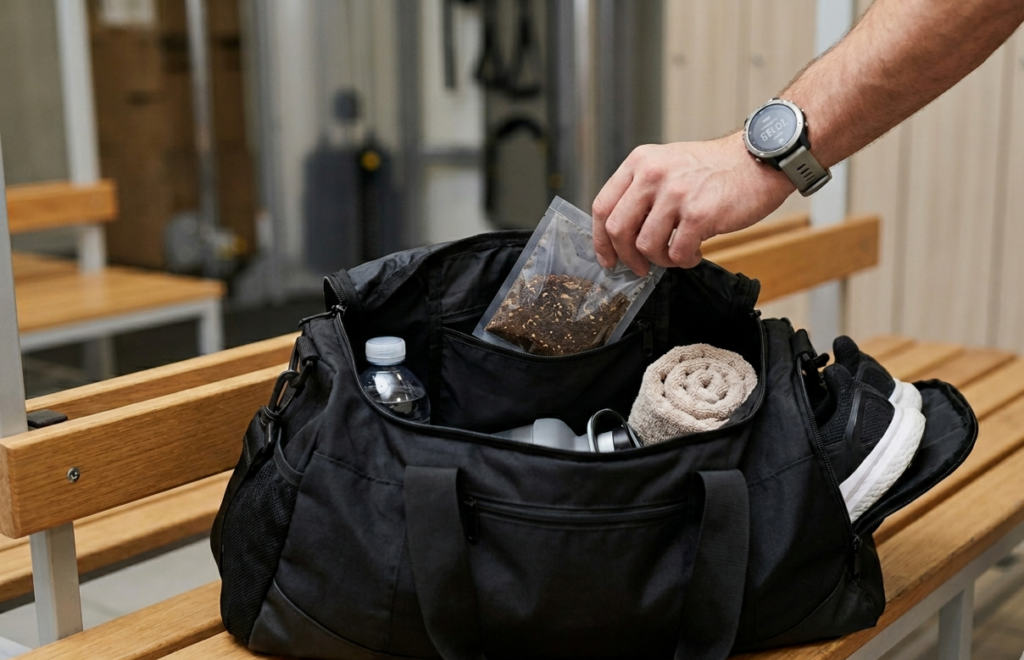
Once you have finished brewing your morning cup of joe, those damp coffee grounds still have plenty of work to do around the house. Because coffee is naturally acidic and porous, it acts as an excellent deodorizer that can neutralize even the strongest smells. You can place a small bowl of dried used grounds in the back of your refrigerator to absorb the scent of onions or leftovers, whereas a small sachet of grounds in a gym bag can keep things smelling fresh. It is a natural and free way to maintain a pleasant environment in your home.
When you are finished using them indoors, the grounds should head straight to your garden to help your plants thrive. They are rich in nitrogen and other essential minerals that provide a slow-release fertilizer for acid-loving plants like roses, azaleas, and blueberries. Additionally, the gritty texture and strong scent can act as a natural deterrent for certain garden pests, resulting in a healthier landscape without the use of harsh pesticides. Recycling your morning waste into a garden booster is a satisfying way to close the loop on your daily consumption habits.
Sparkling Sneaker Soles
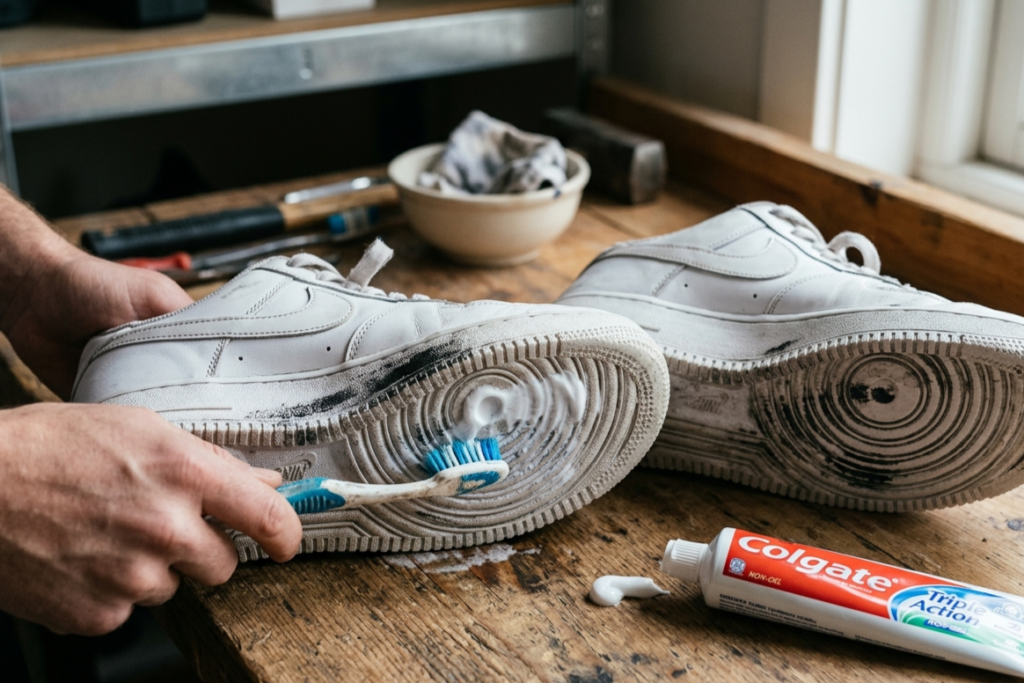
Toothpaste is a fundamental part of our morning hygiene, whereas its mild abrasive properties make it a professional-grade cleaner for footwear. If you have a pair of sneakers with white rubber soles that have become covered in unsightly black scuff marks, a small dab of non-gel toothpaste can work wonders. By using an old toothbrush to scrub the paste into the rubber, you can lift away the dirt and grime that regular soap often leaves behind. This trick is particularly popular among shoe enthusiasts who want to keep their favorite kicks looking brand new without using harsh bleaching agents.
The benefits of toothpaste extend to the bathroom and kitchen fixtures where it acts as a gentle polish for chrome. Because it is designed to clean delicate tooth enamel without scratching, it is perfectly suited for removing water spots and fingerprints from faucets and towel racks. You simply apply a small amount to a soft cloth, rub it over the metal in circular motions, and rinse with warm water, resulting in a brilliant, mirror-like shine. It is a convenient way to touch up your home’s appearance using a product you already have sitting on your bathroom counter.
Smell Free Shoes
While many people reach for expensive chemical sprays and paper towels to clean their windows, old newspapers have long been the secret of professional cleaners. The unique texture of newsprint is slightly more abrasive than a paper towel, whereas the ink actually acts as a very fine polishing agent that helps to lift grime. When used with a simple solution of water and vinegar, the newspaper absorbs the liquid without leaving behind the annoying lint or streaks often caused by fabric cloths. This results in a crystal-clear finish that allows more natural light to flood into your living spaces.
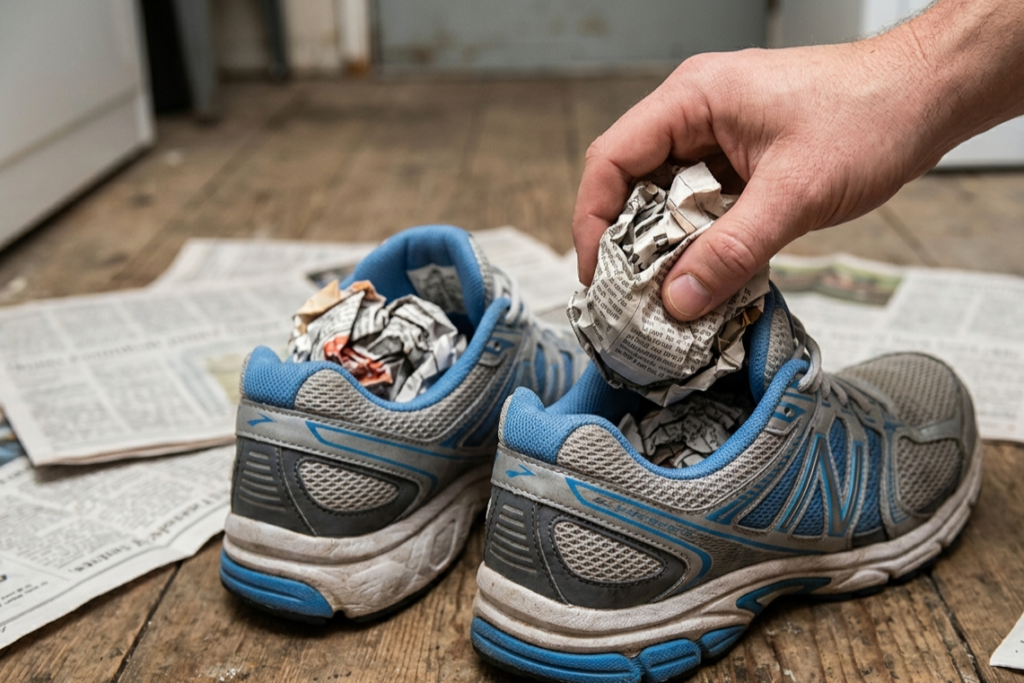
Beyond making your windows sparkle, newspaper is an incredible tool for managing unpleasant odors in the kitchen and garage. You can crumble up several sheets and place them at the bottom of your plastic garbage cans or inside smelly gym shoes to soak up moisture and stinky scents. The porous nature of the paper fibers allows it to trap odors effectively, which prevents them from wafting through the house. It is a fantastic way to recycle your daily news delivery into a practical household utility before finally tossing it into the bin for good.
Lubricating With Oil
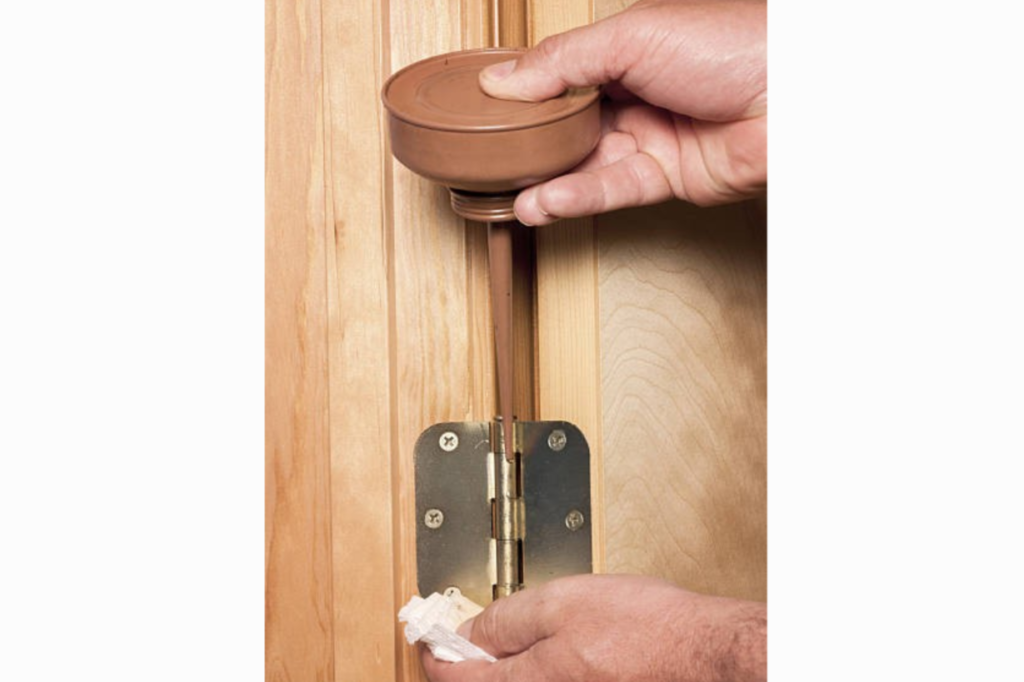
Olive oil is a staple of the Mediterranean diet, but its viscous nature makes it a surprisingly effective mechanical lubricant for household maintenance. If you are dealing with a squeaky door hinge that grates on your nerves, a few drops of olive oil can silence the metal-on-metal friction just as well as commercial sprays. Because it is a natural product, you don’t have to worry about inhaling synthetic fumes or getting toxic chemicals on your hands. This simple application creates a smooth glide for your doors, resulting in a much quieter and more peaceful home environment.
This kitchen oil is also your best friend when it comes to removing stubborn label residue or sticky sap from your hands and tools. Much like mayonnaise, the fats in olive oil work to dissolve the chemical bonds in adhesives, making it easy to wipe away the tacky mess from glass or plastic containers. It can even be used to condition wooden cutting boards or stainless steel surfaces to prevent future stains and add a healthy glow. Keeping a small bottle of olive oil handy means you are always prepared to fix a sticky situation or a noisy hinge with a single, natural ingredient.
Deodorizing With Soda
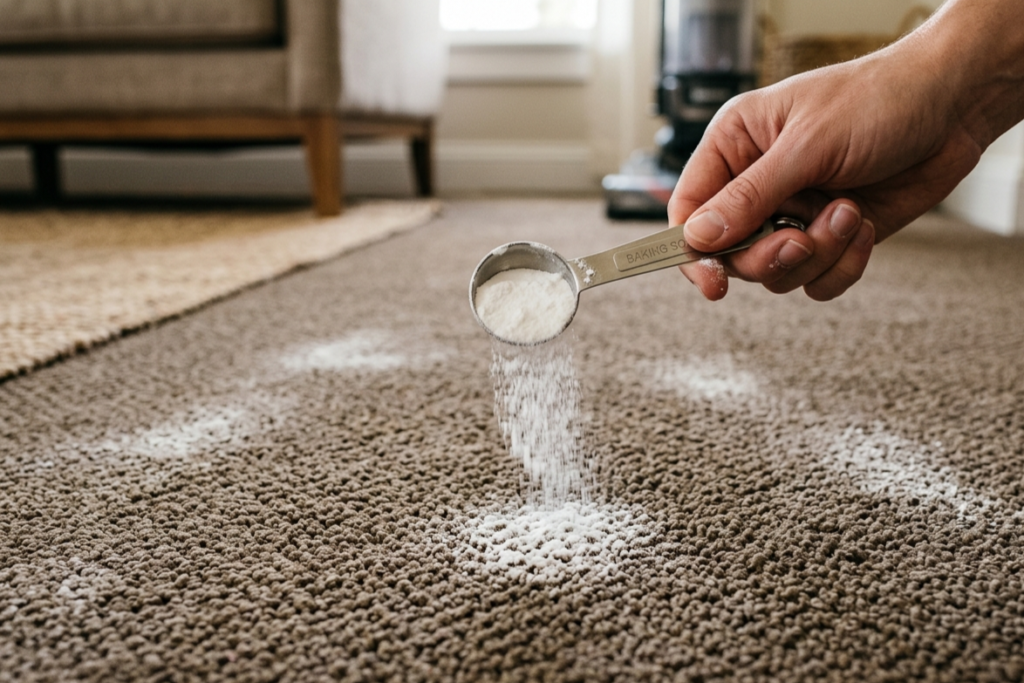
Baking soda is perhaps the most versatile item in any American pantry, serving as both a leavening agent and a heavy-duty cleaning powerhouse. Its chemical structure makes it an ideal odor neutralizer because it actually absorbs acidic and basic scent molecules rather than just masking them with perfume. By sprinkling a light layer of baking soda over your carpets or upholstery and letting it sit for twenty minutes before vacuuming, you can pull deep-seated odors out of the fabric. This process leaves your home smelling fresh and clean, resulting in a more inviting atmosphere for guests.
In the kitchen, baking soda becomes a safe and effective abrasive for tackling the toughest baked-on grease inside your oven. When mixed with a small amount of water to create a thick paste, it can be spread over charred surfaces to break down carbon deposits without the need for caustic fumes. This method is much safer for households with pets or children, whereas it is still powerful enough to restore your oven to its former glory. Whether you are freshening up a rug or deep-cleaning an appliance, this humble white powder is a reliable partner in maintaining a healthy and spotless home.


