
1. Writing Letters By Hand
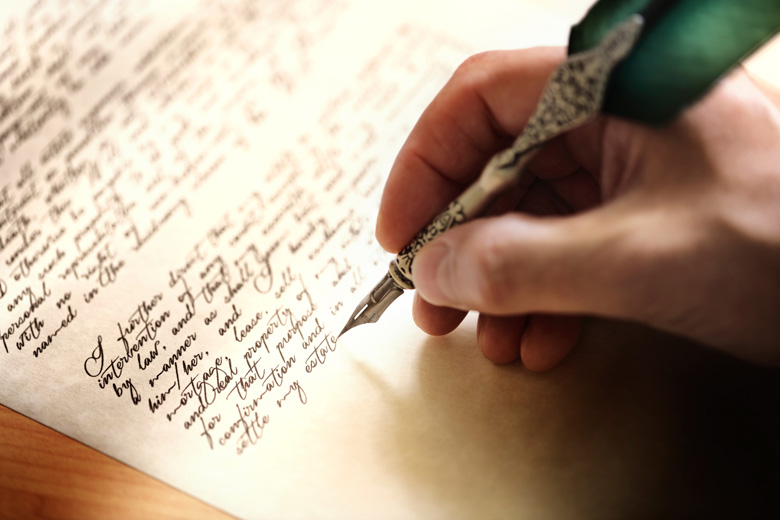
Before everything went digital, staying in touch meant slowing down enough to actually say something that mattered. You would sit with paper in front of you, sometimes unsure how to begin, then ease into it with something simple and familiar. The first few lines often felt careful before your thoughts settled and began to flow naturally. You wrote about your day, small details, things you would not even think to type now. It felt like talking, just quieter, more intentional, and somehow more honest in a way that made every word feel like it truly counted.
Once you were done, you folded it neatly, sealed it, and let it go, knowing it would take time to reach the other person. That waiting became part of the experience, not something to rush through. When a reply finally came, it felt special in a way that is hard to explain now. People kept those letters, reread them, and held onto them like memories you could touch. It was not just about communication, it was about feeling close to someone even when they were far away in ways that felt deeply real.
2. Memorizing Phone Numbers
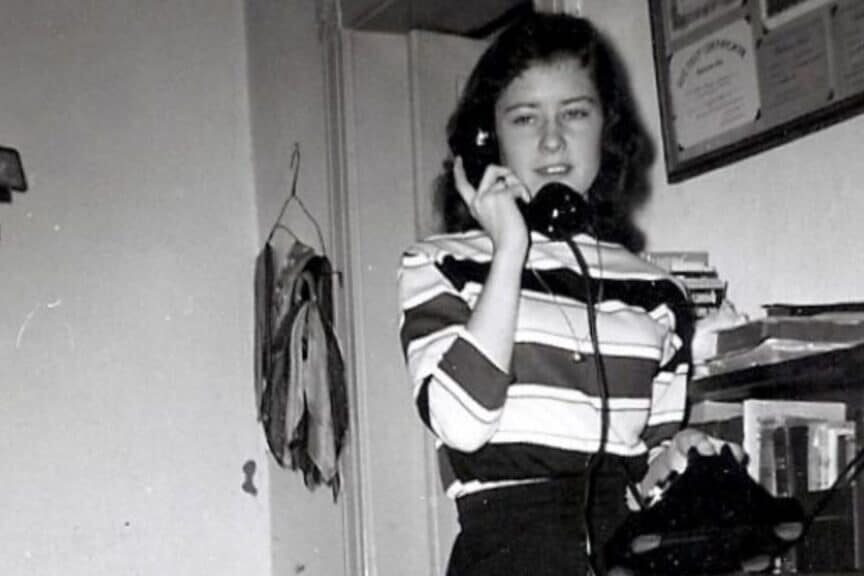
There was a time when phone numbers lived in your head without effort. You did not save them anywhere, you simply knew them because you used them often. Your best friend’s number came naturally, your parents’ numbers felt automatic, and even a few extra ones stayed with you just in case. You dialed slowly, paying attention to each number, hoping you got it right the first time so you would not have to start over again. It made every call feel a bit more deliberate and personal than it often feels today.
Sometimes you got it wrong and someone else answered, and you had to quickly explain or laugh it off. Those little moments were part of the experience too. Over time, those numbers became more than digits, they were tied to people and memories. You carried them with you everywhere, not in a device, but in your mind. It created a quiet kind of connection, one that did not rely on anything else to exist and stayed with you even when everything else changed around you.
3. Using Paper Maps To Get Around
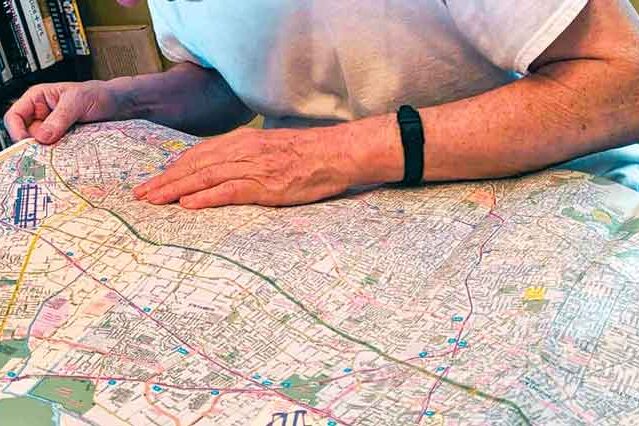
Getting somewhere new used to come with a bit of uncertainty, and that was not always a bad thing. You opened a large paper map, spread it out, and traced your route carefully with your finger. Sometimes folding it back felt harder than reading it. There was no voice guiding you or correcting your mistakes, so you paid attention to road signs and landmarks. You stayed present because you had to, and that made the journey feel more real and engaging from beginning to end.
If you missed a turn, you adjusted. You stopped, asked someone nearby, or studied the map again until it made sense. Those pauses became part of the experience instead of something to avoid. And when you finally reached where you were going, there was a quiet satisfaction in it. You had not just arrived, you had figured it out. It felt earned in a simple way that made the whole trip more memorable and gave you a stronger sense of direction each time.
4. Waiting For Photos To Be Developed
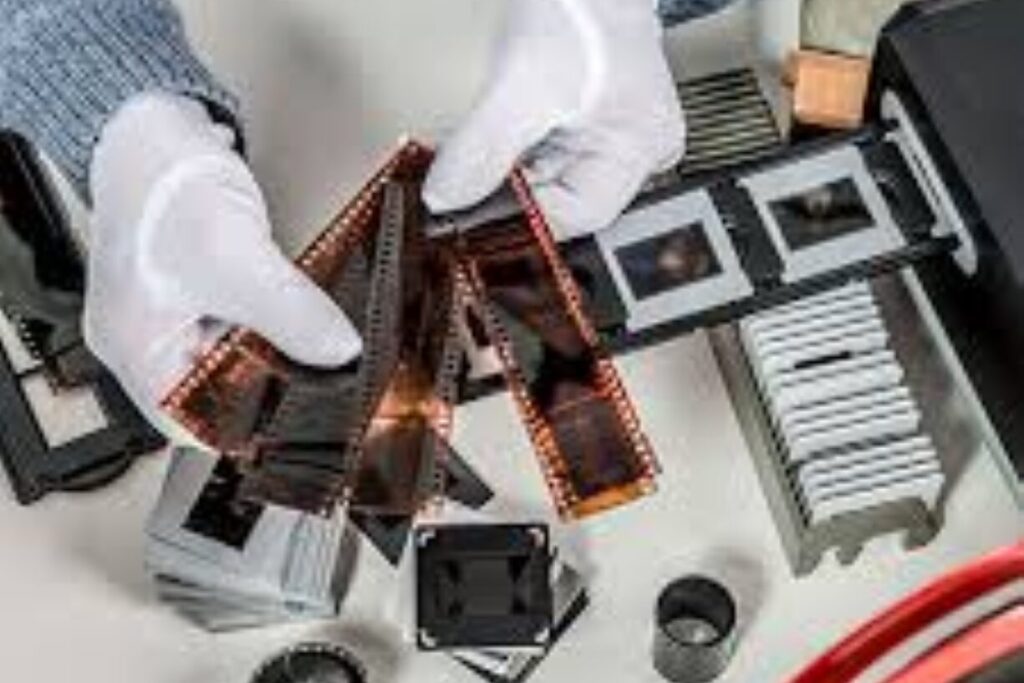
Taking pictures used to feel like taking a small risk. You did not know how the photo would turn out, so you tried your best to get it right the first time. There was no preview, no quick retake, just the moment and your hope that it was captured well. Then came the waiting, which stretched out longer than you expected. During that time, the memory stayed fresh in your mind, almost more vivid because you had not seen the photo yet.
When the pictures finally came back, people gathered to look through them together. There was laughter at the imperfect ones and quiet appreciation for the good ones. Each photo meant something because there were not many of them. You chose what to capture, and that made each image feel important. They were not just pictures, they were moments you had trusted enough to keep, and that made them feel a little more special every single time you looked at them again.
5. Reading The Newspaper Every Morning
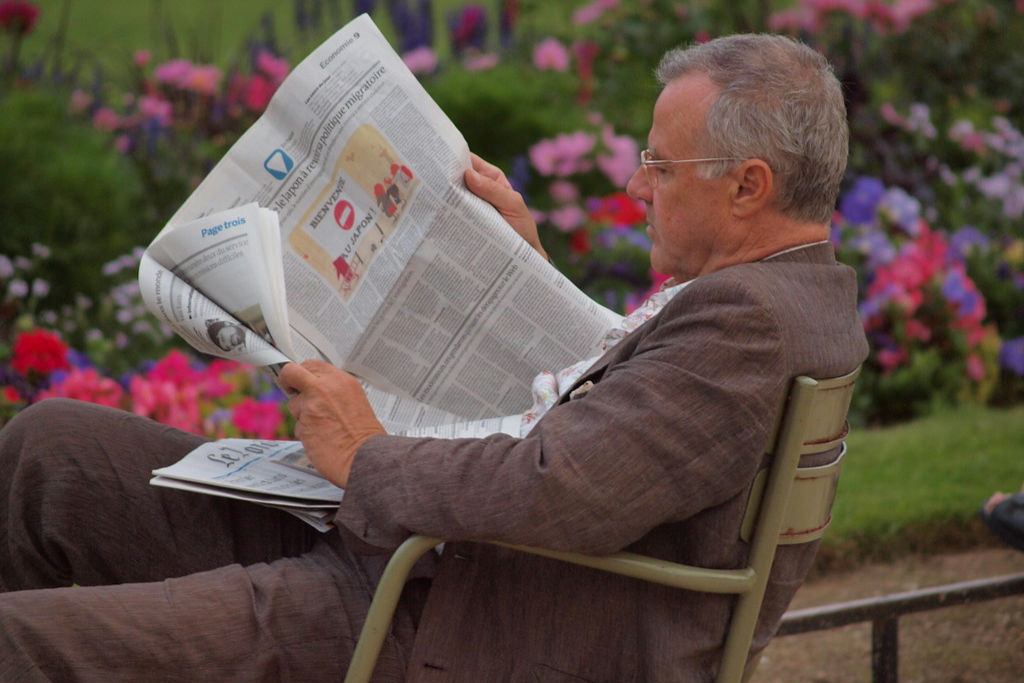
Mornings once had a slower, steadier start that did not involve endless scrolling. You picked up a newspaper, unfolded it, and worked your way through it page by page. You did not rush through headlines, you read full stories, sometimes pausing to think about what you had just read. It felt focused, like your attention was fully there instead of being pulled in different directions at once by constant updates and distractions.
There was also something shared about it. Other people were reading the same stories that morning, forming their thoughts around the same information. Later in the day, conversations often started from those pages without needing much explanation. It made the world feel a little more connected in a quiet way. The routine itself felt grounding, giving your day a calm beginning before everything else picked up and started demanding your attention from every direction.
6. Recording Songs From The Radio
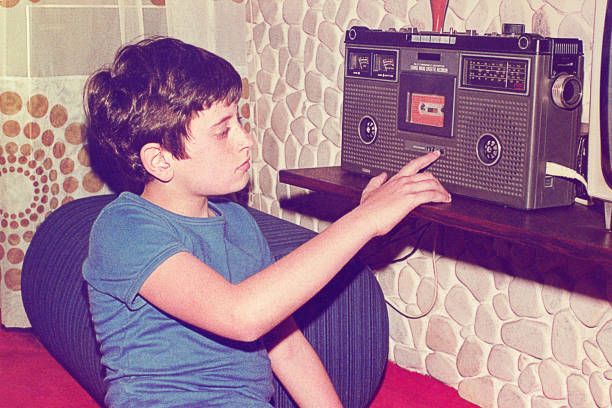
If you loved a song, you had to wait for it. You sat near the radio, listening closely, ready to press record the moment it started. Timing mattered, and sometimes you missed it and had to wait again. When you finally caught it properly, it felt like a small win you had worked for. Even if the beginning was cut or a voice slipped in, you still kept it because it was yours and you had waited for it.
Over time, those recordings became personal collections filled with memories. You played them over and over, learning every sound and every pause. Each song reminded you of when you first heard it or where you were when you recorded it. It was not just about the music itself, it was about the experience of getting it. That process made the songs feel closer to you in a way that ready made playlists rarely do now.
7. Keeping Physical Address Books
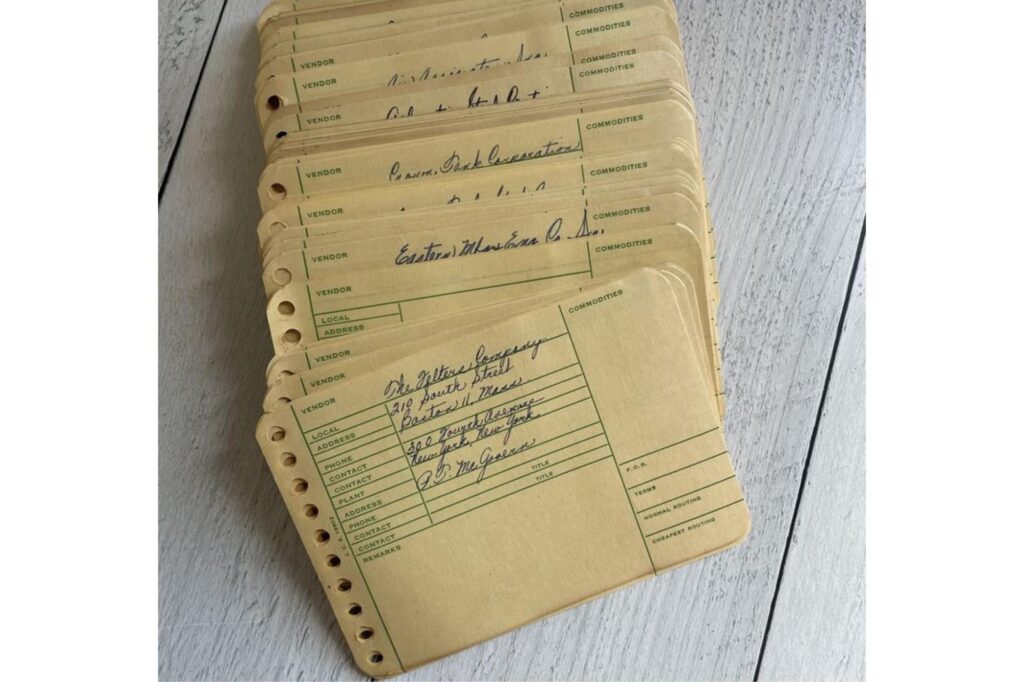
There was always that small book filled with names and numbers, sometimes written neatly, sometimes squeezed into whatever space was left. It was not perfect, but it did not need to be. You flipped through it slowly, taking your time to find what you were looking for. Along the way, you might pause at a name and remember something small that made you smile without even realizing it at first.
It became more than just a place to store contact details. It was a quiet record of your connections, growing and changing as your life did. Adding a new name felt like something worth noting, while crossing one out carried its own meaning. You carried it with you, knowing it held pieces of your everyday life. In a simple way, it reflected the people who were part of your world and the moments you shared together.
8. Watching Shows On A Fixed Schedule
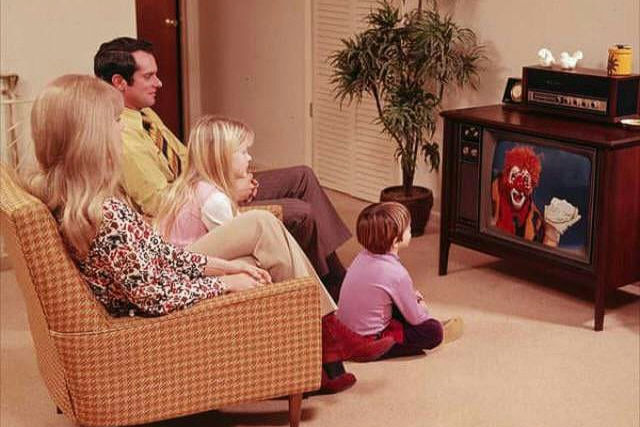
Watching your favorite show meant being there at the right time, no exceptions. You planned around it without even thinking too much about it. If it came on at a certain hour, you made sure you were ready. Missing it meant waiting, sometimes longer than you liked, so you paid attention. It created anticipation that built throughout the day in a quiet and steady way that felt natural.
When the show started, it felt like a shared moment. Others were watching too, even if you were not together. You talked about it later, replaying scenes in conversation because that was the only way to revisit it. When it ended, it simply ended. There was nothing to continue immediately. You carried that episode with you until the next one came around, holding onto it in a way that made it feel more lasting.
9. Looking Up Information In Encyclopedias

When you needed to find something out, you did not search, you looked it up. You reached for a heavy encyclopedia, opened it carefully, and flipped through the pages until you found what you were looking for. It took time, but it also made you slow down and read properly. You often ended up learning more than you intended because other topics around it caught your attention along the way. It felt less like searching for an answer and more like discovering something gradually.
The process itself required patience, and that patience shaped how you understood things. You stayed with the information longer instead of jumping quickly from one thing to another. It made learning feel more complete, not rushed. You absorbed details, followed ideas, and built a clearer picture over time. It was not instant, but it stayed with you. In a quiet way, it made knowledge feel something you worked through, not something handed to you in seconds.
10. Visiting Libraries For Research
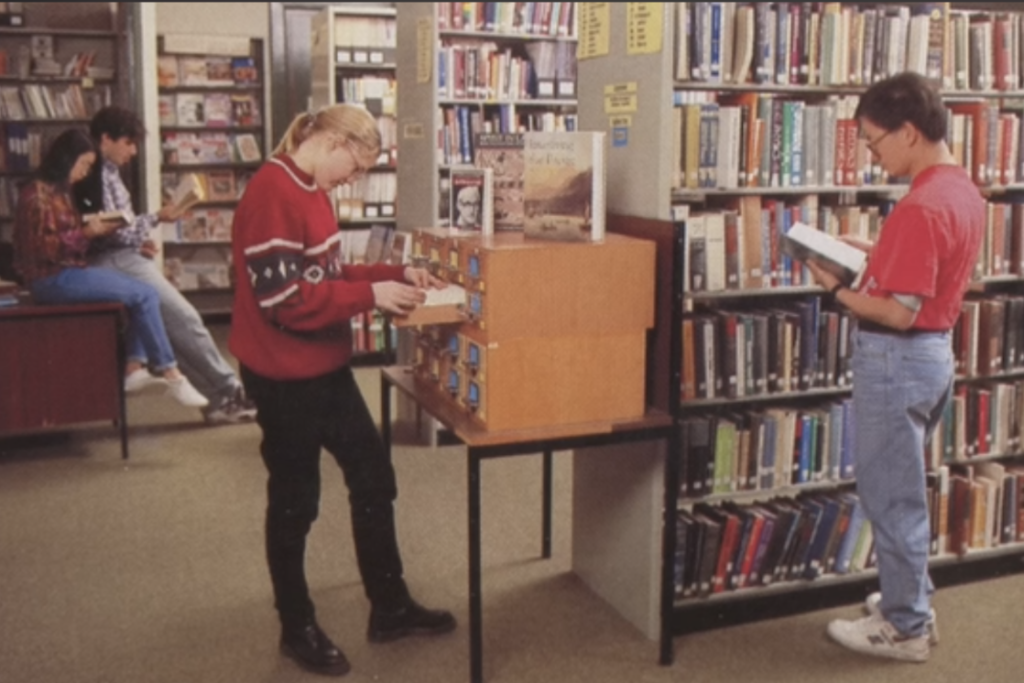
Going to the library meant you were ready to focus. You walked through shelves, scanned titles, and picked out books that seemed useful. There was no shortcut to it. You had to take your time and settle into the process. Once you found a spot, you sat down and worked through the material, page by page. It created a kind of quiet concentration that felt natural because there were fewer distractions pulling your attention away.
You wrote notes by hand, sometimes rewriting things just to understand them better. It was slower, but it helped you stay connected to what you were learning. Hours could pass without you noticing because you were fully present in the moment. When you left, you carried more than just information with you. You carried the effort you had put in, and that made what you learned feel more solid and lasting in your mind.
11. Using Alarm Clocks Instead Of Phones
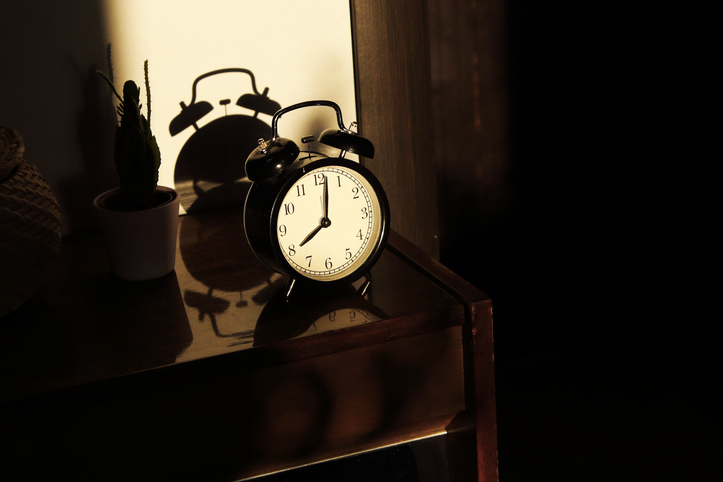
Waking up used to be simple. You set your alarm clock the night before, placed it beside your bed, and trusted it to do one job. When it rang, it rang loudly enough to pull you out of sleep without anything else competing for your attention. You turned it off, sat up, and started your day without immediately reaching for messages or updates waiting on a screen. It gave you a moment to wake up fully before anything else came in.
That small separation made a difference in how mornings felt. You were not pulled into information the second you opened your eyes. Instead, you eased into the day at your own pace. There was a quiet calm in those first few minutes that felt steady and uninterrupted. It was a simple routine, but it gave your mornings a kind of clarity that is easy to overlook now when everything starts all at once.
12. Shopping Without Online Reviews

Shopping used to feel more straightforward because you were not comparing endless opinions before making a choice. You walked into a store, looked around, and decided based on what you saw and felt. Sometimes you asked someone nearby for their thoughts, but often, you trusted your own judgment. It made the experience feel more personal, like the decision was truly yours and not influenced by a long list of other voices.
There was a certain ease in that. You did not spend time second guessing or overthinking every option. You chose, and you moved on. Sometimes it worked out perfectly, other times it did not, but either way, it was part of your own experience. Over time, that built a quiet confidence in your decisions. You learned what you liked and what you did not, without needing constant validation from others.
13. Keeping Physical Photo Albums
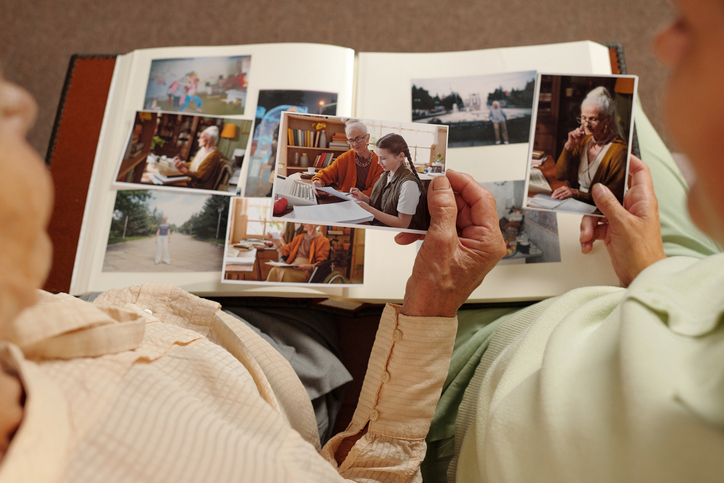
Photos used to live in albums that you could actually hold and flip through. You sat down, turned each page slowly, and let the memories come back one by one. It was not something you rushed. You stayed with each image a little longer, pointing things out, remembering details, and sometimes laughing at moments you had almost forgotten. It felt more present, like you were revisiting those times instead of just scrolling past them.
Sharing those albums with others turned it into a shared experience. You did not just show a picture, you told the story behind it. Each page carried a small piece of your life, arranged in a way that made sense to you. Over time, those albums became something you returned to, not just to see the photos, but to feel the moments again in a way that stayed warm and familiar.
14. Being Fully Offline Without Thinking About It
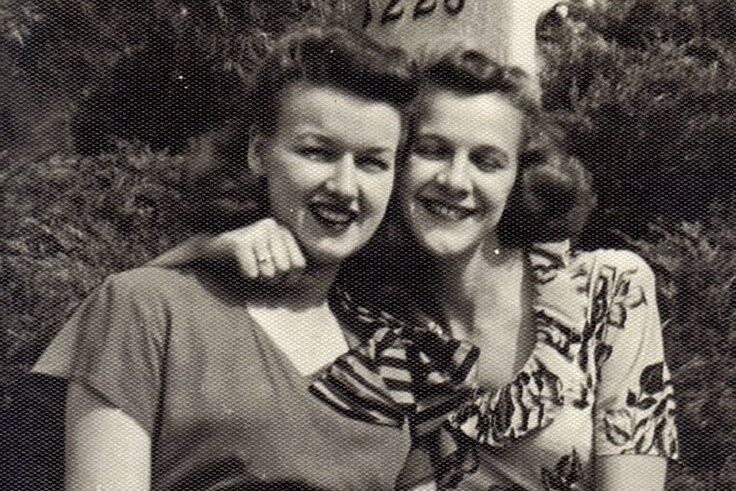
There was a time when being offline was not something you planned, it was just how life was. You went through your day without checking updates or feeling the need to respond instantly. Conversations happened without interruptions, and moments were experienced fully without thinking about capturing them. It felt natural because there was nothing pulling your attention away every few minutes. You were simply present where you were.
That kind of presence gave everyday moments a quiet completeness. You did not feel like you were missing anything because everything you needed was already in front of you. Looking back, it is not about saying one way was better, but it does show how much space there used to be to just exist without distraction. And sometimes, even now, it is worth remembering that feeling and holding onto small parts of it where you can.


