
Cheese In A Can

If you were a kid looking for a quick snack, nothing beat the pure thrill of spray cheese. Introduced to the world by Nabisco in 1965 as “Snack Mate,” this pressurized wonder turned every cracker into a canvas. You could swirl it, stack it, or, if your parents weren’t looking, aim the nozzle directly into your mouth for a salty, processed treat. It was the ultimate party food for sleepovers and backyard barbecues because it required zero cleanup and provided endless entertainment.
However, as we moved into the 1990s and 2000s, the “processed” look started to lose its cool. Parents began reading labels more closely, and the idea of cheese coming out of an aerosol can started to feel a bit more like a science experiment than a snack. While you can still find it on shelves today, it has mostly been replaced by artisanal dips and fresh cheddar blocks. It remains a nostalgic icon, but it definitely isn’t the star of the appetizer tray like it used to be.
Jell-O Molds
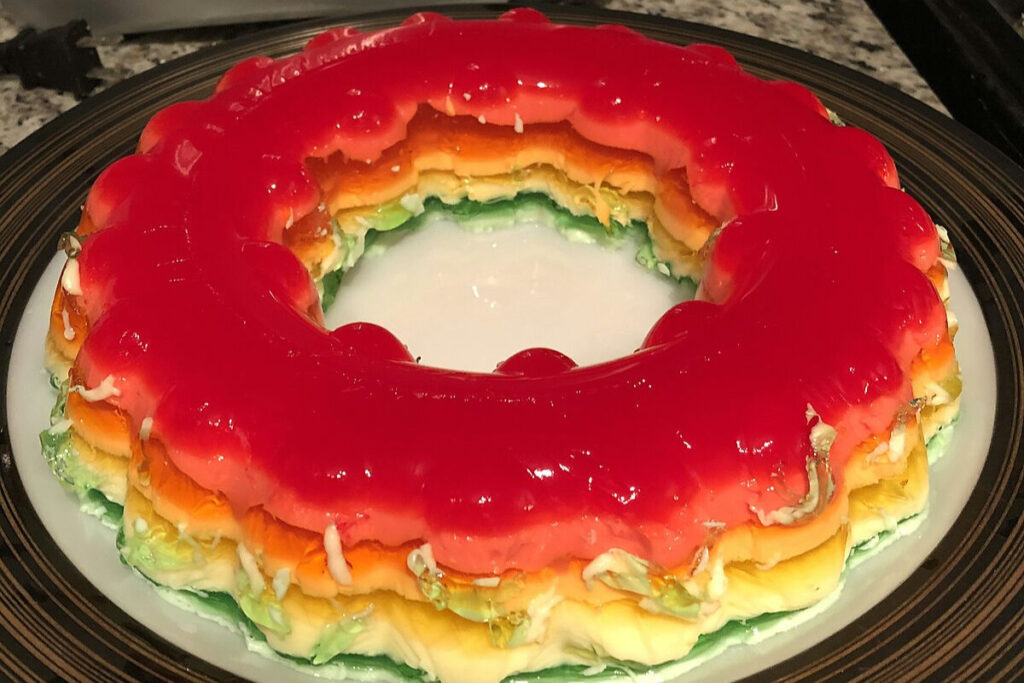
Back in the mid-20th century, a party wasn’t really a party without a shimmering Jell-O mold sitting right in the center of the table. These gravity-defying creations reached their peak popularity in the 1950s and 60s, featuring everything from fruit and marshmallows to some truly questionable additions like shredded carrots or tuna. They were the ultimate way for a home cook to show off their creativity, using elaborate copper molds to turn a simple box of gelatin into a literal work of art.
By the time the 1980s ended, the fascination with “suspending” food in colorful gelatin began to fizzle out. Our palates shifted toward fresher flavors, and the idea of mixing savory vegetables with sweet lime Jell-O started to seem a little bit strange to the younger crowd. While Jell-O is still a staple for kids and hospital trays, the elaborate, multi-layered molds have mostly retired to the history books. Today, seeing one at a potluck is more of a funny “throwback” than a serious culinary statement.
TV Dinners
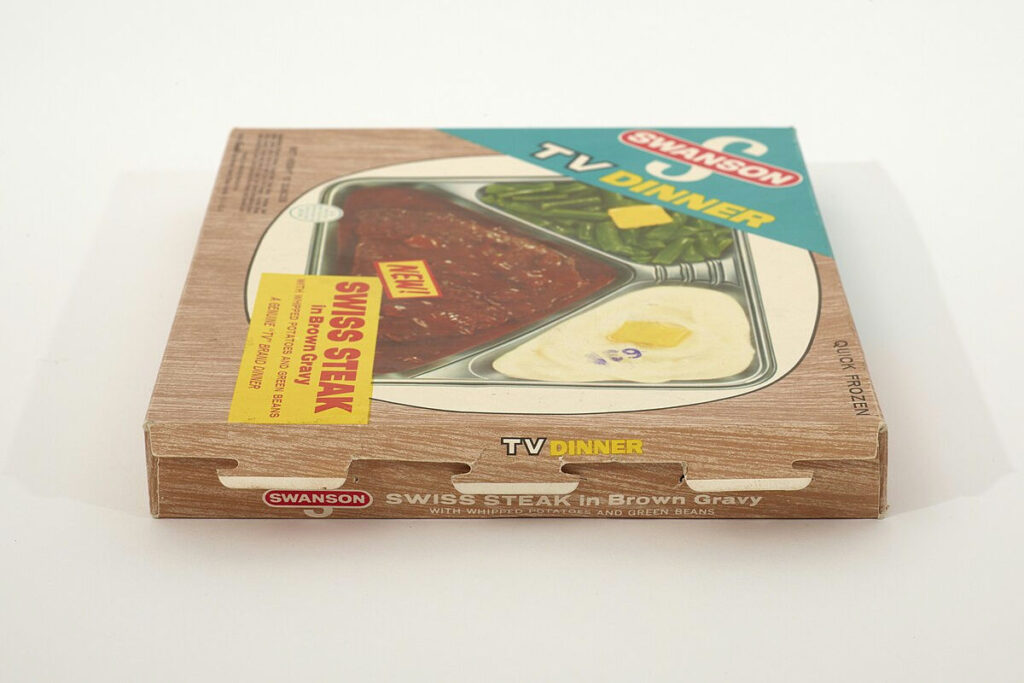
The TV dinner was the original “life hack” for busy American families. First launched by Swanson in 1953, these meals changed everything by letting people eat a full course of turkey, peas, and mashed potatoes right in front of the television. They were a symbol of the high-tech future, packaged in aluminum trays that went straight from the freezer to the oven. For millions of working parents, they were a lifesaver on those nights when there just wasn’t enough time to cook from scratch.
As microwave technology took over in the 1980s, the classic foil tray disappeared, and so did the original charm of the TV dinner. People started craving more variety and better nutrition, leading to the rise of “gourmet” frozen entrees and fresh heat-and-eat meals. While the frozen food aisle is bigger than ever in 2026, the specific experience of the three-compartment tray has mostly vanished. They served their purpose during a simpler time, but modern appetites have moved on to fresher, faster options.
Fruitcake
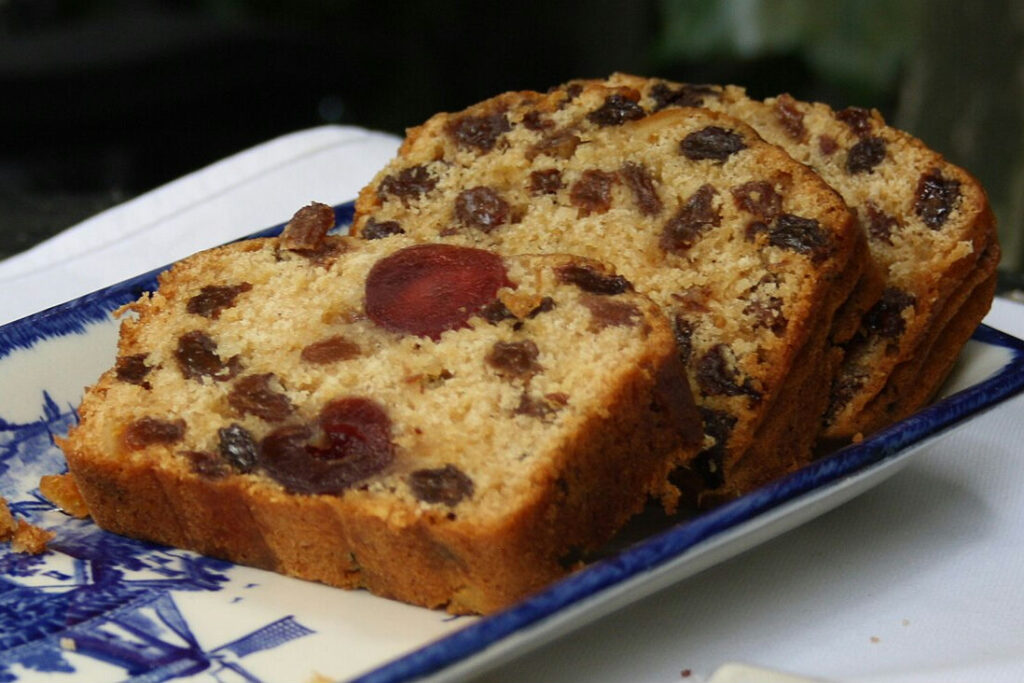
Fruitcake has one of the longest histories of any holiday treat, with versions of the dense, nut-filled cake dating back centuries. In America, it became a massive tradition in the early 1900s, often arriving in a decorative tin during the month of December. Because it was soaked in spirits and packed with sugar, it could last for months, making it the perfect gift to mail to distant relatives. For a long time, it was the gold standard of Christmas hospitality.
Somewhere along the way, however, fruitcake became the most teased food in the country. By the late 20th century, it was more famous as a sturdy “doorstop” than a delicious dessert. Younger generations found the candied fruit too sweet and the texture too heavy compared to modern cupcakes or light holiday cookies. While a few dedicated bakeries keep the tradition alive today, most people would rather receive almost anything else. It has largely transitioned from a beloved gift to a classic holiday punchline.
Salisbury Steak
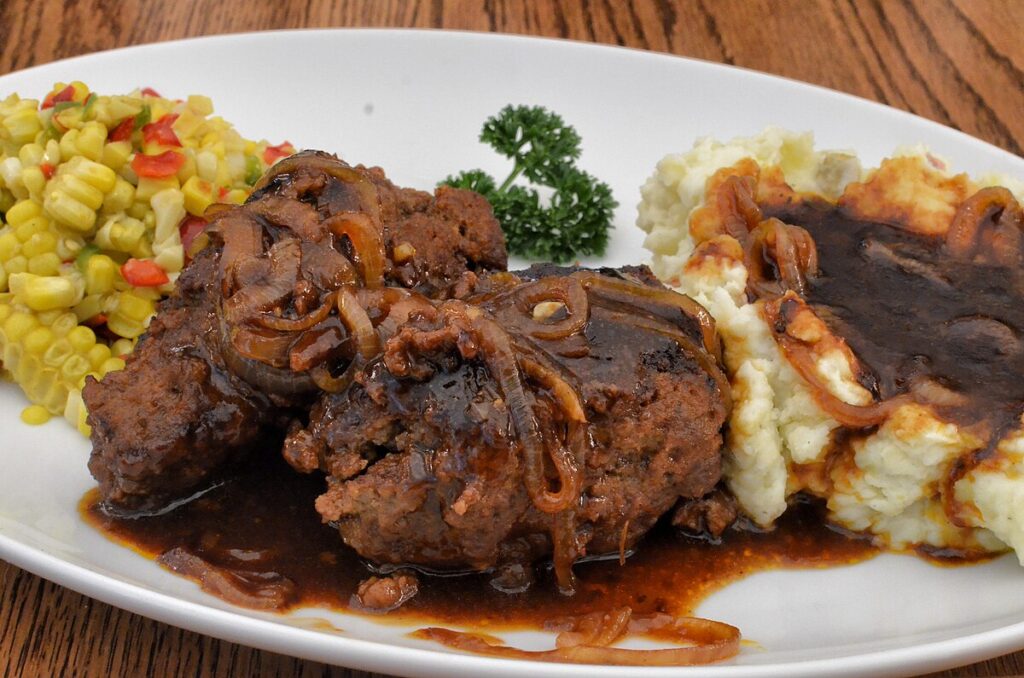
Salisbury steak was the ultimate “comfort on a budget” meal for decades. Invented by Dr. James Salisbury in the late 1800s as a health food, it eventually evolved into a savory patty of ground beef smothered in thick brown gravy and onions. It was a staple of the 1970s school lunch menu and a frequent flyer on family dinner tables because it was easy on the wallet but still felt like a “fancy” steak dinner to a hungry kid.
As we moved into the 2010s, the demand for processed meat products began to drop significantly. People started choosing leaner proteins like grilled chicken or jumping on the plant-based burger bandwagon. Salisbury steak started to feel a bit too heavy and old-fashioned for the modern Tuesday night rotation. You might still spot it in a frozen meal box or at an old-school diner, but it is no longer the weeknight hero it used to be for American families.
Necco Wafers
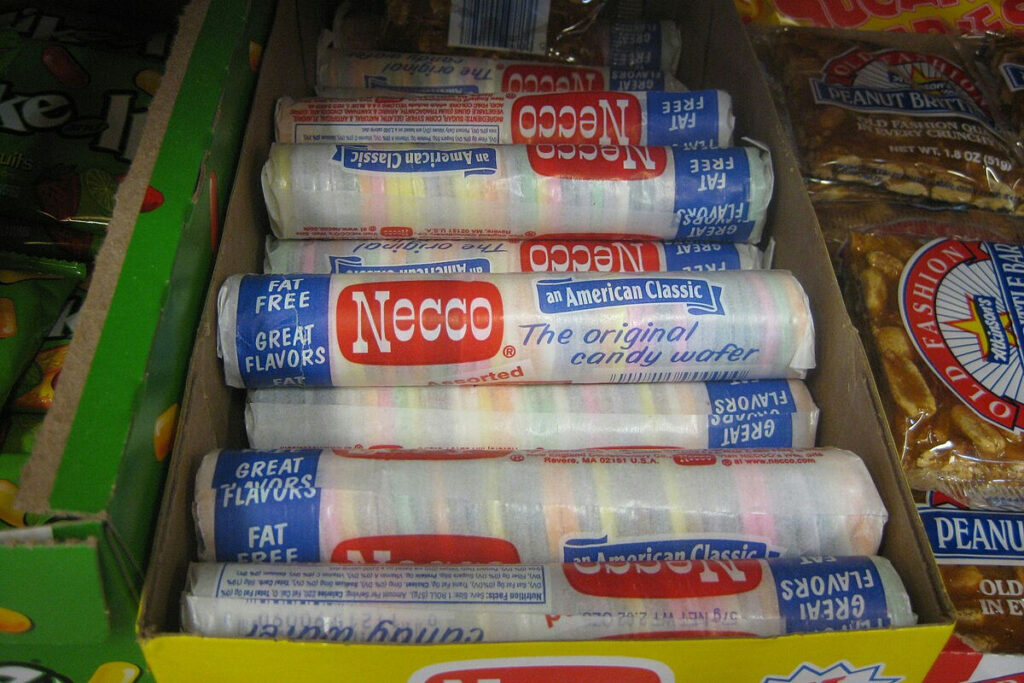
For over 150 years, Necco Wafers were the simple, chalky candy that everyone recognized. First produced in 1847, these colorful discs were a favorite because they didn’t melt in your pocket and they lasted forever. They were a common sight at every candy counter and in every grandmother’s purse for the better part of the 20th century. With flavors like clove, licorice, and wintergreen, they offered a unique taste that was very different from modern chocolate bars.
The decline of the Necco Wafer really hit home in 2018 when the original company went out of business, sparking a brief frenzy of fans trying to stock up. While they were eventually brought back by another brand, their popularity just isn’t what it used to be. Today’s kids are used to extreme sour flavors and chewy gummies, making the dry, subtle crunch of a wafer feel like a relic from the past. They remain a nostalgic favorite for some, but they have definitely moved to the “vintage” category.
Deviled Ham Spread
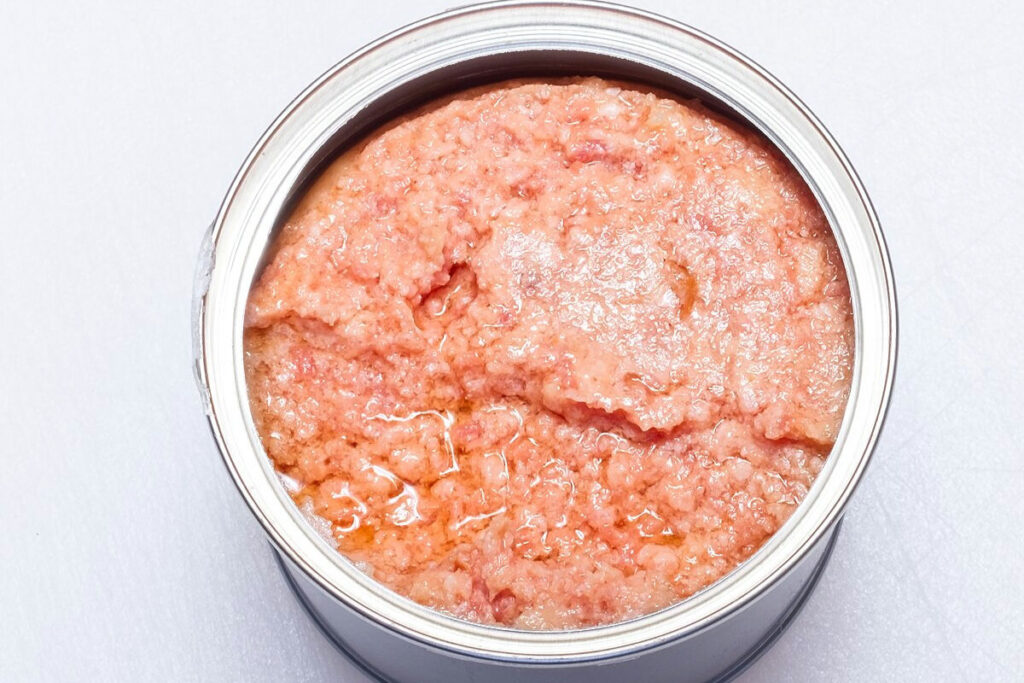
If you opened a pantry in the 1960s, you were almost guaranteed to see a little paper-wrapped tin of Underwood Deviled Ham. This spicy, ground ham spread was a go-to for quick school sandwiches or as a topping for crackers when unexpected guests stopped by. It was the ultimate convenience food, salty, flavorful, and ready to eat with just a quick pull of a can opener. For many, it was the specific taste of a summer picnic or a rainy-day lunch.
In recent years, the trend toward “clean eating” has made canned meat spreads a much harder sell. Shoppers now prefer to grab fresh slices from the deli counter or make their own spreads using whole ingredients. The high sodium and processed nature of deviled ham don’t quite fit the lifestyle of the modern, health-conscious consumer. It still has a loyal following among those who grew up with it, but it’s rarely the first choice for a sandwich in 2026.
Mock Turtle Soup
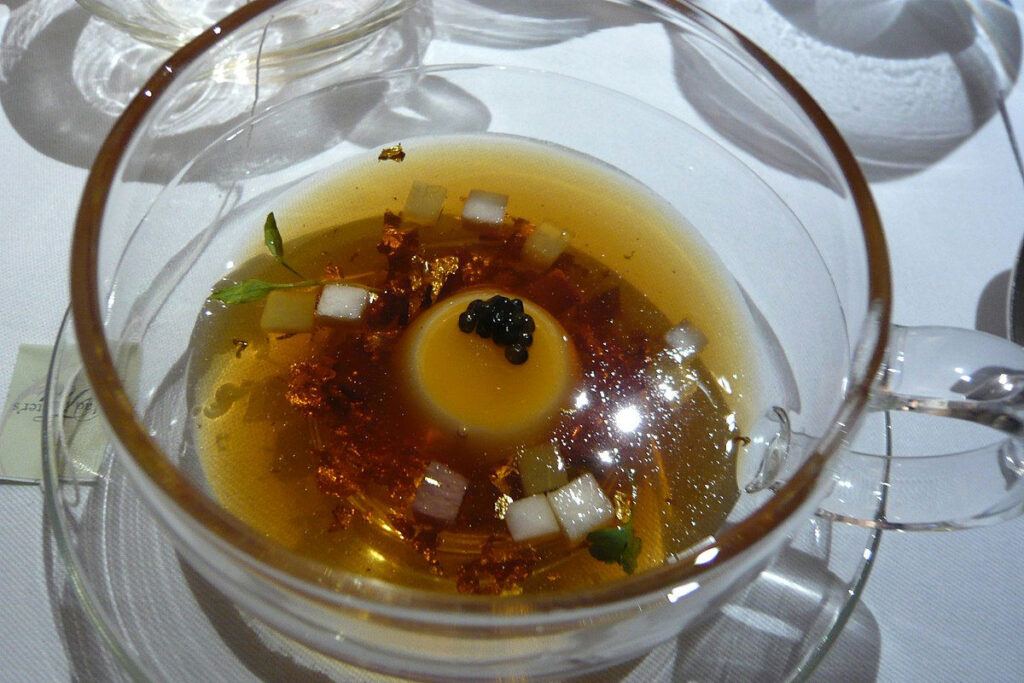
Mock turtle soup is a fascinating example of how we used to get creative with our cooking. Originally created in the 18th century as a cheaper version of expensive green turtle soup, it usually used a calf’s head to mimic the texture of the real thing. By the mid-1900s, it was a common item in many American households, even sold in cans by major brands like Campbell’s. It was considered a sophisticated, hearty meal that added a touch of class to the dinner table.
As the decades passed, the idea of “imitation” soups fell out of fashion, and the ingredients became a bit too adventurous for the average home cook. Modern diners prefer transparency in their food and aren’t exactly lining up for soups made from organ meats. By the 1970s, it had mostly vanished from grocery store shelves. Today, it is a rare find that you’ll mostly only see in historic recipes or at a few very traditional restaurants in places like New Orleans.
Oxtail Stew
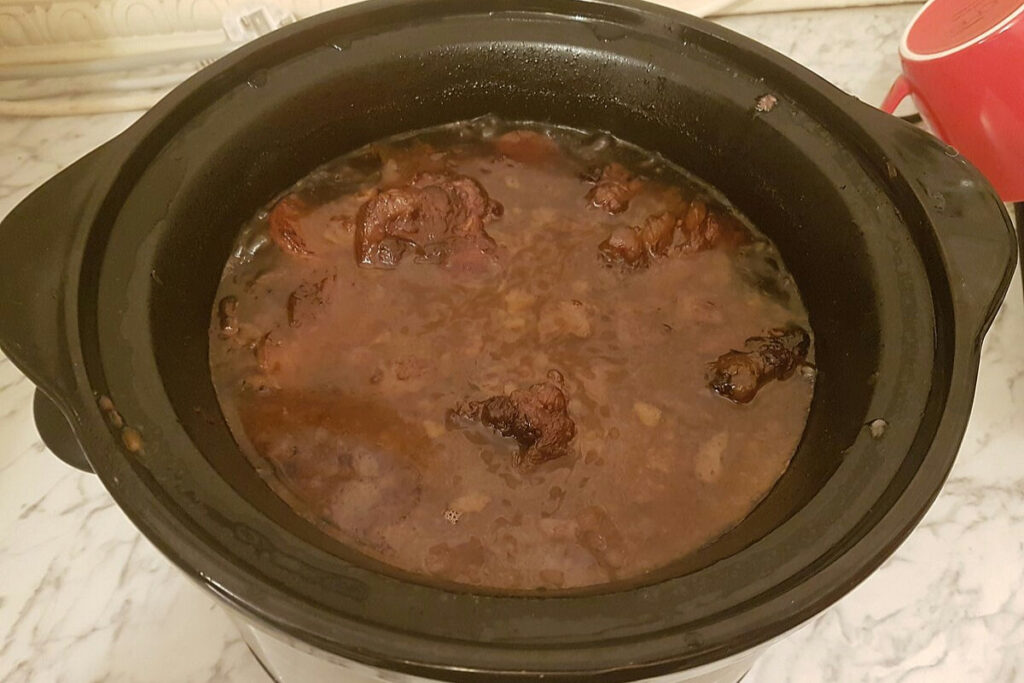
Oxtail stew was once the king of “low and slow” cooking in American kitchens. For generations, oxtail was considered a cheap “throwaway” cut of meat, which made it a perfect, affordable choice for hardworking families. When simmered for hours with vegetables and broth, the meat became incredibly tender and rich. It was the kind of meal that made the whole house smell amazing on a cold winter afternoon and could feed a large family on a very small budget.
Fast forward to today, and the “secret” of oxtail is officially out. Because it has become a trendy ingredient in high-end restaurants, the price has skyrocketed, making it much less of a budget-friendly staple for the average home. Additionally, many modern families don’t have the four or five hours required to properly slow-cook a stew. While it is still a beloved part of many cultures, it has shifted from a common, everyday meal to an expensive, occasional treat that is rarely seen on a Tuesday night.
Ice Cream Sodas

There was a time when the local pharmacy or diner was the heart of the neighborhood, largely thanks to the ice cream soda. These bubbly, creamy treats were a staple of American social life throughout the early to mid-20th century. Sitting on a spinning chrome stool and watching the “soda jerk” mix carbonated water, syrup, and a big scoop of vanilla ice cream was a rite of passage for many teenagers. It was a slow, social experience that defined an entire era.
As fast-food drive-thrus became the norm in the 1970s and 80s, the leisurely soda fountain began to disappear. We traded the tall glass and long spoon for plastic cups and thick milkshakes that we could drink while driving. Today, while you might find a version of this at a retro-themed restaurant, the true ice cream soda is a rare bird. It belongs to a time when we weren’t in such a rush and getting a treat meant staying a while to talk.
Liver And Onions
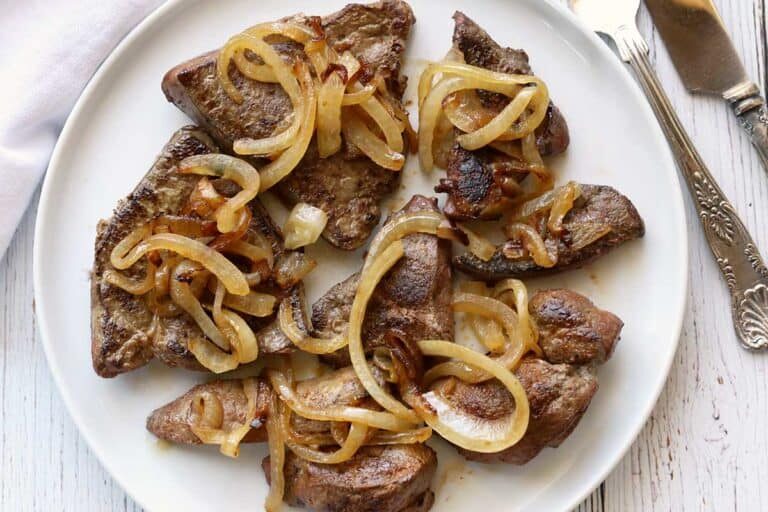
Liver and onions was the dish that every kid in the 1960s and 70s probably tried to hide under their mashed potatoes. Despite its mixed reviews from children, it was a massive staple for parents because it was incredibly cheap and packed with iron. Many families served it at least once a week as a way to stay healthy on a budget. When cooked right with plenty of caramelized onions, it was a savory, hearty meal that defined the “meat and potatoes” era.
As the 1990s approached, our tastes became much more global and varied. Organ meats fell out of favor as we gained access to more affordable cuts of chicken and beef. The strong, iron-like flavor of liver just didn’t appeal to newer generations who preferred milder tastes. Today, you are much more likely to see a kale salad or a quinoa bowl on the menu than a plate of liver. It remains a classic diner favorite for some, but it has definitely moved out of the mainstream home kitchen.
Gelatin Salad
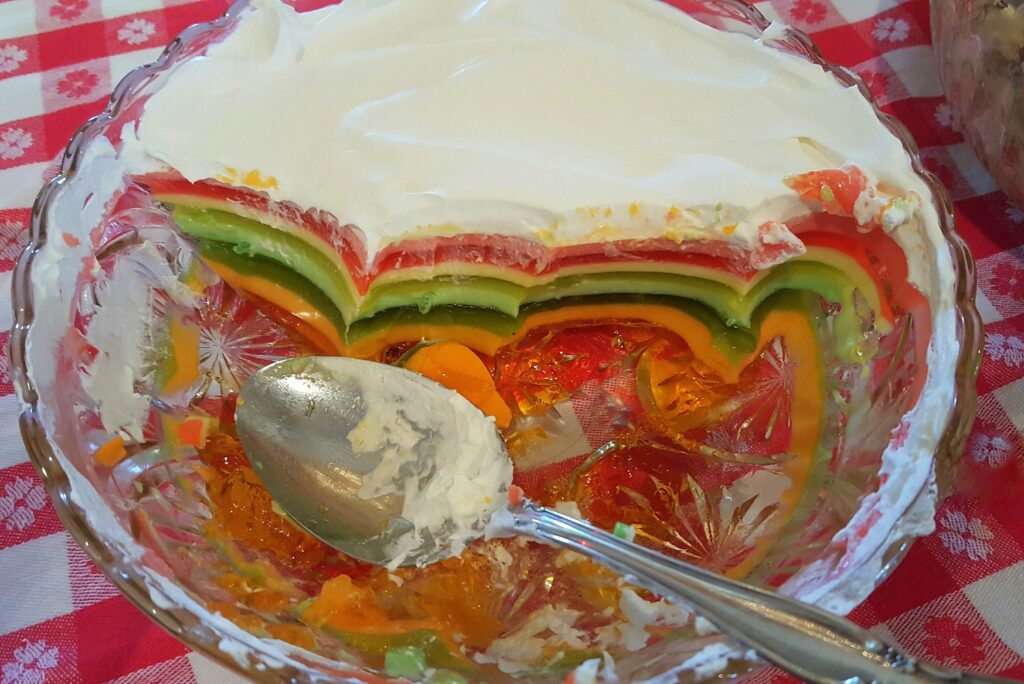
The gelatin salad was the colorful, jiggly queen of the 1950s potluck. These weren’t just simple desserts; they were complex side dishes that often sat right next to the main course. Using flavors like lime or lemon Jell-O, cooks would fold in anything from canned pineapple and walnuts to celery and pimentos. It was a way to make a meal feel festive and fancy without spending a lot of money. For many, a holiday wasn’t complete without a bright green ring on the table.
By the turn of the millennium, our ideas of what a “salad” should be had changed drastically. We moved toward fresh greens and vinaigrettes, leaving the sugary, molded gelatin behind. The texture and the combination of sweet and savory flavors started to feel very dated to modern palates. While you might still see one at a very traditional family reunion, the gelatin salad has largely been replaced by fruit platters or pasta salads. It’s a fun, wobbly memory of a very specific time in American cooking.
Shake-A-Pudding
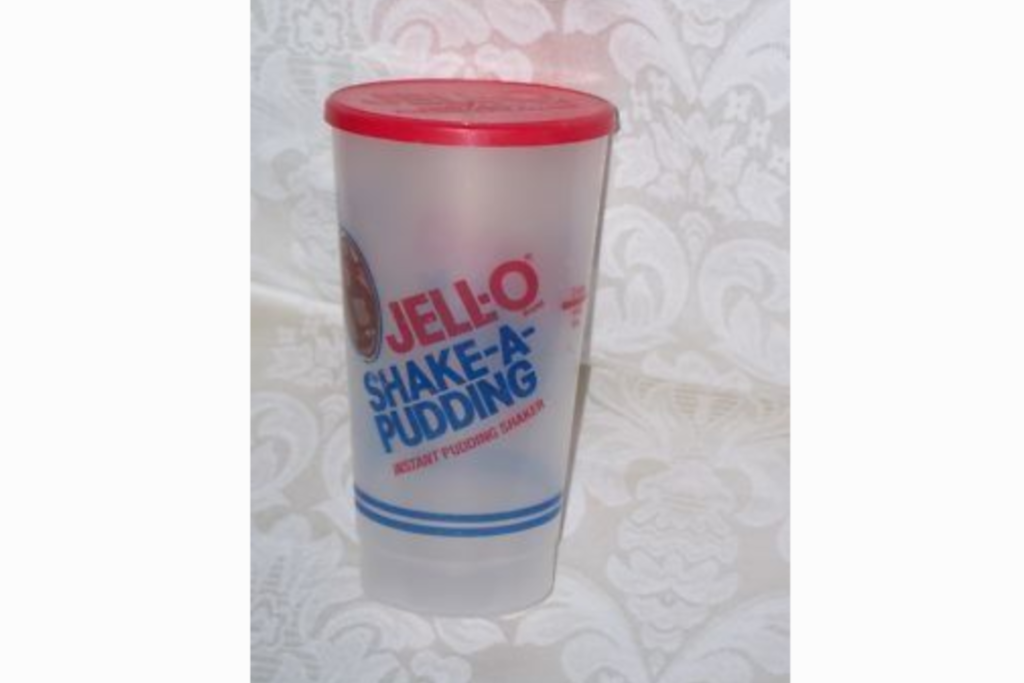
In the 1960s and 70s, Jell-O introduced a product that felt like magic to every kid: Shake-A-Pudding. It came in a plastic shaker cup with a packet of mix; all you had to do was add milk and shake it like crazy for a few minutes. It turned a boring kitchen chore into a fun, interactive game. It was the perfect example of how food companies were trying to make life easier and more exciting for the growing “Space Age” generation.
The trend eventually died out as “ready-to-eat” snacks took over the grocery aisles. By the 1980s, pudding cups that required zero effort became the new standard, and the novelty of shaking your own dessert lost its spark. Parents also began to move away from high-sugar, instant mixes in favor of more natural snacks. Today, Shake-A-Pudding is a distant memory for most, representing a time when we were happy to work a little bit for our treats as long as there was a fun gimmick involved.
Canned Asparagus
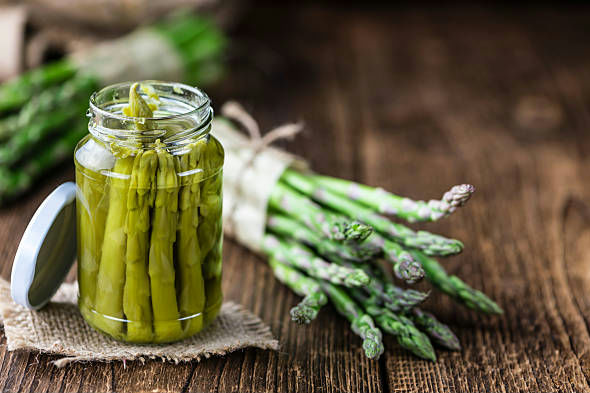
Long before we had fresh produce flown in from all over the world every day, canned vegetables were a lifesaver. Canned asparagus was a particularly popular pantry staple for decades because fresh asparagus had a very short growing season. It was soft, salty, and convenient, often served as a side dish or chopped up in a casserole. For many people growing up in the mid-20th century, this was the only version of the vegetable they ever knew.
The decline of the canned version happened quickly once grocery stores started carrying fresh stalks year-round in the late 1990s. Once people tasted the crunch of roasted or steamed fresh asparagus, the mushy, olive-colored canned version couldn’t compete. As we became more focused on texture and vibrant flavors, the tin can version was relegated to the back of the shelf. While it’s still out there for specific recipes, most modern cooks wouldn’t dream of using it for a fresh side dish today.


