
1. Pocahontas
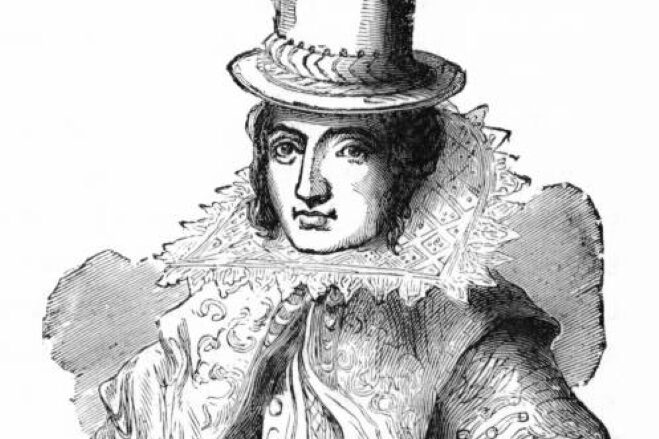
For many, the name Pocahontas brings to mind a romanticized story of friendship and understanding between cultures. Popular retellings, especially in films and books, painted her as a bridge between worlds, often smoothing over the complexities of her life.
As historians dug deeper, a more grounded story emerged. Pocahontas was a real person navigating difficult circumstances during early colonial encounters. Scholars have pointed out that “the true story of Pocahontas is far more about survival than romance.” This shift doesn’t erase the familiar version but adds weight and realism to it. It reminds us that behind every simplified tale is a life that likely held far more nuance than earlier generations chose to see or share.
2. Marie Antoinette
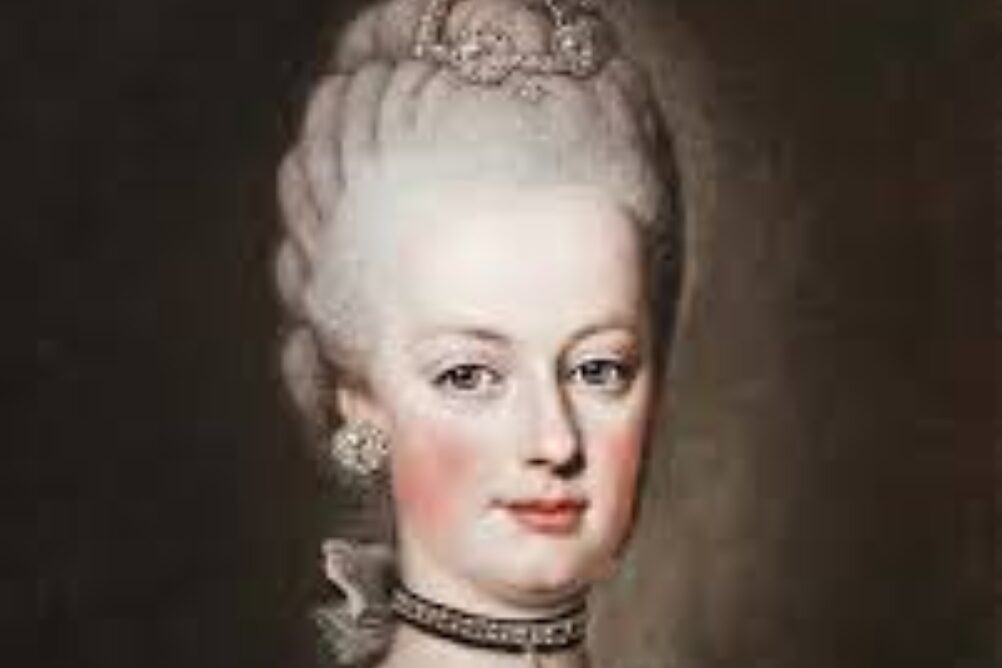
The story of Marie Antoinette has long been tied to the phrase “let them eat cake,” a line that painted her as out of touch with ordinary people. For years, that single quote shaped how generations viewed her, turning her into a symbol of excess and indifference.
Yet modern historians have questioned whether she ever said those words at all. In fact, many now believe the quote was wrongly attributed to her. As one researcher noted, “Marie Antoinette’s image was shaped as much by propaganda as by truth.” With this shift, she appears less like a careless monarch and more like a figure caught in a storm of political tension and public anger. Her story shows how powerful a single idea can be, even when it isn’t entirely accurate.
3. Thomas Edison
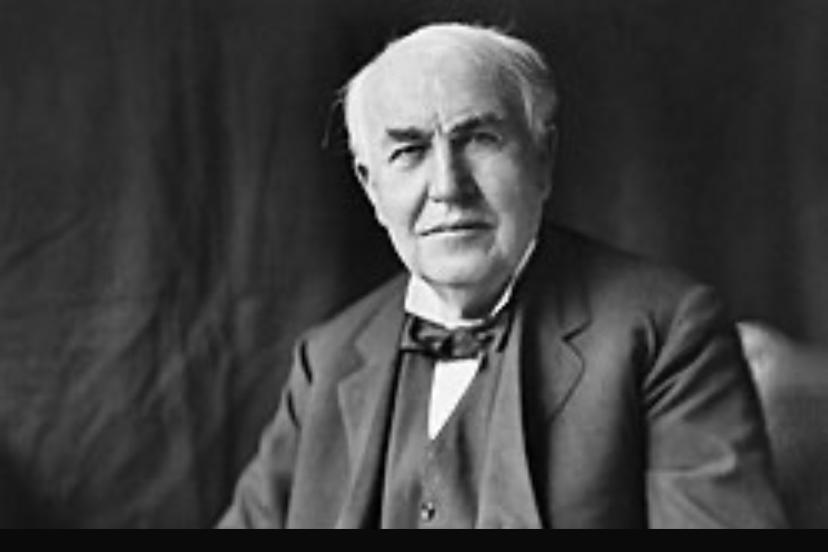
When we think of invention, Thomas Edison often stands at the center, remembered as the man who brought light to the world. His name became almost synonymous with innovation, making it seem as though breakthroughs came from one mind working alone.
Over time, that image has softened as more attention is given to the teams and collaborators who worked alongside him. Historians now highlight the role of his laboratory and the many individuals who contributed to his successes. There’s a growing acknowledgment in the idea that “innovation is rarely a solo act.” This doesn’t take away from Edison’s impact, but it adds a fuller picture, one that feels closer to how progress really happens, through shared effort, persistence, and a mix of visible and unseen contributions.
4. Christopher Columbus
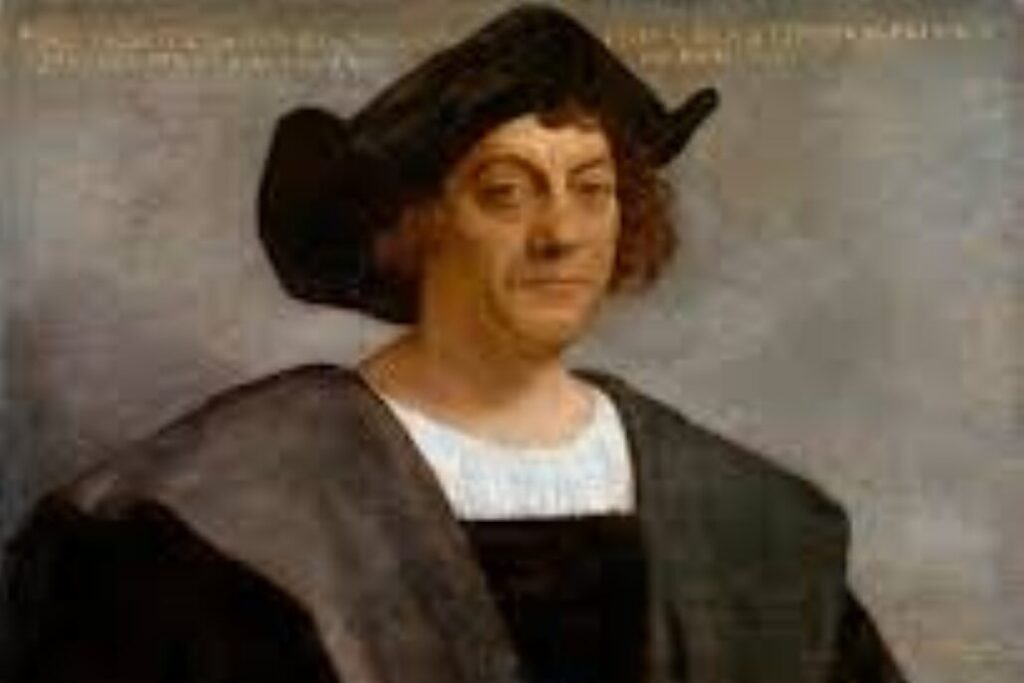
When many of us first heard about Christopher Columbus, the story felt simple. He was the brave explorer who sailed across the ocean and “discovered” America. That version stuck for generations, repeated in classrooms and celebrations, making him seem like a straightforward hero who opened the door to a new world.
Over time, though, the narrative shifted as historians revisited records and accounts. Today, his story is often told with more context, including the impact his voyages had on Indigenous populations. As one historian put it, “Columbus’s legacy is a complex tapestry of ambition, exploration, and consequence.” What changed wasn’t just the facts, but the willingness to look at them from different angles, reminding us that even well-known stories can evolve when we ask new questions.
5. Napoleon Bonaparte
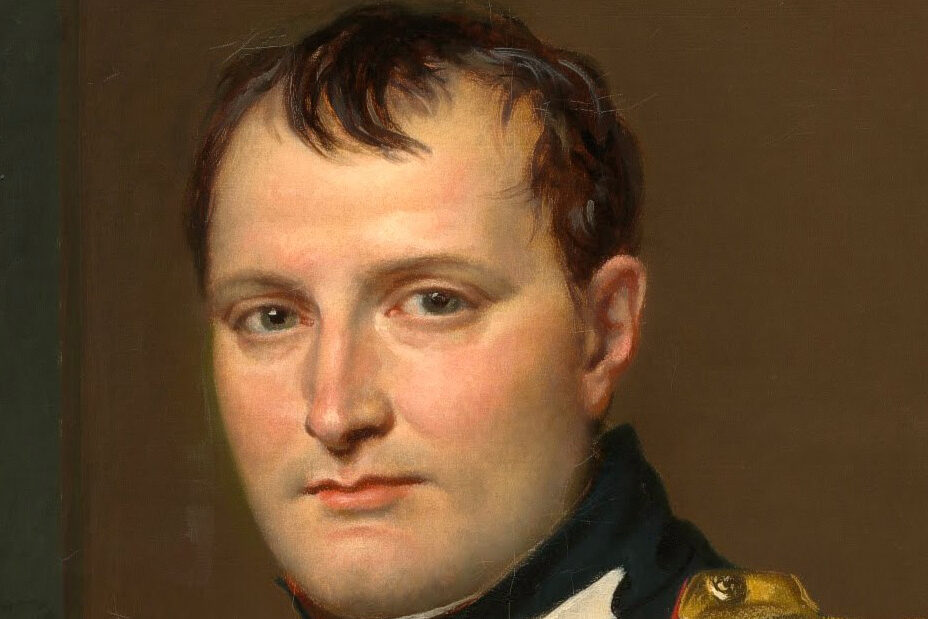
Growing up, Napoleon Bonaparte often appeared as a near-mythical figure, the small but unstoppable general who reshaped Europe through sheer brilliance. His image, complete with the iconic pose and military uniform, became shorthand for ambition and power.
But later interpretations began to balance admiration with scrutiny. Historians started to emphasize both his strategic genius and the human cost of his campaigns. There is a line often cited in discussions about him, “History is the version of past events that people have decided to agree upon.” Whether or not he said it, it reflects how his own story has been handled. Today, Napoleon feels less like a legend carved in stone and more like a man shaped by his time, with achievements and consequences that continue to be debated.
6. Abraham Lincoln
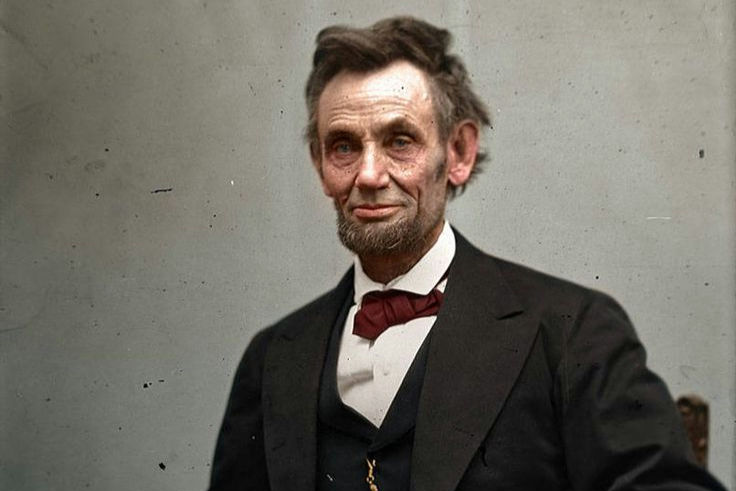
Abraham Lincoln is often remembered as the self-made man who rose from humble beginnings in a log cabin to lead the nation through its darkest hours. It’s a story that’s been told and retold, giving him almost legendary status as a figure of perseverance and moral clarity.
However, historians today explore the broader context of his life, emphasizing the complexities of his political decisions, personal struggles, and the way he navigated the turbulent times of the Civil War. The story is no longer just about an inspirational rise but about a leader grappling with compromise, immense pressure, and the human side of governance. As one scholar puts it, “Lincoln’s greatness was not in simplicity, but in his willingness to confront complexity with courage.” This evolution in storytelling reminds us that even figures we think we know intimately can surprise us when we look closer.
7. Cleopatra
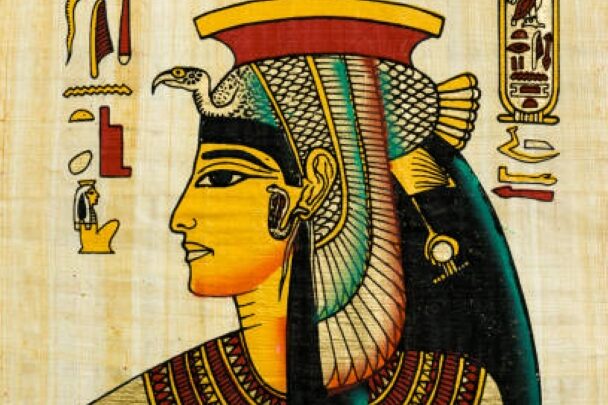
Cleopatra is often remembered through a lens shaped by Roman writers, films, and popular culture, emphasizing her beauty and romance with figures like Julius Caesar and Mark Antony. For generations, that image dominated classrooms and cinema screens alike, presenting her more as a symbol of allure than as a ruler.
Modern research paints a more nuanced picture. Cleopatra was an intelligent and politically savvy monarch, fluent in multiple languages and adept at navigating alliances in a volatile world. Scholars stress that “her power and influence extended far beyond personal relationships.” The shift in her story highlights the importance of separating myth from achievement, helping us appreciate her leadership, strategy, and resilience, which often get overshadowed by the fascination with her romantic life.
8. Joan of Arc
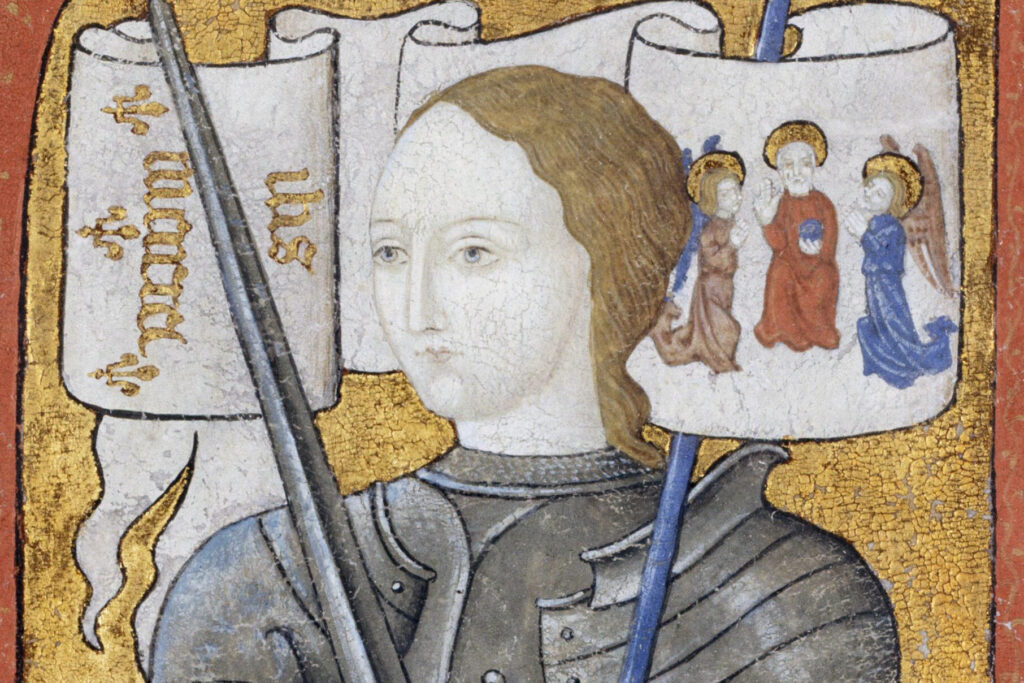
Joan of Arc grew up in history books as the young warrior who led France to victories during the Hundred Years’ War, guided by divine visions. Her story was almost magical, emphasizing a single-minded bravery and spiritual conviction that felt larger than life.
Historians today explore her in the context of her times, noting the political, social, and personal pressures she faced. Her courage was real, but it was also influenced by circumstance, support from allies, and a deep understanding of her society. As one researcher notes, “Joan’s heroism is grounded in human determination, not just legend.” This change allows her story to feel more relatable and inspiring, highlighting the interplay of faith, strategy, and sheer persistence in a world that demanded extraordinary resilience.
9. Galileo Galilei
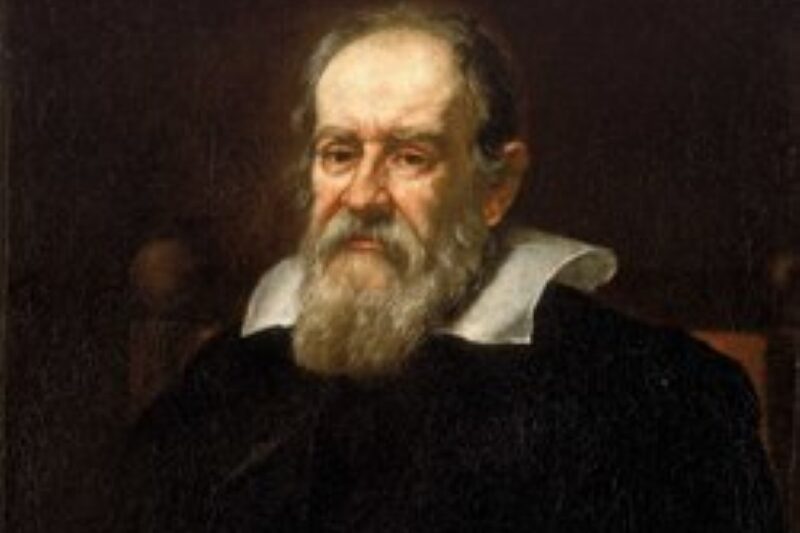
When many first hear about Galileo Galilei, the story often centers on the dramatic conflict with the Church, portraying him as a lone scientist persecuted for discovering the truth. It’s an almost cinematic tale of intellect versus authority that’s easy to digest.
Deeper dives into his life reveal a more intricate picture. Galileo was not only a brilliant astronomer but also a savvy communicator, navigating political and religious pressures carefully. While his trials were real, the narrative of absolute victimhood is softened by recognition of his own missteps and strategic choices. Scholars highlight that “history remembers the conflict, but often overlooks the collaboration and negotiation.” This reframing shows that scientific discovery is rarely a straight path and that human ambition and caution often travel hand in hand.
10. Albert Einstein
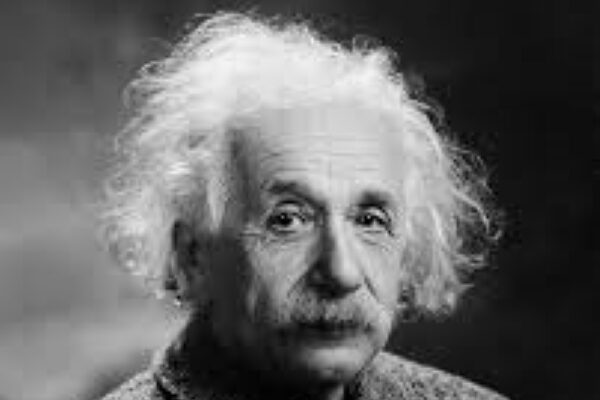
Albert Einstein is almost universally seen as the embodiment of genius, the man whose theory of relativity changed how we understand the universe. His image, complete with wild hair and thoughtful gaze, became shorthand for brilliance itself, a story ingrained from childhood.
As historians and biographers unpack his life, the story has become more layered. Einstein was not just a mind in isolation; he had strong social and political convictions, struggled personally, and worked in collaboration with other scientists. One historian noted, “Einstein’s genius is real, but so is his humanity.” This shift doesn’t diminish his intellectual achievements it makes them richer, showing that extraordinary minds are still deeply human, shaped by relationships, challenges, and the world around them.
11. Harriet Tubman
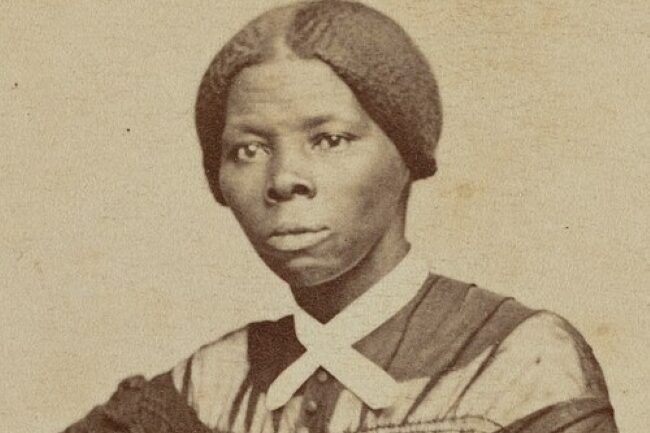
Harriet Tubman is often introduced as the fearless conductor of the Underground Railroad, a symbol of courage and determination. Stories tend to focus on her bravery, painting a picture of near-superhuman strength and resolve in guiding enslaved people to freedom. For generations, this became the defining aspect of her legacy.
But modern historians and biographers highlight the broader scope of her life, including her work as a nurse, spy, and activist for women’s suffrage. Tubman’s life was complex, marked by strategic thinking, deep faith, and a tireless commitment to justice. As one scholar noted, “Harriet Tubman’s courage was inseparable from her careful planning and understanding of the people and times around her.” Recognizing these layers adds depth, showing that her impact went far beyond a single heroic narrative, reminding us that real-life courage is often a combination of heart, intellect, and resilience.
12. Martin Luther King Jr.
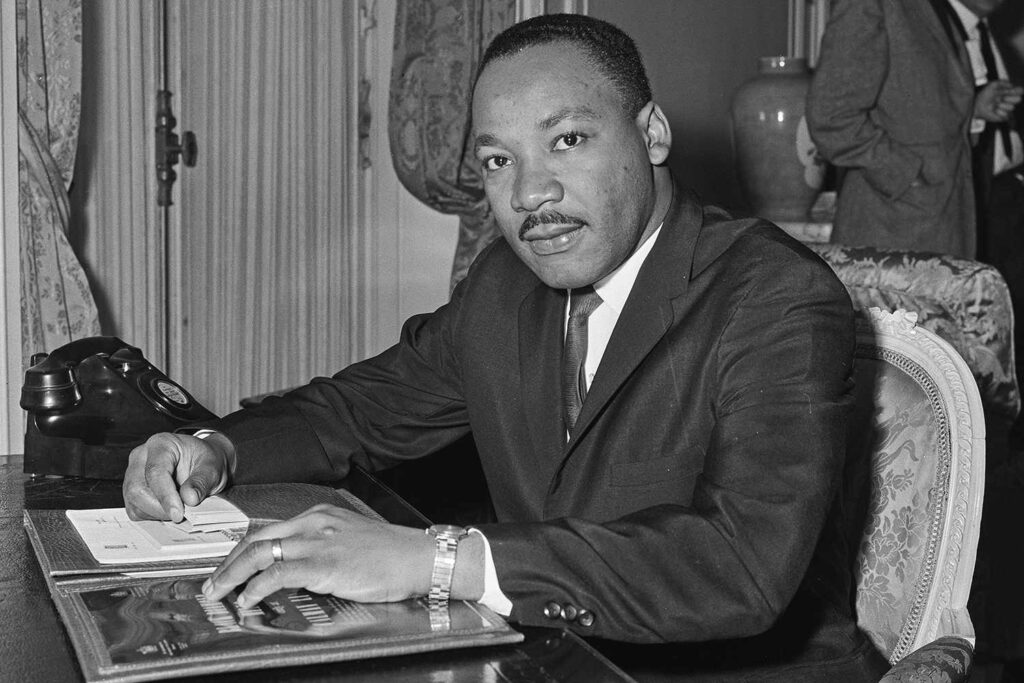
For many, Martin Luther King Jr. is remembered primarily for his iconic speeches and nonviolent leadership during the civil rights movement. His “I Have a Dream” address often overshadows the full story, making him feel almost like a symbol rather than a man.
Exploring King’s life more closely reveals the layers behind his public persona: the personal sacrifices, the strategic organizing, and the moments of doubt and struggle. Scholars emphasize that “King’s leadership was as much about pragmatic coalition-building as it was about moral vision.” Understanding the nuances of his activism helps us connect with him as a real person navigating enormous pressures, not just as a figure frozen in history. This deeper appreciation also reminds us that the movements we admire are powered by human determination, planning, and courage.
13. Leonardo da Vinci
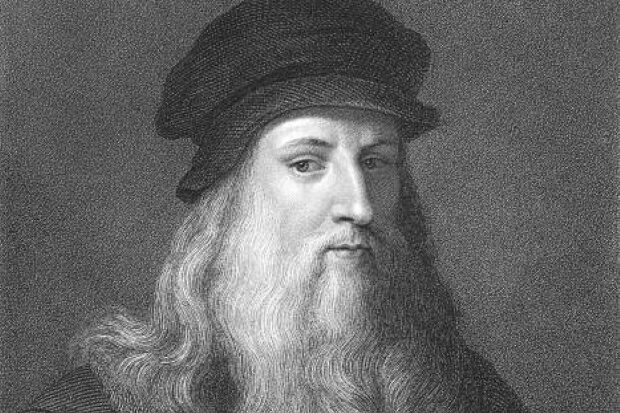
Leonardo da Vinci is often imagined as the ultimate Renaissance man, a solitary genius whose notebooks contained wonders that far outpaced his era. Children and adults alike grow up marveling at his sketches and inventions, imagining a man of endless ideas and almost supernatural talent.
Yet historians point out that Leonardo’s life was also shaped by his patrons, apprentices, and the collaborative culture of Renaissance Italy. His genius was extraordinary, but it was cultivated in community, resources, and relentless observation of the world. One historian explains, “Leonardo da Vinci’s brilliance cannot be separated from his environment and relationships.” Recognizing these influences makes his accomplishments feel more human, more accessible, and more relatable, showing that even towering figures are products of their times, curiosity, and collaboration.
14. George Washington
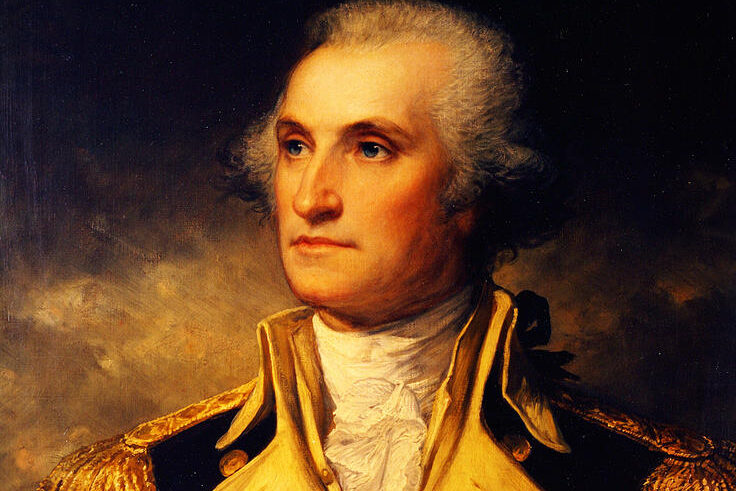
We often picture George Washington as the stoic, almost untouchable father of the United States, whose life was defined by victory, wisdom, and moral virtue. Textbooks and statues emphasize leadership over personality, creating an image that feels larger than life.
But closer examination reveals a man of contradictions, with personal doubts, struggles with his household, and moments of humility. Letters and journals show Washington wrestling with fear, frustration, and uncertainty as he navigated a new nation. Scholars remind us that “Washington’s greatness lay not in perfection, but in persistence and character.” This evolved understanding humanizes him, helping us appreciate that history is never static, and even icons we think we know can surprise us. Recognizing these nuances invites reflection on how stories are passed down, encouraging us to seek the depth behind the familiar and explore the humanity beneath the legend.


