
1. Dy No Mite! Jimmie Walker
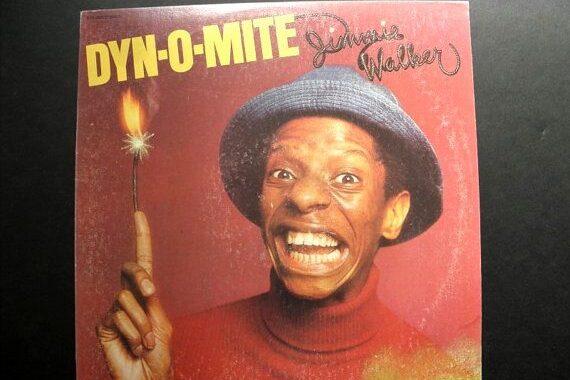
Some phrases become famous without anyone planning it. That is exactly how “Dy no mite!” exploded into popular culture. When people think about classic television humor, this line often comes to mind immediately. Jimmie Walker shouted it as J.J. Evans on the sitcom Good Times, and the audience reaction was instant laughter. The line arrived in moments of excitement on the show, delivered with a wide grin and an energetic voice that filled the room. It sounded joyful and spontaneous, like a real person celebrating good news. Viewers began repeating it right away because it felt natural and easy to say.
Before long the phrase moved beyond the show itself. People started shouting it during sports games, parties, and everyday moments of excitement. Walker later said he never expected the line to follow him for the rest of his career. Yet the enthusiasm of that single word captured the playful spirit of television during that era. Even now, when someone jokingly shouts “Dy no mite!” it brings back memories of sitcom laughter, family living rooms, and the kind of simple fun that made eighties television feel warm and familiar.
2. I Want My MTV! The MTV Generation
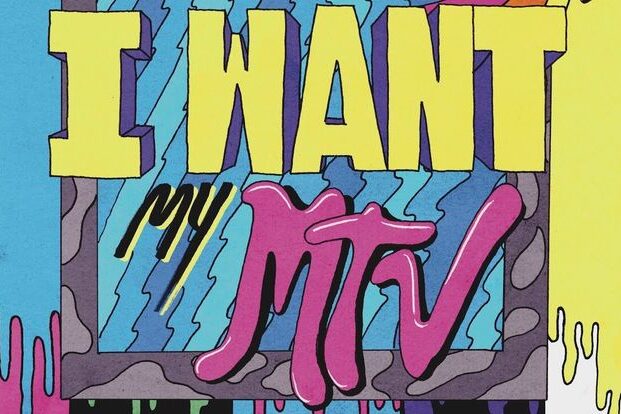
In the early eighties, television already played a huge role in entertainment, but MTV introduced something entirely new. A channel built around music videos felt exciting and different, especially for young viewers. To spread the word, the network created a simple phrase that fans could repeat everywhere. “I Want My MTV!” became the slogan that encouraged viewers to demand the channel from their cable providers. Musicians like Mick Jagger and Cyndi Lauper appeared in commercials shouting the line, which made it feel like a movement instead of an advertisement.
Teenagers quickly embraced the phrase because it felt like their voice being heard. Friends repeated it jokingly when the channel was not available, and soon it appeared on shirts, posters, and magazines. The line captured the moment when music videos started shaping fashion, conversation, and youth culture. Looking back today, the phrase represents a time when television and music came together to create something fresh that defined the pop culture energy of the entire decade.
3. Where’s The Beef? Clara Peller
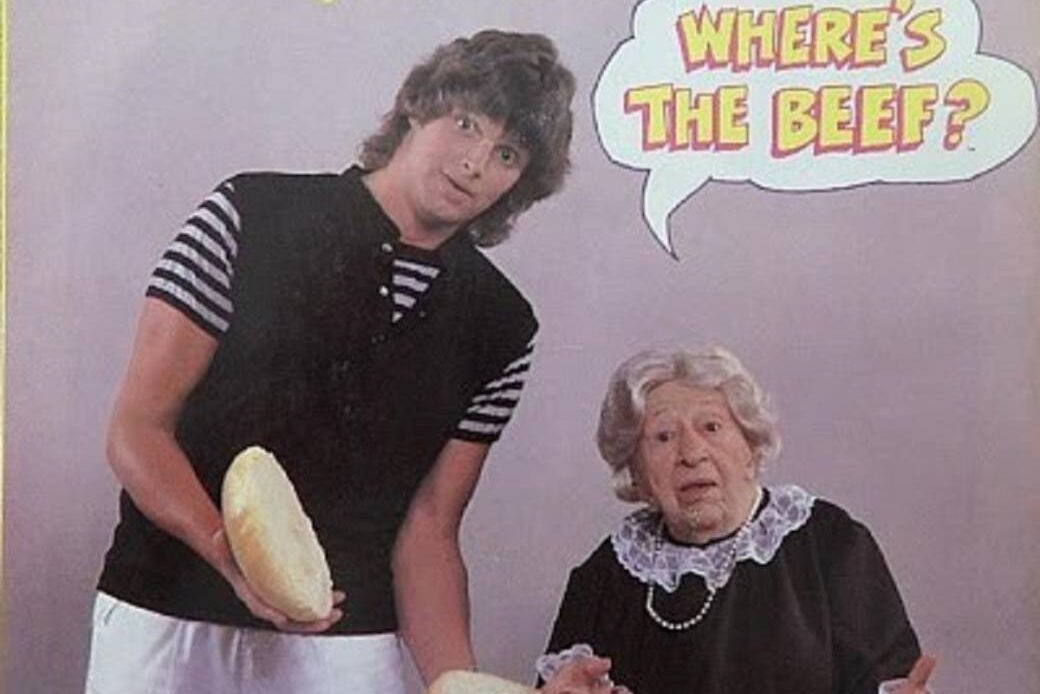
Some of the most famous catchphrases do not come from movies or television shows at all. In 1984, a fast food commercial unexpectedly created one of the most quoted lines of the decade. Actress Clara Peller appeared in a Wendy’s advertisement examining a hamburger that looked disappointingly small. She leaned forward and asked in a blunt voice, “Where’s the beef?” The line was funny because it captured a simple frustration anyone could understand.
Almost overnight the phrase escaped the commercial and entered everyday language. People started using it whenever something seemed disappointing or lacked real substance. Friends joked about it when food portions looked small, and commentators even used it to criticize political speeches. Peller herself became briefly famous because of the moment. What started as a humorous line meant to advertise a burger turned into one of the most recognizable expressions of the entire decade.
4. Whatchu Talkin Bout Willis? Gary Coleman
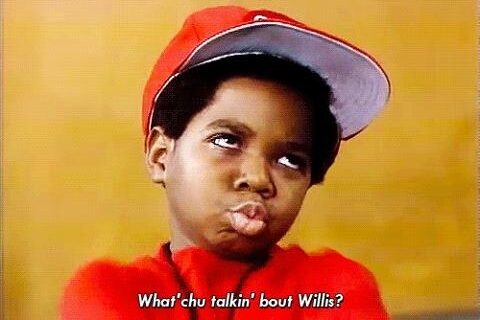
Television audiences often fall in love with a character because of one simple reaction that feels genuine. On Diff’rent Strokes, Arnold Jackson delivered that moment again and again. Whenever his older brother Willis said something unbelievable, Arnold would tilt his head and respond with the puzzled question, “Whatchu talkin bout Willis?” Gary Coleman’s timing made the line instantly funny and relatable.
Viewers quickly started waiting for the phrase every episode. Coleman later shared that people constantly asked him to repeat the line in public. Children especially loved saying it whenever a friend told an unbelievable story. The line worked because everyone recognizes the feeling of hearing something that makes no sense at all. Arnold’s confused expression and that simple question captured the moment perfectly, which is why the phrase continues to live on in pop culture long after the show ended.
5. I Pity The Fool! Mr T
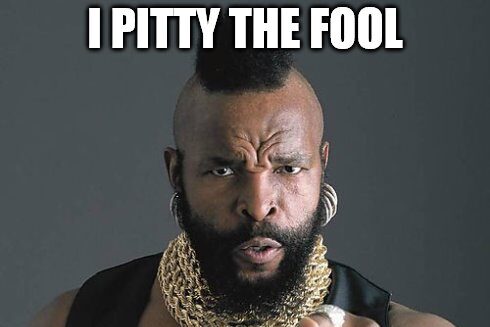
Few television personalities from the eighties were as instantly recognizable as Mr T. With his powerful voice, confident presence, and distinctive style, he turned even short lines into memorable moments. His famous declaration “I pity the fool!” became closely connected to his character B.A. Baracus on The A Team. When he said it, the phrase sounded like both a warning and a strange kind of advice.
Fans loved repeating the line while imitating his deep voice. Soon the phrase began appearing in cartoons, toys, and comedy sketches. Mr T later explained that the line was meant to express disappointment in people making bad choices rather than pure anger. Whether audiences thought about that deeper meaning or simply enjoyed the sound of it, the phrase stuck. It remains one of the most recognizable expressions connected to action television from that era.
6. Did I Do That? Steve Urkel
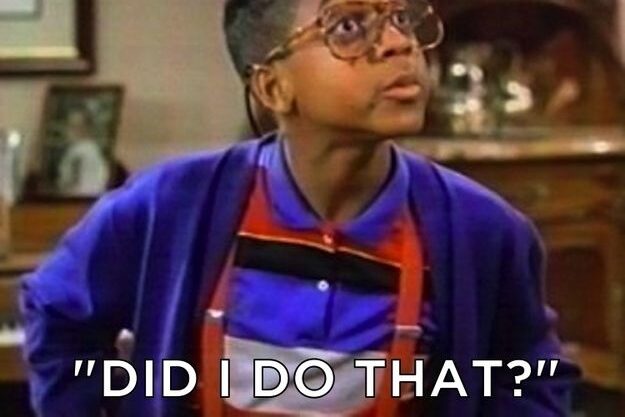
Sometimes the most beloved television characters appear by surprise. Steve Urkel was originally meant to be a small guest character on Family Matters. Yet Jaleel White’s performance quickly turned him into the center of the show. Whenever one of Urkel’s inventions caused chaos, he would nervously ask in his squeaky voice, “Did I do that?” The question became the moment viewers expected during every episode.
What made the line funny was how innocent Urkel sounded while asking it. Everyone watching already knew he caused the problem. Still, his hopeful expression made the moment feel harmless and playful. Kids everywhere began repeating the phrase whenever something went wrong around them. It became a funny way to admit responsibility without sounding too serious. Over time that simple question helped turn Urkel into one of the most recognizable sitcom characters of his generation.
7. Book Em Danno! Jack Lord
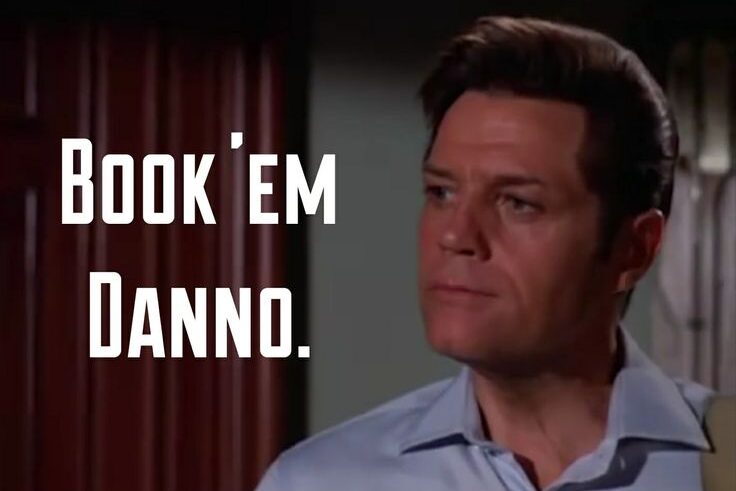
Police dramas often end with a quiet moment that confirms the case has been solved. On Hawaii Five O, that moment came when Detective Steve McGarrett calmly turned to his partner and said, “Book em Danno.” Jack Lord delivered the line with confidence and authority, signaling that the suspect would soon face justice. The phrase became a familiar ending that audiences recognized immediately.
Because the series continued in reruns throughout the eighties, the line remained part of television culture for years. People even began jokingly repeating it when friends got caught doing something wrong. The phrase felt satisfying because it wrapped up each story neatly and clearly. Sometimes the simplest line can carry the strongest sense of closure, and that is exactly what happened here.
8. I’ll Be Back Arnold Schwarzenegger
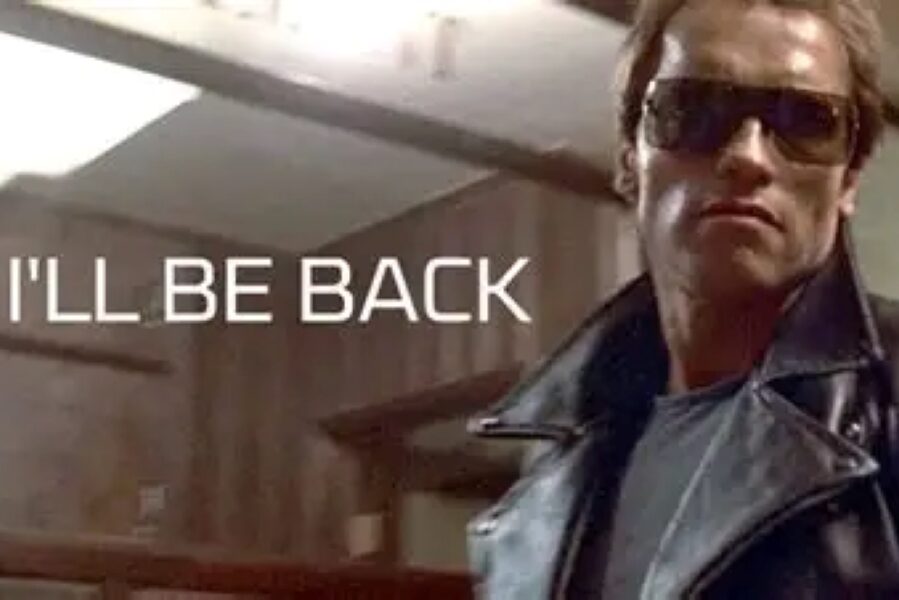
In action movies, some lines become legendary because of how calmly they are delivered. Arnold Schwarzenegger created one of those moments in The Terminator with the phrase “I’ll be back.” At first it sounds like a casual promise before leaving a police station. Moments later the character returns by driving a car straight through the building’s entrance. The quiet sentence suddenly becomes unforgettable.
Fans loved repeating the line whenever they stepped out of a room for a moment. The phrase followed Schwarzenegger throughout his career, appearing in interviews and later films. Its power came from its simplicity. Only three words were needed to create a promise that audiences never forgot. Even today the line remains one of the most recognizable moments in action movie history.
9. Just Say No Nancy Reagan
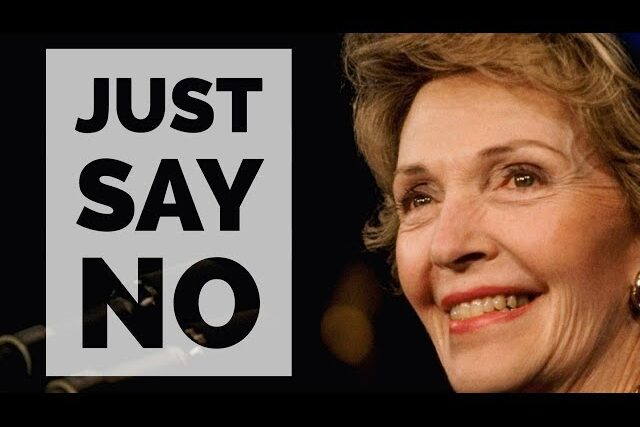
During the eighties, public concern about drug use led to major campaigns encouraging young people to make safer choices. One of the most widely recognized messages came from First Lady Nancy Reagan. While visiting a school, she encouraged students to refuse drugs by telling them they could simply “Just say no.” The phrase was short, direct, and easy for young people to remember.
Soon the slogan appeared in classrooms, posters, and public announcements across the country. Teachers repeated it during lessons about peer pressure, and community groups used it during youth programs. For many children growing up during that period, the phrase became a familiar message repeated by parents and educators. Its simplicity helped it become one of the most widely recognized public slogans of the decade.
10. I Know You Are But What Am I? Pee Wee Herman
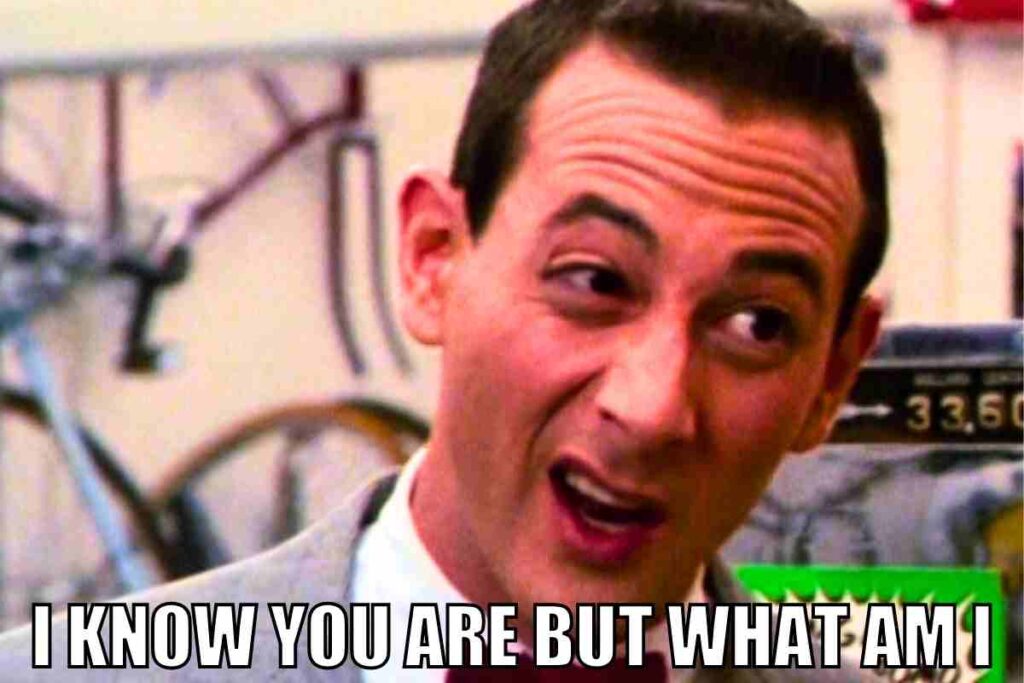
Pee Wee Herman’s world was full of playful humor that often felt like it came straight from childhood imagination. One of his most memorable comebacks was the stubborn line “I know you are but what am I?” The phrase usually appeared when someone tried to insult him. Instead of arguing seriously, Pee Wee would repeat the line with cheerful confidence, turning the moment into a silly exchange. The humor worked because it sounded exactly like something children say during playground arguments. Viewers watching Pee Wee’s Playhouse immediately recognized that familiar style of childish logic and could not help laughing.
Kids watching the show quickly began repeating the line in their own playful arguments with friends and siblings. Adults watching often smiled because it reminded them of the same stubborn comeback from their own childhood days. The charm of the phrase came from its simplicity and the way Pee Wee delivered it with complete certainty. That small line perfectly captured the fun and imaginative tone of the show, turning a basic playground response into one of the most recognizable bits of comedy from that era of television.
11. Gag Me With A Spoon Valley Girl Slang
Teen slang often reflects the humor and exaggeration of youth culture. In the early eighties, one phrase quickly spread among teenagers, especially in California. “Gag me with a spoon” became a dramatic way of reacting to something unpleasant or embarrassing. The expression appeared frequently in Valley Girl culture and soon spread through movies and conversations.
Young people enjoyed the phrase because it sounded playful and exaggerated at the same time. Adults sometimes found it confusing or ridiculous, which only made teenagers repeat it more. Before long it became one of the most recognizable bits of slang connected to the decade. Today it still brings to mind the fashion, humor, and distinctive language of eighties teen culture.
12. Cowabunga Teenage Mutant Ninja Turtles
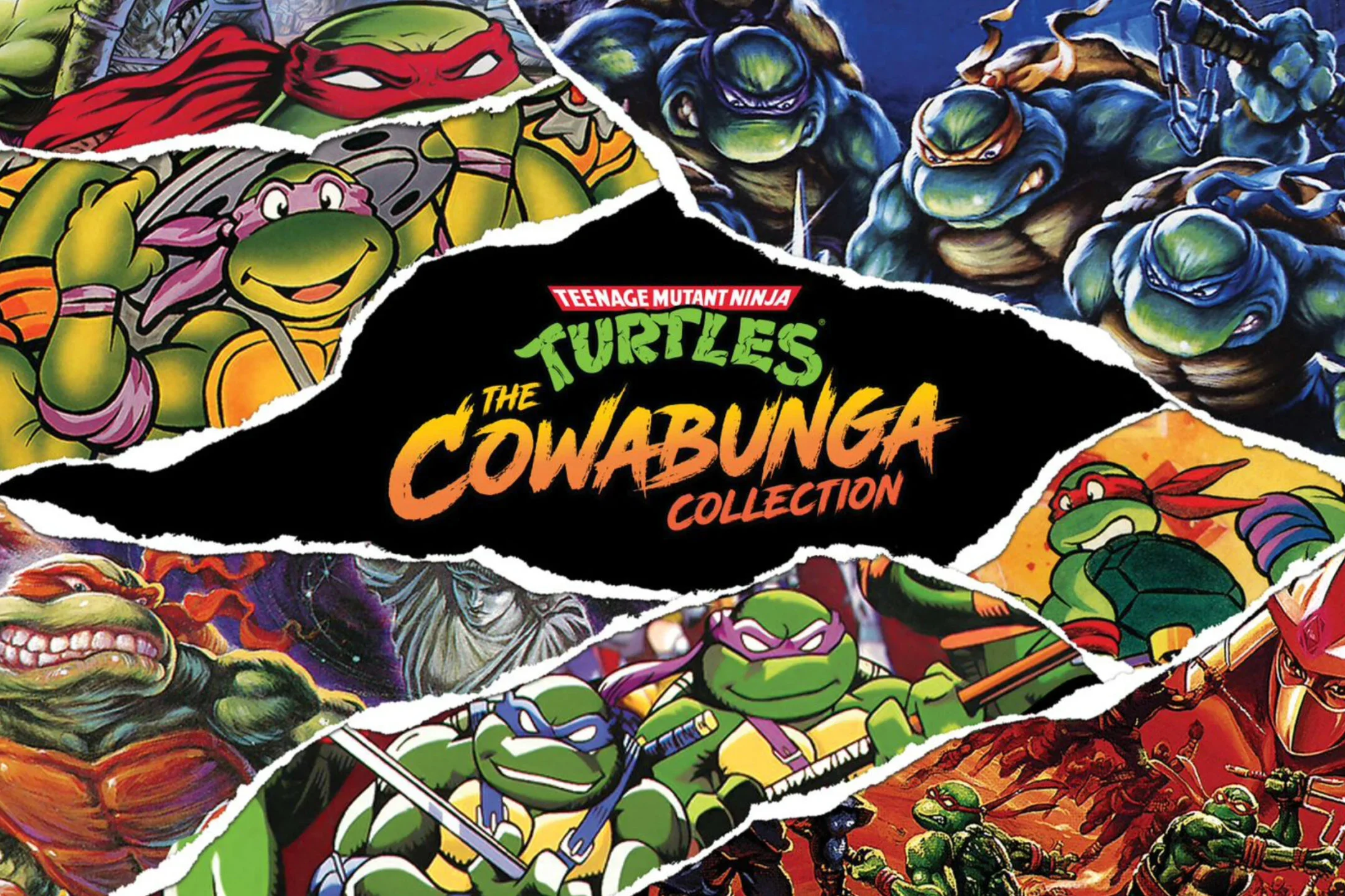
When the Teenage Mutant Ninja Turtles animated series arrived near the end of the decade, it introduced audiences to a cheerful word that sounded full of excitement. Whenever the heroes celebrated a victory or jumped into action, they shouted “Cowabunga!” The word had existed earlier in surf culture but the cartoon helped bring it to millions of young viewers.
Kids quickly adopted the phrase during games and adventures with friends. It sounded energetic and playful, perfectly matching the characters on screen. The word soon became one of the most recognizable expressions associated with the franchise. Even years later, hearing someone shout “Cowabunga” still brings back memories of cartoons, pizza boxes, and carefree afternoons watching animated heroes save the day.
13. Excellent Bill And Ted
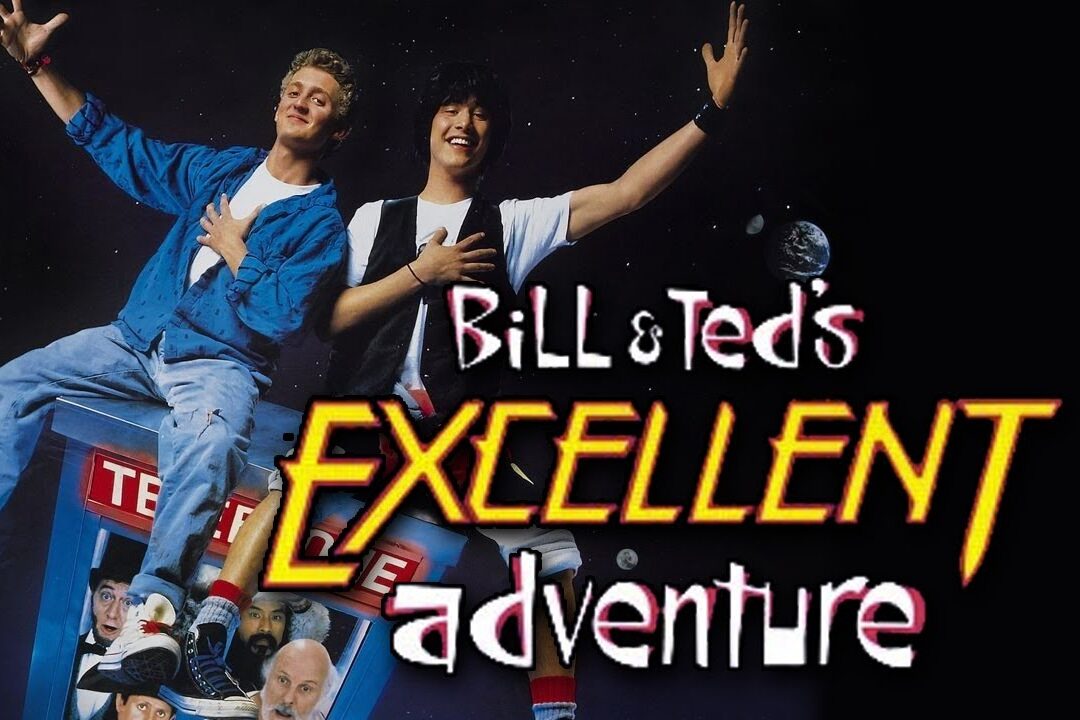
When Bill and Ted’s Excellent Adventure arrived in 1989, audiences were introduced to two carefree friends who approached life with endless excitement. Whenever something good happened, the pair reacted with an enthusiastic shout of “Excellent!” Keanu Reeves and Alex Winter delivered the word with wide smiles and exaggerated excitement, making it feel bigger than a normal reaction. The line fit perfectly with the film’s playful story about two friends traveling through time while trying to pass their history class.
Fans quickly started repeating the phrase whenever something fun or surprising happened in their own lives. It became a cheerful way to celebrate small victories or good news among friends. Posters, shirts, and other merchandise from the movie also featured the word, spreading it even further. What made the line memorable was how genuine the excitement felt. Bill and Ted believed almost everything in life was amazing, and that joyful attitude turned a single word into one of the most recognizable expressions from late eighties pop culture.
14. Dont Have A Cow Man Bart Simpson
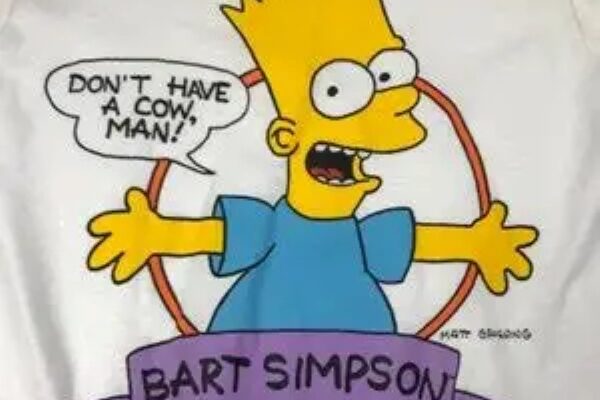
As the eighties approached their end, a mischievous animated character began capturing attention across television screens. Bart Simpson quickly stood out because of his rebellious humor and sarcastic attitude toward authority. One of his most repeated lines was “Dont have a cow man!” which he used whenever adults became overly dramatic about something small.
Children and teenagers began repeating the phrase in schools and playgrounds almost immediately. It became a humorous way of telling someone to relax without sounding too serious. Bart’s personality made the line feel playful rather than rude. Looking back today, the phrase feels like a fitting closing note to a decade full of unforgettable catchphrases that slipped from television screens into everyday conversations.


