
1. Purring Doesn’t Always Mean Happiness
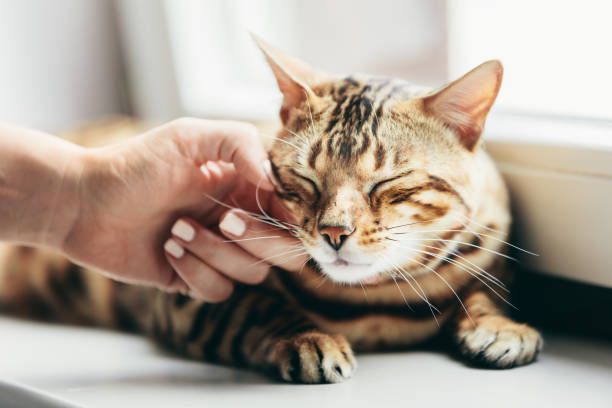
The gentle rumble of a cat’s purr is widely associated with joy and relaxation, such as when they are being petted or eating a favorite treat. However, cats also purr when they are stressed, afraid, or in pain. Scientists believe this lower-frequency vibration, often between 25 and 150 hertz, may be a coping or self-soothing mechanism, similar to how humans may hum to themselves. The frequency is within a range that has been shown to promote tissue regeneration and bone density, suggesting it may also be an evolutionary way for cats to promote their own healing.
2. Kneading is Not Just Comfort
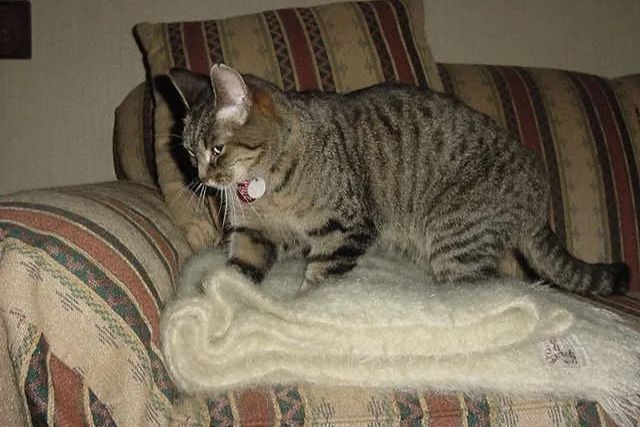
Feline behavior is often far more complex than it appears, with many actions rooted in deep instincts or surprising emotional states. The rhythmic pushing of paws, often called “making biscuits,” looks like an expression of deep contentment, but it’s a behavior with several layers of meaning. This action is an instinct carried over from kittenhood, when a kitten would knead its mother’s belly to stimulate the flow of milk. As adults, cats perform this motion when they feel secure and relaxed, associating the action with the comfort and safety of their early life. They also have scent glands in their paws, so kneading is also a way of marking you or a soft surface as their territory, essentially claiming what they love as theirs.
3. The Slow Blink is a ‘Cat Kiss’
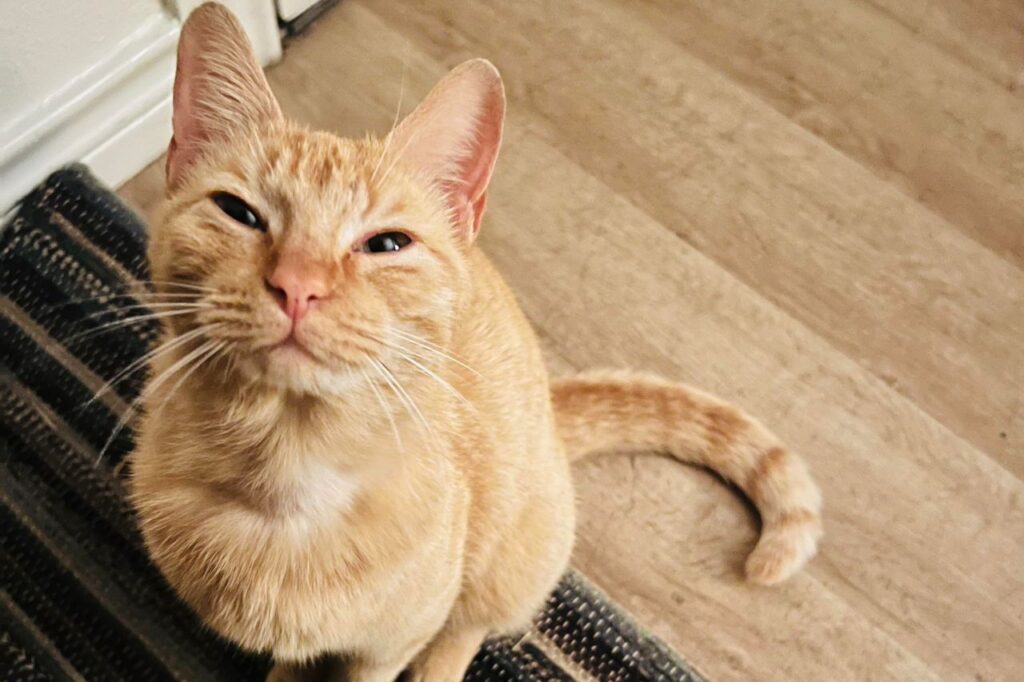
Many people mistake a cat’s slow blink, a deliberate, partial closing and opening of the eyes, as drowsiness or boredom. In fact, this is one of the highest compliments a cat can pay you. In the animal world, maintaining direct eye contact is often a sign of aggression. By slowly closing their eyes, a cat shows you that they feel completely safe and unthreatened in your presence. It’s an expression of extreme trust and affection, acting as a non-verbal greeting or an acknowledgment of their deep comfort around you, often referred to as a “cat kiss.”
4. Direct Staring Is Not Always Confrontation

If your cat locks eyes with you from across the room without blinking, you might feel a pang of unease, thinking they are asserting dominance or challenging you. While intense, unblinking eye contact between unfamiliar cats can be a threat, when directed at a trusted human, the meaning is usually much simpler. Cats have learned that staring is an effective way to communicate a need. They are often trying to manipulate you into providing food, attention, or playtime, a clear example of learned behavior to get what they want from their favorite staff.
5. Bringing You Prey is Not a ‘Gift’

When your cat proudly presents you with a dead mouse or bug, it is common to interpret this as a thoughtful but gross “gift.” While it is related to a desire to share, the behavior is more deeply connected to their instinctual teaching process. Mother cats often bring back injured or dead prey to their young to teach them how to hunt and eat. When your adult cat presents you with their catch, they may subconsciously view you as an inadequate hunter or a member of their dependent social group, needing to be educated on how to secure a meal.
6. Quick Tail Twitching Means Irritation
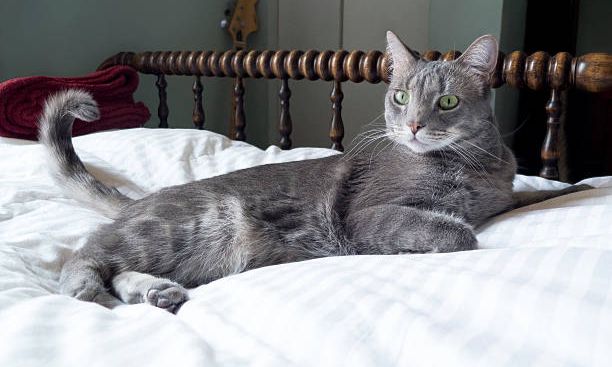
A rapid, short twitch of the tail’s tip, especially when the rest of the body is still, is often mistaken for excitement or playful energy. In reality, this movement is a warning sign of low-level irritation, annoyance, or concentration that borders on frustration. If a cat is sitting quietly and the tip of its tail begins to twitch quickly, it is a signal to stop whatever is happening, perhaps a pet on a spot they dislike or a disruptive noise, before the annoyance escalates into a hiss or a swat. The faster the flick, the greater the internal tension.
7. Head-Bumping Is Scent Marking
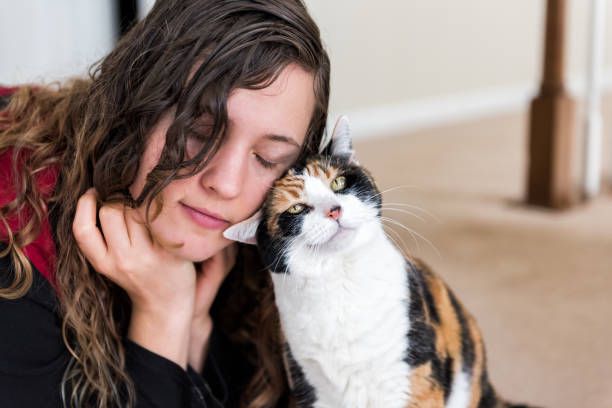
When a cat rubs its head or cheek against your leg, hand, or even your face, it feels like a sweet, affectionate greeting, and it certainly is. However, the primary reason for this behavior, known as “bunting,” is biological. Cats have scent glands in their cheeks, chins, and forehead. By rubbing against you, they are depositing their unique pheromones onto you, marking you as safe, familiar, and a part of their colony or territory. It’s an act of ownership that reinforces their emotional bond with you.
8. Covering Poop Signifies Submission
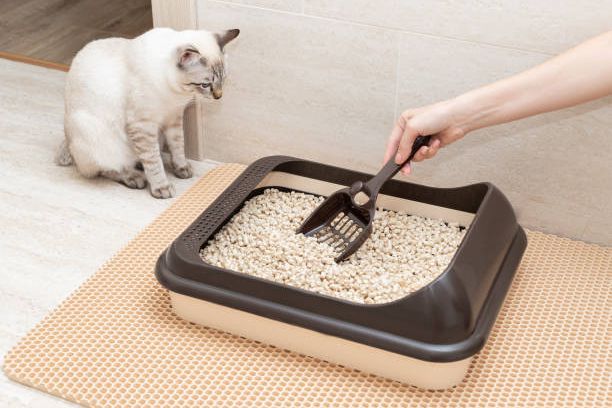
The meticulous act of burying waste in the litter box is often praised as a sign of a fastidiously clean cat. While domesticated cats maintain this habit, its origin in the wild is less about neatness and more about social ranking. In nature, dominant felines, like large wildcats, often leave their feces uncovered to assert their presence and dominance. By consistently burying their waste, your cat is subconsciously adopting a submissive posture within your household, acknowledging you as the more dominant figure in the territory.
9. Hiding Doesn’t Always Signal Fear
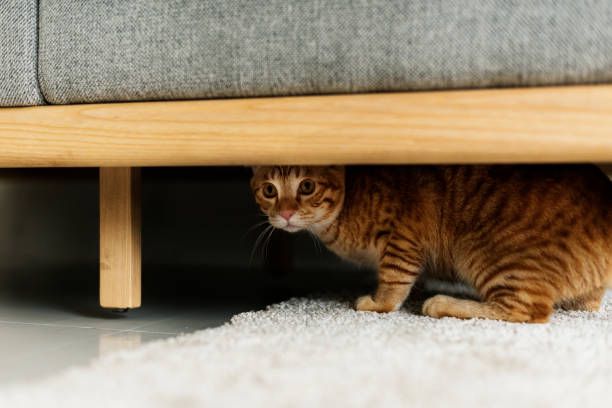
If your cat vanishes under the bed or into a closet, your immediate assumption might be that they are terrified of something in their environment. While hiding is a key response to fear, it’s also a fundamental coping mechanism for stress and a preference for rest. Cats are predators who also feel vulnerable, and tight, dark, enclosed spaces offer an instinctive sense of security and control. They retreat to these safe havens to decompress from overstimulation, illness, or simply to take a peaceful, deep sleep.
10. Meowing Is Primarily for Humans
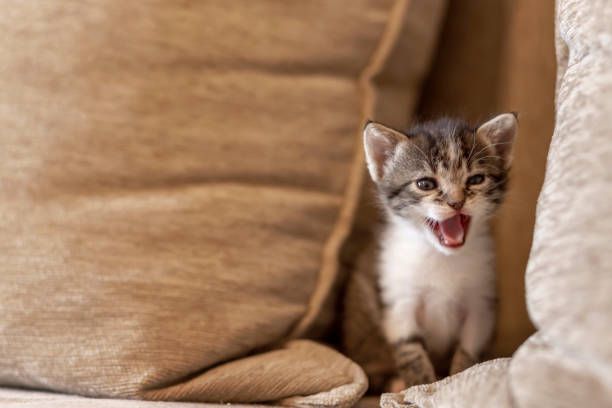
The variety of meows, chirps, and chirrups your cat uses to communicate might seem like their natural language. However, in the wild, adult cats rarely meow to each other; they rely on scent, body language, and hisses. The meow is a vocalization that domestic cats learned to use specifically to communicate with people, mimicking the sound they use to get their mother’s attention as kittens. They have effectively trained their humans to respond to these distinct calls for food, attention, or access to a closed door.
11. Ignoring You Is a Sign of Trust
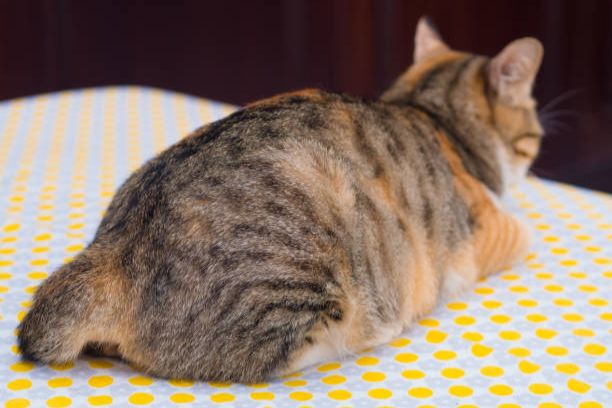
When you call your cat and they simply twitch an ear or move their tail without coming over, it can feel like they are deliberately giving you the cold shoulder. Researchers believe cats do register their owner’s voice and understand what is being said. By choosing to stay put and only offer a subtle, low-effort acknowledgment, they are actually showing high confidence in their environment and a deep-seated trust that you don’t pose a threat and will manage to carry on without their full attendance.
12. Sitting in Small Spaces for Comfort
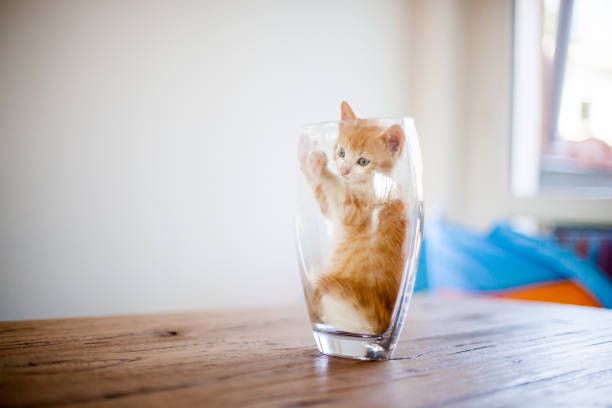
The well-known feline love for boxes, sinks, or any tight, defined space goes beyond simple curiosity. This attraction to enclosed spaces is linked to a need for safety and temperature regulation. In a compact area, a cat feels protected from potential predators, addressing their instinctive need for security. Additionally, the tight quarters allow them to preserve body heat more efficiently, as cats generally have a higher thermal neutral zone than humans and seek out warmth.
13. Exposing Their Belly Isn’t a Request for Rubs
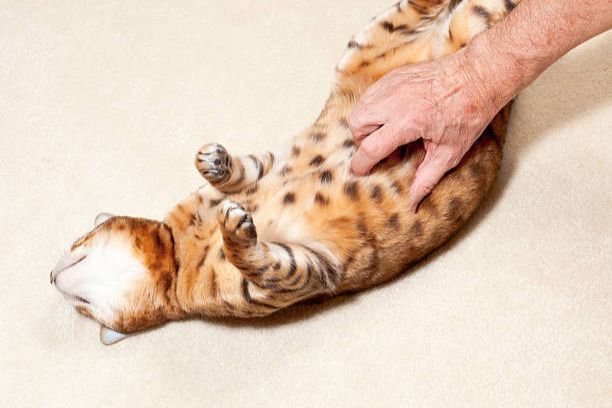
When your cat rolls over and displays their belly, it looks like an invitation for a tummy rub, similar to dogs. However, the abdomen is the most vulnerable part of a cat’s body, containing all their vital organs. By exposing it to you, they are signaling a profound level of trust and relaxation, showing they believe you would never harm them. If you try to rub it, they often lash out because this posture allows them to deploy all four clawed paws for self-defense if that trust is violated.
14. Chewing on Non-Food Items Can Be Medical
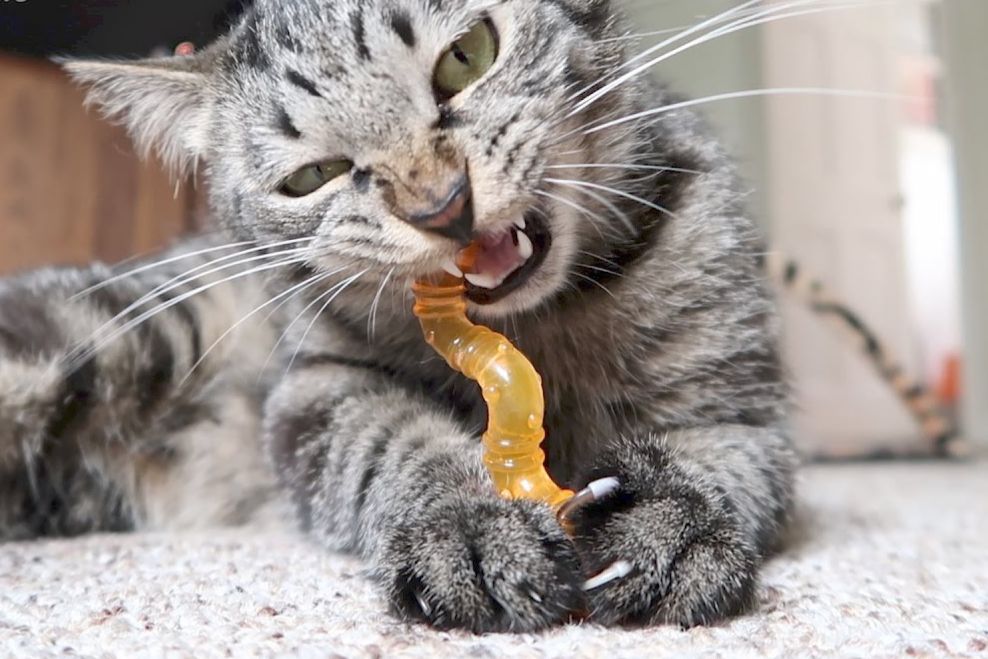
If your cat regularly chews on items like wool blankets, electrical cords, or plastic, it is often dismissed as a quirky, bad habit. This behavior, known as pica, is not simply poor manners; it can be a sign of a dietary deficiency, stress, boredom, or an underlying medical issue, particularly gastrointestinal disease. While sometimes it’s a playful texture preference, persistent chewing on inedible objects warrants a check-up with a veterinarian to rule out any health or nutritional causes.
It’s clear that the quiet, reserved cat in your home is actually a sophisticated communicator, using a complex language of subtle movements and ingrained instincts. By understanding the true meaning behind these 14 common behaviors, you can move beyond simple assumptions and build a richer, more nuanced bond with your fascinating feline companion.
Like this story? Add your thoughts in the comments, thank you.
This story 14 Cat Behaviors That Mean Something Totally Different Than You Think was first published on Daily FETCH


