
1. Harmful Yard Chemicals
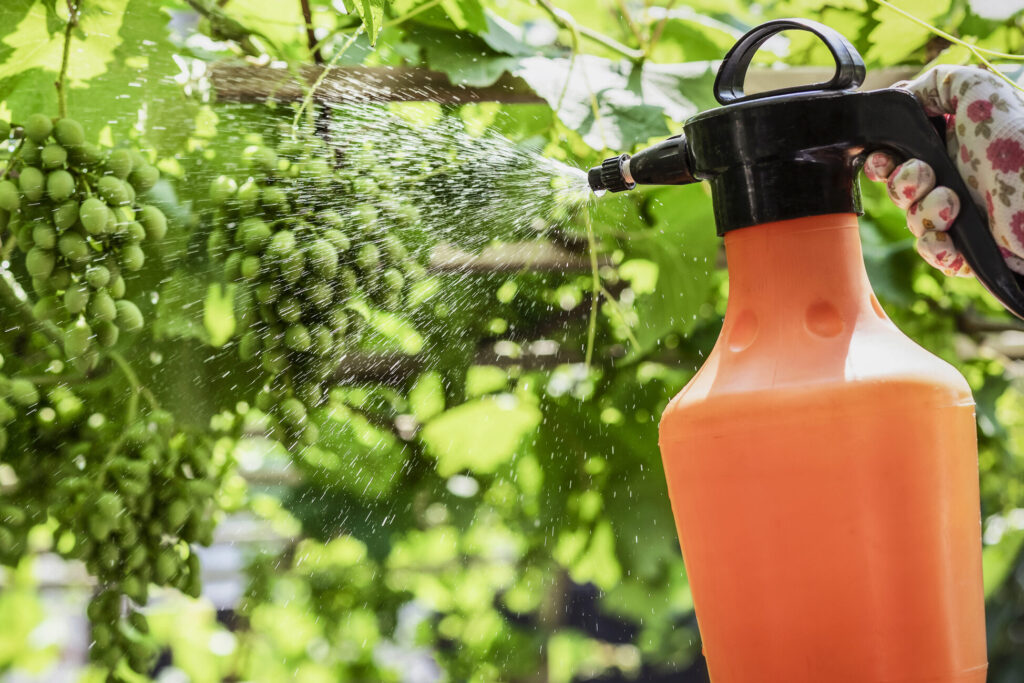
Sometimes we enjoy the tidy look of a well treated lawn without really thinking about what goes into keeping it green. It feels normal to spray or sprinkle something that promises fast results, yet most lawn chemicals quietly harm butterflies, birds, worms and even the soil. When certain insects disappear others lose food, and the whole backyard chain slowly weakens. A simple shift to fewer chemicals makes a big difference. Try using compost, hand weeding or natural repellents. Let a few wild patches stay exactly as they grow. When nature breathes more freely, your backyard becomes healthier than any product can promise.
2. Too Much Plain Grass

A yard covered in short grass may look clean and open, but it leaves very little space for wildlife to hide, feed or rest. Birds struggle to find seeds, worms lose shelter and small insects have nowhere to thrive. A flat lawn offers beauty to the eyes but emptiness to animals. Turning even one corner into a mix of taller grasses or native flowers brings life back almost instantly. It creates shade, food and safe hiding places. You do not need to remove everything. Just add variety where the ground looks too perfect and watch how quickly your backyard becomes lively again.
3. Repeating the Same Plants

When every plant in the yard looks alike it may seem stylish, but it shuts out many creatures that depend on diversity. Bees want different flowers, birds look for fruits, and insects need leaves of specific shapes to survive. A single variety can never serve everyone. Adding plants with different heights, colors and blooming seasons keeps nature active all year. Think of your backyard as a buffet, not a single dish. A little mix of native shrubs, flowering plants and ground covers invites more life without ruining your design. Small changes slowly turn a quiet space into a natural community.
4. Overcleaning Every Corner
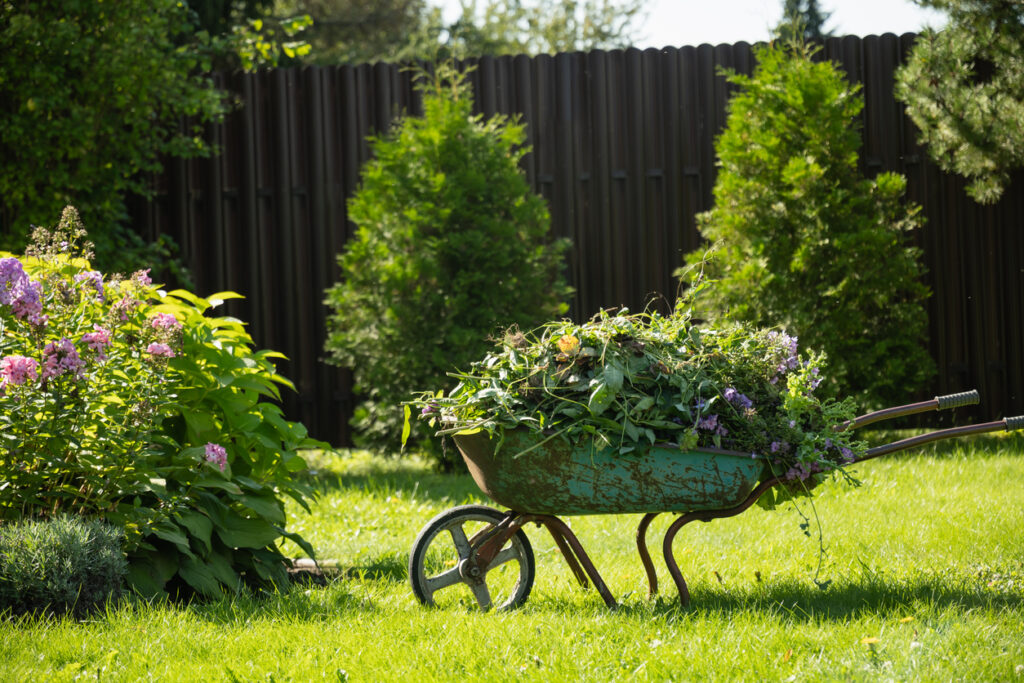
Clearing every fallen leaf or twig may feel satisfying, especially when you want a perfect yard, but this habit takes away the natural shelter that many creatures depend on. Leaves keep insects safe, twigs help birds build nests and seed heads feed small animals. Removing everything leaves the ground bare and lifeless. Letting a quiet corner collect natural debris gives wildlife a calm spot to exist without disturbing the rest of the yard. You can keep your space neat while still leaving room for nature to breathe. A little patience with scattered leaves brings more life than constant tidying ever could.
5. Watering Without Purpose
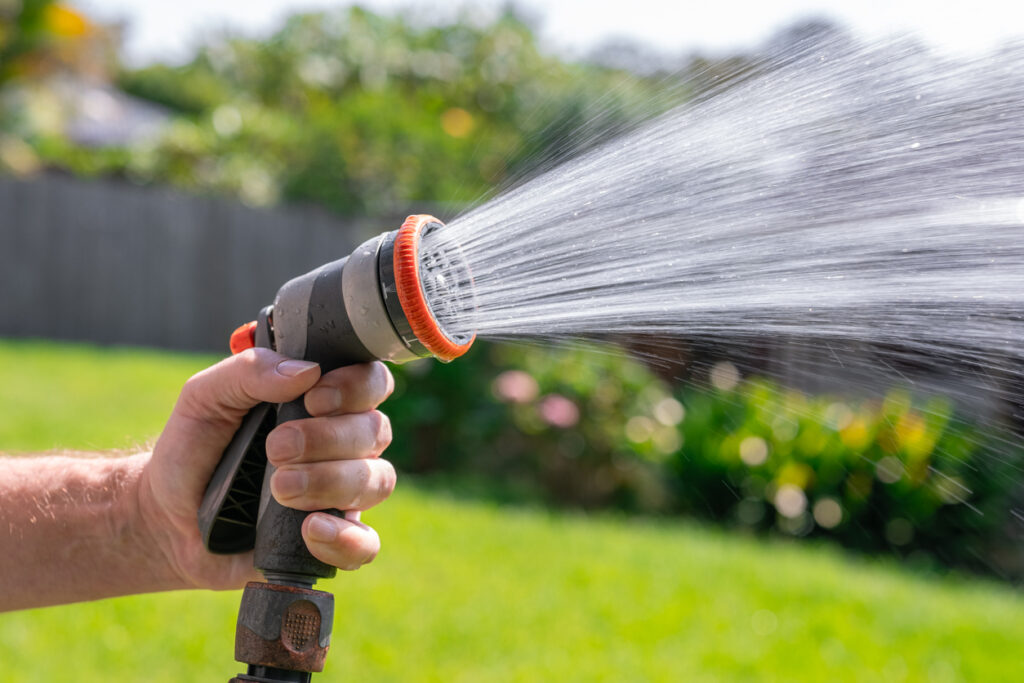
Some yards are watered so often that the ground stays soaked even when plants do not need it. Too much watering wastes resources, washes away nutrients and encourages weak root growth. Wildlife also suffers when a backyard becomes dependent on constant watering instead of natural rain cycles. Choosing drought friendly plants and watering only when necessary keeps the soil healthy and strong. You can save time, reduce water bills and help nature adjust to the local climate. A balanced watering routine supports birds, insects and healthy soil. Once you slow down the watering schedule, the entire backyard begins to adapt naturally.
6. Lacking Vertical Variety
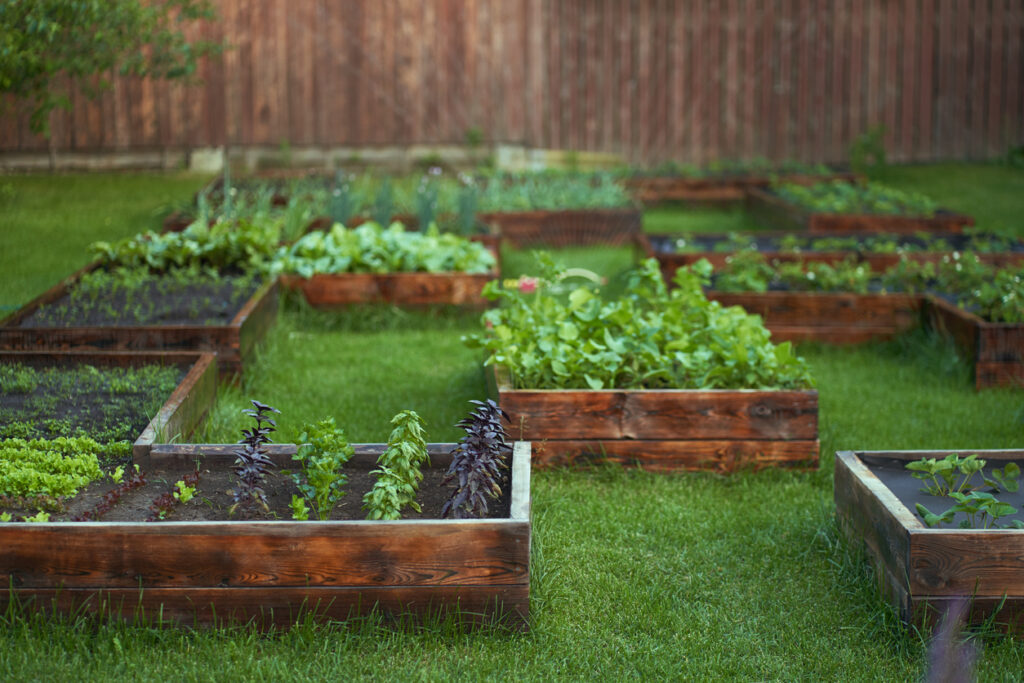
When a yard has only grass and a few low plants, it misses the layered structure that wildlife loves. Birds like different heights for nesting, insects hide under shrubs and tall plants offer shade and protection for small animals. Diversity in height turns an ordinary yard into a welcoming home for many species. Adding shrubs beneath trees or planting vines along a fence creates useful layers without overcrowding your space. These layers help everything feel connected. You do not need a large garden to build variety. A few carefully placed plants can change the experience for wildlife instantly and beautifully.
7. Bright Lights All Night

Outdoor lights seem harmless, yet constant brightness interrupts the natural rhythm of insects, birds and night animals. Many creatures rely on darkness for safety, feeding or navigation. When lights stay on through the night, they become confused, exposed or unable to rest. You can lower the impact by switching to motion sensors or turning off lights after certain hours. Even shielding lights so they point downward helps keep the sky dark. Darkness might look empty to us, but to nature it is a comforting blanket. Allowing night creatures a peaceful space makes your yard feel more balanced and respectful.
8. Allowing Invasive Plants
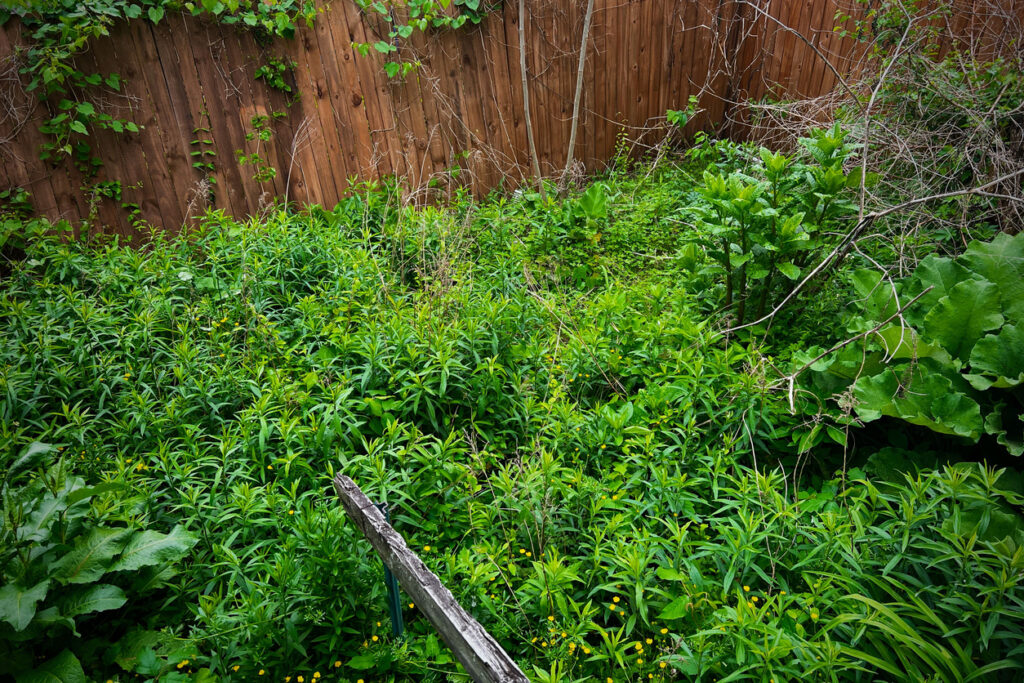
Some plants look beautiful but slowly take over the yard, pushing away native plants that wildlife actually needs. These invasive species offer little to no food or shelter to insects and birds. When they spread, the yard becomes quiet because the creatures that depended on native plants lose their support. Removing invasive plants and replacing them with regional varieties encourages the return of butterflies, bees and birds. You can start small by replacing one plant at a time. With patience, the yard becomes a friendly environment again. Choosing wisely protects the natural balance that makes a backyard truly alive.
9. Pets Roaming Without Supervision
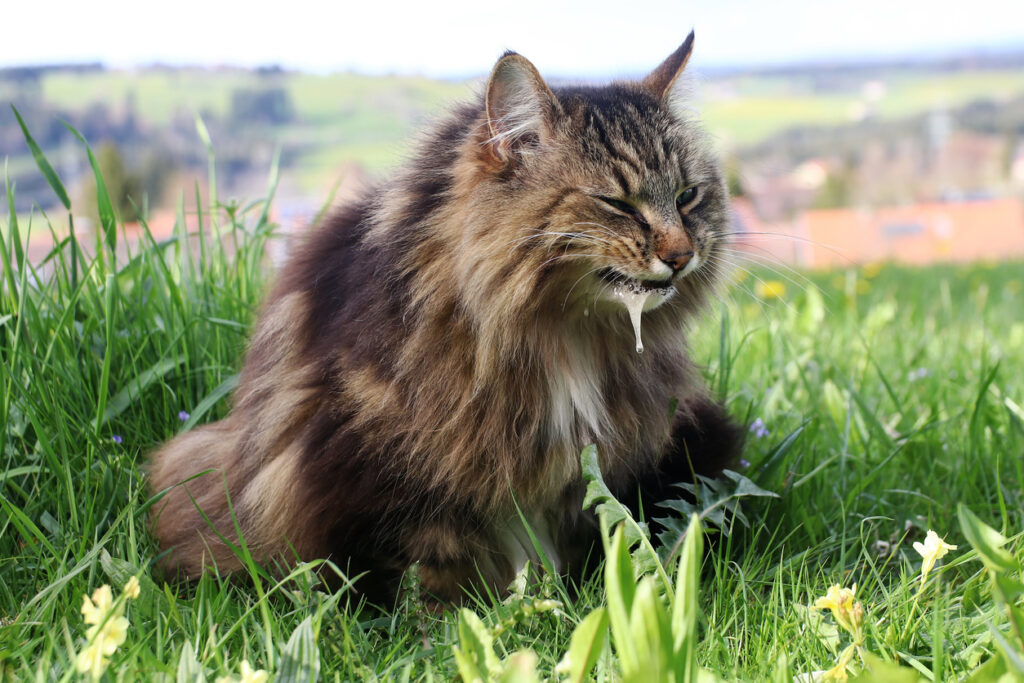
Allowing cats or dogs to roam freely in the yard might feel natural, yet it can disrupt wildlife that tries to live or feed there. Cats especially are skilled hunters even when they are well fed at home. Birds, squirrels and small reptiles become targets without realizing it. Dogs trample plants, disturb nests and scare away sensitive creatures. Creating boundaries or supervising outdoor time protects both pets and wildlife. Consider a designated play zone or specific hours for free roaming. A little structure keeps your backyard safe for everyone. When pets and wildlife coexist thoughtfully, the yard truly thrives.
10. Rigid Landscaping
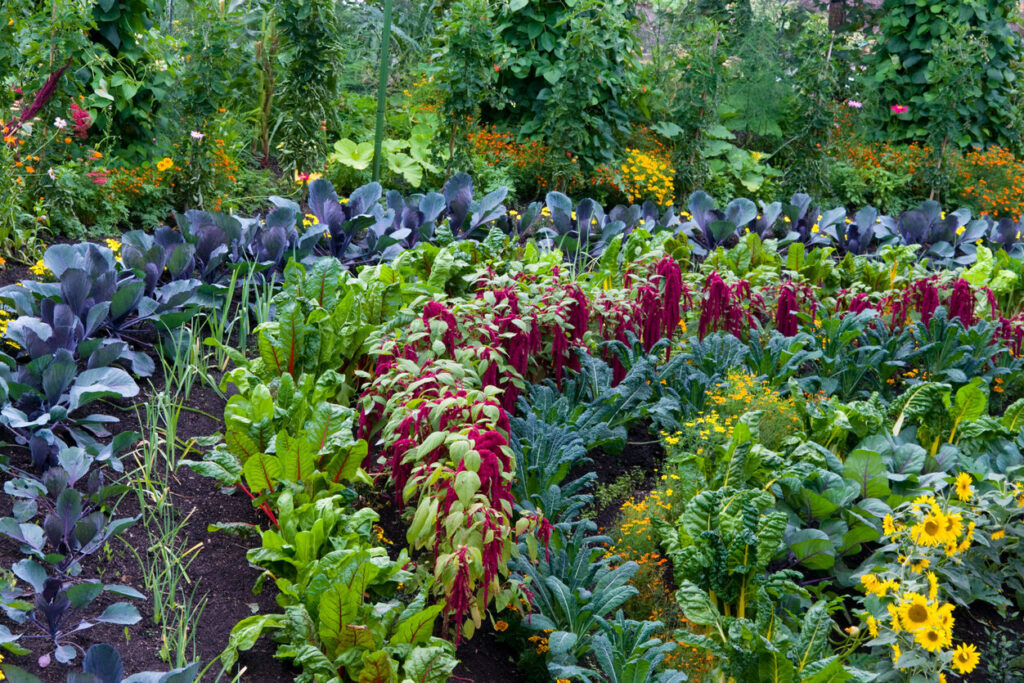
Perfect symmetry, sharp edges and heavily trimmed plants look neat but leave wildlife with little to use. A yard that focuses solely on decoration forgets that nature needs looseness to survive. Too many hard lines remove hiding places and natural food sources. You do not need to abandon order, just soften it. Let shrubs grow fuller, allow a few seed heads to remain and add natural edges of flowers or grasses. Mixing tidy spots with gentle wild areas creates both beauty and purpose. When the yard feels less controlled, more animals feel welcome, and your space becomes more interesting.
11. Not Leaving Food Sources
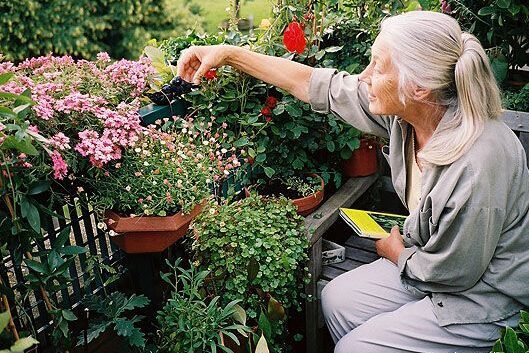
A yard with flowers that never go to seed or with plants trimmed before blooming offers very little food. Many creatures rely on seeds, nectar or insects that gather on flowering plants. Removing flowers too early or cutting seed heads stops that cycle. Allowing plants to bloom fully and dry naturally keeps the food chain alive. Even one patch of flowering natives makes a difference. Let flowers mature before trimming and leave seed heads through part of the season. These small choices may look simple but they feed countless tiny lives that depend on your yard for survival.
12. Too Many Hard Surfaces

More patios, concrete and artificial turf might make maintenance easier, but they remove the soil that supports life. Hard surfaces shed water instead of absorbing it, leaving little moisture for nearby plants. Removing natural ground also reduces places for insects to live or hide. Choosing permeable paths, mulch or living ground covers helps return softness to the yard. You do not have to remove a favorite seating area. Just balance the hard spaces with natural ones. The more room you give the soil to breathe, the more wildlife finds comfort. A living ground invites nature back quietly and steadily.
13. Constant Noise and Disturbance

Loud tools, early yard work and nonstop activity keep wildlife on alert and push them away. Many animals need quiet moments to feed, rest or care for their young. A noisy yard feels stressful even if it looks beautiful. You can reduce disruption by choosing quieter tools, trimming less often and saving loud tasks for later in the day. Adding shrubs also softens sound and gives animals a calmer place to hide. When your backyard offers peaceful pockets, creatures begin to return naturally. Caring for nature is not only about planting, it is also about giving space to breathe and belong.
This story 13 Ways Your Backyard Quietly Harms Wildlife (and Easy Fixes) was first published on Daily FETCH


