
1. Fox’s U-bet Chocolate Syrup
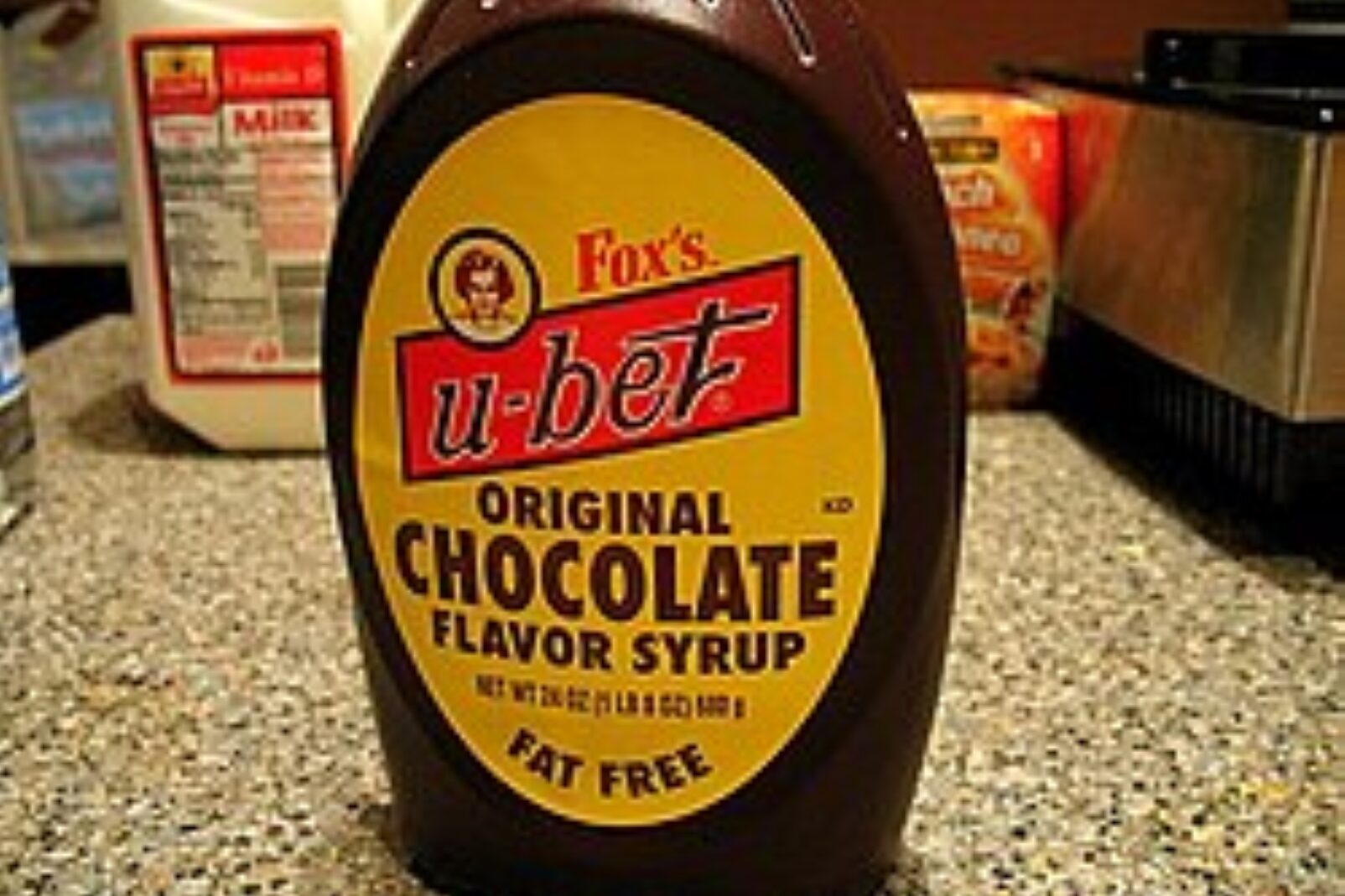
For many families, especially in parts of the Northeast, Fox’s U-bet chocolate syrup was more than just a topping. It often found its way into a breakfast glass of milk before kids headed to school. The syrup poured thick and dark from the bottle, and once stirred into cold milk, it created a deep chocolate drink that felt richer than most. In homes that kept a bottle on the kitchen table, the routine was simple. A squeeze into the glass, a few turns of the spoon, and suddenly ordinary milk tasted like something special. For children rushing through the morning, that quick chocolate milk sometimes stood in for a full breakfast, especially when time was short, and the school bus was already on its way.
Fox’s U-bet has a long history that stretches back to the late nineteenth century. The syrup was developed by Fox’s, a New York–based company, and became widely known for its role in the classic Brooklyn egg cream. Food writers often point out that an authentic version of the drink almost always calls for U-bet syrup. As the Brooklyn Farm Girl food blog once explained, “The secret to a real New York egg cream is Fox’s U-bet chocolate syrup.” That reputation helped the syrup earn a loyal following across generations. While many people remember it from soda fountains and egg creams, plenty of kids also remember it from the breakfast table, stirred quietly into milk before another ordinary school day began.
2. Ovaltine: The Malty Mug That Started Early Mornings

There is something comforting about the smell of malt rising from a warm mug, and for many families, that smell came from a tin of Ovaltine. First developed in the early 1900s, it was marketed as a nourishing drink packed with vitamins and minerals. Old advertisements proudly claimed it would “help build strong bodies 12 ways,” a line many parents took seriously. It was sold as both practical and wholesome, the sort of thing you could trust before sending children off to school. The powder came in sturdy tins that rattled when nearly empty, a quiet signal that it was time for another trip to the shop.
In many homes, it became a ritual. A spoonful into a cup, hot milk poured slowly on top, and that careful stir to chase away the clumps. Some preferred it cold, shaken hard in a jar before tumbling into a glass. It felt dependable, never flashy, just steady. Even today, longtime fans describe it as “comfort in a cup,” a phrase that floats around food forums and family kitchens alike. If Ovaltine ever sat on your shelf, you know how a simple tin could quietly anchor a whole morning routine.
3. Bosco Chocolate Syrup in Milk
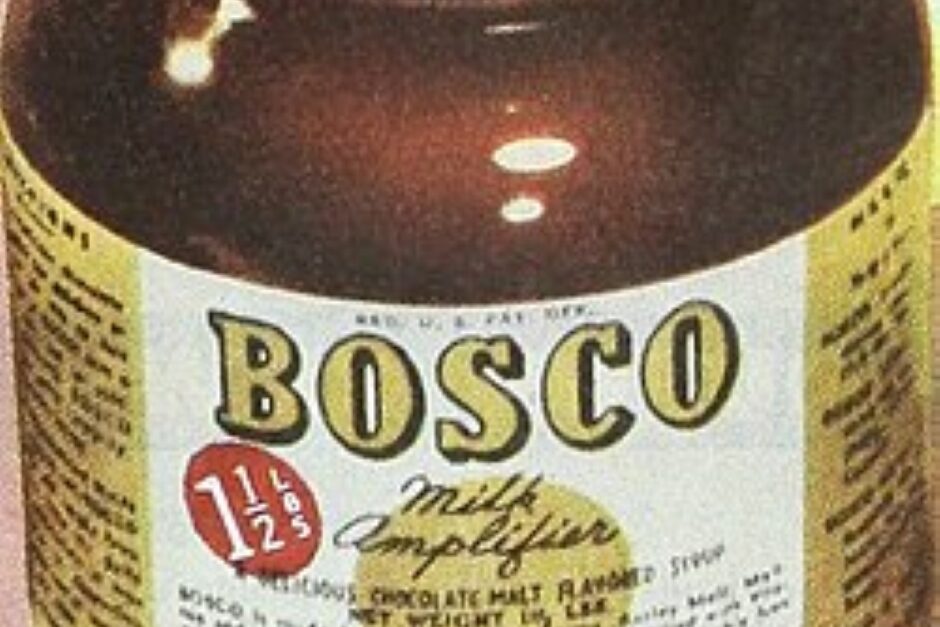
In many households, a glass of milk didn’t stay plain for long. Bosco chocolate syrup was often squeezed into the glass, followed by a few quick stirs that turned the milk into a rich chocolate drink. Kids loved the sweetness, and parents often felt it was still better than sending children out the door without anything at all. The bottle sat right on the breakfast table, ready for the morning routine.
Bosco advertisements once leaned into nutrition messaging as well. One vintage promotion proudly claimed the drink contained “energy-giving nutrients for growing youngsters.” Whether families believed the marketing completely or simply enjoyed the taste, Bosco became a familiar sight in American kitchens during the mid-twentieth century. For many children, the day began with the swirl of chocolate slowly dissolving in milk and the quiet excitement of a drink that felt a little like a treat before the school bell rang.
4. Tang: The Space-Age Powder in a Bright Tub
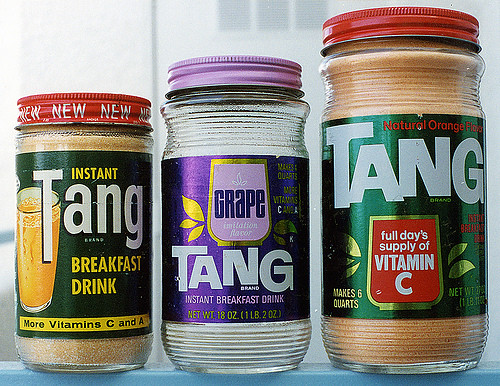
There was a moment when breakfast drinks felt futuristic, and Tang captured that mood perfectly. Launched in the late 1950s and famously associated with NASA’s space missions, Tang gained massive popularity after it was used during the Gemini flights. Though NASA later clarified that astronauts did not rely on it exclusively, the public imagination had already taken off. As one former executive once said in interviews, “Space created the story,” and that story sold millions of bright orange tubs around the world.
Tang was simple. A scoop into water, a quick stir, and you had a citrus-flavored drink ready in seconds. It was marketed as rich in vitamin C, an easy way to round out breakfast without squeezing fresh fruit. For many families, especially where refrigeration was limited, the shelf-stable tub made sense. It felt modern, efficient, and just a little exciting. Children loved the color. Parents liked the convenience. Even now, mention Tang and someone will bring up astronauts, proving how a plastic tub once made the morning table feel connected to the stars.
4. Carnation Instant Breakfast: The Quick Fix in a Foil Packet
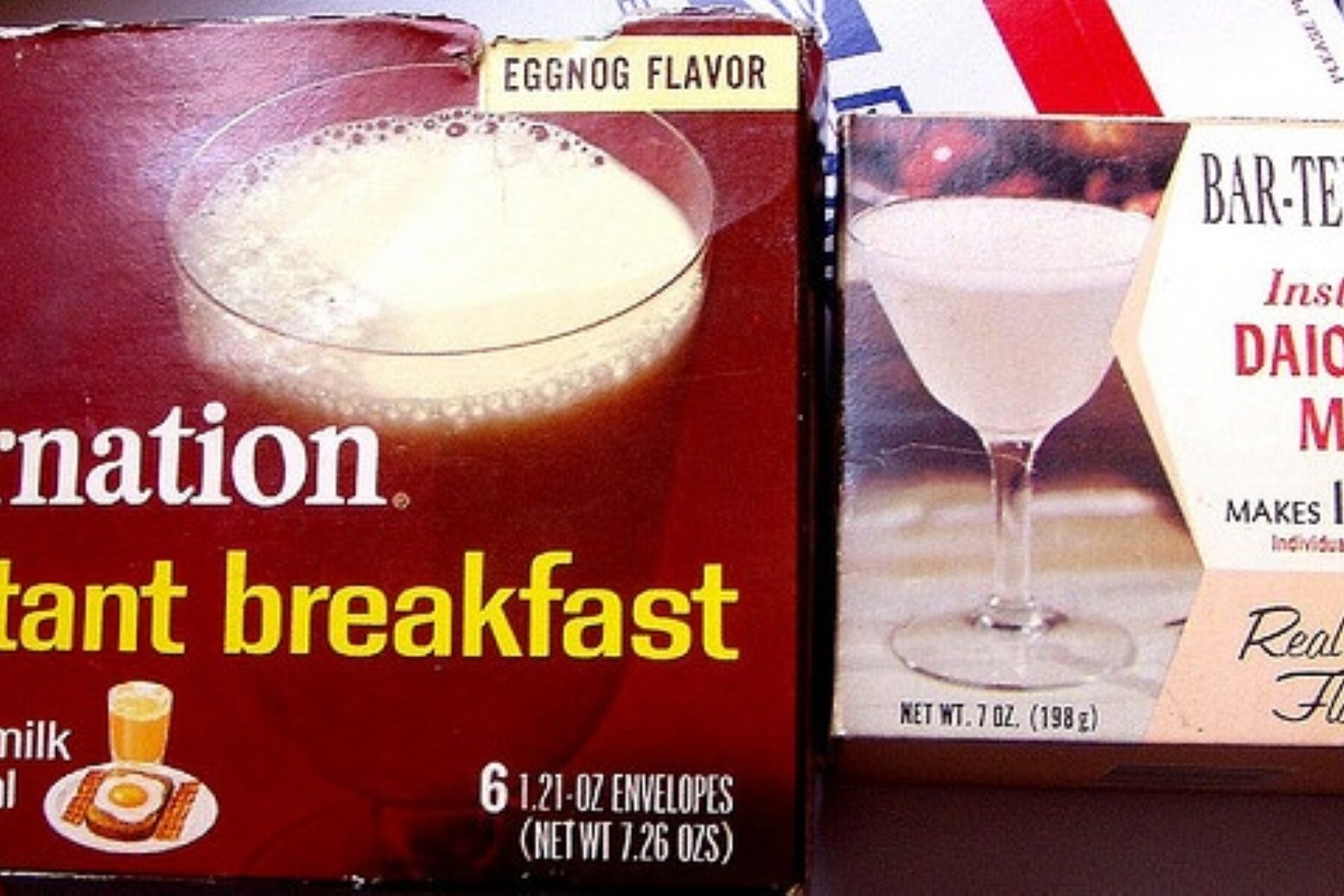
Not every morning allowed time for eggs and toast, and that is where Carnation Instant Breakfast stepped in. Sold in boxes filled with individual foil packets, it promised a complete breakfast in a glass. The makers often described it as containing “the nutrition of a balanced meal,” a claim that appealed to busy parents juggling work and school schedules. All it needed was milk and a quick stir or shake. In seconds, breakfast was handled.
For teenagers rushing out the door, it felt grown up to grab a tall glass instead of sitting at the table. The flavors, usually chocolate or vanilla, were familiar and easy. The powder dissolved smoothly, leaving a creamy texture that felt more like a milkshake than a supplement. Over time, it became a quiet staple in many cupboards, especially during exam seasons or early shifts. It did not try to be fancy. It simply filled a gap. And sometimes, that is all a breakfast drink needs to do, show up reliably when time is short and mornings feel tight.
5. Hershey’s Syrup Breakfast Chocolate Milk
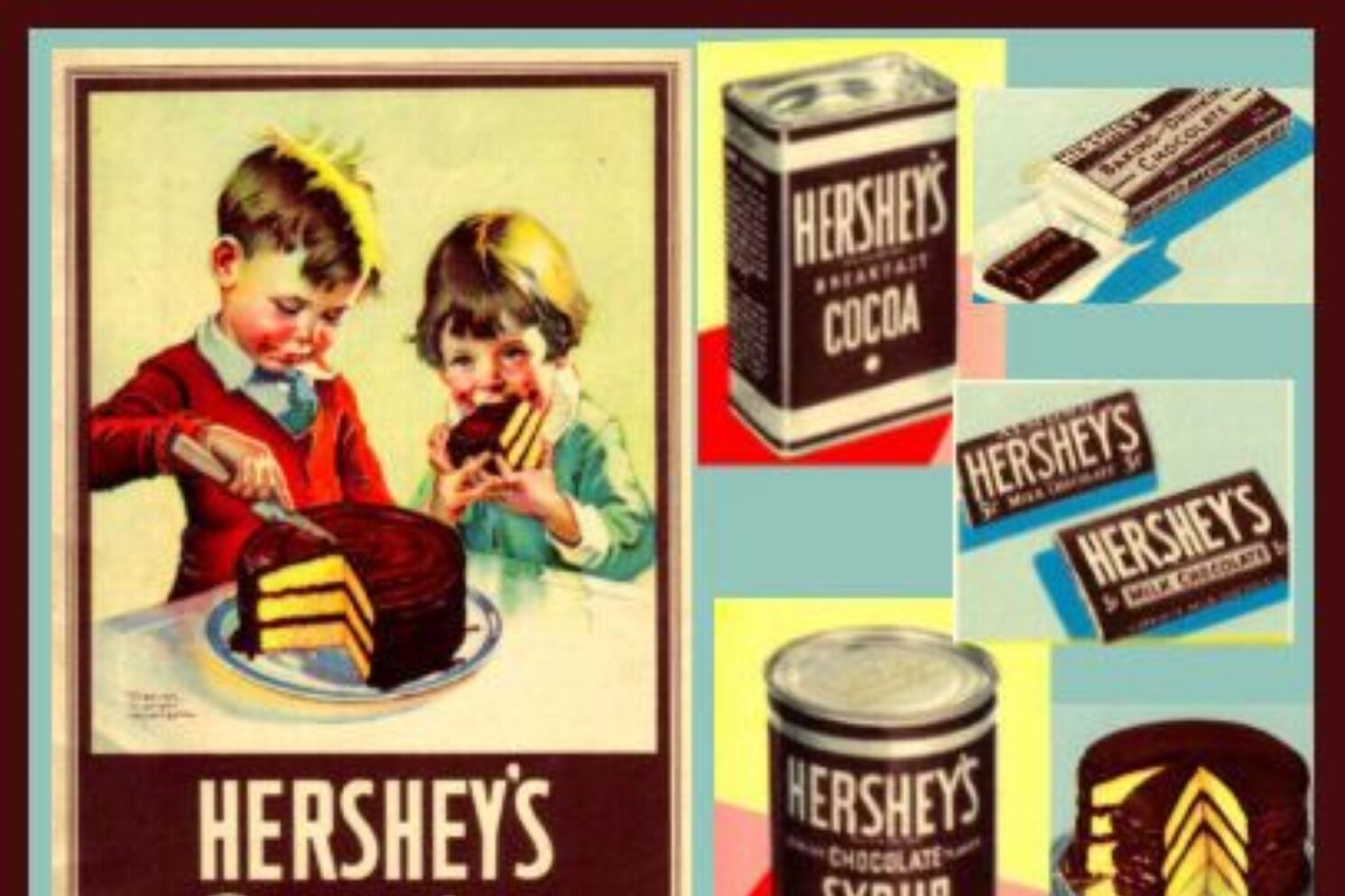
Sometimes breakfast drinks were as simple as a squeeze of Hershey’s syrup into a tall glass of milk. It didn’t require measuring cups or fancy preparation. Kids would add a generous swirl, grab a spoon, and stir until the milk turned chocolate brown. It was quick, familiar, and almost always welcome on a busy morning before school.
Hershey’s long embraced the joy of chocolate milk in everyday life. The company once described its syrup as a way to “turn ordinary milk into a treat.” For many families, that little transformation made the difference between a child happily drinking milk or refusing it altogether. In kitchens across the country, the sound of a spoon clinking against the glass became a small but steady part of the morning routine.
6. Nestlé Quik Powder
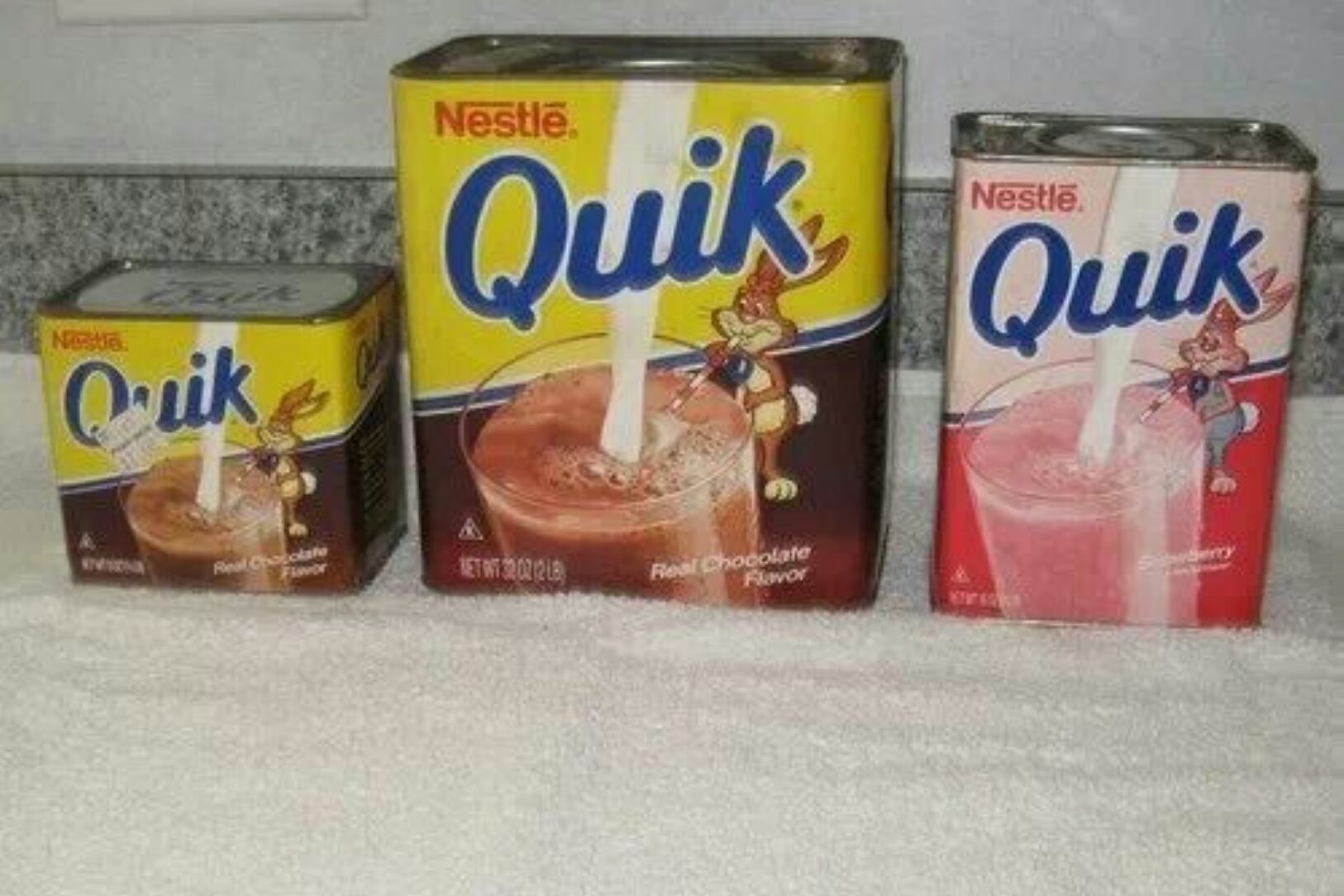
Nestlé Quik came in bright tins that many kids could spot instantly on the kitchen counter. The chocolate powder was scooped into milk and stirred until it dissolved, creating a smooth drink that felt a bit like a milkshake. Strawberry and other flavors appeared later, but chocolate remained the classic choice for many school mornings.
The brand’s famous bunny mascot helped cement its place in pop culture. Nestlé advertisements once promised the powder was “fortified with vitamins and minerals,” giving parents a reason to feel good about the sweet drink. Whether kids believed the health claims or simply liked the taste, Quik became one of those simple breakfast rituals that felt dependable and cheerful before heading out the door.
8. Nestlé Coffee-mate Powder

In many American kitchens during the 1960s and 1970s, a jar of Coffee-mate powder often sat near the coffee pot, but it sometimes found its way into other morning drinks too. While it was designed as a non-dairy creamer for adults, some families stirred a spoonful into hot milk or weak coffee for older kids who wanted something warm before heading to school. The powder dissolved quickly, turning plain milk into a creamier, slightly sweet drink that felt a little more grown-up than chocolate milk. For busy mornings, it was one of those simple shortcuts that didn’t require much thought. A scoop, a stir, and the drink was ready while backpacks were being zipped and lunches packed. The jar itself became a familiar sight on the breakfast counter.
Coffee-mate was introduced in 1961 by the food company now known as Nestlé, during a time when powdered convenience foods were becoming a regular part of American life. According to Nestlé’s brand history, the product was created as “a non-dairy creamer that makes coffee richer and smoother.” That promise quickly resonated with households looking for quick kitchen solutions. Although its main job was softening the bitterness of coffee, its creamy sweetness made it useful in other morning drinks as well. Over time, the product evolved with flavored versions and liquid forms, but the original powder jar still carries a quiet nostalgia. It reminds many people of mornings when the kitchen smelled of coffee, spoons tapped gently against mugs, and a quick warm drink helped start the day.
9. General Foods International Coffees
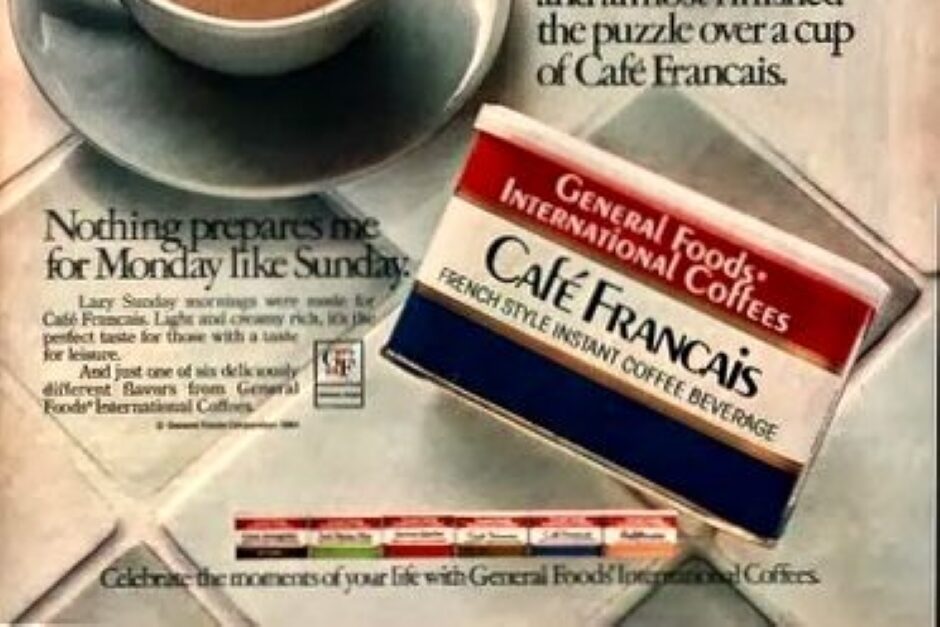
By the late 1970s and through the 1980s, General Foods International Coffees added a slightly different kind of drink to American kitchen shelves. These powdered mixes came in small tins or packets and promised flavors that sounded far more exotic than the average cup of coffee. Names like Swiss Mocha, Café Vienna, and French Vanilla made the morning drink feel almost like something from a café, even though it was prepared with nothing more than hot water and a spoon. While they were mostly marketed to adults, many households occasionally shared a mild cup with teenagers or older kids on cold mornings before school. The drink was warm, creamy, and sweet, and the powder dissolved quickly as the spoon circled the mug. For families used to instant mixes and pantry shortcuts, it fit right into the morning routine.
The brand leaned heavily on the idea that everyday kitchens could deliver a café-style moment. One well-known advertisement famously invited consumers to “celebrate the moments of your life” with a cup of International Coffees. Food historians often note that the product arrived during a time when American grocery shelves were filled with convenient powdered beverages that promised flavor and comfort without much effort. In many homes, the small tins lined up beside hot cocoa and instant coffee, ready for anyone who wanted something warm before heading out the door. Today the brand lives on in a slightly updated form, but those original tins still bring back memories of quiet kitchens, clinking spoons, and a quick warm drink before the school day began.
10. Postum Morning Cup
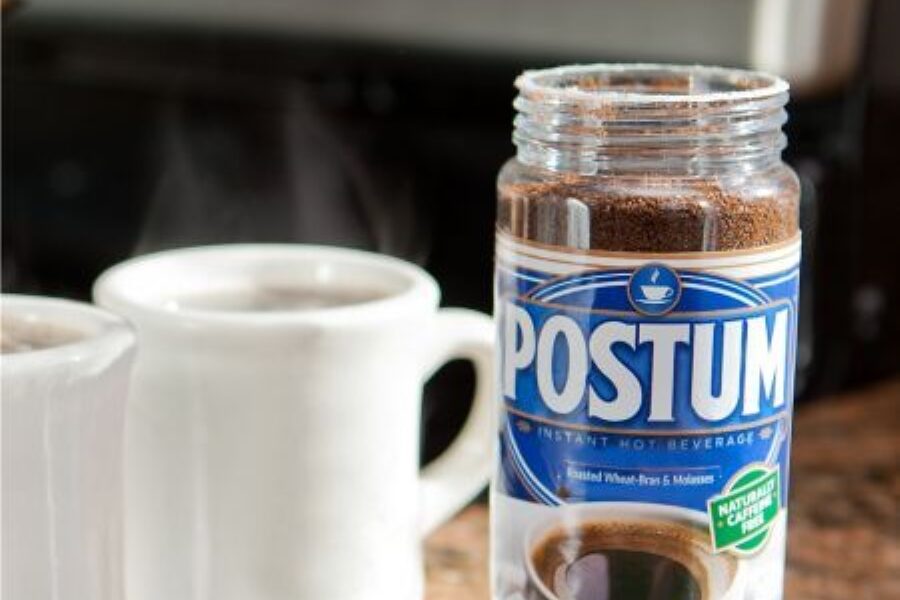
Postum offered something different for families who wanted a warm drink without caffeine. Made from roasted wheat bran and molasses, the powdered mix was stirred into hot water to create a coffee-like beverage. Many parents drank it as an alternative to coffee, but some households shared it with older kids before school. The taste was earthy and mild, and the ritual of stirring it into steaming water made mornings feel calm and steady.
The drink was widely promoted during the early and mid-1900s. One well-known slogan declared, “There’s a reason for Postum,” encouraging families to replace coffee with something gentler. Though it faded from the spotlight over time, Postum captured a moment when breakfast drinks were often mixed by hand and served warm from the kitchen stove. For some families, that quiet cup before the day began was less about energy and more about comfort.
11. Carnation Malted Drink
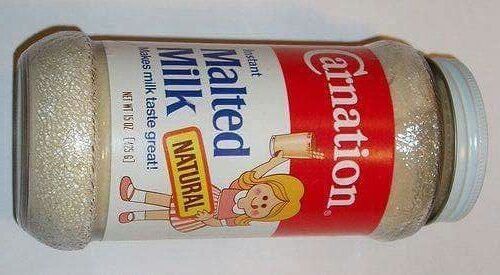
In many American kitchens through the mid-twentieth century, Carnation Malted Drink was one of those quiet staples that didn’t need much introduction. The familiar tin often sat beside cocoa powder or instant coffee, ready for a quick scoop before the morning rush. Parents stirred the malted powder into a glass of milk, sometimes warm and sometimes cold, until it dissolved into a creamy, lightly sweet drink with that unmistakable malt flavor. For kids heading out to school, it felt a little richer than plain milk and just comforting enough to count as a small morning boost. Some families even blended it with a spoonful of ice cream on weekends, but on school days it stayed simple. A scoop, a stir, and breakfast was at least partly handled.
The drink reflected a broader American fondness for malted beverages that had grown popular earlier in the century. Malted milk powders were widely promoted as nourishing and filling, especially for growing children. Carnation’s own advertising often leaned into that idea, describing its malted drink as a wholesome addition to milk. Food historians frequently point out that these drinks were valued because they were easy to prepare and had a flavor that felt both comforting and slightly indulgent. In everyday homes, the process rarely felt complicated. The spoon tapped the side of the glass, the powder swirled slowly into the milk, and another morning quietly got underway before the school bus appeared down the street.
12. Borden Instant Breakfast Drink Mix

In many American homes during the 1960s and 1970s, Borden Instant Breakfast Drink Mix was one of those quiet helpers that made rushed mornings feel a little easier. The mix usually came in a tin or packet and only needed a glass of milk and a quick stir. Within seconds, the milk turned into a creamy drink that tasted slightly sweet and felt more filling than plain milk alone. Parents liked the convenience, especially on school days when there was barely enough time to find shoes, zip backpacks, and catch the bus. For kids, the drink sometimes felt closer to a milkshake than a typical breakfast, which made it much easier to finish quickly before heading out the door.
The product grew out of a time when food companies were focusing heavily on convenient nutrition. Brands promised that powdered mixes could help busy families provide balanced breakfasts even when time was tight. Borden’s advertising leaned into that promise, highlighting the added vitamins and minerals in the mix. Food industry writers from the period often described instant breakfast drinks as solutions for “the hurried American morning,” reflecting how daily routines were changing. While other brands later became more widely recognized, Borden’s version was part of that early wave of breakfast drink mixes that blended practicality with comfort. In many kitchens, it simply meant that one quick stir in a glass of milk could help start the day on a steady note before the school bell rang.
13. Frozen Concentrated Orange Juice-Minute Maid
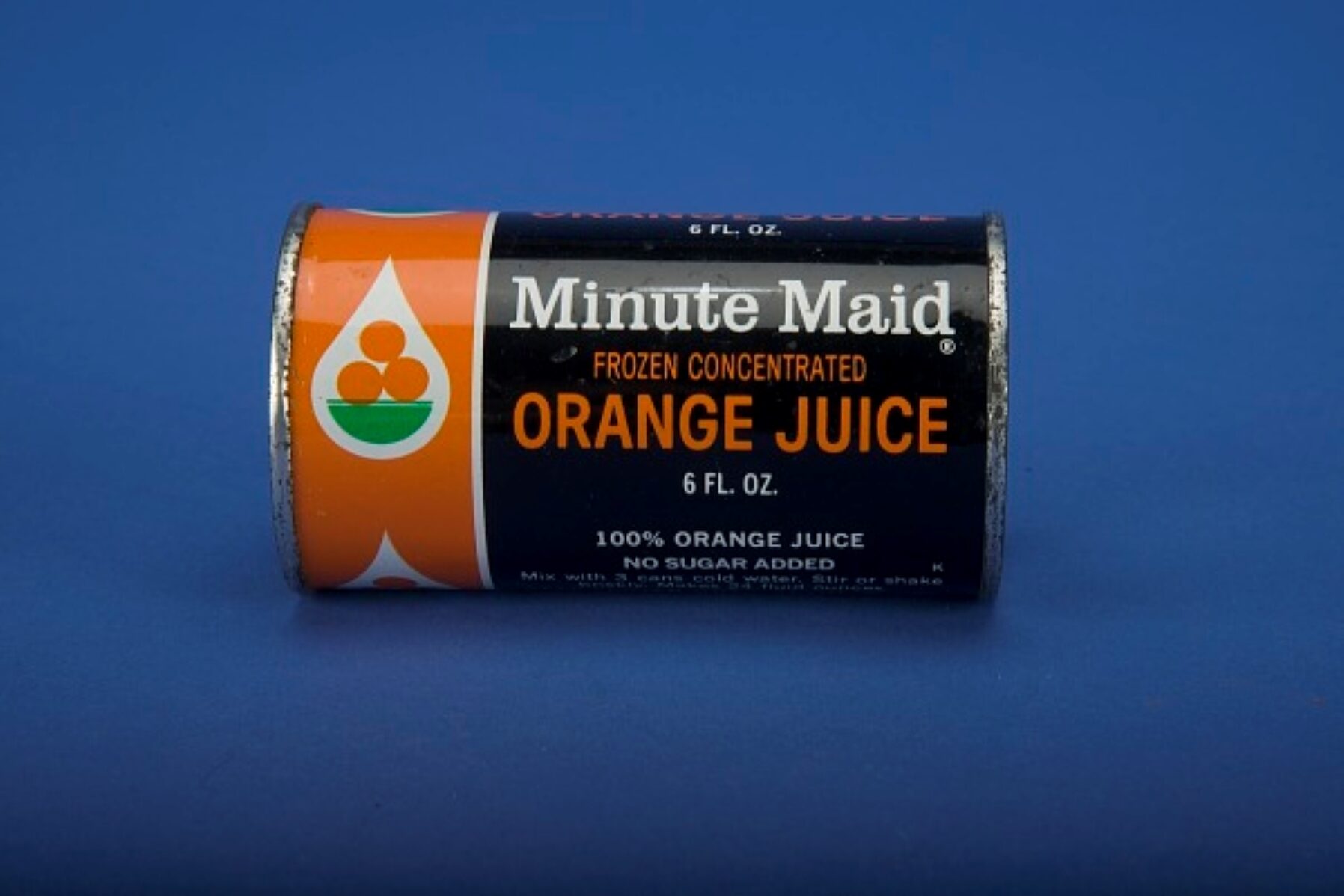
Long before ready-to-pour cartons filled the refrigerator door, many American families started their mornings with a small metal can of frozen concentrated orange juice. The can came straight from the freezer, often wrapped in paper with bright orange pictures that promised fresh flavor. Preparing it was simple but felt like a small kitchen ritual. Someone would peel back the lid, slide the frozen cylinder into a pitcher, and add a few cans of cold water. As the ice softened, the juice slowly blended together with a spoon or a quick stir. By the time glasses were set on the table, the drink looked bright and refreshing, ready for kids to gulp down before grabbing their school bags.
Frozen orange juice concentrate became popular in the United States after World War II, when food scientists developed better methods for preserving citrus flavor during freezing. According to the Florida Department of Citrus, the innovation “changed how Americans drank orange juice at home,” making it affordable and easy to store. For many households, the frozen can became part of the weekly grocery routine. Parents liked that it delivered a recognizable fruit drink without needing to squeeze a pile of oranges each morning. Kids simply remembered the taste and the familiar sound of a spoon scraping around the pitcher as the juice dissolved. It was a small, everyday preparation that quietly helped shape countless American breakfasts.


