
1. Seinfeld
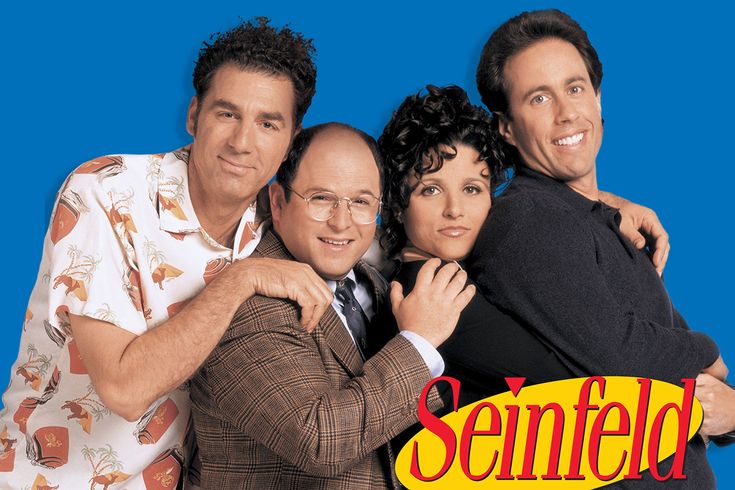
When Seinfeld began as The Seinfeld Chronicles, the show was noticeably different: there was no Elaine, the group dynamic was still forming, and the pilot felt more like a low-stakes sitcom of everyday chatter. The live-studio audience laughs were minimal, giving the early episodes a much quieter, more tentative tone. Writers and cast were still feeling out the rhythm of the show, lacking the established comedic chemistry that would later define the series. As the show developed into the sharp, defining voice of ’90s comedy, Elaine was introduced and soon became a cornerstone of the cast. With her arrival, the characters found a better balance, and the series leaned more confidently into observational humor and tight, character-driven absurdity. By the time it gained critical acclaim and Emmy recognition, especially after Elaine’s presence was solidified, it had become a cultural touchstone rather than a loose framing for stand-up routines.
2. The X‑Files

In its first season, The X‑Files was largely a spooky, low-budget anthology of “monster‑of‑the‑week” episodes, like werewolves, ghosts, and parasitic creatures. These standalone stories captured standalone horrors: for example, Season 1 episodes like “Shapes” and “Squeeze” featured strange, isolated terrors afflicted on ordinary people, no grand conspiracy, just eerie mysteries. But by the end of its run, the show had pivoted dramatically, weaving a sprawling mythos about aliens, government cover-ups, and shadowy conspiracies. The focus shifted to serialized arcs involving the Syndicate and the Black Oil alien virus that infected humanity. What had started as isolated scares became a layered saga about extraterrestrial infiltration and human resistance, far more ambitious than those early monster chases.
3. Cheers
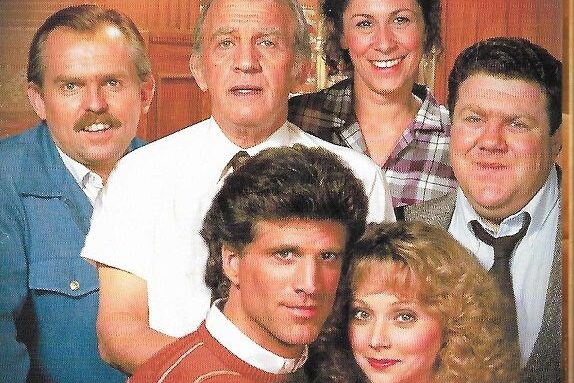
Cheers launched with a strong central focus on the Sam and Diane romance, his laid-back bar owner meets her prim waitress, and their fiery dynamic carried the early seasons. The humor and plot revolved primarily around their chemistry and the ups and downs of dating in the bar setting. The rest of the cast were more background color than core characters. As the series matured, however, it broadened into a rich ensemble show. Characters like Norm, Cliff, Carla, and Woody were more deeply developed, and the show began weaving complex emotional arcs beyond the central couple. Workplace relationships, friendships, and personal challenges began to take center stage, turning Cheers into much more than a romantic tug-of-war, it became a layered, emotionally resonant comedy about a community.
4. Buffy

Season 1 of Buffy the Vampire Slayer felt like a fun, quirky teen-focused horror show: high school cafeteria, vampire fights, and witty teen banter. The stakes were personal and localized, Buffy vs. the vampires, fighting literal monsters-of-the-week in hallways and driveways, with dark humor and teen melodrama at the forefront. By the final seasons, however, the show had transformed into a dark, metaphysical epic where Buffy was literally battling the fate of the world. Personal loss, prophecy, apocalyptic stakes, and existential questions dominated the plot. The final battles were cosmic in scale, and the tone had shifted dramatically from teenage whimsy to something far more solemn, intense, and emotionally weighty.
5. Happy Days
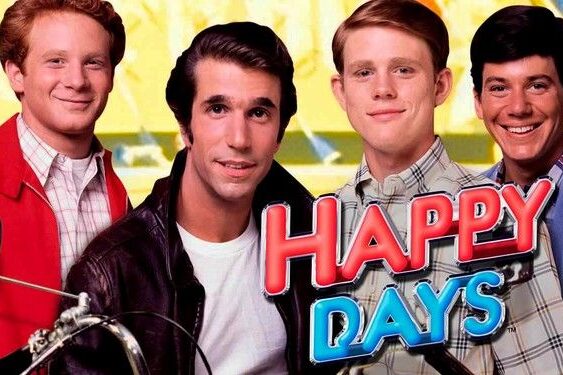
Originally, Happy Days centered on Richie Cunningham and his wholesome family life in 1950s Milwaukee, a nostalgic, heartwarming throwback with moral lessons and mild teen humor. Richie was the star, and family values were front and center. Then came Fonzie: the cool leather-jacketed greaser, instantly charming and effortlessly popular. As Fonzie’s popularity exploded, the show pivoted around him, motorcycles, catchphrases, leather, and swagger dominated. The tone shifted from sweet family nostalgia to slick pop-culture phenomenon. Richie became part of the ensemble, but Fonzie became the face, and heartbeat, of the show.
6. The Facts of Life
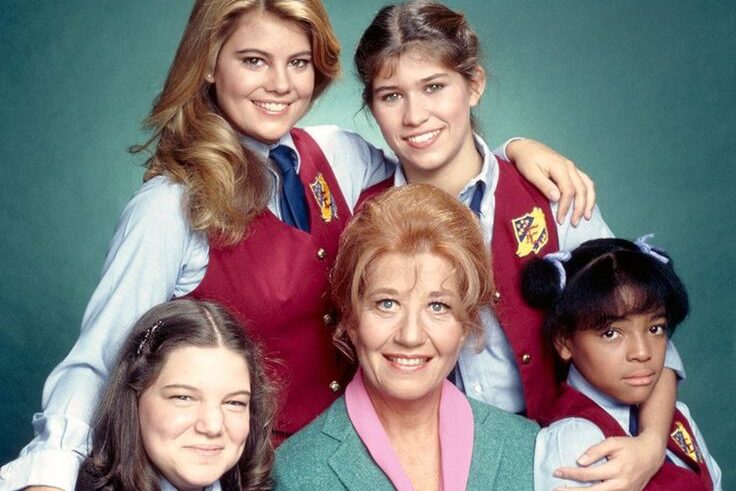
In its first season, The Facts of Life featured a large ensemble set at Eastland boarding school, with Mrs. Garrett as the housemother and numerous girls in the mix. It had a light, school‑girl sitcom vibe, focusing more on daily mischief like forming clubs or harmless pranks. The tone was lighthearted and pretty formulaic, built around boarding‑school hijinks. But once the cast was trimmed, keeping Blair, Natalie, Tootie, Jo, and occasionally Mrs. Garrett, the show changed direction. It moved locations (to a bakery and later a gift shop) and began tackling real teen issues: dieting, peer pressure, self-esteem struggles, social class differences, and career ambitions. By mid‑series it became a heartfelt drama-comedy, resonating deeply with teens, so much that it became one of NBC’s highest-rated comedies by Season 3.
7. Family Matters

Family Matters started in Season 1 as a warm, straightforward family sitcom about the Winslows living in Chicago. It spun off from Perfect Strangers and featured relatable family dynamics, without any one character completely dominating. Then along came Steve Urkel, originally a one-off nerdy neighbor in “Laura’s First Date” mid-season. His huge popularity led to Urkel becoming the focal point of nearly every episode. By Season 2, he was a main character who brought slapstick, catchphrases, and zany experiments. One fan notes, “Urkel outright took over the show”. It moved from family realism to near-cartoon antics, driven almost entirely by Urkel’s shtick.
8. Growing Pains
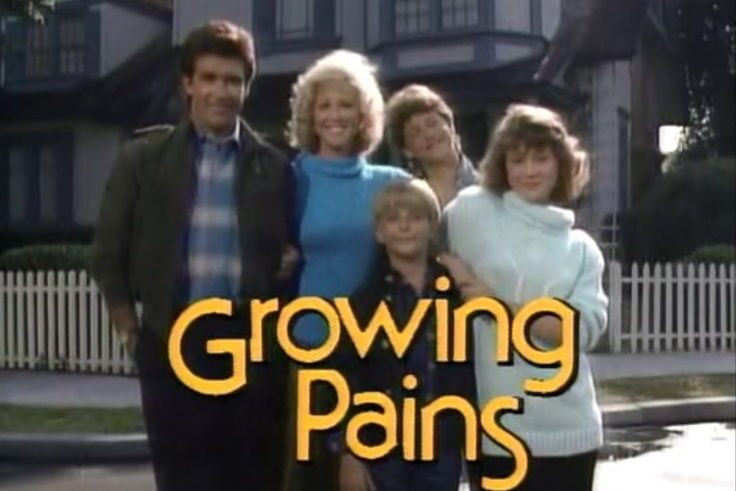
At the start, Growing Pains centered on the Partridge-esque Seaver family, with Dr. Jason Seaver, his journalist wife Maggie, and their three kids. The show focused on parenting challenges, sibling rivalry, and typical workplace or household gags. But as the kids aged, the tone shifted dramatically. It became a teenage drama involving romance, teen sexuality (“Mike’s Madonna Story”), and even harder issue‑of‑the‑week episodes. Older teen storylines, like Carol’s budding relationships or Ben and his friends, drove most plots. Guest appearances (like Brad Pitt as a romantic rival) reinforced this direction. What began as a family‑focused comedy turned into a soapier, teen‑dramedy hybrid.
9. Full House
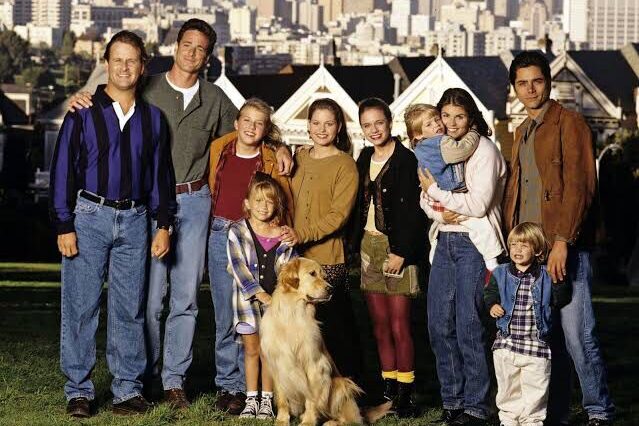
Full House began with widower Danny Tanner balancing fatherhood and grief, supported by his brother-in-law and buddy. Early episodes tackled dealing with loss, co-parenting, and adapting to a new normal after his wife’s death . Over time, it evolved into a saccharine, catchphrase-heavy show anchored by goofiness, Michelle’s “you got it, dude” and Stephanie’s mishaps, and a focus on comedic antics, hugs, and life lessons. Serious themes were peppered in, but the core became wholesome family humor and recurring catchphrases, making the show feel very different from its somber beginnings.
10. Newhart

Newhart initially centered on Bob Hartley running a Vermont inn with gentle, dry humor in a small‑town setting. The tone was laid‑back and conventional, relying on situational comedy and understated performance . But the finale blew it wide open: after Bob is hit on the head by a golf ball, he wakes up in bed next to Suzanne Pleshette, revealing the entire eight‑season run was just a dream from his earlier The Bob Newhart Show. Fans and critics lauded the twist for its boldness and wit; it’s still ranked as one of the greatest TV endings ever.
11. The Brady Bunch
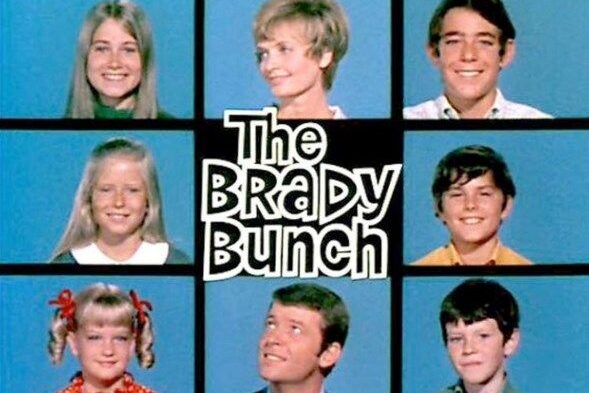
In its early seasons, The Brady Bunch was a light, formula-driven sitcom about a blended family navigating everyday life in suburbia, school projects, sibling rivalries, and harmless misunderstandings. It was easygoing and cheerful, with the typical ABC family sitcom feel, no big thrills, just wholesome family fun. As the series went on, the tone shifted into something more whimsical and musical. The family formed The Brady Bunch Kids singing group and performed bubblegum pop tunes like “Time to Change” in episodes such as “Dough Re Mi”. Then came exotic vacations, like the Kings Island amusement park trip in Season 5 , and the addition of cousin Oliver late in the run. With song-and-dance routines, outdoor adventures, and new characters, the show became more than a feel-good sitcom, it grew into a light-hearted family variety show.
12. The Fresh Prince of Bel‑Air
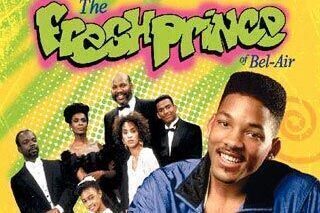
The Fresh Prince began as a fun, fish-out-of-water comedy: Will arrives in Bel-Air and clashes with his upper-class relatives. Early episodes leaned heavily on culture shock, teen hijinks, and TV-ready comedy routines. Later seasons evolved into emotionally resonant storytelling. Episodes tackled race, class, identity, and family struggles, like Carlton’s issues, Will’s relationship with Uncle Phil and coping with his past. By the end, Will had grown from street-smart teen to responsible young man, with stories about serious emotional arcs and life challenges that resonated deeply, and sometimes brought viewers to tears.
13. The Wonder Years
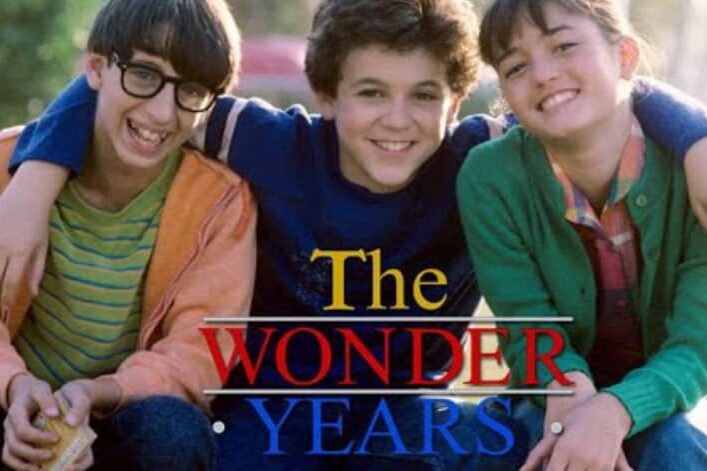
The Wonder Years began as a warm, nostalgic look back at suburban adolescence in the late ’60s: school woes, first crushes, family dinners, and drifting into teenage territory . It balanced touching humor and gentle drama with childhood wonder. But by its end, the show had grown dramatically darker and more emotionally complex. Kevin’s narrative included the aftermath of Vietnam War losses, generational disillusionment, and the pain of growing up fast. The series finale offers a reflective wake-up call, Kevin leaves for college, Winnie heads to Europe, and his father Jack tragically dies in 1975, shaping the show into a bittersweet portrait of maturation and the sometimes unexpected turns life takes.
This story 13 TV Shows That Were Totally Different in Season 1, And Barely Recognizable by the End was first published on Daily FETCH


