
1. The Clock Tower Garden
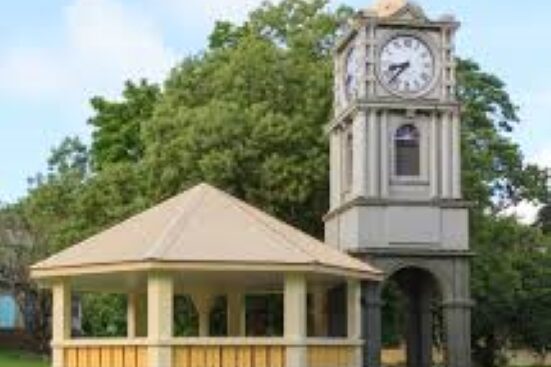
Once, the clock tower garden was the heartbeat of its town. Visitors came to admire the flowers, the statues, and, of course, the tall clock that chimed on the hour. Families strolled along the winding paths, lovers met on benches tucked under shaded trees, and tourists often paused to take photos of the elegant fountain at the center. It was small, but it carried a charm that made it feel alive, almost like the town’s living room where everyone was welcome.
Today, many clock tower gardens are less crowded, with some modernized or partially replaced by parking lots. Yet people remember the gentle rhythm of the chimes, the smell of blooming flowers, and the simple delight of escaping the bustle of everyday life. One blogger shared, “It was the kind of place where you could forget the world and just breathe for a few minutes.” Small, intentional spaces like this may not make headlines, but they create memories that stick long after the visit ends.
2. The Miniature Railway
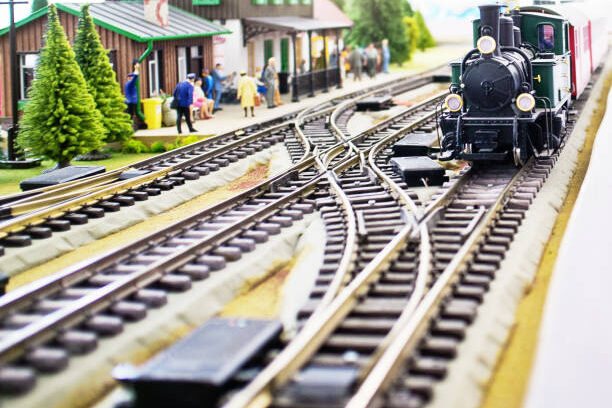
There was a time when miniature railways were the pride of small towns. Visitors came from near and far to watch tiny trains wind around elaborate tracks, passing model villages, bridges, and tunnels. Kids squealed in delight while adults smiled at the artistry and ingenuity of the layout. It wasn’t about speed or thrill, it was about wonder, curiosity, and the pleasure of seeing a small world meticulously constructed.
Today, these tiny railways are often overshadowed by larger amusement parks or digital entertainment. Many have been dismantled, yet those who experienced them recall the joy vividly. “There’s something mesmerizing about watching a train that navigates its tracks,” one enthusiast wrote. The attraction offered more than rides; it offered imagination, patience, and a gentle sense of awe that can be surprisingly rare in today’s fast-paced world.
3. The Riverside Tea House
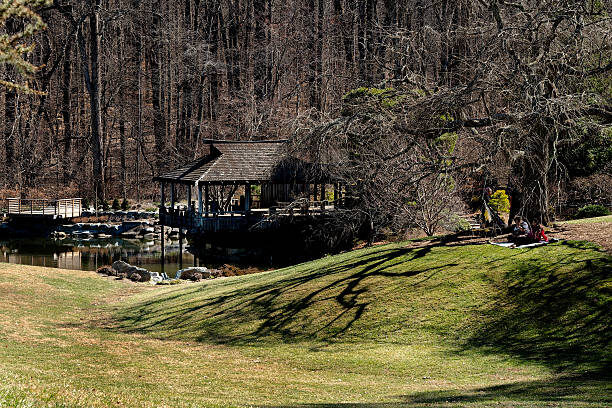
On the banks of a quiet river, a small tea house drew visitors with its charm and peaceful atmosphere. Guests sipped tea while watching the water glide past, and afternoons were filled with the soft murmur of conversation, clinking cups, and the occasional song of a bird. Locals brought friends, travelers paused on long journeys, and artists often sketched the scene, capturing the serenity in their notebooks.
Today, many of these tea houses have closed or been absorbed into modern cafés, losing the intimacy that made them special. People who remember them talk about the slow rhythm of life there: “It was a place to pause, to breathe, and to really see the world moving gently,” one visitor recalled. It wasn’t a grand attraction, but its subtle magic drew people from all over, reminding us that small pleasures can leave a lasting impression.
4. The Lantern Festival Alley
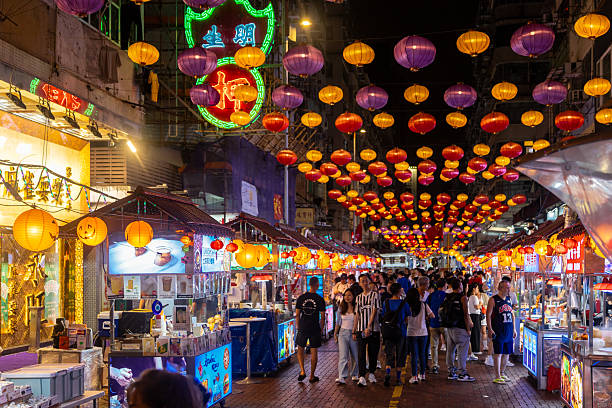
The lantern festival alley was a jewel in its town during special holidays. Strings of glowing lanterns illuminated cobblestone streets, casting soft shadows and creating a dreamlike scene. Vendors sold snacks and handmade trinkets, while musicians played familiar tunes that echoed between the walls. It wasn’t large, but its charm was undeniable, making visitors feel like they’d stepped into another world for a night.
Today, the alley exists mostly in memory, with modern festivals often losing the intimacy of those smaller gatherings. Yet people recall it with warmth: “Walking there felt like walking through magic,” one blogger shared. Small attractions like this remind us that the scale of a place doesn’t define its impact, its ability to create wonder, connection, and shared delight is what makes it unforgettable.
5. The Tiny Art Museum

This small art museum never made headlines, but it had a quiet magnetism. Its collection of local painters and sculptors drew curious visitors who wanted to see work not found anywhere else. Every wall seemed alive, every frame telling a story. Students wandered through, taking notes; travelers lingered, cameras tucked away, preferring to absorb the details firsthand. Its intimacy made the experience personal, you weren’t just a visitor, you were a participant in the story.
Today, tiny museums often compete with sprawling modern galleries or digital exhibitions, but their impact lingers in memory. People recount the calm atmosphere and the way small spaces let them truly focus: “I felt like the paintings were talking to me,” one visitor shared online. These small cultural hubs reminded visitors that art isn’t about size or fame, it’s about connection, reflection, and the feeling that a single brushstroke can matter more than an entire wall of fame.
6. The Flower Maze
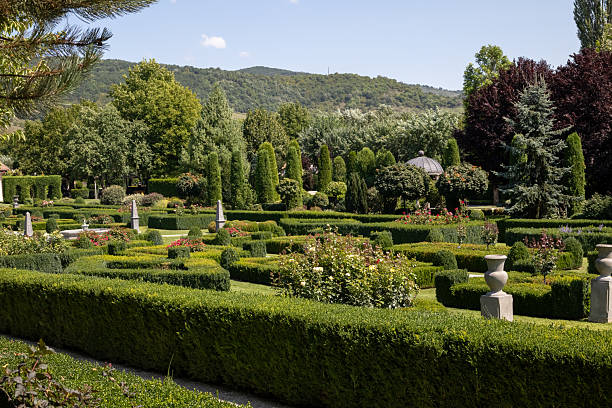
The flower maze was a colorful puzzle that drew families from miles away. Children laughed as they tried to find their way through winding paths, while adults appreciated the fragrant air and carefully tended blooms. Every corner revealed a new surprise, a hidden fountain, a sculpture, or a small bench where you could pause and watch the world go by. It wasn’t about adrenaline; it was about delight, curiosity, and playful discovery.
Over the years, many of these mazes have disappeared, replaced by parking lots or commercial buildings. Yet memories persist. One blog post captured the feeling perfectly: “It was like stepping into a painting that moved and smelled like summer.” Small attractions like this teach us that joy doesn’t need to be grand, it thrives in the little twists, turns, and secrets that invite exploration.
7. The Toy Workshop

Long before big theme parks, some towns had miniature toy workshops that felt like magic. Kids watched craftsmen carve wood, assemble dolls, or paint tiny cars, and many left with something handmade to treasure. Parents often lingered, chatting with artisans and sharing stories of their own childhood toys. It was an attraction, yes, but also a space that bridged generations, blending craft, wonder, and imagination in a way that big amusement parks rarely could.
Now, these workshops are rare. The tradition of hands-on toy-making has largely vanished, replaced by mass-produced toys. Visitors reminisce about the tactile, immersive experience: “I learned to appreciate every little detail,” one adult remembered. The magic wasn’t in rides or screens, it was in human creativity, patience, and seeing the joy a small creation could bring to someone’s day.
8. The Mini Zoo
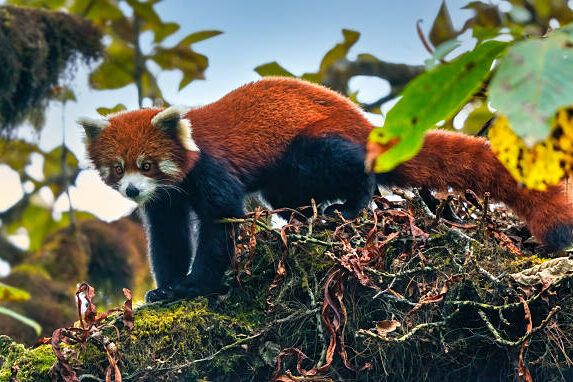
This small zoo was compact but lively. Exotic birds, curious monkeys, and gentle goats entertained visitors who wandered through the paths at their own pace. It wasn’t about size or spectacle; it was about feeling close to nature and discovering animals that seemed almost within reach. Children squealed with delight, parents captured photos, and weekend visitors felt a connection to wildlife without the intimidation of a massive park.
Today, many small zoos have closed, absorbed into larger wildlife centers or urban development. People fondly recall the intimacy: “It felt like the animals and I shared a secret for a moment,” one visitor said. The mini zoo was never about grandeur; it was about observation, interaction, and the small thrill of connecting with creatures you didn’t see every day.
9. The Riverside Carousel
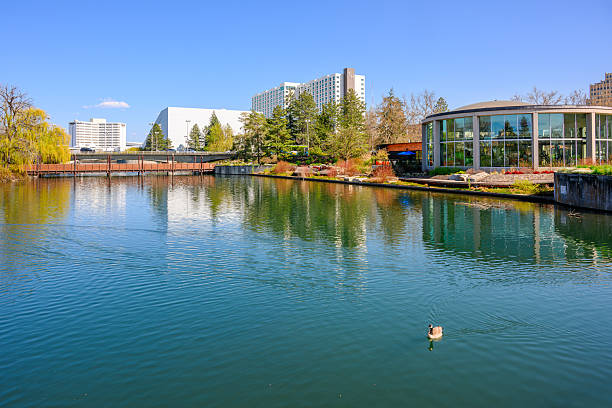
The riverside carousel was modest but enchanting. Horses carved from wood, painted in vibrant colors, went round and round while a small band played cheerful tunes. Children clutched the poles, spinning in laughter, while adults watched from benches sipping lemonade or tea. Its charm wasn’t in speed or scale but in rhythm, music, and the gentle sense of community it created on quiet weekends.
Many such carousels have disappeared, replaced by larger amusement rides or modern attractions. Yet memories endure: “It felt like the river and the carousel were in perfect harmony,” one blog recalled. Small attractions like this remind us that delight often comes from experience, atmosphere, and simple movement, things that scale doesn’t always enhance.
10. The Historical Street
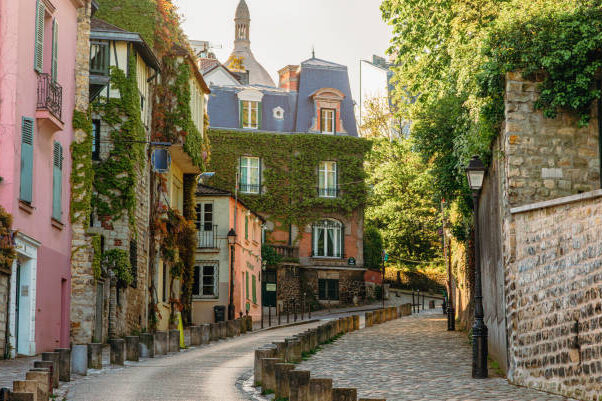
Some towns preserved a single street lined with original brick buildings, lanterns, and small shops that transported visitors back in time. Walking there felt like stepping into a living history book, complete with small cafes, artisan stalls, and street musicians. Locals and tourists alike lingered, photographs in hand, enjoying the storytelling woven into the very architecture.
Today, many such streets have been modernized or commercialized, losing their original intimacy. Yet people remember the textures, the smells, and the quiet rhythm: “I could almost hear the footsteps of those who came before,” one visitor wrote. It wasn’t just about history, it was about feeling part of a shared story, in a place where time seemed to pause for a while.
11. The Local Observatory
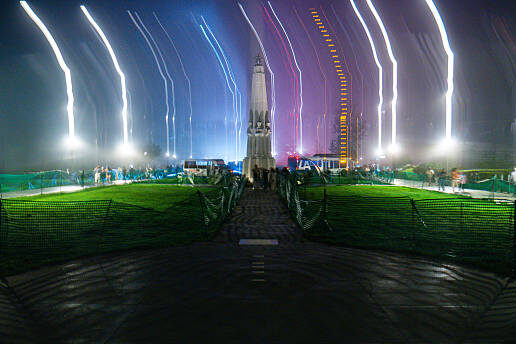
Before smartphones and online star maps, some small observatories drew visitors from nearby cities eager to gaze at the heavens. Telescopes pointed to the moon, planets, and distant stars, while guides explained constellations and myths. Children and adults alike left with eyes wide, curiosity piqued, and a tiny sense of wonder about their place in the universe.
Today, small observatories are rare, often replaced by planetarium shows or online simulations. But the memory of leaning against the telescope, hearing the soft explanations, and sharing gasps of awe remains vivid: “It was humbling and magical,” one visitor recalled. The observatory didn’t need grandeur, it offered perspective, curiosity, and a shared fascination that transcended age or background.
12. The Ice Cream Pier
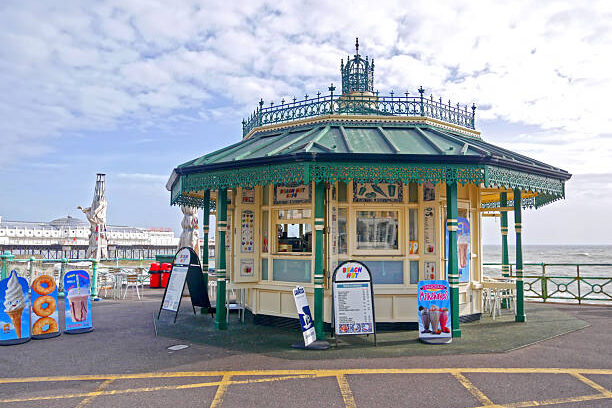
A pier with a single ice cream shop once drew crowds every summer. Families strolled along the boards, savoring cones while watching boats and gulls, and kids raced to catch the sunlight bouncing off the water. The ice cream itself wasn’t extraordinary, but the location and atmosphere made it unforgettable. It was a place of small joys, slow afternoons, and fleeting summer magic.
Today, many of these piers have modern shops or have faded out entirely. Yet people recall the simple delight: “There was something about the breeze, the boards, and that single scoop that felt perfect,” one blogger wrote. Small attractions like this remind us that sometimes magic isn’t in innovation, but in the combination of place, time, and shared experience.
13. The Pocket Garden
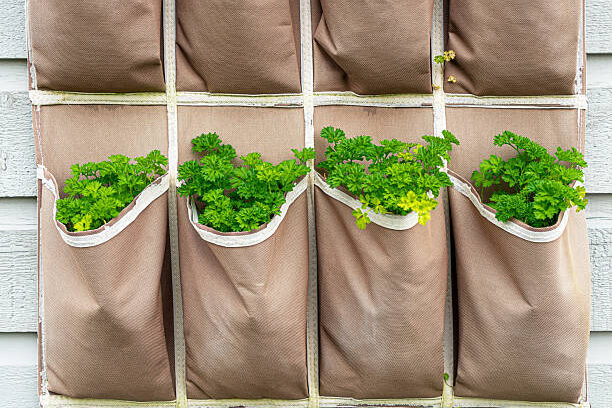
Finally, a pocket garden; a tiny, tucked-away patch of green, once drew visitors seeking peace. A few benches, fragrant flowers, and small sculptures created an oasis in the middle of the town. People stopped on their way to errands, artists sketched quietly, and children chased butterflies among the blooms. Its size didn’t matter; the garden offered a gentle reminder to pause and appreciate life’s little details.
Today, many pocket gardens are overlooked, paved over, or built upon. But the memories endure: “It was the kind of place that reminded me the world could be small and perfect at the same time,” one visitor reflected. Small attractions like this show that wonder doesn’t require scale, it requires intention, care, and a space where people feel welcome. If this list sparked any memories of your own favorite corners, take a moment to revisit them, whether in person or in your mind, and let the small joys live on.


