
1. Artificial Intelligence Would Think Like Humans

Early predictions around artificial intelligence promised machines that would reason, feel, and behave like humans within a few decades. Scientists imagined computers holding conversations, understanding emotions, and making judgments like people. Progress came, but not in that way. AI grew powerful in narrow tasks while remaining limited in general understanding. This gap surprised many early believers. The prediction failed because human intelligence is layered, emotional, and deeply contextual. Even now, machines reflect their training, not true awareness. If you enjoy separating hype from reality, continue reading and share this perspective with someone curious about emerging technology.
2. When Even Geniuses Miss the Future
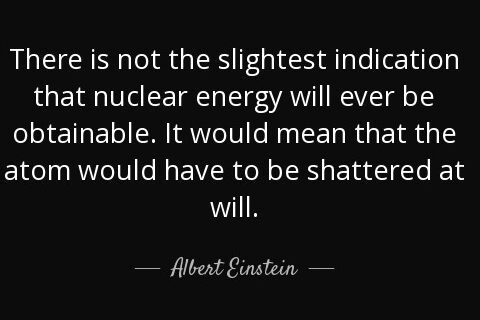
Before we get into the list, it helps to remember that predictions often sound sensible in their own moment, shaped by the limits of current knowledge and confidence in familiar patterns. One famous case involved a respected scientist who believed atomic energy would never be practical, calling it unrealistic and inefficient. At the time, that view felt reasonable to many listeners. Years later, nuclear power reshaped global politics, energy, and warfare. This early misjudgment reminds us that expertise does not guarantee foresight. If this kind of hindsight fascinates you, keep reading and share your thoughts afterward.
3. Computers Would Stay Massive Forever
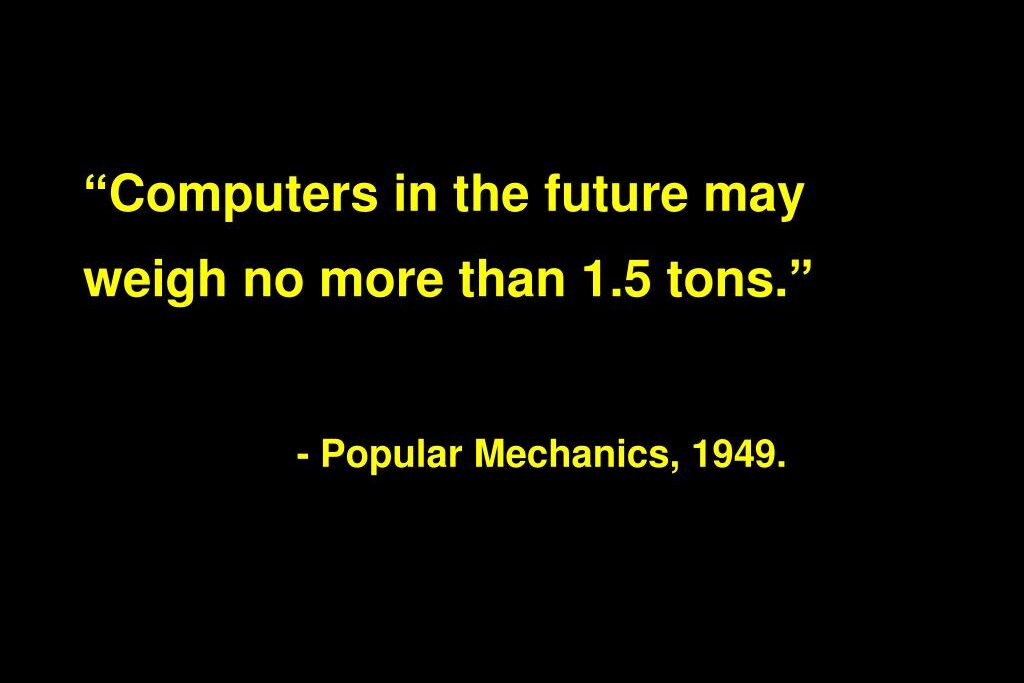
For a while, experts assumed computers would always be enormous, room filling machines owned only by governments and corporations. Predictions suggested future computers might shrink slightly but would still weigh tons and require special facilities. That belief ignored how quickly innovation can compress power into smaller forms. Today, handheld devices outperform those early machines by miles. This mistake shows how experts often project present limitations too far forward. If you enjoy revisiting moments where technology surprised everyone, stay with this list and pass it along to someone who loves tech history.
3. The Internet Would Quickly Fade
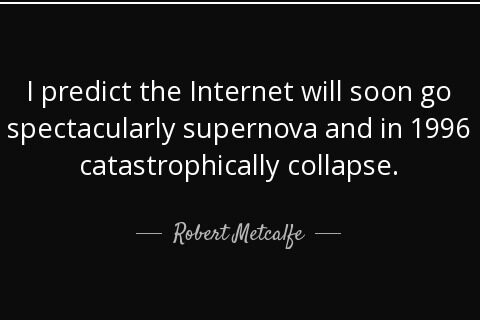
When the internet first appeared, several commentators confidently claimed it would collapse under its own weight. They argued people would lose interest, businesses would abandon it, and real life connections would prevail. Instead, the internet became the backbone of communication, shopping, learning, and entertainment. This prediction failed because it underestimated how humans adapt tools to fit their needs. It also shows how dismissing early chaos can blind people to long term potential. If this sounds familiar today, keep reading and think about which modern ideas might be underestimated right now.
4. Recorded Music Would End Musicians
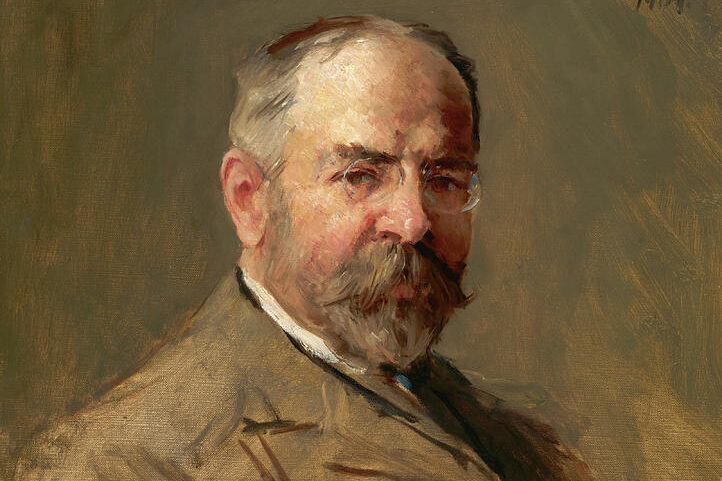
Early critics of recorded music believed it would destroy live performance and discourage people from learning instruments. They worried audiences would stop valuing skill once music could be replayed endlessly at home. History unfolded differently. Recorded music expanded creativity, preserved performances, and inspired new generations of artists. Live music did not disappear but evolved alongside recordings. This prediction reminds us that new formats often add rather than replace. If you love music and cultural history, continue reading and consider sharing this list with someone who still prefers vinyl or live shows.
5. Cities Would Drown in Horse Manure

At the height of horse drawn transportation, experts predicted cities would soon be buried under mountains of manure. They calculated growth trends and assumed nothing would change. What they missed was the arrival of automobiles, which transformed urban life before the problem peaked. This mistake is a classic lesson in assuming straight line growth without innovation. It shows how future solutions often appear unexpectedly. If you enjoy learning how past fears never came true, keep going and share this story with someone who enjoys quirky historical predictions.
6. Earthquakes Could Be Predicted Exactly
Some researchers once claimed they could predict exact dates and locations of major earthquakes. Their announcements caused panic, evacuations, and media frenzy. When the earthquakes failed to occur, credibility suffered. These predictions underestimated the complexity of geological systems. Today, scientists focus on probability and preparedness rather than certainty. This shift reflects growth through failure. If you are curious about how science learns from mistakes instead of hiding them, keep reading and share this article with someone interested in natural science.
7. Television Would Lose Viewers Fast
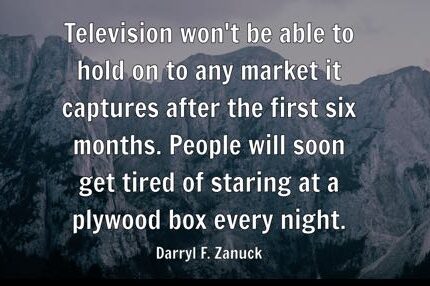
Early television critics believed audiences would tire of staring at screens within months. They assumed boredom would set in and people would return to radio or print. Instead, television became a dominant cultural force, later evolving into streaming and on demand viewing. This prediction failed to grasp how storytelling adapts to new mediums. It also shows how audience behavior often surprises experts. If this made you smile, continue reading and think about which new media formats today are being dismissed too quickly.
8. A Ship That Could Never Sink

At the time it was built, many experts and engineers confidently described the Titanic as practically unsinkable, a triumph of modern design and human ingenuity. That confidence shaped public trust and dulled caution, even after warnings about icebergs surfaced. When the ship sank on its first voyage, the shock was not just about loss of life but about misplaced certainty. This prediction failed because it treated safety as absolute rather than conditional. The lesson still echoes today whenever new technology is praised too quickly. Keep reading and share this reflection with someone who values humility in progress.
9. Humans Would Never Leave Earth
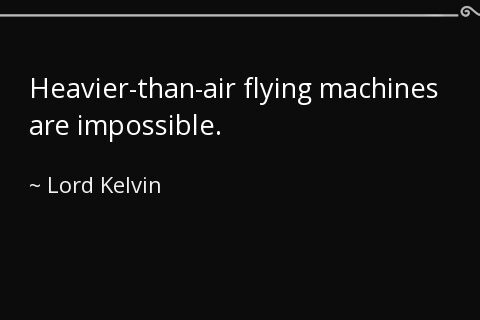
Some scientists once insisted space travel was impossible, arguing the human body could not survive beyond Earth’s atmosphere. They warned of fatal radiation, lack of oxygen, and physical breakdown. These predictions felt grounded in science at the time, yet they underestimated engineering advances and human adaptability. Within decades, humans walked on the moon and lived aboard space stations. This miscalculation shows how fear of the unknown can limit imagination. If you enjoy stories where exploration proved doubt wrong, continue reading and pass this list to someone fascinated by space and discovery.
10. Smartphones Would Never Catch On
When early smartphones appeared, critics claimed people would never want phones without physical keyboards or long battery life. Industry leaders dismissed touchscreens as gimmicks and doubted users would adapt. These predictions ignored how quickly habits change when convenience improves. Smartphones soon became essential tools for work, communication, and entertainment. This failure highlights how experts sometimes judge new ideas by old standards. If this reminds you of current tech debates, keep reading and consider sharing this article with someone who enjoys watching trends evolve.
11. The Common Cold Would Be Erased
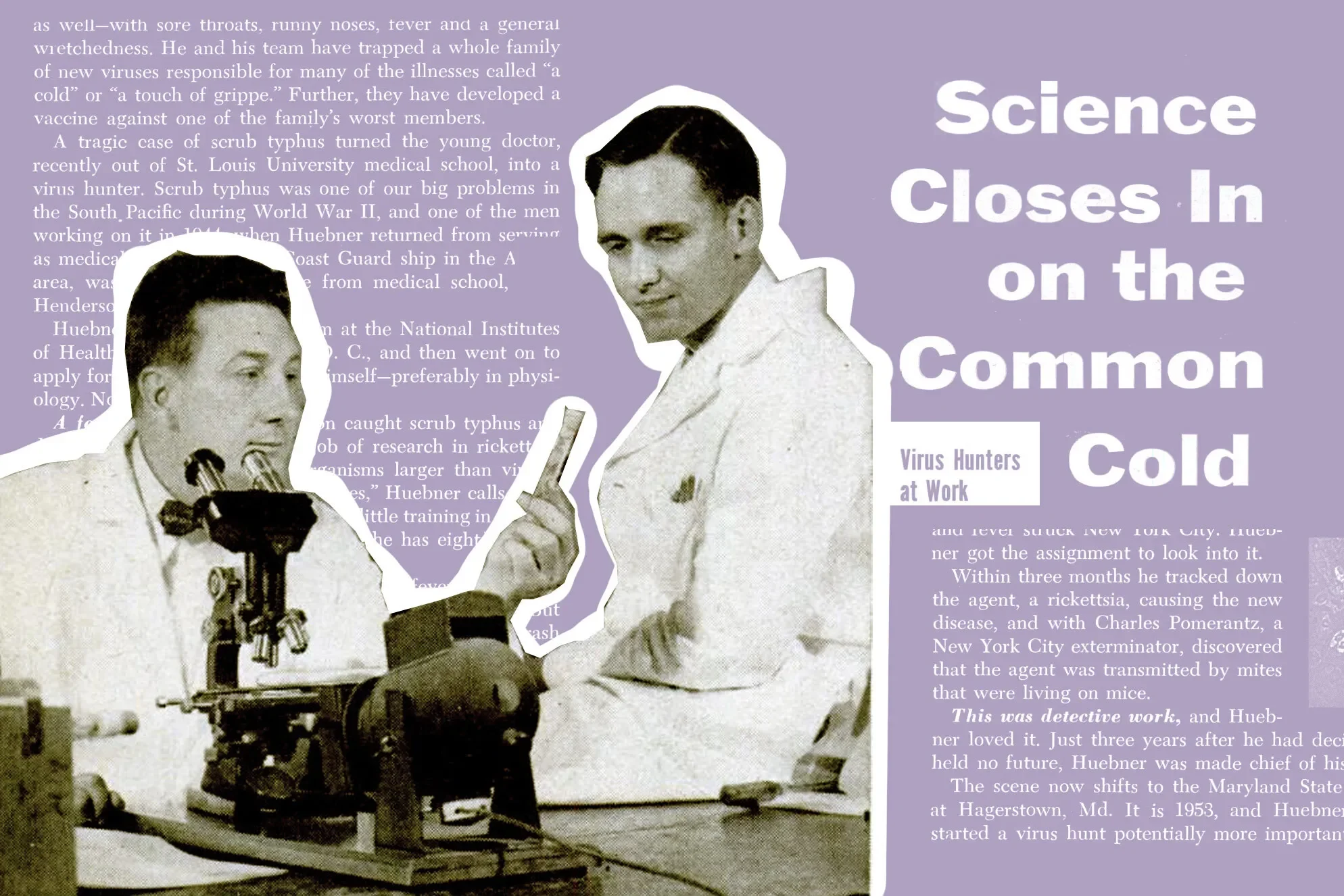
Medical optimism once suggested the common cold would soon be cured entirely. Advances in medicine fueled confidence that simple solutions were near. What scientists underestimated was the complexity of viruses and their ability to mutate. Decades later, colds remain stubbornly common despite better treatments. This prediction teaches patience and respect for biological systems. Progress does not always mean elimination. If you appreciate realistic views of science rather than miracle promises, keep reading and share this article with someone who values honest health conversations.
12. Science Would Soon Answer Everything
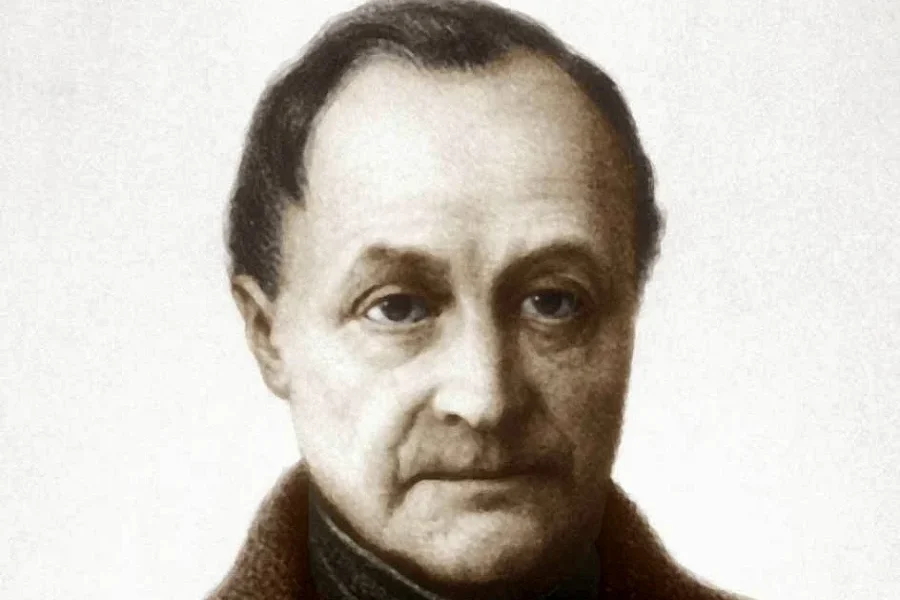
At different moments in history, some thinkers believed science was close to solving every major mystery. They imagined a future where all questions had answers and uncertainty disappeared. Instead, each discovery opened new questions and deeper complexity. Far from reaching an endpoint, science expanded the unknown. This prediction misunderstood curiosity as something finite. The ongoing nature of inquiry turned out to be the point. Learning never really ends. If you find comfort in the idea that wonder persists, keep reading and share this list with someone who loves learning without limits.


