
1. My So Called Life
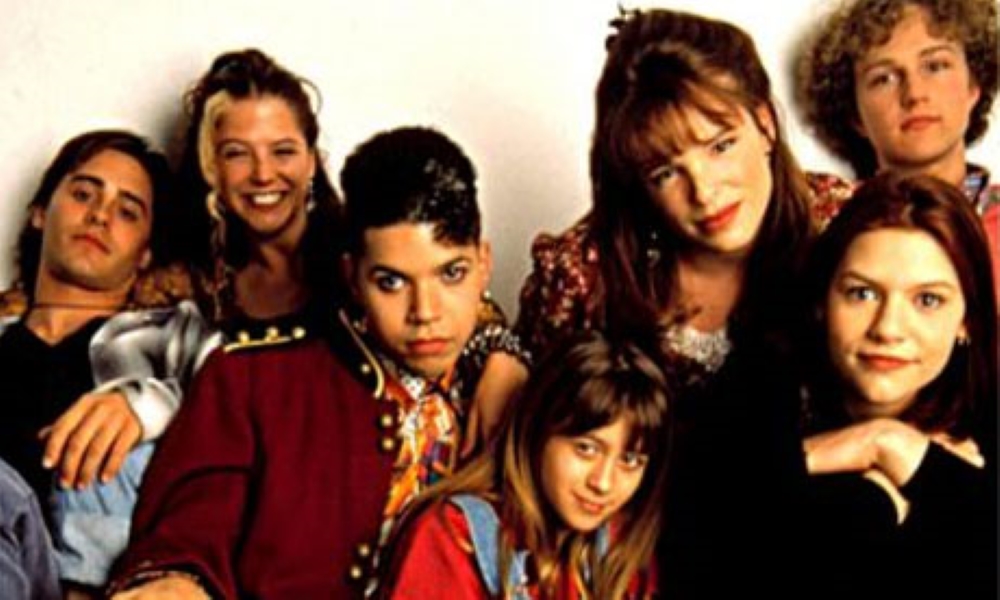
You know that feeling when a show understands you before you understand yourself. That was the quiet magic of My So Called Life. It slipped into living rooms in the mid 1990s and felt less like television and more like someone reading from a private diary. Angela Chase was awkward, thoughtful, sometimes selfish, sometimes tender. She did not feel scripted. She felt familiar. Viewers who found it held on tightly, even if the ratings did not explode the way the network hoped. It arrived softly and left the same way, without ceremony or warning.
There was no big senior year wrap up, no neat bow on her complicated friendships or that confusing romance with Jordan. One week it was there, the next it simply was not. The story ended mid growth, mid conversation, mid becoming. And maybe that is why it still lingers. It felt like real life paused. We never got to see who Angela would grow into, and that unfinished feeling still hums quietly years later.
2. Freaks And Geeks
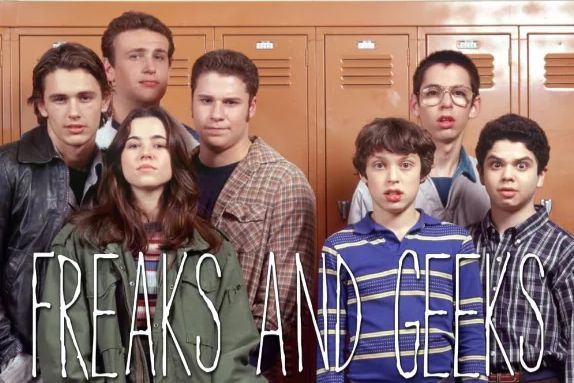
At first glance, Freaks and Geeks did not look like a hit. It was set in the early 1980s, full of awkward kids who did not fit neatly into any cool category. There were no glossy montages or easy triumphs. Just hallway embarrassment, quiet rebellion, and the slow drift between who you are and who you want to be. NBC struggled to promote it and aired episodes out of order, which did not help matters. Before the full season could even properly land, it was canceled.
Lindsay was just starting to question everything expected of her. Sam was still learning how to survive middle school without losing himself. The characters felt alive and unpolished in the best way. Years later, it is praised as one of the most honest teen dramas ever made. But at the time, viewers were left with a sense that something meaningful had been interrupted. It ended before we saw those kids step fully into adulthood.
3. Firefly
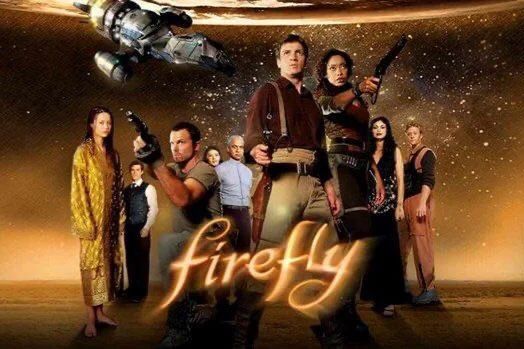
Firefly arrived with a strange blend of science fiction and old west grit. Spaceships and dusty boots somehow worked together. The crew of Serenity were not polished heroes. They were messy, loyal, and trying to survive. Fox aired the episodes out of order, which confused new viewers and made it harder for the story to build naturally. Before the first season even completed its intended run, it was canceled.
The world felt wide and layered, with hints of deeper politics and personal histories that had not yet been revealed. Viewers were just beginning to understand River, to trust Mal, to see how all the pieces fit. Then it stopped. A later film gave some continuation, but the original long term plan never fully unfolded. What lingers is the sense of potential. It felt like a journey that had only just begun, and then the map was quietly taken away.
4. Pushing Daisies
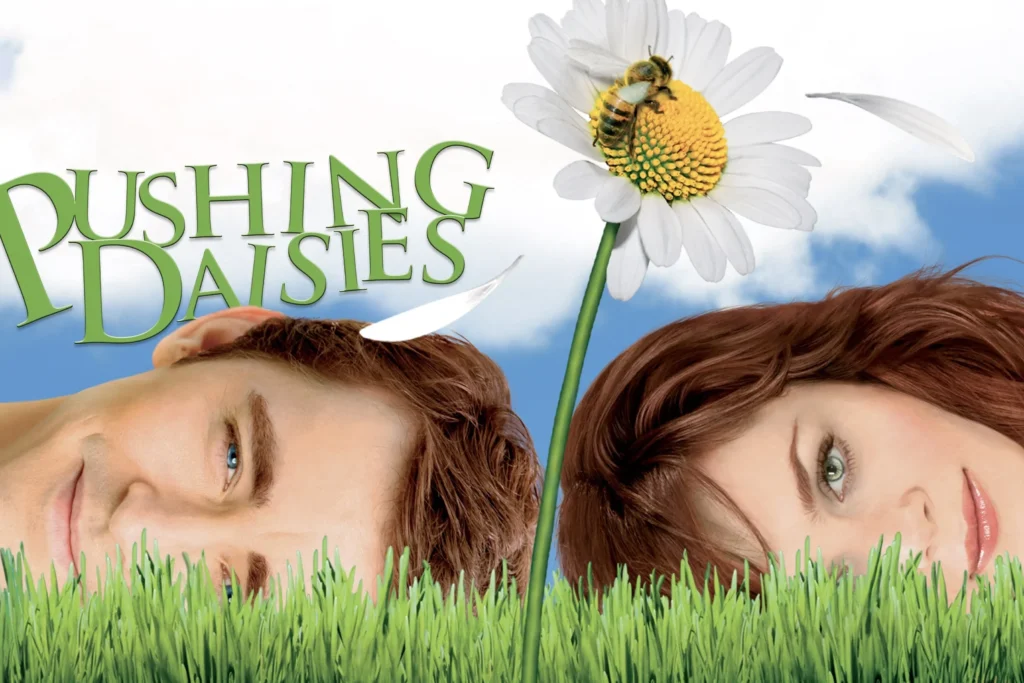
Pushing Daisies looked like nothing else on television. Every frame felt carefully painted, bright and whimsical yet carrying a strange sadness underneath. The story of a pie maker who could bring the dead back to life, but only briefly, carried both charm and ache. The writers strike interrupted its rhythm, and ratings never quite recovered. After two seasons, it was canceled.
The final episode rushed through what felt like seasons of future storytelling in just a few quick minutes. Relationships that needed time were summarized. Futures that deserved scenes were reduced to narration. Viewers who loved its tone and gentle romance felt the abruptness sharply. It was not that the story ended badly. It was that it ended too fast. The show had always taken its time to build feeling, and the finale did not get that same space.
5. Alf
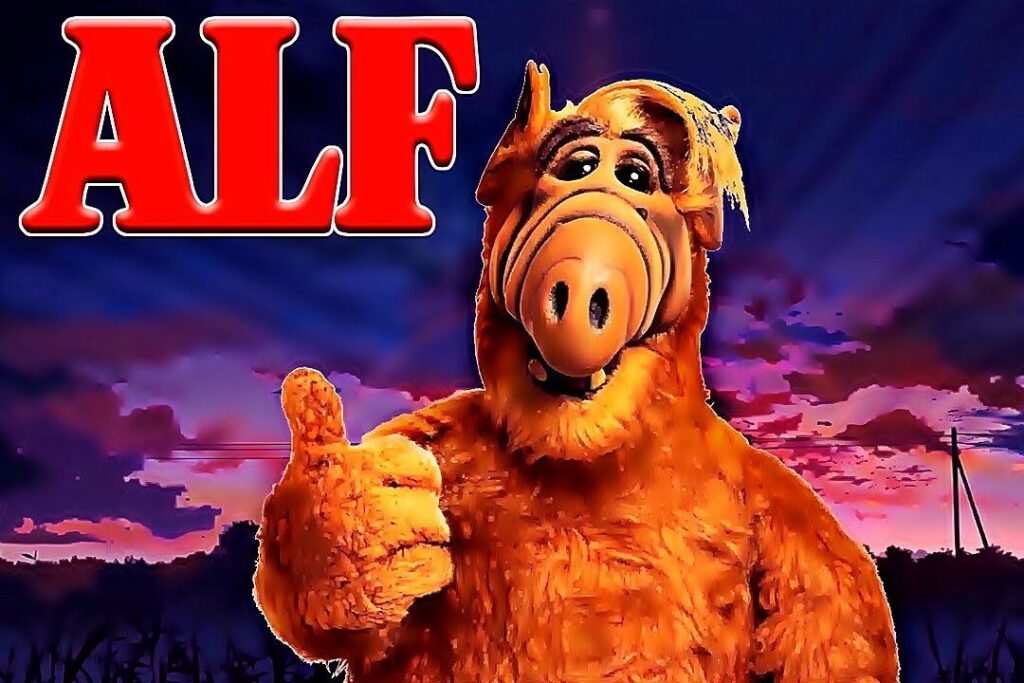
For many families, Alf was simply part of the week. A wisecracking alien hiding in a suburban home felt harmless and funny, the kind of show you could watch together without overthinking it. Over four seasons, audiences grew used to his sarcasm and the Tanner family’s patience. Then came the final episode. Alf is surrounded by government agents and taken away. The screen fades with no resolution.
NBC canceled the show right there, leaving that cliffhanger untouched for years. A later television movie attempted to offer closure, but not everyone saw it, and it never fully erased that first abrupt ending. For viewers watching at the time, it felt strange and unfinished. After years of lighthearted chaos, the tone suddenly shifted and then stopped. It is one of those endings that stays in memory not because it was dramatic, but because it never truly concluded at all.
6. Santa Clarita Diet

Santa Clarita Diet balanced gore with warmth in a way that should not have worked, yet somehow did. A married couple navigating everyday life while one of them happens to be undead felt oddly relatable. Over three seasons, the show deepened its characters and sharpened its humor. Just as a major twist landed that clearly set up the next chapter, Netflix canceled it. There was no gradual winding down. No planned farewell.
The final scene opened a new emotional door and then left it wide open. Viewers had invested in the marriage, the daughter’s growth, and the strange normalcy of their chaos. The cancellation felt sudden, especially because the story seemed to be building toward something bigger. Instead of a final arc, there was a pause that never resumed. It felt less like an ending and more like someone pressing stop in the middle of a sentence.
7. The OA
The OA was never simple viewing. It unfolded slowly, blending trauma, faith, science fiction, and storytelling into something difficult to categorize. Viewers who connected with it did so deeply. After two seasons, Netflix canceled it despite a devoted fan base. The second season ended in a way that clearly suggested a larger plan. The story felt designed to stretch across multiple chapters, each building on the last.
Instead, it stopped mid exploration. There were still questions about dimensions, about identity, about where the characters were headed next. Fans organized online campaigns, hoping for revival. What makes the cancellation linger is not just the unanswered plot points. It is the sense that the emotional journey was incomplete. The show trusted its audience to stay with it for the long haul, and that long conversation remains unfinished.
8. Jericho
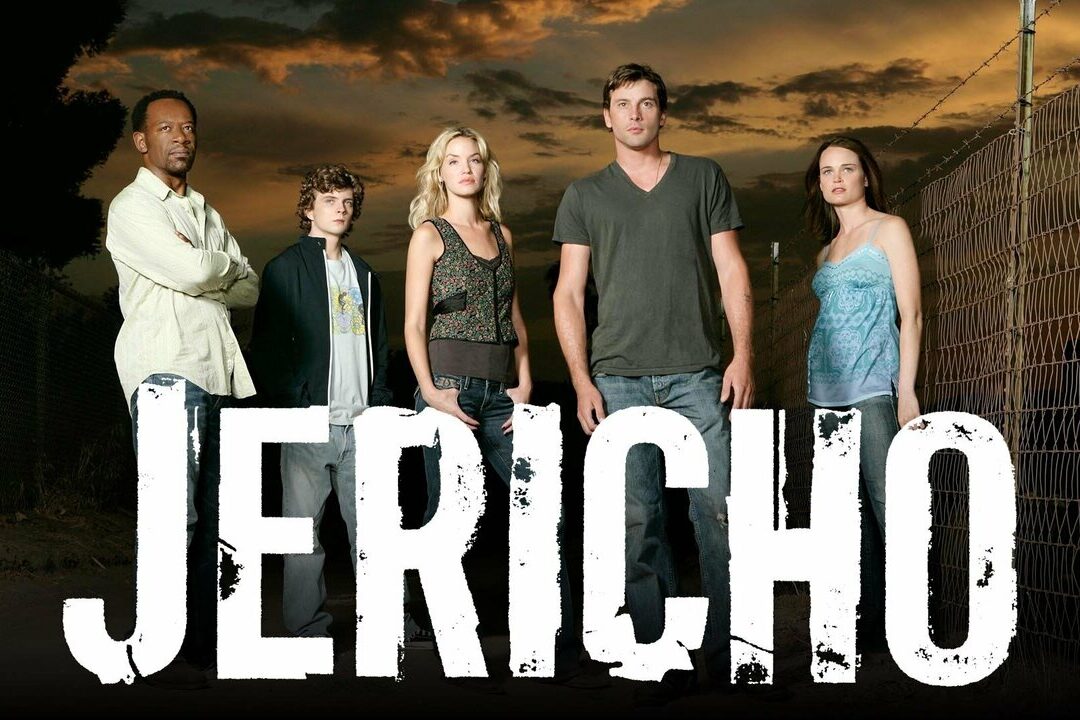
Jericho imagined life after a devastating nuclear attack through the lens of one small town. It focused on neighbors, resources, trust, and fear rather than nonstop action. When CBS first canceled it, fans famously mailed thousands of pounds of peanuts to the network in protest. The campaign worked briefly, and the show returned for a shortened second season. Even then, the conclusion felt compressed.
Larger political forces were hinted at. Wider conflicts were forming. Yet the story wrapped up quickly, leaving the sense that much more had been planned. Instead of seeing the full arc unfold naturally, viewers received a fast tracked version of what might have been. The world felt bigger than what was shown on screen. It remains one of those shows where you can sense the outline of future seasons that never came to life.
9. FlashForward
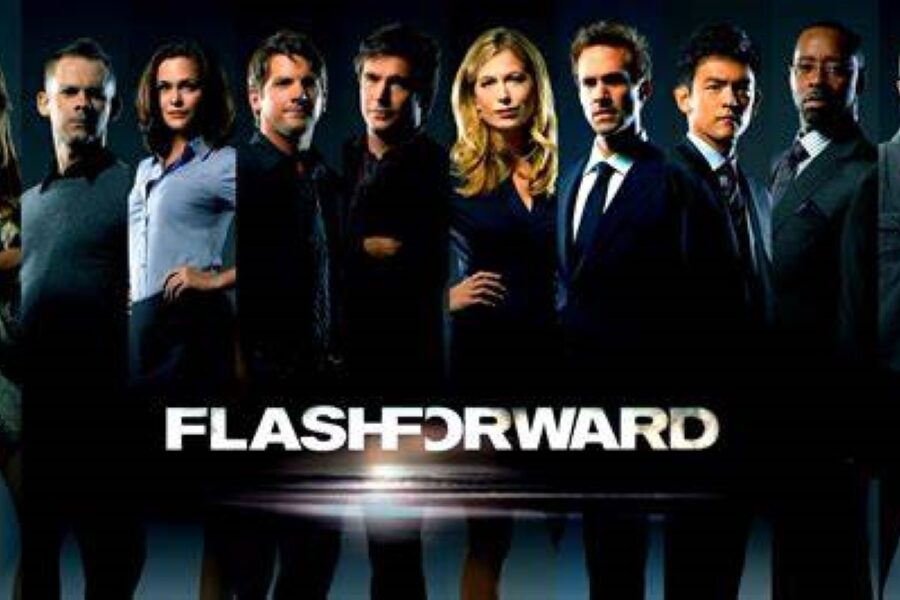
FlashForward opened with an unforgettable moment. The entire world blacks out for two minutes and sees a glimpse of their future. The premise alone sparked conversations. As the season unfolded, mysteries deepened and conspiracies widened. Characters wrestled with whether to chase or avoid what they had seen. Yet ratings slipped, and ABC canceled it after one season.
The finale did not provide tidy answers. Instead, it introduced new visions and fresh uncertainties. It felt as if the story had just begun to widen its scope. Viewers were left imagining where those glimpses of the future would have led. Shows like this remind us how attached we become to possibility. If any of these stories still echo for you, maybe that says something about the power of unfinished endings. Sometimes the ones that vanish are the ones we keep thinking about the longest.
10. The Society
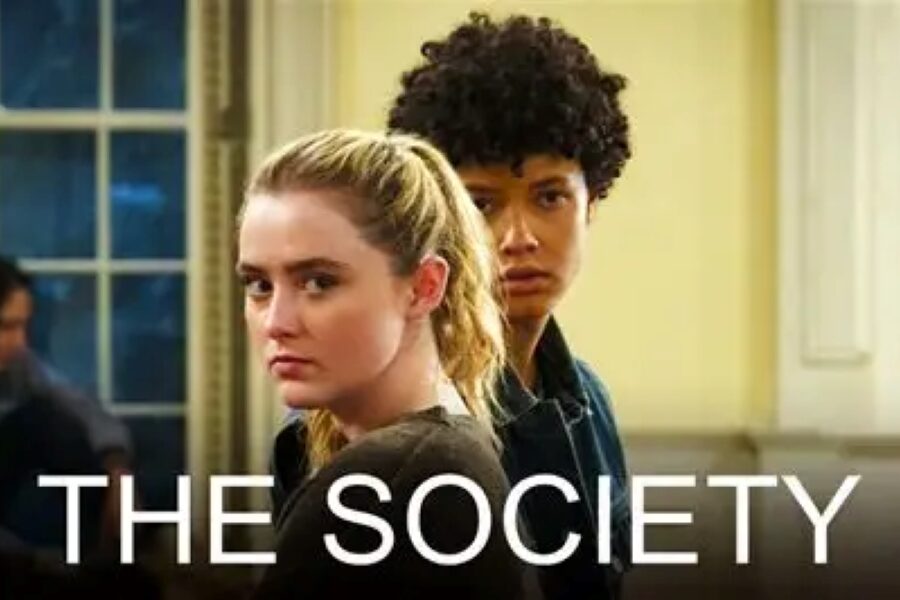
The Society began with a simple but unsettling idea. A group of teenagers returns from a school trip to find their entire town empty of adults. No explanation. No guidance. Just silence and responsibility landing on young shoulders. The first season slowly explored power struggles, friendships, fear, and what happens when rules are rewritten from scratch. It felt like a social experiment unfolding in real time. When Netflix renewed it, viewers assumed the bigger mystery would finally take shape.
Then the renewal was reversed. Production issues were cited, and the show quietly disappeared. The final episode had raised even more questions about where they really were and who was behind it all. The characters were still learning how to govern, how to trust, how to survive. Instead of resolution, there was suspension. It felt like we had been promised the next chapter of a gripping book, only to discover the remaining pages had been removed.
11. Terminator The Sarah Connor Chronicles
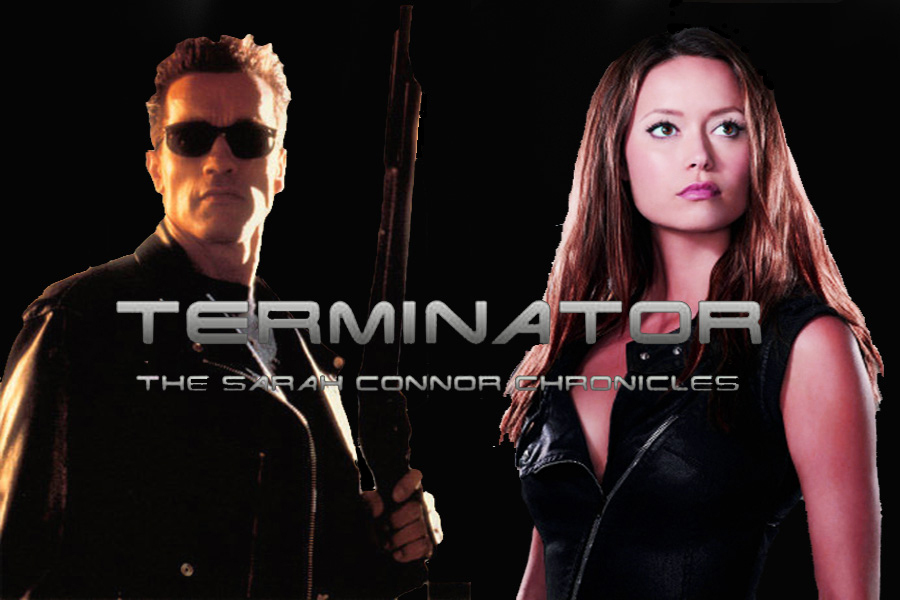
Terminator The Sarah Connor Chronicles expanded a familiar film universe into something more intimate and character driven. It focused less on explosions and more on trust, identity, and the weight of knowing the future. Over two seasons, it built a careful rhythm, deepening relationships while still weaving in the looming threat of machines and destiny. Just as it found its emotional stride, Fox canceled it.
The final episode ended with a time jump that opened new possibilities rather than closing old ones. Characters were separated. Futures were uncertain. The show seemed ready to explore entirely new ground. Instead, that leap became its last moment. Fans were left imagining what those new timelines might have revealed. It felt like watching someone step through a doorway and having it shut before you could follow.
12. Hannibal
Hannibal was never ordinary network television. It was dark, artistic, and deeply psychological. Each episode felt carefully composed, more like cinema than weekly crime drama. Over three seasons, the dynamic between Hannibal Lecter and Will Graham grew increasingly complex and unsettling. NBC eventually canceled it despite strong critical praise.
The final scene felt poetic but open. It suggested continuation rather than finality. There were still emotional layers left to explore and consequences to unfold. Viewers had followed the tension carefully, watching it build into something fragile and dangerous. When it ended, it felt less like closure and more like a pause. The story had reached a moment of transformation, and then the curtain fell quietly.
13. Deadwood
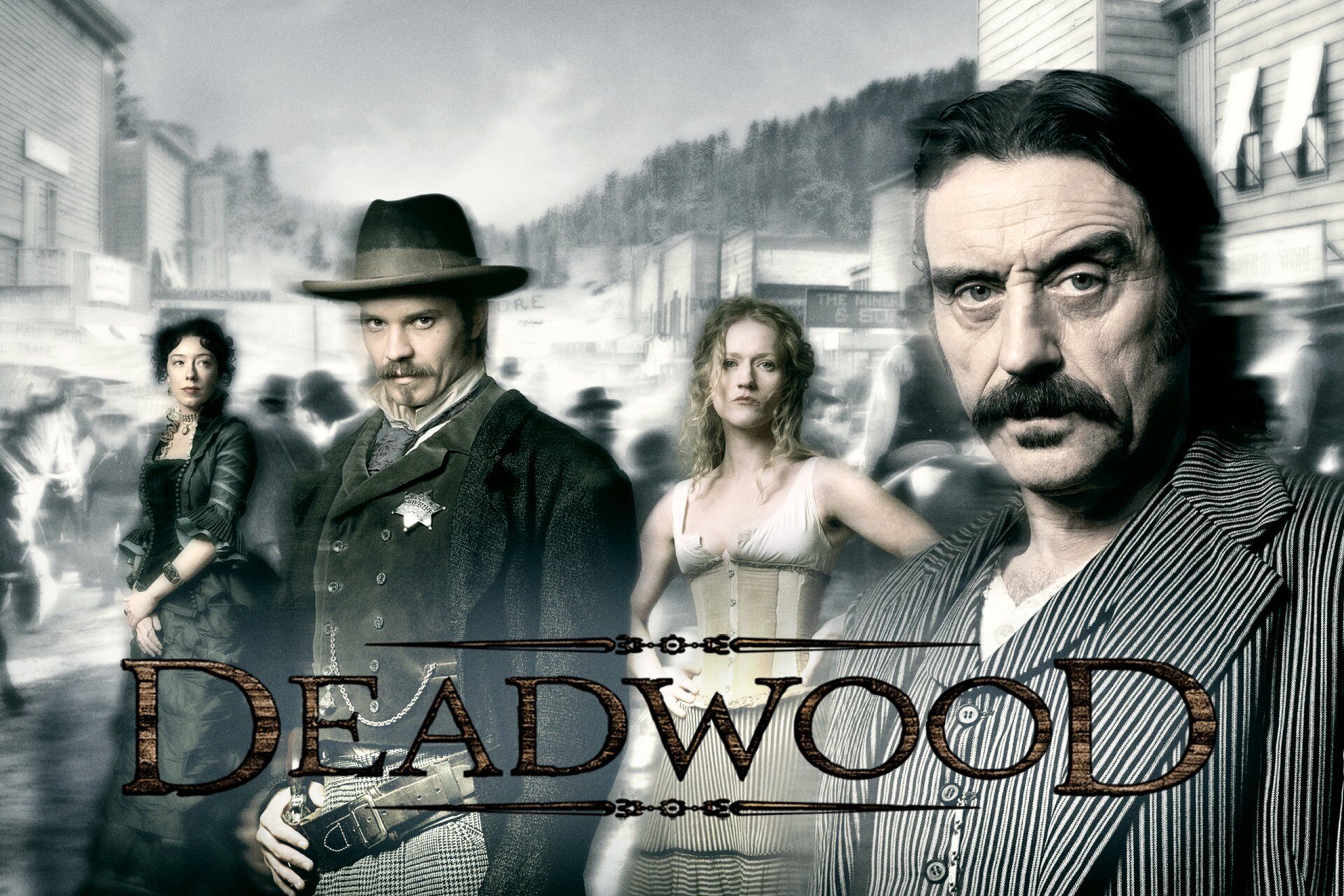
Deadwood never felt like background television. It demanded attention. The language was sharp, the silences heavy, and the town itself felt alive with ambition and resentment. Over three seasons, the series carefully built rivalries and uneasy alliances that seemed ready to explode into something even bigger. Viewers expected at least one more chapter to let those tensions fully unravel. Instead, HBO canceled it, and the story stopped in the middle of its natural climb.
At the time, there was no tidy farewell, no sweeping final reckoning. Conflicts lingered in the air, unresolved and raw. Years later, a film attempted to reconnect the threads, but it could not fully recreate what was lost in that abrupt pause. The original ending still feels like a breath held too long. The town was still shifting, still growing, and then it simply stood still.


