
1. Creamed Chipped Beef on Toast
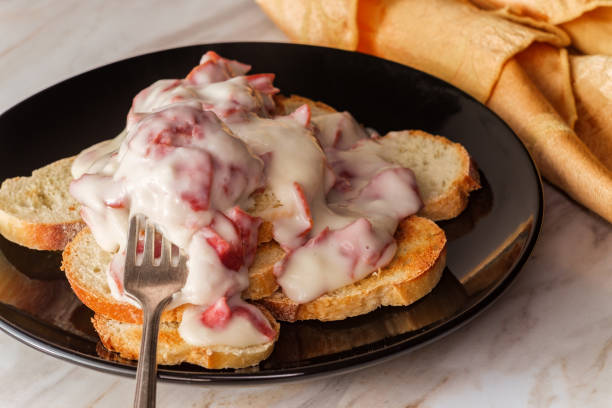
It usually started as a simple, practical meal, the kind that didn’t need much planning. Creamed chipped beef on toast, sometimes called “SOS” in a half-joking way, was once a regular presence in many American homes. Dried beef simmered in a thick white sauce and poured over slices of toast created something filling, affordable, and easy to prepare. It was especially common in households that valued making the most out of pantry staples, and it carried a certain familiarity that made it comforting despite its simplicity.
Over time, though, its reputation shifted. Some remember it fondly as a warm, hearty dish, while others associate it with tighter times or institutional cooking. One food historian once noted that “it was less about flavor and more about reliability,” which captures its place in family routines. Today, it rarely shows up outside of nostalgic conversations or occasional retro menus. Still, there’s something quietly enduring about it, a reminder that meals don’t have to be elaborate to bring people together. It speaks to a time when practicality met care in the kitchen, and that alone makes it worth remembering.
2. Liver and Onions
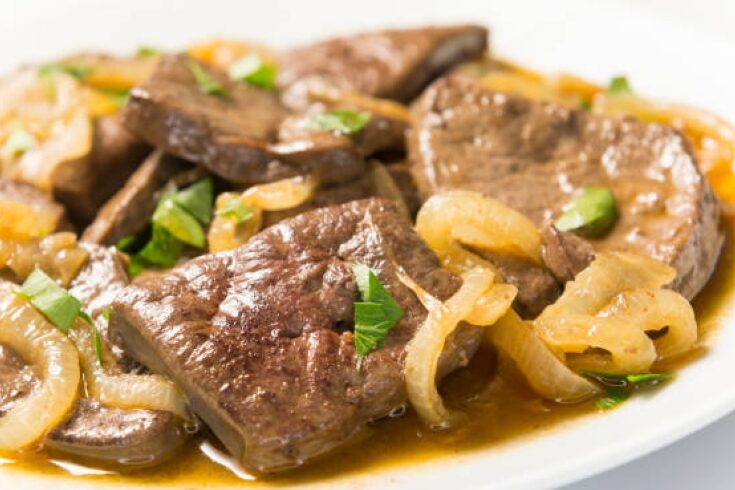
For many families, liver and onions wasn’t just a meal, it was almost a rite of passage. The strong, unmistakable aroma would fill the house long before dinner was served, and reactions were often split right down the middle. Some appreciated its rich, earthy taste and the way caramelized onions softened its intensity, while others approached the plate with hesitation. Still, it appeared regularly on dinner tables, valued for its affordability and nutritional benefits.
Back then, it was commonly understood that liver was good for you, packed with iron and essential nutrients. As one vintage cookbook put it, “liver is one of the most economical sources of nourishment available.” That practicality made it a staple, especially in households trying to balance budgets without sacrificing health. Today, however, it’s far less common, often replaced by milder proteins that appeal to broader tastes. Yet for those who grew up with it, liver and onions carries a sense of tradition that’s hard to replicate. It reminds people of dinners that weren’t always loved in the moment but were part of a shared family rhythm.
3. Tuna Noodle Casserole
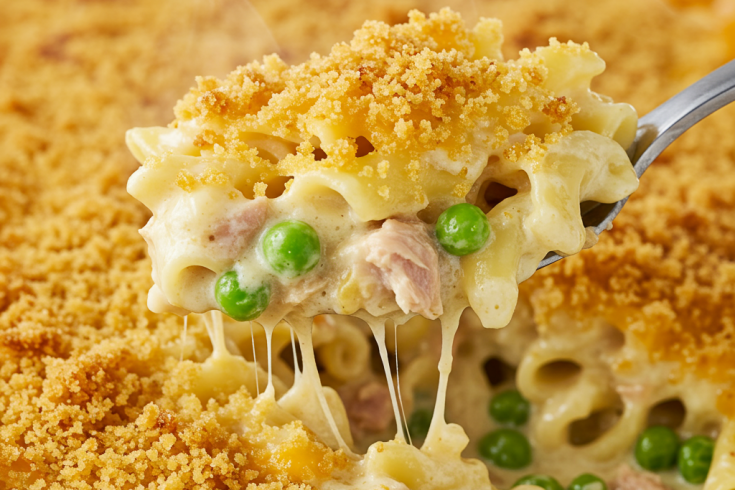
There was a time when tuna noodle casserole felt like a dependable solution to the nightly question of what to cook. It came together with pantry basics like canned tuna, egg noodles, and a can of soup, often topped with breadcrumbs or crushed crackers for a bit of texture. It wasn’t fancy, but it was warm, filling, and easy to stretch for a whole family. Many remember it as a dish that showed up without much fuss, especially on busy weeknights.
What made it stand out was its balance of convenience and comfort. During the mid-20th century, casseroles like this became a symbol of modern home cooking, where canned goods were seen as time-saving innovations. A home economics guide once described casseroles as “the answer to efficient, wholesome meals,” reflecting how they fit into changing lifestyles. Today, tuna noodle casserole has faded somewhat from regular rotation, often replaced by fresher or quicker options. Still, it lingers in memory as a dish that quietly did its job, feeding families without demanding much in return, and that kind of reliability is not easily forgotten.
4. Stuffed Bell Peppers with Rice and Ground Beef
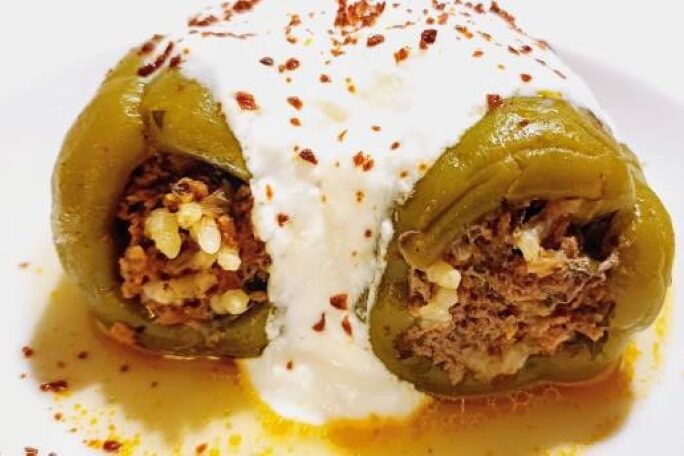
Stuffed bell peppers once carried a certain sense of occasion, even though they were made from simple ingredients. Hollowed-out peppers filled with a mixture of ground beef, rice, and seasonings, then baked until tender, created a meal that felt both practical and a little special. It was a way to turn everyday staples into something that looked thoughtful on the plate, often served at the center of the table.
Families appreciated how adaptable the dish could be. Leftover rice, a bit of tomato sauce, and whatever spices were on hand could come together to create a satisfying dinner. As one old recipe collection noted, “stuffed vegetables make the most of what you have while adding a touch of care to the meal.” Over time, though, the dish became less common, perhaps because it takes a bit more preparation than quicker modern alternatives. Even so, it remains a quiet reminder of a time when meals were assembled with a little more patience. It shows how something simple could still feel meaningful, especially when shared.
5. Ham and Bean Soup
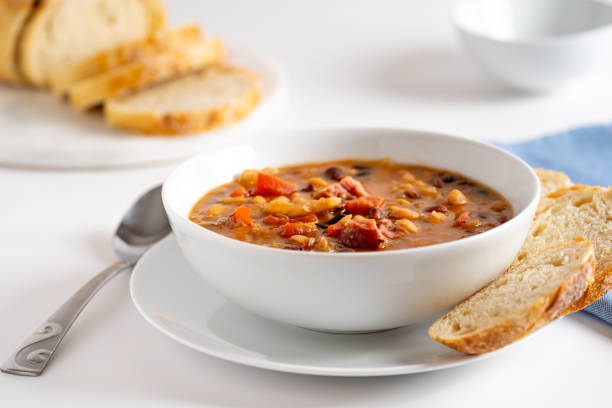
There’s a certain kind of comfort that comes from a pot of ham and bean soup simmering on the stove. It was often made after a holiday meal, using leftover ham bones to create something entirely new. Beans, slow-cooked with bits of meat and seasoning, turned into a hearty dish that could feed a family for days. It was less about novelty and more about making sure nothing went to waste.
That sense of resourcefulness defined the meal. In many homes, recipes weren’t written down but passed along through habit, each batch slightly different from the last. A common saying in older kitchens was that “the best soups come from what’s left behind,” and ham and bean soup fit that idea perfectly. Today, while it still appears from time to time, it’s no longer the regular staple it once was. Even so, it carries a quiet kind of wisdom about stretching ingredients and finding comfort in simplicity. It reminds us that meals don’t always have to start from scratch to feel complete.
6. Salisbury Steak with Gravy
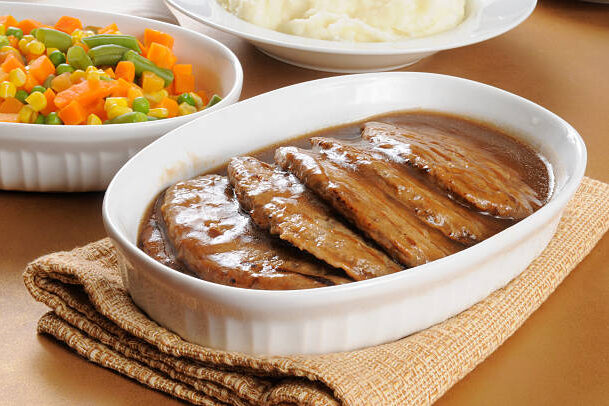
It often showed up as a dependable dinner when something hearty was needed without much complication. Salisbury steak, made from seasoned ground beef shaped into patties and covered in a rich brown gravy, had a way of feeling like a proper meal even though it relied on simple ingredients. Served alongside mashed potatoes or green beans, it filled plates and kept everyone satisfied, especially on evenings when time and energy were limited but a home-cooked meal still mattered.
There was also something reassuring about how familiar it tasted. Many families leaned on it because it stretched ground beef into something that felt more substantial. As one mid-century food guide put it, “a good gravy turns modest ingredients into a full meal,” and that idea carried this dish through many kitchens. Today, Salisbury steak is more often associated with frozen dinners than home cooking, which may explain why it’s mentioned less. Still, for those who remember it from the dinner table, it brings back the feeling of meals that were simple, steady, and quietly satisfying in a way that didn’t need much explanation.
7. Chicken à la King
For some families, this dish had a slightly special feel, even though it came together with fairly ordinary ingredients. Chicken à la king combined diced chicken with a creamy sauce, often mixed with mushrooms and peppers, and served over toast, rice, or biscuits. It was the kind of meal that felt just a little dressed up, making an appearance when there was leftover chicken to use in a way that felt different from the usual routine.
What made it memorable was its versatility and gentle richness. It wasn’t heavy, but it still felt comforting, especially on cooler evenings. In older cookbooks, it was described as “a refined way to extend poultry into another meal,” which reflects how families approached leftovers with creativity. Over time, though, its presence faded as cooking styles shifted toward quicker or lighter dishes. Even so, it lingers in memory as something that bridged everyday cooking with a touch of occasion. It reminds people of meals that didn’t require much, yet still managed to feel like someone had taken a little extra care in putting dinner together.
8. Corned Beef Hash
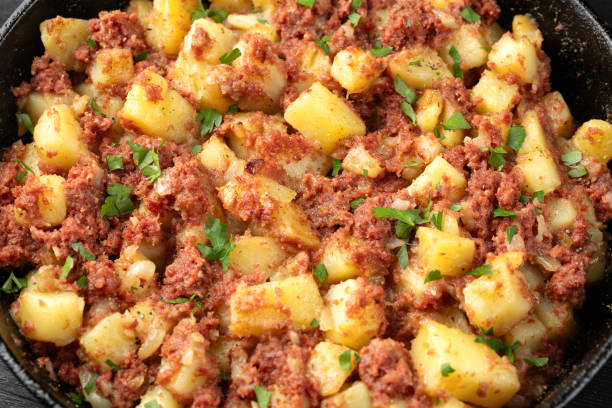
It usually came together in a skillet, often in the quiet moments of a weekend morning or as a quick dinner when the fridge looked nearly empty. Corned beef hash, made by frying chopped corned beef with potatoes and onions, was one of those meals that didn’t need a recipe as much as it needed a bit of instinct. The crispy edges and savory flavor made it satisfying, especially when topped with a fried egg.
There was a strong sense of making do with what was available. Leftover corned beef from a previous meal could easily find its way into the pan, turning scraps into something worth gathering around. As one food writer once said, “hash is less about precision and more about resourcefulness,” and that idea carried through generations. Today, while it still appears in diners, it’s less common in home kitchens, perhaps because fewer people keep the kind of leftovers it depends on. Still, it holds a place in memory as a dish that turned odds and ends into something comforting, proving that a good meal doesn’t always start with a full pantry.
9. Baked Macaroni with Stewed Tomatoes
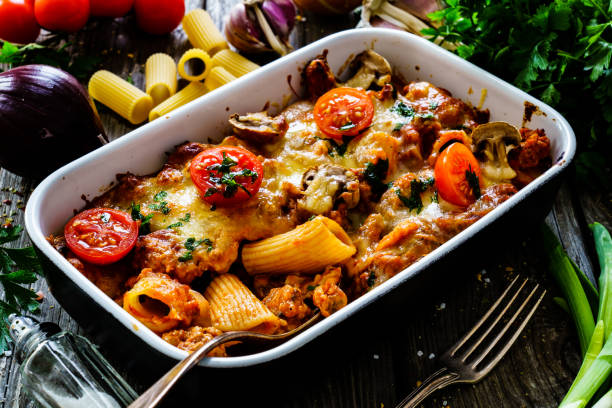
This was one of those combinations that made perfect sense at the time, even if it raises a few eyebrows now. Baked macaroni paired with stewed tomatoes brought together soft pasta and a slightly tangy tomato flavor that cut through the richness. It wasn’t quite like the creamy macaroni and cheese many know today, but it had its own quiet appeal, especially in households where stretching ingredients was part of everyday cooking.
The dish often reflected regional habits and family traditions more than anything else. In some kitchens, it was a regular side, while in others it stood on its own as a full meal. A vintage kitchen note once described it as “a practical blend of pantry staples that keeps the table full,” which explains why it appeared so often. Over time, though, it faded as tastes shifted toward cheesier, more indulgent versions of macaroni. Even so, for those who remember it, there’s a certain familiarity in the balance it offered. It speaks to a time when meals were shaped as much by necessity as by preference, and that simplicity carried its own kind of comfort.
10. Meatloaf with Ketchup Glaze
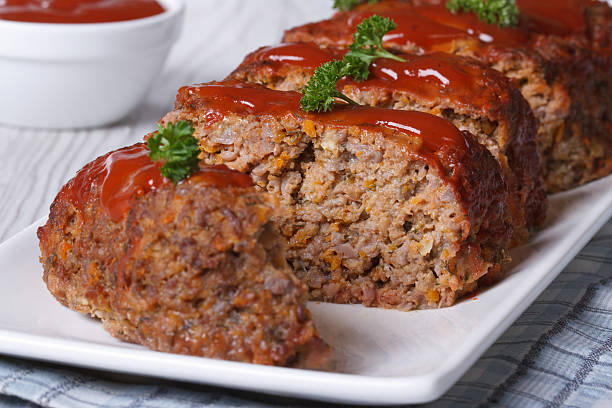
It’s hard to think of family dinners from the past without picturing a meatloaf somewhere in the mix. Made from ground meat, breadcrumbs, and a handful of seasonings, then topped with a layer of ketchup that baked into a slightly sweet glaze, it was a staple that showed up again and again. It sliced easily, stretched well, and worked just as nicely the next day in a sandwich, making it a practical choice for busy households.
What made meatloaf stand out was how personal it could be. Every family seemed to have its own version, adjusted by taste or by whatever ingredients were on hand. As one old cookbook put it, “no two meatloaves are ever quite the same,” which gave it a kind of quiet flexibility. Today, while it hasn’t disappeared entirely, it’s not as central as it once was in weekly meal plans. Still, it remains one of those dishes that feels familiar the moment it’s mentioned. It carries a sense of continuity, connecting past dinners to present memories in a way that doesn’t need much explanation to be understood.
11. Sloppy Joes
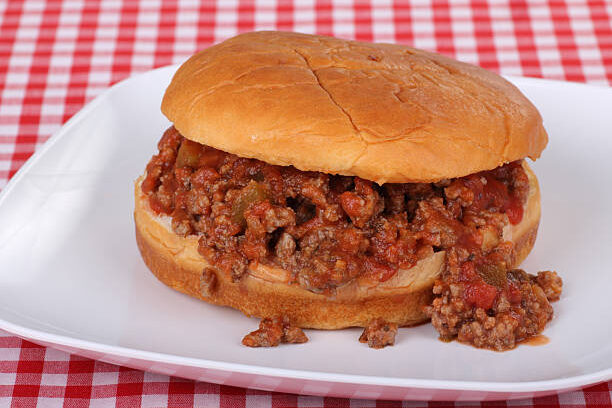
It often felt like a small break from routine when sloppy joes made their way onto the table. Ground beef simmered in a tangy, slightly sweet tomato-based sauce, spooned onto soft hamburger buns, created a meal that was both casual and satisfying. It wasn’t neat, and that was part of the charm. Families leaned into the mess a little, knowing it was one of those dinners where you didn’t have to be too careful, just hungry enough to enjoy it.
There was also something about how easy it was to put together that made it a regular choice. A few pantry staples could turn into a full meal in less than an hour, which mattered on busy evenings. As one vintage ad once claimed, “it’s the sandwich that eats like a meal,” capturing its place in family kitchens. These days, while it still appears now and then, it’s not as common as it used to be. Still, it holds onto that feeling of simple fun at the dinner table, where the focus wasn’t on presentation but on sharing something warm and filling together.
12. Jell-O Salad with Fruit

It usually appeared at the table with a bit of color and a sense that something different had been added to the meal. Jell-O salad with fruit, sometimes mixed with whipped topping or even bits of vegetables, was once a familiar side dish at family dinners and gatherings. The bright, wobbly texture made it stand out, especially for children, while adults appreciated how easy it was to prepare ahead of time.
There was a time when gelatin dishes were seen as modern and even a little elegant. Cookbooks from the mid-1900s often described them as “a refreshing addition to any meal,” reflecting how popular they had become. Over time, though, tastes changed, and these dishes started to feel more like relics of another era. Today, they’re mostly remembered at holidays or through family stories rather than everyday meals. Even so, they carry a kind of lighthearted nostalgia, reminding people of tables where presentation didn’t have to be perfect to feel special, just familiar enough to make everyone pause and smile for a moment.
13. Fried Bologna Sandwiches
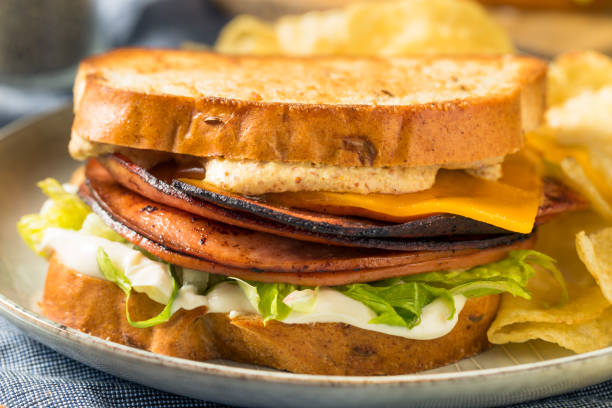
Sometimes, the simplest meals are the ones that stay with people the longest. Fried bologna sandwiches were one of those go-to options that didn’t require much thought. A slice of bologna, fried until the edges curled slightly, tucked between pieces of bread with a bit of mustard or mayonnaise, made for a quick and satisfying meal. It was often something put together in minutes, whether for lunch or a no-fuss dinner.
There was a certain comfort in how uncomplicated it felt. It didn’t try to be anything more than what it was, and that honesty made it reliable. In many homes, it was understood that “a hot sandwich can be just as filling as a full plate,” a simple idea that carried through generations. Today, it’s less commonly mentioned, perhaps replaced by more elaborate options or changing tastes. Still, it quietly brings the list full circle, back to the idea that meals were once about making the most of what you had and sharing it without much ceremony. And maybe that’s what made them memorable in the first place.


