
1. A 1987 Murder Victim Finally Identified

Deanna Criswell spent nearly three decades as “Jane Doe 19” after her body was discovered in Arizona in 1987. No one knew who she was, until volunteers from The Doe Network posted details online, searchable by missing-person investigators and families alike. Eventually, family members recognized her, provided DNA, and in 2015 she was formally identified. This case highlights how sharing cold-case data publicly can give families hope, especially when traditional law enforcement channels stall.
2. The 1982 Teen Who Finally Got Her Name Back

Sometimes, ordinary people armed only with curiosity, a laptop, and a willingness to help have cracked mysteries that had stumped professionals for years. In one of the most powerful successes of amateur sleuthing, the corpse of a teenage girl found in Texas in 1982 remained unidentified for decades, until someone online suggested a match with a missing-person record from Connecticut. That girl was Michelle Garvey. Thanks to that tip, authorities conducted a DNA test, confirmed the identity in 2014, and gave her back the name she lost. The case shows how online networks and databases, even before being taken seriously by law enforcement, can provide crucial leads that bridge missing-person files and cold-case remains. It
3. Stolen Laptop Tracked and Returned Thanks to Social Media
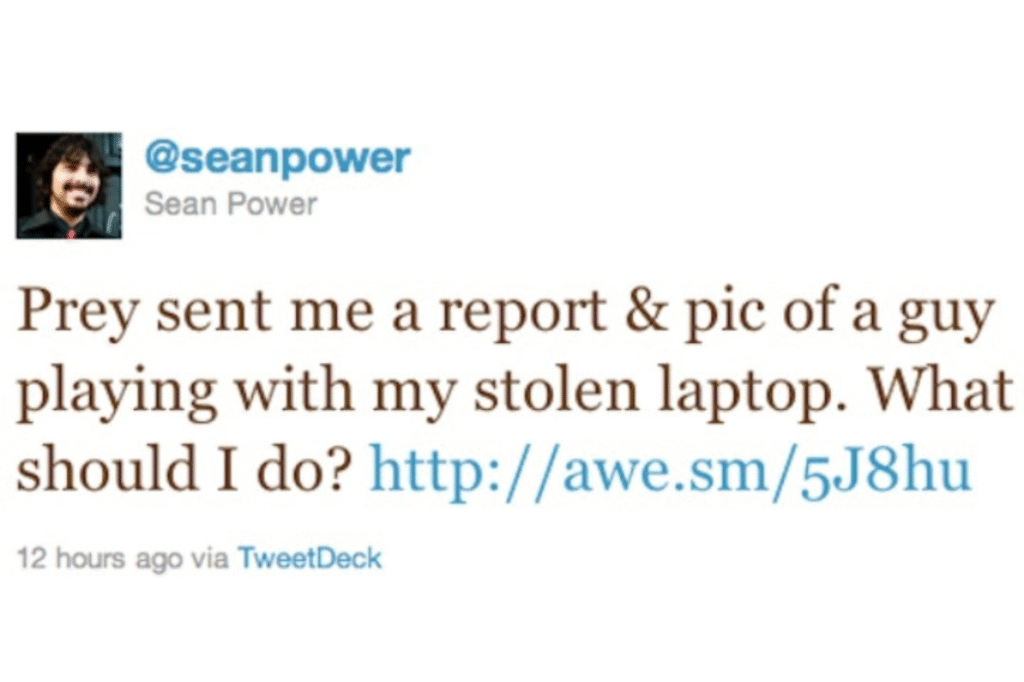
In 2011, a man from Canada had his stolen laptop suddenly show up active in a bar in Manhattan, complete with screenshots and camera access alerts, thanks to a tracking tool. With a social media call-out to his roughly 12,000 followers, the laptop was traced and recovered without police involvement. It’s a story of how community visibility and rapid online coordination can beat bureaucracy or delay. This case differs from cold-case sleuthing, but it illustrates the immediacy and practical power of crowdsourced internet sleuthing in everyday problems.
4. A Runaway Teen Returned Home Because Internet Listened

Also in 2011, when 17-year-old Haley Wilson ran away after Christmas, leaving only a note, her distressed father took to social media and video-sharing platforms for help. The plea gained widespread attention online, and soon after, Haley was found safe in Carlsbad, California. That case shows how internet visibility can offer a second line of support when traditional systems aren’t enough, especially when time is critical and every hour counts.
5. The Long-Lost “Everywhere at the End of Time” Sample

For years, fans of The Caretaker’s experimental project Everywhere at the End of Time were convinced one sample used in the series came from an unknown song no one could trace. Despite musicians, archivists, and audio experts trying to identify it, nothing surfaced. Eventually, it was everyday listeners on Reddit and Discord, many with experience digging through old vinyl uploads, who narrowed it down by recognizing a fragment that appeared in a rare 1930s dance-band recording. Their persistent comparisons finally revealed the source, proving how collective listening skills can outperform even digital fingerprinting tools when dealing with obscure, low-quality recordings. It became a milestone for music-sleuth communities who routinely solve audio mysteries professionals overlook.
6. The Identity of “Griffin the Dog” in a Viral Photo

A photo of a fluffy white dog spread across social media in 2015, with thousands desperately trying to figure out whether he was abandoned or missing. No local authorities recognized him, and animal-rescue groups had no matching reports. But users across Facebook and Twitter kept sharing until one woman recognized the dog as Griffin, a senior pet from a nearby town who had slipped out during a storm. Within hours of the image going viral, Griffin’s family was contacted and reunited with him. The speed of the public response, faster than shelters or local bulletin systems, demonstrated how vast online reach can instantly connect communities, solve small but meaningful mysteries, and bring families back together.
7. The Sudden Surge of a Mysterious “Numbers Station” Clip
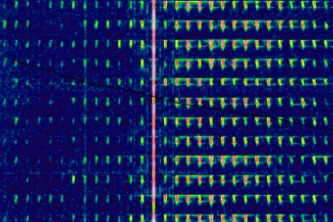
When a strange repeating radio transmission, known as a numbers station, circulated online in 2010, many assumed it was a new, unsolved code linked to espionage. Experts weighed in but could not pinpoint the source quickly. Radio hobbyists on forums like Reddit’s r/shortwave and specialized monitoring boards began comparing signal strength, timing, and directional interference. In less than a week, enthusiasts triangulated the signal and confirmed it matched an already-known Russian station, UVB-76, which occasionally changed formats. Their crowd-driven technical work solved the mystery before official analysts released explanations, showing how amateurs with scanners and patience can decode signals that stump authorities.
8. The Strange Sound in a Viral Forest Recording
A chilling scream echoing through a forest captured in a viral video had millions convinced it was something supernatural. Wildlife experts initially declined to make a definitive statement due to poor audio clarity. However, hunters, biologists, and hobby naturalists online worked together by comparing spectrograms and pitch contours. They determined the sound closely matched that of a red fox vixen during mating season, a vocalization many outdoors enthusiasts recognized instantly. The public identification spread across platforms, eventually prompting wildlife officials to confirm the explanation. This mystery highlighted how experience-based knowledge from ordinary nature lovers can solve audio puzzles long before formal agencies weigh in.
9. The “Unknown Shipwreck” Spotted on Google Earth

When a satellite image showing what looked like a massive shipwreck off a remote coastline began circulating online, speculation grew quickly, from lost wartime vessels to abandoned cargo ships. Maritime historians were cautious, saying more data was needed. But within days, amateur researchers compared Google Earth timestamps, water-depth charts, and historical shipping routes to determine the “shipwreck” was actually the remains of an old fishing barge deliberately sunk decades earlier. Their findings were later confirmed by local maritime offices. The episode demonstrated how freely accessible tools, satellite images, mapping overlays, and public archives, allow ordinary people to solve geographic mysteries long before experts compile official reports.
10. The Origin of the “Unknown 80s Song”

For years, a catchy synth-pop track circulated online as “the most mysterious 80s song,” baffling collectors and music historians who couldn’t trace its artist or studio. Traditional databases and copyright registries gave no matches, but online volunteers built a massive community dedicated to solving it. Users compared equipment sounds, vocal patterns, radio broadcasts, and even specific German station formats from the late 1980s. In 2024, internet sleuths finally located the creator, a German musician who had recorded the track at home and forgotten about it. The public identified the song long before music-rights experts could, proving how passion-driven communities can crack cases that formal metadata searches overlook.
11. The Mystery of the Disappearing Lake on Google Maps
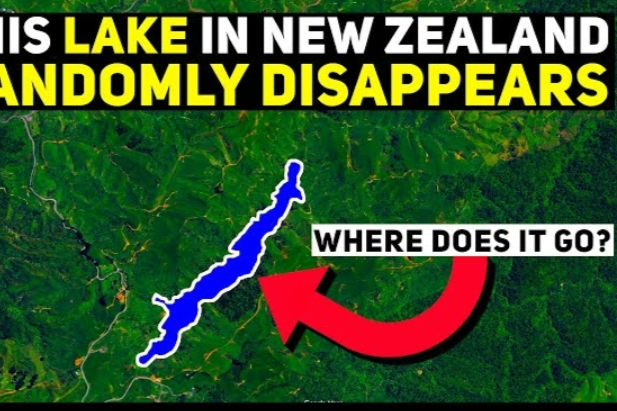
When a midwestern lake appeared to “vanish” between Google Maps updates, users initially suspected a glitch or environmental disaster. Local agencies did not have immediate answers because no official incident had been recorded. Amateur geographers and environmental hobbyists stepped in, using timestamped satellite images to reconstruct seasonal patterns and water-level changes. The community found that the lake was a shallow, marsh-like basin that regularly dried up due to drought and agricultural water diversion. Their findings circulated widely before environmental offices issued statements confirming the explanation. It was a reminder that map-based mysteries often get solved first by people who simply enjoy digging into open-data tools.
12. The Strange “Hum” Heard Around a Neighborhood

A low, relentless humming noise kept residents awake in a UK neighborhood for months. Sound engineers examined the area but couldn’t pinpoint the cause. Frustrated locals took recordings and shared them online, where amateur acoustics fans ran spectral analyses and compared frequency signatures. The internet group suggested it was industrial equipment operating at night beyond residential boundaries. After residents presented this evidence, officials traced it to a malfunctioning ventilation system at a nearby factory. The discovery, made first by online volunteers, showed how everyday people with accessible sound-analysis tools can solve local mysteries faster than expert inspections.
13. The Odd Symbols Found on a Beach

When unusual geometric patterns appeared in the sand on a Pacific beach, many feared they were related to unexplained activity or ancient symbols. Experts were hesitant to comment without visiting the site, but photos quickly spread online. Beachgoers, hikers, and artists collaborated to analyze the grooves and soon realized the symbols matched the track pattern of a specific model of crab-pot dragging equipment used by local fishermen. Once this explanation circulated, fisheries officers confirmed it. The public solved the mystery simply by recognizing the practical origins behind something that looked far more dramatic than it was, proving how collective intuition often outpaces professional review.
In a world where anyone can help uncover the truth, even the smallest clue shared online can bring a mystery to its end.
This story 13 Internet Mysteries the Public Solved Before Experts Did was first published on Daily FETCH


