
Potato Chips
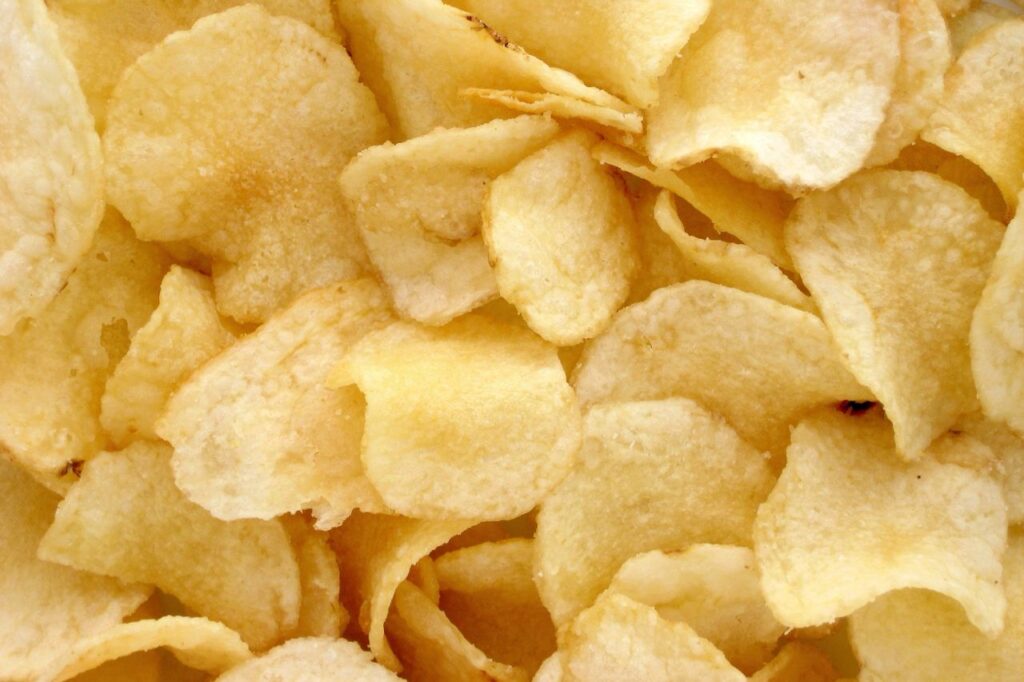
It turns out that some of the most famous items in our homes today weren’t the result of a genius master plan at all. Back in 1853, a chef named George Crum was having a pretty rough day at his restaurant in Saratoga Springs, New York. A notoriously picky customer kept sending back his fried potatoes, complaining that they were way too thick and soggy to eat. Getting a bit salty himself, Crum decided to play a prank on the guy by slicing the potatoes paper-thin and frying them until they were brittle and crunchy. He figured the customer would hate them, but he wanted to prove a point about being over-the-top difficult.
To Crum’s total shock, the plan completely backfired in the best way possible. The customer didn’t just like them, he absolutely loved the crispy slices, and soon everyone was asking for these “Saratoga Chips.” What started as a moment of kitchen snark quickly turned into one of the most iconic snacks in American history. Eventually, these crunchy treats moved from a local restaurant novelty to a mass-produced powerhouse. Today, you can find them on almost every grocery store shelf in the country, proving that sometimes a little bit of irritation can lead to a lot of deliciousness.
Coca-Cola
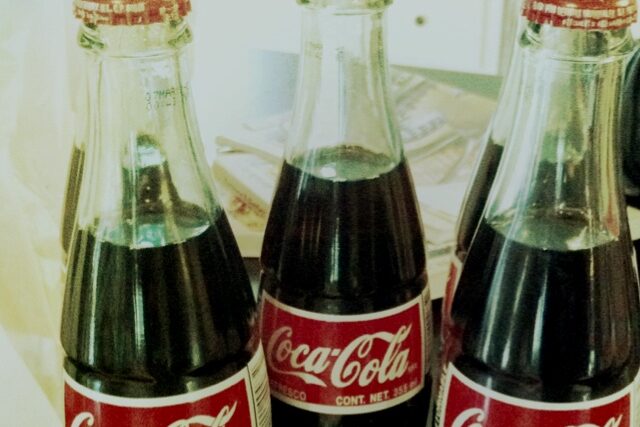
In 1886, an Atlanta pharmacist named John Pemberton was on a mission to find a cure for his nagging headaches. He was also hoping to find a way to kick his personal dependence on morphine, which was a common struggle for veterans at the time. He originally whipped up a medicinal tonic that included wine and coca leaves, marketing it as a “nerve tonic” to help people feel better. However, when local laws changed and alcohol was banned in the city, he had to scramble to fix his recipe and ditch the wine.
The magic happened while he was playing around with his new non-alcoholic formula and someone accidentally mixed it with carbonated water. Instead of a thick medicinal syrup, they ended up with a fizzy, refreshing drink that tasted incredible. This unexpected little twist transformed the product from a drugstore remedy into the beverage we now know as Coca-Cola. It didn’t take long for it to move past the pharmacy counter and become a massive cultural phenomenon. Today, it stands as one of the most recognized and widely consumed soft drinks on the planet, all because of a last-minute recipe change.
Chocolate Chip Cookies
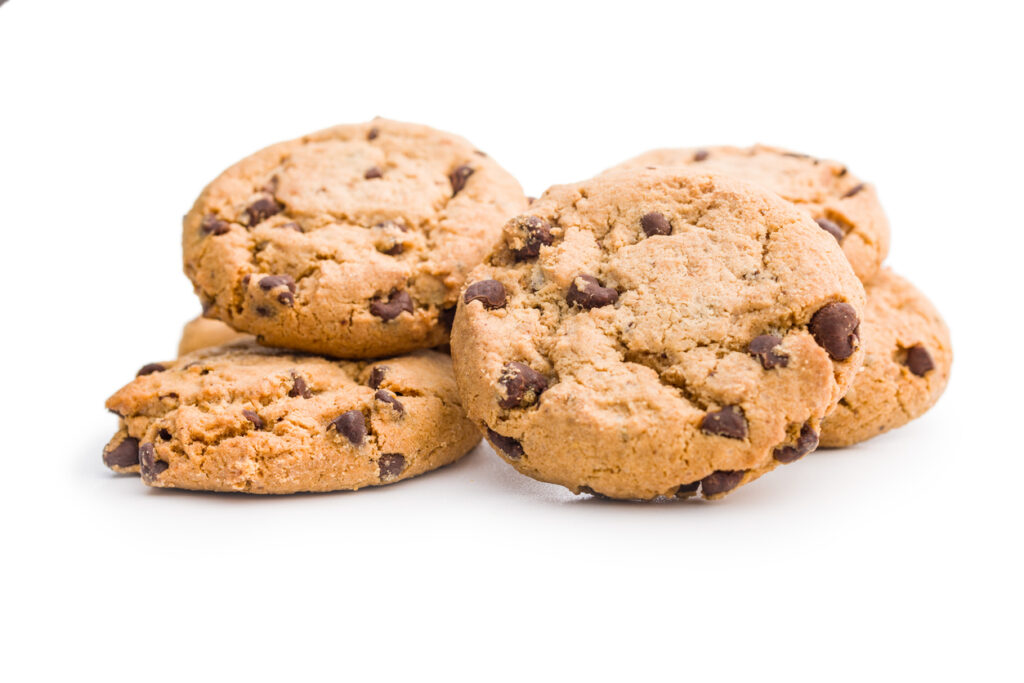
During the 1930s, a talented baker named Ruth Wakefield was busy running the Toll House Inn in Massachusetts when she ran into a bit of a kitchen crisis. She was right in the middle of making a batch of chocolate cookies for her guests but realized she had completely run out of baker’s chocolate. Thinking on her feet, she grabbed a Nestlé semi-sweet chocolate bar, broke it into tiny pieces, and tossed them into the dough. She assumed the chunks would melt and spread out evenly, giving her a standard chocolate cookie.
When she pulled the tray out of the oven, she saw that the chocolate pieces hadn’t melted into the dough at all; they stayed in their original little shapes, creating soft cookies dotted with gooey chunks. Her guests absolutely flipped for the new treat, and the recipe became an instant sensation across the region. The “Toll House Cookie” became so famous that Nestlé eventually struck a deal to print her recipe right on their packaging. What started as a simple ingredient swap ended up creating one of the most beloved desserts in American history, proving that even mistakes can be sweet.
Microwave Oven
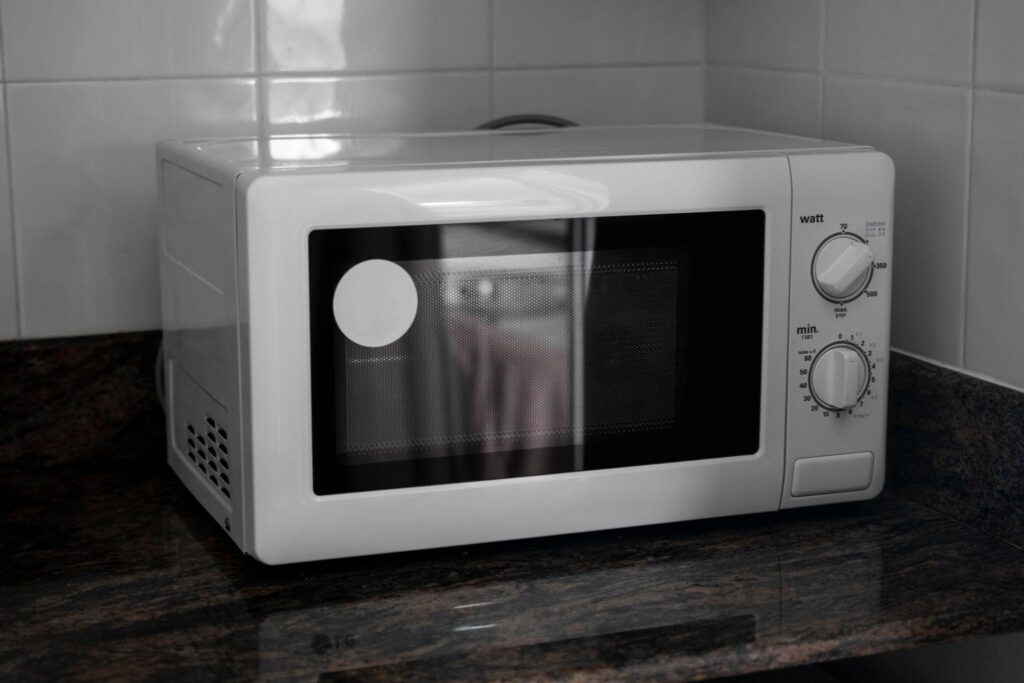
During World War II, a self-taught engineer named Percy Spencer was busy working with radar technology at a company called Raytheon. One day in 1945, while he was standing near an active radar set, he felt something strange happening in his pocket. When he reached in, he discovered that his peanut cluster candy bar had turned into a gooey, melted mess. Most people would have just been annoyed about the laundry bill, but Spencer was fascinated and started experimenting with other foods, including popcorn kernels and even an egg, to see what was happening.
He quickly figured out that the microwave radiation from the radar equipment could heat food incredibly fast by vibrating water molecules. This moment led to the development of the very first microwave oven, which was originally called the “Radarange” and was about the size of a refrigerator. While those early models were way too big and expensive for the average kitchen, the technology eventually got smaller and much more affordable. Now, it’s a standard appliance in almost every home, making our lives a whole lot easier, all because of a messy candy bar that caught an engineer’s attention.
Post-it Notes

In 1968, a scientist named Spencer Silver was working at 3M trying to invent a super-strong adhesive for the aerospace industry. Instead, he ended up with the exact opposite: a weak, “low-tack” glue that would stick to things but could be peeled off easily without leaving any residue behind. Since it wasn’t strong enough to hold a plane together, the company pretty much viewed the invention as a total failure. For years, the weird, repositionable glue sat on the shelf without any real purpose or a plan for the future.
Everything changed in 1974 when his colleague, Art Fry, got frustrated during choir practice. He kept losing the little scraps of paper he used to mark songs in his hymnal, and he realized Silver’s “failed” glue was the perfect solution for a bookmark that wouldn’t fall out or ruin the pages. They teamed up to create the little yellow squares we now know as Post-it Notes, though they didn’t really take off nationwide until around 1980. It’s a classic story of how an idea that fails in one area can become a massive success in another, as long as you find the right problem to solve.
Popsicles

The story of the Popsicle actually starts with a young boy and a cold night in San Francisco back in 1905. Eleven-year-old Frank Epperson had been playing outside and accidentally left a cup filled with powdered soda mix, water, and a wooden stirring stick on his porch. That night, the temperature took an unseasonably cold dip, and the liquid froze solid around the stick. When he found it the next morning, he realized he had accidentally created a “frozen drink on a stick” that was both tasty and easy to carry around.
Frank originally called his invention the “Epsicle” and spent years sharing it with his friends before finally deciding to patent the idea in 1923. His kids eventually convinced him to change the name to “Pop’s ‘Sicle,” which eventually became the iconic brand name we use today. It’s amazing to think that one of the world’s most popular summertime treats was actually invented by a kid who was just a little bit forgetful. For over a century, these frozen snacks have been a staple of warm afternoons and childhood memories, all thanks to a chilly night and a stray stirring stick.
Play-Doh
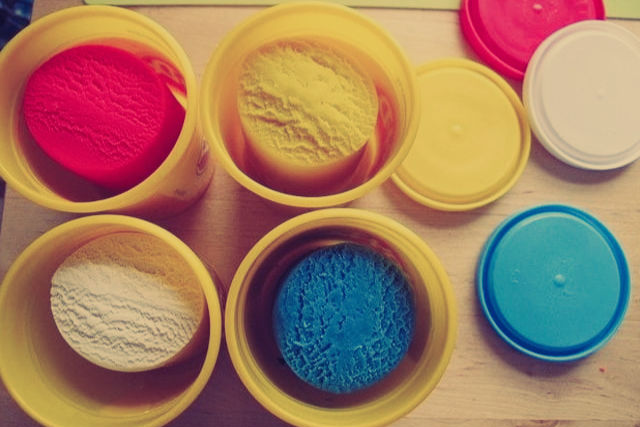
You might be surprised to learn that Play-Doh wasn’t originally intended for the toy box at all. Way back in the 1930s, a company called Kutol Products in Cincinnati developed the salty, clay-like substance as a specialized cleaning compound. Its main job was to roll over wallpaper to lift off the thick layers of soot left behind by coal-burning heaters, which were in almost every home at the time. It was a practical, “grown-up” tool that helped keep houses looking fresh during a much grittier era of indoor heating.
However, as people started switching over to cleaner natural gas furnaces in the 1950s, the “soot-remover” business started to dry up fast. Desperate to save the company, the owners noticed that a teacher had been using the non-toxic cleaner in her classroom for art projects. They decided to ditch the cleaning chemicals, add some bright colors, and re-market the stuff as a creative toy for kids. Rebranded as Play-Doh in 1956, it became an overnight sensation and eventually landed a spot in the National Toy Hall of Fame. It’s the perfect example of how a dying product can find a whole new life with a little bit of imagination.
Slinky
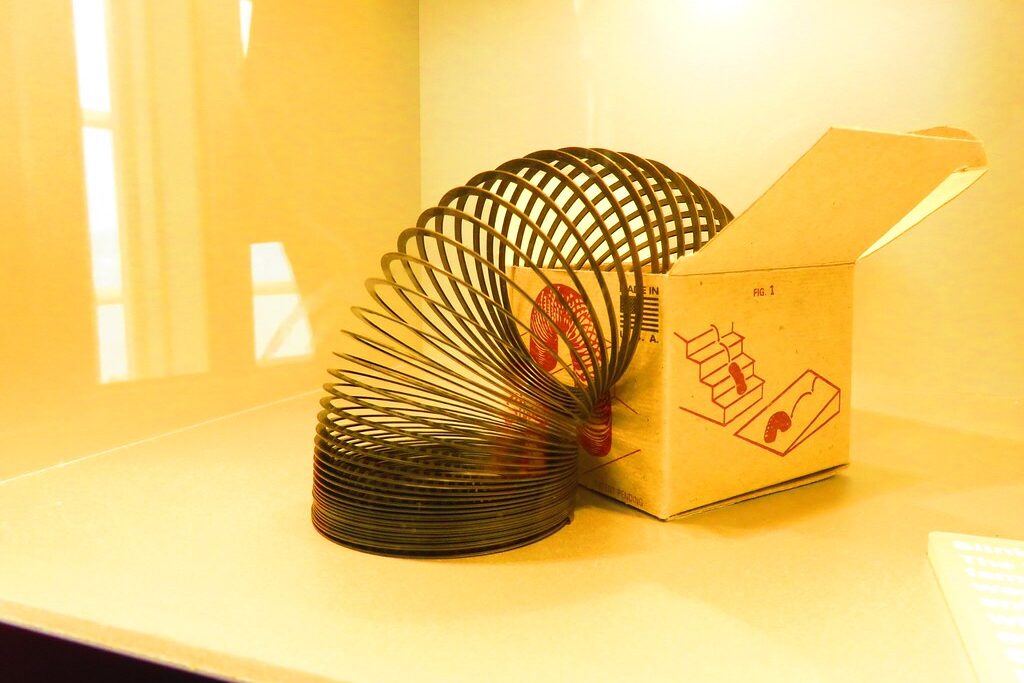
In 1943, a naval engineer named Richard James was busy working in a Philadelphia shipyard, trying to figure out a way to use springs to steady sensitive equipment on choppy seas. While he was tinkering at his workbench, he accidentally knocked one of his experimental tension springs onto the floor. Instead of just landing with a thud, the spring “walked” end-over-end down a stack of books and across the room. James was mesmerized by the strange, fluid motion and immediately ran home to tell his wife, Betty, that he thought he’d found a toy.
The couple spent the next couple of years perfecting the steel formula and the tension so the spring would move just right. Betty even came up with the perfect name for it: the Slinky. When they finally demonstrated it at a Gimbels department store in 1945, they sold 400 toys in just 90 minutes, and a legend was born. It’s incredible that a piece of military-grade hardware ended up becoming one of the most famous playthings of all time. Decades later, the Slinky remains a classic example of how a simple physics mistake can capture the imagination of millions.
Teflon
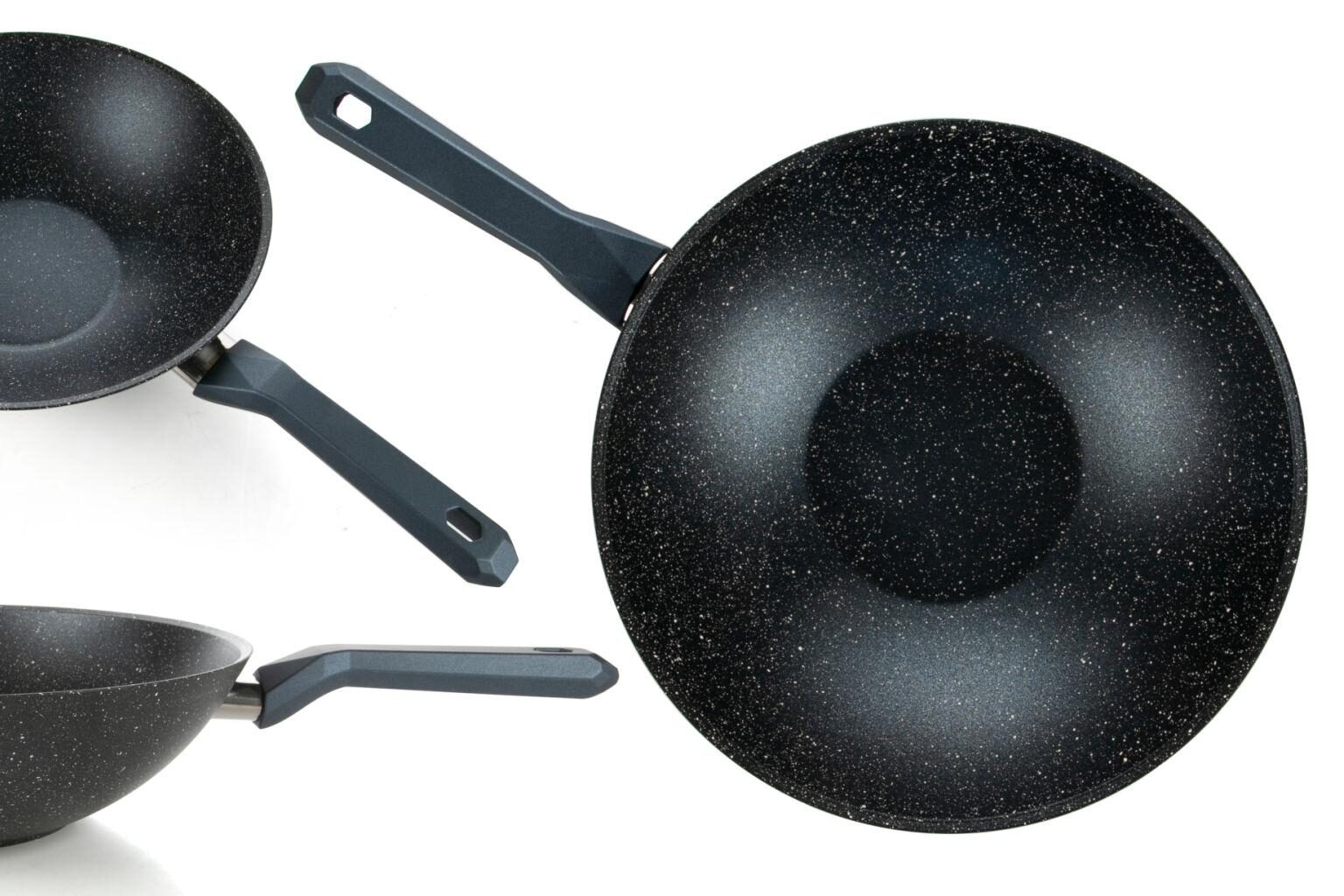
In 1938, a young chemist named Roy Plunkett was working at a DuPont lab in New Jersey, trying to find a better gas for home refrigerators. He and his assistant had filled several pressurized cylinders with a gas called tetrafluoroethylene and left them on dry ice overnight. When they opened one of the tanks the next morning, they were confused because no gas came out, even though the weight of the tank suggested it was still full. Instead of giving up, they decided to cut the tank open to see what was going on inside.
They discovered that the gas had strangely frozen into a white, waxy powder that was incredibly slippery and resistant to almost every chemical they threw at it. This “accidental” material was eventually trademarked as Teflon and was used for everything from Manhattan Project equipment to space suits before it ever hit the kitchen. It wasn’t until the 1960s that the first non-stick frying pans were marketed in the U.S., forever changing the way we cook and clean up after dinner. It just goes to show that sometimes the best discoveries happen when things don’t go according to the original plan.
Super Glue
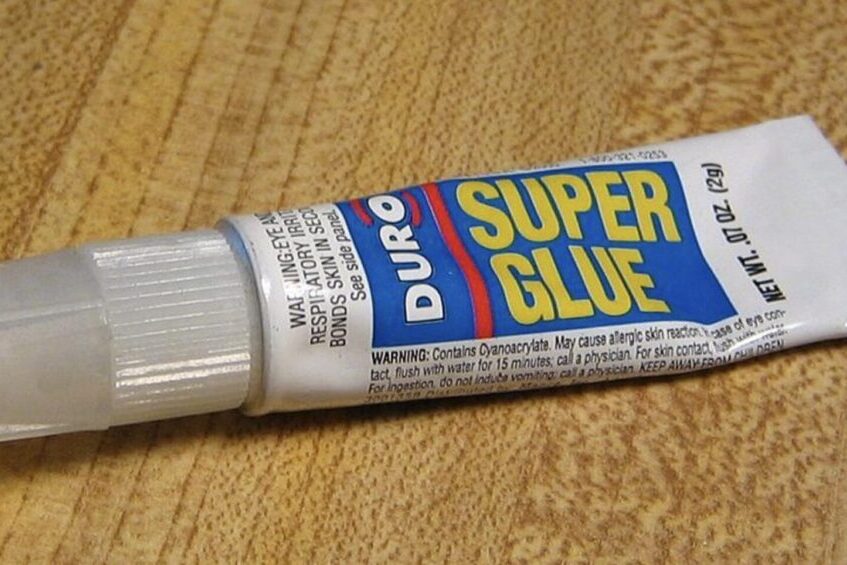
During the height of World War II in 1942, a scientist named Dr. Harry Coover was leading a team to find a clear plastic that could be used for military gun sights. During their research, they stumbled upon a group of chemicals called cyanoacrylates, but they were a total disaster for the project. The material was so incredibly sticky that it bonded instantly to everything it touched, making it impossible to work with in a lab setting. Frustrated by the “sticky mess,” Coover and his team abandoned the formula and moved on to other things.
When Coover revisited the substance in 1951 while working on heat-resistant jet canopies. This time, he realized that the very thing that made it a failure for gun sights, the instant, permanent bond, was actually a revolutionary breakthrough for adhesives. He refined the formula and launched “Eastman 910,” which we all know today as Super Glue. From fixing broken coffee mugs to helping doctors close wounds in emergencies, this “failed” plastic has become one of the most useful tools in the world, proving that persistence really does pay off.
Corn Flakes
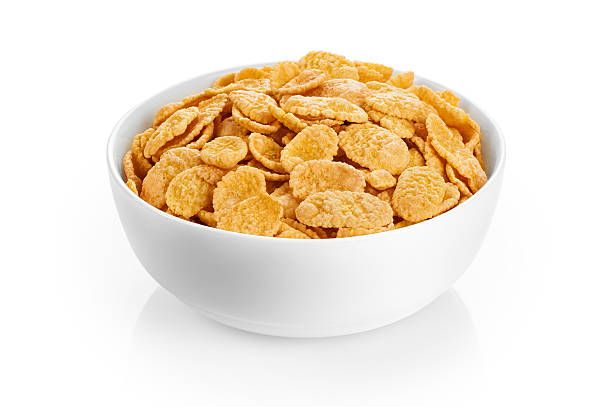
Back in 1894, Dr. John Kellogg and his brother Will were busy running a sanitarium in Battle Creek, Michigan, where they focused on serving healthy, bland foods to their patients. One afternoon, the duo accidentally left a pot of boiled wheat sitting out on the counter for way too long. When they finally returned to the kitchen, the wheat had gone completely stale and tough. Most people would have just tossed the whole mess into the trash, but the Kellogg brothers were on a tight budget and decided to see if they could still save the batch.
They decided to run the stale wheat through some metal rollers, hoping it would turn into a long sheet of dough. To their complete surprise, the wheat didn’t hold together at all; instead, it broke apart into thousands of tiny, paper-thin flakes. Curious about the texture, they toasted the flakes and served them to the patients, who absolutely loved the light and crispy crunch. This happy accident eventually led them to try the same process with corn, giving birth to the Corn Flakes we know today. What started as a neglected pot of grains ended up revolutionizing the American breakfast table forever.
Silly Putty
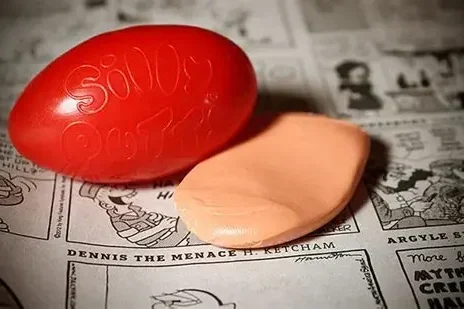
During the height of World War II in 1943, the United States was facing a massive shortage of natural rubber, which was desperately needed for tires and boots. The government challenged scientists to find a synthetic replacement, and James Wright, a researcher at General Electric, thought he had the answer. He mixed silicone oil with boric acid, hoping to create a durable rubber substitute. Instead, he ended up with a gooey, globby substance that didn’t act like rubber at all, it was way too soft and unpredictable for industrial use.
While the military didn’t want the “nutty putty,” people in the lab couldn’t stop playing with it because it could bounce higher than a ball and stretch like giant bubblegum. It even had a weird ability to “copy” the ink off of newspaper comic strips when pressed against them. Eventually, an entrepreneur named Peter Hodgson saw its potential as a toy and packaged it in plastic eggs just in time for Easter in 1950. Rebranded as Silly Putty, it became a massive hit with kids and adults alike. It’s the perfect example of how a wartime failure can turn into a timeless piece of childhood fun.
Scotchgard
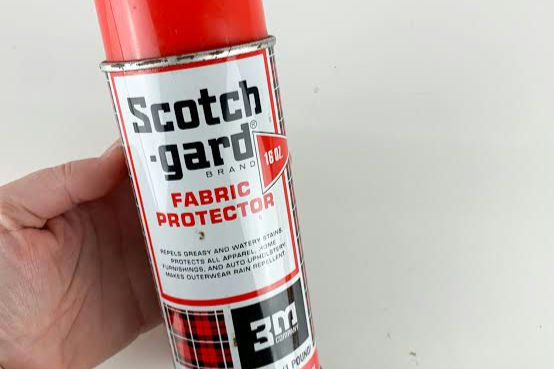
In 1953, a chemist named Patsy Sherman was working at 3M in Minnesota, trying to develop a new type of rubber that could withstand the intense heat and pressure of jet fuel. During one of her lab experiments, an assistant accidentally dropped a glass beaker, splashing a fluorochemical mixture all over a colleague’s expensive white canvas tennis shoes. They tried everything to scrub the green liquid off, but the chemicals wouldn’t budge. At first, it seemed like they had just ruined a perfectly good pair of shoes in a messy lab mishap.
However, a few weeks later, Sherman noticed something incredible: the spot where the chemical had spilled stayed bright white, while the rest of the shoe was covered in dirt and grime. The spilled mixture was actually acting as an invisible shield, repelling water, oil, and mud perfectly. This accidental discovery led to years of intense research and the eventual launch of Scotchgard in 1956. Today, the product is used all over the world to protect everything from living room sofas to car interiors. It just goes to show that a clumsy moment in the lab can sometimes lead to a billion-dollar solution for everyday messes.


