
1. Mister Rogers’ Neighborhood
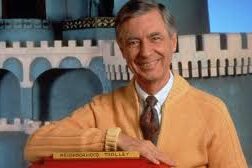
Instilling empathy and self-worth, Fred Rogers created a safe space for children to explore their feelings and understand their value through his groundbreaking television show, “Mister Rogers’ Neighborhood.” Airing from 1968 to 2001, the show tackled complex topics like death, anger, and friendship, using gentle conversations, songs, and puppet characters to make these issues accessible and relatable. Rogers’ approachable and non-judgmental style allowed children to feel seen and heard, reinforcing his iconic message: “I like you just the way you are.” This affirmation, repeated throughout the series, helped foster self-acceptance and self-love in generations of young viewers, cementing Rogers’ legacy as a champion of children’s emotional well-being.
2. Sesame Street
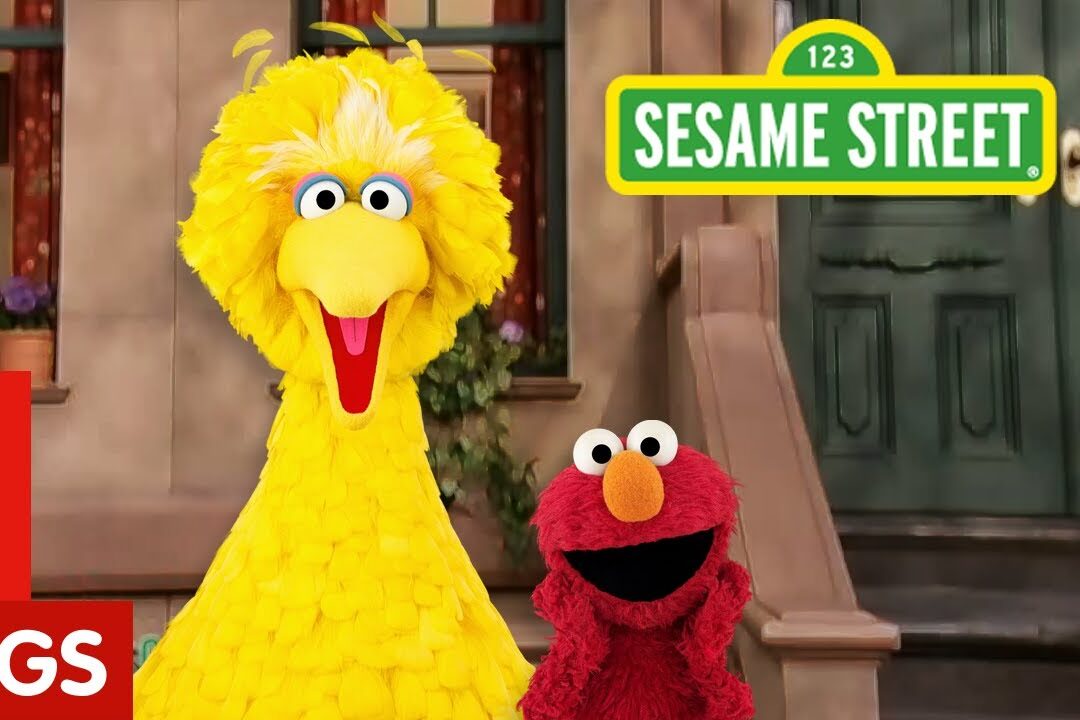
Since its debut in 1969, Sesame Street has been a trailblazer in children’s education, teaching emotional intelligence and diversity through its diverse cast of beloved characters, including Elmo, Big Bird, Cookie Monster, and Oscar the Grouch. The show’s innovative approach uses engaging segments, such as “Elmo and Abby Learn the Meaning of Compromise” and “The Count’s Number of the Day,” to help children navigate complex social situations, understand different perspectives, and develop essential life skills like empathy, self-awareness, and self-regulation.
3. The Electric Company

Making reading and grammar fun, The Electric Company revolutionized literacy education for older children with its innovative blend of sketch comedy, music, and animations. Debuting in 1971, the show’s eclectic mix of sketches, songs, and superhero parodies captivated young audiences, making complex concepts like phonics, grammar, and vocabulary building both accessible and entertaining. Segments like “The Adventures of Letterman” and “The Prankster” transformed linguistic challenges into thrilling adventures, while characters like the Short Circus and the bumbling but lovable Prankster added humor and whimsy to the learning process.
4. Zoom
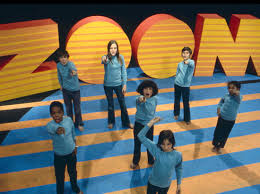
Celebrating creativity and communication, Zoom pioneered a unique approach to children’s television by featuring real kids as the stars, creators, and problem-solvers. From 1972 to 1978 and again in the 1990s, the show showcased youngsters tackling challenges, creating games, and producing content for their peers. By inviting viewers to send in their own ideas, artwork, and inventions, Zoom fostered a sense of community and creativity, breaking down the traditional barriers between television producers and their audience.
6. Reading Rainbow
Fostering a love for reading, Reading Rainbow ignited a passion for books in millions of children, thanks to the warm and engaging hosting style of LeVar Burton. From 1983 to 2006, the show celebrated the joy of reading by featuring a diverse range of books, from classics to contemporary tales, each carefully selected to spark curiosity and imagination. By combining storytelling with real-world explorations, celebrity guest appearances, and thought-provoking discussions, Reading Rainbow inspired children to develop critical thinking, empathy, and a lifelong love of reading.
7. Captain Planet and the Planeteers
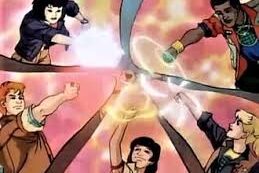
Promoting environmental awareness, Captain Planet pioneered eco-friendly entertainment for children, combining action-packed adventure with valuable lessons on conservation and sustainability. The show followed the exploits of five teenagers from different parts of the world, each representing a distinct element – Earth, Fire, Wind, Water, and Heart – who could summon the powerful Captain Planet to fight environmental villains. By tackling pressing issues like pollution, deforestation, and wildlife conservation, Captain Planet educated and inspired young audiences to take action, promoting a sense of global citizenship and responsibility.
8. Fat Albert and the Cosby Kids

Addressing social issues with heart, Fat Albert & the Cosby Kids pioneered a groundbreaking approach to children’s television, tackling real-life issues like peer pressure, bullying, and discrimination with sensitivity and humor. Created by Bill Cosby, the show followed the adventures of Fat Albert and his friends as they navigated the challenges of growing up in Philadelphia’s inner city. Through relatable stories, catchy songs, and memorable characters, Fat Albert emphasized the importance of kindness, honesty, respect, and self-control, providing young viewers with valuable life lessons and moral guidance.
9. Bill Nye the Science Guy

Making science fun and accessible, Bill Nye the Science Guy revolutionized science education with his infectious enthusiasm, quirky humor, and hands-on experiments. Airing from 1993 to 1998, the show made complex scientific concepts like gravity, electricity, and climate change accessible and entertaining for millions of young viewers. With his signature bow tie and energetic approach, Bill Nye used everyday objects to demonstrate intricate principles, making science feel intuitive and fascinating. The show’s success was reflected in its 19 Emmy Awards and widespread critical acclaim, as it enhanced students’ understanding and appreciation of science, inspiring a new generation of curious minds and scientists.
5. Schoolhouse Rock!
Through learning with catchy tunes, Schoolhouse Rock! revolutionized education by turning subjects like civics, grammar, and math into infectious songs that stuck in children’s minds. Debuting in the 1970s, the iconic series featured memorable classics like “I’m Just a Bill,” “Conjunction Junction,” and “Three is a Magic Number,” which simplified complex topics and made them fun, engaging, and easy to understand. While not technically a show, we felt that it belonged on this list as an Honorable Mention.
10. The Magic School Bus
Exploring science through adventure, The Magic School Bus captivated children with its unconventional approach to science education, led by the inimitable and eccentric Ms. Frizzle. Based on the books by Joanna Cole and Bruce Degen, the animated series took young viewers on fantastical field trips inside the human body, into the depths of the ocean, and even into space. With her unorthodox teaching methods and enthusiasm for discovery, Ms. Frizzle inspired a generation of students to develop a passion for science, making complex concepts fun, accessible, and thrilling.
11. Wishbone

Bringing literature to life, Wishbone introduced children to the world of classic literature in a delightful and engaging way. This charming Jack Russell Terrier star brought beloved characters and stories to life, from Robin Hood and Odysseus to Charlotte’s Web and Heidi. Through faithful adaptations and creative storytelling, Wishbone’s adventures sparked a love for reading and literature among young audiences, encouraging them to explore new books and authors.
12. Animaniacs
Combining humor with education, Animaniacs skillfully merged zany antics with clever educational content, making learning fun and memorable for young audiences. The show’s Warner siblings, Yakko, Wakko, and Dot, starred in humorous sketches and catchy musical numbers like “Yakko’s World,” which taught geography, history, and other subjects in an engaging and entertaining way. With its blend of slapstick comedy, witty writing, and pop culture references, Animaniacs appealed to both kids and adults, making it a beloved favorite across generations.
13. Lamb Chop’s Play-Along
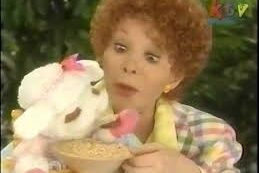
Encouraging interactive learning, Lamb Chop’s Play-Along revolutionized children’s television with its innovative approach to audience participation. Hosted by the charismatic Shari Lewis and her beloved puppet Lamb Chop, the show invited young viewers to join in on songs, stories, and games, breaking the fourth wall and fostering a sense of engagement and interactivity. By encouraging children to participate, predict outcomes, and think creatively, Lamb Chop’s Play-Along aimed to boost language skills, problem-solving abilities, and imagination, making learning a dynamic and collaborative experience.
We know there are more. Feel free to add your favorites and we will try to include them later.
This story 13 Children’s Shows That Shaped How a Generation Sees the World was first published on Daily FETCH


