
1. The Praying Mantis’s Fatal Romance
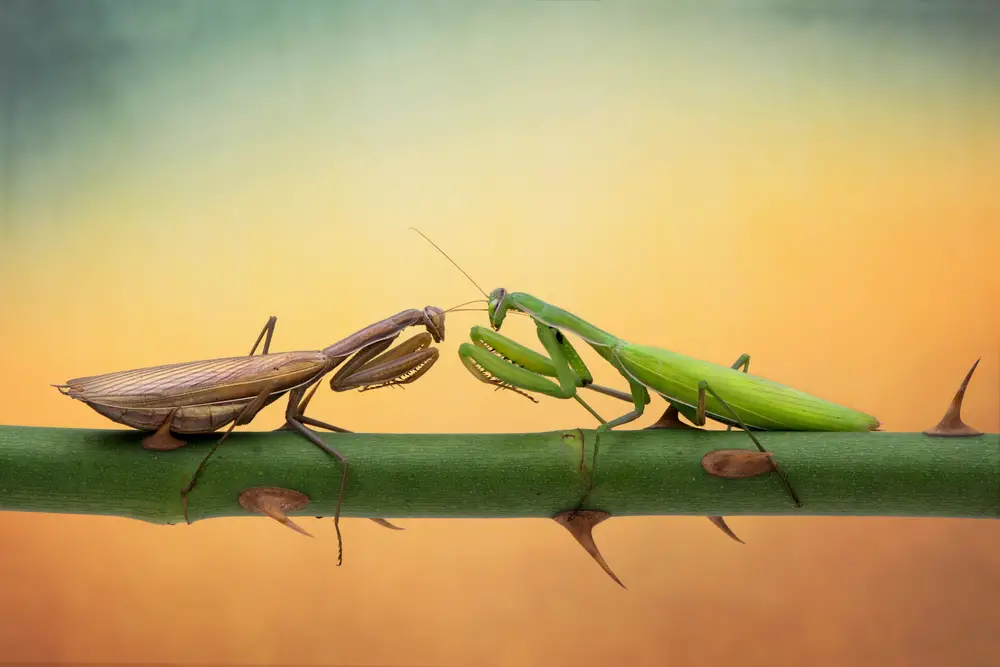
It may look like a peaceful moment, but when a male praying mantis mates, he’s risking everything. The female often begins eating him during or right after mating, starting with his head. This isn’t just a gruesome accident. Experts believe it benefits both insects. “The male continues mating even as he’s consumed, increasing reproductive success,” notes entomologist Oliver Bush. His sacrifice fuels her energy for laying eggs. It’s not about hate or dominance. It’s nature’s oddly effective strategy to ensure the next generation thrives. In a strange way, the male gives life as he loses his own. For mantises, love and loss are wrapped up in the same encounter.
2. Lions and the Harsh Rules of Takeover
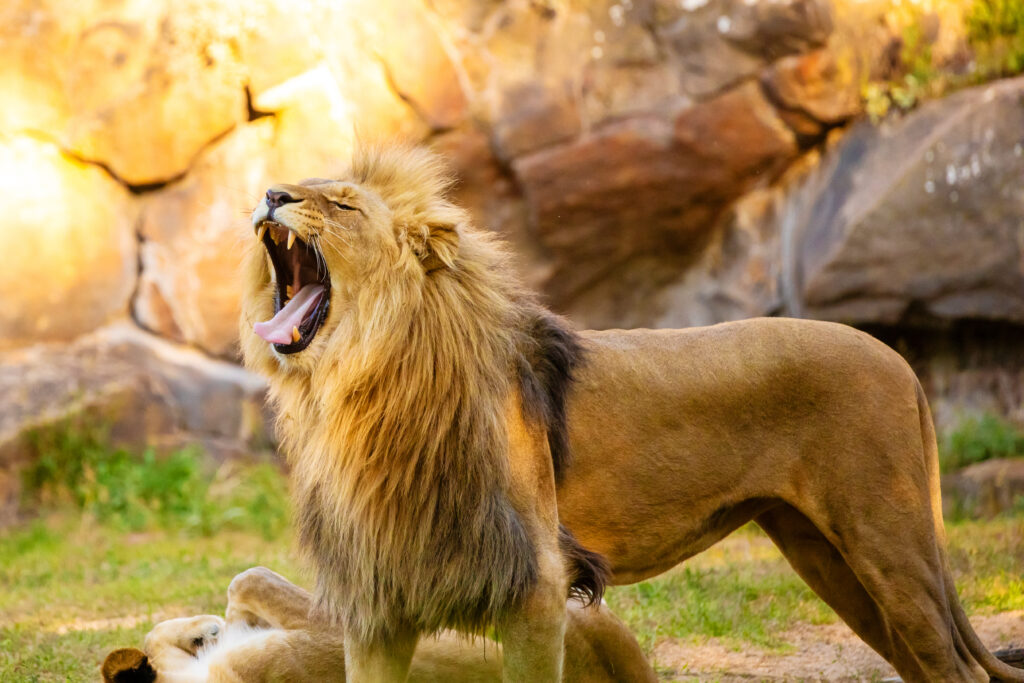
When a new male lion takes control of a pride, the youngest members are often in danger. Cubs sired by the previous male are usually killed, and in some cases, eaten. Though heartbreaking, this resets the reproductive cycle of the lionesses, allowing the new male to pass on his own genes sooner. It’s a brutal shortcut in the race to dominate and reproduce. “Infanticide is a natural part of lion social structure,” explains wildlife researcher Dr. Craig Packer. What seems like senseless violence to us is rooted in evolutionary survival. It ensures his genetic legacy, even if it means the pride experiences sudden and devastating loss.
3. Hamster Moms and the Price of Stress
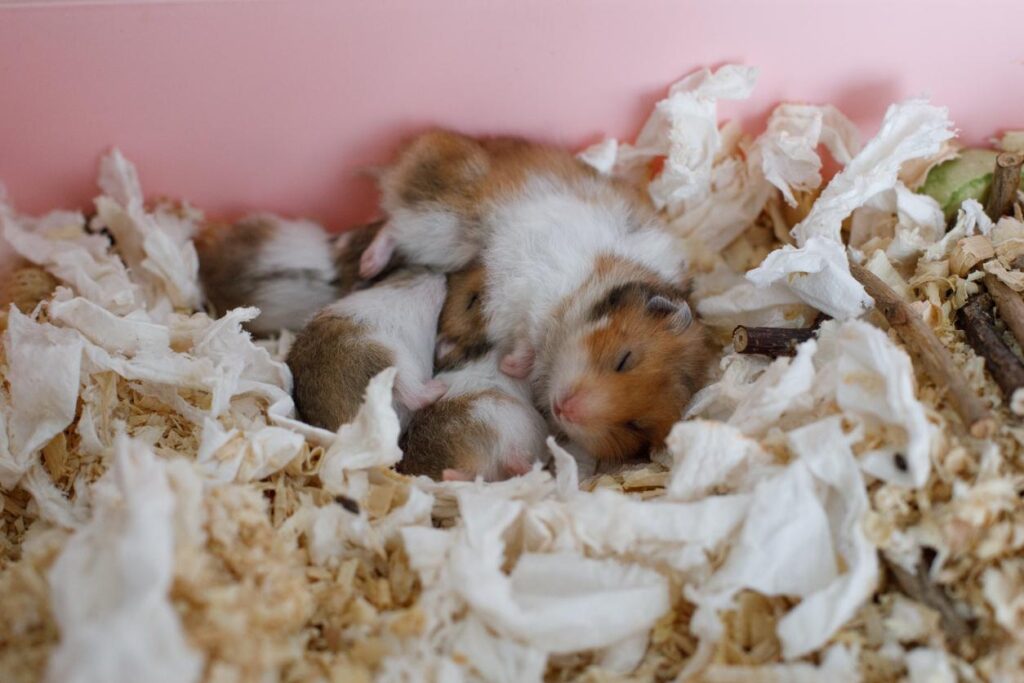
Hamsters are often seen as adorable pets, but their parenting instincts can be startling. Under stress, or if a pup appears sick or weak, mother hamsters may eat their own babies. This behavior is usually a last resort triggered by fear, illness, or overcrowding. “It’s an evolutionary tactic to reduce burden and protect the rest of the litter,” says Dr. Laurie Hess, a veterinarian who specializes in small mammals. While it’s tragic, the instinct is protective in nature. The mother’s body knows what she can handle, and when overwhelmed, she makes tough choices. In tight quarters and high-pressure environments, even loving mothers can respond in ways we don’t expect.
4. Salamander Siblings and Survival of the Fittest
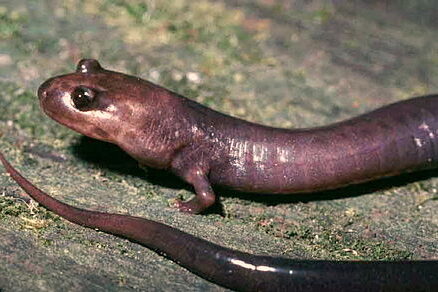
When salamander larvae hatch, the competition begins immediately. In some species, certain larvae grow larger and stronger faster than others. Those with a size advantage often develop wider jaws and start preying on their smaller siblings. This behavior is especially common when food is limited. “Cannibalistic morphs emerge when competition is intense,” explains biologist David Pfennig. It’s a way to eliminate rivals and secure resources. Although it may sound cold, it gives these larvae a better chance at survival and maturity. In seasonal ponds where water and food won’t last long, this aggressive start sets the tone for a tough life ahead.
5. Tigers and the Quiet Reproductive Reset
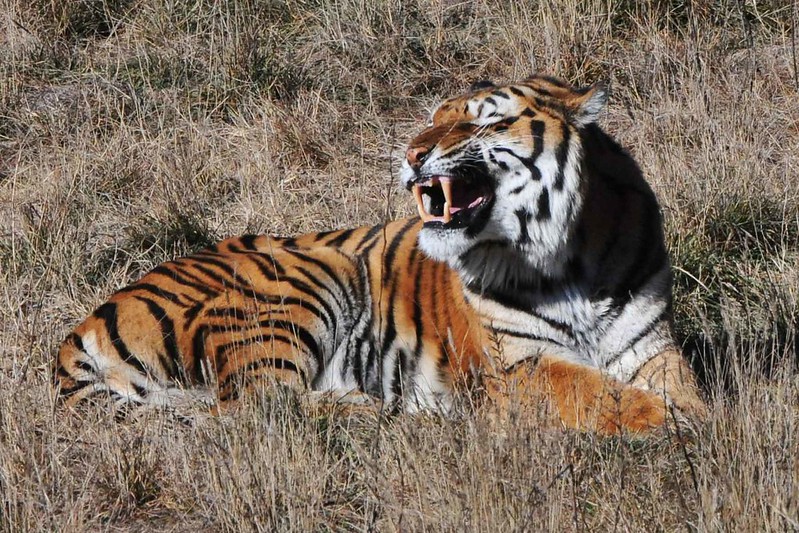
Tigers don’t usually harm their own cubs, but in rare cases, male tigers have been documented killing and sometimes consuming cubs they didn’t father. The goal isn’t just destruction. Without cubs, the female tiger re-enters estrus, making her available to mate again. Researchers believe this behavior allows the male to secure his lineage more quickly. “It’s a tactic similar to lions, though much less common,” notes carnivore ecologist Ullas Karanth. While disturbing to watch, the behavior follows a reproductive strategy that prioritizes genes over gentleness. It reveals how powerful the urge to pass on DNA can be, even in majestic, solitary creatures like tigers.
6. Sand Tiger Sharks and Wombside Warfare
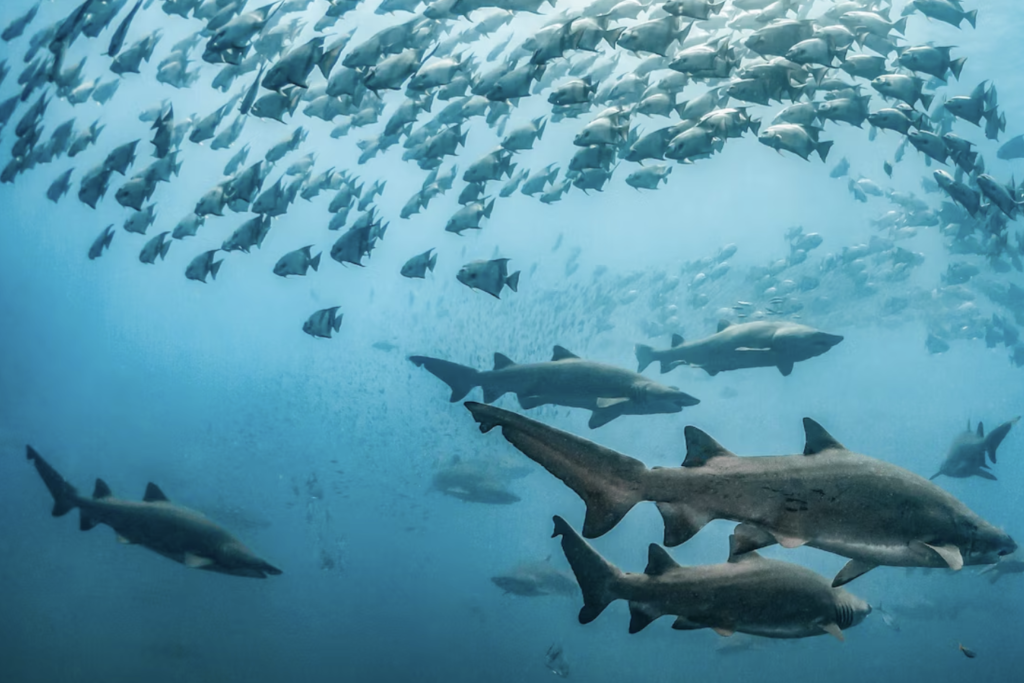
Before they’re even born, sand tiger sharks face their first deadly challenge. Inside their mother’s womb, the largest embryos grow faster and begin eating their unhatched siblings in a process called intrauterine cannibalism. “Only the strongest pup survives in each uterus,” says marine biologist Demian Chapman. This brutal behavior means the newborns are bigger and better equipped to survive the open sea. It’s nature’s way of giving shark pups a competitive edge before they ever meet the outside world. Instead of nurturing a large litter, the mother ensures that one powerful baby stands the best chance. For these sharks, sibling rivalry starts before birth.
7. Polar Bears and the Ice-Driven Hunger
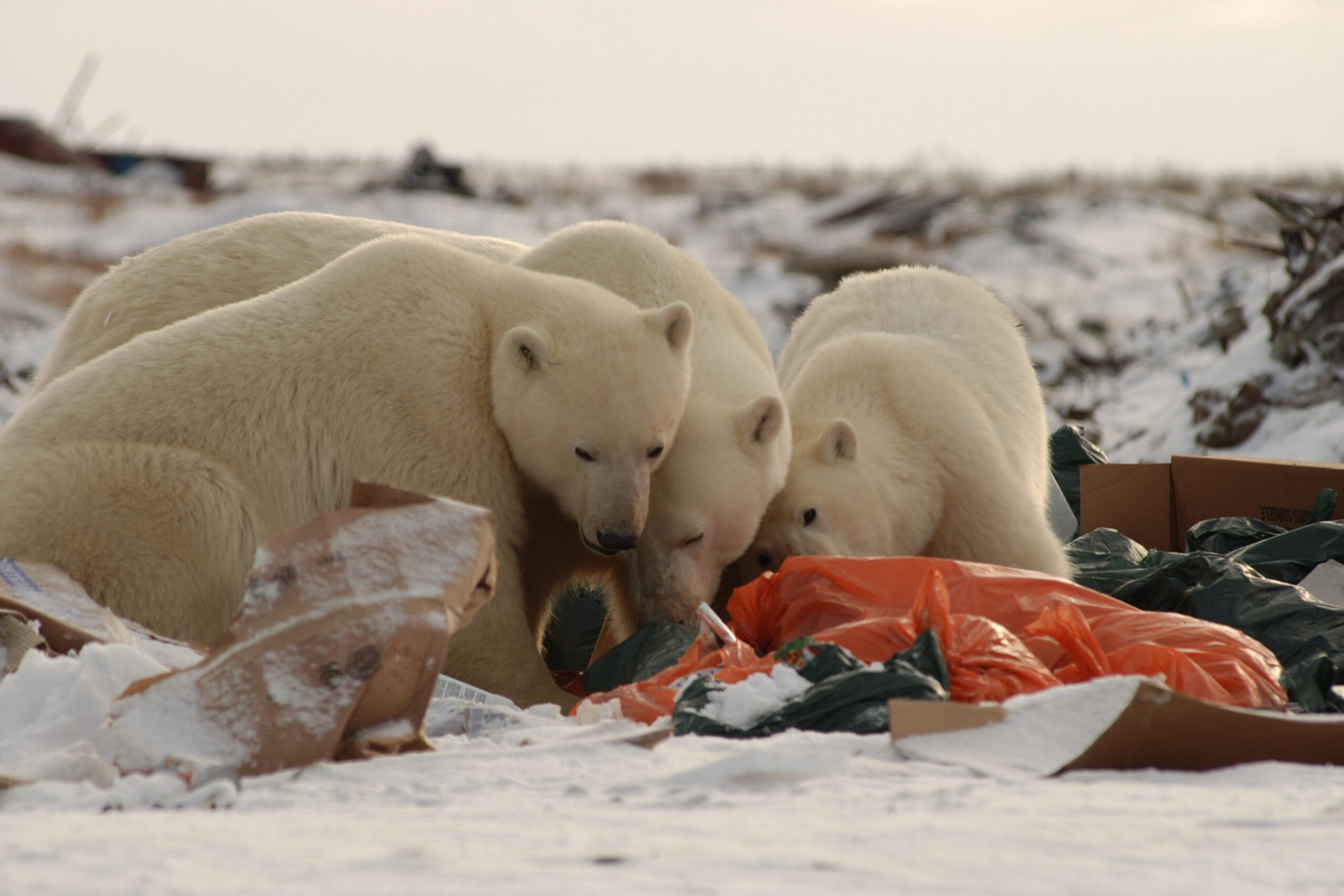
Polar bears are struggling more than ever as climate change melts their icy hunting grounds. In desperate times, adult males have been seen attacking and eating younger bears. This shocking behavior is not typical but has increased in frequency. “Cannibalism is linked to nutritional stress due to habitat loss,” explains polar bear expert Ian Stirling. As seals become harder to catch and sea ice disappears, polar bears are pushed to their limits. The decision to prey on their own kind isn’t taken lightly in the wild, but when survival is on the line, instincts override social bonds. Even top predators are not immune to desperation.
8. Tadpoles and the Hunger for Growth
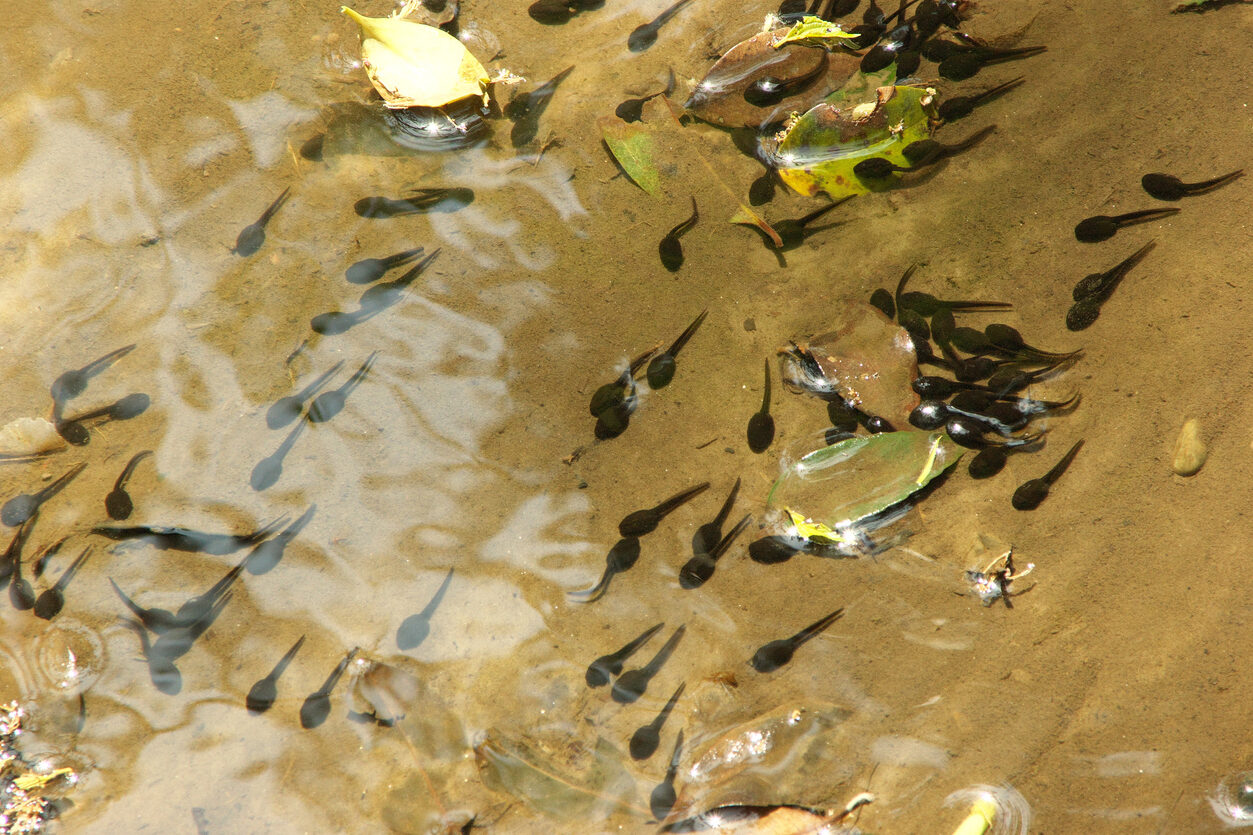
In some frog species, not all tadpoles are gentle vegetarians. A few develop quickly and begin preying on their smaller siblings. These predatory tadpoles have larger jaws and stronger bodies, giving them an edge when food is low. Scientists at the University of Michigan found that these cannibals often grow faster and survive better into adulthood. Eating their own kind may sound extreme, but it can be the difference between life and early death in shrinking pools. In a world of fast change and fierce rivalry, some tadpoles don’t wait for algae. They go after whatever moves, even if it shares their bloodline.
9. Spiders and the Web of Sacrifice
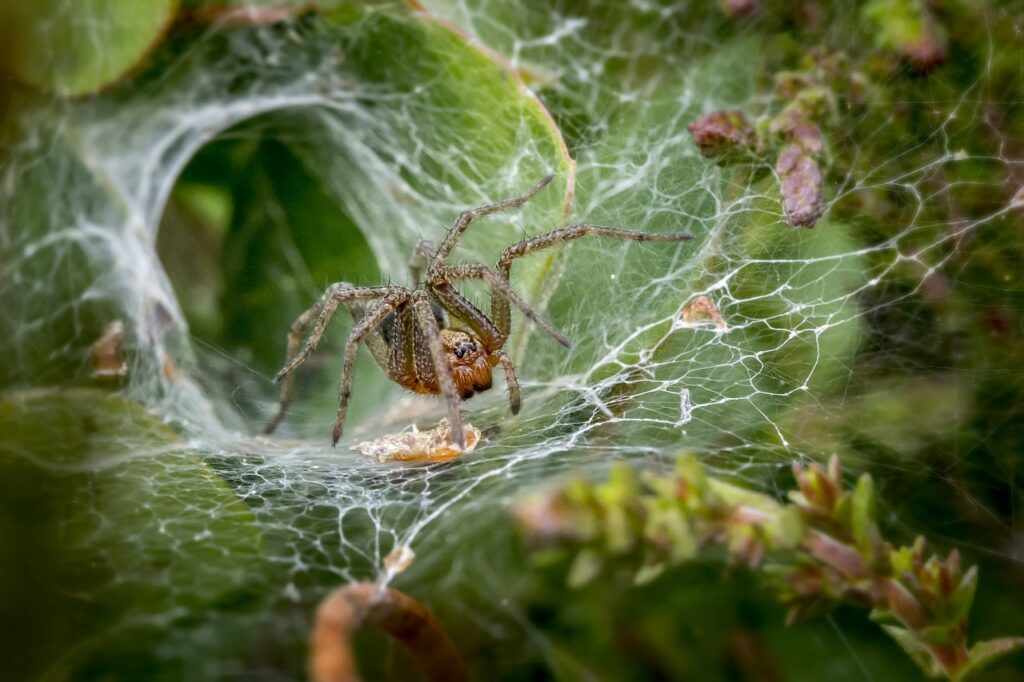
Spiders might look creepy, but some mothers are the ultimate givers. In species like the velvet spider, the mother not only feeds her babies but eventually lets them eat her. This act, called matriphagy, gives the spiderlings a full nutritional boost at a critical stage. “It’s a form of extreme maternal investment,” says arachnologist Linda Rayor. Other spiders eat mates or spiderlings during food shortages. It all depends on the species and the situation. In the web of life, survival sometimes means making the most of what’s nearby, even if it’s family. The cycle continues, strange as it may seem, one bite at a time.
10. Chickens and the Dark Side of the Coop
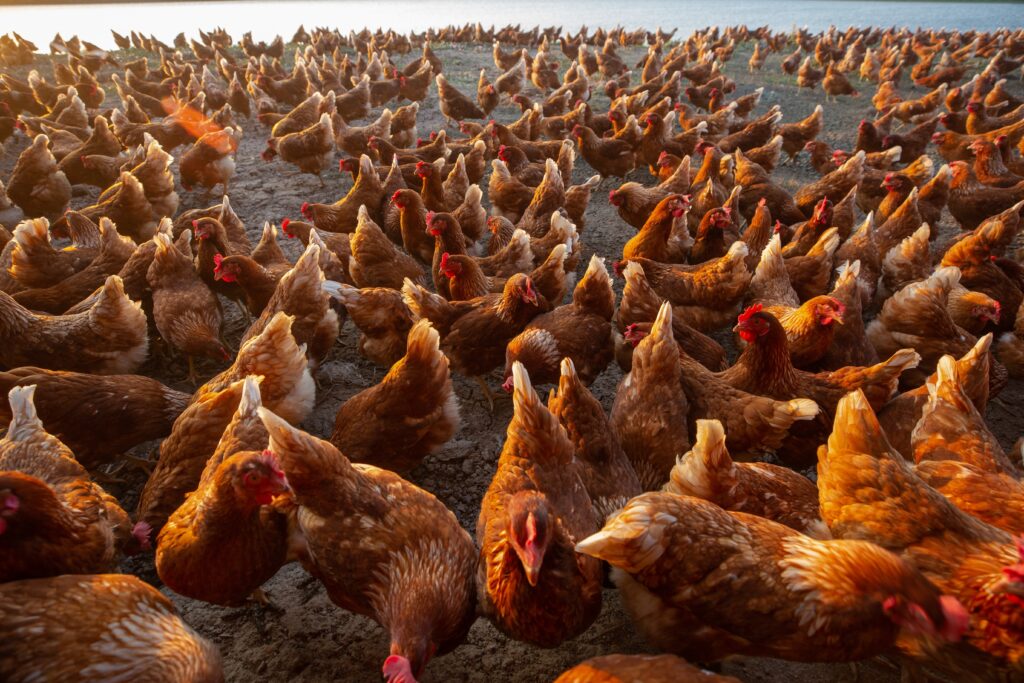
Chickens are usually peaceful foragers, but when their environment becomes stressful, they turn on each other. Overcrowding, poor ventilation, or excessive light can lead to pecking that escalates into full-blown cannibalism. “Stress is a major trigger,” says poultry expert Dr. Claudia Dunkley. Once blood is drawn, others may follow, and the behavior can spiral. Farmers often trim beaks or adjust lighting to prevent outbreaks. It’s not in their nature to be violent without cause, but high-pressure conditions push even calm birds to act out. What begins as discomfort can grow into a crisis if no one intervenes. The right setting makes all the difference.
11. Chimpanzees and the Violent Edge of Intelligence
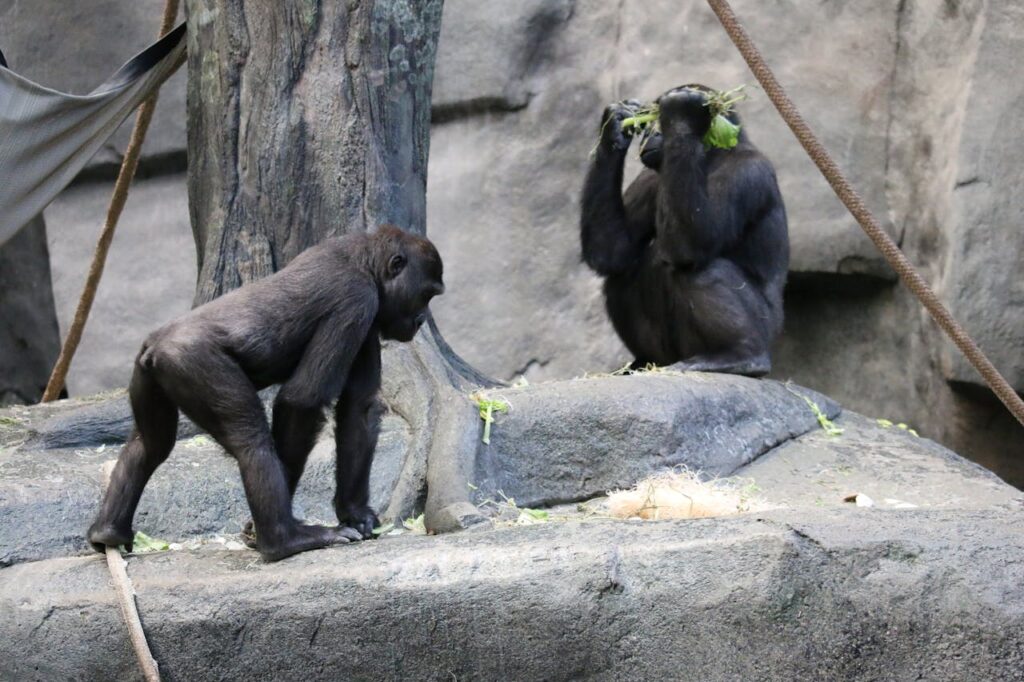
Chimpanzees share over 98 percent of our DNA, and just like us, they form complex social groups. But those groups can turn deadly. In the wild, chimps have been seen killing and eating the infants of rival troops. It’s a grim tactic meant to assert dominance and reduce competition. Primatologist Jane Goodall documented these events, describing them as early forms of organized violence. Though rare, they reveal how close our evolutionary cousins can come to behaviors that disturb us. For chimps, strength, hierarchy, and control matter deeply. And sometimes, those instincts push them to make choices that echo through generations.
12. King Cobras and the Cold Logic of Appetite
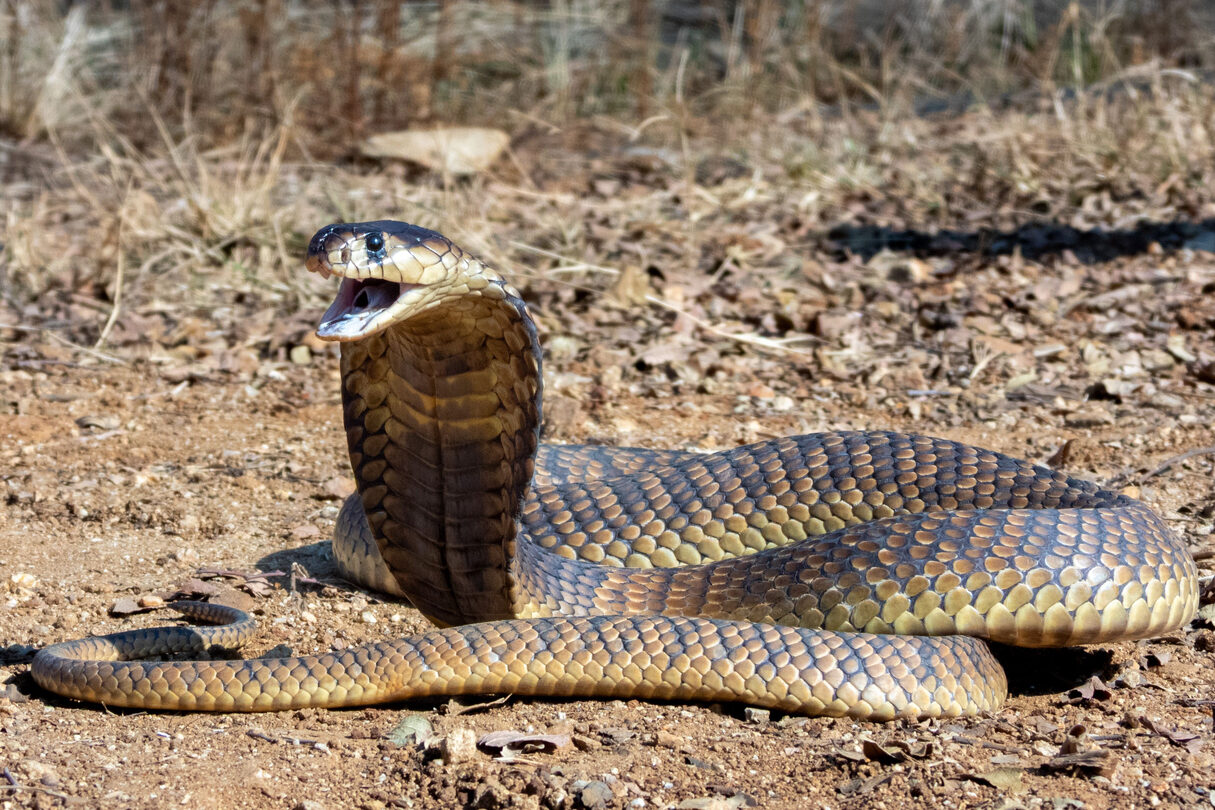
King cobras are the world’s longest venomous snakes—and they have a taste for their own kind. These snakes specialize in eating other snakes, including other king cobras when available. “They’re ophiophagous, meaning snake-eating by nature,” explains herpetologist Bryan Fry. It’s not about territory or anger. It’s just practical. In ecosystems where snakes are common, king cobras see an easy meal. If another cobra wanders into range, it’s fair game. This behavior reminds us that in the wild, food doesn’t come wrapped in neat labels. It moves, it hisses, and sometimes it looks just like you. Hunger makes the rules, not loyalty.
13. Octopuses and the Lonely Endgame
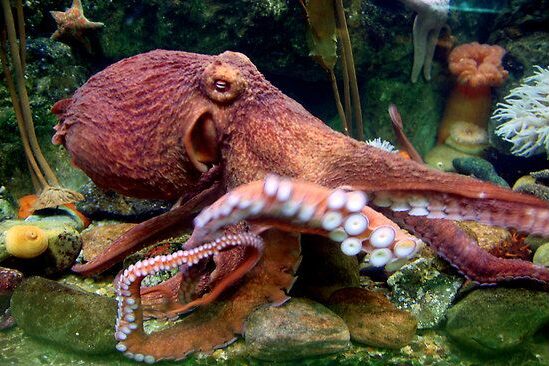
Octopuses are brilliant but solitary. In some species, individuals have been known to eat their own limbs or even attack fellow octopuses. These acts often happen under stress, confusion during mating, or when food is hard to find. “Octopuses have complex nervous systems, but they can react in ways that seem irrational,” says marine biologist Jennifer Mather. In captivity especially, self-cannibalism has been observed when the octopus becomes overstimulated or bored. It’s a tragic display of how intelligence and isolation don’t always mix well. In the end, nature doesn’t make moral judgments. It only pushes each creature to survive, one way or another.
This story 13 Animals That Eat Their Own Kind and Why Nature Allows It was first published on Daily FETCH


