
1. Morning Stretch
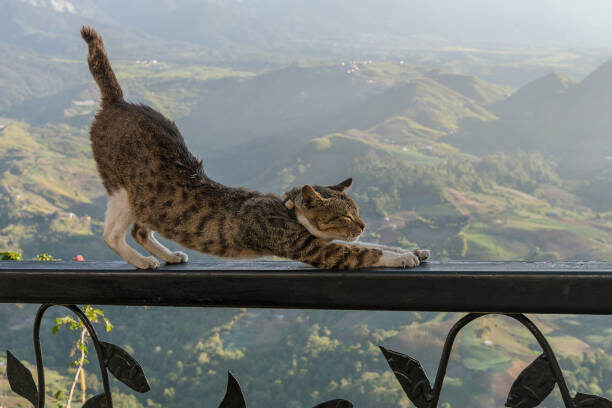
Have you ever noticed your cat or dog stretching in the morning and thought it’s just laziness or a quirky habit? In reality, stretching is an essential part of their daily routine, preparing muscles and joints for the day ahead. For animals in the wild, stretching isn’t just comfort, it’s survival. A leopard in the savannah stretching before a hunt or a deer flexing its limbs before foraging is carefully preparing the body for movement. Veterinarians explain that stretching improves blood flow, helps joints and muscles perform optimally, and reduces the risk of injury. In domestic pets, the same behavior persists, reflecting their ancestral instincts.
Stretching also has psychological benefits. For cats, a slow, full-body stretch can be a way to release tension, mark territory, or even communicate relaxation to nearby humans and other animals. Observers often see a dog roll over and stretch out after waking, which seems cute but is part of an instinctive routine developed over thousands of generations. Even birds, such as chickens or parrots, stretch their wings and legs each morning, keeping muscles strong and ready for flight or movement. These morning stretches are a small but important reminder that what may seem like a casual, lazy act is actually a deeply ingrained, survival-driven habit. Observing your pets in this light helps you see the hidden layers of instinct woven into everyday animal behavior.
2. Head Tilts
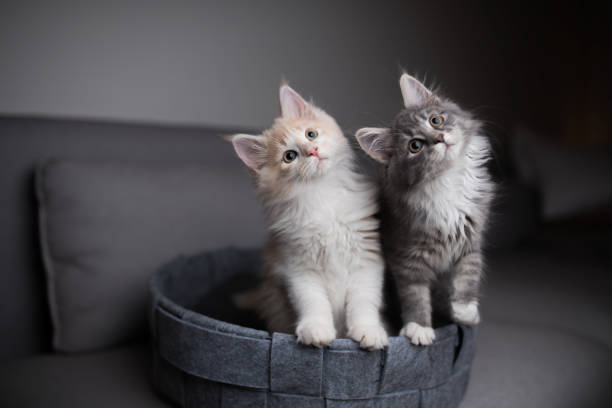
When a dog or cat tilts its head at a curious sound or sight, it often looks adorable or amusing, but there’s a real purpose behind the motion. Head tilting is an instinctive behavior that helps animals perceive the world more accurately. Scientists explain that adjusting the angle of the head allows better localization of sounds or visual cues. Dogs might tilt their heads to pinpoint a distant noise, while birds adjust their gaze to better spot predators or food sources. Even humans notice the charming effect of a head tilt, but what seems whimsical is actually precise sensory processing.
Head tilts also reflect learning and engagement. Your dog may cock its head when it hears a new word or command, signaling it is trying to understand and decode information. Birds might tilt to judge distances while hopping from branch to branch, and cats may adjust their heads when watching the movement of small prey. By observing these behaviors, it becomes clear that animals are constantly interpreting their environment and gathering crucial information. These subtle movements, seemingly random, are highly purposeful, blending curiosity, survival, and learning into a small, everyday gesture. It’s a gentle reminder that even minor behaviors often carry significant meaning in the animal world.
3. Circle Before Rest
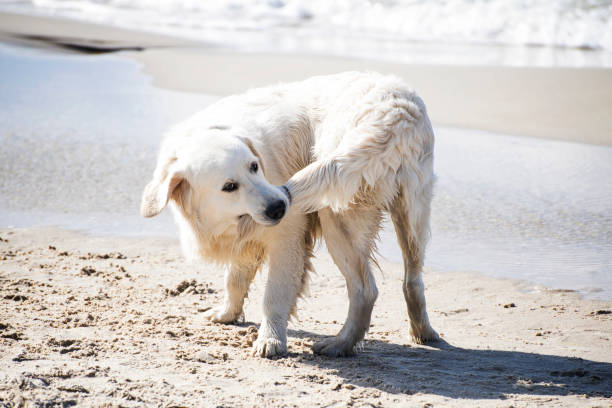
If you’ve watched a dog, cat, or even a wild animal like a fox, you’ve likely seen them circle a few times before lying down. While this may look like a quirky habit, it’s actually a survival instinct carried over from their wild ancestors. Animals in the wild would circle to flatten grass, clear debris, or check for hidden dangers such as snakes or insects before settling down. Circling also helps them gauge the safety of their surroundings, making sure predators aren’t nearby and that their resting spot is optimal. Zoologists emphasize that domestic pets carry this behavior from evolutionary memory, even if no immediate danger exists in our homes.
In addition to safety, circling improves comfort. By moving around and adjusting the position, animals create a soft, stable, and safe resting space. Dogs in homes may do this on carpets or beds, while cats do similar movements on blankets or cushions. The behavior is also an expression of instinctual rhythm and pattern, showing that even domesticated pets carry traces of wild survival skills. Observing this habit reveals how deeply ingrained behaviors can persist, blending comfort, instinct, and environmental awareness. The next time your pet spins before lying down, you’re witnessing a moment where natural instinct and everyday routine intersect beautifully.
4. Grooming Rituals
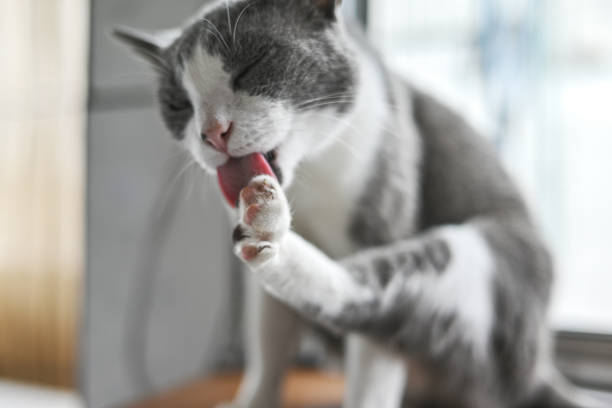
It may seem like a cat or a bird is just obsessively licking or preening itself, but grooming is far from random. For animals, grooming is essential for hygiene, health, and even social bonding. Cats spend a large portion of their day grooming, cleaning their fur, removing parasites, and spreading natural oils to keep coats smooth and insulating. Birds preen to align feathers, remove dirt, and maintain waterproofing. In social species like monkeys or wolves, grooming also strengthens relationships, signaling trust and hierarchy within the group.
Interestingly, grooming serves a psychological purpose as well. Studies show that repetitive grooming behaviors can reduce stress and anxiety in animals, functioning almost like meditation. For cats and small rodents, licking or preening releases endorphins, making them feel calm and comfortable. Social grooming in primates or birds encourages cooperation and reinforces bonds that are crucial for survival. Even in domestic pets, what seems like obsessive cleaning is actually an instinctual and beneficial habit, rooted in evolution. So, next time your cat spends an hour carefully grooming, remember it’s part hygiene, part stress relief, and part instinct, a perfectly logical habit disguised as a quirky routine.
5. Hoarding Food

If you’ve ever caught your dog or cat “stashing” treats under the couch, don’t laugh too quickly, this is an instinct with a purpose. Many animals, from squirrels to foxes to domestic cats, naturally hoard food to ensure they have reserves during scarcity. In the wild, food sources can be unpredictable, so hoarding ensures survival when meals aren’t guaranteed. Even domestic pets inherit these instincts, storing snacks or kibble in corners, beneath furniture, or other hidden spots.
Hoarding isn’t purely about survival,.it also reduces competition. By keeping food hidden, an animal prevents other animals from accessing it. For humans observing this behavior, it can seem quirky or irrational, but biologists note that the impulse is deeply ingrained. Some pets may even “relocate” their stashed items over time, indicating careful planning and memory use. Understanding hoarding as a natural, evolutionary habit helps owners interpret quirky behaviors with empathy. It’s a fascinating reminder that what looks random is often deeply logical when seen through the lens of instinct and survival.
6. Tail Wagging
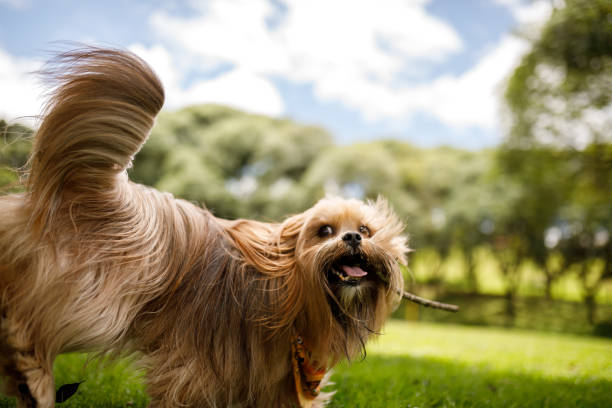
Tail wagging is one of the most recognizable animal behaviors, especially in dogs, but it’s far more nuanced than a simple “I’m happy” signal. Dogs use tail movements to communicate mood, intentions, and even health. Studies show that a wagging tail isn’t always positive dogs may wag when anxious, excited, or alert. The speed, direction, and height of the wag all carry subtle messages to other dogs and humans. Similarly, cats, horses, and some wild mammals use tail movements to communicate, balance, and interact with their environment.
Tail wagging also reflects emotional intelligence. Dogs, for instance, can modify their wagging depending on the situation, demonstrating awareness of social cues. Horses swish tails to signal irritation or deter insects, while some monkeys and foxes use tails for balance and communication simultaneously. Even if humans often interpret wagging as joy, it’s really a complex system of communication developed over centuries. Observing these behaviors reminds us that animals convey feelings, intentions, and survival strategies subtly, behaviors that may seem random to us are often precise and meaningful.
7. Nighttime Roaming
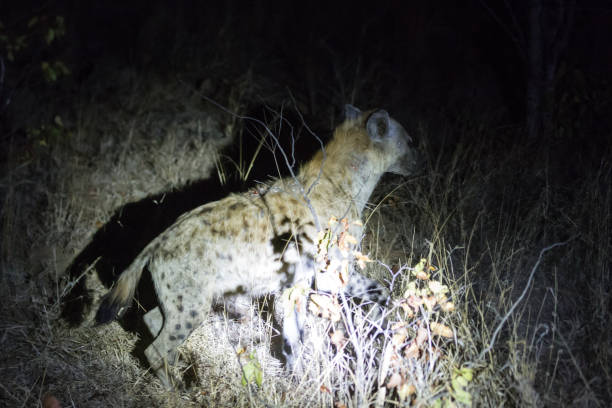
Many animals, from owls to foxes to house cats, are active at night, and it can look random to an observer watching a quiet home or forest. But nighttime activity is a carefully tuned survival strategy. Nocturnal animals have evolved to hunt, forage, or patrol territories under the cover of darkness, avoiding predators or competitors. Their eyes, ears, and even whiskers adapt to low-light conditions, allowing them to navigate and find food efficiently while staying out of sight.
For domestic pets, nighttime roaming can be a leftover instinct. Cats, in particular, retain hunting behaviors, pacing through rooms or windowsills during the night as if on a stealthy mission. Biologists note that even seemingly aimless wandering often serves multiple purposes: mapping territory, exercising, or seeking hidden food sources. In essence, what may look like random pacing is a sophisticated blend of instinct, strategy, and survival needs. Observing this behavior with curiosity rather than frustration can deepen our appreciation for how animals interact with the world on their own terms.
8. Water Play
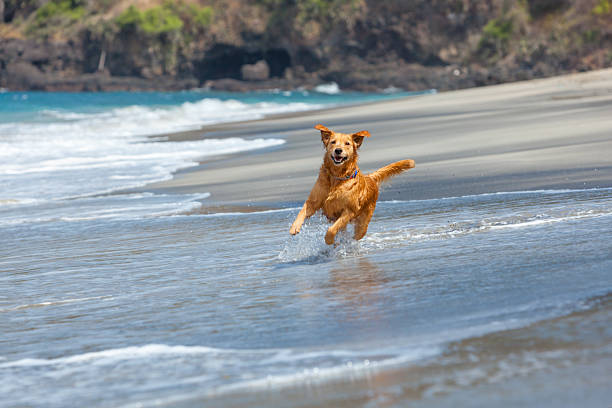
You might notice dogs splashing in puddles, birds hopping in birdbaths, or otters sliding into rivers, and it can seem purely playful. Yet water interaction is often purposeful. For many animals, water serves hygiene, thermoregulation, or hunting functions. Birds bathe to keep feathers clean and free of parasites, while dogs and other mammals cool off in water and stimulate their skin. Play is layered on top of necessity, combining learning, exercise, and social bonding with physical needs.
Behavioral scientists also highlight the cognitive benefits of water play. Otters, for example, use slides in rivers to develop coordination and social skills, while young dogs may splash as part of problem-solving and exploratory learning. For humans observing these antics, it looks like fun, but the behavior is a fusion of instinct, survival, and enjoyment. Water play reminds us that animals often combine functionality with joy, making what seems random an intricate adaptation to their environment.
9. Sunbathing

Many animals, from reptiles to cats to birds, are often seen basking in the sun, and it might appear lazy or purposeless. In reality, sunbathing serves essential biological functions. For reptiles, sunlight helps regulate body temperature since they are cold-blooded. Cats and other mammals use sunlight to boost vitamin D, relax muscles, and enhance circulation. Birds use warmth to energize their bodies before flight or hunting.
Sunbathing also has social and psychological benefits. Cats and primates may select sunny spots as part of a safe resting routine, signaling a secure environment. Sunlight influences circadian rhythms, affecting sleep patterns and hormone regulation in many species. So, when an animal stretches in the sun, it’s not just indulgence, it’s a combination of energy management, health optimization, and comfort-seeking. Observing this behavior can inspire humans to notice the harmony between nature and daily life, and how even simple routines carry layered benefits.
10. Food Sharing

At first glance, animals sharing food can seem surprisingly altruistic, but it often follows evolutionary logic. Wolves, primates, and even birds like ravens have intricate systems where dominant members distribute food to kin or allies. Sharing strengthens social bonds, ensures survival of the group, and reinforces hierarchies. In many species, generosity can directly improve an individual’s long-term security within a community.
Food sharing is also a learning opportunity. Young animals observe and practice cooperation, understanding the social rules that will keep them safe and connected. Scientists studying primates note that those who share wisely often gain reciprocal benefits later. What looks like generosity is really a strategic, instinctual behavior aimed at group cohesion and survival. For humans, these habits offer insight into the origins of social structures, cooperation, and even empathy across species.
11. Scent Marking

You’ve probably noticed dogs sniffing poles or cats rubbing against furniture. This isn’t random, it’s communication. Scent marking lets animals claim territory, signal reproductive status, and convey information to others. Wolves, big cats, and rodents leave chemical traces to warn intruders or attract mates, relying on a language of smell that humans often can’t detect.
Scent marking also reinforces social boundaries. In group-living species, consistent scent communication reduces conflict, guiding interactions without direct confrontation. Experts emphasize that these behaviors reflect intelligence and environmental awareness rather than randomness. For domestic pets, rubbing against furniture or clothing can mimic these ancestral habits, connecting them to instinctual ways of navigating social and territorial life. Understanding scent marking offers a window into animal psychology and natural communication.
12. Nest Building
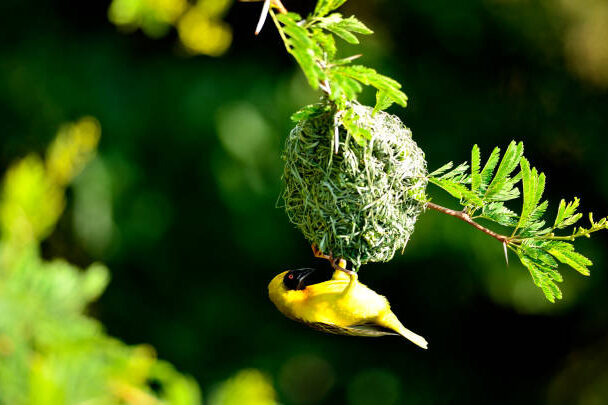
Birds weaving nests or rodents crafting burrows might look like random construction, but every move has purpose. Nest building ensures safety, warmth, and the survival of offspring. Birds select materials based on durability, insulation, and camouflage. Rodents design burrows to evade predators, store food, and regulate temperature. Every twist, weave, or pile of material is intentional, reflecting adaptation and experience.
Nest building is also a form of learning. Young animals often practice creating small structures, gradually mastering the skills required for survival. Scientists note that mistakes in early attempts are crucial for cognitive development and problem-solving. For humans observing this behavior, it’s easy to admire the craftsmanship, but it’s also a reminder that animal behavior blends instinct, planning, and environmental awareness. What seems random is actually methodical and highly functional.
13. Migration

Perhaps one of the most awe-inspiring behaviors is migration. Birds, whales, and even insects like monarch butterflies travel thousands of miles, and it may seem mysterious or spontaneous. But migration is guided by environmental cues, internal clocks, and survival needs. Animals follow seasonal changes, food availability, and breeding patterns with astonishing precision, often returning to the same exact spots year after year.
Migration also requires memory, navigation skills, and social coordination. Birds use the sun, stars, magnetic fields, and landmarks to navigate, while whales rely on sonar and social learning. This behavior exemplifies instinct coupled with intelligence, far from random, every leg of the journey is calculated to maximize survival and reproductive success. Observing migration offers humans a lens into resilience, timing, and interdependence in nature. It’s a reminder that what seems spontaneous often hides deep strategy and natural wisdom.


