
1. Bodie, California
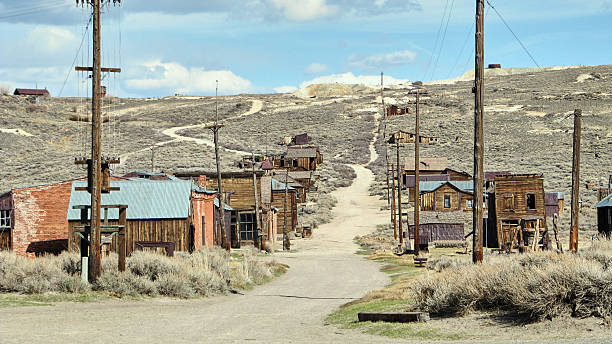
Sometimes the West still speaks to you in tumbleweed and dusty boardwalks, and Bodie, California, is one of the purest voices in that conversation. Once a lively gold-mining boomtown in the late 1800s, Bodie reached a population near 10,000 at its peak, with saloons, churches, schools, and a wild reputation that beckoned fortune seekers from all corners of the frontier. Today the town is a State Historic Park where the buildings stand under the vast Sierra Nevada sky, preserved in arrested decay, which means letting it remain exactly as it was left, with furniture still inside and goods on dusty shelves, like the last residents simply stepped out for lunch and never came back. Walking its streets, you can almost hear the clink of miner’s boots on wood and imagine the lively bustle that once filled these quiet avenues.
For many visitors, photographers, history buffs, and road trippers, Bodie feels like a snapshot of a moment you can wander into. The silence doesn’t feel eerie so much as thoughtful, like a gentle nudge to remember how dreams of fortune once shaped lives and places across America. It’s the kind of spot that invites you to pause, let your imagination rise with the mountains, and reflect on the iron-willed people who carved out life here more than a century ago. If you’ve ever wondered what time capsules look like in real life, Bodie is a perfect reminder that history can be found in the spaces between then and now.
2. St. Elmo, Colorado
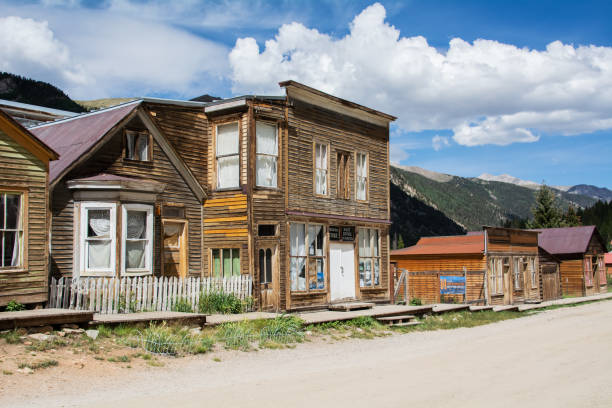
Hidden among the sawtooth peaks of the Colorado Rockies is St. Elmo, a ghost town that still feels like it hasn’t quite decided to leave the 19th century behind. Gold and silver mining once made this mountain community hum with purpose, attracting families, shopkeepers, and wanderers alike. When the ore veins ran out, the town emptied, but more than 40 original buildings remain, including a saloon facade, a church steeple, and a weathered post office, each telling a quiet story without shouting. Today, St. Elmo’s rustic charm draws photographers and history lovers who enjoy wandering its dirt-strewn main street under sky-high peaks that seem to cradle every echo.
There’s no feeling here of harsh abandonment, just a gentle pause, like life decided to take a long breath and step aside. Hikers and campers come through to explore the nearby trails, but the heart of town stays still, old boards warm under the sun and cool under the stars. It’s easy to imagine chuckwagons rolling down these paths or miners leaning against a post after a long day’s work. Visiting feels less like entering a ghost town and more like stepping into a quiet moment of the past that’s waiting to be noticed. If you’re drawn to peaceful places that feel like memories you haven’t lived yet, St. Elmo quietly invites you in.
3. Rhyolite, Nevada
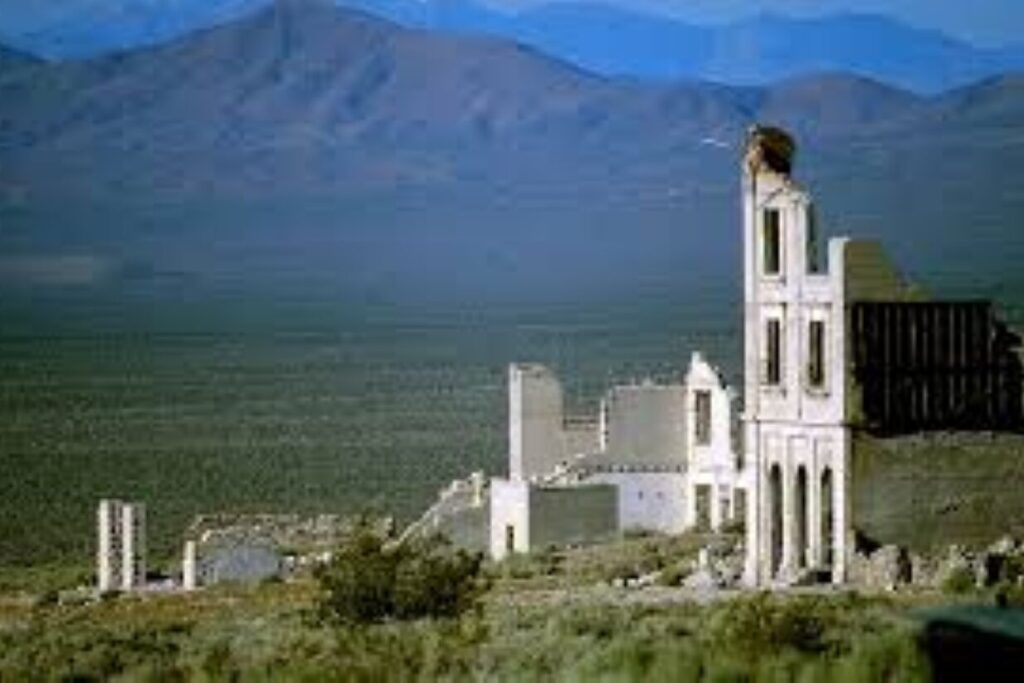
Out in Nevada’s red-gold desert where heat dances above the sand, Rhyolite stands as a silhouette of boom-and-bust dreams. At the start of the 1900s, prospectors flocked here after strikes of gold were rumored in the hills, sprouting a town with a stock exchange, banks, and a bustling main street in just a few short years. But when the riches didn’t last, houses, hotels, and businesses emptied almost overnight, leaving behind stone and brick echoes of what was once hoped to be a lasting legacy. Today, the skeletal remains of a train station, schoolhouse, and other structures give Rhyolite a haunting yet beautiful quality, like art made by time and wind rather than human hands.
Unlike some preserved parks, Rhyolite’s charm isn’t in neat presentation but in its raw, sun-bleached honesty. Shards of walls lean into the blue sky, casting long shadows come evening, and the desert claims the ground around them one grain at a time. There’s a peace here that’s hard to describe, deeper than silence and softer than solitude, like being in a place where nature and history reach a quiet understanding. For those who love wide-open spaces and stories that unfold slowly, Rhyolite is one of those rare corners where you feel history’s breath around you. This place invites you to wander off the beaten path and see how many forgotten chapters America still holds.
4. Garnet, Montana
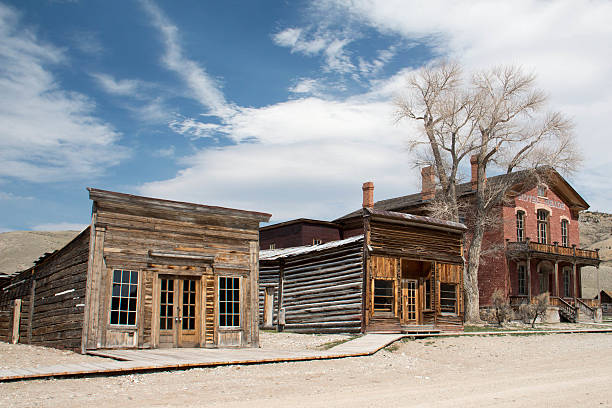
Montana’s mountains hide many secrets, and Garnet is one of the most evocative, nestled in pines and wind-whispered valleys. In the late 1800s, prospectors found gold here and built homes, shops, and saloons. Families lived, laughed, and worked the soil and rock, but when fires and falling fortunes brought the boom to a close, few returned to claim what they’d left behind. Today, many log cabins and storefronts remain, gently worn by time but still unmistakably human, like footprints in memory rather than dust. Trails weave in and out of homes, and sunlight paints amber patterns on walls that have stood longer than a lifetime.
Walking through Garnet feels like paging through an old journal. Each building is a chapter, each window a frozen thought. Here, abandoned doesn’t feel eerie; it feels reflective, like a place asking you to slow down and notice things we often rush past, like the color of weathered wood, the curve of a mountain ridge, and the way silence can fill your lungs and make you breathe deeper. Garnet teaches that history isn’t always loud. Sometimes it’s just there, like a half-remembered song in your mind. Let yourself be inspired to explore nature’s quiet history on your next adventure.
5. Calico, California
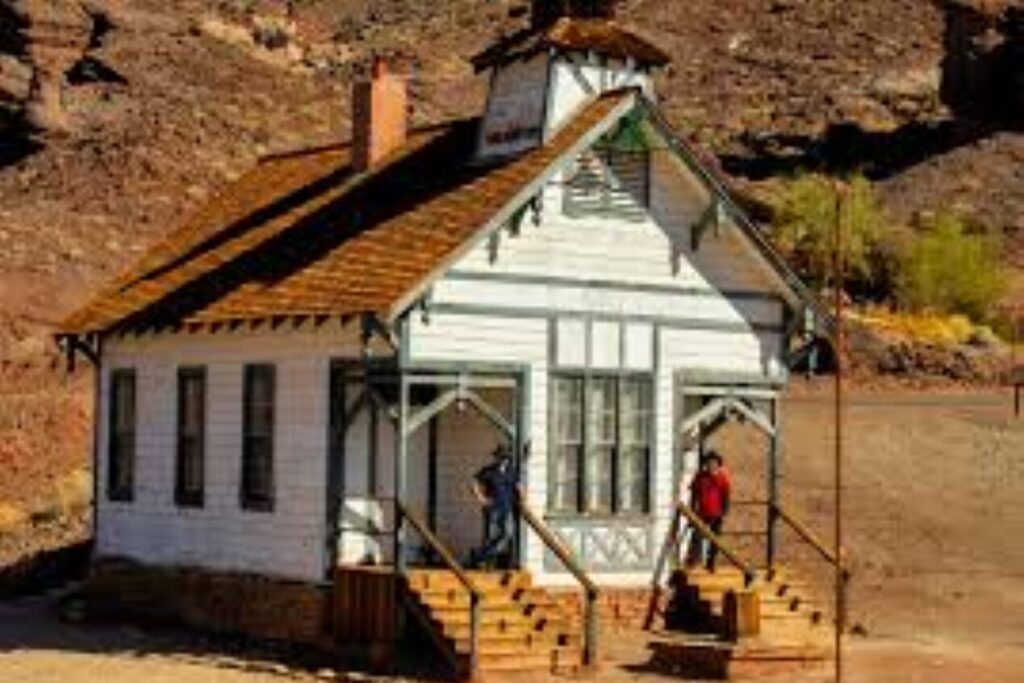
Calico, California, feels like a storybook of silver mining and desert determination. Founded in 1881, it once supported hundreds of miners and their families with saloons, stores, and boarding houses. When the silver market collapsed, Calico was largely abandoned, leaving its buildings as a snapshot of life in the Old West. Today, the town has been restored for visitors while keeping a sense of authenticity, with dust-covered streets, wooden facades, and small details like an old mining cart or sign that hint at the town’s bustling past. Walking through it feels like stepping into a postcard of a bygone era.
Visitors often describe a gentle hum of history as they wander the narrow streets, imagining life in a time when survival depended on grit and luck. Children’s laughter, shopkeepers calling out, and the clatter of pickaxes may be gone, but the structures remain, frozen in the sunlight and desert wind. Calico reminds you that even when a town is empty, the spirit of the people who built it lingers in every plank and stone. Exploring here invites you to consider the stories behind the walls and the people who once called this harsh landscape home. It’s a small but vivid window into America’s mining past.
6. Jerome, Arizona
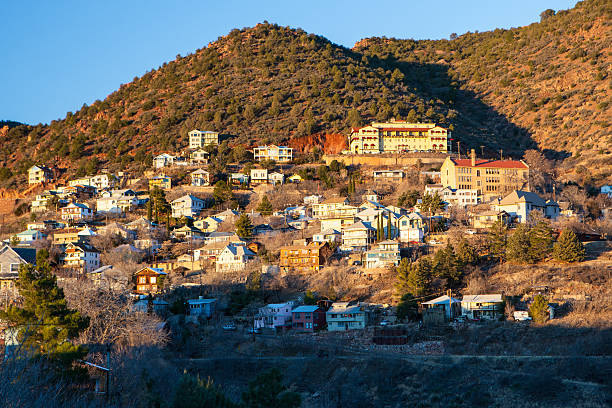
Jerome, Arizona, clings to Cleopatra Hill like a piece of history pressed against the mountainside. Once a booming copper mining town in the early 20th century, Jerome was home to miners, families, and lively streets lined with shops and saloons. As the mines closed, many residents left, and the town transformed into a ghostly silhouette overlooking the Verde Valley. Today, Jerome is part museum, part artist haven, where historic buildings still hold the charm of their original era, with peeling paint, narrow staircases, and storefronts that speak of bustling days long past. Visitors say wandering the crooked streets feels like stepping into a living photograph.
The town’s modern life exists alongside the past, creating a unique rhythm where cafes and galleries share space with old boarding houses and mine entrances. You can imagine the clatter of boots and the hum of copper works echoing from empty halls. Jerome reminds you that even as communities evolve, the remnants of history remain visible if you slow down to notice them. The view of the valley from Main Street, combined with the preserved historic architecture, makes it clear why Jerome is one of the most visited ghost towns in the United States. It encourages visitors to walk slowly, listen carefully, and soak in the stories hidden in every creaky floorboard.
7. Cahawba, Alabama
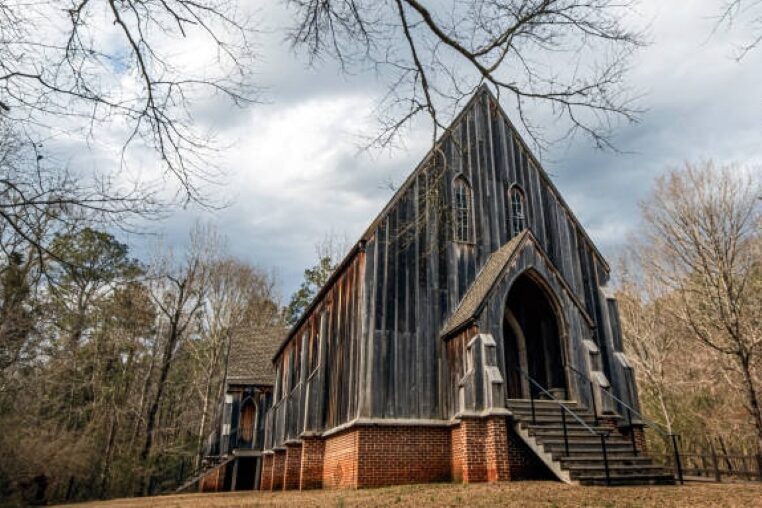
Cahawba, Alabama, once served as the state capital and a thriving river port in the early 1800s. Floods and the Civil War led to a steady decline, leaving behind a town where nature has taken the lead. Today, moss-covered ruins, abandoned churches, and empty foundations hint at a bustling community frozen in time. Visitors can explore walking trails lined with remnants of homes and public buildings, imagining the families and traders who once made this riverside town their home. The quiet flow of the Alabama River gives the place a gentle, reflective atmosphere, allowing you to feel the weight of history without feeling haunted.
Walking through Cahawba is like paging through a forgotten diary. Gravestones tilt gently, doorframes frame the sunlight, and vines crawl over what remains of streets and homes. While the town no longer hosts daily life, its story continues through the silent structures and the preservation work that keeps its history accessible. It’s a subtle reminder that abandonment doesn’t erase memory but rather invites reflection. Exploring Cahawba encourages curiosity and patience, letting you imagine life along the river in a simpler, slower time while appreciating the quiet beauty left behind.
8. Randsburg, California
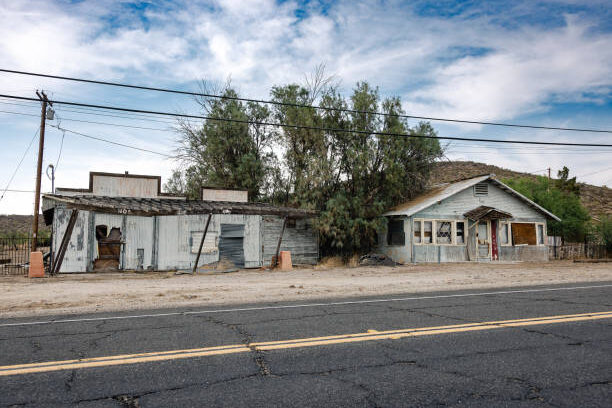
Randsburg, California, lies among the rolling desert hills, a quiet reminder of the gold rush era. Established in the late 1800s, it grew around gold mining, boasting hotels, saloons, and a main street full of life. When the mines dwindled, many residents moved on, leaving the town with an almost frozen feeling of the early 20th century. Today, Randsburg’s dusty streets, historic buildings, and old mining equipment create a scene where visitors can easily imagine daily life in its heyday. Walking along Main Street, it’s easy to picture families, shopkeepers, and miners going about their routines, their presence lingering in the creaking boards and weathered facades.
Randsburg offers a rare chance to step into a place where time has slowed but not disappeared. The surrounding desert light paints buildings in warm hues, and local residents keep a welcoming charm that blends present and past. Unlike some ghost towns left to decay entirely, Randsburg maintains a delicate balance of life and memory. It encourages travelers to slow down, observe details, and appreciate the human stories behind each structure. Visiting is less about haunted legend and more about understanding history as something tangible, walkable, and quietly beautiful. By the time you leave, the town’s soft echoes stay with you, a reminder that every abandoned place holds a story worth noticing.
9. Bannack, Montana
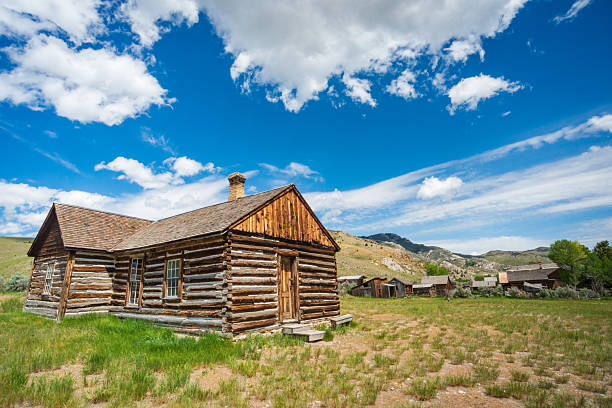
Bannack, nestled in a secluded valley of southwestern Montana, was founded in 1862 after gold was discovered in Grasshopper Creek. It quickly became a booming mining town, complete with saloons, a schoolhouse, and a courthouse. But as the gold rush faded and fortunes dwindled, folks packed up and headed elsewhere. Today what remains is a remarkably well‑preserved ghost town, where weathered wooden buildings stand in silent testimony to a past filled with hope, hardship, celebration, and struggle. Walk past the old Wells Hotel or through the empty schoolhouse, and you can almost hear the distant laughter of children playing in dust‑strewn hallways.
Visiting Bannack feels like stepping into a sepia‑toned photograph, where the light softens every detail and encourages you to slow down. Rather than feel haunted, this place feels honored each board and signpost holds the legacy of miners and settlers whose dreams were bigger than the valley itself. You can wander for hours, imagining the rhythms of daily life echoing in quiet spaces now left to sun and wind. It reminds you that places don’t just disappear; they linger in memory, quiet but undeniable, like footsteps on a path someone once chose with hope in their heart.
10. Thurmond, West Virginia
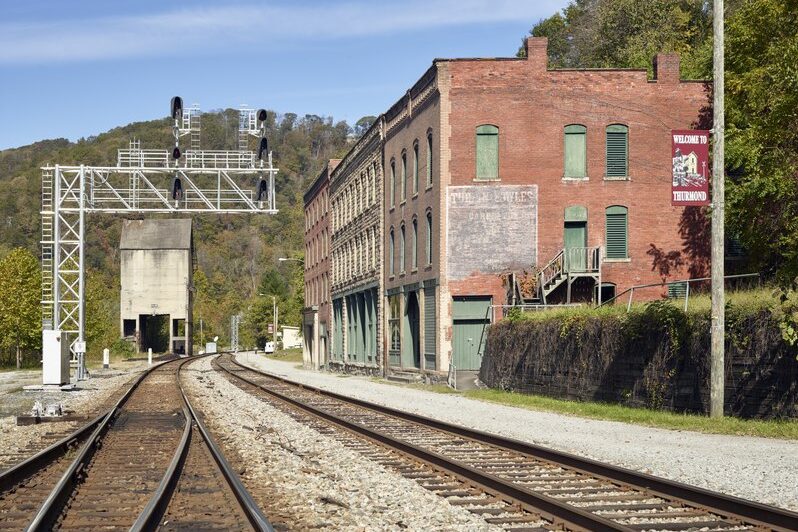
In the heart of the New River Gorge, Thurmond was once one of the richest railroad and coal‑shipping towns in the country. Trains roared through, loading coal and carrying passengers, and the town’s depot bustled with activity. But as rail demand shifted and mines closed, the population dwindled until only a few residents remained. Today, vintage structures including the old bank, general store, and railway station still stand, their windows staring blankly at tracks now quiet much of the time. You can visit, wander along cracked sidewalks, and imagine the whistle of locomotives echoing against canyon walls.
There’s something poetic in Thurmond’s quiet moments, where sunlight bounces off rusted rails and crumbling storefronts like a memory refusing to fade. The absence of crowds makes space for imagination, letting you wonder about the families who once rushed morning breakfasts before work, or the laughter spilling from crowded porches after a long day underground. It’s a gentle, thoughtful place where time halts in the most human way not in eerie darkness, but in quiet reflection. Visiting here feels like meeting an old friend with a lifetime to tell.
11. Terlingua, Texas
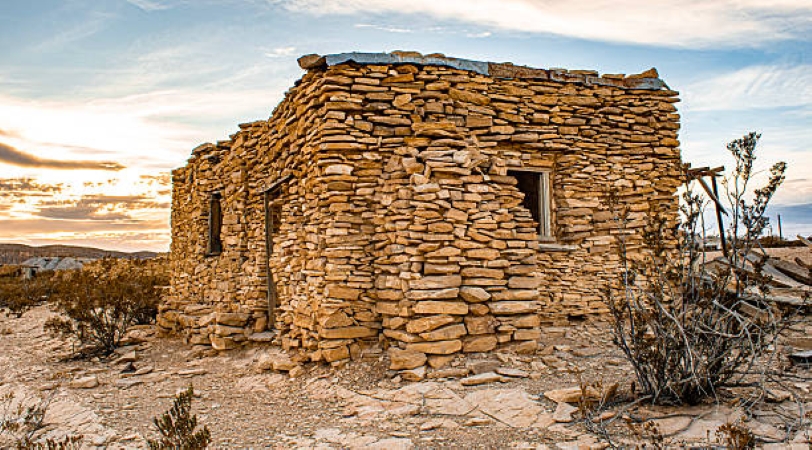
On the western edge of Texas where the desert meets big, wide skies, Terlingua was once a thriving quicksilver mining town. By the 1940s, its production had slowed, and residents left in search of greener pastures. What’s left now is a dreamy roadside town frozen between past and present, where old stone ruins rise among yucca and mesquite, and sunsets bathe everything in a soft amber glow. Artists, travelers, and history seekers find themselves drawn here, wandering driftwood‑strewn pathways and imagining the rhythm of life when miners’ boots echoed on every street.
What makes Terlingua special isn’t just the crumbling walls or the relics of industry; it’s how the land embraces those remnants. In places like the old church or the shuttered general store, you can feel the geometry of time, how the past shapes the present without shouting. Ghost towns can sometimes feel like museums, but Terlingua feels like a paused conversation, one you can join just by standing still for a moment. Perfect for anyone drawn to desert beauty or the quiet stories held in stones and shadows.
12. Cass Scenic Railroad, West Virginia
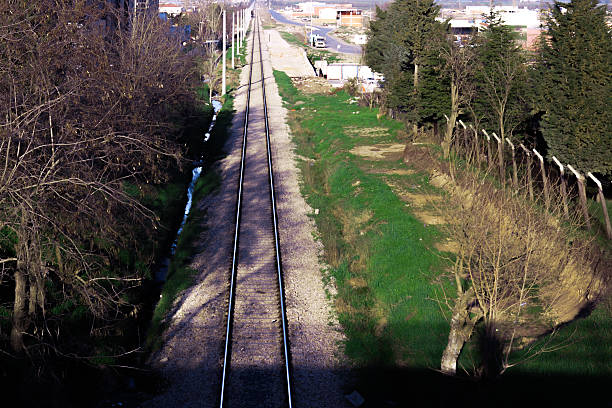
Cass isn’t exactly abandoned in the pure sense, but much of its old logging town remains frozen in the era when steam locomotives ruled the rails. Built to serve timber operations in the early 1900s, Cass once bustled with loggers, families, and the steady roar of freight cars. When the logging industry receded, activity slowed, and many buildings were left untouched. Today the railroad operates as a scenic heritage line, but if you wander off the main path, you’ll still find old boarding houses and depot structures lingering as if waiting for the next shift to begin.
Walking through Cass feels like stepping into another century, where the hiss of steam still hangs in the air and wooden beams hold stories in their grain. You don’t need imagination to feel the rhythm of life that once pulsed here; it’s in the rusted tools, the creaking floorboards, and the quiet hum of the forest that grew up around everything else. Cass reminds you that history isn’t just in textbooks; it’s in the places where people worked and lived, and where change happened slowly, then all at once.
13. Elkmont, Tennessee
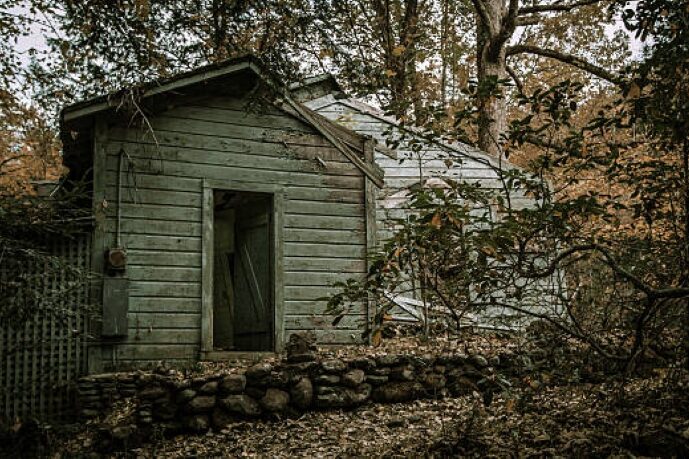
Deep in the Great Smoky Mountains lies Elkmont, once a thriving logging community and later a resort town where families built cabins to escape summer heat. Over time, the logging industry declined, roads changed, and summer visitors shifted elsewhere. What remains now are old cabins and lodges slowly being claimed by moss and vine, their porches whispering memories of laughter, card games, and summer nights long gone. Trails wind through the forest here, inviting you to wander through spaces that feel like memories pressed between tree trunks and wildflowers.
Elkmont’s charm isn’t eerie; it’s reflective. You might pass a weathered porch with an old chair and imagine someone sitting there at dawn, cradling a cup of coffee while sunlight played through leaves. The forest doesn’t erase what was here it gently cradles it, weaving roots around foundations and coloring shingles with time’s soft brush. It’s one of those places that stays with you after the visit, not because it’s spooky, but because it feels like a quiet conversation with history under green, whispering canopies.


