
1. The Side Part Era

Sometimes a trend feels so normal that no one questions it until the next generation arrives and suddenly laughs about it. That is exactly what happened with the side part. For many millennials, flipping the hair dramatically to one side was almost a personality trait. Beauty magazines recommended it, YouTube tutorials praised it, and countless selfies proudly showed it off. It gave the illusion of volume and a slightly dramatic look that people loved. Then Gen Z entered the conversation online and casually declared the middle part the only acceptable option. The shift happened so fast that it turned into a playful internet debate. Suddenly people were joking about how you could identify a millennial from a distance just by the way they parted their hair.
The funny part is that many millennials still stand by their side part with complete confidence. To them it still looks flattering and familiar. Gen Z simply sees the middle part as cleaner and more modern. What makes this trend interesting is how such a small detail turned into a generational marker. Hair parting is hardly a serious cultural issue, yet it became one of the most recognizable symbols of how quickly style moves forward. What once looked effortless and trendy can suddenly look like a small time capsule of another internet era that younger people gently tease today.
2. The Overuse Of Hashtags
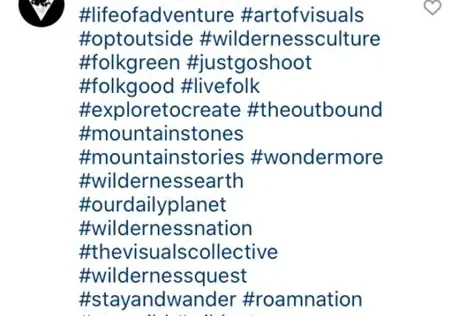
There was a time when posting on Instagram meant writing a caption and then adding a long trail of hashtags underneath. Millennials used them enthusiastically and often without restraint. A single photo might include tags like foodie, blessed, weekendvibes, wanderlust, and several more stacked together at the end. It felt creative at the time because hashtags were still fairly new. They helped categorize posts and gave people a way to discover content from strangers who shared similar interests. Many millennials believed that the more hashtags you used, the more likely your post would reach a wider audience. It became a habit that felt completely normal on social media for years.
Gen Z tends to approach captions in a very different way. Instead of filling the bottom of a post with tags, many younger users prefer a short sentence, a joke, or sometimes just a single emoji. Long strings of hashtags now feel slightly forced to them. Millennials were experimenting with a brand new digital language when social media first exploded, so their enthusiasm made sense. Today the culture has shifted toward simplicity. A quiet caption often stands out more than a crowded one, and that small difference quietly shows how online expression continues changing from one generation to another.
3. Taking Mirror Selfies Everywhere
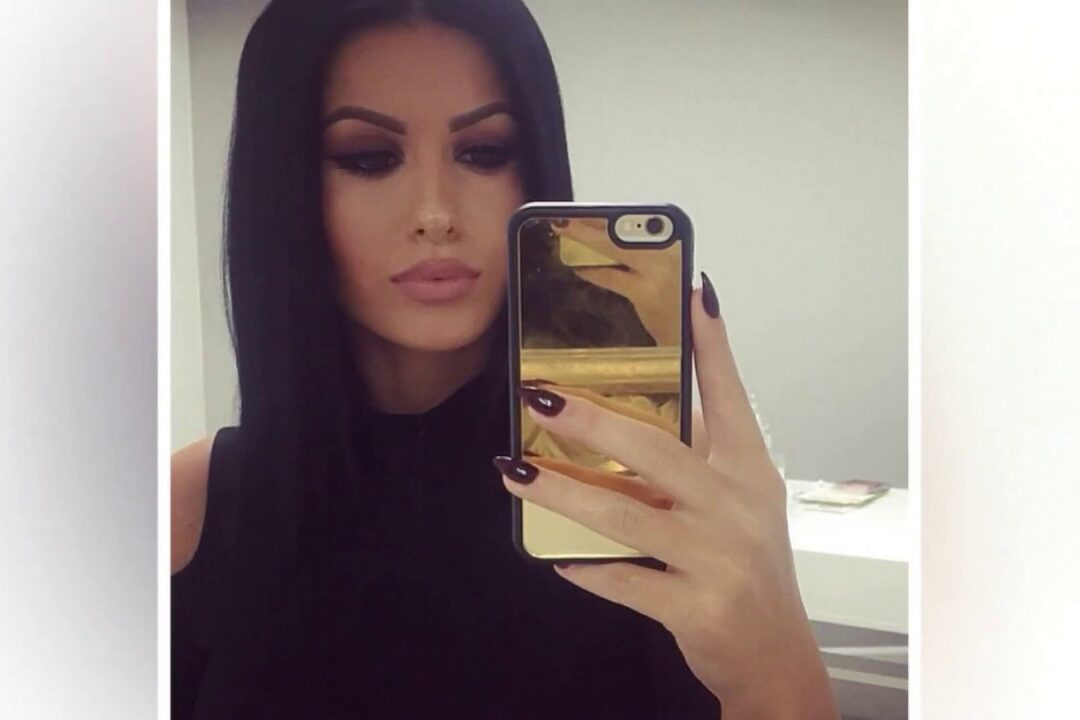
Mirror selfies once felt like the easiest and most natural way to take a picture of yourself. Millennials used them constantly because early phone cameras made it difficult to see what you were capturing. Standing in front of a mirror solved the problem instantly. The pose became familiar everywhere. A person would hold the phone slightly to the side, tilt their head a little, and snap the picture. It became the standard way to show a new outfit, a fresh haircut, or simply document a moment in the day. Bathrooms, bedroom mirrors, and gym locker rooms quietly became the most common photo backgrounds of the early smartphone era.
Gen Z still takes selfies, but the classic mirror pose often feels like a nostalgic throwback to them. Front facing cameras improved quickly and made direct selfies much easier. Younger creators also tend to favor photos and videos that feel spontaneous rather than posed. The mirror selfie is not completely gone, but it carries a certain early Instagram energy that millennials recognize immediately. What once felt modern now looks like a reminder of the time when everyone was just learning how to use their phone cameras.
4. Posting Every Meal On Instagram

Food photography was one of the biggest social media habits millennials embraced. Brunch plates, coffee cups, colorful smoothies, and elaborate desserts appeared everywhere online. People carefully positioned their plates near windows or good lighting before taking the picture. Restaurants even began designing dishes that looked appealing in photos because they knew customers loved sharing them online. For millennials it felt like a fun way to celebrate everyday pleasures. Taking a moment to photograph a meal turned into part of the dining experience itself. It also gave people a visual diary of places they visited and dishes they enjoyed.
Gen Z still shares food sometimes, but the obsession with photographing every plate feels less common now. Many younger users prefer quick videos, humorous captions, or casual snapshots rather than carefully staged photos. The culture has shifted toward content that feels relaxed and unpolished. Millennials simply enjoyed exploring the creative possibilities of a new platform where images told stories. Looking back, those perfectly framed brunch photos feel like a warm reminder of when social media first encouraged people to pause and appreciate small daily moments.
5. Inspirational Quote Graphics
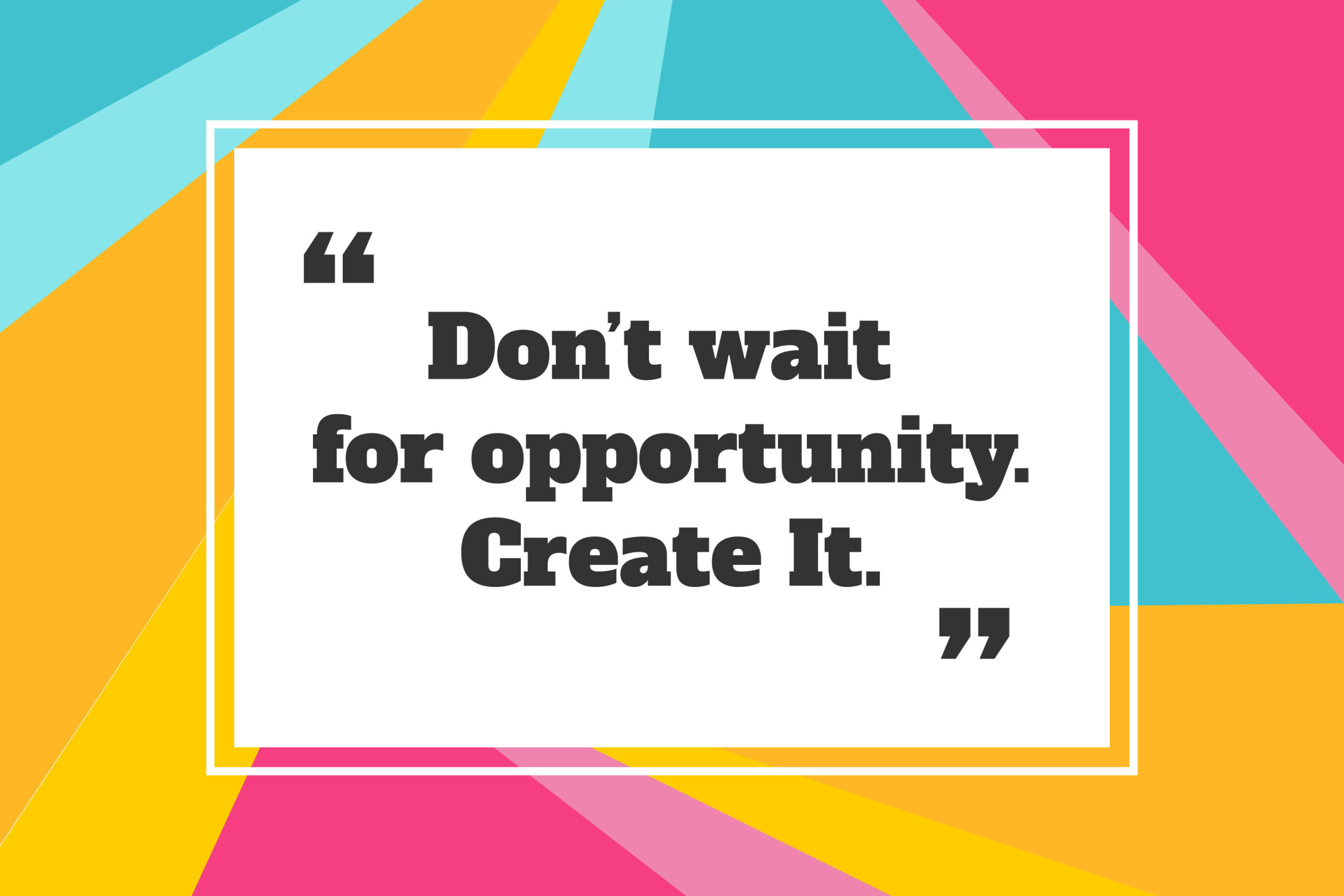
Motivational quotes once filled social media feeds everywhere. Millennials often shared images that featured uplifting messages placed over scenic backgrounds like beaches, mountains, or sunrise skies. These posts encouraged people to chase dreams, stay positive, or believe in themselves during difficult moments. At the time they felt comforting and thoughtful. Many people started their day by scrolling through messages that reminded them to stay hopeful and focused. Sharing a quote also felt like a simple way to send encouragement to friends without writing a long personal message.
Gen Z tends to approach online expression with a different tone. Instead of inspirational quotes, many younger users prefer humor, self awareness, or playful commentary about everyday struggles. That shift makes the old quote graphics feel slightly predictable to them. Millennials were drawn to those posts because social media once felt like a space for reflection and positivity. The internet has since grown louder and faster, which changed the style of communication. Even so, those motivational images still represent a moment when many people turned to social media for encouragement rather than quick entertainment.
6. Overly Curated Instagram Feeds

When Instagram first became popular, many millennials treated their profile like a small art project. People carefully edited photos so every image matched the overall color style of their feed. Some used planning apps to preview how the next picture would look before posting it. The goal was a profile where every photo blended smoothly with the others. A balanced feed with matching tones felt polished and creative. It showed that the person behind the account paid attention to detail and cared about how their online space looked.
Gen Z often approaches Instagram with a much more relaxed attitude. Their feeds may include random photos, screenshots, memes, and spontaneous moments that do not follow a single visual style. To them, perfection can sometimes feel staged or overly controlled. The current preference leans toward authenticity and unpredictability. Millennials enjoyed curating their feeds because it felt like designing a digital scrapbook. Gen Z tends to treat social media more like a stream of moments that come and go quickly without needing to look perfectly arranged.
7. Duck Face Selfies

At one point the duck face selfie was practically unavoidable on social media. The pose involved puckering the lips slightly while tilting the head toward the camera. Millennials adopted it as a playful expression that felt confident and a little dramatic. The look appeared in countless profile pictures and group photos. For a while it seemed like everyone understood the pose without needing an explanation. It became one of the most recognizable expressions of early smartphone culture.
Over time the duck face started to feel less trendy and more humorous. Gen Z often references it as a classic example of millennial selfie culture. Instead of exaggerated poses, younger users tend to prefer relaxed expressions or playful facial reactions. The shift reflects a broader change in how people present themselves online. The duck face is rarely used seriously now, but it still appears occasionally as a nostalgic joke. When someone recreates it today, it instantly reminds people of those early days when social media was still experimenting with how self expression looked in a photo.
8. The Love Of Skinny Jeans

Skinny jeans dominated millennial fashion for years. They became a reliable wardrobe staple that worked with nearly any outfit combination. People wore them with boots, sneakers, oversized sweaters, or fitted jackets. Clothing stores offered endless versions in different colors and fabrics. For millennials the slim silhouette felt stylish and practical at the same time. It was easy to dress up or down depending on the occasion. The trend stayed popular long enough that many people assumed it would never really go away.
Gen Z fashion trends have gradually shifted toward looser styles of denim. Baggy jeans and relaxed cuts feel more comfortable and expressive to many younger people. The change reflects a broader movement toward casual clothing that allows more freedom of movement. Millennials often laugh about the debate because skinny jeans still feel completely normal to them. Fashion has always moved in cycles, so this shift simply represents another turn in the style wheel. What feels dated to one generation can still feel familiar and dependable to another.
9. The Millennial Pause In Videos
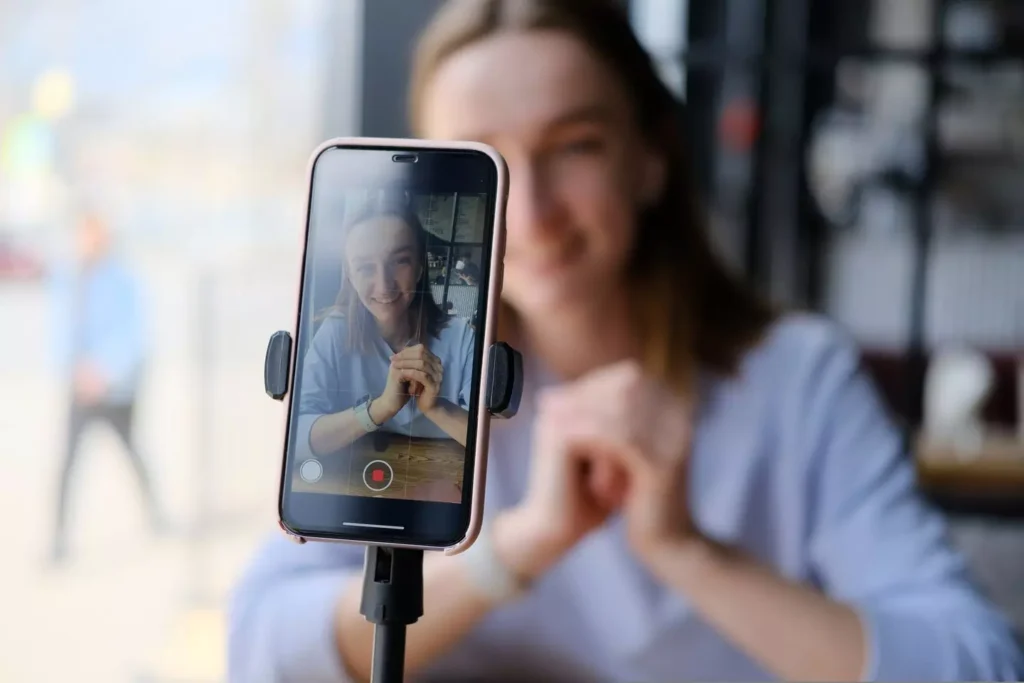
A small habit that Gen Z often points out is something they call the millennial pause. It happens when someone presses record on a video and waits a second before speaking. Many millennials developed this habit because early phone cameras took a moment to start recording properly. Waiting briefly ensured that the first words would not be cut off. At the time it felt like a practical step when filming anything.
Gen Z grew up with faster recording tools where videos begin instantly. Because of that, the pause looks slightly awkward to them. The difference is tiny but noticeable once someone mentions it. Internet culture often highlights small habits like this as signs of generational experience with technology. Millennials learned to adapt to slower devices, while Gen Z started with faster platforms that removed the need for that extra moment of waiting before speaking.
10. Posting Check Ins Everywhere
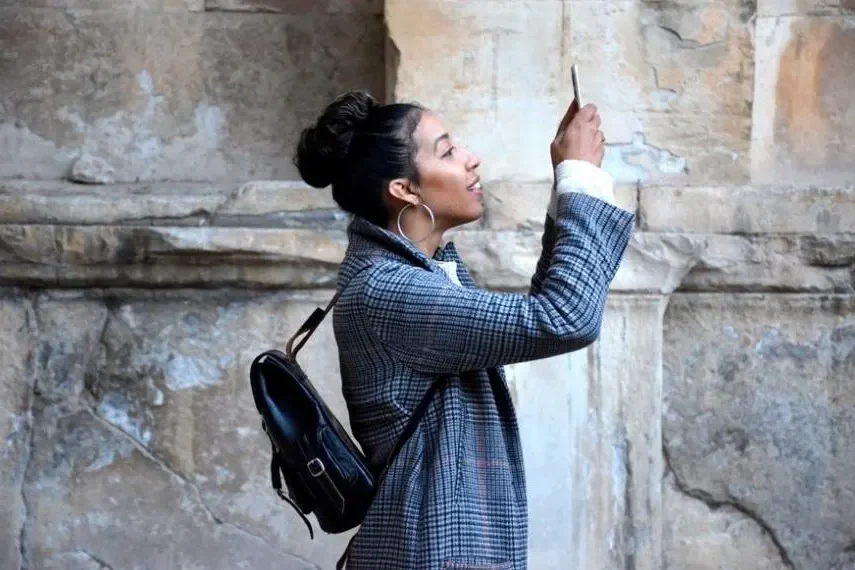
For a period of time, social media platforms encouraged people to check in at locations whenever they visited a restaurant, store, or event. Millennials embraced the feature enthusiastically. Announcing where you were spending time felt exciting because smartphones were still relatively new. It turned everyday outings into social updates that friends could see instantly. Checking in somewhere popular also made people feel connected to a larger community of visitors.
Over time many users began reconsidering how much location information they shared publicly. Gen Z often prefers to keep their whereabouts more private or share them only with close friends. Awareness about digital privacy increased as social media matured. Millennials did not think much about it when the feature first appeared because it felt like a harmless way to document experiences. Today people often share photos of places after leaving rather than announcing their location in real time.
11. Using LOL And ROFL Constantly
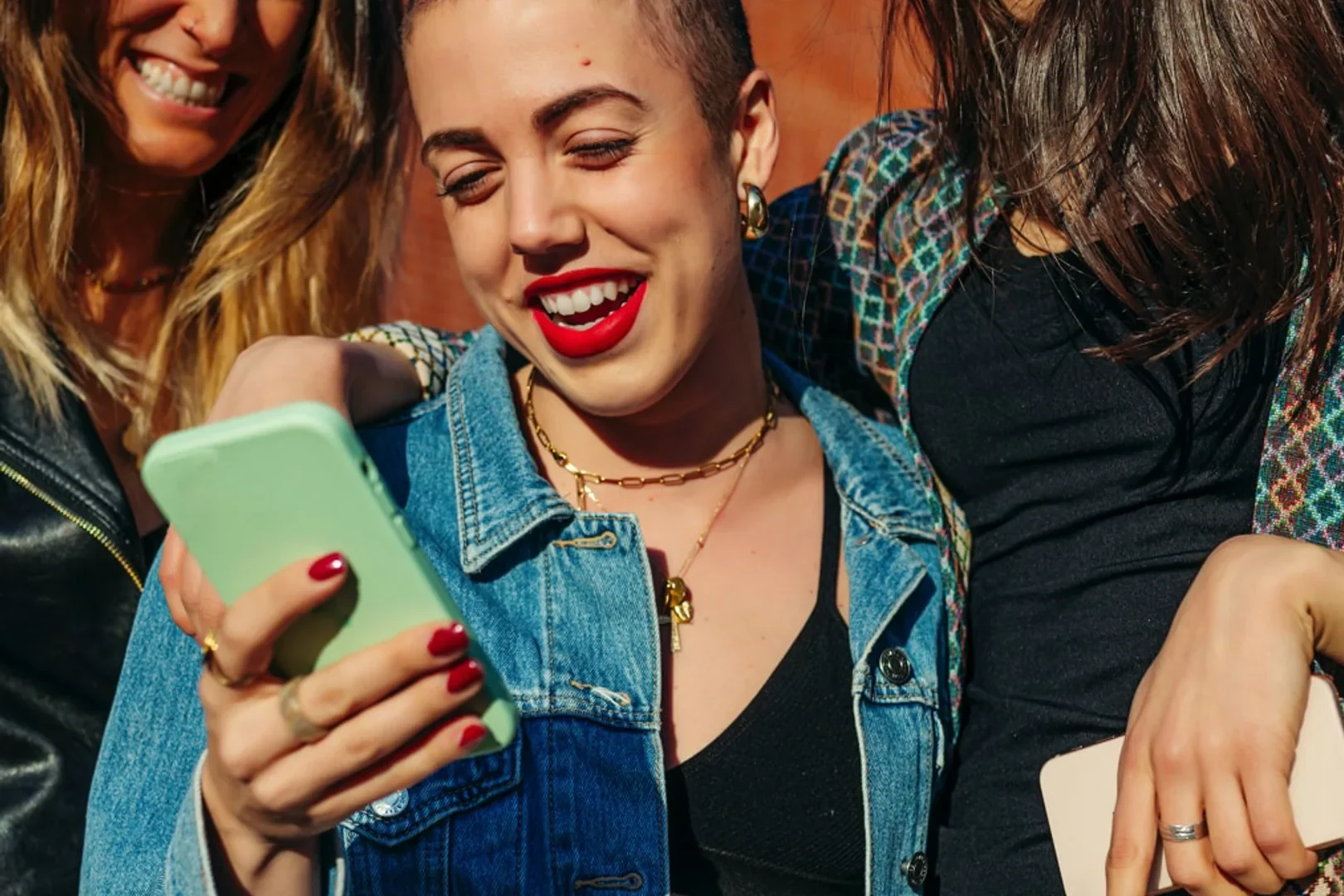
During the early years of texting and online chatting, abbreviations like LOL and ROFL were everywhere. Millennials used them constantly to show laughter or lighten the tone of a conversation. Without emojis or reaction buttons, these short expressions helped people communicate emotions through plain text. Typing LOL after a message made it clear that something was meant as a joke. It became such a habit that many people typed it automatically without thinking.
Gen Z communication often relies more on emojis, memes, or reaction images instead of older abbreviations. Visual responses can sometimes convey emotion faster than words. Online language continues to evolve as new tools appear. Millennials remember a time when those three letters were the quickest way to show that something was funny. Even though the style has changed, those abbreviations remain one of the most recognizable parts of early internet conversation.
12. Matching Friend Group Shirts

Group trips and celebrations once came with matching shirts for many millennial friend circles. Vacation groups, birthday parties, and family reunions often designed identical outfits so everyone looked coordinated in photos. The idea was simple and cheerful. Wearing the same shirt created a sense of unity and made group pictures easier to recognize later. It turned the event into a shared memory captured visually.
Gen Z tends to value individual style more strongly in group settings. Friends might still take photos together, but they usually prefer outfits that reflect each person’s personality rather than identical clothing. The shift highlights how fashion choices can reflect broader attitudes about identity and self expression. Matching shirts still appear occasionally at special events, yet they often feel like a nostalgic reminder of how millennials once celebrated together.


