
1. The Dishwasher Isn’t a Free-for-All
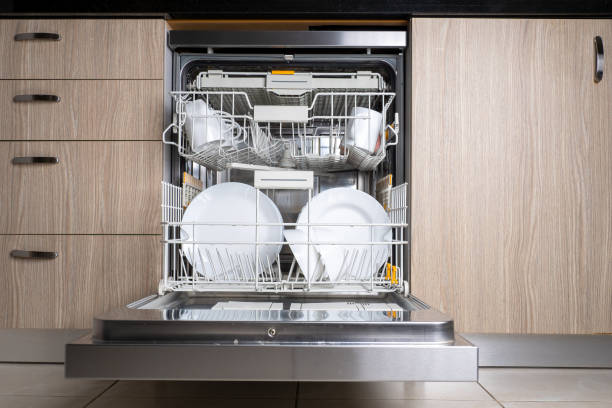
It’s easy to think of the dishwasher as a place where everything just gets blasted clean, no matter how it’s arranged. You scrape your plate, slide it in wherever there’s space, and trust the machine to handle the rest. But the way items are placed actually makes a big difference, even if it doesn’t seem obvious at first. Most people overload or face dishes the wrong direction, which blocks water flow. According to the U.S. Department of Energy, “proper loading ensures water can reach all surfaces,” which explains why some dishes come out spotless while others still feel a bit gritty. Bowls should face inward, utensils shouldn’t nest together, and large items shouldn’t block the spray arms. It’s less about cramming everything in and more about giving each item its moment.
Once you start paying attention to how things are arranged, you’ll notice cleaner results without rerunning cycles. It’s one of those quiet fixes that saves time, water, and a bit of daily frustration without changing much else in your routine.
2. Your Sponge Might Be Doing More Harm Than Good
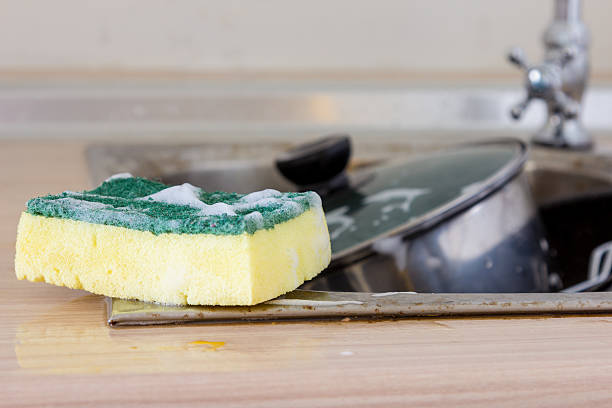
That kitchen sponge sitting by the sink feels like your go-to cleaning hero. You wipe counters, scrub dishes, and maybe even clean up spills on the floor with it. It seems harmless enough, but the way it’s used and stored can turn it into something less helpful over time. Sponges stay damp, and that makes them a perfect place for bacteria to grow. The USDA has noted that “moist environments are ideal for bacterial growth,” which is why that sponge can start spreading germs instead of removing them. Using the same sponge for everything, especially raw food messes, increases the risk. Even letting it sit wet by the sink can make things worse.
A small shift like rinsing it thoroughly, squeezing it dry, and replacing it regularly can make a big difference. Some people even microwave damp sponges for a quick sanitizing step. It’s not about being overly careful, just a reminder that the tool you trust most for cleaning needs a little care too.
3. Paper Towels Work Better When You Pause
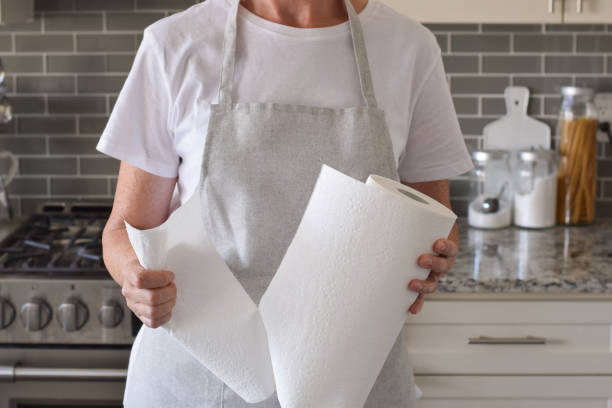
Most of us grab a paper towel and wipe immediately, especially when there’s a spill. It feels natural to act fast and get it over with. But when it comes to cleaning, especially with sprays, that quick motion might not be doing as much as you think. Cleaning products need a little time to work. The CDC points out that disinfectants often require “contact time” to effectively kill germs. If you spray and wipe right away, you’re mostly just moving dirt around. Letting the cleaner sit for even a minute allows it to break things down properly before you wipe it away.
It’s a small change that feels almost too simple, but it works. Next time you spray a counter or table, give it a brief pause before reaching for the towel. You’ll likely notice surfaces feel cleaner, not just look cleaner, and it turns a rushed habit into something more effective without adding much effort.
4. Your Laundry Detergent Isn’t Meant to Be Eyeballed
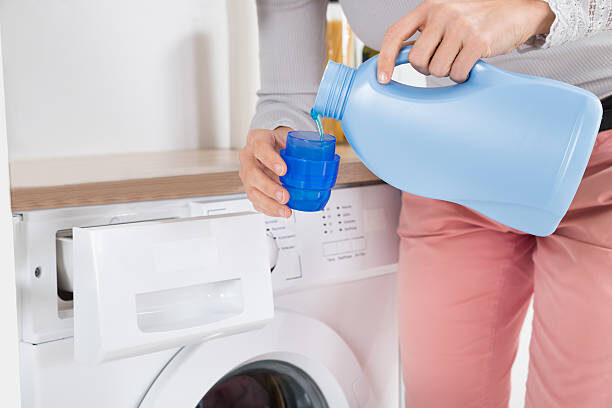
Pouring laundry detergent straight from the bottle often becomes a guessing game. A little extra feels like it should make clothes cleaner, especially after a long day or a tough workout. It’s one of those habits that feels harmless, even helpful. In reality, using too much detergent can leave residue on clothes and even in the washing machine. As noted by consumer guidance from appliance manufacturers, “excess detergent can trap dirt and prevent proper rinsing.” That buildup can make fabrics feel stiff or dull over time, and sometimes even cause odors instead of removing them.
Measuring detergent might seem unnecessary at first, but it quickly becomes second nature. Most loads actually need less than you think, especially with modern machines. Once you adjust, you may notice your clothes feel softer and fresher, and your machine stays cleaner too. It’s one of those quiet corrections that pays off over time.
5. Cutting Boards Need More Than a Quick Rinse
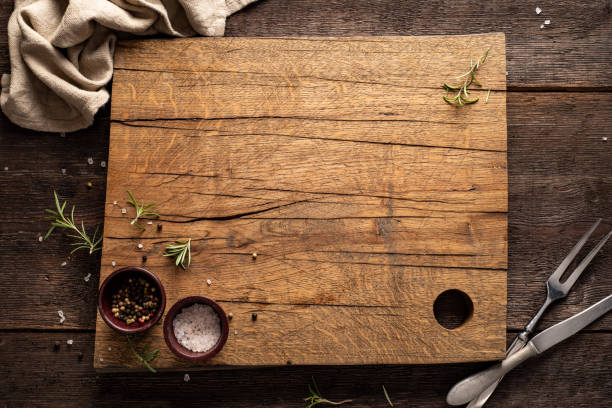
After chopping vegetables or slicing bread, it’s easy to give your cutting board a quick rinse and call it clean. It looks fine, smells fine, and goes right back on the counter. But there’s more happening on the surface than you can see. Tiny grooves in cutting boards can hold onto bacteria, especially after cutting raw meat. Food safety guidelines often emphasize that “surfaces should be thoroughly cleaned and sanitized after contact with raw foods.” A simple rinse doesn’t always reach those hidden spots, which means germs can linger longer than expected.
Taking an extra moment to wash with hot, soapy water or using a mild disinfecting method can make a real difference. Some people also keep separate boards for meats and produce, just to be safe. It’s not about making cooking complicated, just about adding a small layer of care to something you already do every day.
6. Your Refrigerator Is Not Set-It-and-Forget-It
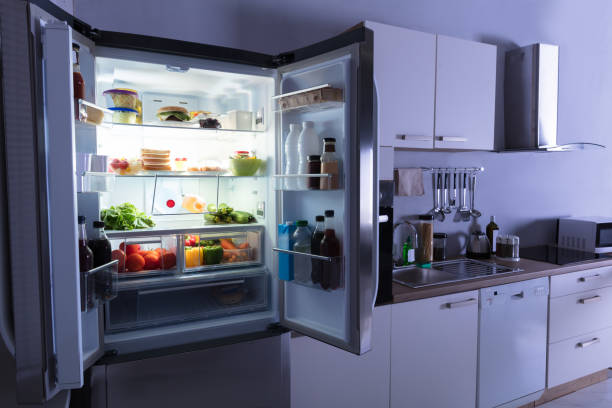
It’s easy to assume your refrigerator is doing its job as long as things feel cold. You load groceries, close the door, and trust that everything inside is being preserved just fine. Most of us rarely think about the actual temperature unless something smells off. But the temperature setting matters more than it seems. The FDA recommends keeping your fridge at or below 40°F, noting that “bacteria can multiply rapidly between 40°F and 140°F.” If your fridge runs warmer than that, food can spoil faster without obvious signs. Overpacking can also block airflow, making some sections warmer than others.
A simple fridge thermometer can help you check where things stand. It’s a small step that gives you peace of mind and helps your food last longer. Once you get into the habit of checking occasionally, it becomes less of a mystery and more of a quiet system you understand and trust.
7. Your Pillow Isn’t Meant to Last Forever
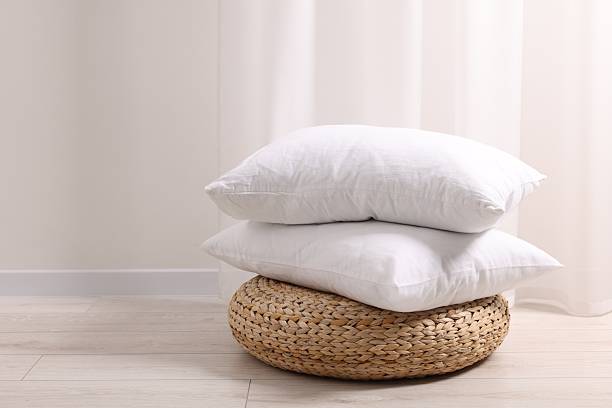
Pillows are one of those things we hold onto far longer than we should. They still look fine under the pillowcase, and as long as they feel somewhat comfortable, there’s no real reason to question them. It becomes one of those background items you never think about replacing. Over time, pillows collect dust mites, sweat, and allergens. The National Sleep Foundation points out that “pillows should be replaced every one to two years” to maintain proper support and hygiene. When pillows lose their shape, they stop supporting your neck the way they should, which can quietly affect your sleep.
Swapping out an old pillow might not feel urgent, but the difference can be surprisingly noticeable. Better support, fresher materials, and a cleaner sleep environment all come with it. It’s one of those changes you don’t realize you needed until you make it, and then you wonder why you waited so long.
8. Ceiling Fans Should Change With the Seasons
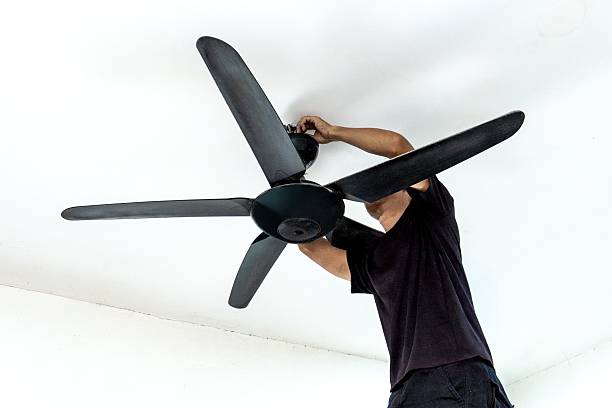
Most people turn on a ceiling fan and leave it at that. As long as it spins and creates a breeze, it feels like it’s doing its job. The direction of the blades is something many of us never even think about. Ceiling fans are designed to spin in different directions depending on the season. Energy experts often explain that “counterclockwise rotation creates a cooling effect, while clockwise helps circulate warm air.” In summer, the breeze helps cool you down, but in winter, reversing the direction pushes warm air back down into the room.
Switching the direction only takes a second, usually with a small toggle on the fan. It’s a quiet adjustment that can make rooms feel more comfortable without changing the thermostat. Once you know it’s there, it’s hard to ignore, and it becomes part of how you naturally settle into each season.
9. Your Vacuum Needs Attention Too
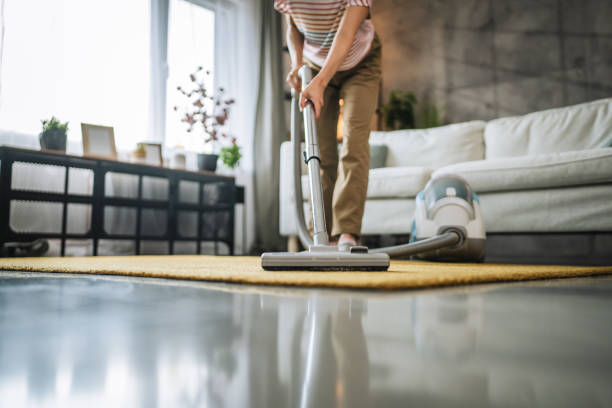
Vacuuming feels like a straightforward task. You plug it in, run it over the floor, and expect it to pick everything up along the way. When it starts to lose suction, it’s easy to assume it’s just getting old. Often, the issue is maintenance rather than age. Filters get clogged, bags fill up, and brushes collect hair and debris. According to home care recommendations, “regular maintenance helps vacuums operate at peak efficiency.” Without it, the machine works harder while doing less.
Taking a few minutes to empty the canister, clean the filter, or untangle the brush can make a noticeable difference. It brings the vacuum back to life in a way that feels almost surprising. Instead of replacing it too soon, you end up extending its life with simple care that fits easily into your routine.
10. Nonstick Pans Don’t Like High Heat
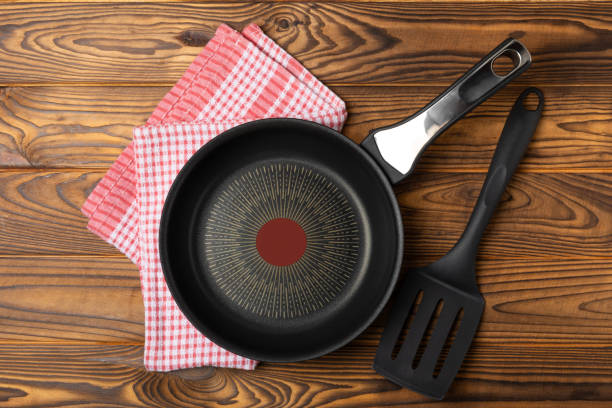
Cooking in a nonstick pan feels easy and forgiving. You can use less oil, food slides around smoothly, and cleanup is quick. It’s tempting to treat it like any other pan, especially when you’re in a hurry. But nonstick coatings are sensitive to high heat. Manufacturers often warn that “overheating can damage the coating and reduce performance.” When the pan gets too hot, it can break down the surface, making it less effective and shortening its lifespan.
Keeping the heat at medium or lower helps preserve that smooth surface. It might take a little adjustment, especially if you’re used to cooking hot and fast, but it pays off. Your food still cooks well, and the pan stays in good condition longer. It’s one of those small shifts that quietly protects something you use almost every day.
11. Your Shower Curtain Needs Regular Washing
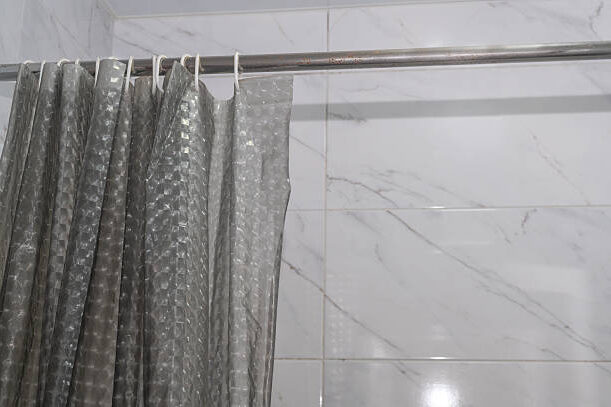
It’s easy to overlook the shower curtain because it just hangs there quietly doing its job. You pull it closed, step in, and don’t think much about it again. Since it’s always around water and soap, it almost feels like it should stay clean on its own. But over time, moisture builds up, and that creates the perfect environment for mold and mildew. Cleaning experts often point out that “bathroom surfaces exposed to constant moisture should be cleaned regularly,” and your shower curtain is no exception. Those faint dark spots or that slightly musty smell are usually signs it’s been left too long without attention.
The good part is, it doesn’t take much effort to fix. Many shower curtains, even plastic liners, can be washed in the machine with mild detergent. Doing this every few weeks keeps things fresh and helps your bathroom feel cleaner overall. It’s a small routine shift that makes a noticeable difference, even if it’s something you rarely thought about before.
12. Air Vents Quietly Collect More Than Air
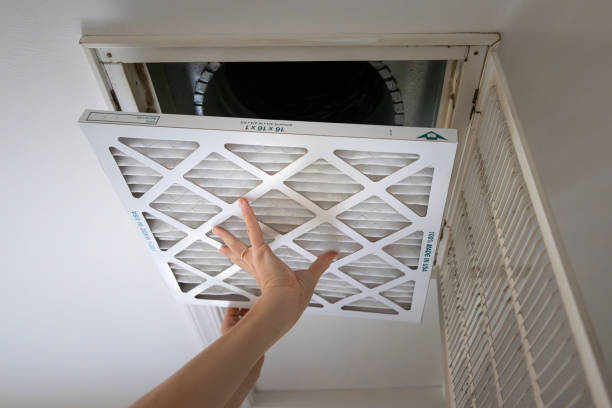
Air vents blend into the background so easily that most of us forget they’re even there. They do their job without noise or attention, pushing air through your home while everything else goes on as usual. It’s one of those things you don’t think about until something feels slightly off. Dust and debris build up over time, and that buildup can affect air quality and airflow. Home maintenance sources often note that “clean vents help maintain efficient air circulation and reduce indoor dust.” When vents are clogged, your system works harder, and the air moving through your home isn’t as fresh as it could be.
Taking a few minutes to vacuum or wipe them down every so often can make a quiet difference. The air feels lighter, the system runs smoother, and your space just feels a bit more cared for. By the time you get here, it’s clear that most of these habits aren’t about doing more, they’re about noticing what’s already there and adjusting gently, one small step at a time.


