
1. Their Voices Were More Famous Than Their Faces
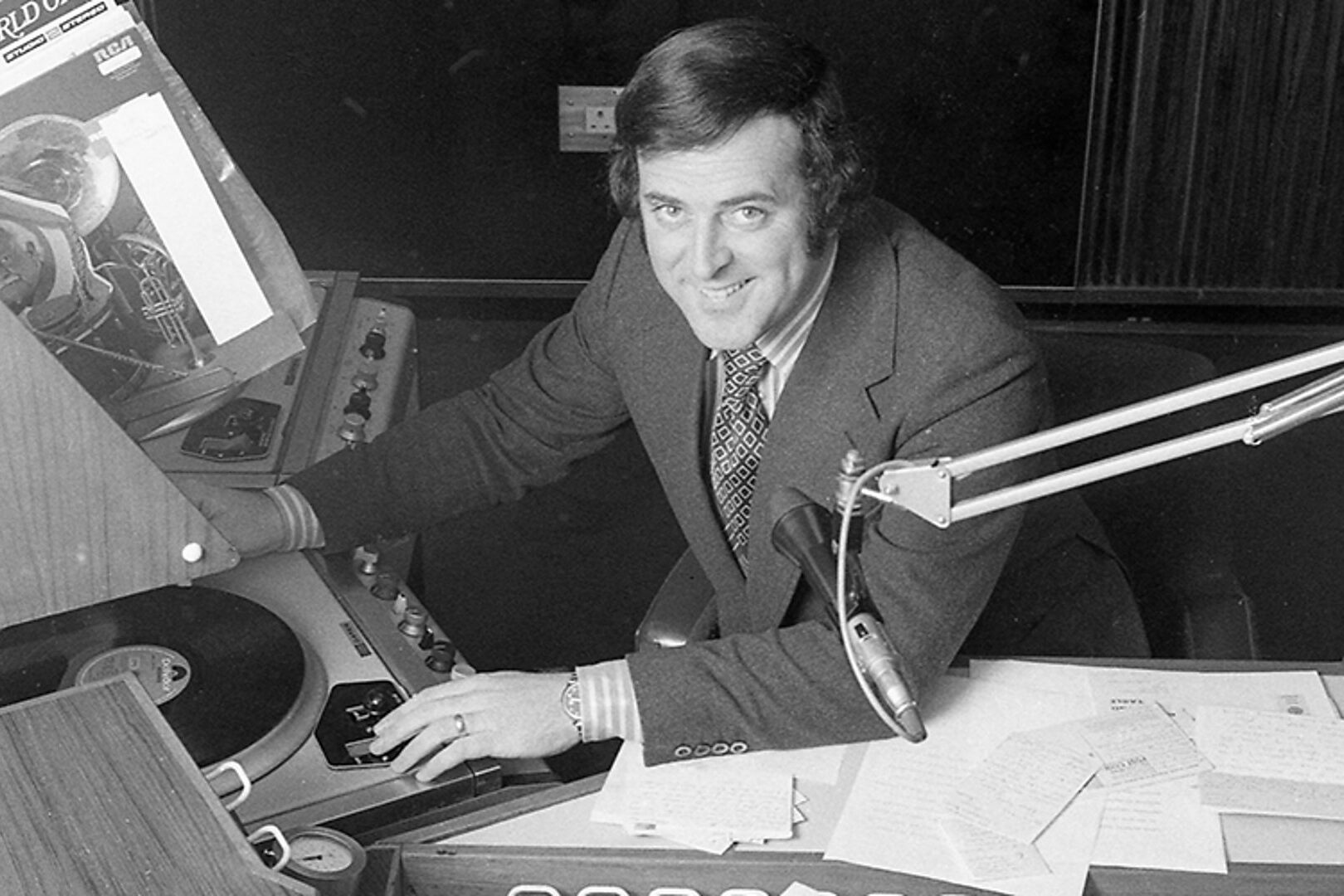
Back in the 60s and 70s, hearing a DJ’s voice on the radio felt like catching up with an old friend. Their booming, fast talking personalities filled living rooms, car rides, and late-night bedrooms. Most listeners never knew what they looked like, but it didn’t matter. Their voices carried warmth, swagger, and connection that made people feel close. The voice became the star, recognizable in seconds and unforgettable for years. Listeners tuned in not just for the songs, but for that familiar sound that seemed to understand them. DJs proved you didn’t need a face to be famous.
2. They Controlled What America Heard
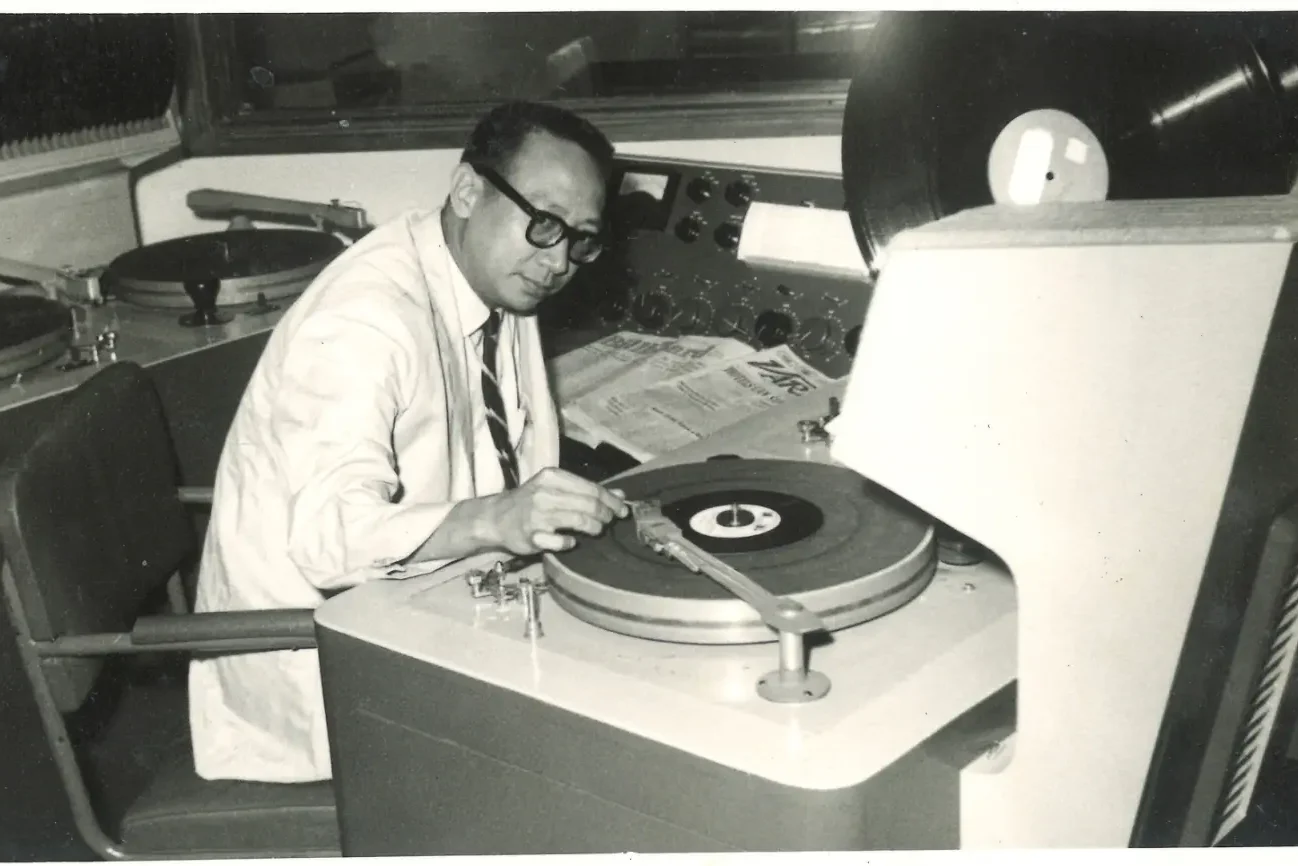
Before streaming services and endless playlists, DJs held the keys to the music world. With just one spin of a record, they could launch a career or bury a song in obscurity. Their choices carried real weight, shaping tastes and trends for entire generations. Artists dreamed of hearing their songs played because it meant exposure, excitement, and often success. Fans trusted DJs to bring them the newest sounds worth knowing. This power made DJs more than announcers, they became tastemakers and cultural guides. When they spoke or played a track, America listened closely and followed their lead.
3. They Had Wild on Air Antics
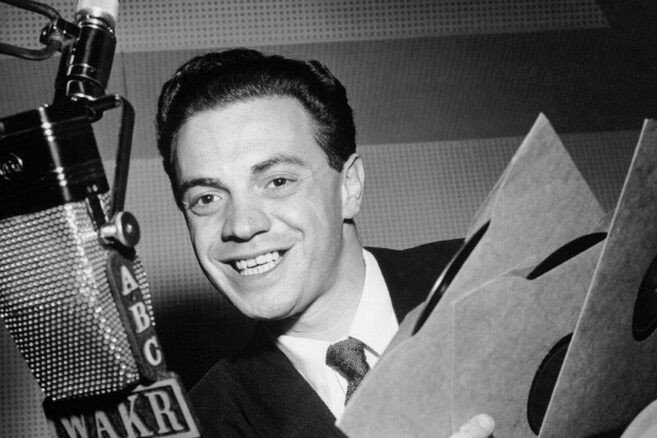
Radio in those days wasn’t predictable; it was full of energy and surprise. DJs pulled stunts, prank called listeners, hosted zany contests, and even locked themselves in booths for marathon sessions. Wolfman Jack’s booming laugh kept fans hooked, while others stayed on air for days to raise money or celebrate station milestones. You never knew what was coming next, and that unpredictability kept people glued to the dial. The antics weren’t just entertainment, they made radio feel alive. DJs became part of everyday conversation because their wild energy made every broadcast a shared cultural event worth remembering.
4. They Broke New Artists Before Anyone Else
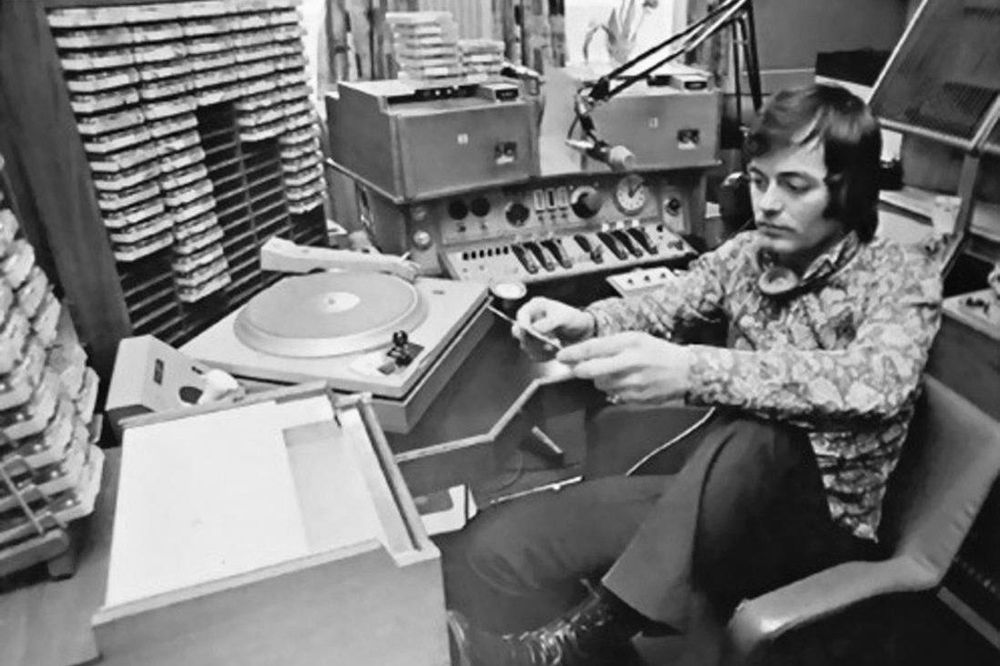
Long before music videos or social media, the first-place new talent often found an audience was on the radio. DJs had the courage to give unknown artists a shot, spinning their records even when no one else had heard of them. That bravery helped launch careers and introduced listeners to voices that would define entire decades. Fans trusted DJs to take risks, to offer something fresh that might just be the next big thing. In many cases, those risks paid off. The airwaves became the first stage, and DJs were the ones lifting the curtain.
5. Fans Lined Up Just to See Them Through the Glass
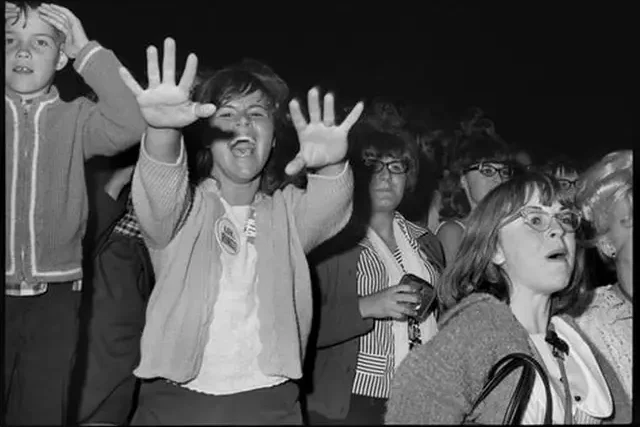
It may sound simple now, but watching a DJ at work was a thrill. In many stations, booths had glass windows facing the street, and kids gathered outside just to watch records spin, and microphones light up. It felt like being behind the scenes of a show even though the DJ was only talking into a mic. Teens pressed their faces to the glass hoping for a wave or acknowledgment. It turned everyday radio into live theater. For fans, seeing their favorite DJ even briefly was as exciting as spotting a celebrity or musician on the street.
6. They Got VIP Treatment at Concerts and Clubs
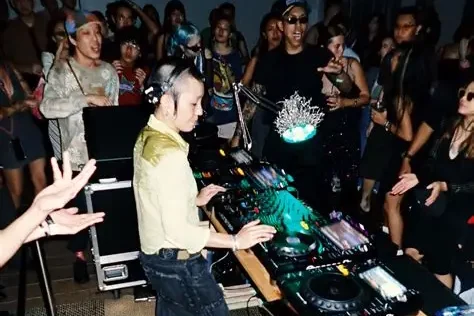
Promoters and club owners knew the value of a DJ’s presence. With a single mention on air, they could fill a venue or spark a ticket rush. To keep them close, DJs were showered with perks, including front row seats, backstage passes, and late-night party invitations. They enjoyed the same access as the musicians they promoted and sometimes partied just as hard. For fans, spotting a DJ in the crowd felt like proof that the event mattered. DJs blurred the line between media and entertainment, living like stars while keeping their hands on the cultural pulse.
7. Their On Air Names Were Iconic
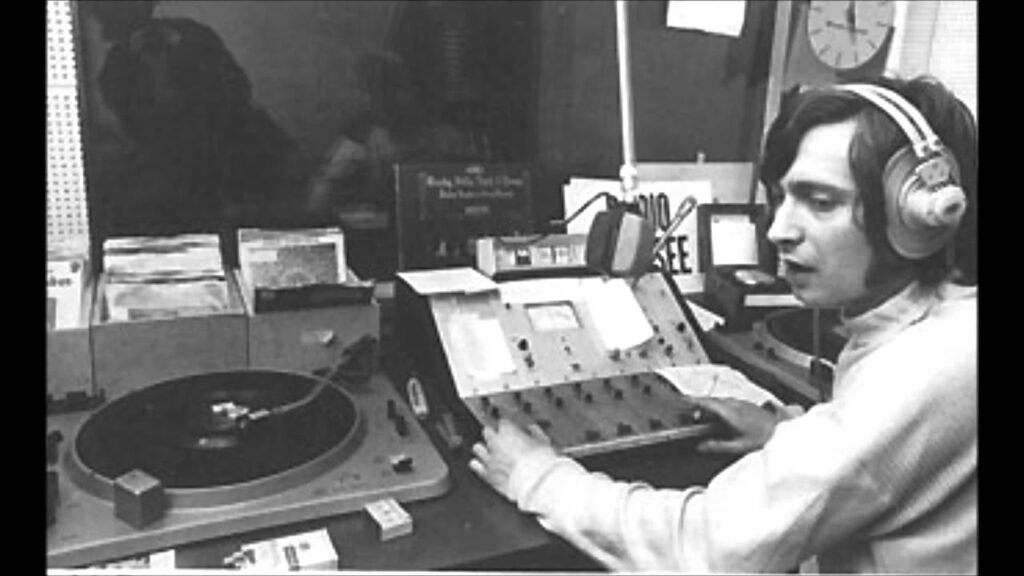
Every great DJ seemed to carry a name that stood out as much as their voice. Some went by quirky nicknames, others by bold monikers that captured their style and energy. These names weren’t just for fun; they became brands that audiences never forgot. They added flair and identity to the music experience, giving listeners the sense that they weren’t just tuning into a station, they were tuning into a personality. Whether funny, cool, or larger than life, those names lived in memory. They helped make DJs feel unforgettable, even if you only ever knew them through sound.
8. They Were Local Celebrities with Global Reach
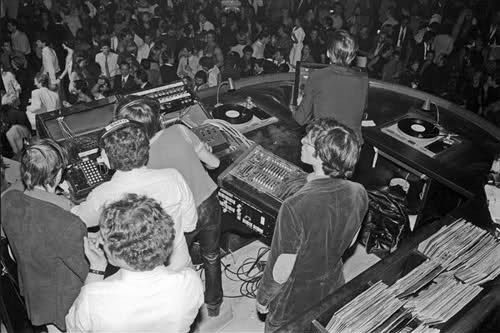
Even small-town DJs could find themselves with massive audiences thanks to AM signals that traveled for miles after dark. A single late-night broadcast could carry far beyond its city, reaching people who stumbled across the station hundreds of miles away. This gave DJs a mix of intimacy and scale that felt unique. Locals might bump into them at the diner, but at night their voice carried into unknown places. That reach gave them a presence bigger than their station, turning local fame into something that felt wide, powerful, and close to legendary all at once.
9. They Hosted Live Events That Packed Stadiums
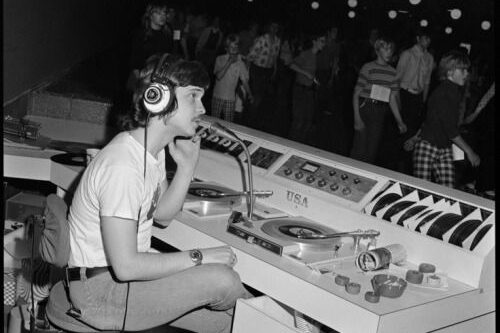
DJs didn’t just belong in a booth; they became the stars of live events. Whether it was sock hops, summer beach parties, or giant giveaways, people showed up in huge numbers because of their favorite DJ’s voice. These gatherings often turned into cultural milestones, bringing together communities under one roof or on one dance floor. The DJ was the draw, the voice that guaranteed excitement, fun, and music worth hearing. Their ability to attract crowds proved their influence stretched far beyond the radio dial. They could turn a promotion into a festival with nothing but their name.
10. They Wore the Era’s Flashiest Fashion
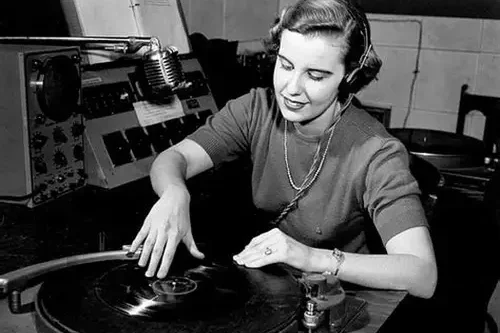
Style mattered, even in studios no one else could see. DJs embraced the bold fashion of the times, showing up in loud prints, oversized collars, chunky jewelry, and sunglasses indoors. It wasn’t about necessity; it was about living the role. They carried stacks of records under one arm and wore clothes that made them look like they belonged on stage themselves. Their style reinforced their larger-than-life personalities and reminded everyone that radio was show business too. Fans who did catch glimpses saw more than voices; they saw cultural icons who looked just as loud as they sounded.
11. They Talked Fast, Cool, and with Swagger
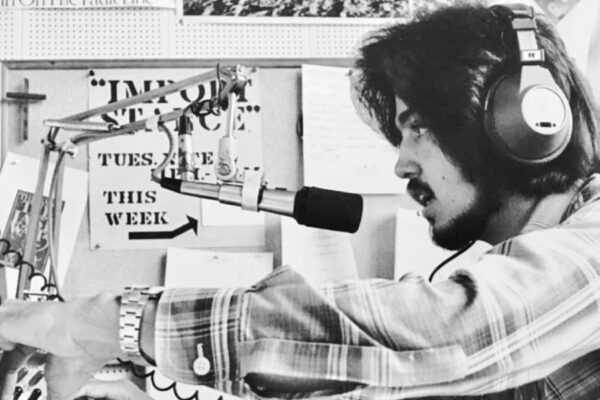
A DJ’s style wasn’t just about what they played but how they said it. With fast paced chatter, smooth jokes, slick transitions, and nicknames for every band, they made listening feel like a thrill ride. Their cadence kept the energy alive between records, making the whole show flow seamlessly. It was more than announcing, it was performance. DJs used swagger, confidence, and rhythm to make themselves unforgettable. They gave radio personality and charm, making listeners feel like part of something fun and exciting. Their words danced with the music, adding a spark that kept audiences coming back.
12. They Defined the Soundtrack of a Generation
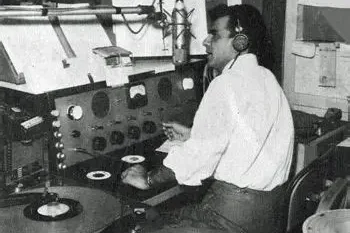
When you think of the 60s and 70s, you remember the music but also the voices that introduced it. DJs weren’t just spinning records; they were creating the soundscape of daily life. They chose the songs that would become memories, framed the moments that stuck, and guided listeners through eras of change. For many, their voices became as symbolic as the bands themselves. They were the thread that connected fans to artists and culture to history. DJs defined more than airwaves, they defined experience. And in doing so, they became unforgettable stars of their time.
This story 12 Reasons ’60s and ’70s Radio DJs Were Treated Like Rock Stars was first published on Daily FETCH


