
Google Glass Dreams
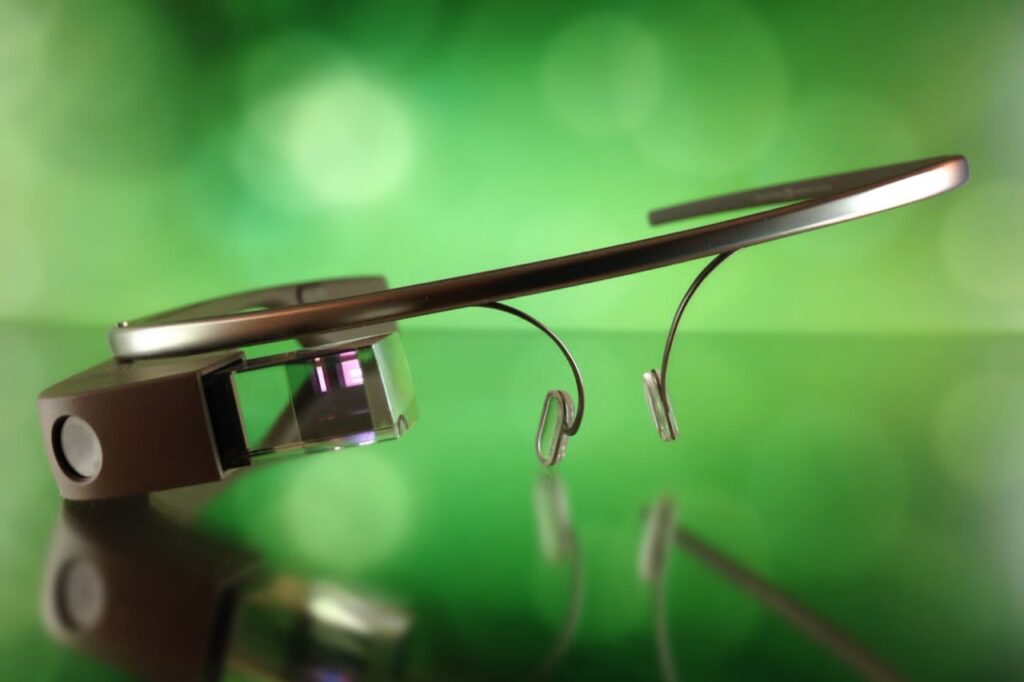
When Google introduced Google Glass in 2013, it truly felt like we were stepping into a futuristic movie. This lightweight headset could project information right in front of your eyes, snap photos, and record video without you ever needing to reach for a smartphone. Early adopters, nicknamed “Explorers,” were fascinated by the hands-free convenience, and the device quickly became the ultimate status symbol for innovation junkies living in Silicon Valley and beyond.
Unfortunately, the excitement turned into awkwardness almost overnight. Most people found the design a bit too intrusive, and privacy concerns skyrocketed because of the built-in camera that could record at any moment. By 2015, the consumer version was effectively shelved as businesses began banning the device from bars and theaters. While the technology eventually found a productive second life in specialized industrial settings, its original dream of becoming an everyday fashion accessory never quite materialized for the general public.
Amazon Fire Phone
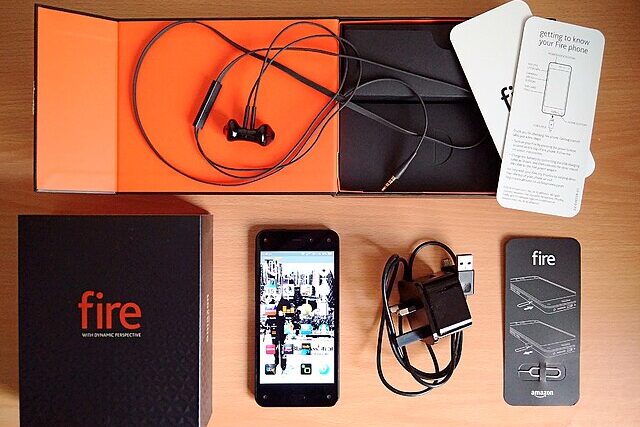
The Amazon Fire Phone arrived on the scene in June 2014 with the incredibly ambitious goal of taking down industry titans like Apple and Samsung. Amazon packed the device with flashy features, most notably “Dynamic Perspective,” which used four front-facing cameras to track the user’s head movements and create a 3D-like screen effect. It was also designed to be the ultimate shopping tool, deeply integrating users into the massive Amazon ecosystem.
Despite the marketing muscle behind it, the Fire Phone struggled to find its footing from day one. Users were frustrated by a very limited selection of apps compared to the robust Android and iOS stores, and the high price tag didn’t help win over skeptical shoppers. By September 2015, Amazon officially discontinued the phone after taking a massive financial hit on unsold inventory. This misstep served as a loud reminder that even a company as powerful as Amazon can’t succeed without a strong app library.
CueCat Scanner Craze
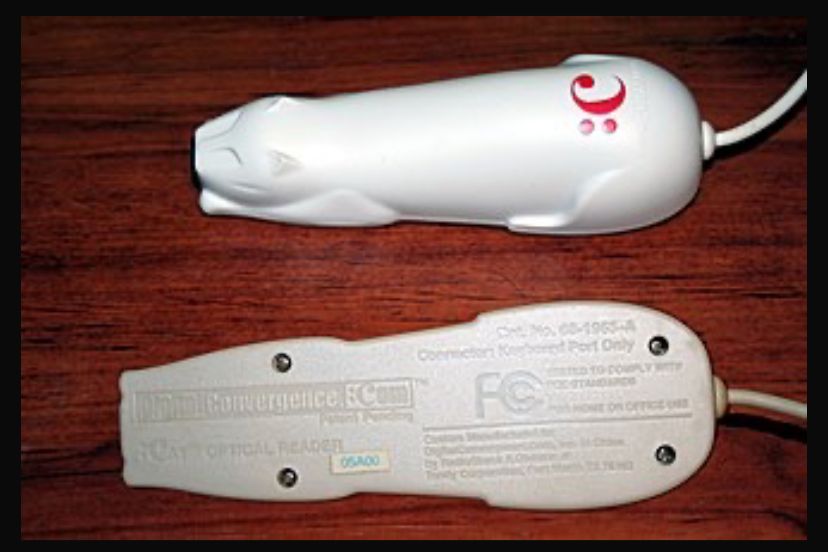
Right at the turn of the millennium in 2000, the CueCat was marketed as the perfect bridge between the physical and digital worlds. This small, cat-shaped handheld scanner allowed people to swipe special barcodes found in magazines or newspapers to instantly open specific websites on their desktop computers. At its peak, millions of these units were mailed out for free to homes across the country, creating a brief but intense wave of curiosity.
However, the novelty of the device wore off faster than a cheap sticker. Critics and casual users quickly realized the CueCat was solving a problem that didn’t really exist; typing a short web address was usually much faster than hooking up a wired scanner. Additionally, early internet users were becoming wary of how their data was being tracked by the device. Ultimately, the CueCat became a classic example of a gadget that failed to align with real consumer habits, regardless of how much money was spent on promotion.
3D TV Experience
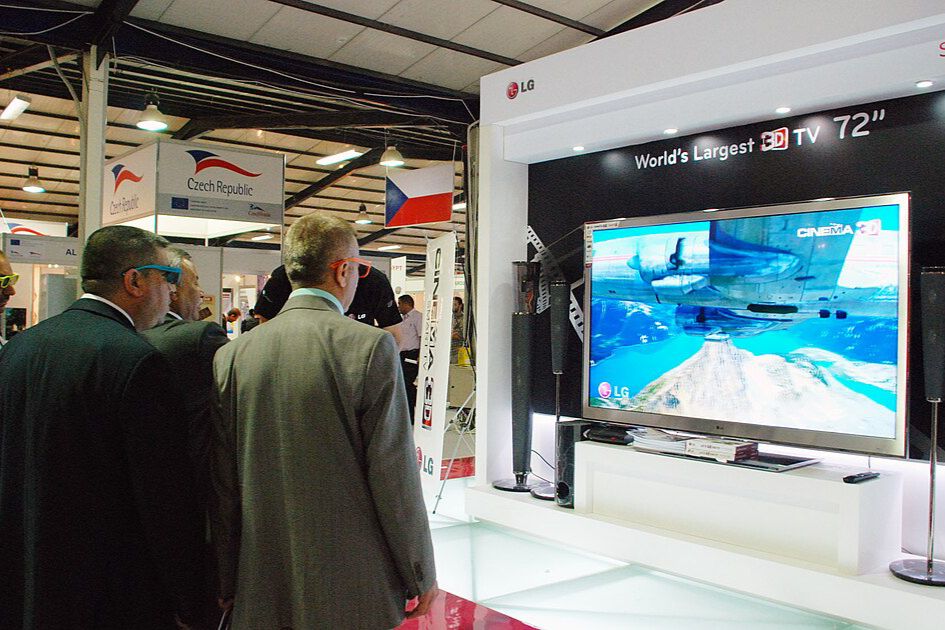
For a brief window in the early 2010s, 3D televisions were pitched as the next massive leap for home entertainment. Following the massive success of blockbuster movies like Avatar, major manufacturers convinced consumers that they needed cinematic depth in their own living rooms. Families were encouraged to buy expensive sets and special active-shutter glasses to bring their favorite films to life, promising an immersive experience that would make standard flat screens look obsolete.
In reality, the 3D home experience turned out to be more of a headache than a revolution. The glasses were often heavy, uncomfortable, and expensive to replace, and there was a serious lack of actual 3D content to watch on a daily basis. Many viewers also complained about eye strain and felt the visual effect wasn’t nearly as impressive as it was in a theater. By 2016, most major brands stopped making 3D sets entirely, proving that even cool technology must be comfortable for everyday use.
Juicero Smart Press
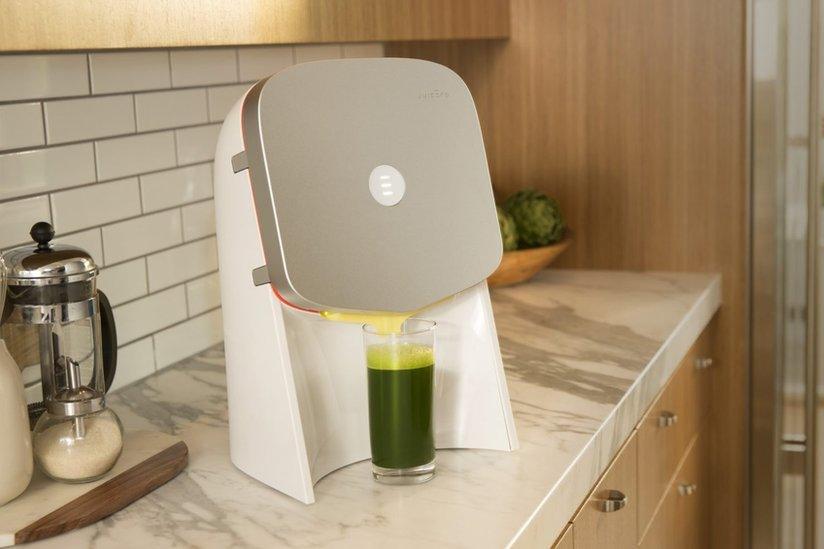
Juicero launched in 2016 with bold claims about completely changing the way we think about home juicing. The machine was a marvel of engineering, featuring a sleek design and Wi-Fi connectivity that allowed it to press pre-packaged produce bags with incredible force. It attracted over $100 million in venture capital investment and was marketed as a high-end luxury appliance for health-conscious professionals who wanted fresh juice at the press of a single button.
The company’s reputation took a dive in 2017 when a viral video showed that the expensive juice packs could actually be squeezed just as effectively by hand. Once users realized the $400 machine wasn’t strictly necessary to get the juice out of the bag, the brand became a laughingstock of the tech world. Juicero shut down operations just months later, serving as a permanent cautionary tale about over-engineering a simple task and failing to provide real, practical value for a premium price.
Microsoft Zune Player
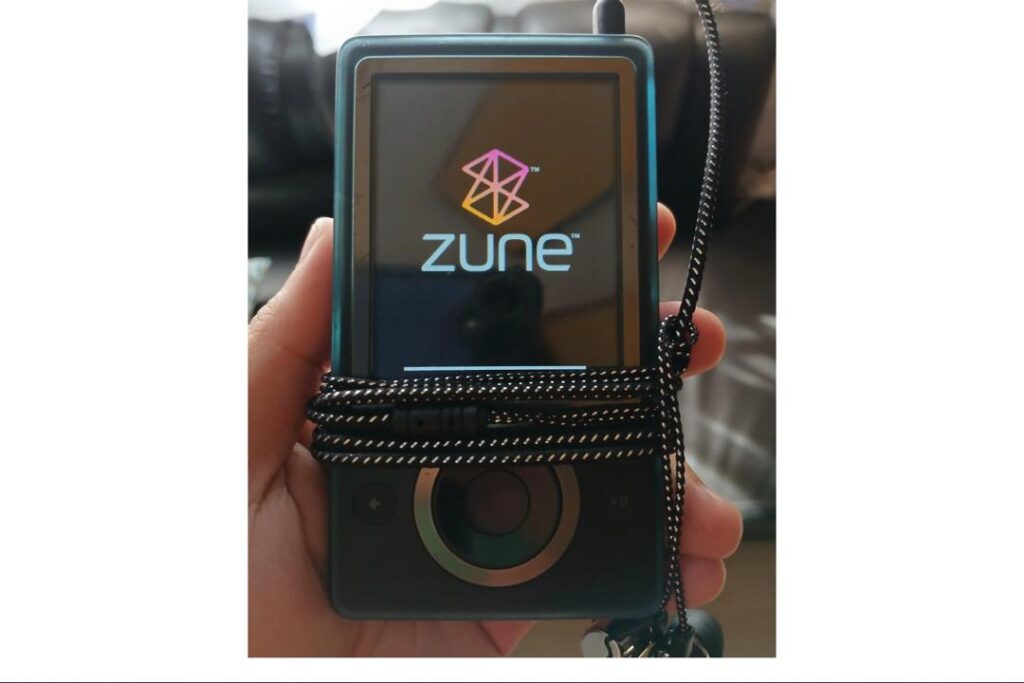
Microsoft launched the Zune in November 2006 as a direct challenger to the iPod’s throne. It was a solid device that featured a vibrant screen, a unique interface, and the ability to share songs wirelessly with other Zune users. Microsoft hoped that by offering a different aesthetic and a focus on social music sharing, they could carve out a significant piece of the rapidly growing portable media player market.
Despite having a loyal fan base and a great design, the Zune simply couldn’t break through Apple’s cultural dominance. By the time it arrived, the iPod was already an icon, and most people were already locked into the iTunes ecosystem. Users didn’t see enough of a reason to switch their entire music libraries to a new platform for features that felt only slightly better. Microsoft eventually stopped production in 2011, proving how difficult it is to win once a competitor has already captured the public’s imagination.
Apple Newton PDA
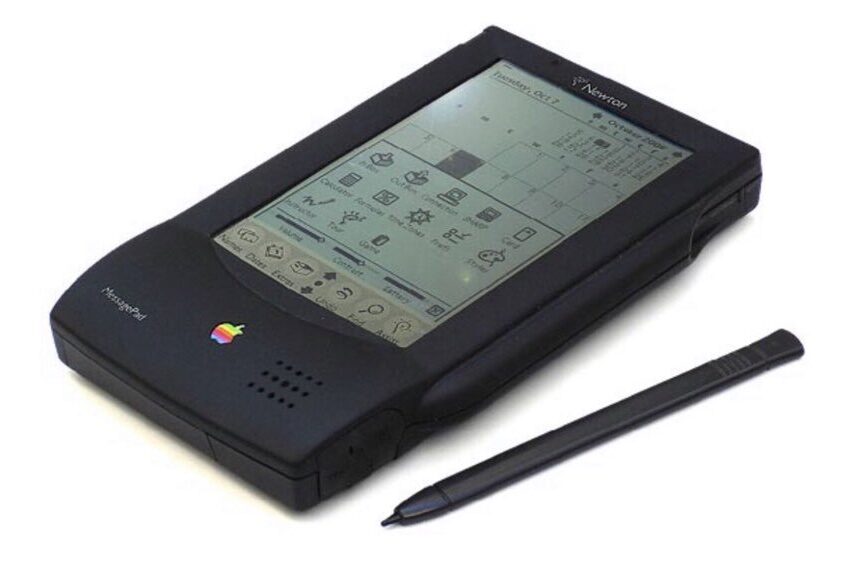
The Apple Newton, first released in 1993, was a true pioneer in the world of handheld digital assistants. It was designed to help busy professionals take notes, manage their contacts, and even convert their messy handwriting into digital text. For the early 1990s, the idea of a computer that fit in the palm of your hand was absolutely revolutionary, and it set the stage for what we now know as the smartphone.
However, the technology of the era just couldn’t keep up with the ambition of the designers. The handwriting recognition was notoriously buggy and often misinterpreted words, which led to widespread ridicule in the media and even a parody on The Simpsons. With a high launch price and frustrated users, the Newton was discontinued shortly after Steve Jobs returned to Apple in 1998. While it wasn’t a commercial hit, its DNA eventually helped lead to the creation of the iPhone and iPad years later.
Peek Email Device
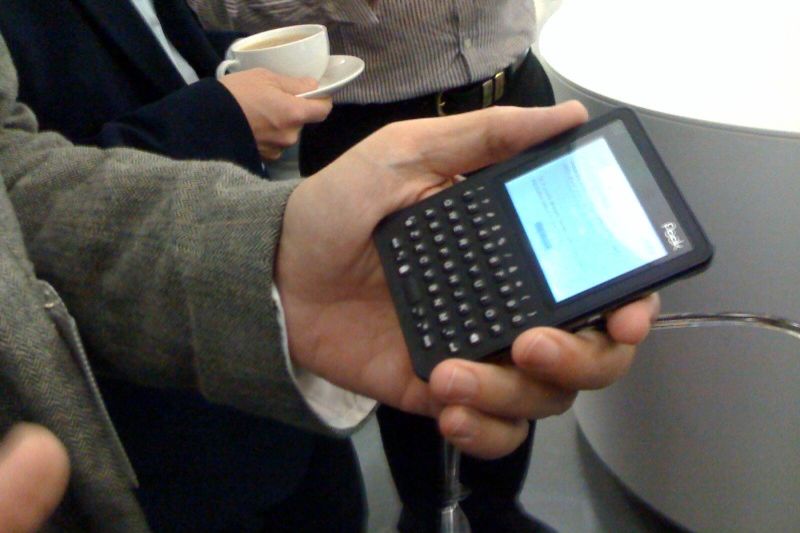
The Peek device hit the market in 2008 with a very specific and simple mission: to give users mobile email without any of the distractions of a smartphone. It was a thin gadget with a full keyboard designed specifically for people who wanted to stay connected to their inbox without paying for an expensive data plan or dealing with confusing apps. For a short time, it was praised for its long battery life and focus.
Unfortunately for Peek, the timing couldn’t have been worse. As the device launched, the smartphone revolution was moving at light speed, and people quickly decided they would rather have one device that did everything instead of carrying a separate gadget just for email. As smartphones became more affordable and capable, the demand for a single-use communication tool plummeted. The service was eventually shut down by 2012, proving that in the world of modern tech, versatility and adaptability usually win out over niche functionality.
Betamax Video Format
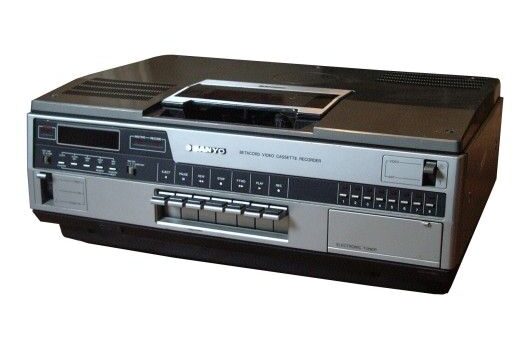
Sony’s Betamax format arrived in 1975 and was widely considered by tech experts to be the superior choice for home video. It offered a sharper picture and better sound quality than its main rival, VHS. For the first few years of the “format wars,” it looked like Sony might set the standard for how the world watched movies at home, appealing to those who prioritized the best possible visual experience.
However, Betamax eventually lost the battle due to simple practicalities like recording time and price. VHS tapes could hold much more footage, which allowed users to record full football games or longer movies on a single cassette. As the film industry began releasing more titles on the cheaper VHS format, the market shifted decisively away from Sony. This remains a classic business lesson showing that technical superiority doesn’t always matter if a competitor is more affordable and better suited to the needs of the average consumer.
Samsung Galaxy Note 7
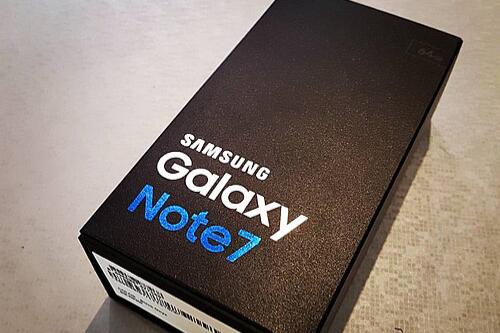
The Samsung Galaxy Note 7 launched in August 2016 to glowing reviews from tech critics and massive excitement from fans. It was a beautiful piece of hardware, featuring a gorgeous curved screen, top-tier performance, and a signature stylus that made it a powerhouse for productivity. For a few weeks, it looked like Samsung had created the best smartphone of the year, and sales were initially very strong across the globe.
The success story turned into a nightmare when reports began surfacing that the batteries were overheating and catching fire. Following a series of scary incidents, airlines officially banned the phone from flights, and Samsung was forced to issue a massive global recall. Despite trying to fix the issue, the problems persisted, and the company discontinued the Note 7 entirely in October 2016. It was a multi-billion dollar disaster that served as a stark reminder that safety and quality control must always come before flashy new features.
Nintendo Virtual Boy
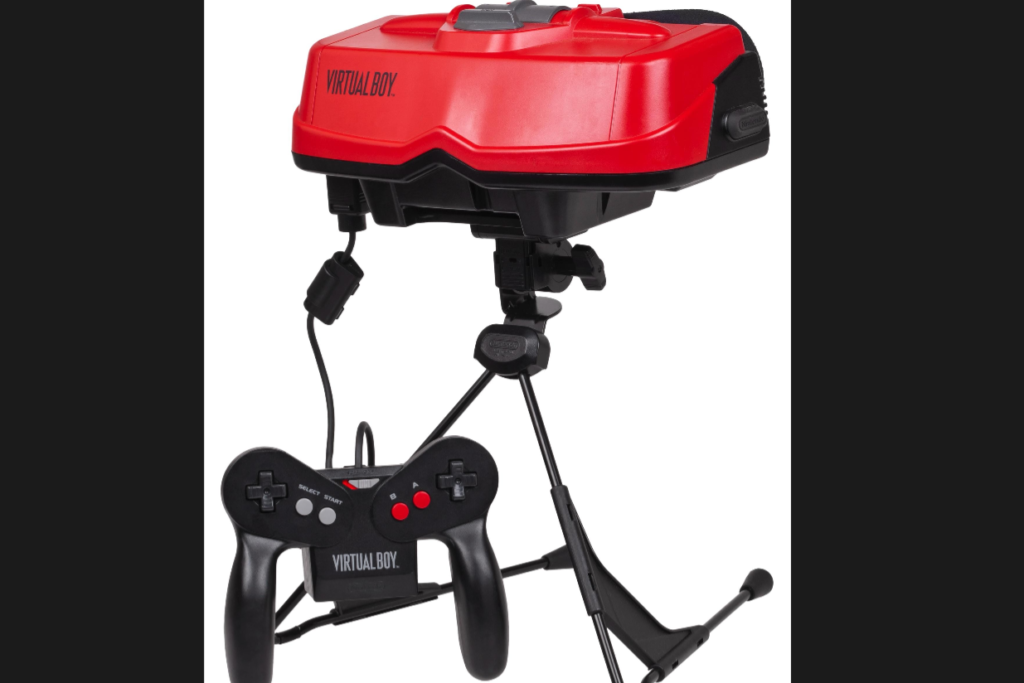
When Nintendo released the Virtual Boy in 1995, it was marketed as a daring leap into the world of 3D gaming. At a time when the concept of “virtual reality” felt like something out of a science fiction novel, this headset promised to pull players deep into their games like never before. Nintendo hoped this would be the groundbreaking innovation that would keep them ahead of competitors in the rapidly evolving video game industry.
However, the hardware was far from the immersive dream people expected. The system used a red-and-black LED display that many users found visually jarring, often leading to eye strain and headaches after just a few minutes of play. Furthermore, the “portable” headset had to sit on a table, making the posture required to play it very uncomfortable. With a small library of games and poor reception, Nintendo pulled the plug in 1996, proving that even a legendary gaming company can miss the mark when ergonomics are ignored.
Segway Personal Transporter
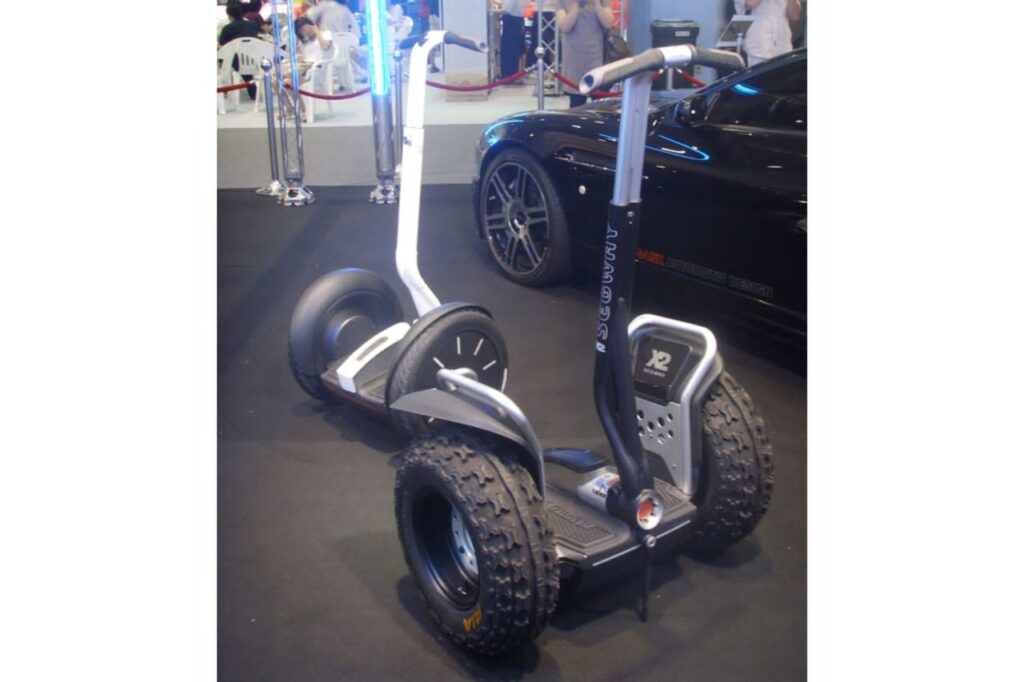
The Segway PT made its grand debut in 2001, backed by an unbelievable amount of hype and secret development. Famous tech leaders predicted it would be more significant than the PC, claiming it would completely revolutionize the way cities were designed and how people moved through them. Its self-balancing technology was truly a work of engineering genius, and for a fleeting moment, it seemed like the future of transportation had finally arrived.
Despite the “cool factor,” the Segway struggled to find a place in the real world. It was too fast to safely use on crowded sidewalks but too slow and vulnerable to be driven on the road with cars. The high price tag of around $5,000 also meant it stayed out of reach for most average commuters. While it found a niche with tour groups and security guards, it never became the world-changing vehicle it promised to be, eventually ending production in 2020 as a symbol of over-hyped expectations.


