
1. The Pager
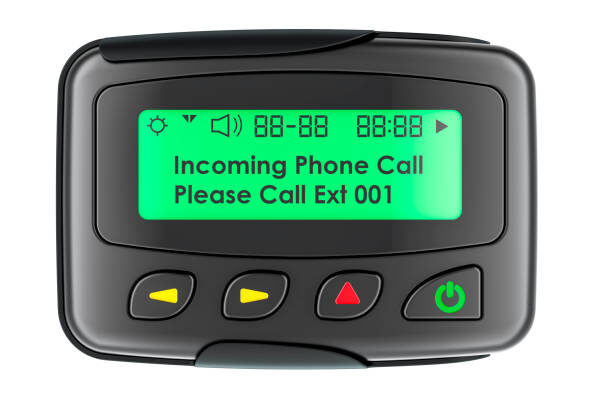
Once, the pager was the ultimate status symbol. Doctors, businesspeople, and teenagers carried them everywhere, depending entirely on numeric codes and brief messages to communicate. The idea of getting a beep and then calling someone back felt revolutionary. “It was like having a tiny alarm that said, ‘You matter enough to reach me urgently,’” a tech historian once wrote, capturing the subtle drama of waiting for a signal.
Now, the concept feels almost quaint. No emojis, no texting, no instant reply just numbers blinking at you and the patience to respond. And yet, for those who grew up with pagers, it was more than communication; it was a ritual of attention, anticipation, and sometimes mild panic when your beep went unanswered. The simplicity of a pager, in its quiet way, is oddly charming compared to the constant notifications we wrestle with today.
2. The Walkman
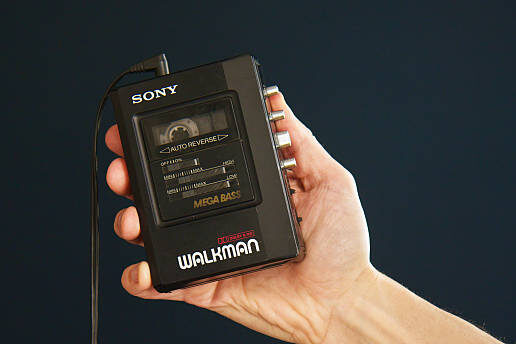
The Walkman wasn’t just a music player, it was personal freedom. For the first time, people could carry music with them, walk down streets with their favorite tracks playing privately through headphones, and feel a small, portable escape from the world. The act of inserting a cassette, pressing play, and winding the tape after it jammed is almost legendary in its specificity and patience.
From today’s perspective, it sounds bizarre: rewinding tapes, limited storage, bulky designs, but at the time, it was liberating. Music historians often note, “It gave teenagers a sense of ownership over sound in a way nothing before had.” The Walkman created small pockets of private experience, transforming public spaces into personal concerts, and in doing so, it shaped the culture of music listening for decades.
3. Film Cameras
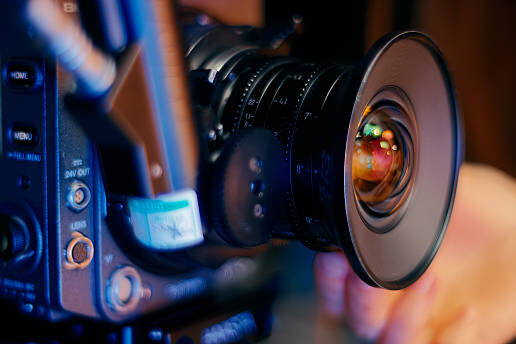
Remember a world where every photograph was deliberate? Film cameras required planning: buying rolls, setting exposures, and waiting days for prints. Every snapshot carried weight because there were limited frames, and mistakes meant wasted film. Parents, travelers, and hobbyists all learned patience in a way digital cameras never demand.
Now, the idea of carefully counting shots seems strange. We snap hundreds of pictures with smartphones without thinking, instantly deleting what doesn’t work. But film cameras gave photographs a tactile, deliberate quality. One photographer wrote online, “You couldn’t just take 50 photos, you had to feel the moment, understand the light, and trust your instinct.” That sense of presence and attention to detail is hard to replicate with today’s instant technology, and it makes film photography a nostalgic touchstone for many.
4. The Floppy Disk
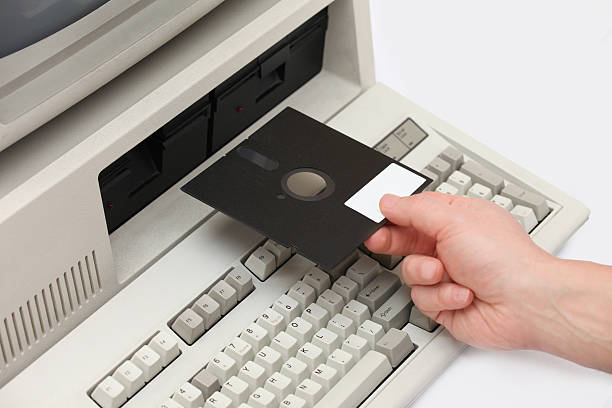
Floppy disks were once the backbone of digital storage. Small, square, and often frustratingly delicate, they held your work, your memories, and your digital life, at least until the inevitable bend, scratch, or corruption. They were traded, borrowed, and labeled with sticky notes in ways that now feel almost absurd. “It’s funny to think we carried our entire projects on these tiny, fragile squares,” one blogger reflected.
Looking back, it’s strange to imagine such tiny storage capacity being enough for anything important. Today, files that fit on a floppy disk would barely hold a single song or photograph. Yet, at the time, floppies symbolized portability, control, and the thrill of technological progress. They were tactile, manipulable, and even a little ritualistic, insert, save, eject, a sequence that feels oddly satisfying and totally foreign to anyone who only knows cloud storage.
5. The Rotary Phone
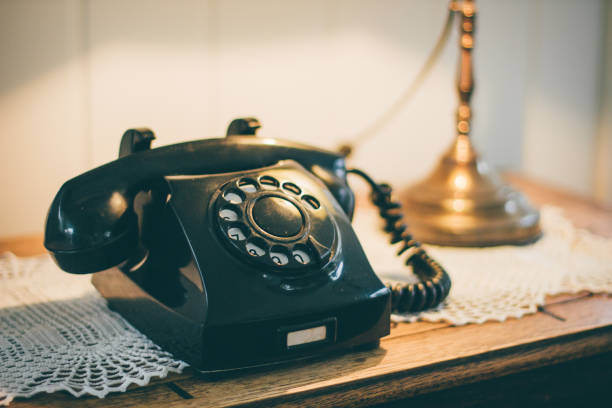
Rotary phones were once the centerpiece of communication in homes and offices. You picked up the receiver, placed your finger in a numbered hole, spun the dial, and waited as the mechanism clicked back into place. It required patience, precision, and a sense of ceremony for even the simplest calls. Everyone remembers the tiny thrill of dialing a long-distance number and the satisfying hum of connection.
From today’s perspective, rotary phones sound like relics from another planet. No speed dial, no contact lists, no touchscreens, just muscle memory and patience. Yet, for people at the time, it wasn’t just a phone; it was a ritual, a way to engage with friends, family, and work. “It taught you to slow down, to consider the call you were making,” one online reflection notes. The slow rhythm of a rotary dial almost feels like a lost art in our instant-gratification world.
6. The VHS Player
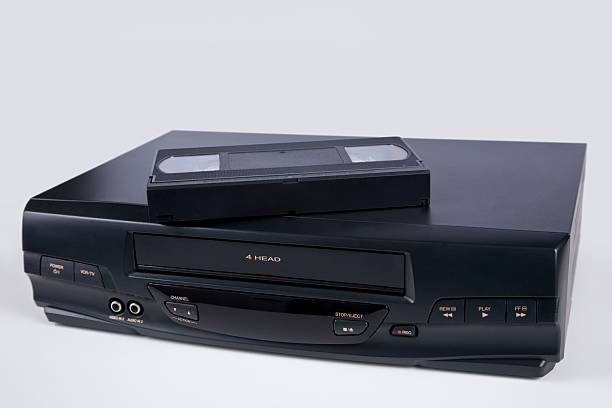
VHS tapes were once the ultimate home entertainment. Renting a movie, popping it into the VCR, and watching it on the living room TV was an event. Families gathered around the screen, rewinding tapes to see their favorite scene again, and the clunky machines hummed and whirred in a comforting, mechanical way. It wasn’t perfect, but it felt magical.
Today, the very idea of a VHS seems strange. Digital streaming makes it nearly impossible to imagine waiting for a tape, tracking down a rental, and pressing play with that mechanical whir. Yet, for those who grew up with VHS, it was a ritual that shaped weekend routines and movie nights. One blogger shared, “I miss the sound of the tape loading, it felt alive in a way digital files never do.” VHS players remind us that technological charm often comes with imperfection.
7. The Pager Watch
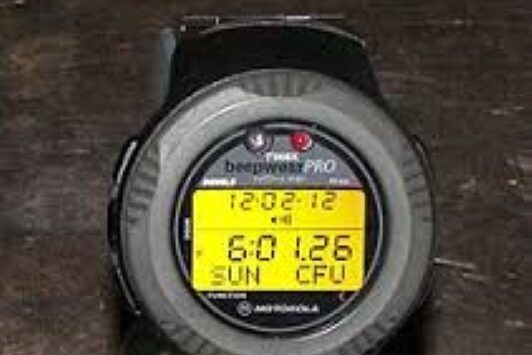
A pager watch; imagine a wristwatch that beeps to tell you someone wants to reach you. It was once the epitome of convenience and style, especially for busy professionals. Teens, doctors, and tech enthusiasts flaunted them like trophies. “It was cutting-edge, and everyone wanted one on their wrist,” a tech historian explains.
Now, the gadget sounds odd. Wearable alerts exist today in smartwatches, but the original pager watch had no screen, no texting, and no touch interface, just a beep and the urge to call back immediately. The anticipation, the ritual, and the sense of connection made it more than a device; it was a social signal, a personal notification system that carried status and urgency all at once.
8. The Polaroid Camera
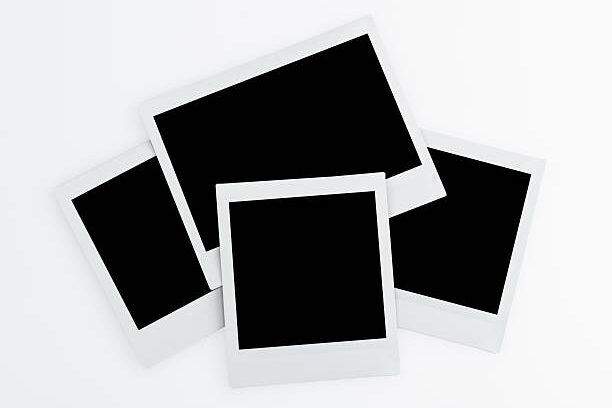
Polaroid cameras brought instant gratification to photography long before digital cameras existed. Snap a photo, shake the print, and watch the image appear in your hands. Parties, vacations, and casual portraits suddenly became moments that could be held immediately, creating tangible memories in an age of waiting and development.
From today’s lens, it might seem quaint. Shaking a photo feels almost silly now, but the process was tactile, magical, and social. People recall, “There was something satisfying about watching your picture emerge, like holding a tiny surprise.” The Polaroid wasn’t just about images; it was about anticipation, shared excitement, and holding a small piece of memory that didn’t live on a screen but in your hand.
9. The Pager Keychain
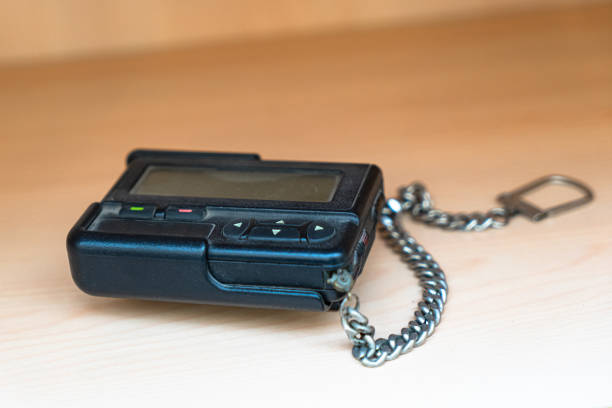
Miniature, clipped to belts or bags, the pager keychain was practical and stylish for its era. It alerted you to urgent messages and was often paired with numeric codes or brief instructions. Carrying one signaled importance, responsibility, and connectivity in a world where mobile phones weren’t yet common.
From today’s perspective, it’s almost comical. No texting, no apps, just alerts and the expectation that you’d respond quickly. Yet, at the time, it was a lifeline. People reminisce: “It made me feel in control, like I mattered.” That blend of function and social signaling makes it oddly fascinating today, a glimpse into a world before smartphones monopolized attention.
10. The Flip Phone
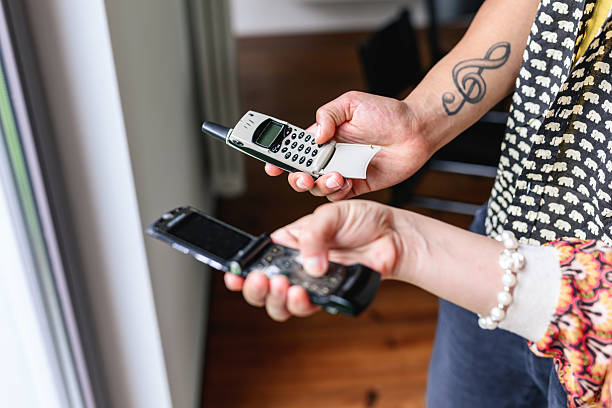
Before touchscreens took over, flip phones were sleek, practical, and surprisingly fun. Opening and closing the clamshell to answer a call or send a text carried its own satisfaction. Buttons clicked satisfyingly, screens were small but readable, and calls felt intentional because dialing required physical engagement.
Now, the concept is almost alien. No touchscreen scrolling, limited internet access, no high-res camera, just simplicity. And yet, many people recall them fondly: “I miss the sound of it snapping shut, it felt like an ending and a promise at the same time.” Flip phones remind us that simplicity can be joyful, and that the charm of technology isn’t always in features, but in the tactile, human experience of using it.
11. The Handheld Game Console
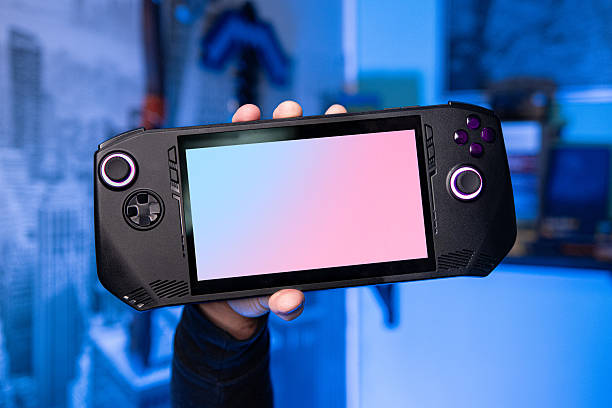
Early handheld consoles offered portable gaming before smartphones took over. Tiny screens, physical buttons, and simple graphics demanded skill, focus, and imagination. Whether it was jumping over pixelated obstacles or racing to beat a high score, these devices defined fun for a generation.
From today’s lens, the devices seem limited, even awkward. No touchscreens, no online multiplayer, no HD graphics, just simple challenges that were, in their time, endlessly engaging. “It’s incredible how a small screen and a few buttons could provide hours of joy,” one gamer reflects online. These consoles remind us that limitations often breed creativity, fun, and shared memories that digital abundance can’t always replace.
12. The CD Player
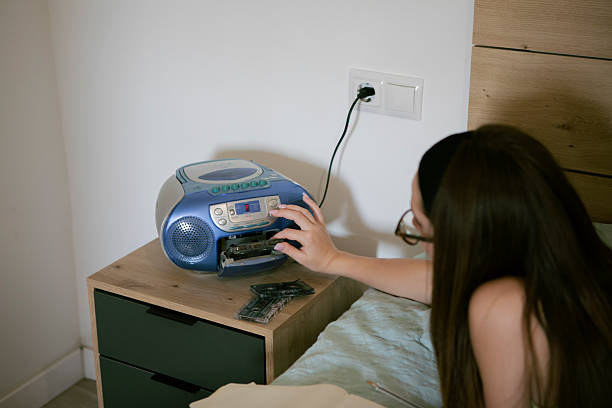
CD players brought crystal-clear music to the masses in a portable form. Carrying a favorite album on a disc, inserting it carefully, and pressing play felt like magic. Music could be enjoyed anywhere, with better sound quality than tapes or vinyl, and the ritual of selecting tracks added to the charm.
Today, it seems almost unnecessary. Streaming, downloads, and smartphones have made CDs almost obsolete. Yet, many remember the tactile pleasure of handling discs, reading liner notes, and flipping through a small collection. One music blogger wrote, “There was something about the disc in your hand, the mechanical click, that made music feel real.” CD players may seem strange today, but they were tactile, deliberate, and deeply human in the way they shaped music enjoyment.


