
1. Sticky Notes
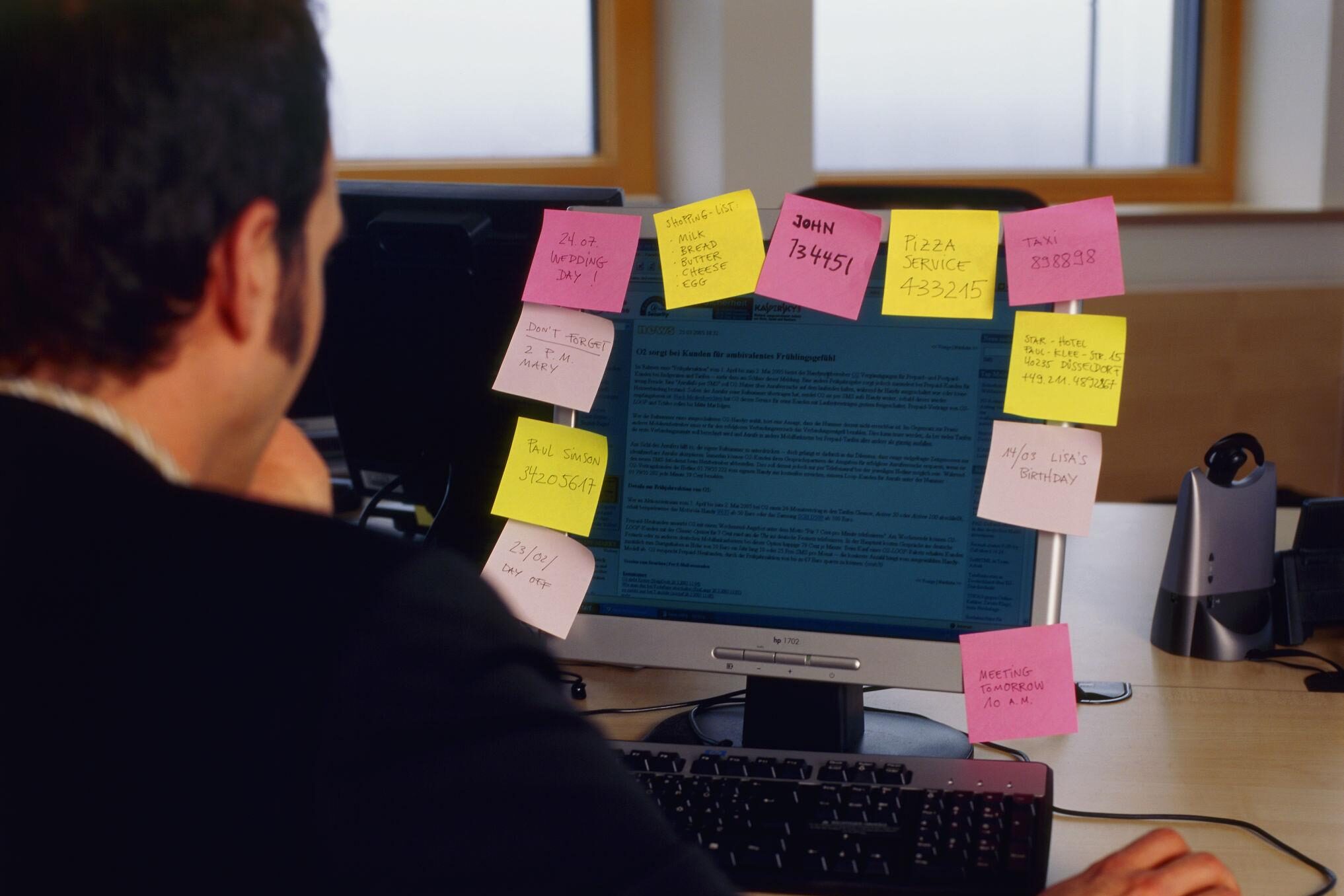
It’s funny to think that something designed to be weak ended up being so strong in our daily lives. The story of sticky notes starts with a scientist at 3M who was actually trying to create a super-strong adhesive. Instead, he ended up with the opposite, a glue that barely held anything together. At first, it felt like a failure, the kind you quietly set aside and move on from. But sometimes, the usefulness of something doesn’t show up right away. It just waits for the right moment.
That moment came years later when a colleague needed a bookmark that wouldn’t fall out of his church hymnal. Suddenly, that “failed” adhesive made perfect sense. As Spencer Silver once explained, “It was a solution without a problem.” That line says a lot about how innovation really works, it’s not always neat or timely. Today, sticky notes live everywhere, on desks, fridges, and computer monitors, quietly holding reminders that help us stay on track. It’s a gentle reminder that even things that don’t seem to work at first can still find their place if we give them time.
2. Microwave Ovens
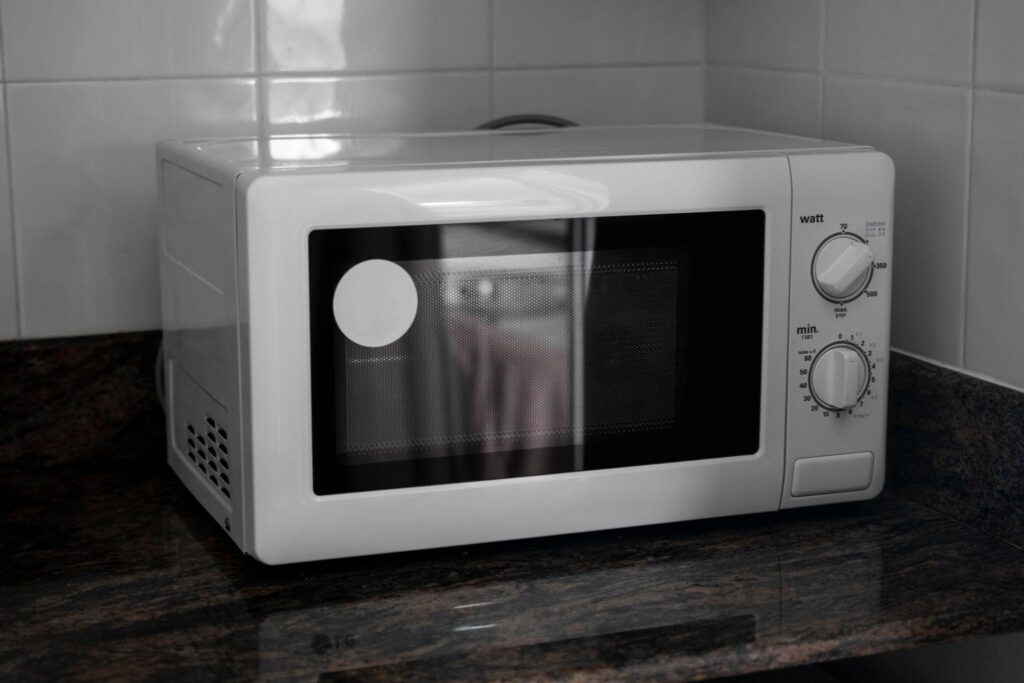
Sometimes discovery shows up in the middle of an ordinary day, doing something completely unrelated. That’s exactly how the microwave oven came to be. Percy Spencer was working with radar technology during World War II when he noticed something unusual, a chocolate bar in his pocket had melted without any obvious heat source. It wasn’t planned, and it certainly wasn’t part of his job description, but curiosity pushed him to look closer instead of brushing it off.
That small moment led to experiments with popcorn kernels and eggs, and eventually to the invention of the microwave oven. Spencer later reflected, “I just thought it was interesting.” There’s something simple about that mindset, noticing something odd and choosing to explore it instead of ignoring it. Today, microwaves are a staple in kitchens across the United States, quietly saving time on busy mornings and late nights. It’s hard to imagine daily life without them, yet they exist because someone paid attention to a small, unexpected detail. It makes you wonder how many overlooked moments around us might be quietly waiting to become something more.
3. Potato Chips That Started as a Complaint

Some inventions come from curiosity, but others come from frustration, the kind that builds quietly until it spills over into action. That’s how potato chips were born. Back in the 1800s, a customer at a restaurant kept sending back his fried potatoes, saying they were too thick and soggy. The chef, George Crum, grew irritated and decided to slice the potatoes as thin as possible, frying them until they were crisp just to prove a point.
What happened next wasn’t what he expected. Instead of another complaint, the customer loved them. Crum later admitted he made them “as a joke,” but the joke turned into a lasting favorite. Today, potato chips are one of the most popular snacks in the U.S., found in lunchboxes, road trips, and casual gatherings. There’s something comforting about that story, how even a moment of annoyance can turn into something widely enjoyed. It reminds us that not every good outcome starts with good intentions, sometimes it just starts with reacting honestly to the moment in front of you.
4. Safety Glass

Everyday safety features often go unnoticed, but their origins can be surprisingly accidental. Safety glass, the kind used in car windshields, came from a simple lab mishap. Édouard Bénédictus accidentally knocked over a glass flask, expecting it to shatter on impact. Instead, it cracked but held its shape, thanks to a thin coating of plastic residue inside the glass.
At first, it was just an odd observation, something you might shrug off and forget. But Bénédictus saw potential in it, especially after reading about frequent car accidents involving shattered glass. He later noted that the flask “did not break into pieces,” and that detail stuck with him. Over time, that small accident turned into laminated safety glass, now a standard feature in vehicles worldwide. It’s one of those quiet innovations that protects people every day without drawing attention to itself. And maybe that’s the beauty of it, something born from chance that now works quietly in the background, making everyday life just a little bit safer.
5. Super Glue
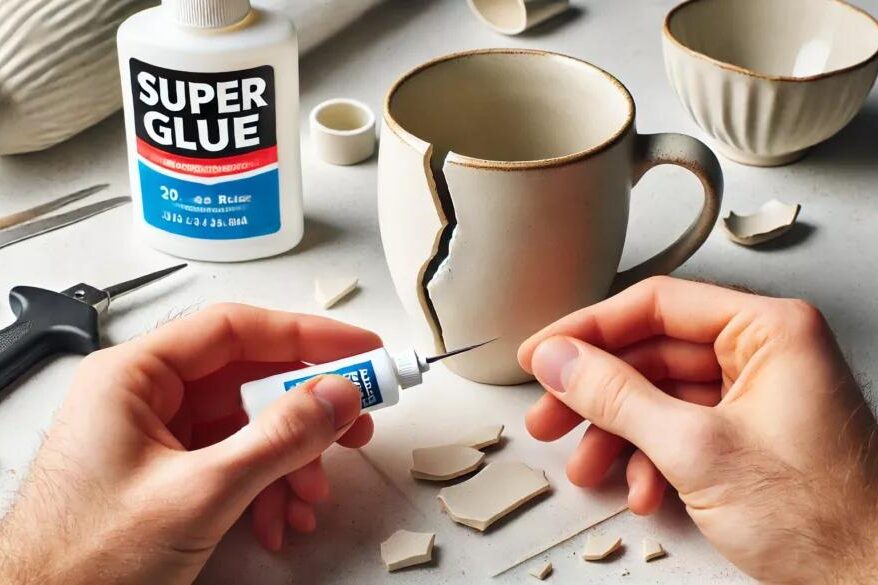
At first glance, you might think something that sticks too well would be exactly what scientists wanted. But when Harry Coover first encountered what would become super glue, it felt more like a nuisance than a breakthrough. He was working on materials for clear plastic gun sights during World War II, and the substance he created kept sticking to everything, tools, equipment, even hands. It was messy, impractical, and quickly set aside.
Years later, Coover revisited the material and realized its true value. What once felt like a problem was actually a powerful adhesive waiting for the right purpose. As he later said, “I saw its potential instantly.” Today, super glue is something many households keep tucked away for quick fixes, broken handles, cracked items, small repairs that don’t need much fuss. It’s reliable in a quiet way, the kind of thing you reach for without thinking twice. And like many of these accidental inventions, it carries a simple message, sometimes what feels inconvenient at first just needs a second look to reveal its usefulness.
6. Cornflakes

It’s easy to imagine how something left unattended in the kitchen can go wrong, but in this case, it turned out just right. John Harvey Kellogg and his brother Will Keith Kellogg were working on health foods when they accidentally left cooked wheat sitting out too long. By the time they returned, it had gone stale, and instead of throwing it away, they decided to roll it out anyway, curious to see what would happen.
What came out were thin flakes, crisp and surprisingly pleasant to eat. As the story is often told, they simply decided to “try it anyway,” and that small decision changed breakfast habits across the United States. Cornflakes soon became a staple, simple, convenient, and easy to prepare on busy mornings. It’s the kind of story that feels relatable, making do with what you have instead of starting over. Sometimes, the best ideas don’t come from getting everything right, but from being willing to work with what’s already there and seeing it through.
7. Ice Cream Cones

There’s something charming about inventions that happen in the middle of a busy day, especially when they come from solving a very immediate problem. At the 1904 St. Louis World’s Fair, an ice cream vendor ran out of dishes just as demand kept growing. Nearby, a waffle seller stepped in, rolling his waffles into cone shapes so customers could carry their ice cream without needing a bowl.
It wasn’t planned, and it certainly wasn’t meant to become a standard way of serving dessert, but people loved it. As one account puts it, the solution was simply “born out of necessity,” and that’s often where the best ideas come from. Today, ice cream cones are part of the experience, whether you’re at a beach, a fair, or just enjoying a quiet treat on a warm afternoon. It’s hard to separate the cone from the ice cream now, yet it all started with a small moment of improvisation. It reminds you that sometimes, quick thinking in the middle of a problem can create something that lasts far beyond that moment.
8. Teflon
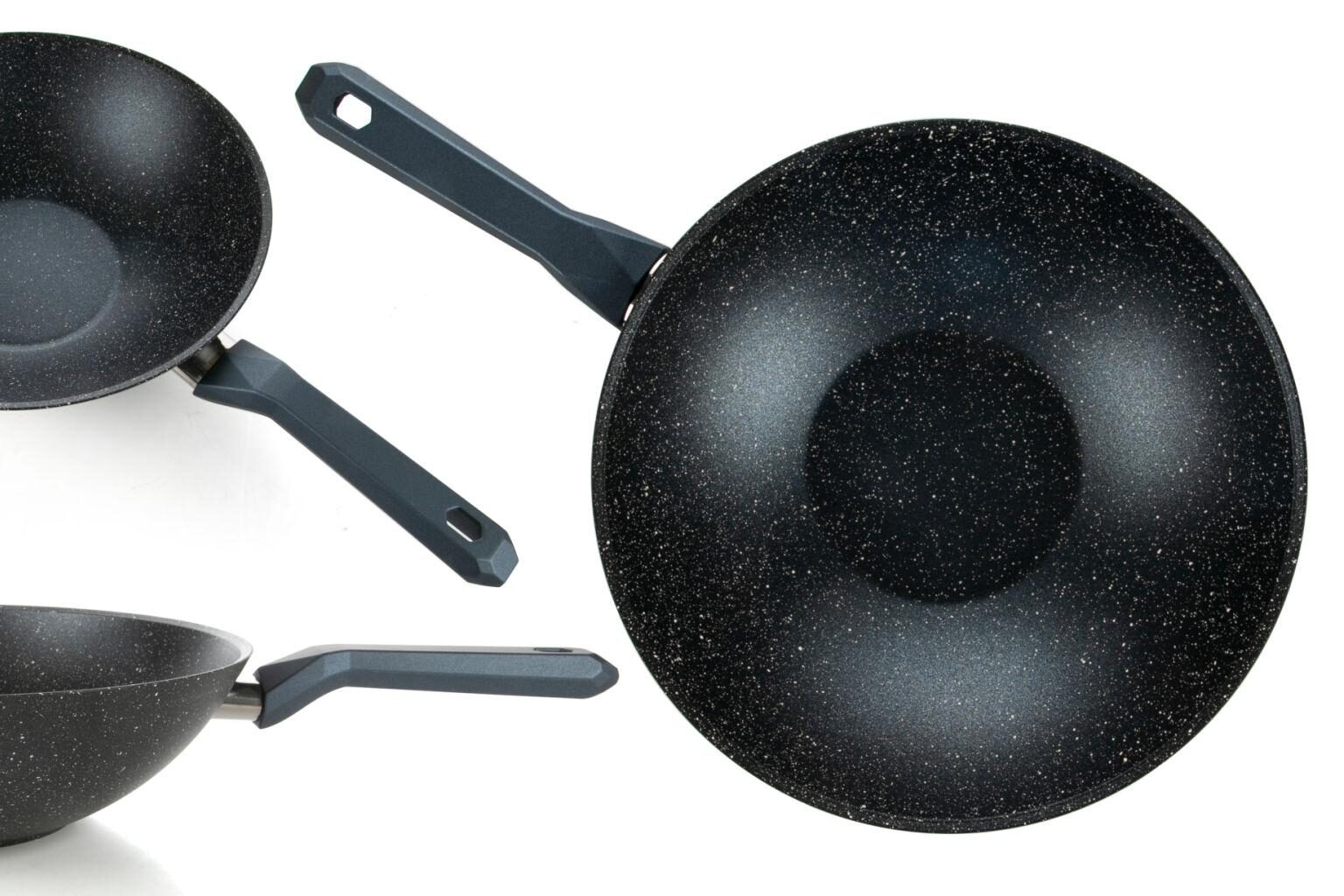
Not every discovery announces itself clearly. Sometimes, it shows up quietly and leaves people wondering what just happened. That was the case when Roy Plunkett was working with gases for refrigeration. One day, a container he expected to be full turned out to be empty, or at least it seemed that way. When he cut it open, he found a strange, waxy substance coating the inside.
At first, it didn’t seem like much, just an unexpected byproduct. But that substance turned out to be incredibly useful, resistant to heat and almost nothing could stick to it. Plunkett later described it as something that “just formed on its own,” which captures the quiet surprise of the moment. That material became Teflon, now widely used in nonstick cookware across American kitchens. It’s one of those things you rely on without thinking, making cooking a little easier and cleanup a little faster. And like many of these stories, it began with confusion, followed by curiosity, and eventually, recognition of something valuable.
9. Velcro
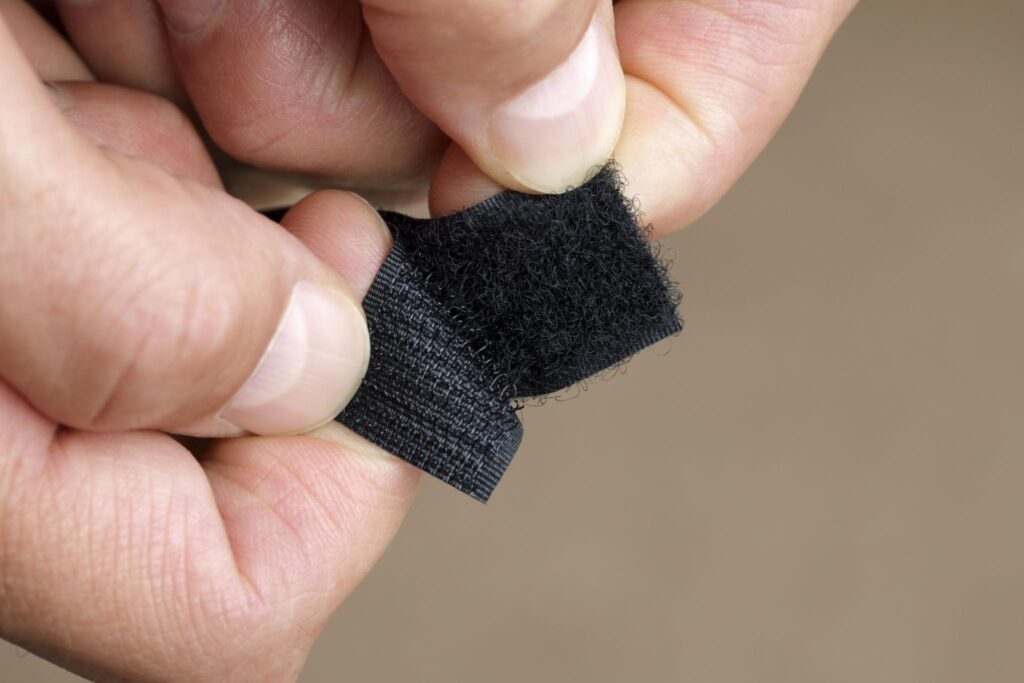
Some ideas don’t come from labs or kitchens, but from simply paying attention to nature. George de Mestral discovered Velcro after a walk with his dog, noticing how burrs kept sticking stubbornly to fabric and fur. Instead of brushing them off and moving on, he took a closer look, examining them under a microscope to understand how they worked.
What he found was a system of tiny hooks that latched onto loops in fabric, simple, effective, and surprisingly strong. He later explained that he was “curious enough to study it,” and that curiosity turned into one of the most widely used fastening systems today. Velcro shows up in shoes, bags, and countless everyday items, quietly doing its job without much attention. It’s a gentle reminder that inspiration doesn’t always come from trying to invent something new, sometimes it comes from noticing what already exists and learning from it.
10. Saccharin

This one feels especially human because it’s rooted in something so ordinary, forgetting to wash your hands. Constantin Fahlberg was working in a lab when he noticed that his food tasted unusually sweet. Instead of dismissing it, he traced the sweetness back to the chemicals he had been handling earlier that day.
It turned out he had discovered saccharin, one of the first artificial sweeteners. Fahlberg later admitted he realized it when “everything I touched tasted sweet,” a detail that feels both surprising and relatable. Today, artificial sweeteners are widely used, especially by people looking to reduce sugar intake. It’s a small but meaningful part of many diets, showing up in drinks, snacks, and everyday products. And it all started with a simple oversight, the kind anyone could make. It’s a reminder that even small, accidental moments can carry unexpected significance if we’re willing to pay attention.
11. Popsicles

Some treats are so familiar that it’s hard to imagine they started as an accident. The Popsicle, for example, owes its origin to Frank Epperson, who as a kid accidentally left a mixture of powdered soda and water outside overnight with a stir stick still in it. The temperature dropped, the liquid froze, and what he found the next morning was a frozen treat on a stick.
At first, it was just something fun to eat, a simple frozen curiosity. Epperson later realized its commercial potential, and by 1923, he was selling “Popsicles,” a name he reportedly coined to appeal to children. Today, they’re a nostalgic summer staple, found in school lunchboxes and backyard freezers, offering simple joy on a hot day. The story feels relatable because it starts with a mistake, and yet it leads to something widely beloved. Sometimes the best ideas are literally left to chill and reveal themselves in their own time, reminding us to be patient and curious about the world around us.
12. Penicillin

And finally, perhaps the most life-changing accidental discovery of all, Alexander Fleming noticed something unusual on a petri dish of bacteria he had left unattended. A mold had grown, and around it, the bacteria were dead. Instead of discarding the experiment, he studied it further and realized he had stumbled upon a natural antibiotic.
What started as an overlooked lab sample changed medicine forever. Penicillin became the first widely used antibiotic, saving countless lives and laying the foundation for modern medicine. Fleming described it simply: “One sometimes finds what one is not looking for.” That statement captures the essence of so many accidental inventions: the combination of curiosity, observation, and patience. Today, everyday life is filled with small conveniences and major breakthroughs that trace back to these chance moments. It’s a reminder that the ordinary can hide the extraordinary, and paying attention can sometimes lead to life-changing discoveries.


