
1. Phone Booth
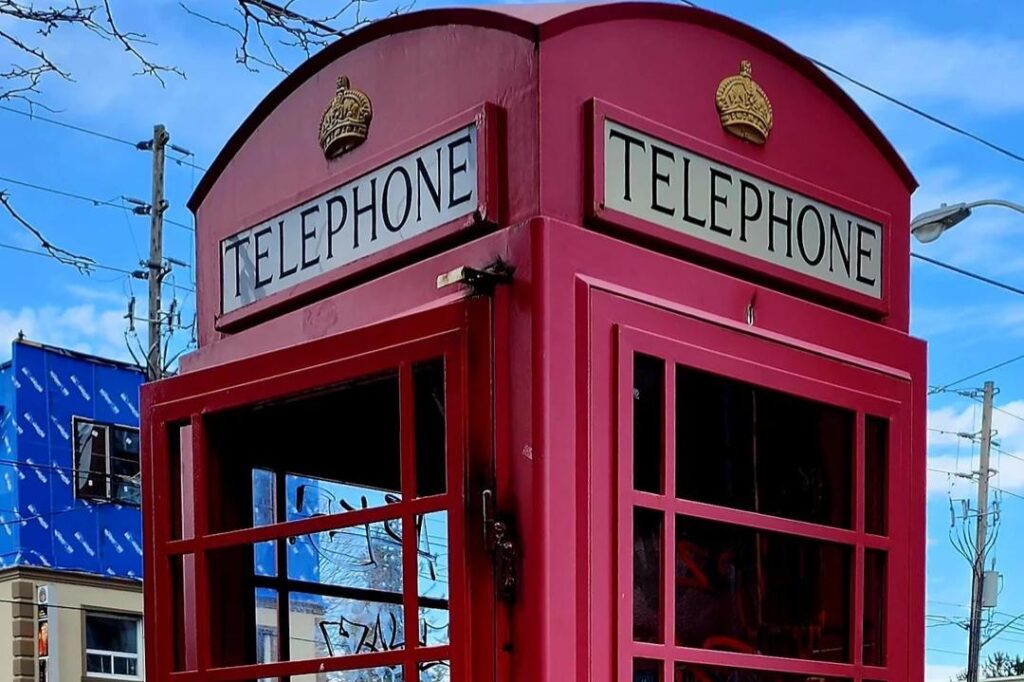
There was a time when stepping into a phone booth felt like entering a tiny, private world. You’d close the door, hear the muffled sounds of the street, and focus on a single call that somehow felt important. It didn’t matter if it was quick or long, there was always a sense of purpose in that small space. People often say now, “I can’t remember the last time I saw one,” and that realization tends to come quietly, without much thought.
As mobile phones became part of everyday life, phone booths slowly lost their place. They weren’t removed all at once, just taken away little by little as fewer people needed them. The few that remain feel more like symbols than tools. It’s strange how something once so essential could fade so naturally. Still, if you happen to pass one today, there’s a quiet nostalgia in it, like a reminder of when communication asked for just a bit more intention and patience.
2. Paper Maps
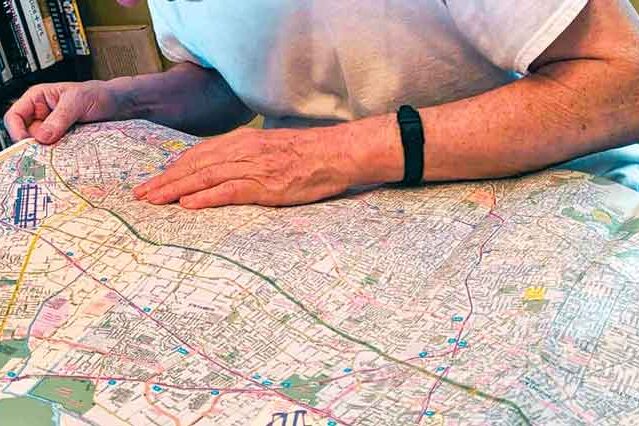
Before navigation apps spoke directions out loud, there was a moment of unfolding a paper map that felt oddly satisfying. It wasn’t just about getting somewhere, it was about figuring it out along the way. You’d trace routes with your finger, fold and refold the paper, and sometimes even pause to ask someone for help. As one reflection puts it, “Maps made you part of the journey, not just a passenger,” and that feeling stayed with you.
Gradually, smartphones took over, offering faster and easier directions without the need to think twice. Paper maps didn’t disappear overnight, they just became something you stopped reaching for. Now they sit tucked away in drawers or old glove compartments, slightly worn but still familiar. While digital maps are undeniably convenient, they lack that tactile sense of discovery. There was something about getting a little lost and finding your way again that made the journey feel more personal and memorable.
3. DVD Rental Stores
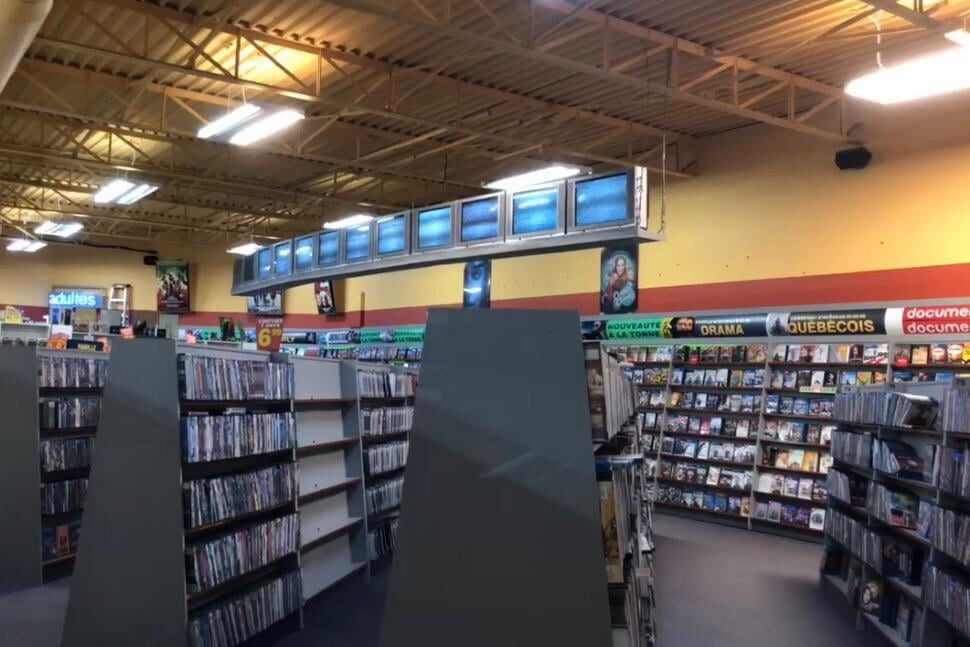
Walking into a DVD rental store once felt like stepping into a place full of possibility. Rows of cases lined the walls, and you’d wander through them slowly, reading covers and deciding what to take home. It wasn’t just about watching a movie, it was about choosing one. People often recall how “half the fun was just browsing, not even renting,” and that small ritual made the experience feel complete.
Streaming services gradually replaced that routine, offering instant access without leaving home. The change felt easy, even welcome, but it also meant the quiet fading of those familiar stores. One day they were part of nearly every neighborhood, and then suddenly they weren’t. What remains is the memory of that simple process, the anticipation, the late returns, and the small excitement of holding your choice in your hands. It’s a reminder of when watching something began long before you pressed play.
4. Alarm Clock Radios
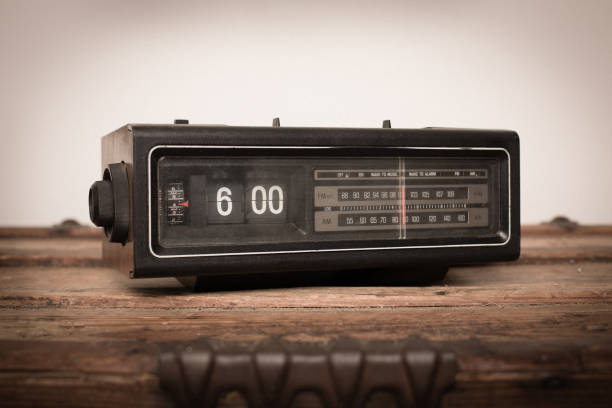
There was something comforting about waking up to an alarm clock radio. The soft crackle of a station tuning in, the familiar voice of a morning host, or a song easing you into the day made mornings feel less abrupt. It wasn’t always perfect, but it felt shared in a quiet way. As one thought goes, “It made mornings feel like you were waking up with the world,” and that feeling lingered.
Over time, smartphones took over that role, combining alarms, music, and everything else into one device. The old alarm clock radios didn’t suddenly stop working, they just stopped being necessary. Many now sit unused, tucked away or replaced without much thought. Still, there’s a warmth in remembering them. They remind you of mornings that felt slower and more connected, where waking up wasn’t just about the time, but about easing into the day alongside voices and sounds that felt familiar.
5. Printed TV Guides

Flipping through a printed TV guide used to be part of a simple weekly routine. You’d scan through the listings, circle shows, and plan your evenings around what was coming on. It wasn’t rushed or overwhelming, it felt steady and intentional. Someone once said, “You didn’t just watch TV, you waited for it,” and that waiting made the experience feel a little more meaningful.
As streaming and digital listings became the norm, printed guides slowly faded away. There wasn’t a clear moment they disappeared, they just stopped showing up and people stopped expecting them. Today, everything is available instantly, and choices are endless. While that convenience is hard to ignore, it also changed how we experience entertainment. There’s something quietly missed about that slower pace, where anticipation built naturally and watching something felt like a small, planned moment rather than just another quick decision.
6. Phone Books
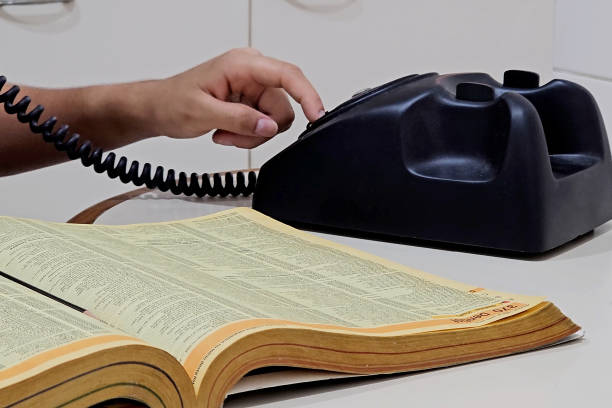
There was a time when a phone book sat quietly in almost every home, thick with pages and full of names that somehow made the world feel more connected. You’d flip through it carefully, running your finger down columns, hoping to find the right number. It wasn’t fast, but it worked, and it felt dependable in a way that didn’t need explaining. Many people still remember thinking, “If it’s not in the book, how do you find it?” and that question once felt completely valid.
As the internet grew and smartphones became common, phone books slowly lost their place. They didn’t vanish overnight, they just became less useful with each passing year. Fewer people reached for them, and eventually, they stopped arriving at doorsteps altogether. Now, they feel like artifacts from another time, something you might stumble upon in storage. Still, they remind you of a slower way of finding information, one that required a bit more effort but also carried a quiet sense of certainty.
7. Fax Machines
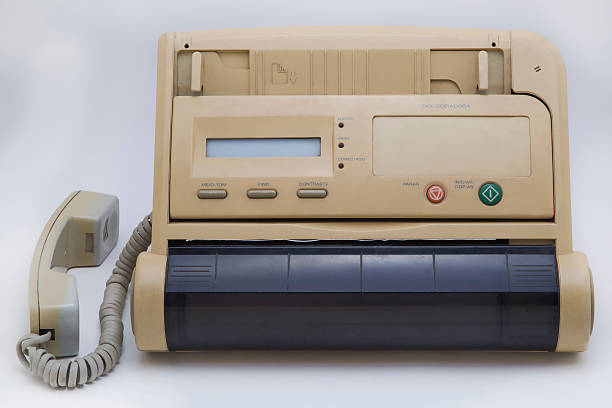
Fax machines once felt like a bridge between worlds, sending documents across distances in a way that seemed almost magical at the time. The sound of paper feeding through, the waiting, and the confirmation page all felt like part of an important process. Offices relied on them daily, and even at home, they carried a certain seriousness. As someone once noted, “It felt official when it came through a fax,” and that sense of formality mattered.
Over time, email and digital sharing made fax machines less necessary. The change wasn’t sudden, but it was steady. One by one, offices replaced them with faster and simpler tools, and eventually, they became something you only saw in specific places. Now, they linger mostly in the background, rarely used but not entirely gone. Their quiet disappearance reflects how quickly technology can reshape everyday habits without much notice, leaving behind only small reminders of how things used to be done.
8. Disposable Cameras
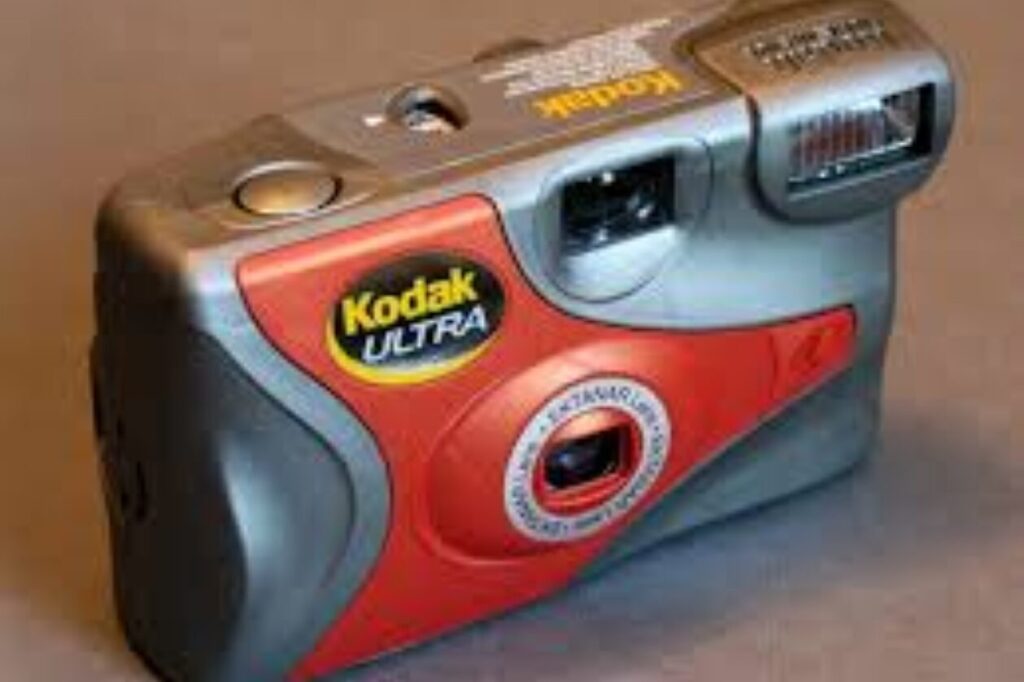
There was something special about using a disposable camera. You didn’t see the photos right away, which made every shot feel a little more thoughtful. You’d wind the film, press the button, and hope for the best. Later, when the pictures were developed, there was always a mix of surprise and excitement. People often say, “You never knew what you’d get, and that was part of the fun,” and it’s easy to see why.
As digital cameras and smartphones took over, disposable cameras slowly faded from everyday use. The need to wait for photos disappeared, replaced by instant previews and endless retakes. While that made photography easier, it also changed how moments were captured. Today, photos are everywhere, but they rarely carry the same sense of anticipation. Looking back, disposable cameras remind us of a time when each picture felt a bit more intentional, and the memories they held unfolded slowly, one print at a time.
9. Handwritten Letters
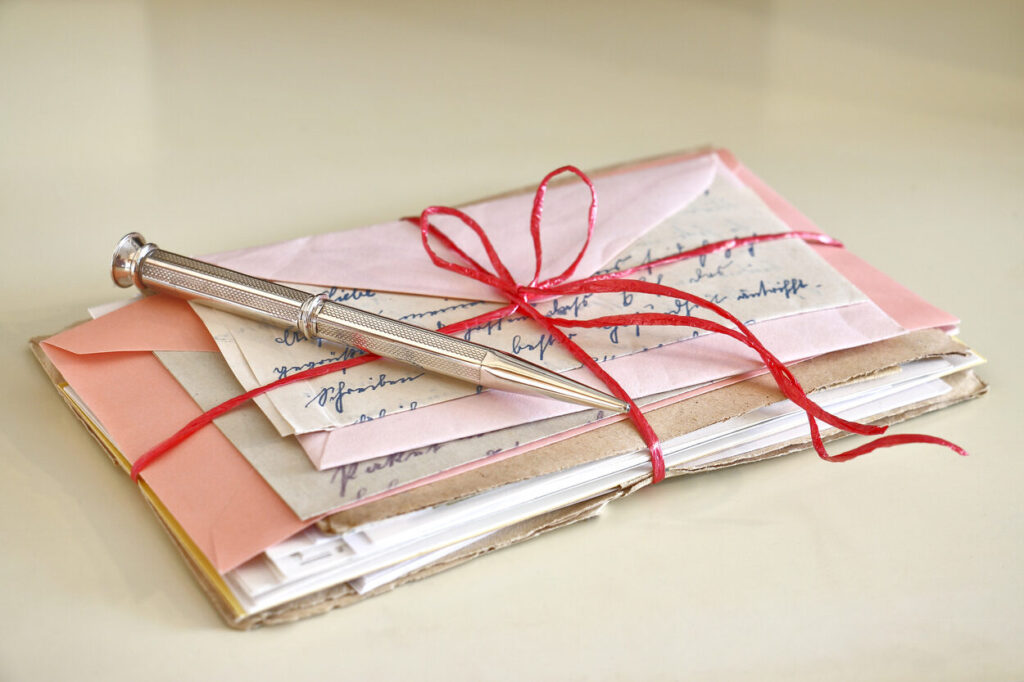
Writing a handwritten letter once felt like a meaningful act, something that took time, thought, and a bit of care. You’d choose your words carefully, knowing they would travel a distance before reaching someone else. The paper, the handwriting, even the small imperfections made it personal. As one reflection puts it, “A letter felt like a piece of someone’s day sent just for you,” and that feeling was hard to replace.
With the rise of emails, texts, and instant messaging, handwritten letters gradually became less common. The shift happened quietly, as faster forms of communication took over daily life. Now, letters are often reserved for special occasions, if they are written at all. Even so, they haven’t completely lost their meaning. When one does arrive, it still carries that same warmth, reminding us of a time when communication wasn’t just quick, but deeply personal and worth the extra effort.
10. Cassette Tapes
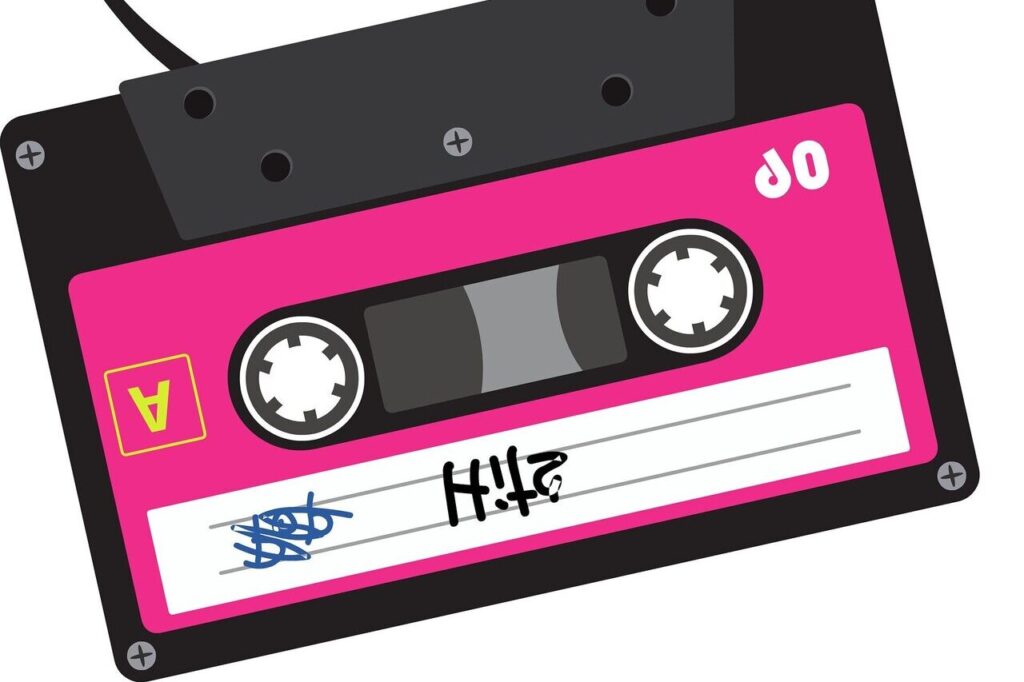
Cassette tapes once held a special place in everyday life, whether it was music, recorded messages, or mixtapes made with care. You’d rewind, fast forward, and sometimes wait patiently for your favorite song to come on. It wasn’t always smooth, but it felt real. Many people still remember thinking, “Making a mixtape meant something,” because it reflected time and intention.
As CDs, digital music, and streaming services took over, cassette tapes slowly fell out of use. They weren’t replaced all at once, but gradually set aside as newer formats became easier and more convenient. Today, they exist mostly as collectibles or nostalgic reminders. Even so, they represent a time when listening to music felt more deliberate. Each click, pause, and rewind was part of the experience, making it feel less like background noise and more like something you truly engaged with.
11. Checkbooks
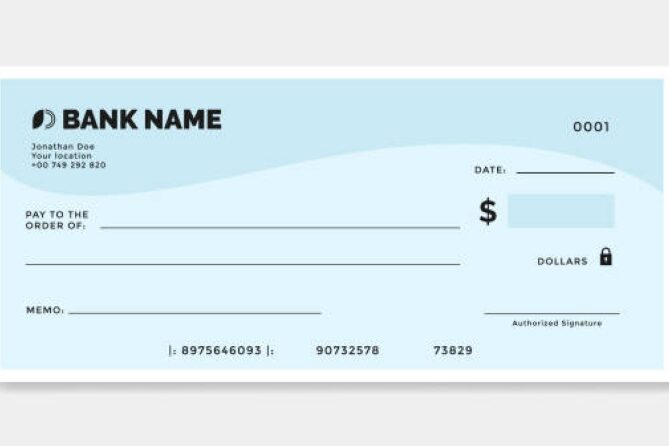
There was a time when balancing a checkbook felt like a quiet ritual at the end of the day or week. You’d sit down, write carefully, and make sure every number matched. Writing a check carried a certain weight to it, like you were marking something official in your own handwriting. People often recall, “You had to keep track of everything yourself,” and in a way, that made you feel more connected to your finances.
As online banking and digital payments became common, checkbooks slowly faded from everyday use. They didn’t disappear entirely, but they became something you reached for less and less. Many now sit tucked away in drawers, used only when absolutely necessary. The shift felt natural, even helpful, but it also changed the pace of how we handle money. Looking back, there’s something steady about that old habit, a reminder of when managing finances required a bit more attention and care.
12. Coin-Operated Payphones Indoors
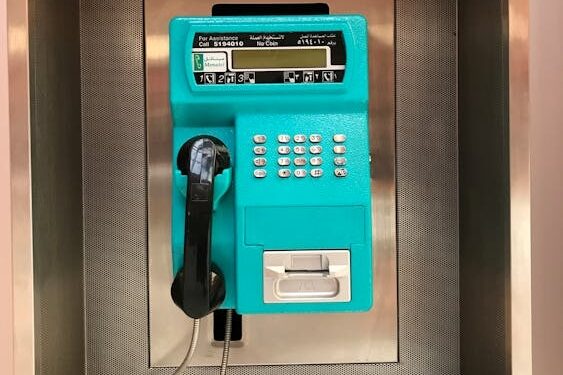
Not too long ago, it wasn’t unusual to see coin-operated payphones inside malls, restaurants, or near store entrances. They stood there quietly, ready for anyone who needed to make a quick call. You’d drop in coins, dial carefully, and hope the line connected without trouble. It felt simple and reliable. As some people have said, “They were always there when you needed them,” and for a long time, that was enough.
With mobile phones becoming part of daily life, these indoor payphones slowly lost their purpose. They weren’t removed all at once, but over time, they simply stopped appearing. Spaces that once held them were repurposed, and eventually, they were gone without much notice. It’s only in hindsight that their absence feels clear. Quietly, they mark how much everyday life has shifted, reminding us that even the most familiar things can fade gently into memory without us realizing it.


