
1. Spicebush Swallowtail Caterpillar
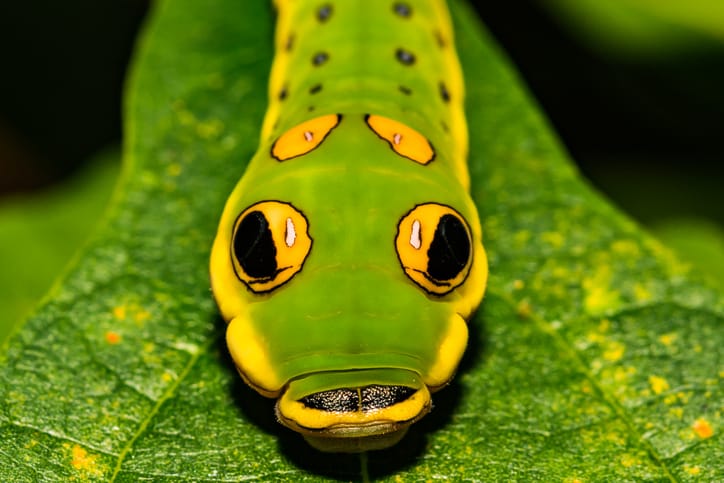
Nature is full of surprises, and some animals take disguise to the next level. These curious creatures have been designed to look like something they’re not, and that’s exactly what makes them so fascinating. The spicebush swallowtail caterpillar has one of the most convincing scare tactics in the insect world. As it grows, it develops large yellow eye spots on its back that look just like a snake’s eyes. When threatened, it arches its body and sticks out a forked, orange organ called an osmeterium, which resembles a snake’s tongue. This illusion is enough to frighten off birds and other predators that don’t want to risk a dangerous encounter. Though completely harmless, this little caterpillar survives by pretending to be something much scarier until it can transform into a butterfly.
2. Hawk Moth Caterpillar
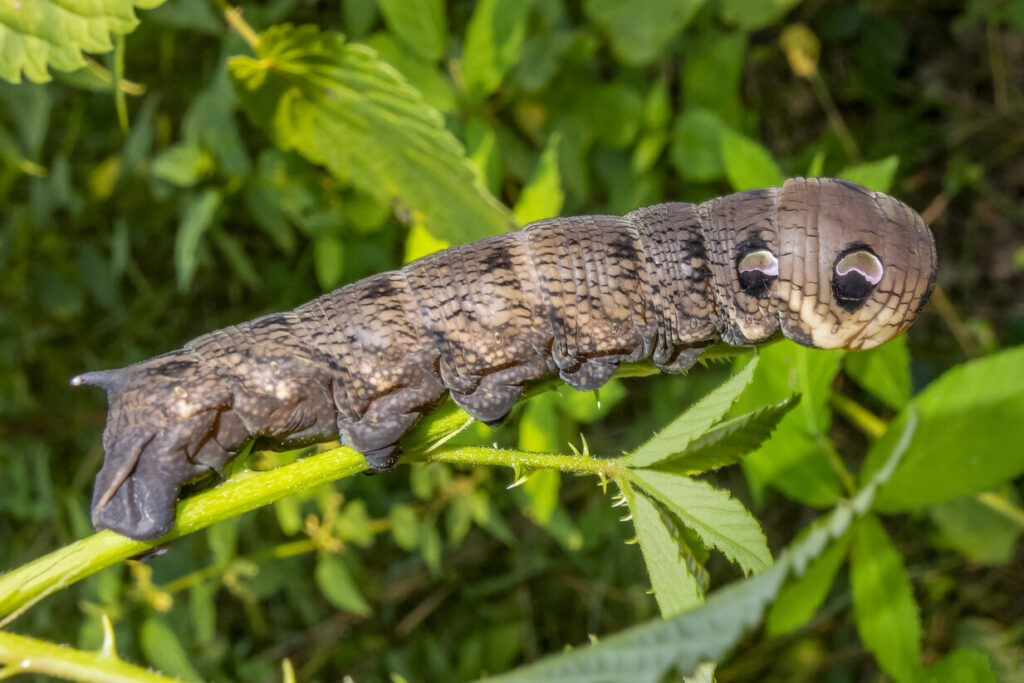
Nature is full of tricksters, and the hawk moth caterpillar may be one of the boldest. When it feels threatened, this caterpillar inflates and flattens its front end, transforming into what looks remarkably like a snake’s head. The illusion is so convincing that it appears to have scales and eyes staring back at predators. Birds, lizards, and even small mammals often stop in their tracks, unwilling to risk attacking what looks like a dangerous reptile. For a soft-bodied caterpillar, this quick-change act can mean the difference between survival and becoming someone’s lunch.
3. Owl Butterflies
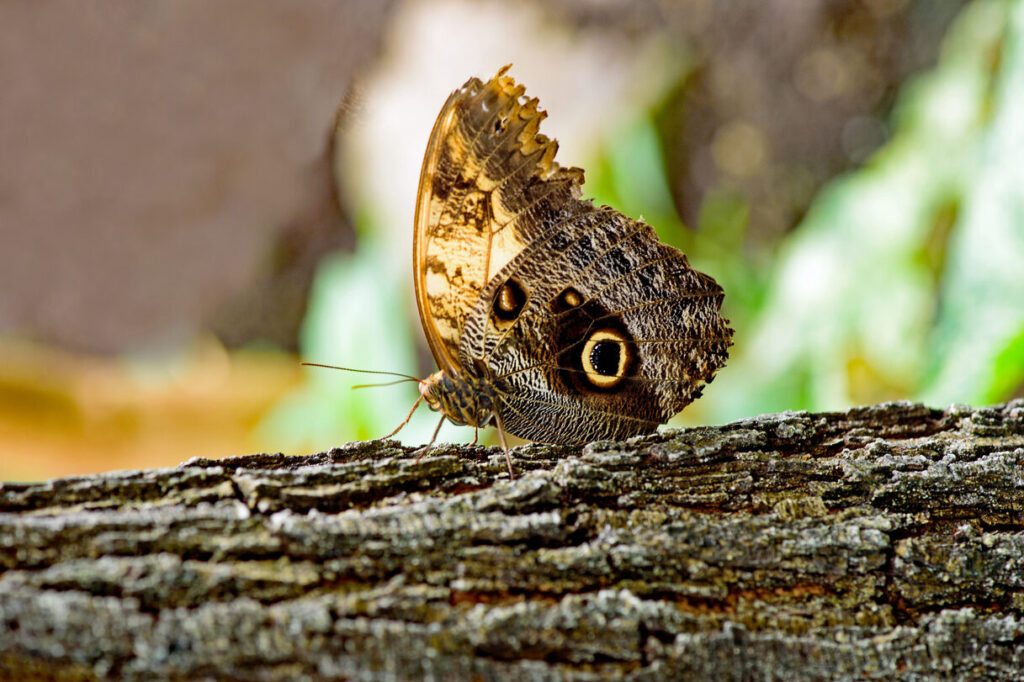
With wings stretching up to eight inches across, owl butterflies are impressive in size alone—but it’s their markings that make them unforgettable. The lower halves of their wings display large, round spots that resemble owl eyes staring out from the forest floor. These “false eyes” can startle or confuse predators like lizards and birds, making them think twice before attacking. While their disguise doesn’t turn them into a predator, it does borrow the image of one, giving these butterflies an extra layer of protection as they rest during the day or glide through tropical forests at dusk.
4. Leaf-Tailed Gecko
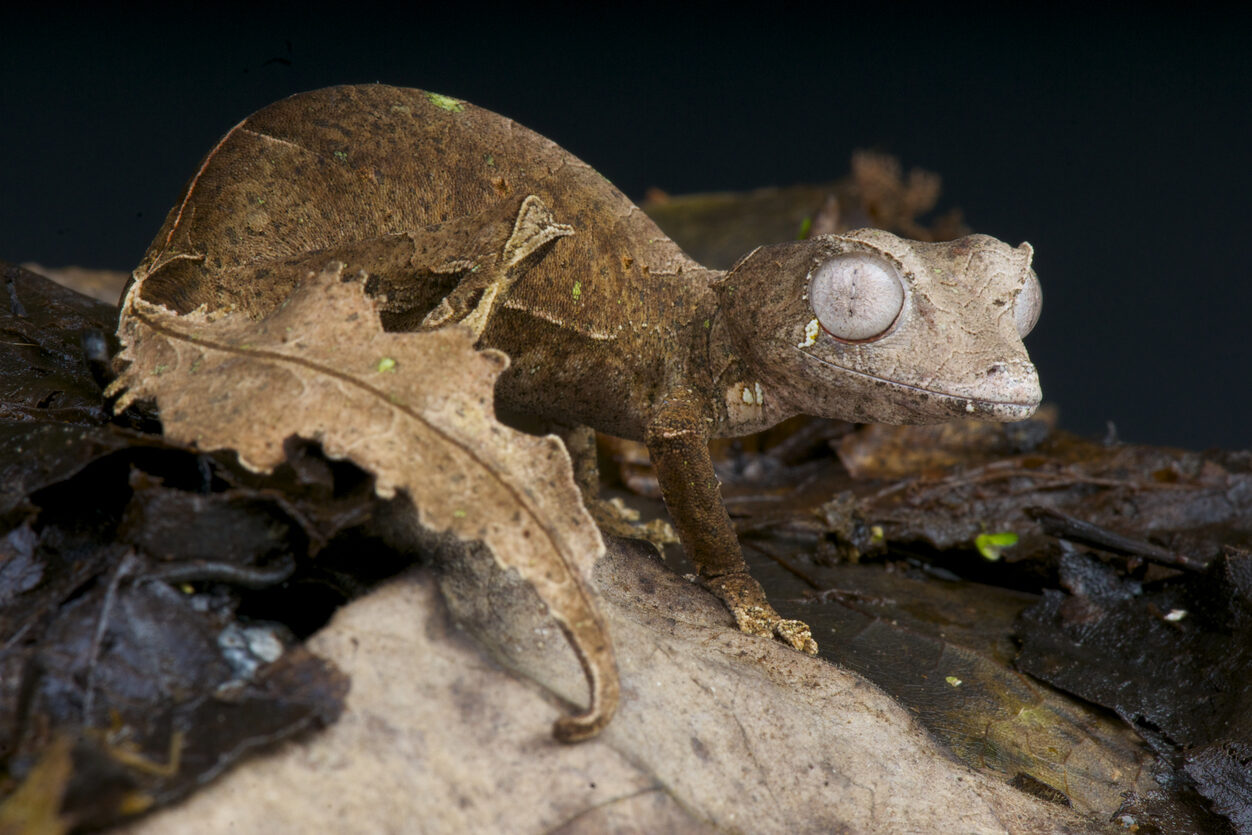
Found only in Madagascar, the leaf-tailed gecko is so well camouflaged that spotting one feels like finding a needle in a haystack. Its jagged skin edges, bark-colored tones, and flat tail shaped exactly like a dead leaf make it nearly indistinguishable from tree litter or bark crevices. By blending so seamlessly with its surroundings, the gecko avoids predators while also sneaking up on unsuspecting insects. During the day, it stays perfectly still, becoming part of the forest itself. Only when it moves at night do you realize the “leaf” in the corner had eyes and a mouth all along.
5. Milk Snake
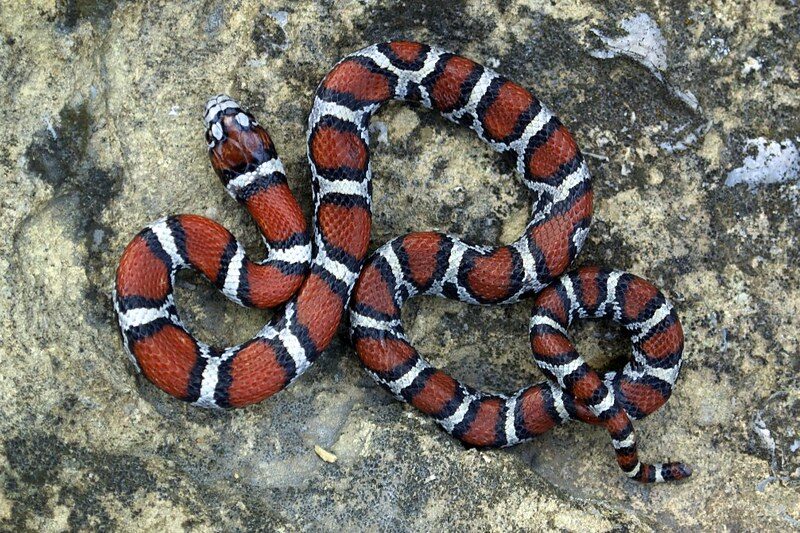
At first glance, the milk snake looks like one of the most venomous snakes in the Americas—the coral snake. With bands of red, black, and yellow encircling its body, it mirrors the warning colors that tell predators to keep their distance. The difference, though, lies in the order of the colors: milk snakes are harmless constrictors. Yet to hawks, foxes, or raccoons that don’t want to take chances, the subtle detail hardly matters. This clever mimicry means the milk snake avoids conflict simply by borrowing the threatening wardrobe of its far more dangerous cousin.
6. Bird Dropping Spider
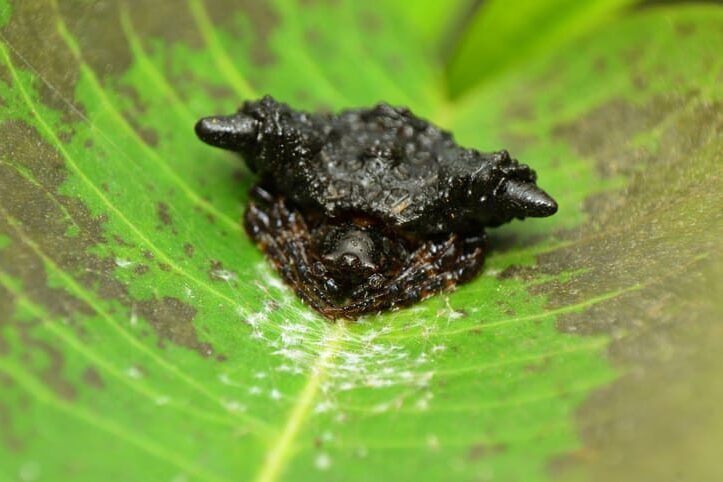
It’s not the most glamorous disguise in nature, but the bird dropping spider’s trick works beautifully. This Australian species has evolved to look exactly like a splatter of bird droppings. Its mottled brown-and-white body and its habit of sitting still during the day make it nearly invisible against leaves or branches where real droppings fall. Birds, which might otherwise see it as a snack, avoid what they think is waste. By night, the spider abandons its disguise to spin webs and hunt insects, but by day, it relies entirely on the unappealing look of being something no predator wants to touch.
7. Dead Leaf Mantis
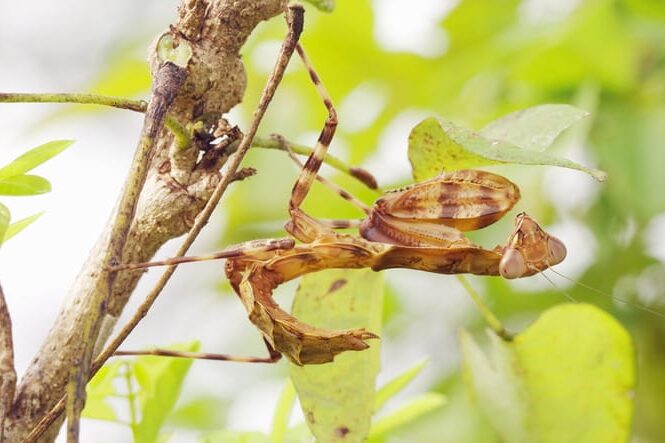
The dead leaf mantis has mastered the art of disguise by looking exactly like a dried-up leaf. Its body is covered with intricate patterns that resemble leaf veins, and its edges curl just like brittle foliage. On the forest floor, it can vanish completely among real leaves, waiting motionless until unsuspecting insects wander close. The mantis not only avoids predators with this camouflage but also uses it to hunt more effectively. By blending into the forest debris, it turns the simple act of waiting into a lethal ambush strategy.
8. Green Parrot Snake
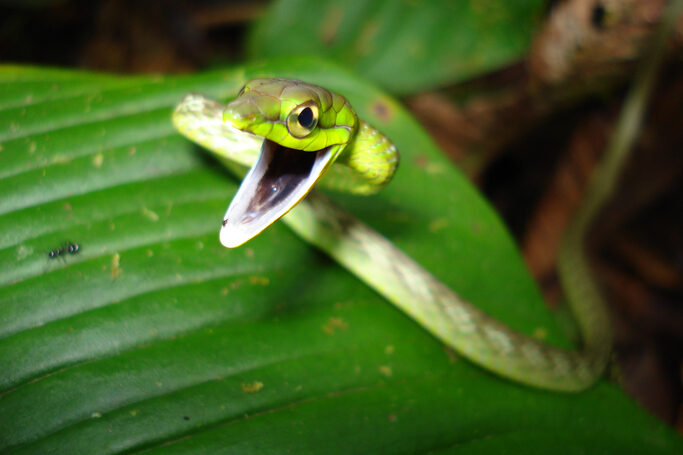
In the jungles of Central and South America, the green parrot snake disappears into the canopy by mimicking something harmless: a vine. Its slender, bright green body allows it to hang motionless among climbing plants, making it nearly invisible to both prey and predators. When it strikes, frogs, lizards, and small birds often don’t realize the “vine” was alive until it’s too late. This camouflage not only helps the snake feed but also protects it from larger hunters who might overlook it as just another piece of the jungle’s greenery.
9. Eastern Screech Owl
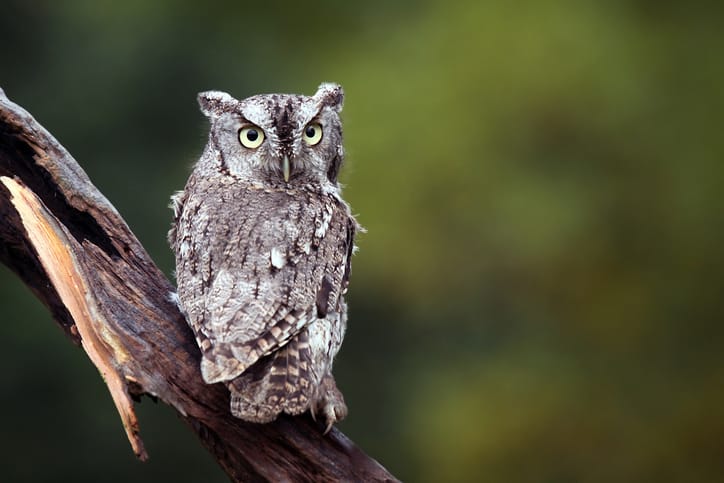
The eastern screech owl is a master of stillness and camouflage. When perched against the bark of a tree, its gray or reddish feathers blend perfectly with the texture of wood. To complete the disguise, the owl narrows its body and flattens its feathers, becoming almost indistinguishable from a broken branch or tree hollow. This trick makes it incredibly hard for predators and prey alike to spot it during the day. Come nightfall, the owl emerges from its hiding place to hunt, proving that sometimes the best defense is simply vanishing into the background.
10. Lyrebird
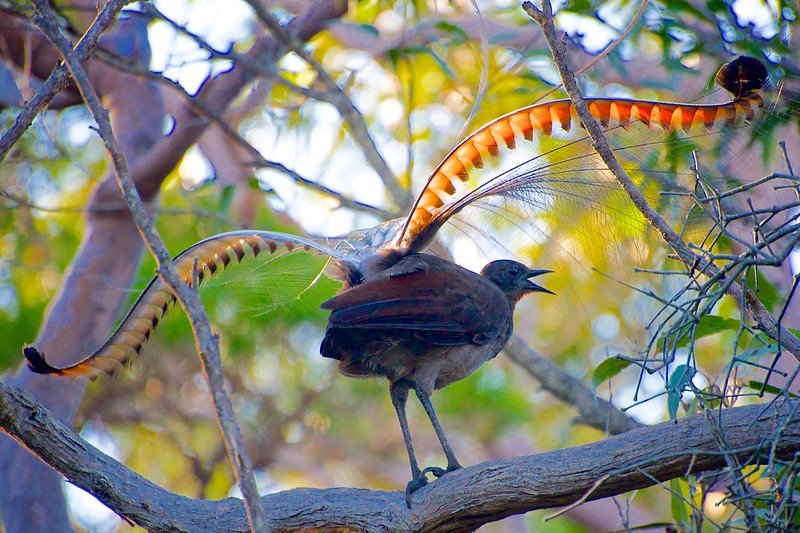
Unlike most animal impostors that rely on appearance, the lyrebird uses sound to fool its surroundings. Native to Australia, this bird is considered one of the best mimics in the animal kingdom. It can perfectly reproduce the calls of other birds, but it doesn’t stop there. Lyrebirds have been recorded imitating camera shutters, car alarms, and even chainsaws, blending into human environments with uncanny accuracy. By copying sounds, they both attract mates and confuse potential threats. Their remarkable talent makes them living impressionists, blurring the line between natural and artificial noise in the wild.
11. Mimic Octopus

Few animals can rival the mimic octopus when it comes to impersonation. Found in Southeast Asia, it has the ability to not only change color but also reshape its body to resemble entirely different creatures. At different times, it has been observed mimicking a venomous lionfish, a flatfish, and even a sea snake with startling accuracy. By choosing its disguise based on the threat around it, the octopus tailors its survival strategy to the moment. This flexibility makes it one of the most extraordinary shapeshifters in nature, turning its soft, vulnerable body into a tool of endless deception.
12. Bolas Spider
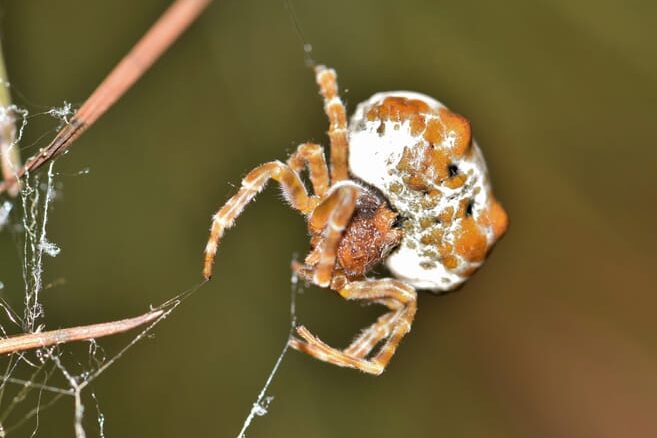
The bolas spider takes deception to a whole new level—not by appearance, but by scent. Instead of building a traditional web, it produces a chemical that mimics the pheromones of female moths. Male moths, drawn by what they think is the smell of a mate, fly straight toward the spider. Waiting with a single silk thread tipped with a sticky “bolas,” the spider swings it like a lasso to capture its prey. By imitating signals of attraction, the bolas spider turns a predator-prey interaction into a clever trap, proving that not all disguises are visual.
This story 12 Animal Impostors That Aren’t What They Seem was first published on Daily FETCH


