
1. Pan Am
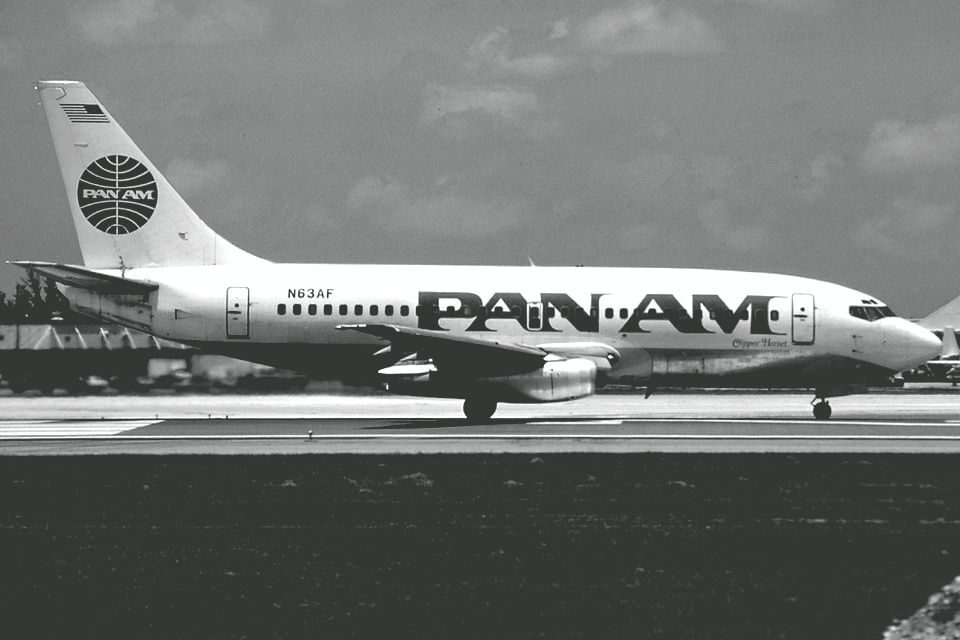
Pan American World Airways, or Pan Am, was more than an airline; it was a symbol of sophistication and global adventure. From the 1950s through the 1970s, Pan Am set the standard for international air travel. Their stewardesses, donning crisp uniforms and pillbox hats, epitomized elegance, while passengers enjoyed gourmet meals served on fine china, complete with linen tablecloths and fresh flowers. One former stewardess recalled, “The standard meal was seven courses, served on two-tiered carts set with linen and flowers”.
Pan Am’s commitment to luxury extended beyond the cabin. They partnered with renowned establishments like Maxim’s of Paris to provide exquisite in-flight dining experiences. However, despite its iconic status, Pan Am couldn’t withstand the financial pressures of deregulation and increasing competition. The airline ceased operations in 1991, but its legacy of glamour and innovation in air travel remains unmatched.
2. TWA
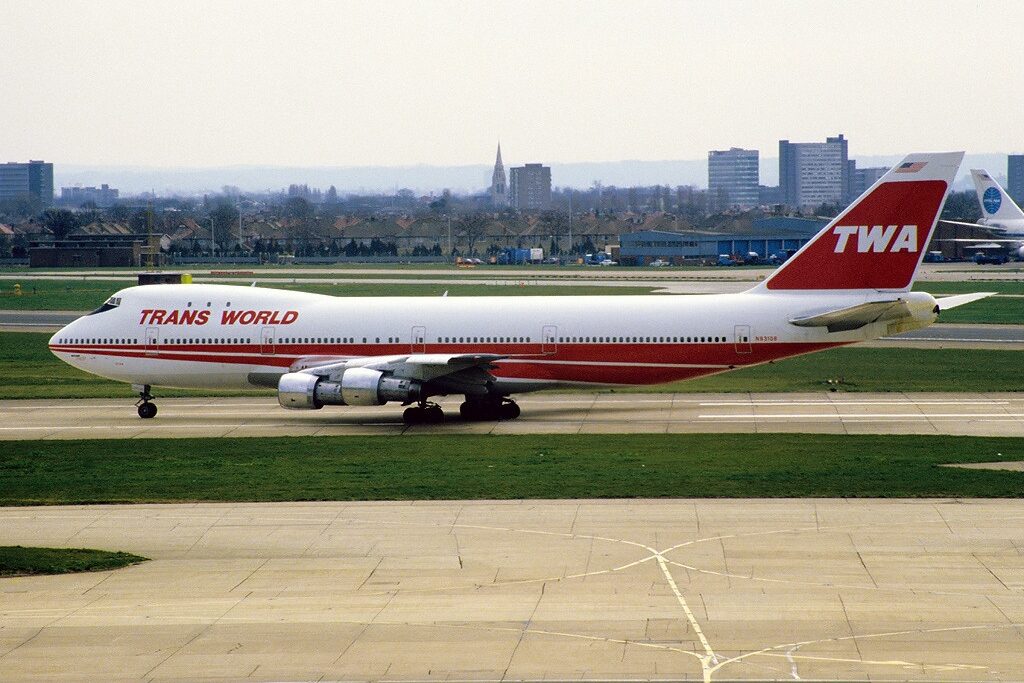
Trans World Airlines (TWA) was once a titan of the skies, known for its sleek aircraft and international routes. The airline’s commitment to style was evident in its collaboration with designer Oleg Cassini, who crafted chic uniforms for its flight attendants. TWA’s Ambassadors Club lounges and the iconic TWA Flight Center at JFK Airport, designed by Eero Saarinen, further cemented its reputation for elegance.
However, the airline faced numerous challenges in the latter part of the 20th century. Financial mismanagement, labor disputes, and the tragic crash of TWA Flight 800 in 1996 eroded public confidence . Despite efforts to revitalize the brand, TWA was acquired by American Airlines in 2001. Today, the TWA Hotel at JFK serves as a nostalgic tribute to the airline’s golden era.
3. Eastern Air Lines
Eastern Air Lines was a dominant force on the East Coast, connecting major cities with efficiency and style. Known for its slogan “The Wings of Man,” Eastern prided itself on its commitment to customer service and innovation. Eastern’s dominance stemmed from its early status as one of the “Big Four” airlines established through the Spoils Conferences of 1930. The airline was also among the first to adopt jet aircraft, enhancing speed and comfort for its passengers.
Despite its early successes, Eastern struggled with labor disputes and financial woes in the 1980s. A significant strike in 1989, coupled with mounting debt, led to the airline’s bankruptcy and eventual liquidation in 1991. While Eastern Air Lines attempted a brief revival in the 2010s, it never regained its former prominence.
4. Braniff International
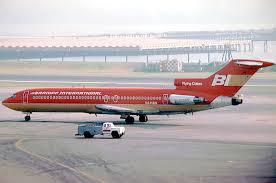
Braniff International Airways was the epitome of flair and innovation in the airline industry. In the 1960s, the airline launched its “End of the Plain Plane” campaign, enlisting designer Emilio Pucci to create vibrant, avant-garde uniforms for its flight attendants. The aircraft themselves were painted in bold colors, making Braniff’s fleet a flying art gallery.
The airline’s commitment to style extended to its interiors, with designer Alexander Girard revamping cabin aesthetics to match the colorful exteriors. However, Braniff’s emphasis on design couldn’t shield it from the economic challenges of the airline industry. Financial difficulties led to the airline’s closure in 1982. Nevertheless, Braniff’s legacy lives on, celebrated for its daring approach to airline branding and design.
5. People Express
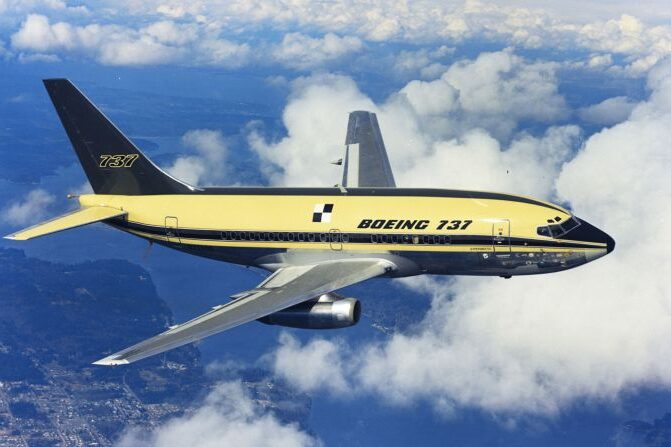
In the early 1980s, People Express revolutionized air travel by introducing a no-frills, low-cost model that made flying accessible to the masses. Founded by Don Burr, the airline began operations in 1981 with Boeing 737 flights from Newark to destinations like Buffalo and Norfolk. Passengers paid for their tickets onboard, and services like checked baggage and in-flight snacks came with additional fees, a concept that was novel at the time but has since become standard in the industry. The airline’s rapid expansion included transatlantic flights to London for as low as $149, capturing the imagination of budget-conscious travelers. However, aggressive growth strategies, including the acquisition of Frontier Airlines, led to financial difficulties. By 1987, People Express merged into Continental Airlines, but its legacy as a trailblazer in low-cost air travel endures.
6. Pacific Southwest Airlines (PSA)
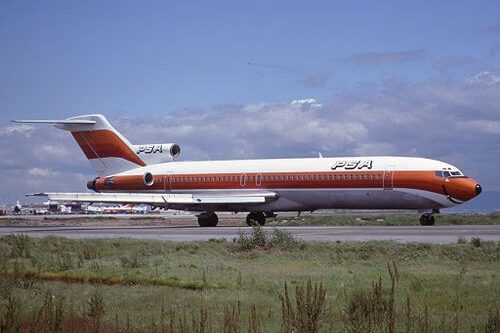
PSA, often referred to as “The World’s Friendliest Airline,” was a California-based carrier known for its distinctive smile-painted aircraft and cheerful service. Founded in 1949, PSA became a beloved regional airline, especially among West Coast travelers. The airline’s flight attendants donned colorful uniforms, and the company’s culture emphasized humor and friendliness. PSA’s unique branding and commitment to customer service made it a standout in the industry. In 1988, PSA merged with USAir, but its influence is still felt today, with some former employees and aviation enthusiasts fondly remembering the airline’s heyday.
7. Air Florida
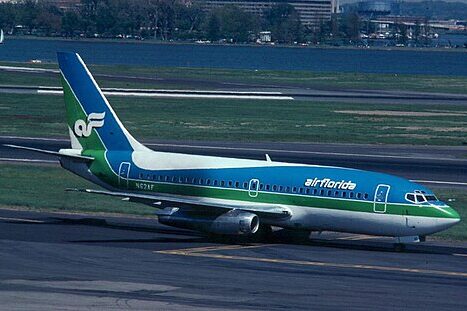
Air Florida emerged in the 1970s as a low-cost carrier offering flights from Florida to various destinations, including international routes. The airline gained popularity for its affordable fares and sunny branding. However, tragedy struck in 1982 when Air Florida Flight 90 crashed into the 14th Street Bridge in Washington, D.C., shortly after takeoff, resulting in numerous fatalities. The accident, caused by pilot error and inadequate de-icing procedures, severely damaged the airline’s reputation. Despite efforts to recover, including a brief rebranding as Midway Express, Air Florida ceased operations in 1984. The crash remains a somber chapter in aviation history.
8. Ozark Airlines
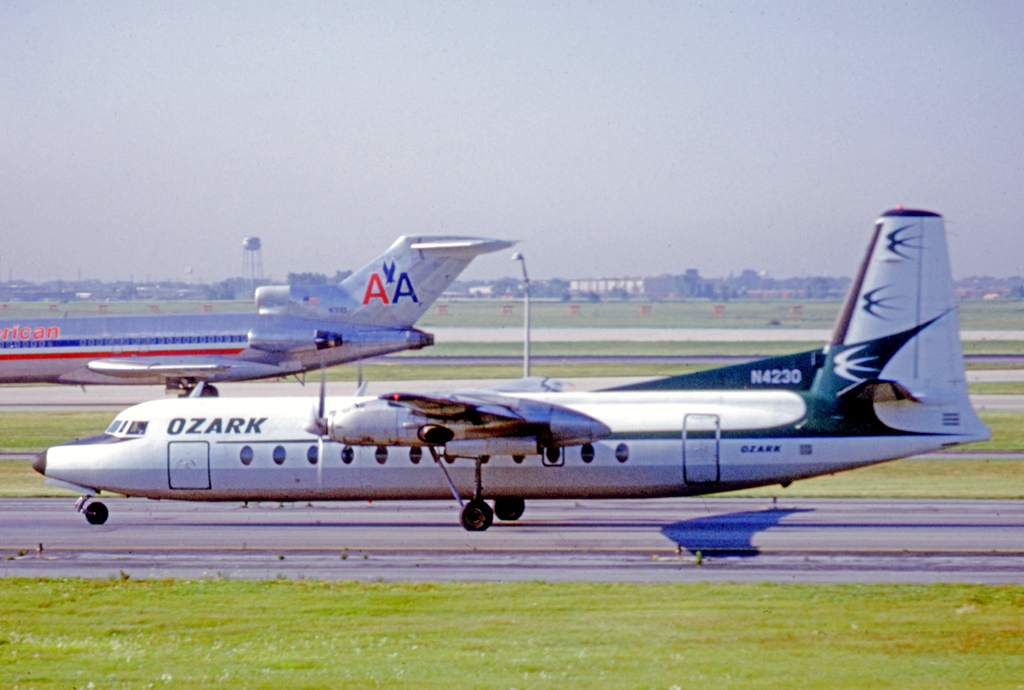
Ozark Airlines served as a vital link for travelers in the Midwest from its inception in 1950 until its merger with TWA in 1986. Headquartered in St. Louis, Ozark focused on connecting smaller cities to larger hubs, providing reliable service to communities often overlooked by major carriers. The airline operated a fleet of aircraft, including the Douglas DC-9, and was known for its punctuality and customer service. Ozark’s integration into TWA expanded the latter’s network but marked the end of a beloved regional airline that had become a staple in Midwestern air travel.
9. Laker Airways
In the mid-1970s, Sir Freddie Laker introduced a game-changer to transatlantic travel: the Skytrain service. Offering no-frills, low-cost flights between London and New York, Laker Airways democratized international air travel. Passengers could purchase tickets for as low as £32.50, a fraction of the standard fares at the time. This model challenged the status quo, forcing established airlines to reconsider their pricing strategies.
However, the airline’s rapid expansion and the economic downturn of the early ’80s led to financial strain. In 1982, Laker Airways collapsed under debts of £270 million, marking one of Britain’s most significant corporate failures. Despite its demise, the legacy of Laker Airways lives on, having paved the way for modern budget carriers.
10. MGM Grand Air
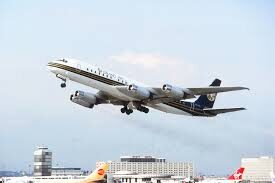
Launched in 1987 by casino magnate Kirk Kerkorian, MGM Grand Air redefined luxury in the skies. Operating a fleet of Boeing 727s and Douglas DC-8s, the airline offered first-class-only service between Los Angeles and New York. Passengers enjoyed lavish amenities, including gourmet meals, private compartments, and personalized service, reminiscent of private jet experiences.
Despite its allure, MGM Grand Air struggled financially, ceasing operations in 1995. Its brief existence remains a testament to an era when air travel could be both extravagant and exclusive.
11. America West
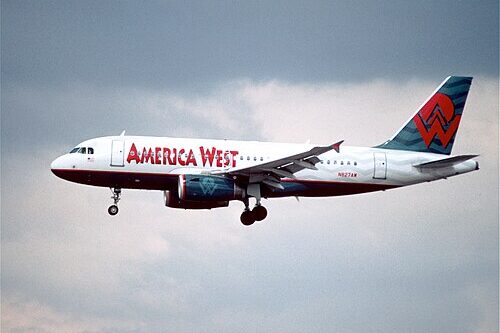
Founded in 1981, America West Airlines emerged as a bold player in the post-deregulation era. Based in Phoenix, Arizona, the airline rapidly expanded its network across the U.S., offering competitive fares and embracing innovative practices. Its distinctive “Cactus” call sign became a familiar sound in air traffic communications.
In 2005, America West merged with the struggling US Airways, adopting the latter’s name but retaining much of its operational leadership. This merger set the stage for the eventual formation of the modern American Airlines, highlighting America West’s lasting impact on the industry.
12. National Airlines
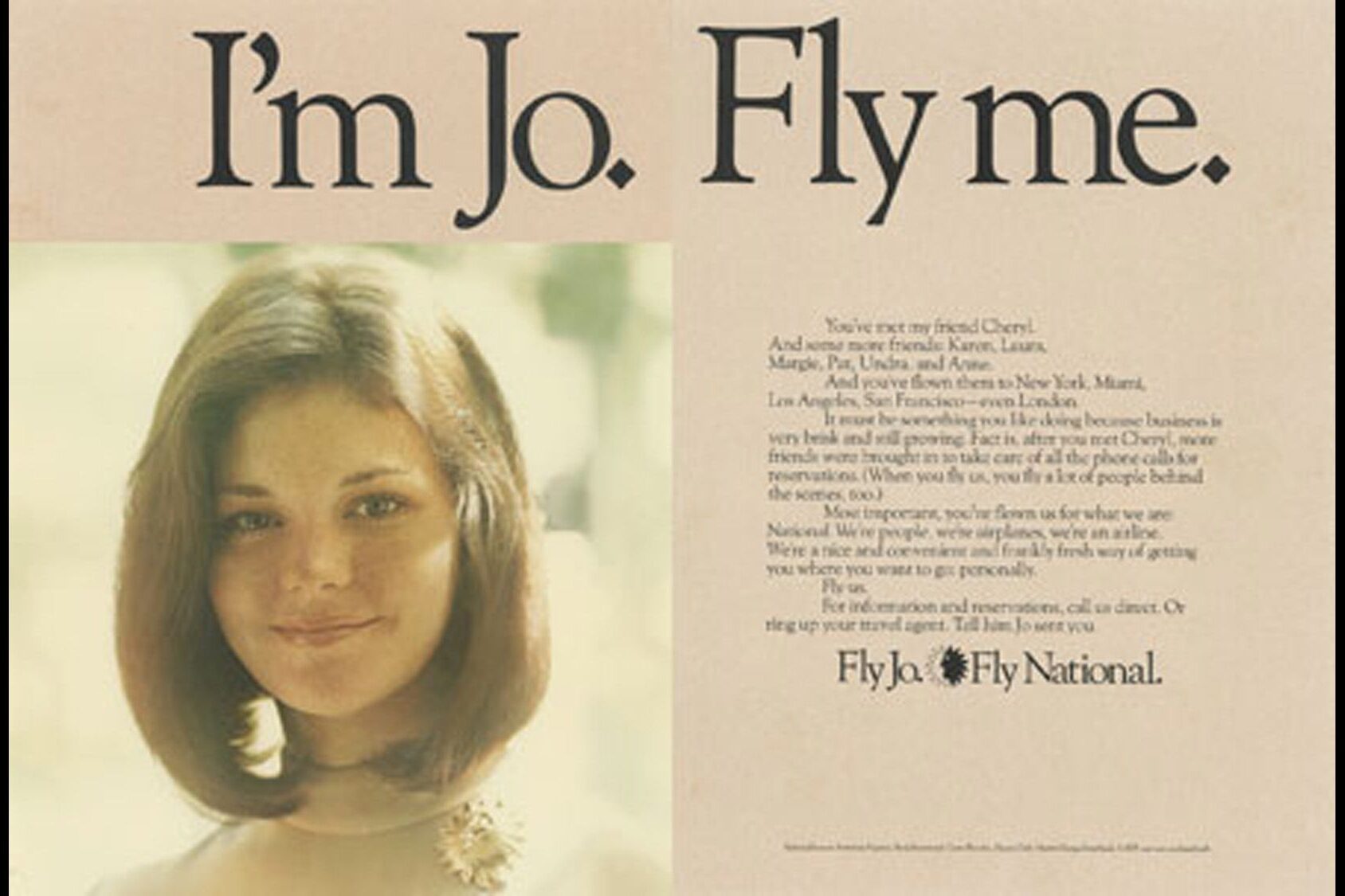
In the early 1970s, National Airlines launched its provocative “Fly Me” advertising campaign. Featuring real flight attendants with slogans like “I’m Cheryl. Fly Me,” the campaign aimed to personify the airline’s service. While it garnered attention and increased bookings, it also faced criticism for its sexist undertones, sparking protests from women’s rights groups.
Despite the controversy, the campaign remains one of the most memorable in aviation history. National Airlines was eventually acquired by Pan Am in 1980, but its bold marketing approach left an indelible mark on airline advertising strategies.
This story 12 Airlines from the ’70s and ’80s That Don’t Exist Anymore, But Had Style was first published on Daily FETCH


