
1. The First Email Is Sent
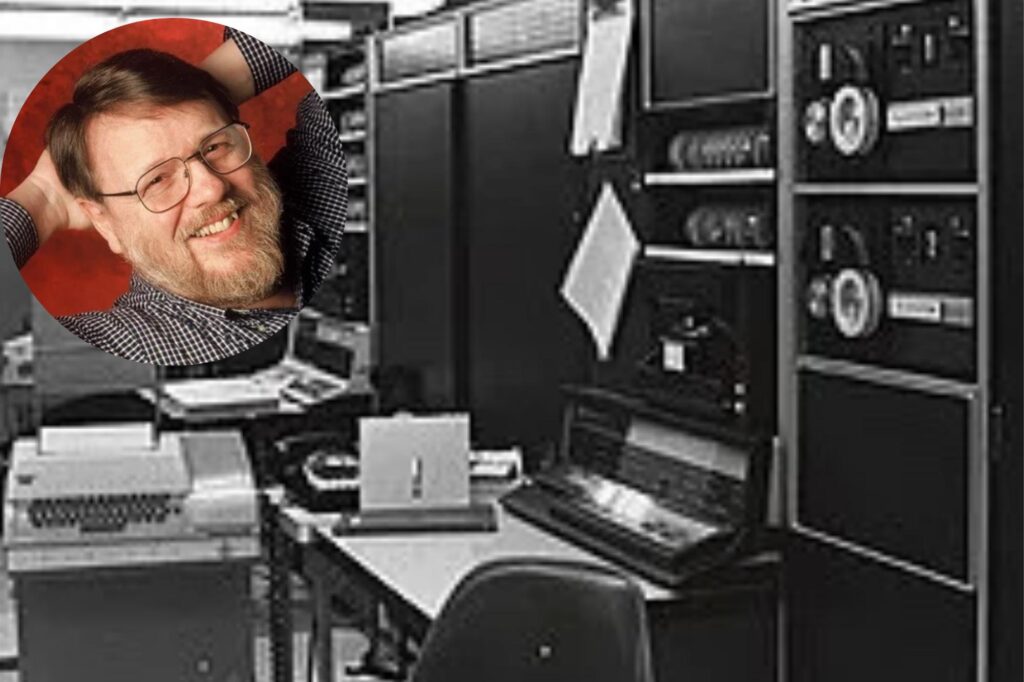
Big technological revolutions often start with surprisingly small moments. In 1971, computer engineer Ray Tomlinson sent the first networked email while working on ARPANET, the early backbone of the internet. The message itself was unremarkable, often described as a test string, but the idea behind it was transformative. Tomlinson also chose the “@” symbol to separate the user from the machine, a small design choice that still defines email addresses today. At the time, computers were mostly isolated machines, used by researchers and institutions. Email quietly changed that by turning computers into communication tools. Today’s instant messaging and collaboration tools can trace their roots back to that first modest email test.
2. The First Web Page Goes Live
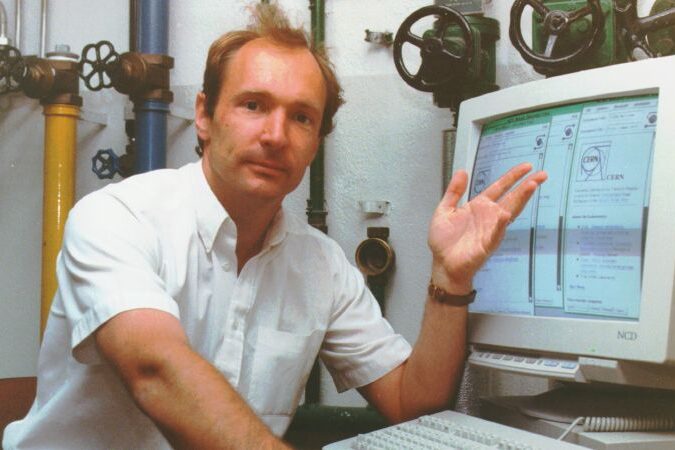
In 1991, Tim Berners-Lee published the first website at CERN. The page was plain text, explaining how the World Wide Web worked and how others could create their own pages. There were no images, videos, or ads, just information linked together. This modest page introduced the idea of hyperlinked documents accessible through the internet, making information easier to find and share globally. Before this, the internet was mostly limited to technical users. The first website helped open it to the public, setting the stage for search engines, online media, e-commerce, and social platforms. What began as a simple informational page quietly launched the digital world most people now rely on daily.
3. Apple Shows the Macintosh Mouse
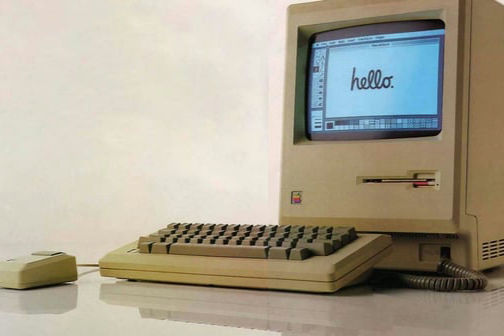
When Apple unveiled the Macintosh in 1984, one small accessory stood out: the mouse. Although the concept came from earlier research at Xerox PARC, Apple refined it into an affordable, user-friendly device. Guided by Steve Jobs, the Macintosh showed everyday users that computers didn’t require complex commands to operate. Pointing and clicking felt natural, lowering the barrier to entry for millions of people. This simple demonstration helped popularize graphical user interfaces, shaping how software is designed to this day. What looked like a small hardware addition became a defining shift in personal computing.
4. Google Tests PageRank
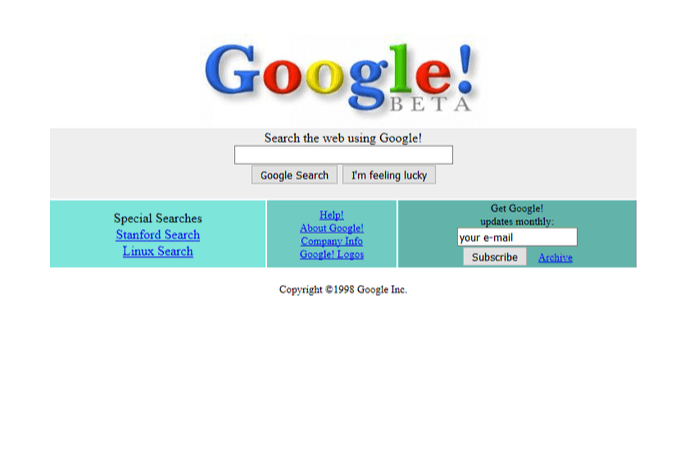
In the late 1990s, two Stanford students, Larry Page and Sergey Brin, tested a new way to rank web pages. Instead of just counting keywords, their PageRank system measured how many other sites linked to a page and how credible those links were. This small academic experiment dramatically improved search accuracy. When Google launched publicly, users quickly noticed the difference. Finding relevant information became faster and more reliable, changing how people used the web. PageRank helped turn search engines into everyday tools rather than technical novelties. That early test quietly reshaped how information is organized, discovered, and trusted online.
5. The First Smartphone App Store Opens
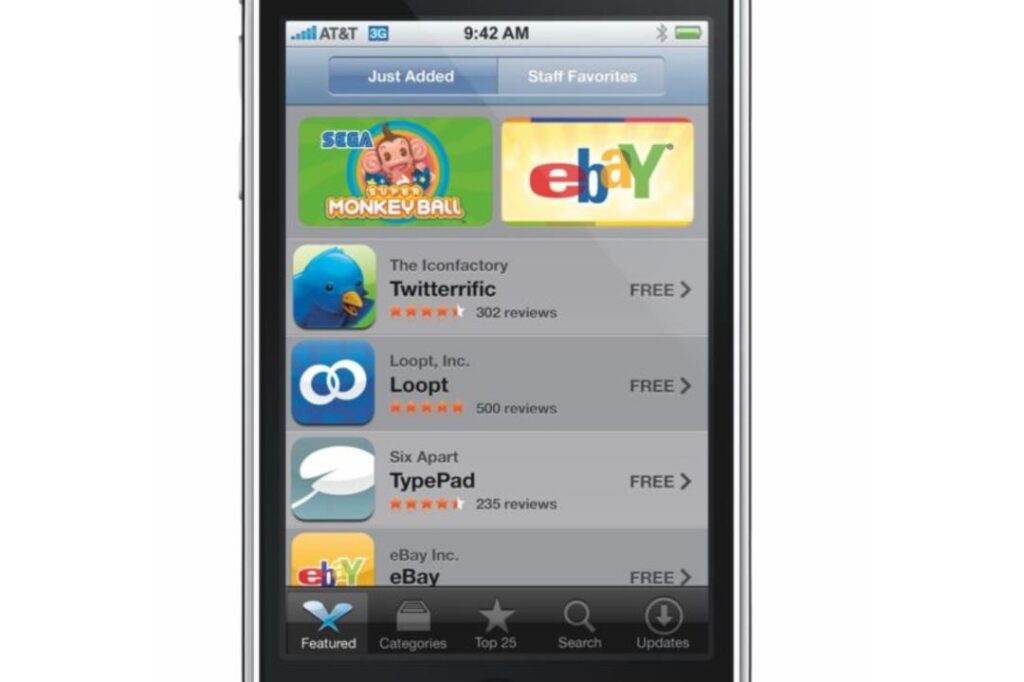
In 2008, Apple launched the App Store, allowing third-party developers to create and sell apps for the iPhone. At first, it seemed like a simple extension of the smartphone experience. Yet this small decision transformed phones into flexible platforms rather than fixed devices. Developers around the world could now build tools, games, and services for a global audience. Entire industries, from mobile gaming to ride-hailing, grew out of this model. The App Store also changed how software is distributed and monetized. What began as a digital storefront quickly became an economic ecosystem, influencing how people work, shop, learn, and entertain themselves on mobile devices.
6. The First YouTube Video Is Uploaded

In April 2005, Jawed Karim uploaded a short clip titled Me at the zoo. The 18-second video was casual and unscripted, showing Karim talking about elephants. At the time, it didn’t seem revolutionary. Yet it demonstrated how easy it could be for anyone to share video content online. YouTube soon became a platform for creators, educators, journalists, and entertainers worldwide. This first upload marked a shift from traditional broadcast media to user-generated video. It helped redefine fame, storytelling, and information sharing. A simple personal clip quietly opened the door to a new era of digital media.
7. The First SMS Text Message Is Sent

In 1992, engineer Neil Papworth sent the first SMS message, which read “Merry Christmas.” It was transmitted from a computer to a mobile phone, not typed on the device itself. Text messaging was initially seen as a minor feature, even dismissed by some telecom companies. Over time, it became one of the most widely used communication tools in history. SMS changed how people coordinate, share news, and stay connected, especially before smartphones became common. That brief holiday greeting quietly introduced a faster, more casual way to communicate, influencing modern messaging apps and digital conversation habits.
8. Wikipedia Goes Live
When Wikipedia launched in 2001, the idea of a free, user-edited encyclopedia seemed risky. Founded by Jimmy Wales, the site relied on volunteers rather than traditional editors. Early entries were rough, and critics doubted its accuracy. Yet the collaborative model proved powerful. Over time, Wikipedia grew into one of the most visited websites in the world. It changed how people access information, making knowledge instantly available across languages and regions. The site’s early launch was a small step that challenged traditional publishing and reshaped public expectations about information access and sharing.
9. Amazon Introduces One-Click Ordering

Amazon’s introduction of one-click ordering reduced online shopping to a single action. Led by Jeff Bezos, the feature removed friction from the checkout process by storing payment and shipping details. This small design change had a big psychological effect. Buying online became faster and more impulsive, helping normalize e-commerce. Other retailers soon followed similar approaches. One-click ordering showed how thoughtful interface design could directly influence consumer behavior. What looked like a minor convenience quietly reshaped digital shopping habits and accelerated the growth of online retail worldwide.
10. Bluetooth Gets Its Name

The name “Bluetooth” came from an unlikely source: a 10th-century Scandinavian king, Harald Bluetooth. Engineers working on the wireless standard chose the name as a temporary code, inspired by the king’s role in uniting regions. The name stuck, along with the now-iconic logo combining Nordic runes. While branding may seem minor, it helped give a complex technology a memorable identity. Bluetooth made short-range wireless connections simple and accessible, powering headphones, keyboards, and countless devices. That small naming decision helped a technical standard become familiar and widely adopted, shaping how devices connect in everyday life.
11. Linux’s first public release
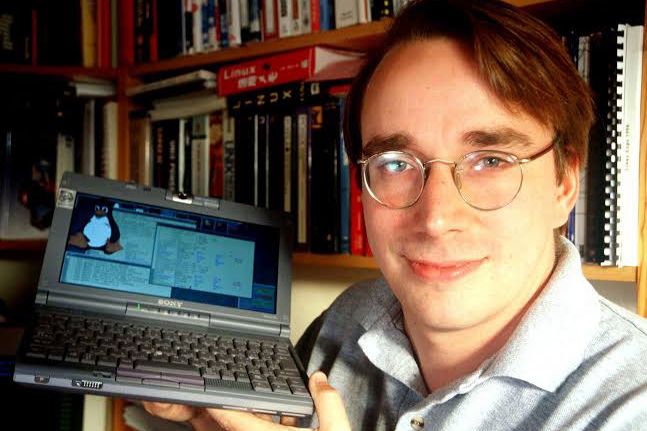
When Linus Torvalds posted the first public Linux kernel in 1991, he meant it as a hobby project, but that small announcement kicked off a collaboration model that changed operating systems forever. Linux began as a modest, freely shared kernel that researchers and hobbyists could modify. Because its source remained open and permissively licensed, developers around the world contributed drivers, tools, and distributions that made Linux robust enough for servers, supercomputers, and later phones and embedded devices. What initially looked like a personal experiment became the backbone of modern digital infrastructure, powering most web servers, cloud platforms, and the Android ecosystem


