
1. Coelacanth
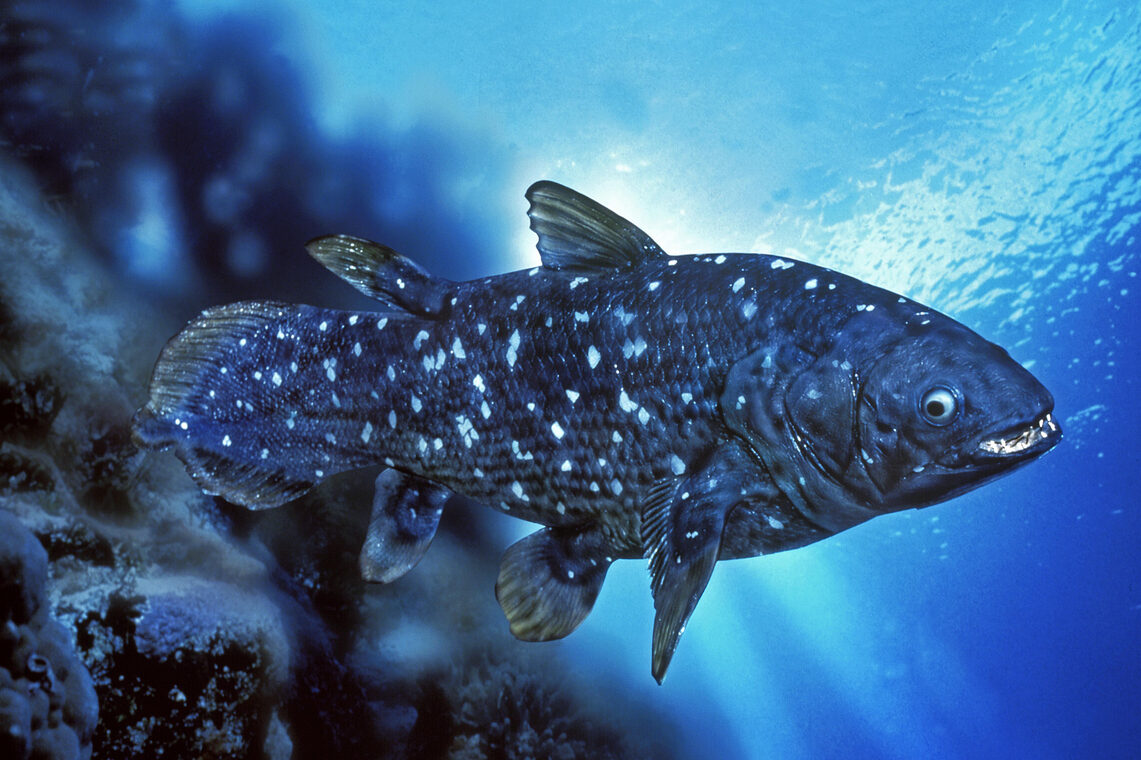
Once believed to have vanished along with the dinosaurs 66 million years ago, the coelacanth stunned the world when a living specimen was caught off the coast of South Africa in 1938. This lobe-finned fish, with its odd, limb-like fins and ancient lineage, quickly became a symbol of how little we truly know about life in the deep ocean. Coelacanths are rarely seen and dwell in waters more than 600 feet below the surface, making them nearly impossible to study. Their survival for millions of years highlights the resilience of some species and keeps alive the tantalizing possibility that other long-lost creatures may still be hiding in remote corners of the Earth.
2. Megalodon
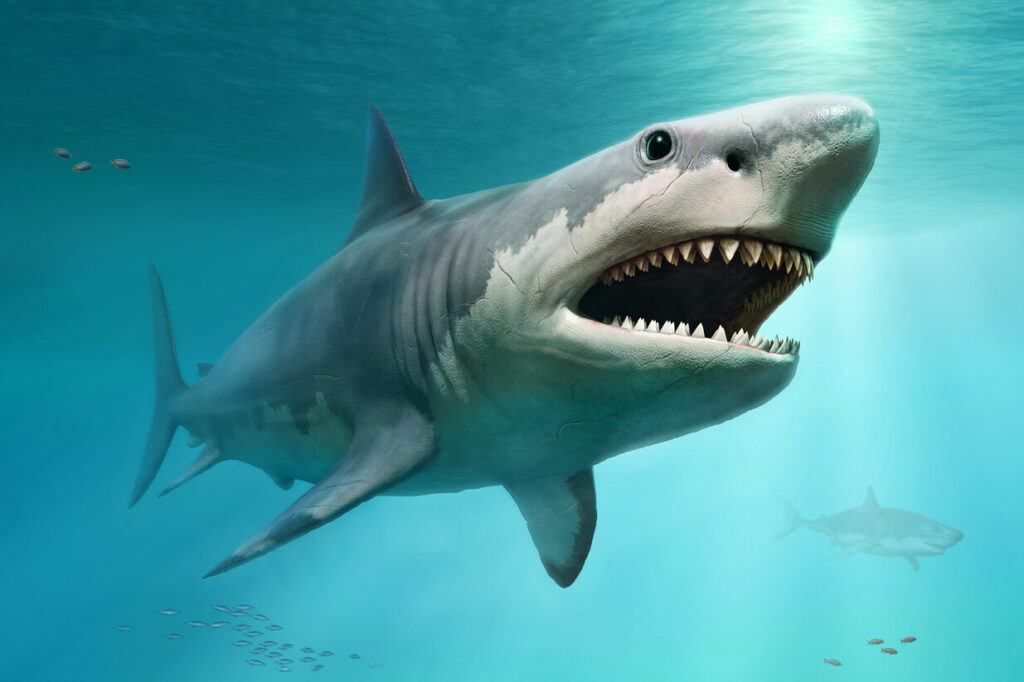
The megalodon was one of the largest predators to ever exist, a colossal shark that could grow up to 60 feet long and crush whale bones with its enormous jaws. Though scientists are confident it disappeared around 3.6 million years ago, its legend refuses to sink. Massive teeth are still found along shorelines, sparking stories of survival in the uncharted depths of the ocean. Occasional reports of giant shadowy shapes beneath fishing boats or massive bite marks on whales fuel speculation that a remnant population may lurk in deep, unexplored waters. While there’s no proof of a living megalodon, the mystery of what could be swimming far below the surface keeps imaginations alive.
3. Mokele-Mbembe
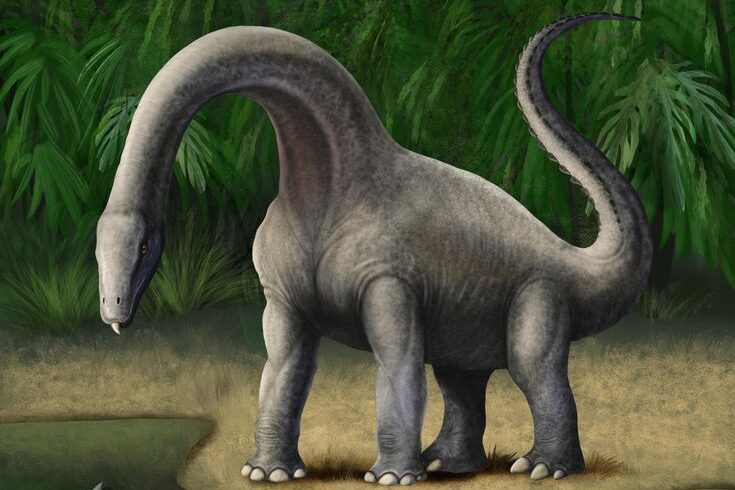
Deep in the Congo Basin, tales of a massive creature called Mokele-Mbembe have persisted for generations. Locals describe it as resembling a sauropod dinosaur, with a long neck and powerful body, said to lurk in swamps and rivers. Explorers and cryptozoologists have mounted expeditions for decades, hoping to find evidence of a living dinosaur, but no clear proof has ever emerged. Still, eyewitness accounts and cultural traditions surrounding the creature keep its legend alive. For many, Mokele-Mbembe represents both the mystery of the unexplored rainforest and the human hope that ancient life might endure beyond extinction.
4. Thylacine
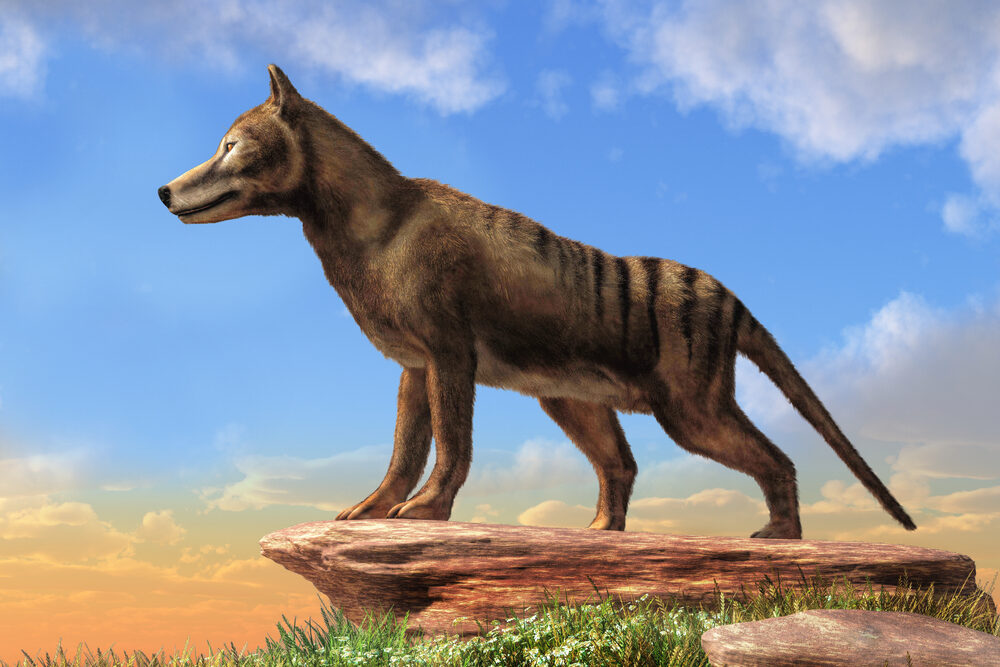
The thylacine, also known as the Tasmanian tiger, was a striped, dog-like marsupial predator native to Australia and Tasmania. Declared extinct in 1936 after the last known specimen died in captivity, it has since become one of the most famous “extinct-but-maybe-not” animals. Countless unconfirmed sightings have surfaced over the years, from blurry photographs to eyewitness reports in Tasmania’s remote wilderness. Even today, researchers conduct surveys and place camera traps in hopes of proving the thylacine’s survival. While scientists remain skeptical, the persistence of these reports shows how deeply the animal has captured public imagination, and how the wild still holds secrets.
5. Gigantopithecus
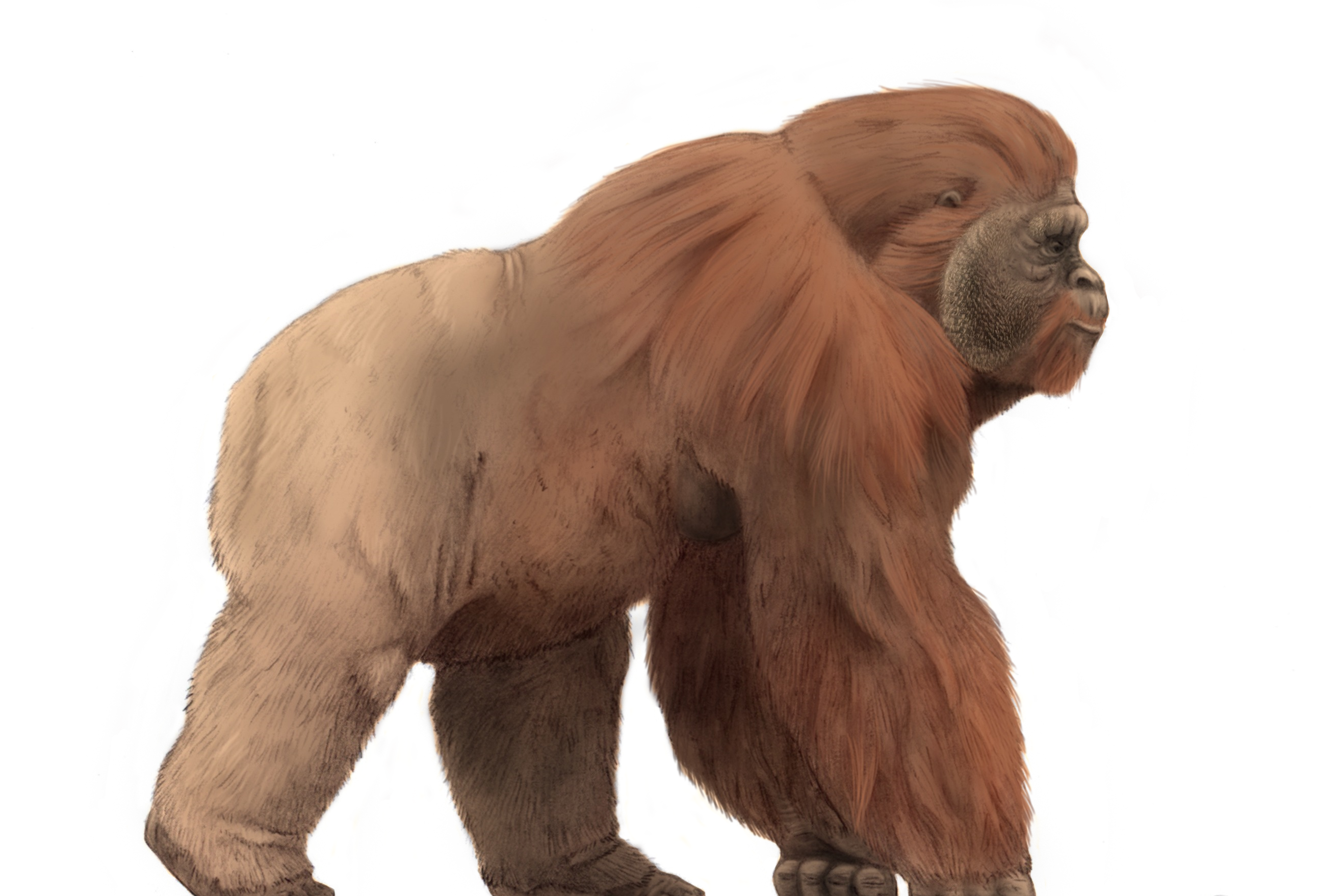
Gigantopithecus was a massive ape that stood up to 10 feet tall and lived in Asia more than 300,000 years ago. With fossils suggesting an imposing presence, it’s easy to see why some connect this ancient primate to legends like Bigfoot or the Yeti. Though most researchers believe the species vanished long ago due to climate change and lack of food, the possibility of a few surviving in dense forests has fueled decades of speculation. Local myths across Asia often describe towering, hairy creatures haunting the wilderness, adding weight to the theory that Gigantopithecus inspired these stories. Whether extinct or hidden, its legacy continues to stir both scientific curiosity and folklore.
6. Plesiosaur
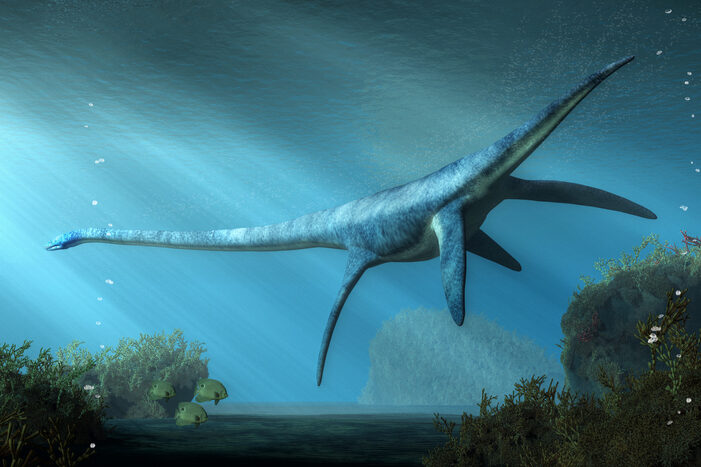
The plesiosaur was a marine reptile with a long neck, broad body, and flippers that allowed it to glide gracefully through the seas of the dinosaur age. Officially, it vanished 66 million years ago, but it remains one of the most enduring “living fossil” candidates. Stories of large, long-necked creatures swimming in lakes and seas around the world have kept the plesiosaur’s image alive. The most famous is the Loch Ness Monster, often depicted with features resembling this reptile. While scientists explain such sightings as misidentified animals or tricks of the water, the possibility that a hidden population of plesiosaurs survives adds mystery to unexplored waters.
7. Laotian Rock Rat
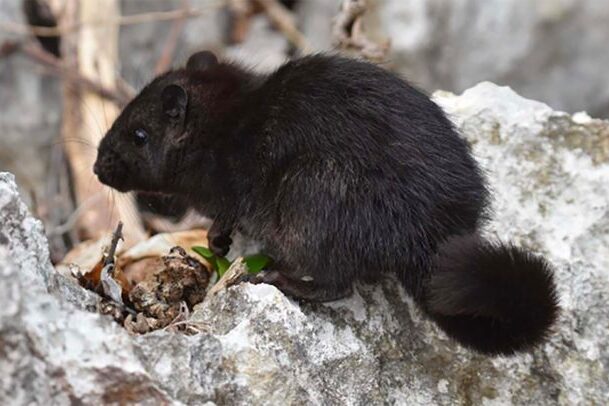
Nicknamed the “living fossil,” the Laotian rock rat was thought to have died out 11 million years ago, until it showed up in a Laotian food market in 2005. At first, scientists didn’t recognize the rodent, but closer study revealed it belonged to an ancient family long believed extinct. With its squirrel-like body and long whiskers, the rock rat doesn’t look particularly prehistoric, yet its survival proves how easily species can be overlooked. Found living in remote, rocky habitats, it stands as a rare real-world example of an animal once considered lost to time but still thriving in its natural environment.
8. Woolly Mammoth
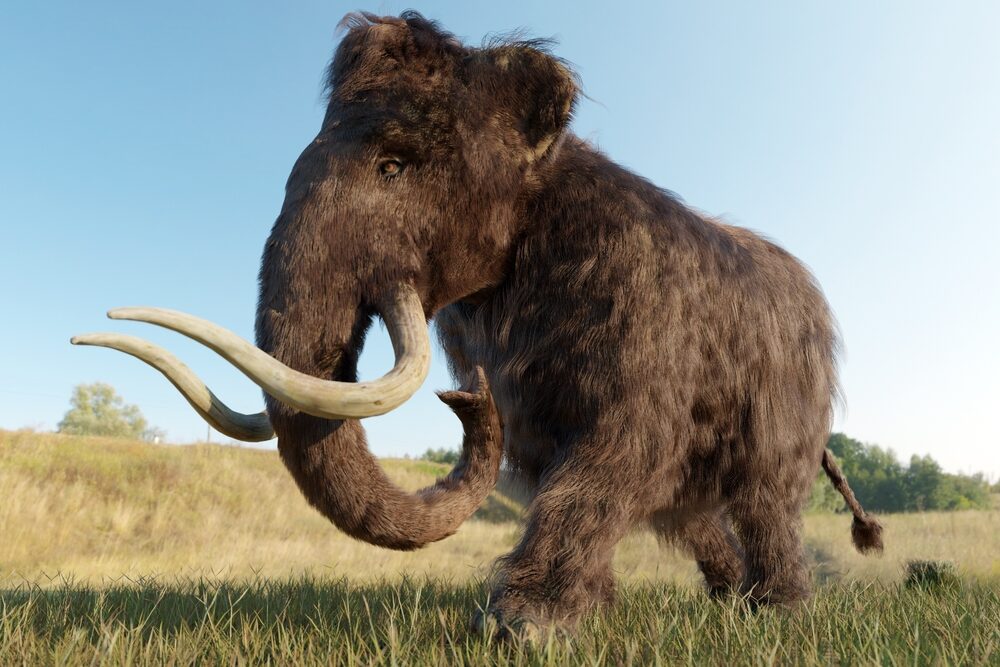
Woolly mammoths once roamed across the icy landscapes of Europe, Asia, and North America before disappearing around 4,000 years ago. Frozen remains in Siberia have been found so well-preserved that scientists have studied their DNA, leading to serious attempts to bring the species back through cloning. Beyond science, however, some locals in remote tundra regions claim small herds still roam the wilderness, hidden from view. While such claims remain unproven, the survival of isolated populations isn’t entirely impossible, given how vast and uninhabited some Arctic areas remain. The mammoth continues to be a symbol of how extinction may not always be the final word.
9. Beelzebufo
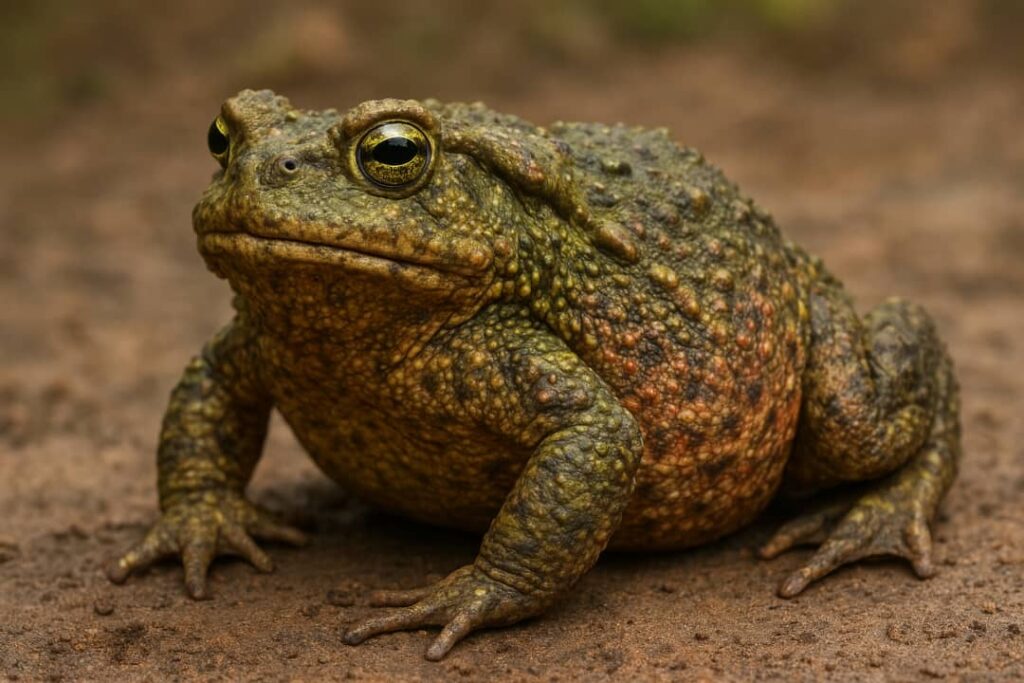
Nicknamed the “devil frog,” Beelzebufo was a giant prehistoric frog that lived in Madagascar about 70 million years ago. Growing up to 16 inches long and weighing as much as a housecat, it could have preyed on small reptiles and even baby dinosaurs. While officially extinct, its modern relatives still hop through Madagascar’s wetlands, raising the question of whether a giant frog could have survived in hidden habitats. With vast swamps and rainforests that remain poorly studied, the thought of a surviving Beelzebufo lurking in muddy waters appeals to both scientists and cryptid enthusiasts alike.
10. American Ivory-Billed Woodpecker
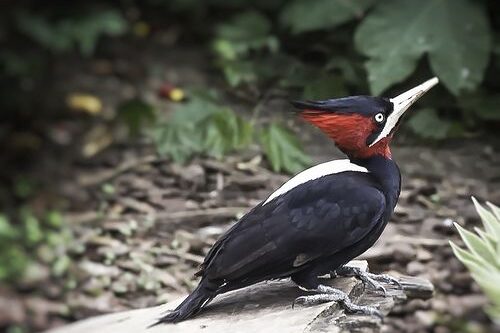
Once the largest woodpecker in North America, the ivory-billed woodpecker was declared extinct in the 20th century after logging destroyed much of its forest home. Yet reports of sightings in the swamps of the Southern United States have continued for decades, often sparking new hope. Some researchers claim to have recorded the bird’s distinctive double-knock sound or captured blurry videos of its striking black-and-white wings. Though skeptics argue these are likely pileated woodpeckers misidentified, the possibility of such a striking bird surviving in hidden corners of the swamp keeps its legend alive. For many, it represents the resilience of nature even against long odds.
11. Moa
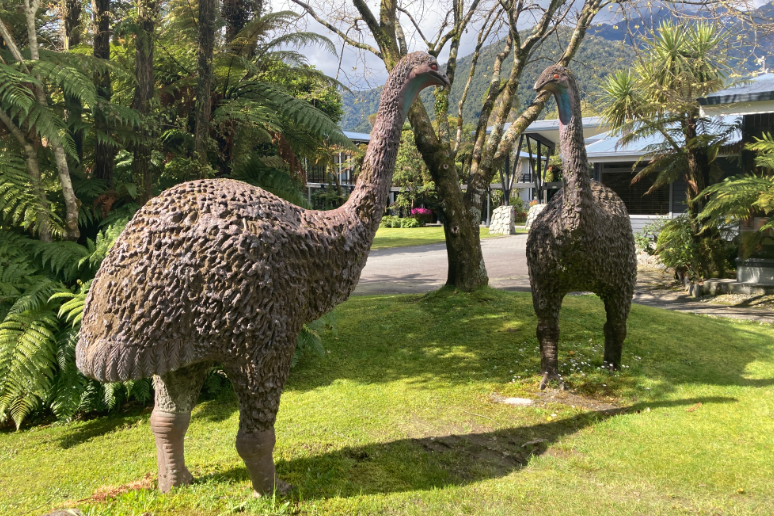
The moa were enormous, flightless birds native to New Zealand, some species standing over 10 feet tall. Hunted heavily by early settlers, they were declared extinct by the 1400s. Yet, their story doesn’t end there, occasional reports of giant bird footprints and fleeting sightings in dense forests have fueled speculation that a few may have survived in remote areas. The rugged landscapes of New Zealand still hold vast stretches of wilderness, which leaves just enough room for imagination. Though no scientific evidence supports their survival, the moa remains one of the most captivating “maybe not extinct” creatures in history, inspiring explorers and cryptid hunters alike.
This story 11 Prehistoric Beasts That May Still Be Alive Today was first published on Daily FETCH


