
1. Swans and Choosing One Another
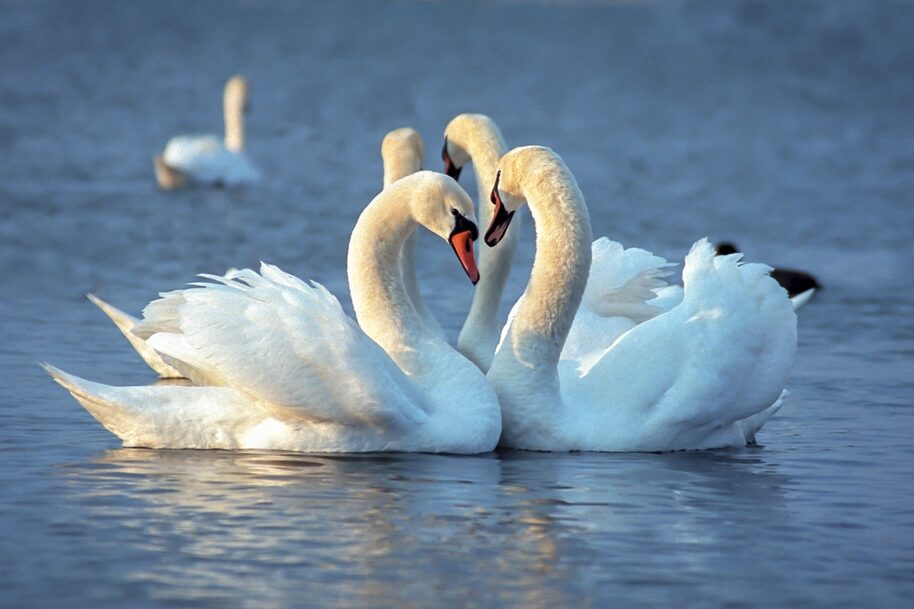
Swans feel like a gentle place to begin because their lives quietly frame this whole story. Many swans form long lasting partnerships, returning to the same mate season after season. They swim together, defend space together, and raise their young side by side. Nothing about them feels rushed or performative. Their bond looks familiar, built on recognition and routine rather than excitement. Starting here folds the introduction naturally into the list, easing us into the idea that nature allows love to be calm, patient, steady, and deeply rooted in choosing presence repeatedly across time shared without urgency or external pressure.
2. Wolves and Growing Together
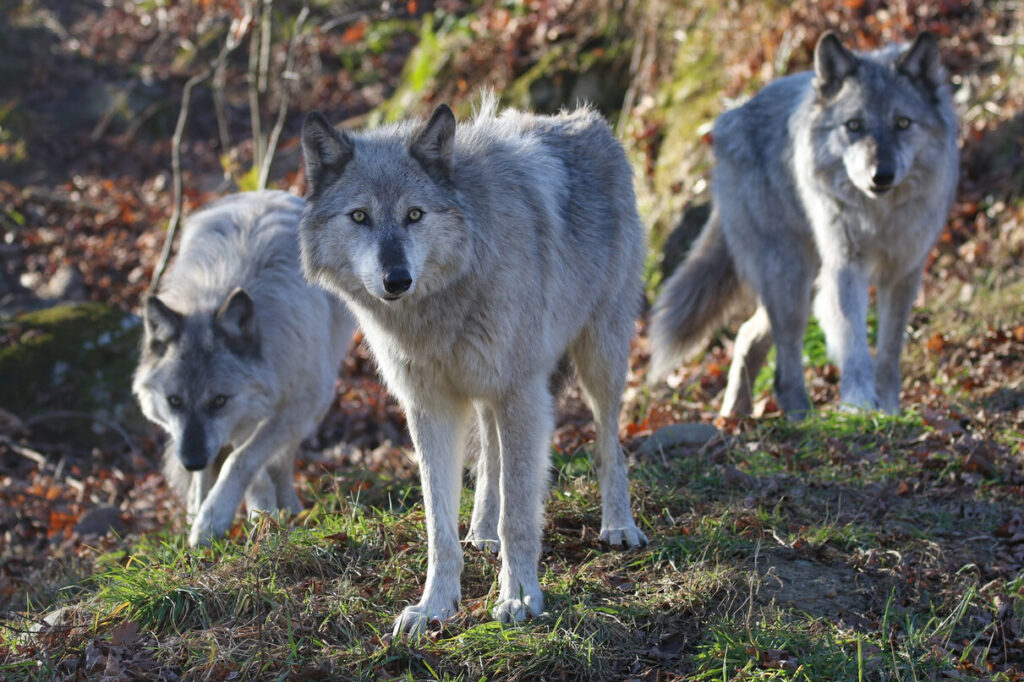
Wolves live in packs, yet the heart of the pack is a bonded pair. That pair hunts, protects territory, and raises pups together through every season. Trust grows through daily effort, not chance. Their connection survives harsh conditions because survival depends on cooperation. After swans, wolves deepen the conversation by showing commitment shaped by responsibility. Love here looks practical and grounded, built on reliability and shared work. It reminds us that staying together sometimes begins with needing one another and choosing to remain dependable even when conditions shift and instincts alone would encourage separation over time through learned patience togetherness.
3. Bald Eagles and Returning Home
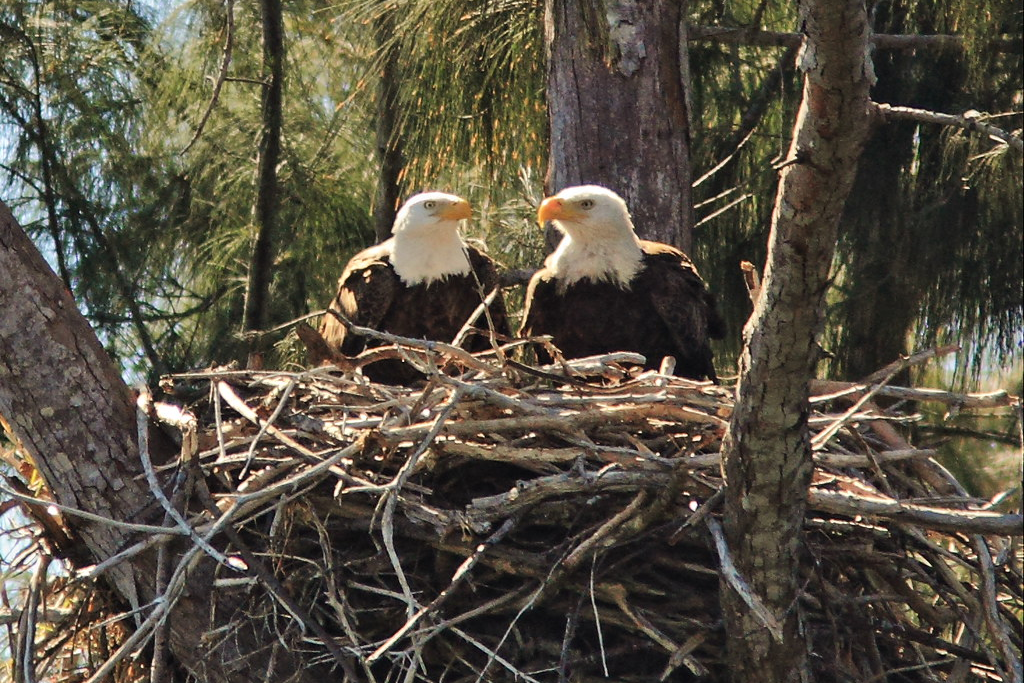
Bald eagles often reunite with the same partner year after year, returning to familiar nesting places. They repair old nests, take turns guarding eggs, and hunt to feed their young. Time shapes their bond slowly. Distance does not erase it. After wolves, their story lifts the rhythm upward, showing loyalty that survives long separations. Their partnership feels anchored in memory and return. Even when skies pull them apart, the idea of home draws them back to the same place, same presence, same shared responsibility formed through seasons repetition patience and quiet mutual understanding that grows without urgency or constant reassurance.
4. Beavers and Building Life
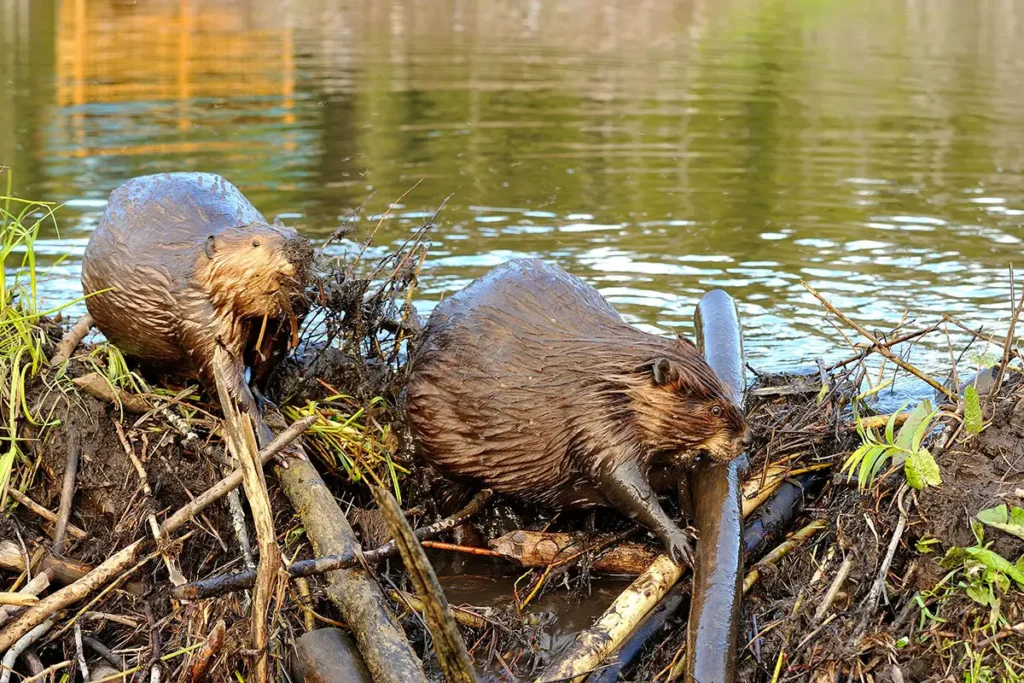
Beavers form lifelong pairs and spend years shaping their environment together. Dams and lodges rise through shared effort, not individual work. Both partners help raise their young and maintain safety. Their bond shows through consistency rather than emotion. After eagles, beavers ground the story again, reminding us that partnership can look like labor. Love here is practical, patient, and built slowly. It grows through routine tasks repeated daily, where showing up matters more than grand moments or dramatic gestures shared quietly over time without praise urgency or outside validation from anyone watching except those living inside it together always patiently.
5. Gibbons and Staying Connected
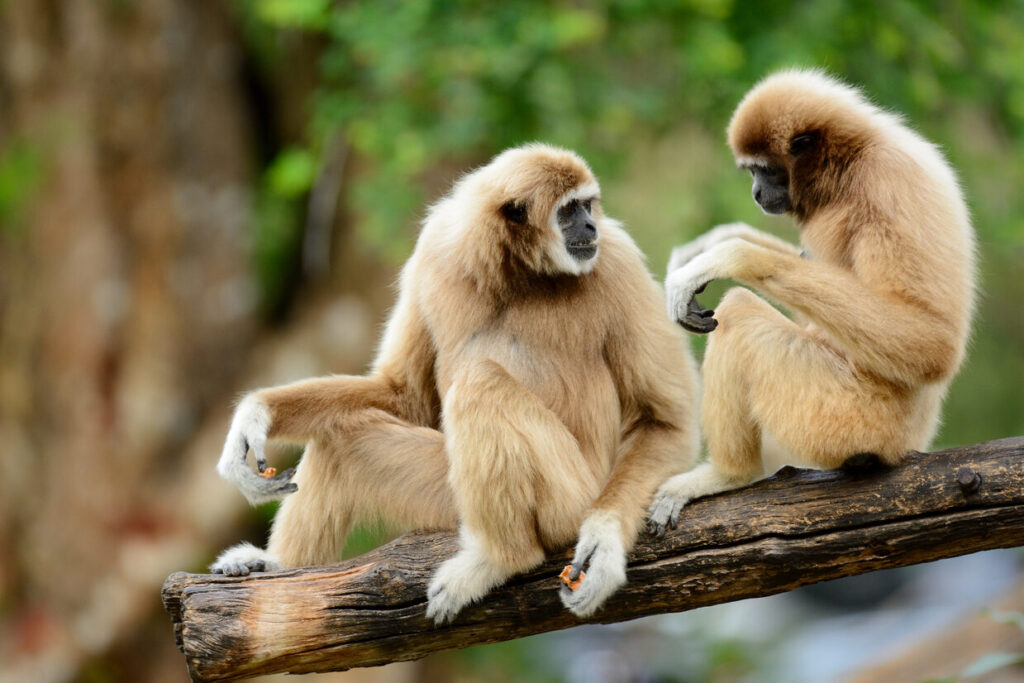
Gibbons are known for forming long term pairs and singing together each morning. These calls help them recognize one another and maintain connection. Their bond feels conversational, like a daily check in. After beavers, gibbons introduce communication as a foundation of partnership. Love here sounds like consistency. It survives through being heard and acknowledged. Their story flows easily, reminding us that connection often grows when presence is expressed regularly, even through simple shared rituals repeated across ordinary days that slowly become meaningful anchors within familiar emotional landscapes shaping trust patience closeness and mutual understanding over time without demand or force.
6. Albatrosses and Distance
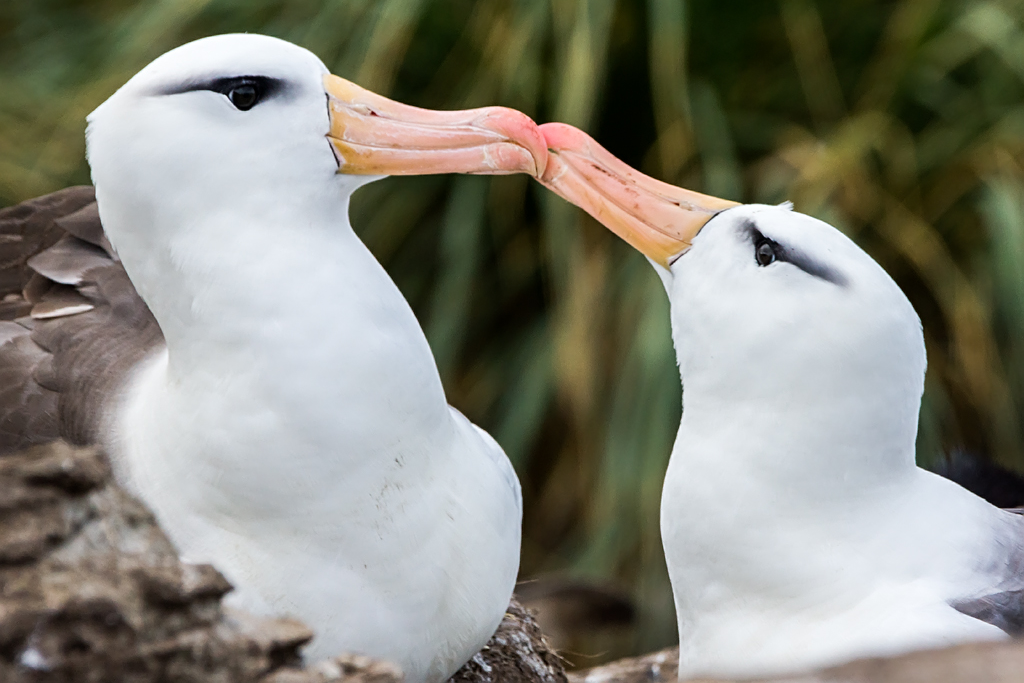
Albatrosses spend much of their lives alone, traveling vast distances over open water. Yet they return to the same partner to breed, recognizing one another through learned movements. Their bond survives long separations. After gibbons, they show that closeness does not require constant presence. Love here is defined by return. It holds through absence and distance, reminding us that commitment can remain intact even when lives unfold far apart for long stretches without erasing memory familiarity or the quiet promise of reunion formed patiently through time experience recognition and repeated shared history held gently rather than tightly for mutual peace.
7. Prairie Voles and Familiar Comfort
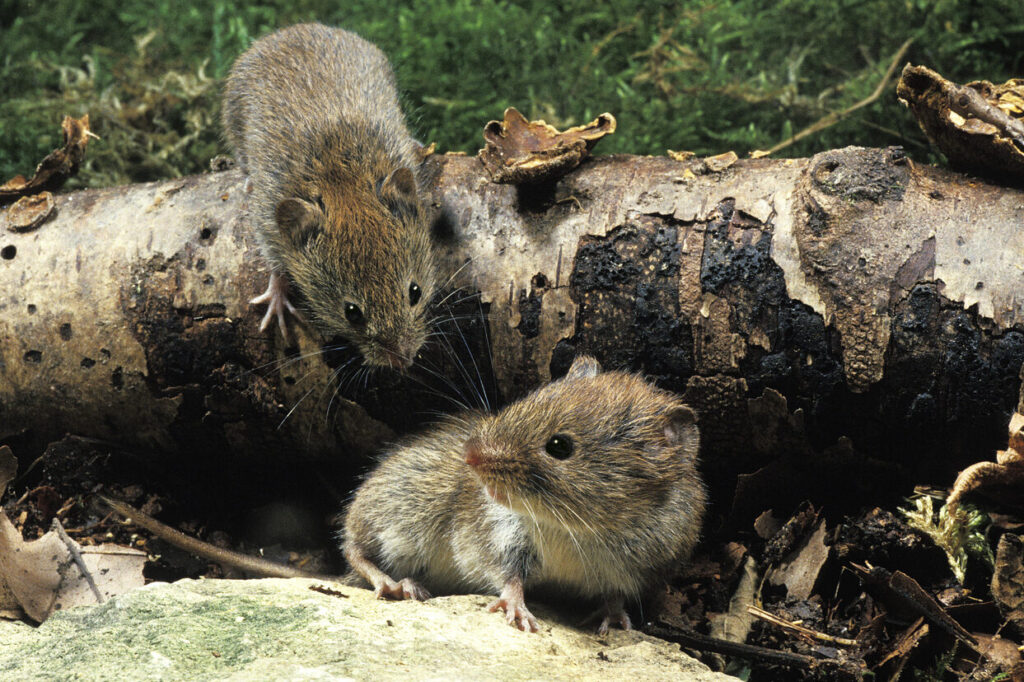
Prairie voles form strong pair bonds and prefer the company of one partner. They share nests, care for their young, and remain close over time. Their connection feels quiet and comforting. After albatrosses, these small animals bring the story inward. Love here is about familiarity. It grows through proximity and shared space. Their bond reminds us that closeness can be simple, rooted in comfort, and sustained through everyday presence rather than dramatic action where trust forms naturally without noise pressure or outside expectations allowing connection to settle quietly into daily rhythms that feel safe familiar and lasting over time together.
8. Termites and Quiet Loyalty
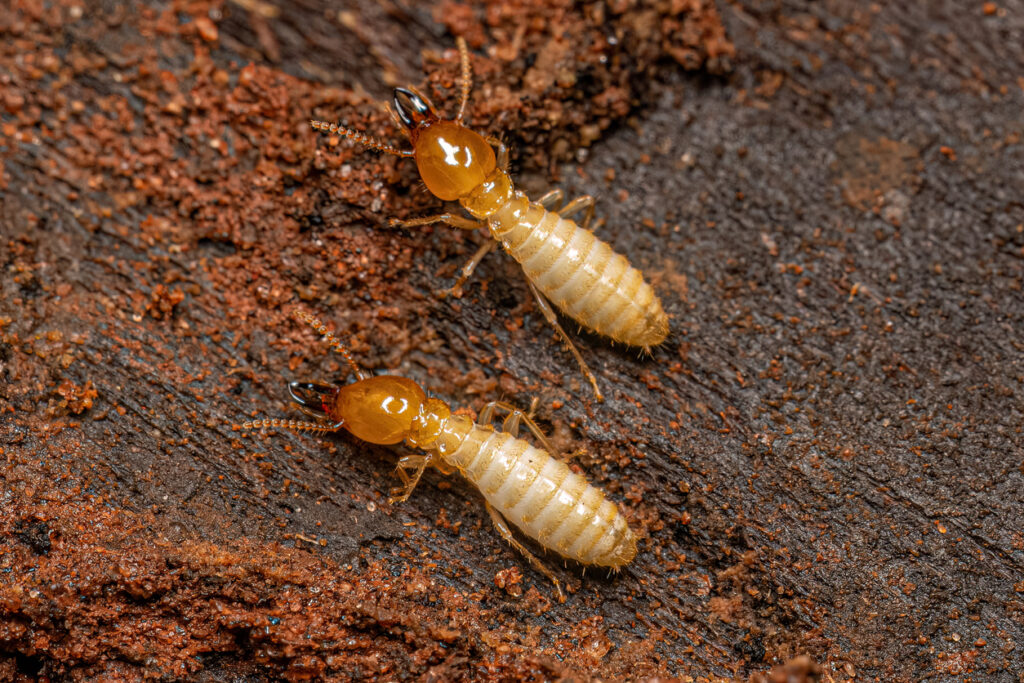
In certain termite species, a king and queen remain together for life, building colonies that last decades. Their partnership exists underground, unseen yet steady. Each plays a role in sustaining the colony. After prairie voles, termites remind us that commitment does not need visibility. Love here is functional and quiet. It survives through shared purpose and time. Their story shows how lasting bonds can exist without recognition, applause, or constant interaction above the surface shaped slowly by routine survival necessity and collective continuity rather than affection performance or emotional expression making endurance itself the clearest sign of partnership over generations.
9. Shingleback Lizards and Recognition
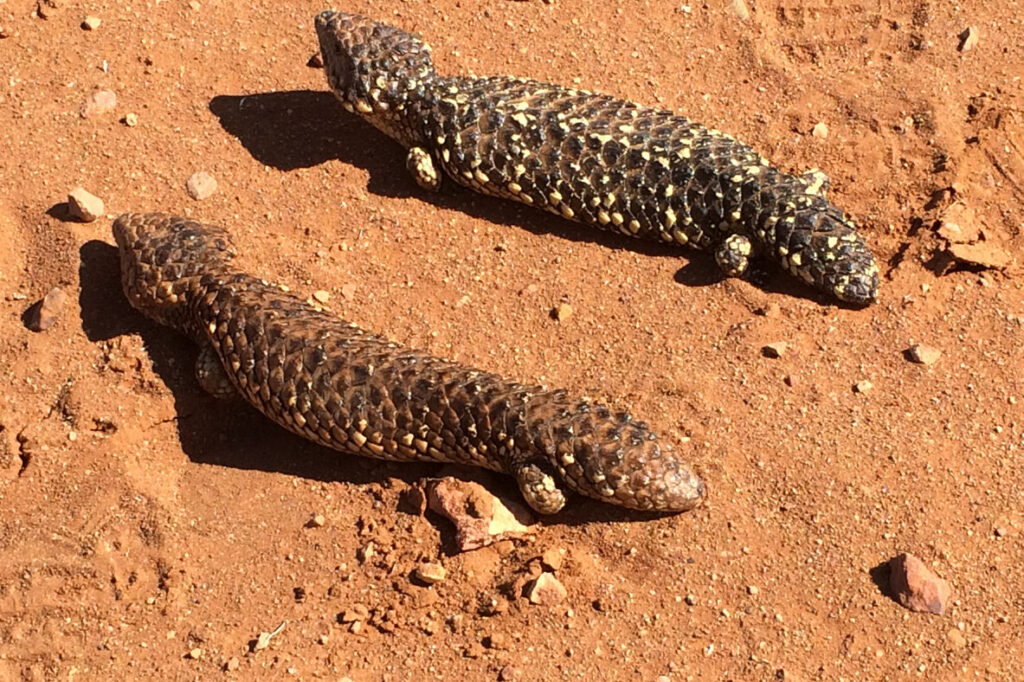
Shingleback lizards form long term pairs and reunite during breeding seasons. Even after months apart, they can recognize one another. Their bond allows distance without loss. After termites, this story brings us back above ground. Love here is patient and cyclical. It pauses and resumes without breaking. Their connection suggests that familiarity can survive time apart, returning easily when conditions align again through memory rhythm and repeated recognition built over shared experience without urgency pressure or fear of permanent separation showing how bonds can stretch bend and remain intact quietly within natural cycles shaped by time and environment together steadily.
10. French Angelfish and Calm Movement
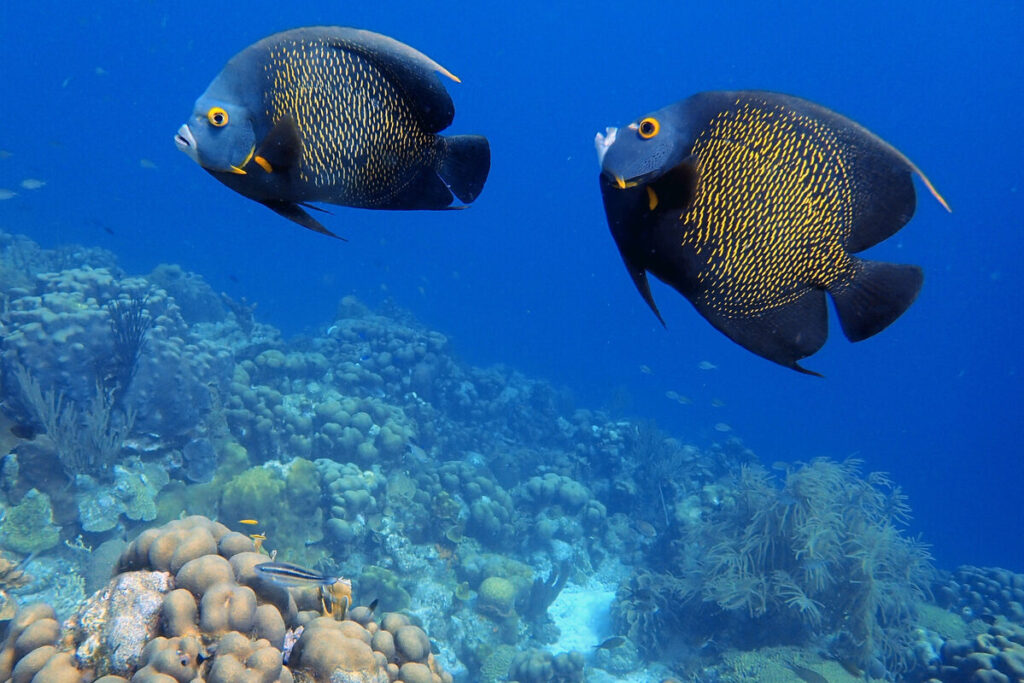
French angelfish are often seen swimming in pairs, moving calmly through reefs together. They defend territory side by side and remain close for long periods. Their bond feels peaceful rather than urgent. After shingleback lizards, these fish slow the story further. Love here looks like alignment. It exists in shared direction and quiet awareness of another presence nearby. Watching them feels steady and unforced. Their partnership does not rely on constant action, only on moving through the same space with trust, familiarity, and balance, reminding us that togetherness can feel gentle, spacious, and quietly reassuring over time for many lives.
11. Penguins and Shared Care
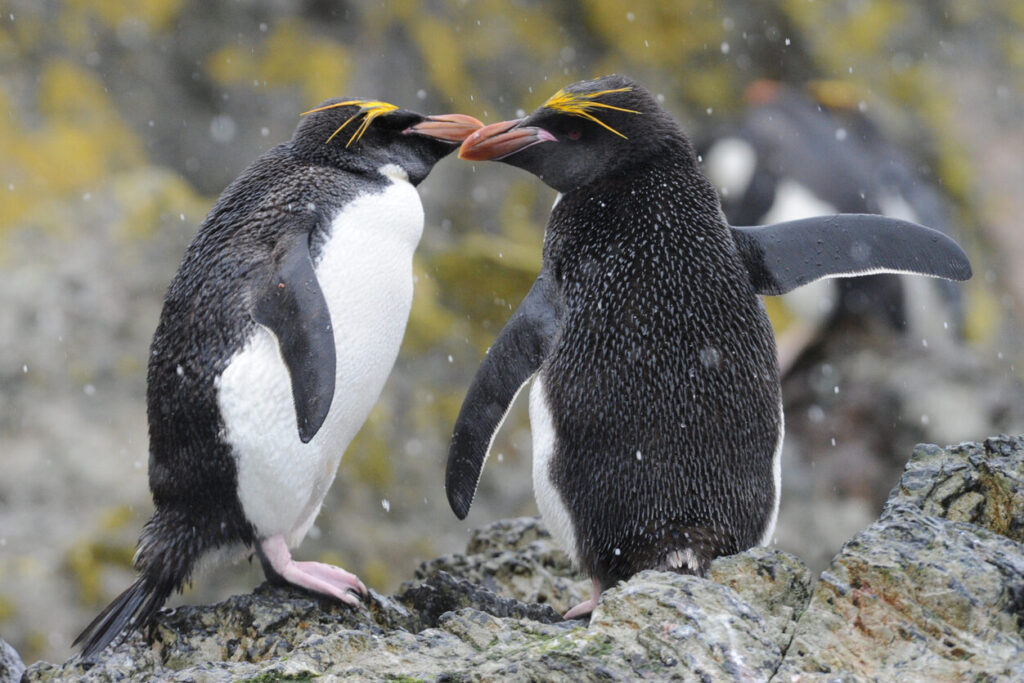
Many penguin species form strong pair bonds while raising their young together. They take turns incubating eggs, guarding chicks, and searching for food. Survival depends on cooperation and timing. After angelfish, penguins bring the focus back to land and shared effort. Love here is responsibility. It shows up through patience, endurance, and mutual reliance during harsh conditions. Their partnership is not glamorous, but it works. Ending the bonded section here feels natural, closing the chapter on togetherness with a reminder that care, consistency, and teamwork often matter more than closeness alone within fragile environments across long seasons and uncertain futures.
12. Whiptail Lizards and Independence
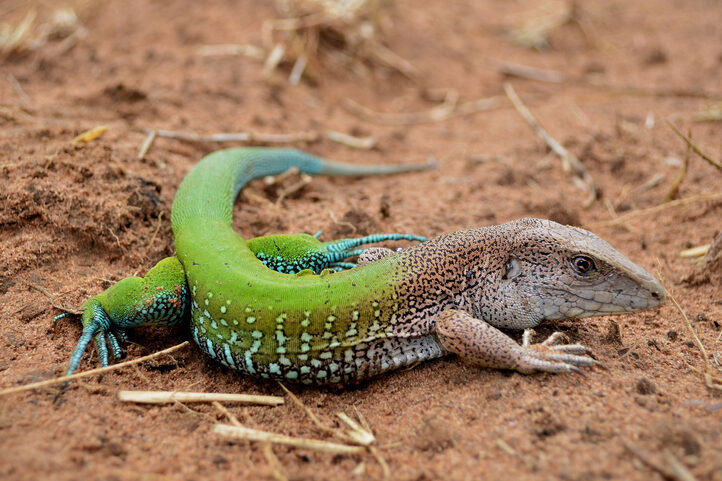
Some whiptail lizards are entirely female and reproduce without mates. There is no courtship, pairing, or shared parenting involved. Life continues through self sufficiency and cloning. After penguins, the shift feels clear but calm. Independence enters the story without conflict. Love is absent here, yet survival remains successful. Their existence reminds us that reproduction does not always require connection. Sometimes continuity depends on adaptability and internal strength rather than partnership, offering a quiet contrast to the bonds we have just left behind as the list gently moves toward solitary ways of living that persist beyond companionship alone in nature overall.
13. Aphids and Speed
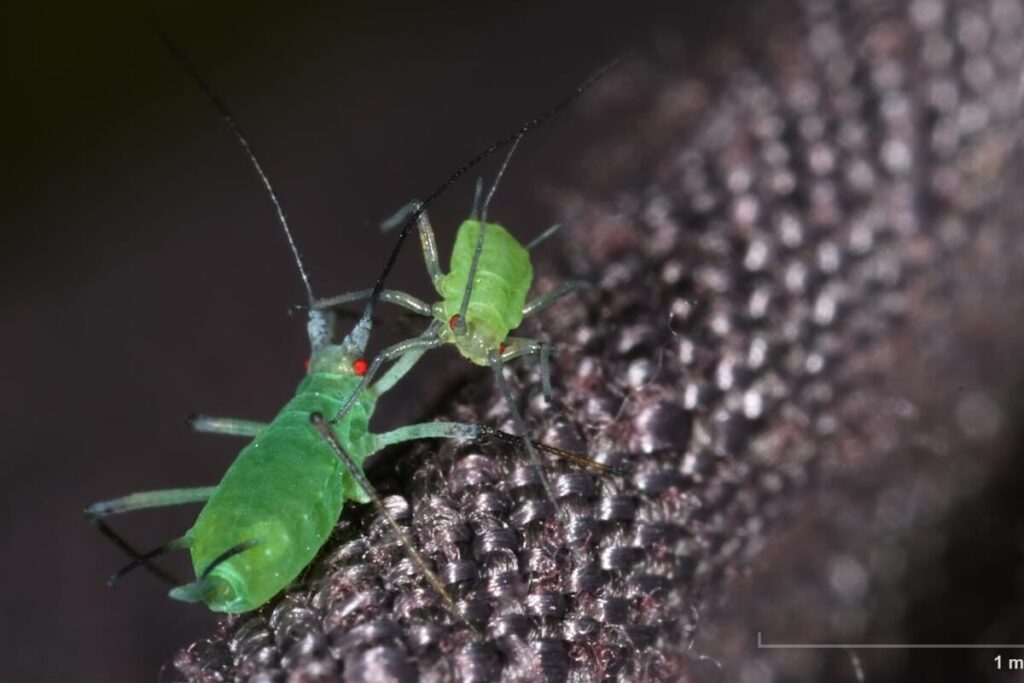
Aphids often reproduce without mating during favorable conditions. Entire populations can be female, multiplying rapidly through cloning. There is no bonding or waiting involved. After whiptail lizards, aphids reinforce speed as a survival strategy. Life here moves fast and efficiently. Love plays no role. Their story highlights how nature sometimes prioritizes numbers and timing over connection. It is a reminder that success can come from simplicity, where survival depends on quick reproduction rather than relationships, allowing species to thrive briefly, intensely, and repeatedly whenever conditions align without pause or emotional attachment shaping behavior across changing environments worldwide today for species.
14. Komodo Dragons and Flexibility
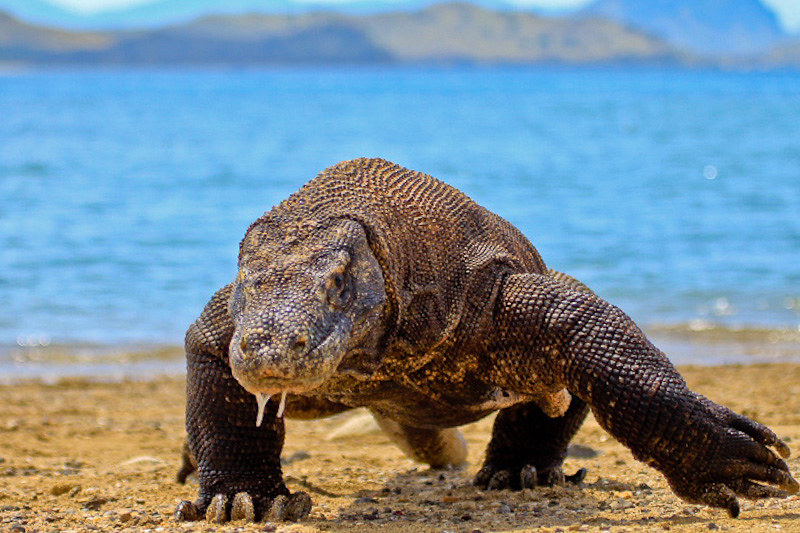
Komodo dragons can reproduce without mates when conditions require it. This ability allows females to continue a population alone. It is not their usual path, but it exists as an option. After aphids, they add complexity to independence. Survival here includes flexibility. Love is not central, yet reproduction remains possible. Their story shows that nature keeps alternatives available, allowing life to continue even when connection is absent, making independence situational rather than permanent and reminding us that adaptability often matters more than rigid patterns in unpredictable environments shaped by change across generations facing isolation survival pressure without external support systems.
15. Starfish and Renewal

Some starfish reproduce by splitting their bodies, with each part growing into a new individual. No partner is involved in this process. After Komodo dragons, their story feels quiet and resilient. Survival comes through regeneration. Love is unnecessary here. Their ability to regrow shows how life continues through adaptation rather than connection. Starfish remind us that persistence can be physical, built into form and function, allowing existence to renew itself again and again even when circumstances remove the possibility of partnership or shared continuity within harsh ecosystems shaped by constant environmental change over long evolutionary timescales for survival alone purposes.
16. Bdelloid Rotifers and Time
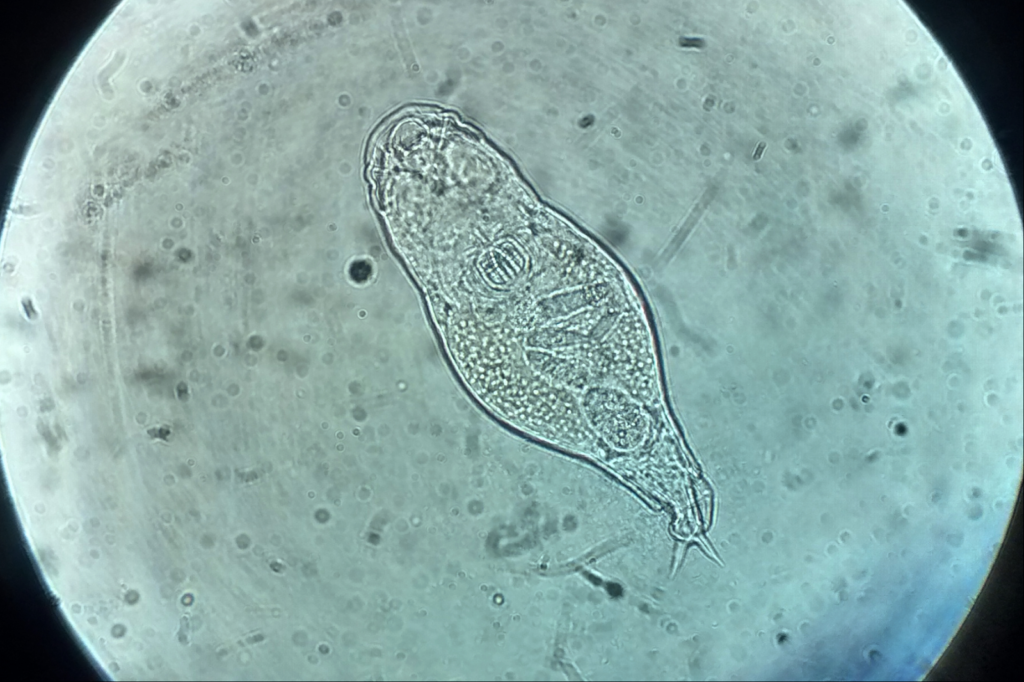
Bdelloid rotifers have survived for millions of years without mating. Entire populations reproduce asexually, defying expectations about evolution. After starfish, their existence deepens the theme of independence. Survival here stretches across deep time. Love is irrelevant. Their longevity suggests that reproduction without connection can endure far longer than assumed. They challenge the idea that pairing is necessary for success, showing instead that resilience, adaptability, and persistence can sustain life across changing environments, generations, and conditions without reliance on partners or shared genetic exchange shaping unexpected evolutionary paths over unimaginable spans of time within biological history records documented worldwide today carefully.
17. Ant Queens and One Moment
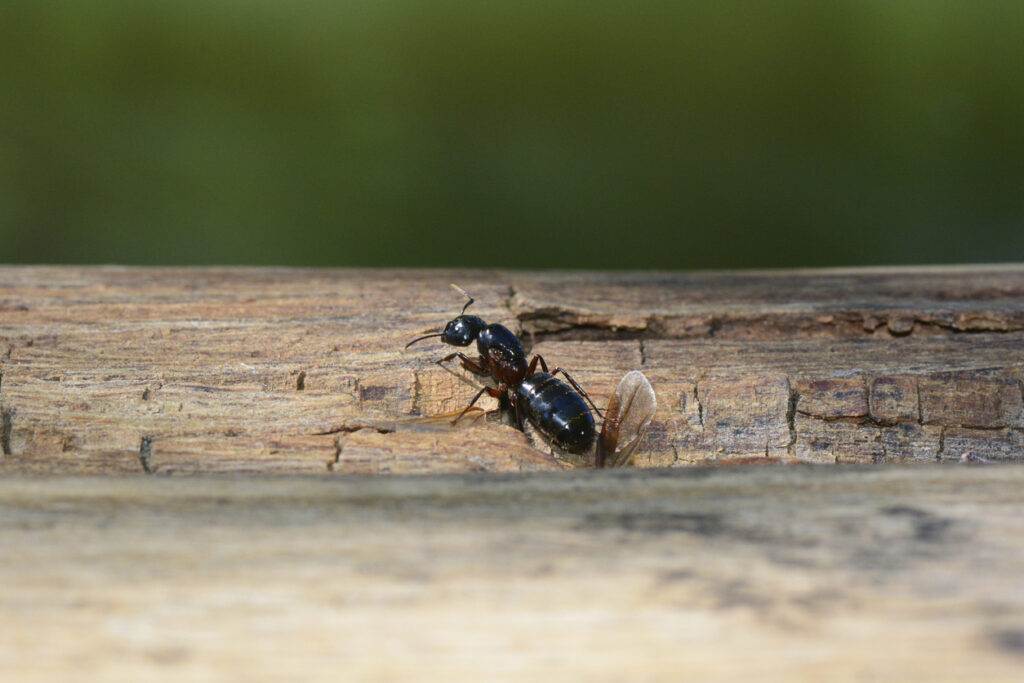
Ant queens mate once, then store sperm and spend their lives laying eggs alone. That single event sustains entire colonies for years. After rotifers, their story balances connection and solitude. Love appears briefly, then disappears. Purpose replaces partnership. Their existence shows how one moment can fuel long term survival. Independence here is structured, not accidental. Ant queens remind us that continuity sometimes depends on brief connection followed by years of solitary responsibility, labor, and endurance carried quietly beneath the surface in service of collective life supporting complex social systems across generations silently without recognition or individual reward from others nearby.
18. Tardigrades and Endurance
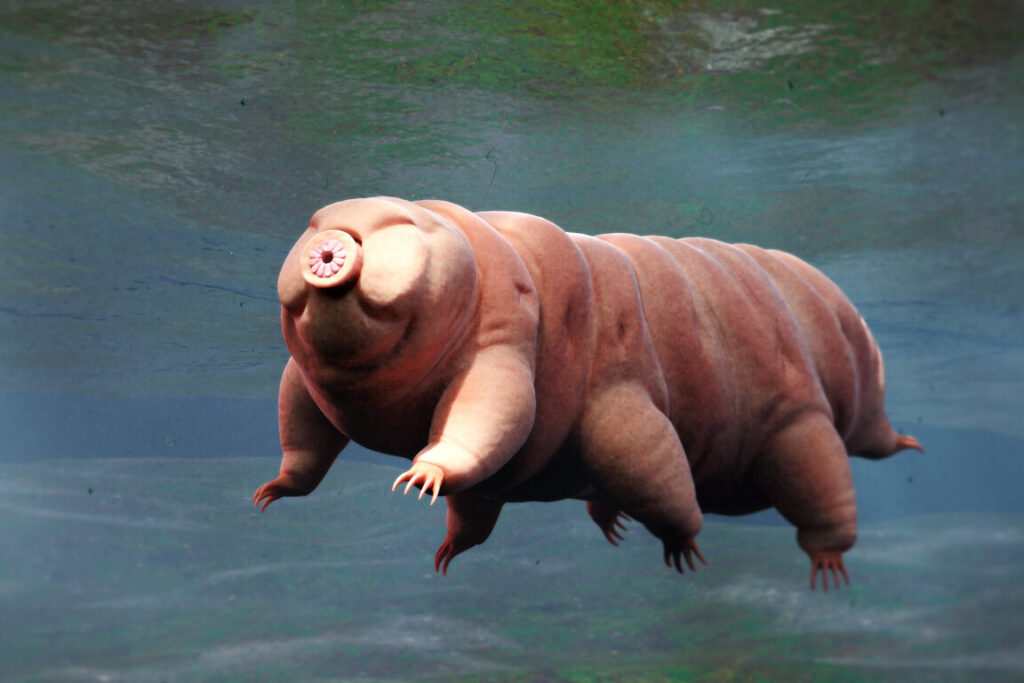
Tardigrades can reproduce with or without mates depending on conditions. Their flexibility allows survival in extreme environments. After ant queens, they close the list quietly. Love is optional. Adaptation is essential. Their ability to persist through heat, cold, and radiation reflects nature’s final lesson here. Life continues through adjustment, not one fixed path. Ending with tardigrades gently weaves the conclusion into the story, reminding us that whether through bonds or solitude, survival favors those who can endure, adapt, and continue forward without drama, expectation, or rigid definitions of connection across unpredictable futures shaped by constant environmental change for all species.
This story 11 Animals That Mate for Life and 7 That Never Mate at All was first published on Daily FETCH


