
1. Leavenworth, Washington
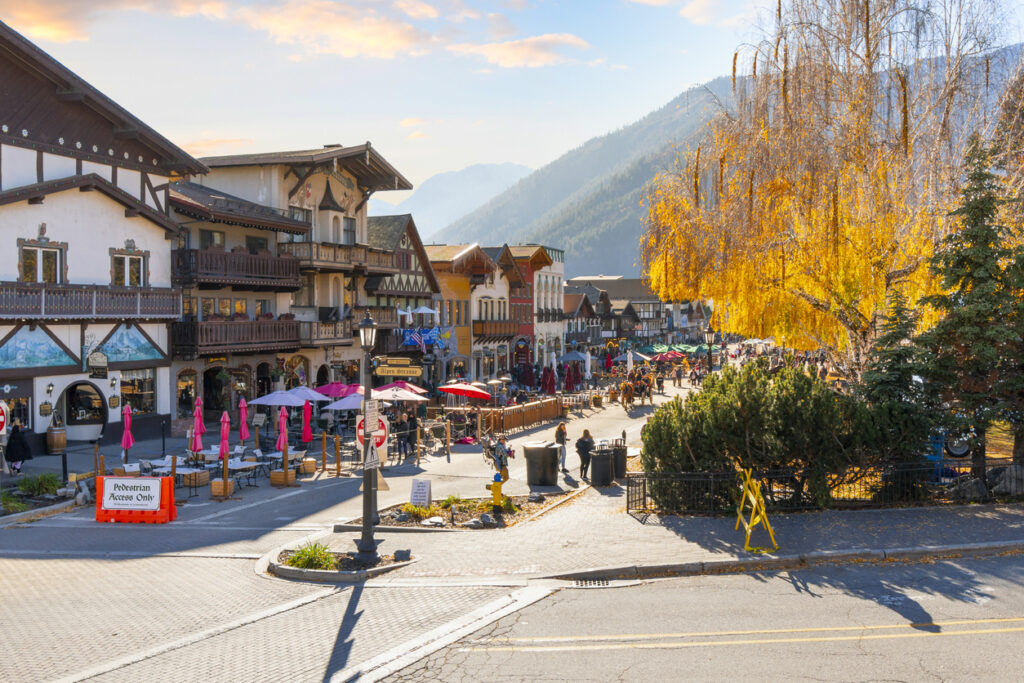
In the early 1960s, Leavenworth was a struggling logging town. To revitalize its economy, civic leaders decided to redesign the town to resemble a Bavarian village. This transformation included adding alpine-style architecture, flower boxes, and authentic German shops and restaurants. The new Bavarian theme attracted tourists, and today, Leavenworth is renowned for its festive atmosphere, especially during Oktoberfest and its renowned Christmas celebrations.
2. Solvang, California
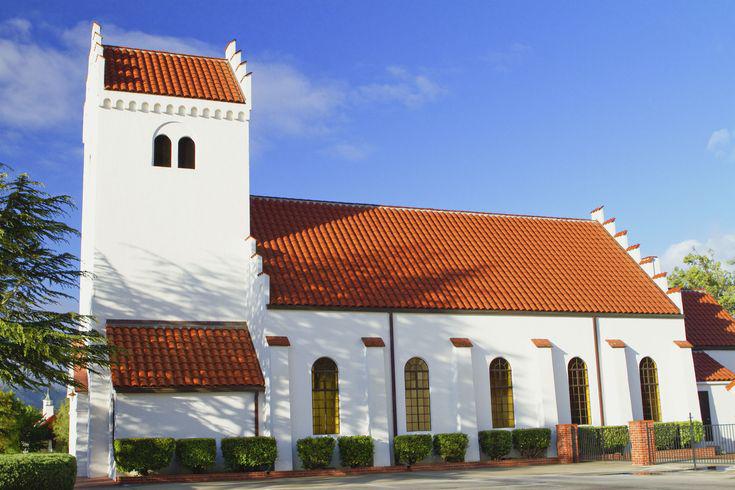
Founded in 1911 by Danish-Americans, Solvang was established to preserve and promote Danish culture in California. The founders constructed Atterdag College and the Bethania Lutheran Church to serve as cultural and religious centers. Over time, the town’s architecture was styled to reflect Danish Provincial design, complete with thatched roofs and windmills. Today, Solvang is a popular tourist destination known for its Danish heritage and charm.
3. Helen, Georgia
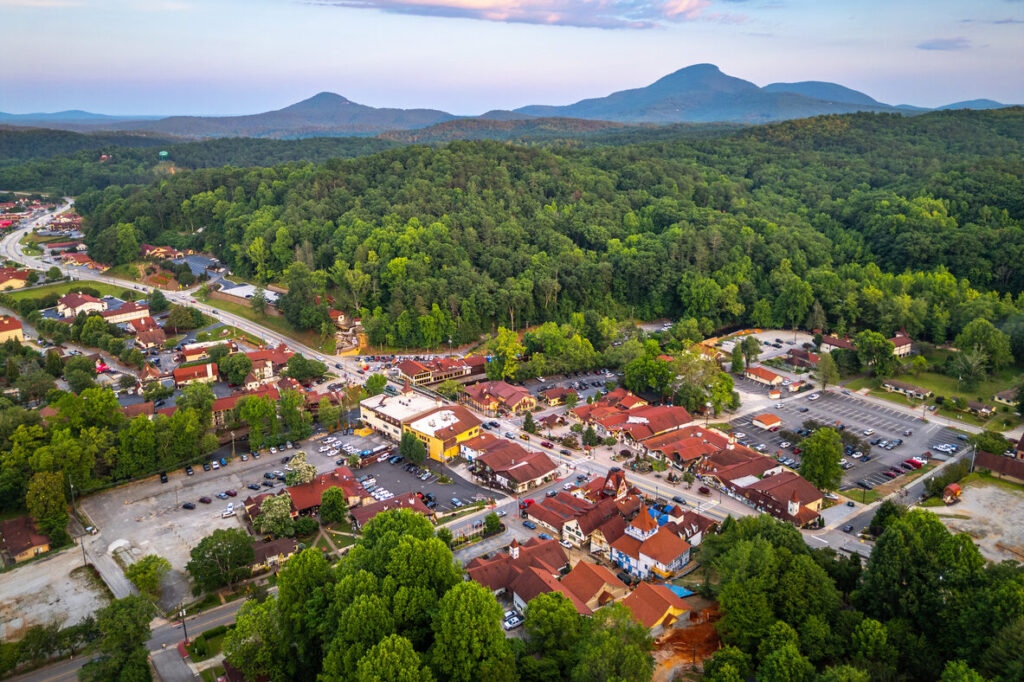
Once a struggling logging town, Helen reinvented itself in the late 1960s by adopting Bavarian-themed architecture. Local entrepreneurs and civic leaders collaborated to transform the town’s appearance, adding German-style facades to buildings. This transformation attracted tourists, and today, Helen is known for its authentic German cuisine, vibrant festivals, and picturesque alpine setting.
4. Frankenmuth, Michigan
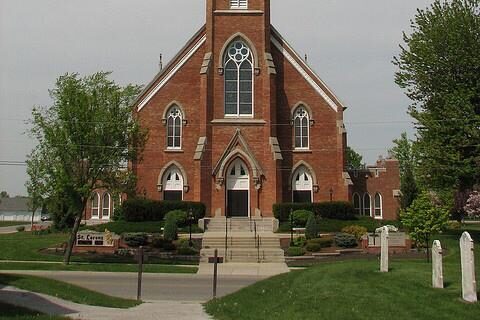
Settled in 1845 by German immigrants, Frankenmuth was designed to reflect their homeland. The town’s founders established a mission colony with the intent of evangelizing to Native Americans, and they built structures such as St. Lorenz Church and a school. Over time, the town’s architecture and culture have maintained strong German influences, earning it the nickname “Little Bavaria.” Today, Frankenmuth is known for its festive atmosphere and German heritage.
5. New Glarus, Wisconsin
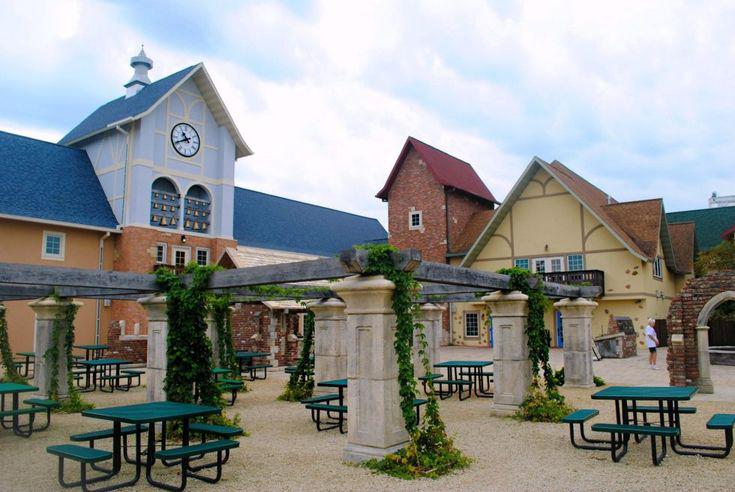
Founded in 1845 by Swiss settlers from the Canton of Glarus, New Glarus was established to preserve Swiss traditions in America. The settlers built homes and structures that reflected their Swiss heritage, and the town continues to celebrate its Swiss roots through festivals, architecture, and cultural events. Today, New Glarus is known for its Swiss-style chalets and vibrant community events.
6. Vail, Colorado
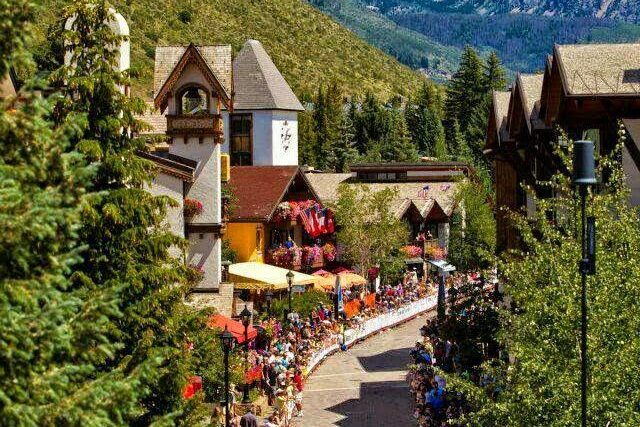
Conceived in the 1960s as a ski resort rather than a historic mining town, Vail was intentionally designed to evoke a European alpine village. Architect Fitzhugh Scott led the creation of chalet-style buildings with white stucco, dark wood trim, balconies, flower boxes, and steeply pitched roofs, dubbed “instant Alpine” or “transplanted Tyrolean”. The founders, many veterans of the WWII 10th Mountain Division, drew direct inspiration from their experiences in Zermatt and other European resorts. Today, winding pedestrian streets, covered bridges, and Bavarian facades remain central to Vail Village’s charm , making Vail feel like a slice of Old World hospitality amid the Rockies.
7. St. Augustine, Florida
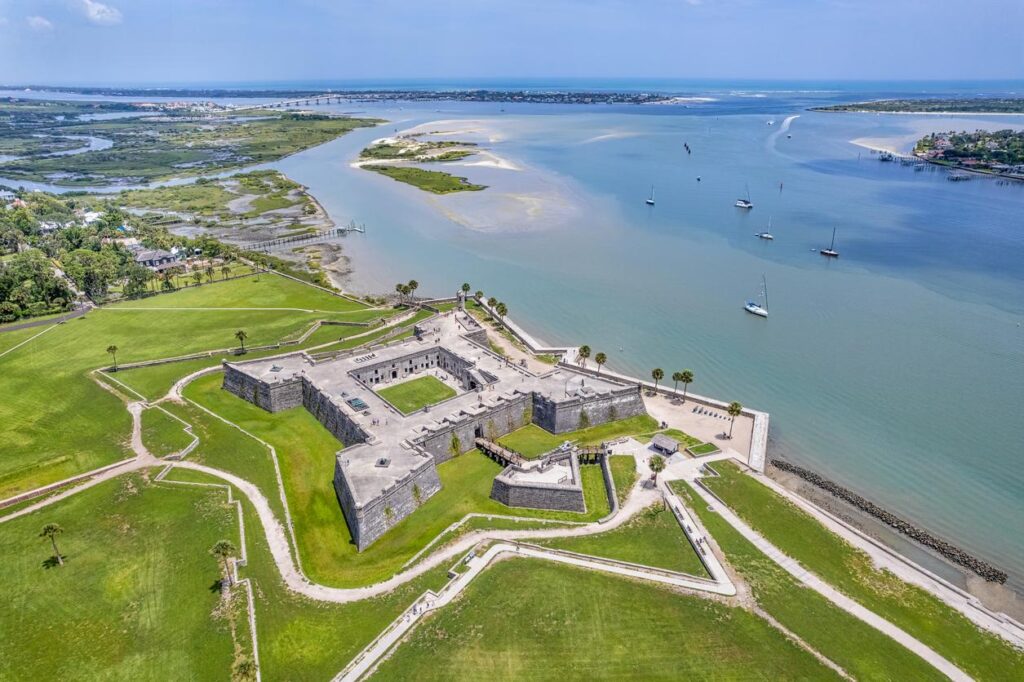
Founded in 1565 by Spanish explorer Pedro Menéndez de Avilés, St. Augustine is the oldest continuously occupied European-founded city in the U.S., laid out according to the Spanish colonial Laws of the Indies with gridded streets centered on a plaza. Its architectural heritage includes coquina stone walls, charming loggias, fortified plazas, and the Castillo de San Marcos, the oldest stone fort in the nation. Landmarks such as the González-Álvarez House, dating back to circa 1723, exhibit authentic Spanish colonial design and offer glimpses into centuries of layered history. This town transports visitors back to colonial Spain through its enduring layout and buildings.
8. Ouray, Colorado
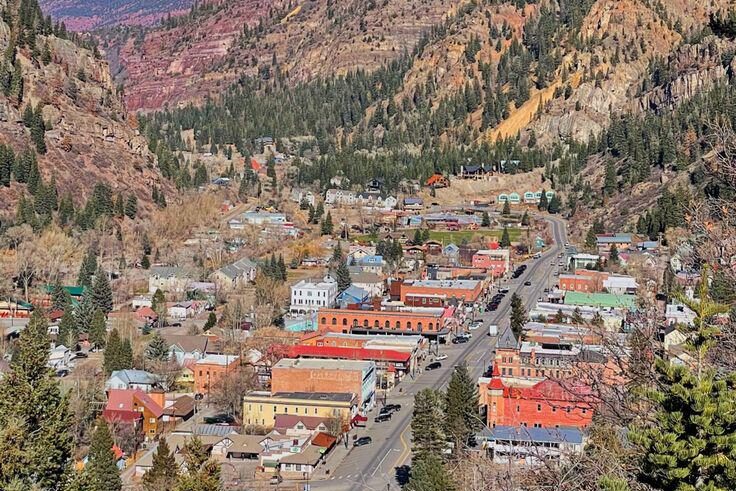
Nestled in a dramatic mountain landscape, Ouray earned the nickname “Switzerland of America” because its jagged peaks, cascading waterfalls, and alpine feel echo Swiss scenery. Established during the mining boom of the late 19th century, the town grew quickly with log and brick buildings serving miners and supply networks. While not modelled on European towns, its setting in the remote San Juan Mountains, rugged terrain, and period architecture naturally evoke a European alpine village, earning both affection and comparisons to Switzerland’s charming mountain hamlets.
9. Lindsborg, Kansas
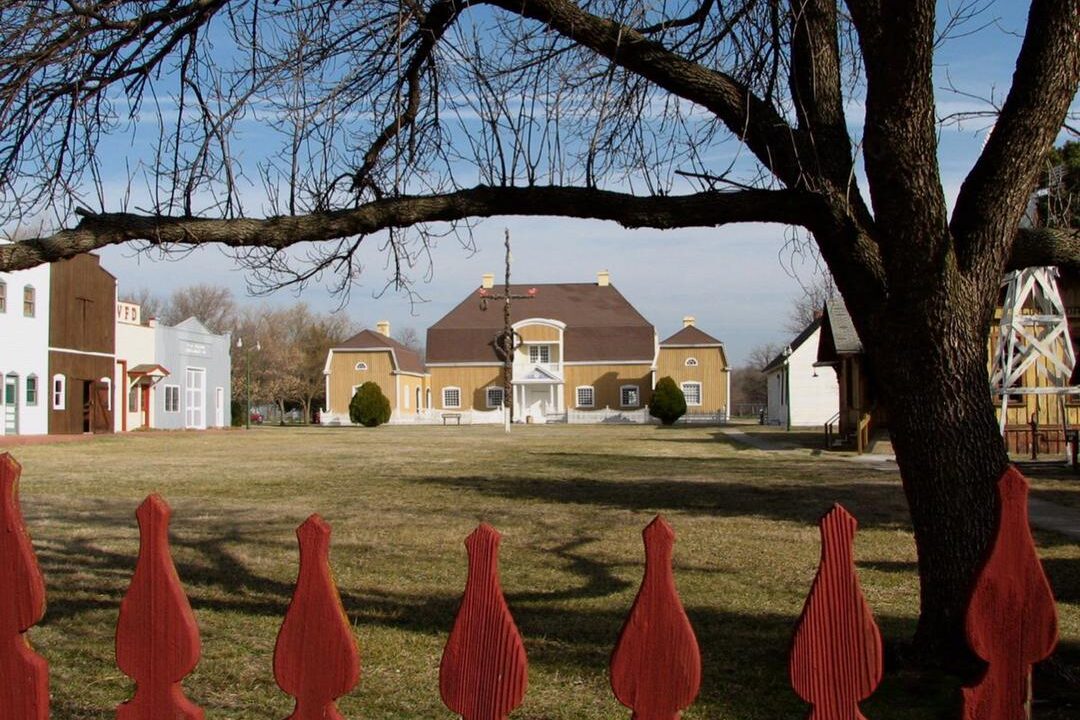
Founded by Swedish immigrants in 1869, Lindsborg affectionately known as “Little Sweden,” infused its architecture and culture with Nordic influences from the start. Buildings like the Swedish Pavilion, designed by Ferdinand Boberg for the 1904 World’s Fair, and local early commercial structures reflect Swedish heritage. The town celebrates festivals like Midsummer and Lucia, features traditional folk art, art galleries, and Swedish-style shops. As one traveler put it: “Lindsborg was a super cute/quaint town with a nice Swedish touch.” The warm sense of Nordic identity is woven into both buildings and community life.
10. Montpelier, Vermont
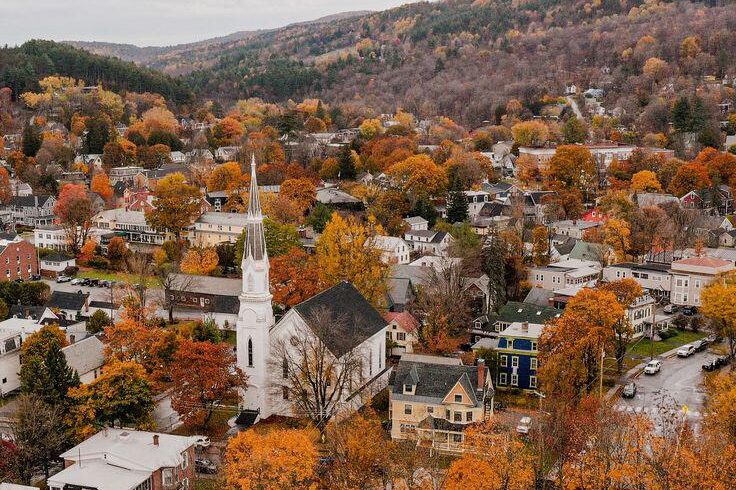
Montpelier wasn’t established by Europeans, but its 19th-century planners embraced European aesthetics, adopting French-influenced architectural details and organized street layouts reminiscent of European towns. The state capital features refined civic structures, court houses, libraries, and churches, that borrow from European design traditions. While explicit documentation of the planning intentions is limited, the city’s atmosphere and architectural tone evoke a European sensibility adapted to small-town American scale.
This story 10 U.S. Towns That Look European, Because They Were Built to Be was first published on Daily FETCH


