
1. A Boy Uncovered a 10,000-Year-Old Arrowhead on Vacation
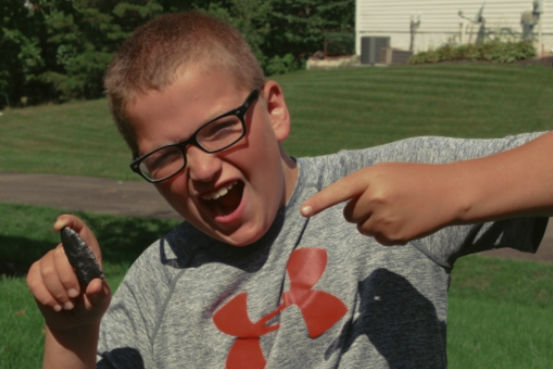
Kids notice things adults often miss, tiny patterns, strange details, and questions no one thinks to ask. And sometimes, those observations end up shaping real scientific discoveries. While playing in the surf in Virginia, 10-year-old Noah Cordle picked up what looked like an odd stone. Experts later confirmed it was a prehistoric projectile point between 8,000 and 11,000 years old. Museums and archaeologists validated its authenticity, noting how rare it is for such artifacts to wash ashore intact. His simple beach-day curiosity uncovered a genuine piece of early North American history.
2. A Seventh-Grader Helped Prove a Sweetener Was Toxic to Fruit Flies
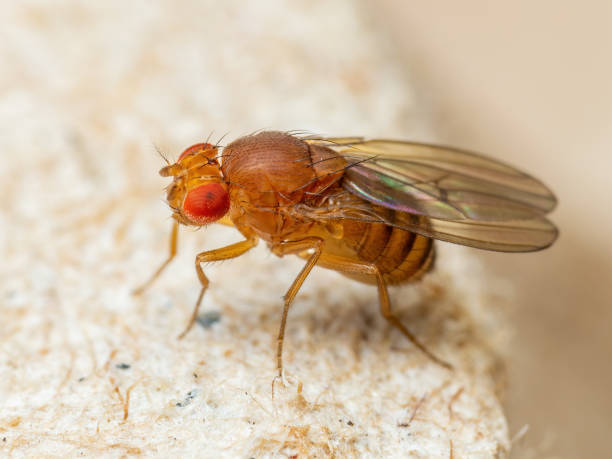
During a school science project, 11-year-old Simon Kashchock-Marenda fed fruit flies various sweeteners and noticed those given erythritol died quickly. His father, a Drexel University biologist, repeated the tests in a controlled lab. The results confirmed Simon’s observation: erythritol is deadly to fruit flies but safe for humans. Their joint study was later published in a scientific journal, and Simon became a credited co-researcher, all because he paid attention to an unexpected pattern.
3. A 10-Year-Old Became the Youngest Person to Discover a Supernova

Canadian student Kathryn Gray was reviewing telescopic images with her father when she spotted a bright dot not present in earlier photos. Astronomers confirmed it was a supernova, a massive star explosion in a distant galaxy. At just 10 years old, she became the youngest supernova discoverer on record. Her find was later cataloged by the Royal Astronomical Society of Canada, showing how even beginners can make real contributions to astronomy.
4. Fossil-Hunting Siblings Helped Launch Modern Paleontology
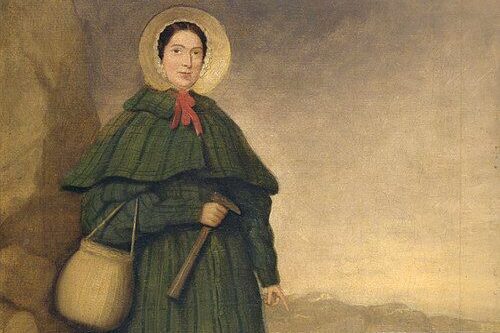
In the early 1800s, siblings Mary and Joseph Anning, then just children, discovered the first complete ichthyosaurus skeleton along the cliffs of Lyme Regis, England. Their fossil finds provided the earliest strong evidence that extinct species once ruled Earth, influencing scientists like Charles Darwin. Their childhood hobby of searching for “curiosities” helped transform paleontology into a formal scientific field.
5. Preschoolers Demonstrated an Unexpected Understanding of Ownership

A University of Waterloo study showed that children as young as three can infer ownership based solely on where an object is placed, even without ever seeing who used it. Kids consistently identified which items “belonged” to which person in controlled tests. Their surprising accuracy later helped psychologists refine theories about early social reasoning. What began as a simple classroom-style experiment revealed a skill scientists hadn’t realized developed so early.
6. A 14-Year-Old Discovered a Fast-Rotating Pulsar
In 2010, a group of students participating in the Pulsar Search Collaboratory, including Lucas Bolyard and Caroline Moore, analyzed real radio-telescope data when they noticed unusual, repeating pulses. Astronomers reviewed the findings and confirmed they had indeed detected a new pulsar. The discovery was added to the official astronomical catalog, proving students could meaningfully contribute to astrophysics. Their work backed up what professional astronomers suspected: citizen-science programs can uncover signals researchers simply don’t have time to comb through manually.
7. A teen’s curiosity helped confirm an early solar storm
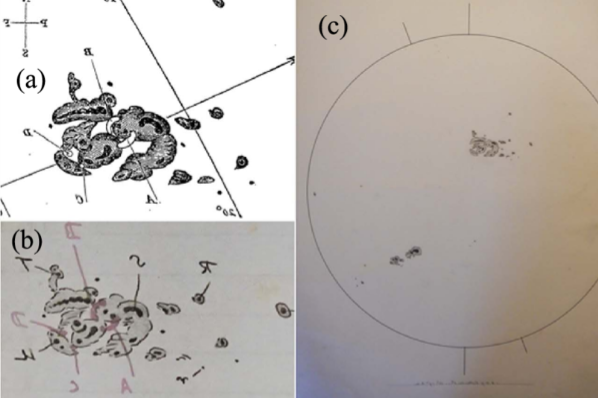
In the mid-1800s, a teenage astronomy enthusiast named Richard Carrington was routinely sketching sunspots, something many hobbyists did at the time. But during one observation in 1859, he noticed two sudden bursts of intense white light erupting from the sunspot region. Although he did not fully understand it yet, his careful documentation supported what scientists later confirmed was the strongest solar storm ever recorded. Carrington’s youthful attention to detail provided crucial evidence that linked solar activity to geomagnetic disturbances on Earth. His methodical observation helped create the foundation for modern space-weather science, all sparked by a simple, curious look at the sun through a young stargazer’s telescope.
8. A student discovered a new molecule by accident
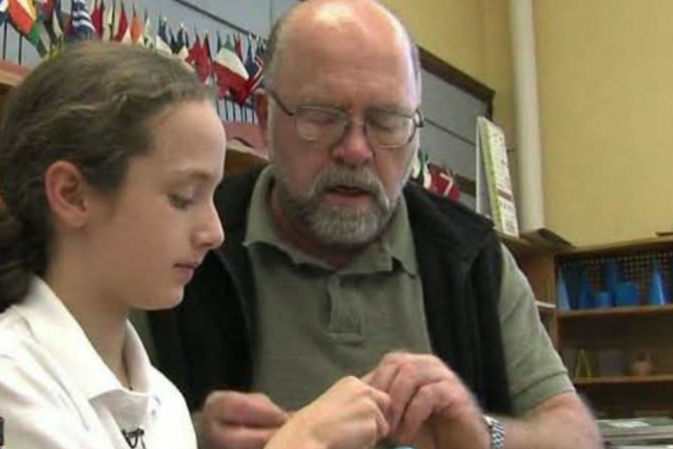
High-schooler Clara Lazen made an unusual molecular model during a classroom activity, arranging atoms in a way that seemed visually balanced but unfamiliar. Her teacher, intrigued, photographed the structure and sent it to a chemist. To their surprise, the model represented a theoretically possible but previously undocumented molecule that scientists later named tetranitratoxycarbon. The accidental creation showed that even a simple classroom assignment can spark real scientific insight. Clara’s intuitive tinkering served as a reminder that creativity, especially in young learners, can lead to discoveries professionals may never think to explore. Her informal observation ultimately contributed to published research, making her part of a real scientific milestone.
9. A child hiking in New Mexico spotted a rare dinosaur track
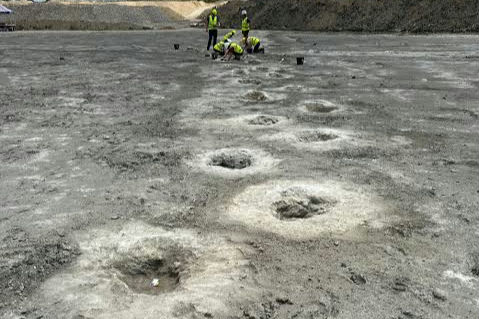
While exploring a trail in New Mexico, a young boy noticed a large imprint in rock that looked strangely like a giant bird footprint. His parents contacted experts, who later confirmed it was a real dinosaur track dating back more than 60 million years. Paleontologists determined it likely came from a theropod, one of the bipedal predators of the Late Cretaceous. The child’s simple curiosity, stopping to examine something others may have walked past, added to the catalog of preserved tracks that help scientists map dinosaur migrations. Because trackways are rare and easily eroded, every new find helps researchers better understand how these ancient animals moved and lived.
10. A schoolboy identified a medieval artifact no one else recognized
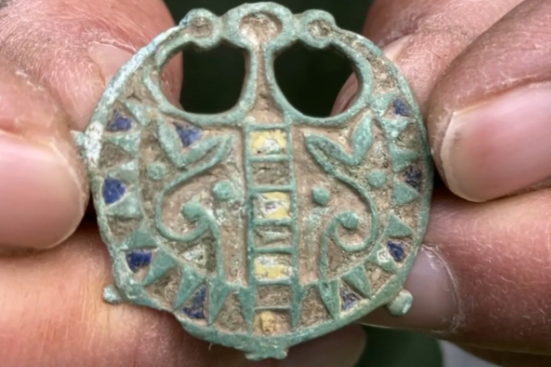
During a metal-detecting outing with his father in the UK, an 8-year-old boy unearthed what looked like a small, ornate metal disc. Adults assumed it was scrap, but the boy insisted it felt “special.” Experts later confirmed it was a 13th-century medieval badge once worn by pilgrims. Items like these help historians understand religious travel and local craftsmanship of the era, and the find was eventually reported under the UK’s Treasure Act. The child’s determination to look closer, rather than dismissing the object, transformed a muddy field discovery into an artifact of cultural significance. His observation reminded researchers that important historical clues can surface in the most ordinary moments.
11. A Teenager Discovered a Planet NASA Had Missed
Kids notice things adults often miss and sometimes their curiosity leads to major discoveries. While reviewing telescope images during a NASA internship, seventeen year old Wolf Cukier spotted an unusual pattern in a distant star’s light. His observation revealed a large planet that automated systems had overlooked. Scientists confirmed the discovery and added it to official records. What began as a routine assignment became meaningful research because a young observer paid attention to details others missed. His contribution showed how fresh perspectives strengthen scientific work and reminded researchers that important insights can emerge from simple patience and curiosity.
12. A Six Year Old Found a Fossil That Rewrote Ancient Shark History
During a casual walk on an English beach, six year old Sammy Shelton discovered a round object buried in sand and thought it looked unusual. Experts later confirmed it was a vertebra from a massive prehistoric shark and realized its size challenged earlier ideas about ancient marine predators. The fossil prompted new studies in the region and helped refine timelines for shark evolution. Sammy’s simple decision to pick up something strange created meaningful scientific insight. His curiosity reminded researchers that discoveries often begin with children noticing details adults ignore and that important clues sometimes sit in plain sight.
13. A Young Girl Discovered a New Species of Jellyfish
While snorkeling with her family, nine year old Zara Fisher noticed a tiny pulsating creature that looked different from any jellyfish she had seen before. She recorded a video and showed it to scientists who confirmed it was a previously undocumented species with unique patterns and tentacle traits. Zara’s observation guided researchers to additional specimens that expanded understanding of reef ecosystems. Her curiosity during a playful moment turned into genuine scientific value and encouraged deeper study of delicate marine environments. Zara’s discovery demonstrated how children’s fresh eyes and natural wonder can lead to breakthroughs professionals may overlook.
14. A Boy in Brazil Helped Identify an Extremely Rare Orchid
Ten year old Felipe Lima noticed unusual flowers growing on a fallen tree during a rainforest walk and pointed them out to visiting researchers. Botanists later confirmed the orchid had not been recorded in decades and its rediscovery inspired new conservation efforts. Felipe’s attention revealed valuable information about a species believed lost and encouraged scientists to explore nearby areas more closely. His discovery strengthened understanding of fragile habitats and reminded experts that important finds often come from simple observations. Felipe’s curiosity helped revive interest in protecting a delicate ecosystem and revealed how young explorers contribute meaningful insight.
15. A Middle Schooler Caught an Error in a Museum Exhibit
During a school trip, twelve year old Ruth Lawrence studied a dinosaur display and noticed a diagram that seemed inconsistent with information she had learned. She mentioned it to a guide who passed her concern to museum staff. Paleontologists reviewed the exhibit and confirmed Ruth was correct. The museum updated the label and improved its educational materials. Ruth’s willingness to question something that felt wrong helped strengthen public understanding of science. Her careful attention showed how young learners contribute to accuracy and reminded educators that valuable corrections can come from anyone who pays close attention to details.
16. A Teen’s Drone Footage Revealed an Ancient Settlement
Fourteen year old Tom Davies enjoyed flying his drone over fields near his home and liked reviewing the aerial footage afterward. After a heatwave, he noticed circular patterns in the dry grass that looked surprisingly deliberate. Archaeologists examined the images and confirmed the markings outlined an ancient settlement hidden beneath the soil. Tom’s casual hobby uncovered important evidence of past communities and inspired new excavation work. His discovery proved how young explorers using simple tools can reveal information overlooked by professionals. Tom’s interest in technology produced real historical insight and encouraged further research into local ancient life.
17. A Child in Canada Found a Tooth From a New Species of Reptile
Eight year old Liam O’Connor found a sharp object embedded in rock while exploring a shoreline and sensed it might be special. Experts later identified it as a fossilized tooth from a previously unknown reptile species that lived millions of years ago. Its distinctive shape helped scientists learn more about ancient diets and behaviors and filled gaps in the fossil record. Liam’s discovery encouraged additional field studies in the area. His interest in unusual objects provided meaningful evidence about early ecosystems and showed how young observers often notice important clues that contribute to scientific understanding of the distant past.
18. A Teen Helped Discover a New Type of Antibiotic Compound
For a school project, fifteen year old Maya Patel tested soil samples for bacterial activity and noticed one sample created a clear zone where harmful microbes could not grow. Scientists examined it and identified a previously unknown compound with potential antibacterial properties. Maya’s experiment offered valuable insight for research exploring alternatives to traditional antibiotics. Her curiosity driven testing demonstrated how important discoveries can develop from simple ideas and careful observation. Maya’s work reminded researchers that students contribute meaningfully to scientific progress and that valuable breakthroughs sometimes begin in classrooms where experimentation and creativity are encouraged.
19. A Young Birdwatcher Documented a Species Outside Its Known Range
Ten year old Jacob Rivera spent early mornings birdwatching and carried his camera everywhere. One day he photographed a brightly colored warbler rarely documented outside Central America. Ornithologists verified the sighting and updated migration maps to include the unexpected location. Jacob’s observation provided insight into shifting movement patterns and encouraged researchers to study how climate changes may affect bird behavior. His patience and attention added valuable information to ecological records. Jacob’s hobby demonstrated how young enthusiasts help scientists understand wildlife and showed that meaningful discoveries often begin with simple curiosity and a willingness to look closely at nature.
20. A Teen Detected a Meteorite Impact No One Else Noticed
Thirteen year old Olivia Brooks reviewed satellite images for a school project and spotted a new circular depression in a remote desert region. She compared older images and realized the feature had recently appeared. Scientists confirmed it was a fresh meteorite impact and used her observation to analyze size and speed estimates. Olivia’s careful review provided data automated systems had missed and strengthened global monitoring efforts. Her discovery demonstrated how human attention remains essential even in advanced digital environments. Olivia’s project proved that young analysts contribute meaningful insight and that important scientific information can come from simple diligence.
21. A Child’s Curiosity Helped Expose Hidden Pollution in a River
Nine year old Emma Hayes noticed a rainbow sheen on the river’s surface during a camping trip and wondered why the water looked unusual. She collected a small sample and showed it to a park ranger who sent it for testing. Officials discovered illegal chemical discharge upstream and began cleanup efforts that protected wildlife and improved water safety. Emma’s observation sparked real environmental action and reminded adults that children often notice details others miss. Her curiosity helped safeguard a natural resource and demonstrated how paying attention to small changes can reveal problems that require immediate scientific and community response.
22. A Young Chess Fan Noticed a Mathematical Pattern Experts Missed
Eleven year old Marcus Lee analyzed famous chess games and recognized a positional pattern repeated in many high level endgames. He shared his notes with a local club where a mathematician realized the finding could support a theory about strategic optimization. Researchers examined the pattern and incorporated aspects of Marcus’s idea into updated training tools. His observation showed how young thinkers provide fresh insight even in well studied fields. Marcus’s patience and attention to detail created meaningful value for competitive players. His work demonstrated that curiosity and careful study can produce discoveries regardless of age or professional experience.
23. A Teenager Recorded Whale Sounds That Expanded Migration Maps
Fourteen year old Sarah Wu recorded unusual underwater sounds while kayaking with her family and shared the audio with marine specialists. Experts identified the calls as belonging to a rarely tracked whale subgroup and used the recording to update existing migration data. Sarah’s spontaneous curiosity captured information researchers had struggled to collect and encouraged further study of the region. Her observation helped refine conservation planning and provided valuable insight into ocean behavior. Sarah’s simple decision to record something unfamiliar demonstrated how everyday experiences can produce meaningful scientific contributions that improve understanding of marine life.
24. A Young Inventor Created a Low Cost Water Sensor by Accident
Twelve year old Javier Torres experimented with a basic electrical circuit and noticed the wires reacted differently when moisture was present. He tested the effect further and created a simple sensor capable of detecting water levels. Engineers later refined his design into a practical tool used for early flood warnings in areas without advanced technology. Javier’s accidental discovery showed how creativity and curiosity lead to real world solutions. His willingness to explore unexpected results produced a device now used to protect vulnerable communities. The project demonstrated that important innovations can begin with small experiments and an open mind.
25. A Teen Girl Identified a New Asteroid in Public Space Data
Sixteen year old Leah Morgan enjoyed reviewing publicly available telescope images and spent evenings searching for objects that looked out of place. She noticed a faint moving point that appeared consistently across several frames and reported it. Astronomers confirmed it was a previously untracked asteroid and added it to official records. Leah’s careful observation contributed to long term monitoring of small bodies in the solar system. Her hobby became a recognized scientific discovery that strengthened global research. Leah’s work proved that patient review and curiosity enable young observers to provide meaningful contributions to astronomy.
26. A Child Helped Solve a Mystery About Butterfly Migration
Seven year old Nora Kim kept notes on butterflies she saw in her neighborhood and recorded dates and colors with remarkable consistency. Over time she noticed one species arriving earlier each year. When she uploaded her observations to a community science platform, researchers realized her data filled a missing piece in their studies. Nora’s records supported evidence that warming temperatures were altering seasonal migration patterns. Her fascination with butterflies created meaningful scientific value and encouraged further climate research. Nora’s patient documentation showed how simple observations from children help scientists understand changing ecosystems.
27. A Teen’s Homemade Sensor Detected Hidden Earthquake Patterns
Fourteen year old Daniel Harper built a simple seismograph for a school project and monitored vibrations regularly. He noticed repeating signals that did not match local activity and shared his findings with geologists. Experts discovered the readings corresponded to distant fault movement previously undocumented in the region. Daniel’s homemade device captured subtle information that improved understanding of low frequency seismic patterns. His persistence offered researchers valuable data that may help future studies. Daniel’s project demonstrated how scientific contributions can emerge from young experimenters using basic tools and curiosity driven investigation.
28. A Young Girl Spotted a Rare Starfish Mutation Researchers Needed
Ten year old Mia Dawson found a starfish with an unusual number of arms while exploring tide pools and photographed it clearly. Marine biologists confirmed the animal displayed a rare mutation valuable for studying developmental processes and limb formation. Mia’s discovery provided evidence that supported ongoing research in regenerative biology and encouraged further exploration of the region. Her curiosity created meaningful scientific documentation and demonstrated how young observers contribute important information. Mia’s simple excitement about a strange sea creature strengthened understanding of marine diversity and helped scientists study genetic variations in coastal environments.
This story 10 Times Kids Made Observations Scientists Later Proved Right was first published on Daily FETCH


