
1. Pure Contentment And Joy
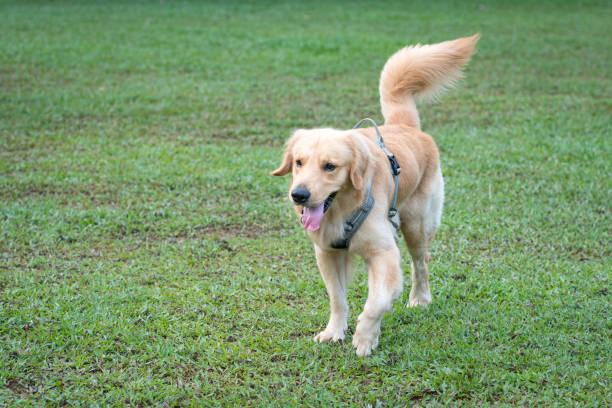
When you notice your dog’s tail hanging lower than its natural resting position while it moves back and forth, it often indicates a sense of worry or mild insecurity regarding the current situation. This submissive gesture is frequently seen when a dog is introduced to a new environment or perhaps a much larger and more dominant animal that makes them feel a bit small and uncertain. Instead of the confident high-arch we often associate with a happy pup, this low-slung movement suggests they are trying to appear less threatening and are essentially asking for reassurance from their human companion. It is a very delicate form of communication that requires a gentle touch and a soothing voice to help the animal regain its footing and feel secure once again.
You might observe this behavior if you are scolding them for chewing a shoe or if a sudden loud noise like thunder echoes through the house and rattles their confidence. Because the tail is tucked closer to the belly, it effectively covers the scent-producing glands around the anus which is a biological way of “hiding” their identity and presence from potential threats in the wild. If the wagging is fast but low, it shows a high level of anxiety where the dog is desperately trying to appease whoever is around them to avoid any form of physical or verbal confrontation. Being aware of this subtle shift allows you to intervene before their stress levels escalate into a full-blown panic or a defensive reaction that could have been avoided with a bit of timely comfort.
2. High Alert And Focus
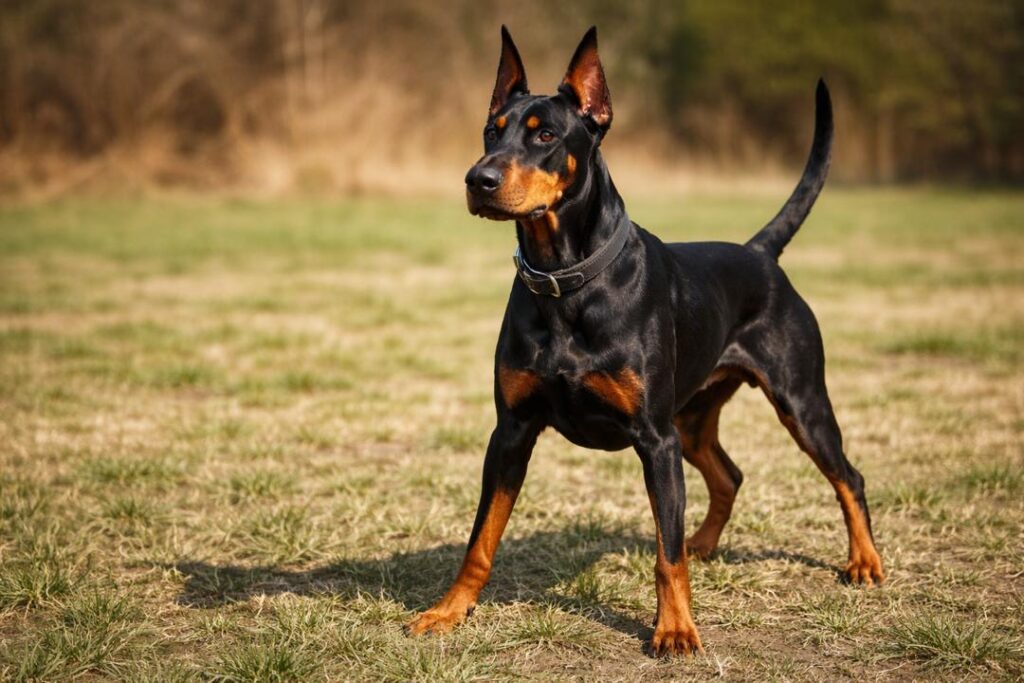
A tail that is held high and rigid while vibrating or quivering at the tip is a significant sign of high arousal and intense focus that every owner should recognize immediately. This is not a gesture of friendship but rather an indication that the dog is on high alert and potentially ready to react to a stimulus like a squirrel or a strange dog. The stiffness of the appendage suggests that the dog is physically tensed up because they are processing a lot of sensory information and are deciding whether to flee or stand their ground. In many cases, this “flagging” behavior precedes a more aggressive outburst or a sudden sprint because the dog is essentially a coiled spring waiting for the right moment to release all that pent-up energy.
It is a common mistake for strangers to approach a dog displaying this high-tension wag because they assume any movement of the tail is an invitation for a belly rub or a friendly pat. However, seasoned trainers will tell you that a vibrating high tail is a “look but don’t touch” warning that signals the dog’s personal space is currently at a premium. Because the tail is elevated, it allows the dog’s scent to disperse more widely into the air which acts as a territorial claim to anyone downwind of their position. You should always look at the rest of the body for cues like a fixed stare or a wrinkled muzzle because these additions confirm that the dog is feeling quite confrontational and is not in the mood for social pleasantries.
3. Tentative Social Assessment
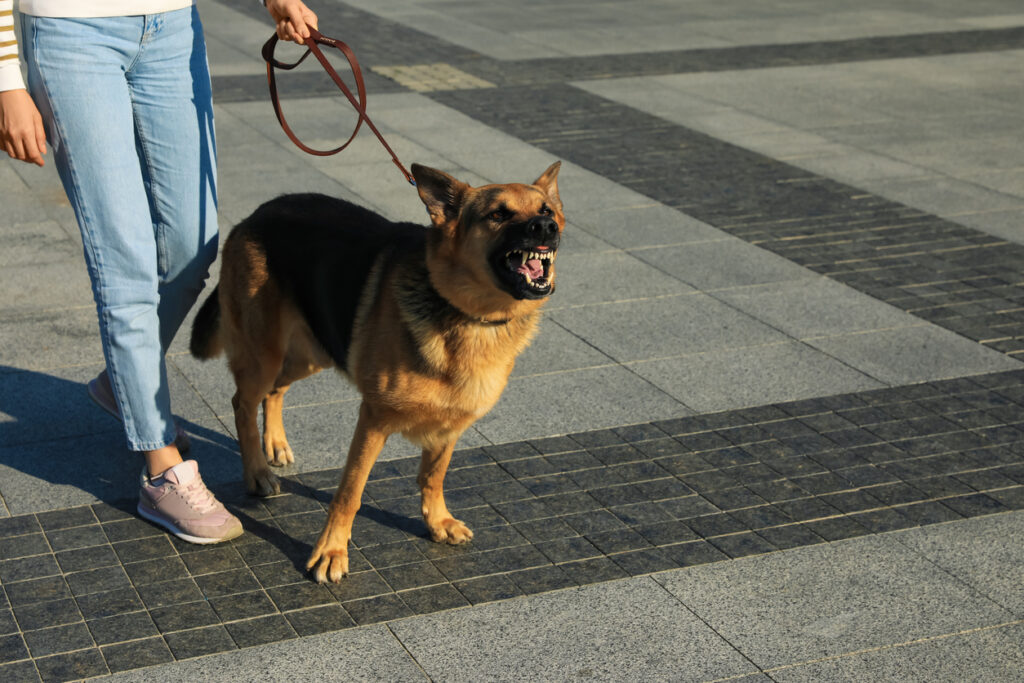
A slow and steady wag that moves like a pendulum often indicates that your canine companion is feeling quite tentative or is carefully assessing a new and unfamiliar person. This movement is the dog’s way of saying they are not quite sure what to make of the current circumstances and they are taking their time to process your intentions. Unlike the frantic blur of a happy greeting, this measured pace shows a brain that is working overtime to determine if the stranger standing before them is a friend or a potential foe. You will often see this when a dog is introduced to a new piece of furniture or a strange object in the garden that wasn’t there when they went for their morning nap.
This deliberate motion is a sign of cognitive processing and shows that the dog is in a state of “wait and see” rather than jumping to an immediate emotional conclusion. Because the wag is so slow, it can sometimes be a precursor to a more fearful reaction if the dog decides the situation is unsafe so it is best to let them approach at their own speed. It is a beautiful example of canine intelligence and shows how they use their bodies to buy time while they gather more olfactory and visual data about the world around them. Owners who respect this slow pace often find that their dogs grow to be more confident because they were never forced into an interaction before they were mentally prepared to handle the social pressure.
4. Extreme Excitement And Anticipation
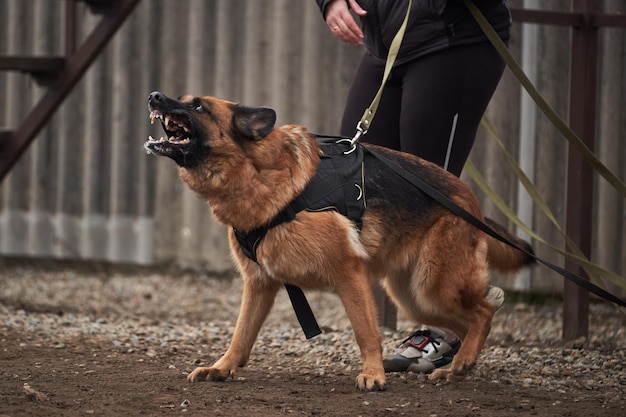
When the tail moves in very short and rapid strokes that resemble a vibrating clock, it usually signals that the dog is ready for immediate action or is experiencing a burst of adrenaline. This is frequently seen in working breeds or hunting dogs when they have caught a scent and are waiting for the command to “go” or “fetch” with every fiber of their being. It is a display of extreme excitement and anticipation that is often so intense the dog might even be whining or shifting their weight from paw to paw in unison with the tail. This “tick-tock” motion is less about social greeting and more about the internal engine of the dog revving up to a high RPM as they prepare for a physical task.
You might also see this when you hold a favorite ball just out of reach because the dog is focused entirely on the object and is mentally calculating the trajectory of their next leap. Because the movement is so localized to the tail and doesn’t involve the rest of the body, it indicates a high level of self-control that is being stretched to its absolute limit. It is fascinating to watch because it shows the incredible focus these animals are capable of when they have a job to do or a goal they are desperate to achieve. However, if this vibration occurs during a tense standoff with another animal, it can be a sign of an impending lunging movement because the dog is physically primed for a burst of speed and power.
5. Feeling Safe And Secure

Scientific studies have revealed that when a dog wags their tail more toward the right side of their body, they are likely feeling relaxed and positive about the person they see. This fascinating discovery is linked to the way the canine brain is wired because the left hemisphere of the brain controls the right side of the body and is associated with approach behaviors. When a dog sees their favorite human or a familiar friend, the left side of the brain “lights up” and pulls the tail movements toward the right in a subtle but measurable bias. It is a wonderful, secret code that tells us we are truly loved and that our presence brings a genuine sense of security and comfort to our pets.
Observing this requires a bit of a keen eye since it happens quickly, but once you notice it, you will see it every time you pick up the leash for a walk. Because this bias is involuntary, it is one of the most honest forms of communication a dog can offer because they cannot fake the neurological impulse that drives the tail in that direction. Other dogs are actually tuned into this as well and they tend to stay much more relaxed when they see a peer wagging to the right because they intuitively know the other dog is feeling friendly. It is a brilliant example of how complex animal emotions truly are and how much history is packed into every little twitch of their furry tails during our daily interactions.
6. Anxiety And Social Withdrawal

Conversely, if you notice that your dog’s tail is leaning more toward the left side during a wag, it usually means they are experiencing negative emotions or a desire to withdraw. This happens because the right hemisphere of the brain, which controls the left side of the body, is associated with withdrawal, fear, and depression in many mammal species. You might see this left-leaning wag when your dog encounters a person they don’t particularly trust or perhaps a larger, more aggressive dog that makes them feel very uneasy and defensive. It is a biological red flag that tells you your dog is not enjoying the current interaction and would much rather be somewhere else where they feel safe and protected.
Interestingly, research has shown that other dogs become noticeably more anxious and their heart rates increase when they see a fellow canine wagging to the left because they recognize it as a sign of stress. Because this is such a powerful social cue, it can often lead to “leash reactivity” where a dog becomes defensive because they are picking up on the negative vibes of another dog nearby. As an owner, recognizing this left-sided bias allows you to be an advocate for your pet by removing them from a stressful situation before their anxiety turns into a more serious behavioral issue. It is all about paying attention to these tiny directional shifts so you can provide the support your dog needs to navigate a world that can sometimes feel quite overwhelming.
7. Total Bliss And Devotion

One of the most heartwarming sights for any dog lover is the “helicopter wag” where the tail spins in a full circular motion like a propellor on a small airplane. This is the ultimate sign of “mega-happiness” and is usually reserved for the people the dog loves most in the world or for an exceptionally exciting event like a trip to the beach. It is a high-energy, exuberant display that often involves the dog’s entire body wiggling in a rhythmic “C” shape as they try to get as close to you as possible. When you see the helicopter wag, you can be absolutely certain that your dog is in a state of pure bliss and is overflowing with affection for you.
This unique movement is often seen in puppies who are still learning how to coordinate their limbs, but many breeds carry this joyous habit well into their senior years as a sign of deep devotion. Because the motion is so vigorous, it often results in the dog “kidney-beaning” where they tuck their tail and head toward each other in a display of total submission and love. It is almost impossible not to smile when greeted this way because the energy is so infectious and the message of “I am so glad you are here” is crystal clear. This is the gold standard of canine-human connection and serves as a beautiful reminder of why we invited these wonderful animals into our homes and our hearts in the first place.
8. Overwhelming Fear Or Terror
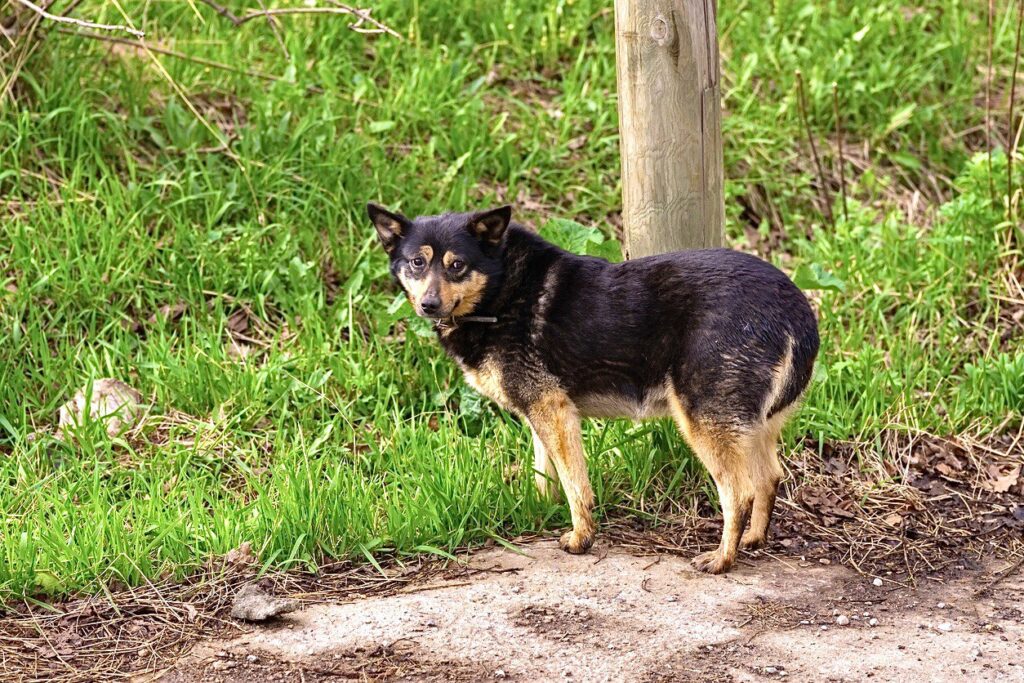
When a dog’s tail is tucked tightly between its hind legs and remains completely still, it is a clear and urgent cry for help or a sign of extreme fear. This posture is the canine equivalent of a person huddling in a corner and trying to make themselves as small as possible to avoid being noticed by a perceived threat. In this state, the dog is likely terrified and may be on the verge of a “fight or flight” response if they feel they are being cornered or pressured too much. It is a heartbreaking sight that often occurs during fireworks, visits to the vet, or when a dog has been rescued from an abusive situation and is still learning to trust humans.
By tucking the tail, the dog is protecting its most vulnerable areas and attempting to shut down any social signaling because they are simply too overwhelmed to communicate in a normal fashion. Because this is a high-stress state, it is vital that you do not force the dog to interact or try to pull them out of their hiding spot because this could lead to a fear-based bite. Instead, the best approach is to give them space and a quiet environment where they can slowly decompress and realize that the danger has passed without further incident. Understanding this “shut down” signal is crucial for anyone working with nervous dogs because it marks the point where the animal has reached its emotional limit and needs gentle, patient support to feel safe again.
9. Defensive Frustration And Guarding
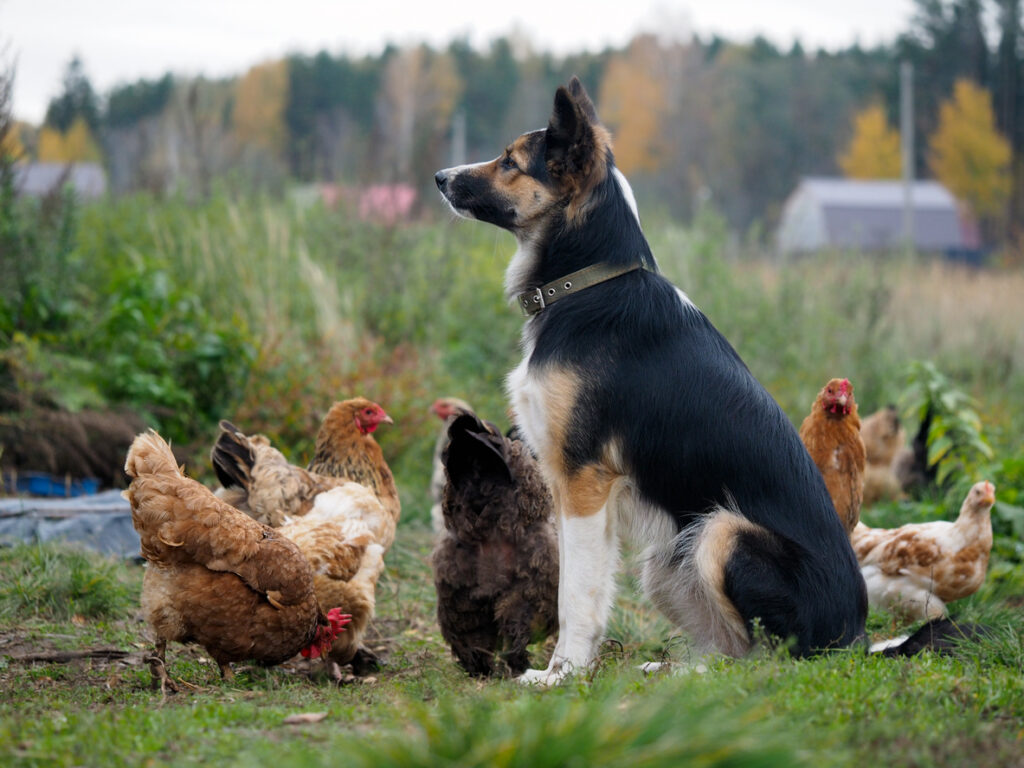
A wag that is very short, quick, and lacks any fluidity is often a sign of defensiveness or a warning that the dog is feeling incredibly frustrated. Unlike the flowing wags of a happy dog, this movement feels mechanical and jerky, almost as if the tail is under a great deal of physical pressure. You might see this when a dog is guarding a high-value resource like a bone or a favorite toy and another pet or person gets a little bit too close for their comfort. It is a “back off” signal that tells you the dog is not in the mood for sharing and is prepared to defend their prize if they feel it is necessary to do so.
This staccato movement is often ignored by people who think “any wag is a good wag,” but that is a dangerous misconception that can lead to avoidable nips or growls. Because the dog is so tense, the wagging doesn’t travel through the rest of the spine, leaving the body looking stiff and statuesque while only the tail moves in those sharp, angry bursts. It is a clear indication that the dog’s patience is wearing thin and that they are trying to communicate their boundaries without having to resort to vocalizations like barking or snarling. By respecting this “keep your distance” signal, you can maintain a peaceful household and help your dog feel that their personal space is respected, which ultimately leads to a more relaxed and trusting pet.
10. Neutral Observation And Calm
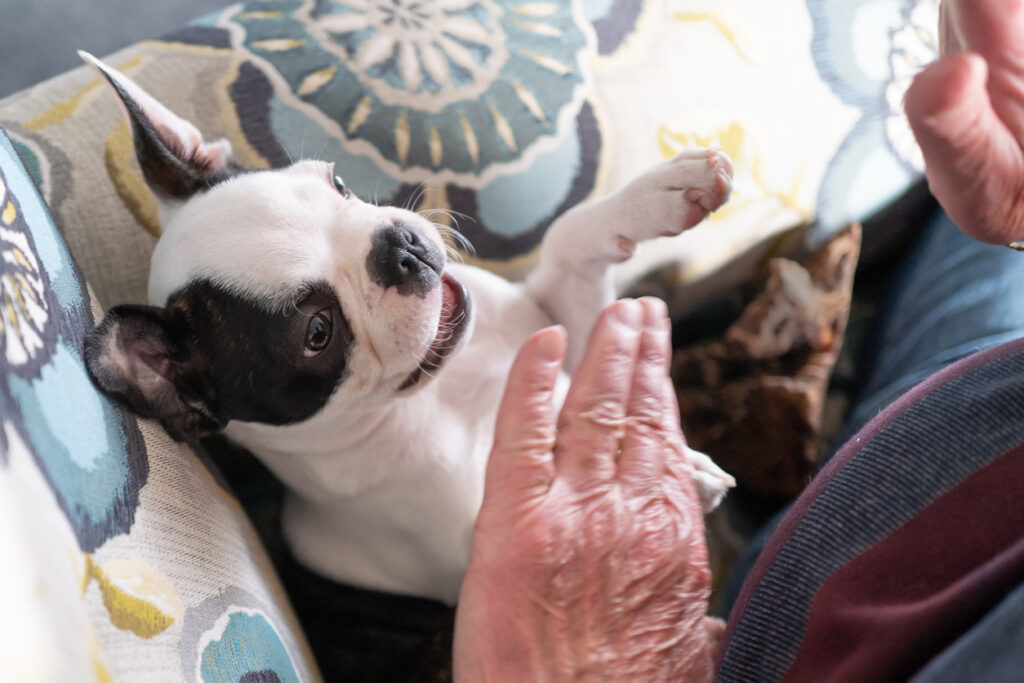
When you observe a dog’s tail moving in a casual, horizontal arc that aligns perfectly with the spine, you are witnessing a state of neutrality and quiet observation. This is the tail’s “cruising altitude” where the animal is neither overly excited nor particularly worried about the surrounding environment or the people within it. It is a common sight when a dog is simply hanging out in the living room or wandering through a familiar park where they feel entirely at home and safe. This steady, rhythmic movement suggests a mind that is at peace and a body that is ready to react but is currently choosing to enjoy a moment of stillness and calm.
Because the movement is so small, it can easily be missed by the casual observer, but it is a fascinating glimpse into the internal processing of a highly intelligent animal. This tip-only wag often precedes a more enthusiastic greeting or a focused hunt, acting as the “ignition” for their behavioral engine as they prepare for what comes next. It shows a level of restraint and focus that is quite sophisticated, as the dog is keeping the rest of their body perfectly still to avoid startling whatever it is they are so closely observing. Paying attention to these tiny twitches can help you understand what captures your dog’s interest and how they interpret the world around them on a minute-to-minute basis.
While we often focus on the joy these tail wags bring us, we must remember that relying on a single “factory” of communication, the tail alone, can lead to misunderstandings if we ignore the rest of the dog’s body language and the context of their environment.
Like this story? Add your thoughts in the comments,


