
Why Dog Intelligence Isn’t Always What We Think
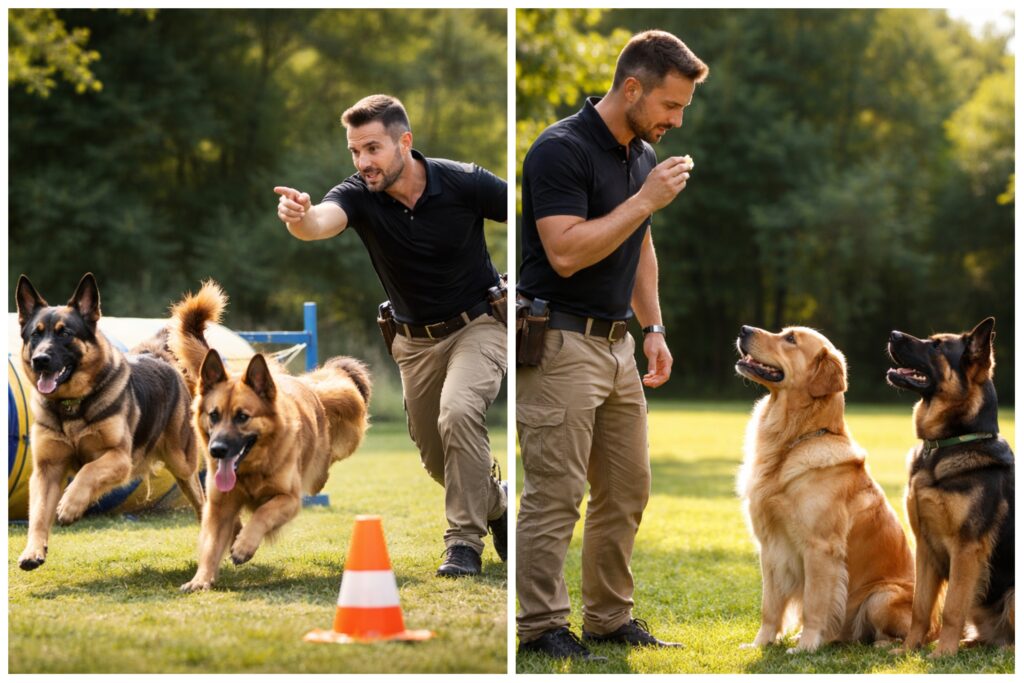
Dogs have shared our homes and worked by our sides for thousands of years, evolving specialized skills to assist with herding, guarding, and service. Over this long partnership, researchers have dedicated decades to decoding how canine minds function and how they learn best. One of the most landmark contributions to this field came from Dr. Stanley Coren, a professor of canine psychology. In 1994, he published his famous book, The Intelligence of Dogs, which created a framework for ranking breeds based on how quickly they grasp new commands and how consistently they follow them.
Coren’s study focused specifically on “working and obedience intelligence,” measuring how many repetitions a dog needs to understand a new task. His data showed that the top-tier breeds often learn a new command in fewer than five tries and obey it roughly 95% of the time. Conversely, some breeds require dozens of repetitions and might only listen half the time. However, it is important to note that a low ranking doesn’t mean a dog is “dumb.” Many of these breeds were simply bred to be independent thinkers who work without needing constant human direction.
Border Collie Genius
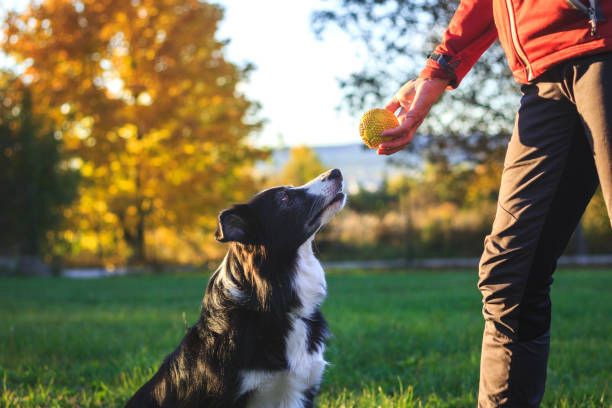
The Border Collie is globally recognized as the most intelligent dog breed, a title firmly supported by years of behavioral research. According to the 1994 rankings by Stanley Coren, these dogs consistently outperform all others in obedience and problem-solving. Developed in the 19th century along the border of Scotland and England, they were bred to manage sheep across vast, difficult terrains. Their unique ability to interpret subtle human whistles and hand signals made them the ultimate partners for farmers, often anticipating a shepherd’s next move before it was even signaled.
In modern testing, Border Collies regularly learn new complex commands in under five repetitions. Their legendary status was highlighted in the early 2000s by a dog named Chaser, who successfully learned and remembered the names of over 1,000 distinct toys. While their cognitive abilities are unmatched, this intelligence comes with a high demand for mental and physical engagement. Without a “job” or daily puzzles to solve, these dogs can become bored and destructive, which is why experts usually recommend them for very active owners or professional working environments.
Brilliant Poodle
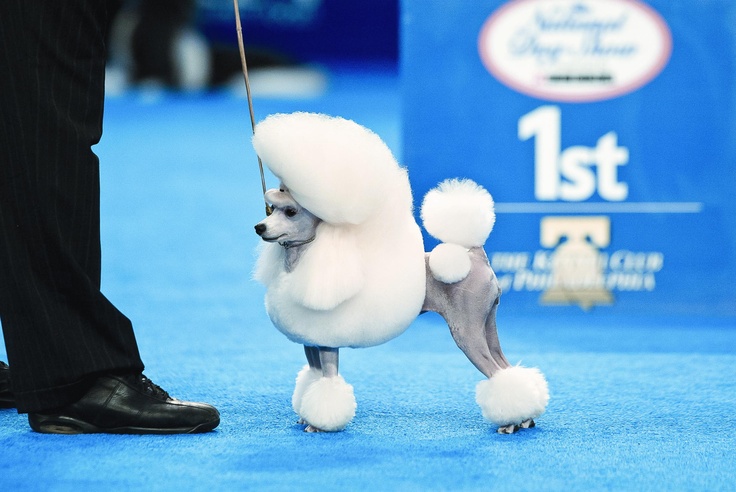
Many people mistakenly view the Poodle as a delicate fashion symbol, but they actually rank as the second smartest breed in the world. Originally developed in Germany several centuries ago, they were high-performance water retrievers used by hunters to fetch waterfowl from lakes. The breed name is derived from the German word “pudel,” which translates to “splashing in water.” By the time they became popular in France during the 18th century, their versatility allowed them to transition from rugged hunting dogs to sophisticated companions and even circus performers.
Poodles are celebrated by trainers for their remarkable eagerness to please and their ability to master complex tricks quickly. Whether they are Standard, Miniature, or Toy size, they all possess an analytical mind that excels in agility, obedience, and scent work competitions. Their high emotional intelligence also makes them excellent service and therapy animals. Because they thrive on human interaction, they are happiest in homes where they can participate in daily training games. Behind those stylish curls is a sharp, alert athlete that genuinely enjoys the challenge of learning something new.
German Shepherd Versatility
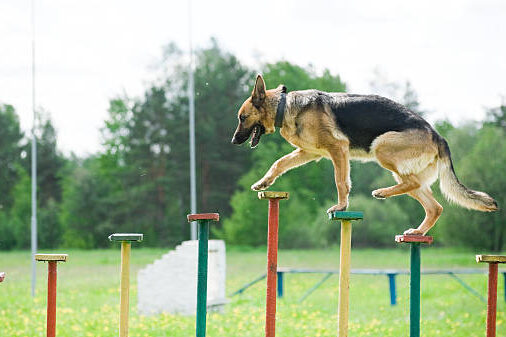
The German Shepherd is perhaps the most iconic versatile working dog in history. This breed was officially established in 1899 by Captain Max von Stephanitz, who aimed to create the ultimate herding dog with a focus on utility and intelligence. It didn’t take long for the world to notice their potential; by the early 1900s, they were being recruited for police and military roles across Europe. Their reputation for bravery and quick learning grew significantly after World War I, where they served as messengers and rescue dogs on the front lines.
Ranking third on the Coren scale, German Shepherds are famous for their ability to follow instructions with incredible consistency. This trait helped propel dogs like Rin Tin Tin to Hollywood fame in the 1920s, showing the public just how trainable they could be. Today, they remain the gold standard for search and rescue, narcotics detection, and assistance work for the disabled. While they are serious workers, they are also deeply loyal family protectors. To keep them happy, owners must provide structured training and plenty of exercise to satisfy their natural drive to work.
Golden Retriever Charm

The Golden Retriever is world-renowned for its friendly “smile,” but its brain is just as impressive as its personality. The breed was meticulously developed in Scotland during the late 19th century by Sir Dudley Marjoribanks, also known as Lord Tweedmouth. In 1868, he began crossing various retrievers and spaniels to create a dog capable of retrieving game from both land and water without damaging it. This careful breeding resulted in a dog that was not only physically capable but also exceptionally focused and willing to cooperate with its handler.
Sitting at number four on the intelligence list, Golden Retrievers are prized for their high “trainability” and soft temperaments. They are particularly responsive to positive reinforcement, making them the preferred choice for guide dog programs and therapy work in hospitals. Their ability to stay calm in stressful situations is a testament to their mental stability. Whether they are competing in field trials or serving as a beloved family pet, their combination of smarts and sociability has made them one of the most popular breeds in the United States since the mid-20th century.
Doberman Pinscher Focus
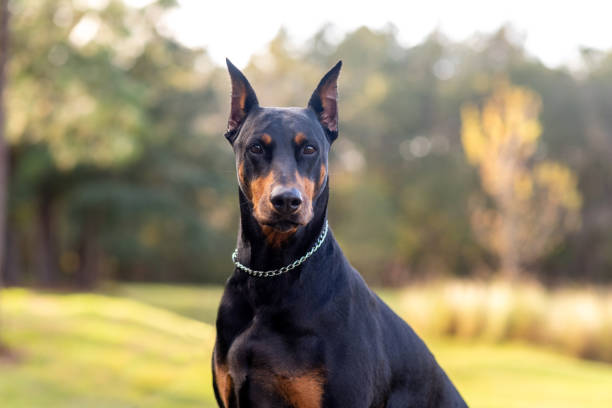
The Doberman Pinscher is a master of focus, loyalty, and protective instincts. The breed was created in Germany during the 1890s by Karl Friedrich Louis Dobermann, a tax collector who needed a brave companion for protection during his dangerous work rounds. By mixing breeds like the Rottweiler, Beauceron, and Greyhound, he produced a sleek, powerful dog with a razor-sharp mind. During the 20th century, their reputation as elite guardians led them to serve as the official “Devil Dogs” of the U.S. Marine Corps during World War II in the Pacific.
Ranking fifth in Stanley Coren’s intelligence study, Dobermans are known for grasping commands almost instantly and possessing excellent problem-solving skills. They are highly sensitive to their owner’s moods and commands, which makes them formidable in obedience and protection sports. While they have a fierce reputation, a well-socialized Doberman is an affectionate and sensitive family member. They require a confident owner who can provide clear boundaries and mental challenges. Without a productive outlet for their energy, their high intelligence can lead to anxious behavior, making consistent training a lifelong necessity.
Shetland Sheepdog Brilliance
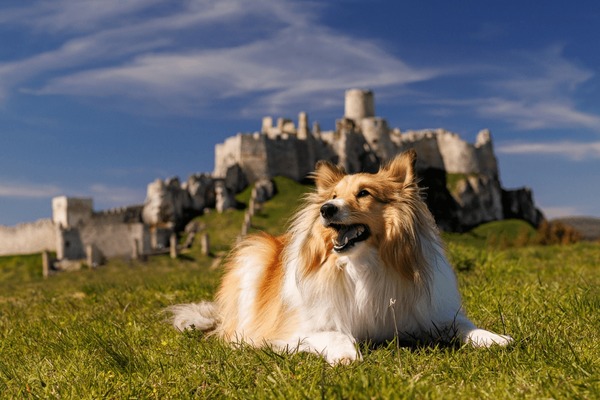
The Shetland Sheepdog, or “Sheltie,” is a small herding dog that packs a massive amount of intelligence into a compact frame. Originating in the rugged Shetland Islands of Scotland, these dogs were bred to manage sheep, ponies, and poultry for local farmers. Because the environment was harsh and resources were scarce, the dogs had to be small, hardy, and incredibly quick-witted to survive. Although they look like small Collies, they were recognized as a distinct breed by the Kennel Club in 1909 and have been winning obedience trials ever since.
Shelties consistently rank in the top ten for intelligence because they are intensely “tuned in” to their owners. They are famous for their ability to read human body language and vocal tones, often reacting to a command before it is even fully given. This makes them superstars in agility and competitive obedience, where precision is key. Beyond their working skills, they are vocal and alert watchdogs who are deeply devoted to their families. Because they are so bright and sensitive, they require gentle training methods and plenty of mental stimulation to prevent them from becoming overly shy or anxious.
Labrador Retriever Intelligence
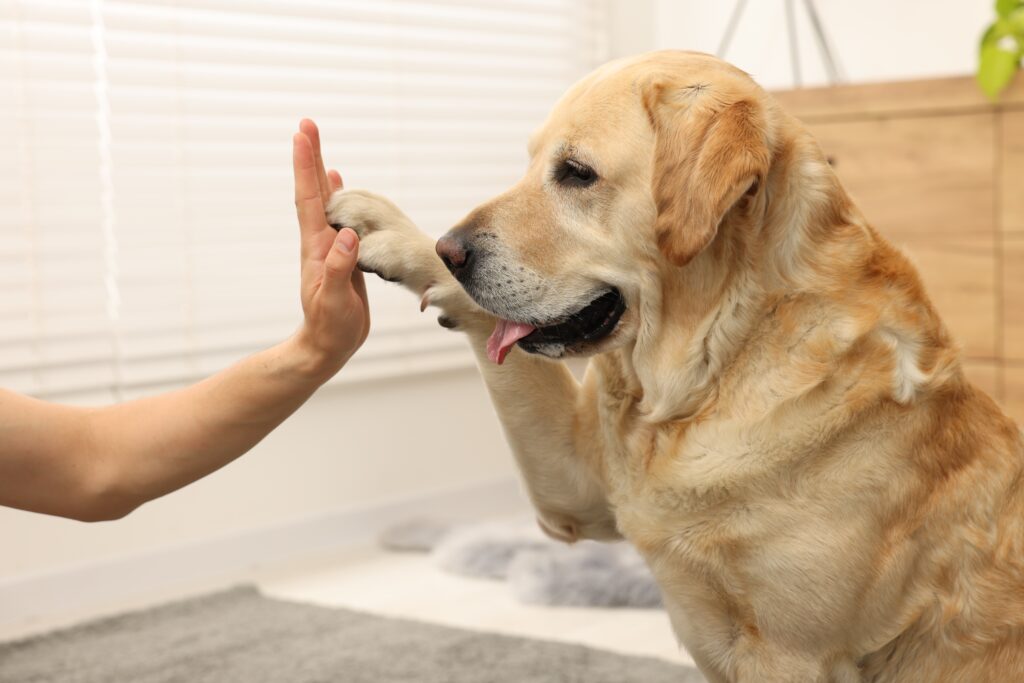
The Labrador Retriever has been the most popular dog in many countries for decades, thanks to a perfect blend of smarts and a “joie de vivre.” Their history begins in Newfoundland in the early 19th century, where they were known as St. John’s dogs and helped fishermen pull in nets. After being brought to England in the 1830s, they were refined into the modern retrievers we know today. Their history of working closely with humans in difficult maritime conditions helped them develop a high level of social intelligence and an eagerness to cooperate.
In the 1994 Coren study, Labradors were placed firmly in the top tier of intelligent breeds. Their high food motivation makes them one of the easiest breeds to train, which is why they dominate fields like search and rescue, arson detection, and service work. A Labrador’s intelligence is unique because it is paired with a very high tolerance for frustration, allowing them to work patiently as guide dogs for the blind. While they are often seen as goofy and playful, their ability to learn and perform complex tasks is what truly makes them one of the most capable breeds.
Papillon Quick Learner
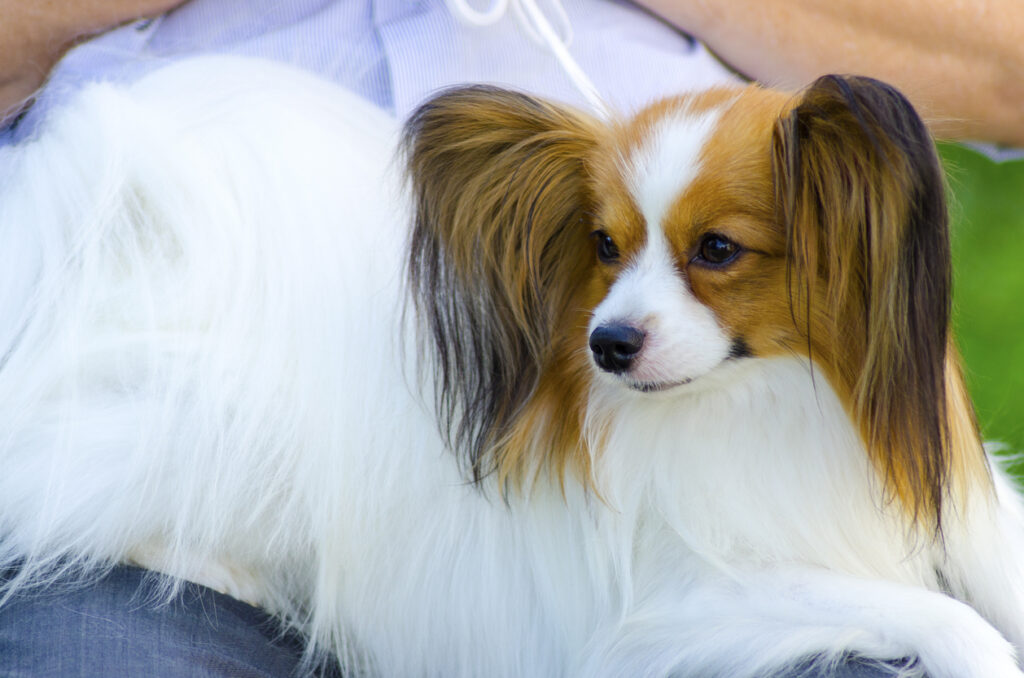
The Papillon proves that you don’t need a big body to have a big brain. Named for the French word for “butterfly” due to their large, fringed ears, this breed has a history dating back to the 16th century. They were frequently featured in royal portraits across Europe, sitting on the laps of queens and princesses. However, unlike many other lapdogs that were bred solely for companionship, the Papillon retained the hardy, alert nature of its spaniel ancestors. This gives them a level of athleticism and mental sharpness rarely seen in the Toy group.
Ranking as the smartest of the small breeds, Papillons are often called “big dogs in little bodies.” They are surprisingly fast, highly competitive in agility trials, and capable of learning complex tricks that would baffle other small dogs. Their curiosity drives them to explore and solve puzzles, and they are known for being much tougher and more adventurous than their delicate appearance suggests. For owners living in apartments who still want a dog they can truly train and work with, the Papillon is an ideal choice that offers world-class intelligence in a tiny package.
Rottweiler Strategic Mind
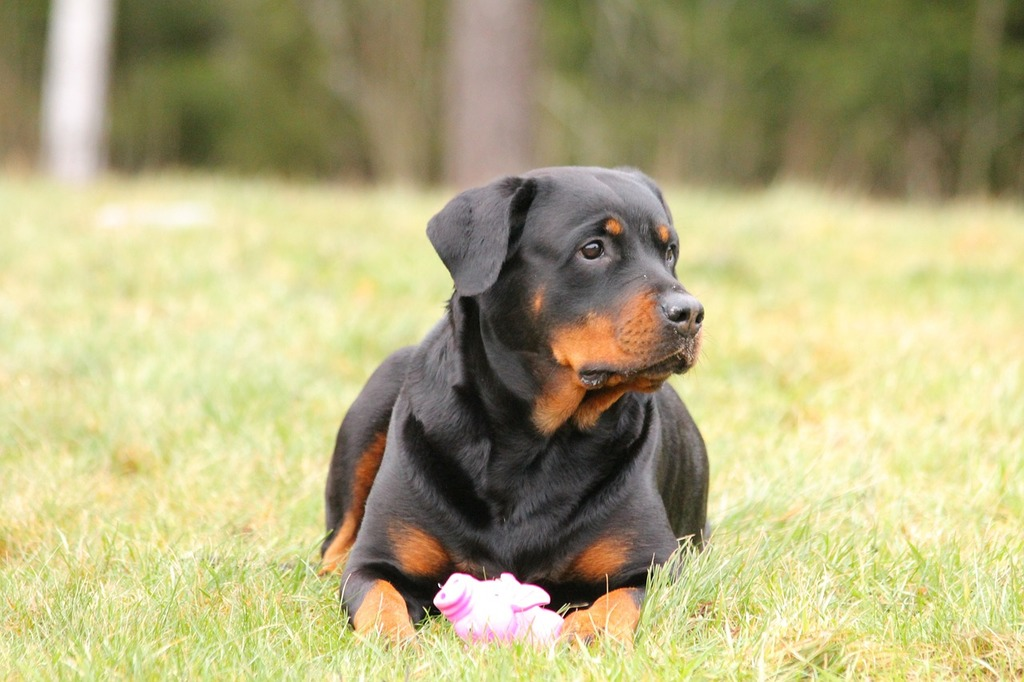
The Rottweiler is a powerhouse of intelligence with roots reaching back to the Roman Empire. Their ancestors were mastiff-type dogs used by Roman legions to drive cattle across Europe. When the Romans settled in the German town of Rottweil, these dogs became essential for local butchers, who used them to pull carts and protect money pouches on the way to market. This long history of guarding and driving livestock required a dog that was not only strong but also capable of making strategic decisions and assessing potential threats.
In modern intelligence rankings, the Rottweiler consistently lands in the top ten. They are deliberate learners who observe their environment closely before acting, a trait often referred to as “strategic thinking.” Because of their size and protective nature, early socialization and firm, fair training are essential. They excel in advanced obedience, tracking, and protection work, showing a deep desire to have a job to do. When treated with respect and given proper guidance, the Rottweiler is a calm, confident companion whose intelligence makes them one of the most reliable working partners a human could have.
Australian Cattle Dog Drive
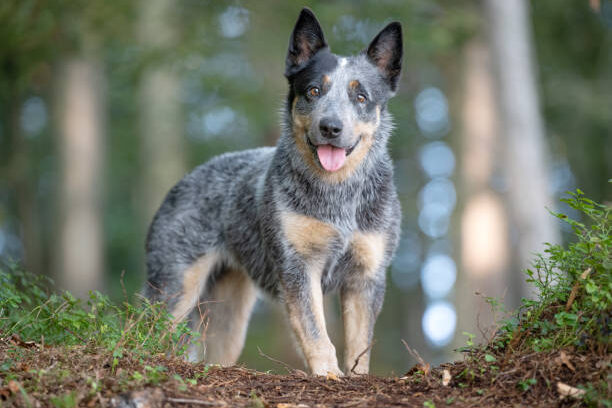
The Australian Cattle Dog, also known as the Blue Heeler, was bred for one of the toughest jobs in the world: moving stubborn cattle across the vast Australian Outback. In the mid-19th century, settlers crossed the Dingo with blue-merle Collies and Dalmatians to create a dog that could handle extreme heat and long distances. The result was a tireless worker with an incredibly high level of “independence intelligence.” These dogs are famous for their “heeling” technique, where they nip at the heels of cattle to keep them moving, requiring perfect timing and bravery.
Rounding out the top ten smartest breeds, the Australian Cattle Dog is known for its intense focus and problem-solving abilities. They are not just obedient; they are thinkers who can figure out how to open gates or navigate obstacles on their own. This high level of drive means they are not suited for a sedentary lifestyle. They require a significant amount of daily mental and physical exercise to stay balanced. For an owner who enjoys hiking, farm work, or advanced dog sports, the Cattle Dog is an incredibly loyal and brilliant partner that will never give up on a task.
5 Breeds Known To Be Challenging Or Stubborn
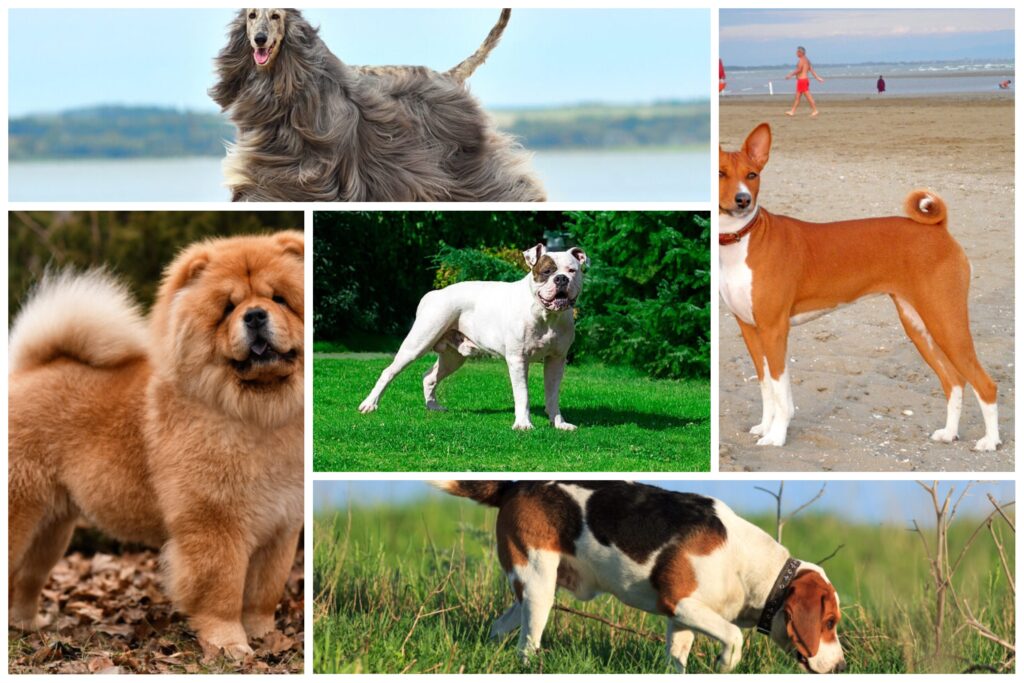
While many people seek out dogs that are easy to train, there is a distinct group of breeds known for their independent and often headstrong nature. These dogs were typically developed for tasks that required them to work at a distance from their handlers, such as hunting across vast deserts or guarding livestock in remote mountains. Because they spent centuries making their own decisions without constant human intervention, they did not evolve the same “eager to please” drive found in herding or retrieving breeds.
The following five breeds are frequently labeled as stubborn, but this label can be quite misleading to the average pet owner. In many cases, these dogs are simply more motivated by their own instincts, like a powerful prey drive or a strong sense of territory, than by a desire for praise or treats. This heritage often results in a dog that is highly intelligent but prefers to evaluate a situation before deciding whether to follow a specific command. Training these “challenging” breeds requires a different approach that emphasizes patience, mutual respect, and a deep understanding of their unique history.
Afghan Hound Independence

The Afghan Hound is undeniably one of the most striking and elegant breeds in the world, but they are also famous for being one of the most difficult to train. In Stanley Coren’s 1994 research, the Afghan Hound famously ranked last out of 138 breeds for obedience intelligence. This ranking was based on the fact that they often require over 80 repetitions to understand a command and frequently choose to ignore their handlers. However, this isn’t due to a lack of brainpower; rather, it is a result of their extreme independence and ancient hunting heritage.
Originating in the mountains of Afghanistan thousands of years ago, these sighthounds were bred to hunt fast prey like gazelles over rugged terrain. In those conditions, a dog couldn’t wait for a human command; it had to make split-second decisions on its own to succeed. This “independent streak” remains a core part of their personality today. Afghan Hounds are often described as “cat-like” because they are aloof and dignified, preferring to do things on their own terms. While they may not be stars in the obedience ring, their ability to navigate complex environments at high speeds is its own form of specialized intelligence.
Basenji Independent Thinker

The Basenji is a unique breed that stands out for several reasons, including its inability to bark and its cat-like grooming habits. Known as the “barkless dog” from Africa, the Basenji uses a range of sounds, including a famous yodel, to communicate. These dogs were used by tribes in the Congo for centuries to flush game into nets and warn of dangerous predators. Because they worked at a distance from their human partners, they developed a self-reliant temperament. On the Coren scale, they rank near the bottom because they are notoriously difficult to motivate through traditional training.
Training a Basenji requires a great deal of patience because they are prone to asking “What’s in it for me?” before following a command. They are highly intelligent problem solvers, but they use that intelligence to suit their own needs, such as finding creative ways to escape a yard or reach food on a counter. Their stubbornness is actually a sign of their sharp, inquisitive minds. Owners who appreciate a dog with a strong personality often find the Basenji’s clever antics to be charming. They are perfect for people who want a companion that is an equal partner rather than a servant.
Chow Chow Stubborn Pride
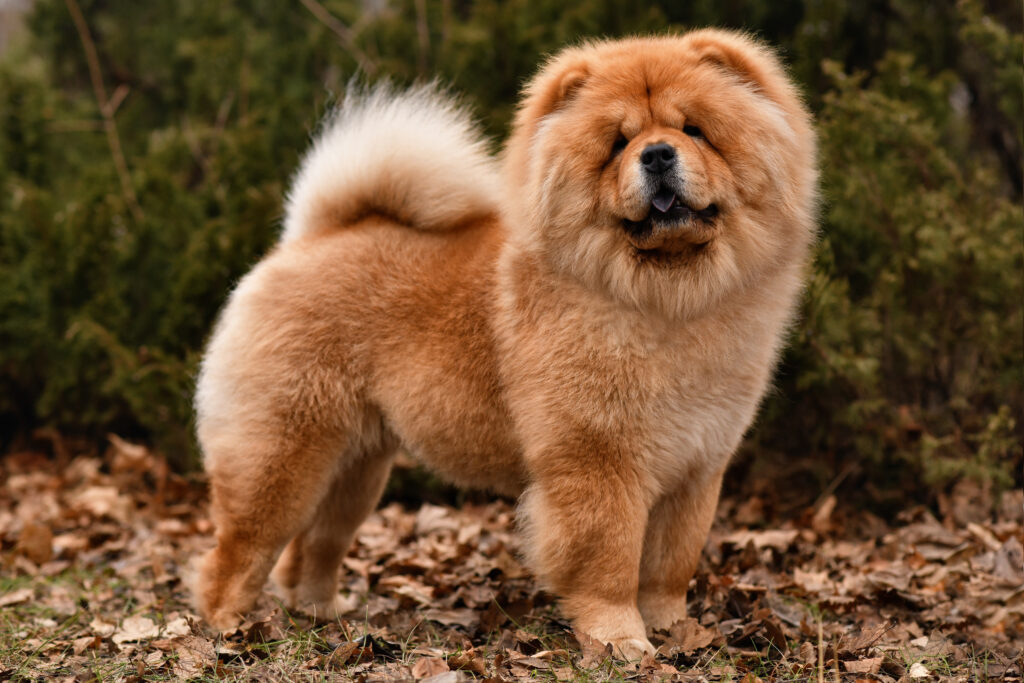
The Chow Chow is an ancient breed from Northern China with a history that spans over 2,000 years. They have served as temple guards, hunting dogs, and even pullers of sleds. With their thick fur and unique blue-black tongues, they have a regal, lion-like appearance that matches their stoic personality. In terms of obedience rankings, the Chow Chow is often cited as one of the most stubborn breeds. They are not traditionally “eager to please” like a Retriever, often appearing indifferent to commands unless they see a clear reason to obey.
This breed is known for its intense loyalty to one person and a general suspicion of strangers. Their “stubbornness” is actually a form of extreme discernment; they are very protective of their space and their family. Training a Chow Chow requires a firm, consistent leader who can earn the dog’s respect without being overly aggressive. They are not the type of dog to perform tricks for fun, but they are incredibly smart when it comes to guarding their home. Their quiet confidence and independence make them a fascinating study in canine behavior, even if they never win an obedience trophy.
Bulldog Calm But Stubborn
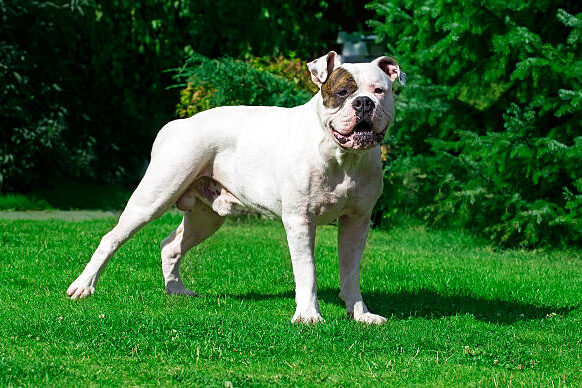
The Bulldog is a beloved symbol of determination and grit, but that same determination often translates to a very stubborn streak during training. Originally bred in England for the sport of bull-baiting, they had to be incredibly brave and persistent. After the sport was banned in 1835, breeders worked to soften their temperament, resulting in the gentle, snoring companions we know today. While they are now known for being laid-back and affectionate, that original “never-give-up” attitude still exists, often manifesting as a refusal to move if they don’t feel like it.
Bulldogs rank low on the list of obedient breeds because they tend to be slow to react to commands. They are not particularly motivated by high-energy play, and their physical build means they prefer short, low-impact training sessions. A Bulldog might understand exactly what you are asking of it, but it may take its time deciding if the effort is worth leaving its comfortable spot on the sofa. Despite this, they are deeply sensitive and respond well to affection and food rewards. Their intelligence is focused on companionship and emotional support rather than performing tasks, making them wonderful, if slightly headstrong, family pets.
Bloodhound Scent Genius
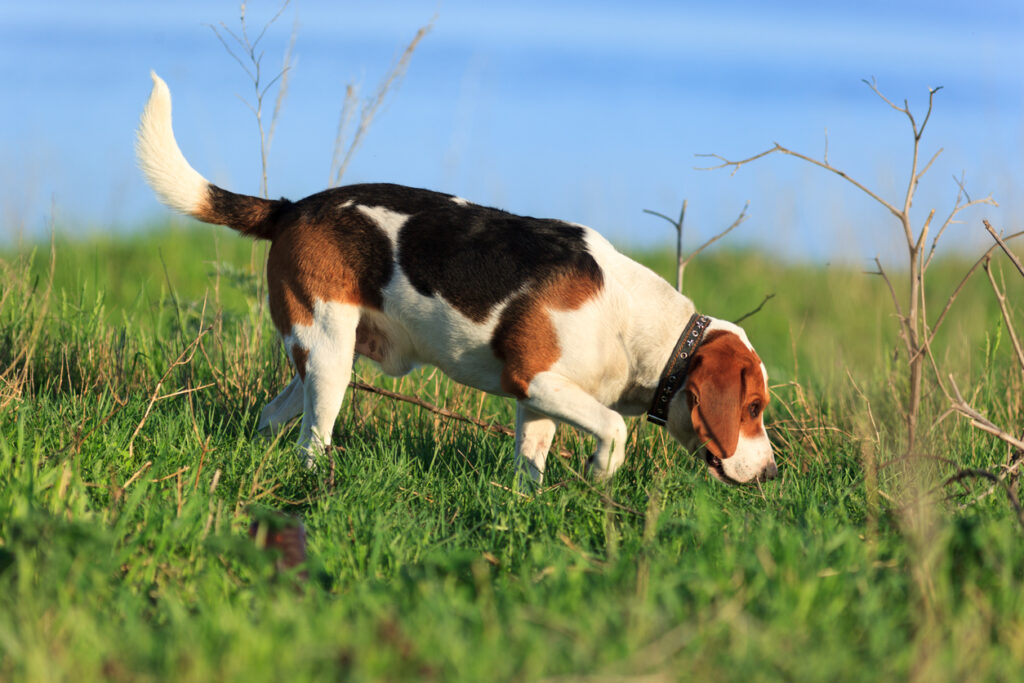
The Bloodhound is the ultimate example of why “obedience” is a narrow way to measure a dog’s mind. In the 1994 Coren study, Bloodhounds ranked toward the bottom because they are notoriously difficult to call away once they find a scent. However, their olfactory abilities are so advanced that they possess roughly 300 million scent receptors, compared to a human’s 5 million. Developed in medieval Europe by monks, they were bred to track deer and boar over miles of countryside. Their “stubbornness” is actually a result of extreme sensory focus that allows them to follow trails that are days old.
When a Bloodhound is on a scent trail, they often experience “scent blindness” to everything else, including their owner’s voice. This makes them appear disobedient, but in reality, they are performing one of the most complex cognitive tasks in the animal kingdom. Their evidence is even admissible in many courts of law because their tracking is so reliable. Training a Bloodhound requires understanding that their nose will always be their primary guide. While they may not sit or stay on command as quickly as a Poodle, their specialized genius makes them irreplaceable heroes in search and rescue missions around the globe.
Final Answer

From this list, we’ve learned that breeds such as Border Collies, Golden Retriever and Poodles excel at learning commands quickly, while others like Afghan Hounds, Bloodhounds or Basenjis prefer to act independently. Each breed was shaped by centuries of selective breeding for different tasks, from herding sheep to tracking scents across miles of countryside. When we recognize these differences, it becomes easier to appreciate that every dog possesses its own kind of intelligence shaped by history and purpose.


