
1. The Publication That Sparked a Storm
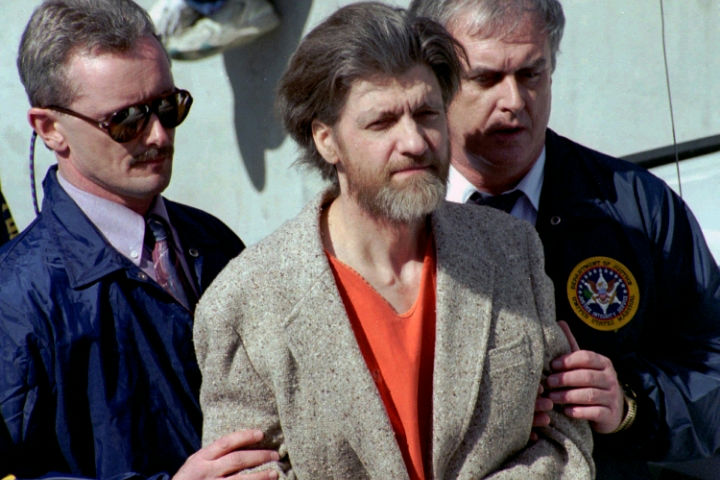
In the mid-1990s, the Unabomber’s manifesto became a cultural flashpoint, sparking intense debates about technology, freedom, and media responsibility. For a brief moment, its publication created a strange mix of fear, fascination, and academic curiosity. When The Washington Post and The New York Times jointly published the Unabomber manifesto in 1995 at the FBI’s urging, it set off a national sensation. Millions of readers encountered the 35,000-word document for the first time, and it dominated news coverage for weeks. The decision was controversial: some critics felt it gave a violent criminal a megaphone, while others argued it was necessary to save lives and potentially identify the writer. The publication ultimately helped Ted Kaczynski’s brother recognize his writing style, leading to his arrest in 1996. The frenzy surrounding the text wasn’t admiration, it reflected a public grappling with fear, technology, and the sudden realization that ideas once confined to niche circles had entered mainstream conversation.
2. The Cabin Discovery and Decline of the Craze

After Kaczynski’s arrest in his remote Montana cabin, interest in the manifesto shifted from mystery to analysis. Investigators uncovered journals, drafts, and notes that showed how long he had worked on his ideas, revealing his obsession with industrial society and technology. With the case solved, much of the public’s initial curiosity faded, replaced by a clearer understanding that the manifesto wasn’t a philosophical breakthrough, it was the work of an isolated man who used violence to force attention. Academic discussions continued, but the broader cultural craze slowed dramatically as the story transformed from a gripping puzzle into a criminal case with a known culprit.
3. How Universities Turned It into a Case Study
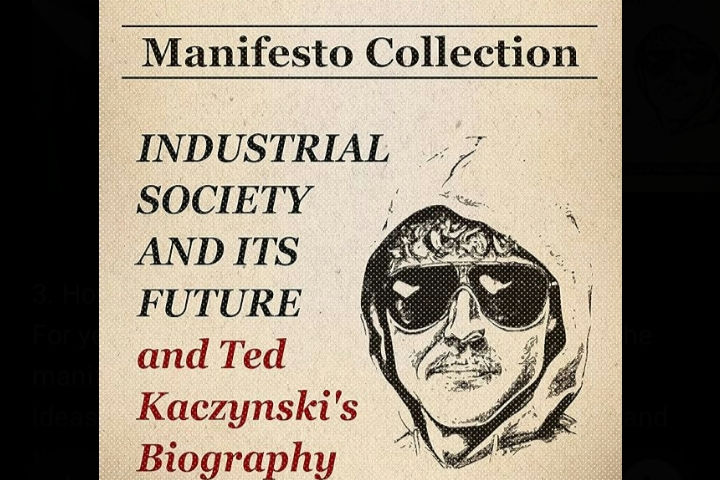
For years after its publication, universities used the manifesto as a teaching tool, not to promote its ideas, but to examine radicalization, persuasion, and the intersection of technology and society. Professors in sociology, criminology, and media studies often assigned excerpts alongside critiques to help students understand why extremist texts gain attention and how they can influence public debate. By framing it academically, instructors aimed to strip the document of mystique and instead show how flawed arguments, isolation, and personal grievance can escalate into violence. This educational use kept the manifesto in circulation, but not in the sensational way it first appeared. Instead, it became a measured case study in the dangers of absolutist thinking and the responsibility of analyzing harmful ideas with care.
4. Digital Extremism Rises and Rewrites the Conversation

As online extremist movements grew in the 2000s and 2010s, the manifesto resurfaced in discussions about how radical ideas spread across digital spaces. Researchers noted that while the document itself did not inspire large communities, its themes about technology and societal control appeared in fragmented ways across fringe forums. Law-enforcement agencies used it as a historical benchmark when studying lone-actor violence and ideological isolation. However, its influence in these spaces wasn’t rooted in admiration, it served more as an early example of how someone outside mainstream society could force attention through violent acts. The rise of digital extremism reframed the manifesto as a cautionary tale rather than a cultural curiosity.
5. Tech Platforms Restrict Access and Reduce Visibility
By the 2010s, major tech companies tightened rules on extremist content, which directly affected how easily people could find the manifesto. While it remained accessible for journalists, researchers, and historical documentation, platforms removed reposts that lacked educational context. This shift reduced the casual visibility that once fueled the craze. Websites began labeling the text as extremist material, and academic archives provided it only with disclaimers. As moderation policies expanded, the manifesto gradually disappeared from everyday internet searches, helping move public perception away from fascination and toward a more responsible handling of dangerous rhetoric.
6. Government Analysts Use It as a Warning Document
In the years after Kaczynski’s sentencing, government analysts began using the manifesto as an example of how isolated individuals can build ideological frameworks that justify violence. Counterterrorism training programs referenced it to show how grievances can escalate when left unchallenged and how intellectual-sounding language can disguise harmful intent. Analysts didn’t treat it as a philosophical work but as a behavioral artifact that helped them better identify warning signs in future lone-actor cases. This gave the manifesto a second life in a controlled, professional context, far removed from the public craze that surrounded its initial publication.
7. Documentaries Shift Public Focus Away from the Manifesto
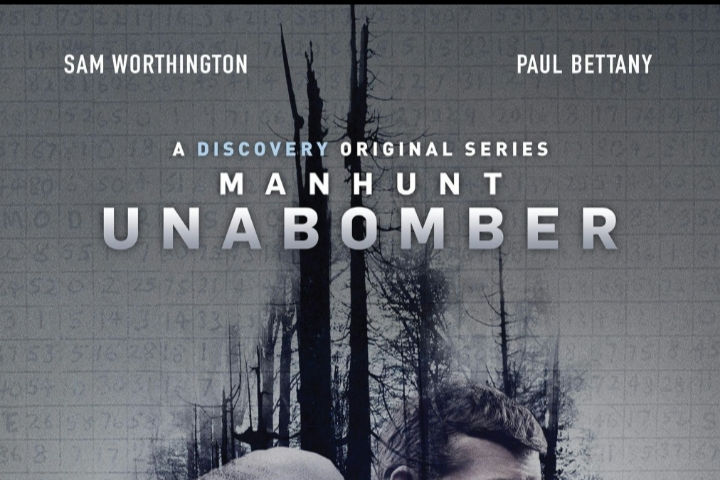
When documentaries and dramatized series about the Unabomber appeared, especially the popular 2017 series Manhunt: Unabomber, public attention shifted from the manifesto to the investigative process that caught him. Viewers became more interested in forensic linguistics, the role of Kaczynski’s brother, and the long timeline of the case. The text itself became secondary, treated as one piece of evidence rather than a cultural phenomenon. These programs also highlighted the human cost of the bombings, helping audiences reconsider the earlier fascination with the manifesto and understand the broader tragedy involved.
8. Published Letters Diluted the Document’s Original Power
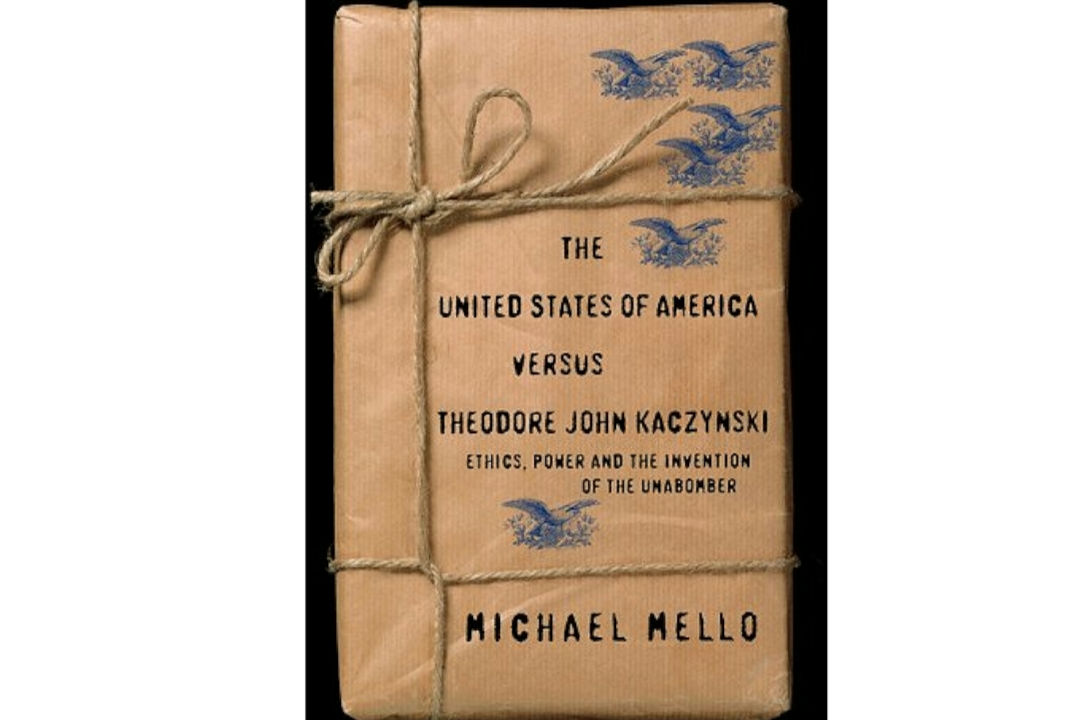
After Kaczynski went to prison, several books compiled his letters and communications, offering a more complete view of his thinking. These writings showed contradictions, emotional struggles, and inconsistencies that weakened the perceived coherence of the original manifesto. Readers and scholars began to see the text not as a polished statement but as part of a messy and troubled worldview that didn’t hold up under scrutiny. As more of his correspondence surfaced, the manifesto lost the sharp aura it once carried and became just one piece in a much larger, complicated profile.
9. Archival Preservation Turned It into Historical Material
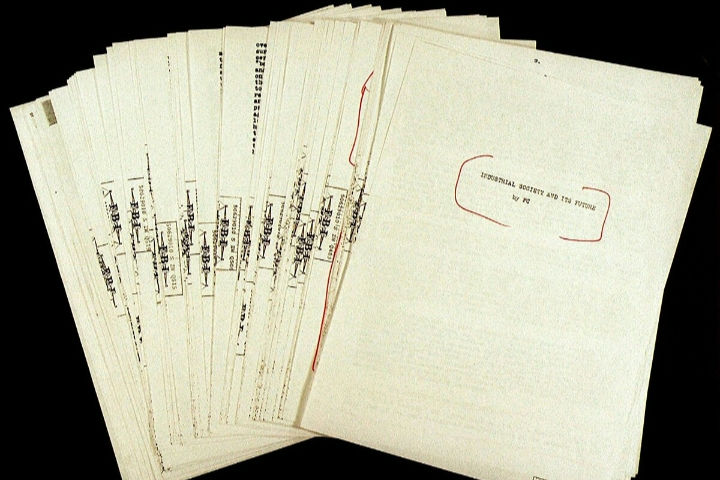
Harvard and other academic institutions began preserving Kaczynski’s papers as part of their historical archives. Scholars approached the materials as artifacts rather than ideological texts, cataloguing drafts, notes, and personal records to document how the case unfolded. This archival treatment moved the manifesto fully into the realm of history, studied, contextualized, and accompanied by commentary that explains its significance without elevating it. By being placed alongside other criminal case materials, it lost its sensational edge and became something future researchers could analyze with distance and clarity.
10. Kaczynski’s Death Closed the Chapter and Quieted the Craze
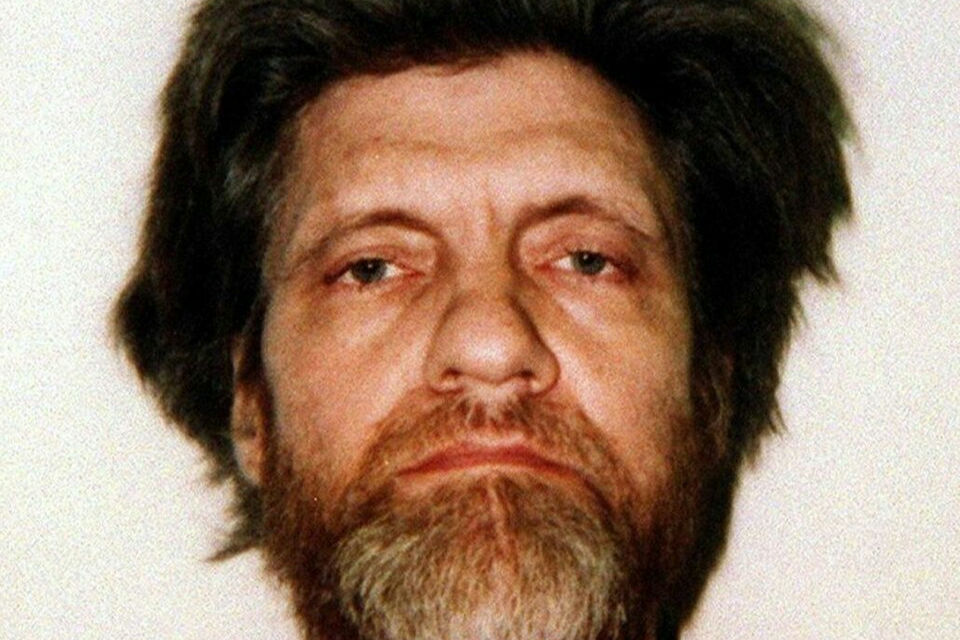
When Kaczynski died in 2023, media coverage briefly revisited the manifesto, but the public response was far more subdued than the mid-1990s uproar. Most stories focused on the victims, the investigation, and the long-term impact of his crimes, not the content of his ideas. His death symbolically closed the era in which the manifesto held cultural attention. Today, it survives mostly in academic, journalistic, and law-enforcement contexts, with little of the public fascination it once generated. What remains is historical interest, not a craze, reflecting how society has matured in handling extremist writings.
What began as a national obsession eventually settled into a clearer understanding of the harm behind the ideas and the investigation that brought the case to an end. If anything, the rise and fall of the craze shows how quickly sensational moments fade once the full story comes into view.
This story 10 Moments That Show What Really Became of the Unabomber Manifesto Craze was first published on Daily FETCH


