
1. Foods That Add Years To Your Life

Sometimes the longest health story begins with what sits in your bowl each morning, and many nutrition doctors quietly point to oatmeal as one of the safest lifelong habits to keep. Oats digest slowly, help steady blood sugar, and support heart health in a way that feels gentle rather than dramatic. People who eat filling whole grain breakfasts tend to snack less later, which protects weight and energy patterns across many years. It also helps that oatmeal is affordable, easy to prepare, and flexible enough for fruit, nuts, or yogurt, making it realistic for ordinary busy mornings instead of special health phases.
The real value of oatmeal is not that it works once but that it works when repeated thousands of times. Lifelong healthy eaters often describe boring consistent breakfasts rather than exciting perfect diets. A warm bowl builds routine, routine builds stability, and stability shapes long term health outcomes. When something this small becomes normal instead of occasional, it quietly turns into one of the easiest ways to support a longer and steadier life without needing any complicated food rules.
2. Beans That Quietly Support Long Living Communities
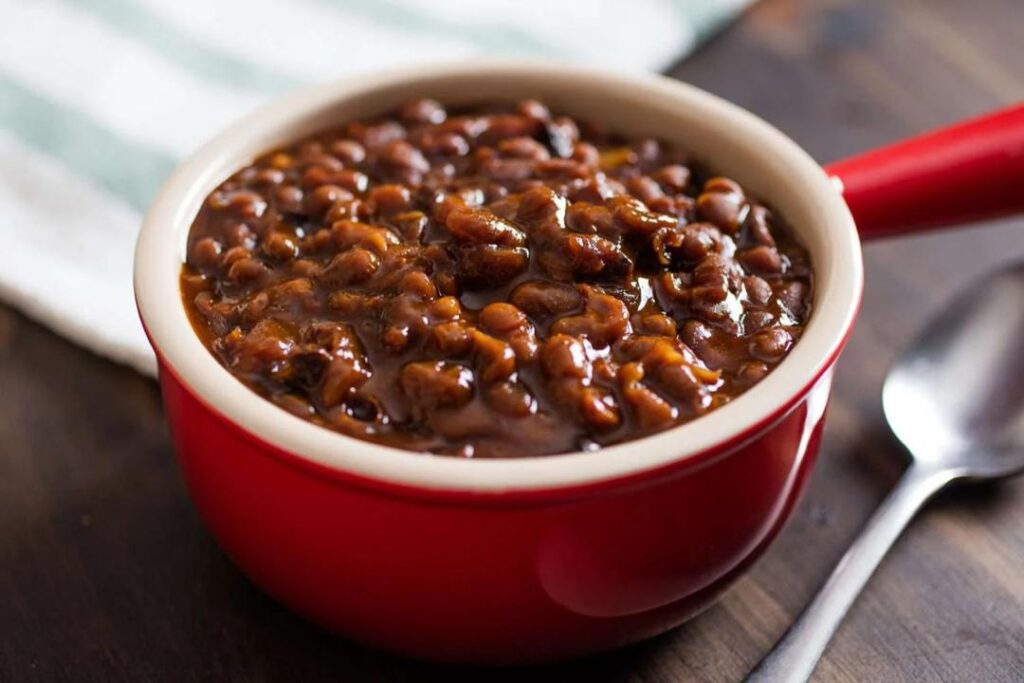
If you look at the everyday meals in many cultures where people live long active lives, beans appear so often they almost fade into the background. Lentils, black beans, and chickpeas provide plant protein, fiber, iron, and slow releasing carbohydrates that keep energy stable for hours. That steady digestion helps avoid sharp hunger swings, which often lead to overeating processed foods later. Beans also support gut bacteria, and a balanced gut environment is increasingly linked with immune strength, inflammation control, and long term metabolic health that protects the body gradually over decades.
Another reason beans help lifespan is simple practicality. They are inexpensive, store easily, and stretch meals for families, meaning people actually keep eating them instead of abandoning them after a short health kick. Longevity foods usually succeed because they stay in normal weekly cooking. A pot of beans in soup, rice, or stew may not look impressive, yet the people who age strongest often eat exactly these humble dependable meals again and again without feeling like they are dieting.
3. Leafy Greens That Do More Than They Look

Leafy greens rarely feel exciting when you first put them on the plate, yet they continue showing up in nearly every long term health recommendation for a reason. Spinach, kale, and similar greens carry dense amounts of vitamins, antioxidants, and plant compounds that support blood vessels, bone strength, and cellular repair. Regular intake helps maintain circulation and reduces the slow inflammatory stress that contributes to many chronic diseases later in life. Because aging affects multiple body systems at once, foods that protect several systems together become especially valuable across the years.
The good part is that greens do not require complicated recipes or dramatic lifestyle changes. They can slip into eggs, soups, rice dishes, or quick sauté meals without much effort. People who maintain lifelong healthy diets often are not chasing superfoods but simply adding greens whenever possible. That quiet repetition matters more than perfection. A small serving eaten regularly builds a protective effect that compounds slowly, showing how simple consistent plant foods often outperform short intense health trends that people struggle to sustain.
4. Berries That Protect While Feeling Like A Treat
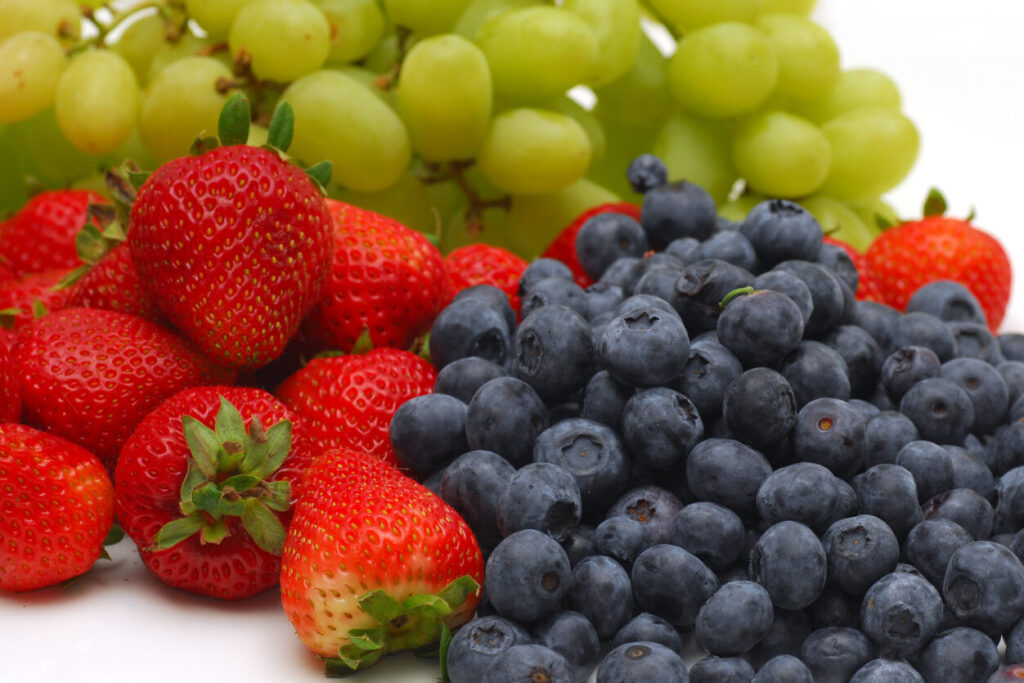
Few foods manage to feel like dessert while still supporting long term health, yet berries come surprisingly close. Blueberries, strawberries, and raspberries contain natural plant compounds that help protect cells from everyday oxidative stress, which scientists connect to aging and chronic disease development. Because berries offer sweetness with fiber, they satisfy sugar cravings without causing the rapid blood sugar spikes that processed desserts often trigger. This helps stabilize appetite patterns and energy levels, which quietly supports healthier eating decisions throughout the rest of the day.
Berries also fit easily into real life rather than requiring special planning. Fresh or frozen options both work well, making them practical for yogurt, cereal, or simple snacks. Longevity habits tend to stick when they feel enjoyable rather than restrictive, and berries help people feel satisfied instead of deprived. Over many years, consistently choosing naturally sweet whole foods instead of packaged sweets can reduce added sugar intake dramatically, and that gradual difference becomes one of the small invisible factors that helps protect long term health.
5. Fish That Strengthens The Heart Over Time
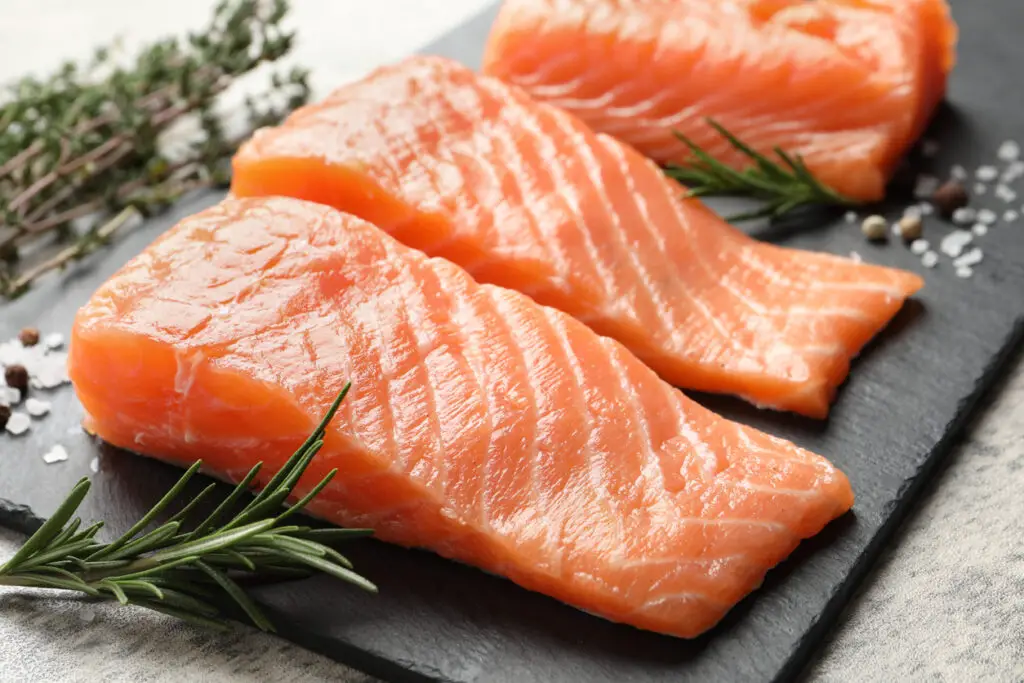
When doctors talk about heart friendly eating, fatty fish almost always enters the conversation sooner or later. Salmon, sardines, and mackerel contain omega rich fats that support blood vessel flexibility, reduce inflammation, and help maintain stable cardiovascular function as people age. Since heart disease remains one of the most common long term health risks worldwide, foods that actively support circulation become especially valuable across a lifetime. Fish also provides high quality protein that helps preserve muscle strength, which plays a major role in maintaining mobility and independence in later years.
Another quiet benefit of eating fish regularly is what it often replaces. When fish becomes a weekly staple, it usually reduces reliance on heavily processed meats or fried options. That substitution alone improves overall dietary balance without requiring extreme discipline. Longevity eating often works best through steady replacement rather than strict restriction. A simple grilled fish dinner repeated week after week may seem ordinary, yet those ordinary protective meals often form the real foundation of lifelong cardiovascular health.
6. Yogurt That Keeps Digestion Steady And Calm

Digestive health influences far more than comfort, and yogurt offers one of the simplest ways to support internal balance before problems appear. Traditional yogurt contains beneficial live cultures that help maintain a healthy microbial environment in the gut. A stable digestive system supports nutrient absorption, immune response, and even hormone regulation, all of which contribute to how the body ages over time. Yogurt also supplies calcium and protein, helping protect bone density and muscle mass, two areas that naturally decline if not supported consistently.
Because yogurt works at breakfast, as a snack, or inside sauces, it easily becomes part of normal daily routines rather than a special health purchase. Habits that extend lifespan are usually the ones that blend quietly into everyday meals. Choosing unsweetened yogurt keeps added sugar low while still providing fullness and nutritional support. Over many years, small daily foods that help the body function smoothly often matter more than occasional dramatic diet overhauls that rarely last long enough to create meaningful health protection.
7. Nuts That Replace Less Helpful Snacks
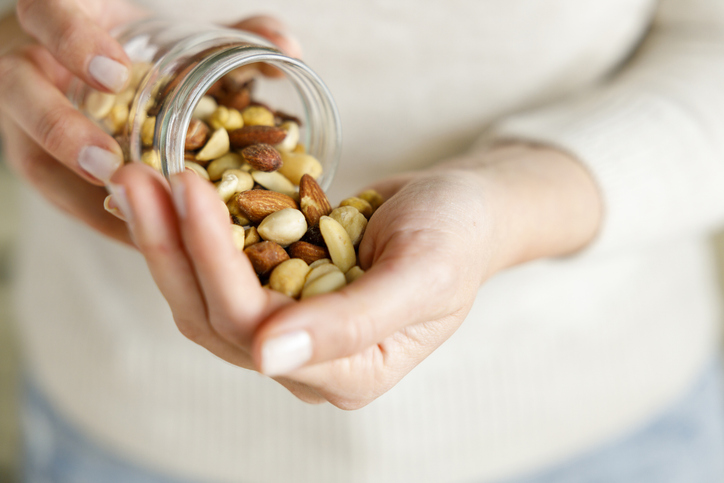
A small handful of nuts may not look significant, yet this tiny habit often creates a surprisingly strong ripple effect in long term eating patterns. Almonds, walnuts, and pistachios provide healthy fats, plant protein, magnesium, and fiber that help stabilize hunger and support cardiovascular health. Because nuts satisfy quickly, they reduce the urge to reach for highly processed snacks later. That simple substitution lowers excess salt, refined starch, and artificial additives across years of daily eating without requiring conscious calorie counting.
Nuts also fit real schedules. They travel easily, store well, and require no preparation, making them one of the few truly convenient whole foods. Longevity habits tend to survive when they remain practical during stressful or busy periods. Someone who always keeps nuts nearby naturally falls back on them instead of vending machine options. Over decades, that repeated automatic choice shapes metabolic health, cholesterol balance, and weight stability in ways that feel almost invisible day to day but become very visible in long term health outcomes.
8. Olive Oil That Supports Everyday Cooking

Many long living Mediterranean households do not treat olive oil as a special health product but simply as the default cooking fat used daily. Extra virgin olive oil contains fats that support heart health and plant compounds that help reduce chronic inflammation inside the body. Because it enhances flavor, it encourages people to cook vegetables, beans, and whole foods more often instead of relying on packaged meals. That indirect effect may be one of the strongest reasons it supports long term health across entire populations.
Olive oil also integrates into real cooking habits rather than requiring supplements or strict plans. Drizzling it on roasted vegetables, salads, or grains turns simple meals into satisfying ones that people actually want to repeat. Longevity rarely grows from foods people tolerate reluctantly. It grows from foods that make healthy meals feel normal and enjoyable. When the basic cooking fat itself supports cardiovascular health, every meal prepared with it quietly contributes to a pattern that protects the body year after year.
9. Whole Fruits That Naturally Crowd Out Sugar
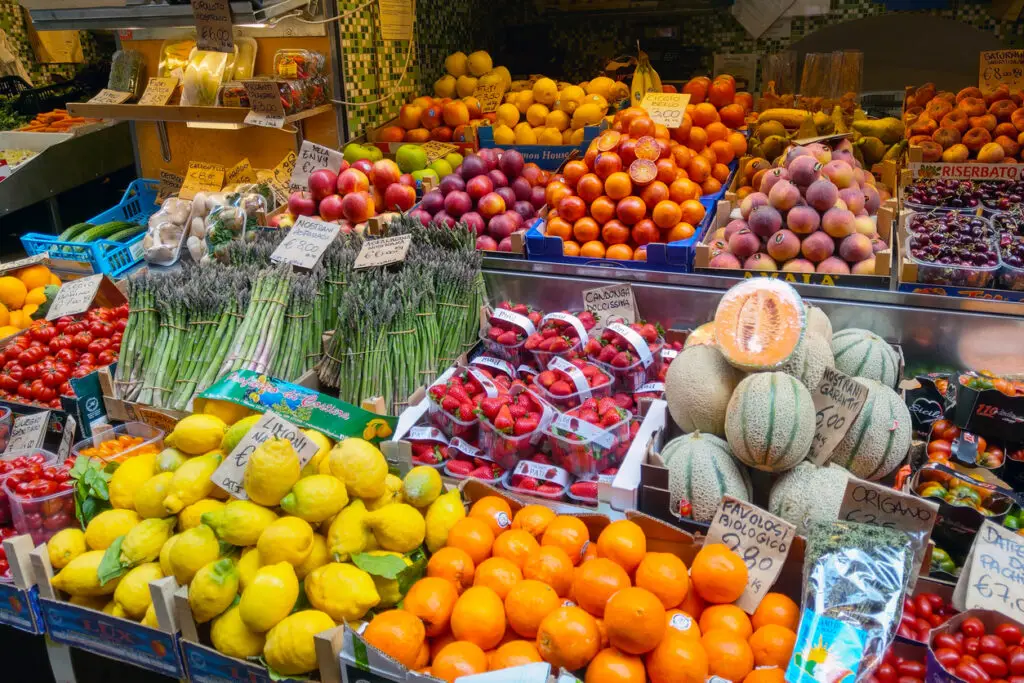
One of the simplest longevity habits involves keeping whole fruits visible and easy to grab throughout the week. Apples, oranges, bananas, and pears provide fiber, hydration, vitamins, and natural sweetness that digests slowly and keeps blood sugar steadier than processed sweets. Because they require no preparation, they often replace packaged desserts or sugary snacks simply through convenience. That repeated substitution gradually lowers added sugar intake across months and years without making people feel like they are following strict rules.
Whole fruits also help maintain digestive health because their fiber supports beneficial gut activity and stable appetite control. People who eat fruit regularly often notice fewer intense sugar cravings later in the day, which improves overall meal balance naturally. Longevity friendly diets often succeed because they simplify decisions instead of complicating them. Reaching automatically for fruit instead of processed sweets may feel like a small everyday choice, yet thousands of those small moments accumulate into a meaningful protective effect over the course of a lifetime.
10. The Lifelong Habit Of Cooking Real Meals At Home

If there is one pattern shared by many people who maintain strong health into older age, it is the steady habit of preparing simple meals at home most days of the week. Home cooking naturally reduces hidden salt, excess sugar, and heavily processed fats while increasing vegetables, whole grains, and balanced portions. It also slows eating down and creates predictable meal rhythms that support stable digestion and appetite regulation. Those quiet structural habits influence health far more than short bursts of perfect dieting ever could.
Cooking at home also keeps people connected to real ingredients and portion awareness, making it easier to maintain balanced nutrition without constant monitoring. Longevity rarely comes from chasing miracle foods or strict programs. More often it grows from ordinary dinners prepared repeatedly with familiar ingredients. When real cooking remains part of everyday life, most other healthy eating habits tend to follow naturally, which may be the simplest and most sustainable long term strategy of all.
11. Foods That Can Cut Years Short

It often starts innocently with a quick sandwich, a sausage breakfast, or sliced deli meat added for convenience, and before long these foods become everyday staples. Processed meats are usually high in salt, preservatives, and curing compounds that place steady pressure on blood vessels and long term digestive health. Because they taste rich and require almost no preparation, they easily replace fresher protein options. The real risk builds quietly through repetition, not through the occasional weekend meal, since frequent intake can slowly raise blood pressure and strain cardiovascular balance over many years.
Another hidden issue is how processed meats tend to crowd out better choices. When quick bacon or deli options become the default, people often cook less fish, beans, or fresh poultry. Longevity habits depend heavily on what becomes routine rather than what happens occasionally. Swapping even a few weekly processed meat meals for simpler home cooked proteins can gradually shift long term health direction, showing how lifespan often follows everyday patterns more than dramatic short term food decisions.
12. Sugary Drinks That Slip Into Every Day

Sweet drinks rarely feel as serious as sugary foods because they go down quickly and do not seem filling, yet this is exactly what makes them risky over time. Sodas, sweetened teas, flavored juices, and energy drinks deliver large sugar loads that absorb rapidly into the bloodstream. Because liquid calories do not trigger strong fullness signals, they usually stack on top of normal meals instead of replacing them. This pattern can quietly increase weight, disrupt insulin balance, and push the body toward metabolic strain across years of daily consumption.
The danger grows when these drinks become automatic with lunch, dinner, or afternoon fatigue. Many people underestimate how often they reach for them simply out of habit. Replacing even some of those drinks with water, sparkling water, or unsweetened options can significantly lower long term sugar exposure without requiring a full diet overhaul. Lifespan often improves through these quiet beverage swaps, since what we drink daily can influence health just as strongly as what we place on the plate.
13. Fried Fast Food That Becomes Routine Comfort

Fried meals often carry emotional comfort, especially after long workdays or during busy weeks when cooking feels exhausting. Crispy fries, fried chicken, and heavily battered takeout foods combine refined starch, heavy oils, and high sodium in one concentrated package. When eaten often, these meals can contribute to chronic inflammation, gradual weight gain, and long term cardiovascular stress. The body can handle occasional indulgence, but repeated exposure to deep fried oils makes recovery harder, especially when this style of eating becomes a weekly or multi weekly pattern.
Another factor is portion size and convenience. Fast food servings tend to be large, inexpensive, and immediately satisfying, which encourages repetition during stressful periods. Longevity eating usually depends less on banning foods and more on interrupting automatic cycles. Cooking even one extra simple home meal each week can reduce fried food frequency enough to shift long term health direction. Small routine interruptions often protect lifespan more effectively than dramatic short lived diet promises that rarely survive real life schedules.
14. Refined White Bread That Dominates The Plate

Soft white bread is familiar, affordable, and comforting, yet heavy reliance on refined flour products can quietly influence metabolic health across decades. Refined grains digest quickly and cause faster blood sugar spikes compared to whole grain alternatives that retain fiber. When most meals revolve around white bread, pastries, or refined wraps, the body experiences repeated glucose swings that can gradually weaken insulin response. Over time, this pattern may increase risk for metabolic imbalance, especially when combined with sedentary routines or high sugar intake elsewhere in the diet.
The larger issue is displacement rather than danger in a single slice. Heavy refined bread consumption often means fewer whole grains, beans, vegetables, and fiber rich foods on the plate. Longevity friendly eating usually focuses on shifting the base of meals rather than eliminating comfort foods entirely. Gradually mixing in whole grain versions or rotating alternative starches can stabilize digestion and appetite patterns. These quiet substitutions often create stronger long term protection than sudden extreme dietary changes that prove difficult to maintain consistently.
15. Packaged Pastries That Start Mornings Heavy

Many packaged pastries are designed for convenience and shelf stability, combining refined flour, added sugar, and processed fats into something quick enough for rushed mornings. While they feel small, these foods often deliver concentrated calories with very little fiber or protein to balance digestion. This can lead to rapid blood sugar spikes followed by mid morning crashes that trigger hunger again soon after eating. When this cycle repeats daily, it can slowly affect appetite regulation, energy stability, and long term weight patterns.
Because breakfast shapes the rhythm of the entire day, starting with heavily sweet pastries often pushes later meals toward additional snacking or sugary drinks. Longevity habits tend to form strongest at the beginning of the day, when choices influence everything that follows. Even replacing packaged pastries a few mornings each week with steadier options can noticeably smooth hunger patterns. Over many years, calmer morning nutrition often becomes one of the simplest invisible supports for maintaining stable long term health.
16. Alcohol That Gradually Exceeds Safe Limits

Alcohol rarely feels like a nutritional risk because it is woven into celebrations, social gatherings, and evening relaxation routines. The difficulty appears when occasional drinking slowly becomes nightly habit without much notice. Regular high intake can place stress on the liver, disrupt sleep cycles, affect blood pressure, and increase long term cancer risk. Because tolerance builds gradually, many people do not immediately feel the cumulative strain, allowing consumption patterns to rise quietly over the years before health effects become obvious.
Another concern is the indirect effect alcohol has on eating decisions. Drinking often lowers restraint, leading to heavier late night meals or skipped healthy routines the next morning. Longevity often depends on stability rather than perfection, and alcohol can quietly erode that stability when used frequently. Reducing even a few weekly drinks or building alcohol free days into the schedule can significantly reduce long term strain, showing how small consistent boundaries often protect health more effectively than sudden complete restrictions.
17. Instant Noodles That Hide Extreme Sodium
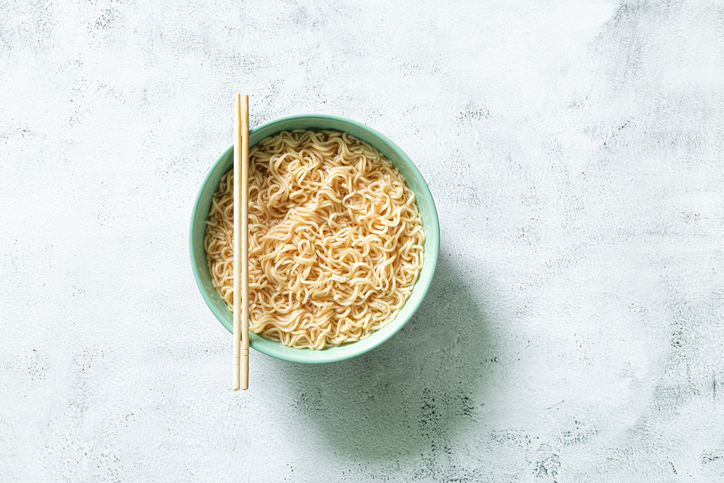
Instant noodles solve hunger quickly and cheaply, which makes them popular during busy seasons or tight financial stretches. However, many packets contain very high sodium levels along with refined carbohydrates that digest quickly without providing lasting fullness. Frequent intake can gradually increase blood pressure and fluid retention, placing extra strain on the cardiovascular system. Because the portion feels small and preparation is easy, people often underestimate how strongly repeated high sodium meals can influence long term vascular health.
Another challenge is nutritional imbalance. Instant noodles are commonly eaten alone, meaning the meal lacks vegetables, fiber, or balanced protein. When this pattern repeats weekly, it can slowly displace more complete meals that would otherwise support long term strength and immunity. Longevity often improves not by eliminating convenience foods completely but by spacing them out and pairing them with added vegetables or protein. Small adjustments like these help reduce cumulative strain while still allowing realistic flexibility in everyday life.
18. Ultra Processed Snack Chips That Encourage Mindless Eating
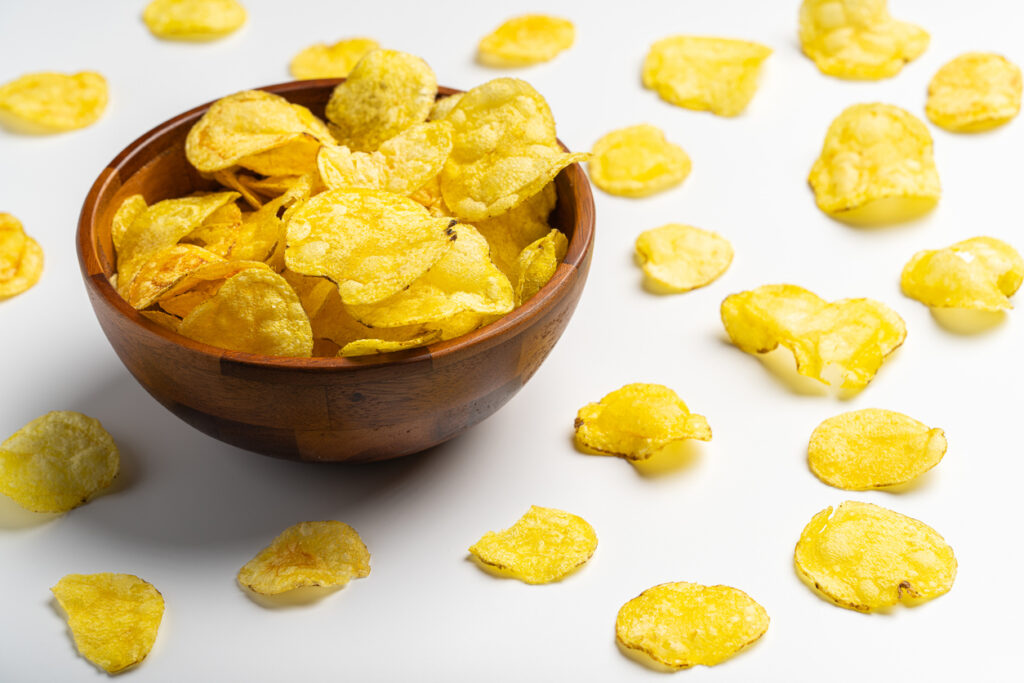
Snack chips are engineered to be crunchy, salty, and intensely satisfying in a way that makes stopping feel harder than expected. Because they are often eaten while watching television, working, or scrolling on phones, portions can grow without conscious awareness. These foods usually combine refined starch, heavy oils, and concentrated salt while offering very little fiber or sustained nutrition. Over time, repeated mindless snacking can contribute to gradual weight gain and increased metabolic pressure, even when each individual serving feels small.
The real risk comes from frequency rather than special occasions. A party snack rarely matters, but nightly handfuls slowly accumulate into a stable habit. Longevity eating often begins with making snack choices slightly more intentional rather than completely restrictive. Keeping nuts, fruit, or yogurt available nearby naturally reduces dependence on highly processed chips. Over years, these quiet environment changes influence eating patterns more reliably than strict rules, showing how lifespan often follows the foods that remain easiest to reach.
19. Sugary Breakfast Cereals That Start The Roller Cycle
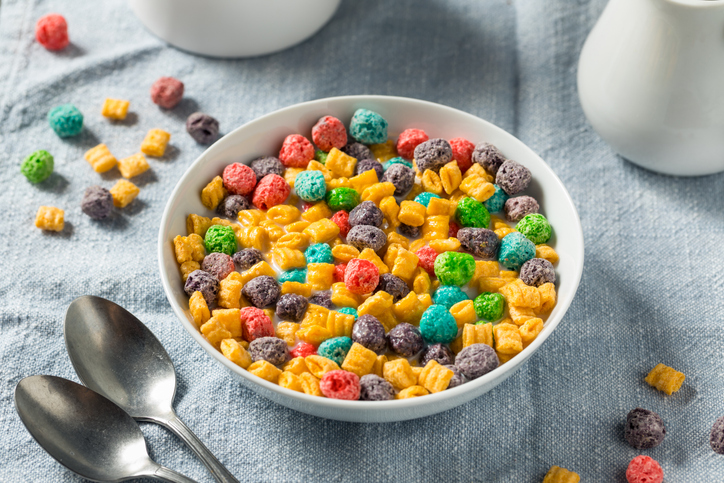
Many breakfast cereals are marketed as quick energy for busy mornings, yet some contain sugar levels closer to dessert than balanced fuel. Starting the day with high sugar refined cereal can cause a rapid blood glucose rise followed by a drop that leaves people hungry again within a short time. This early instability often leads to additional snacking before lunch and can influence overall daily calorie intake without much awareness. When repeated across years, this pattern can gradually affect metabolic regulation and weight balance.
Breakfast routines tend to stick strongly because mornings run on autopilot. Even adjusting only part of the week toward higher fiber or protein rich breakfasts can noticeably stabilize appetite and energy through the day. Longevity habits rarely depend on perfect nutrition every morning, but they benefit greatly from reducing repeated sugar spikes at the start of daily metabolism. Small morning adjustments often ripple outward into calmer eating patterns that protect long term health far more than dramatic occasional diet resets.
20. Frozen Processed Ready Meals That Replace Real Food

Frozen ready meals can feel like a lifesaver on busy evenings, especially when energy is low and cooking feels like too much work. The problem is that many heavily processed frozen dinners rely on high sodium, refined starches, added sugars, and stabilizers to maintain flavor and shelf life. While one quick meal is harmless, frequent reliance can slowly increase salt intake and reduce the amount of fresh vegetables, fiber, and balanced protein in the weekly routine. Because these meals are portioned and convenient, they can quietly become the automatic dinner choice instead of a backup option.
Over time, this habit can shift the entire diet toward packaged convenience rather than simple whole ingredients. When frozen dinners dominate the schedule, the body receives fewer protective nutrients that support heart health, digestion, and steady metabolism. Longevity often depends less on avoiding one bad food and more on preventing any single convenience option from replacing real cooking too often. Keeping frozen meals as occasional support instead of daily routine helps preserve balance, showing how even small dinner habits repeated weekly can shape health outcomes across many years.


