
1. Blue Crab
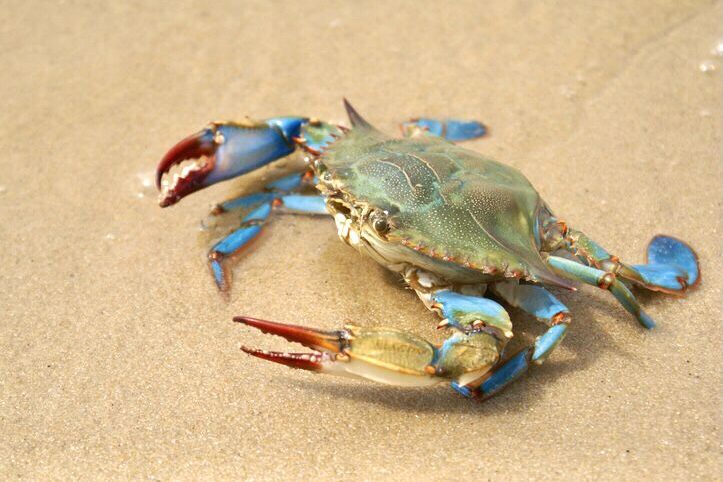
Some animals don’t just carry bones inside, they wear their skeletons on the outside. These incredible exoskeletons act as armor, tools, and survival gear, helping creatures thrive in environments where softer bodies wouldn’t stand a chance. The blue crab is a classic example, built with a hard exoskeleton that acts as both armor and support. This outer shell protects it from predators, anchors its muscles, and helps it move efficiently across sandy and muddy bottoms. But crabs don’t stay in the same shell forever, when they grow too large, they must molt, shedding the old shell and waiting for a new one to harden. During this brief window, they are soft, defenseless, and vulnerable to attack. It’s a risky process, but without it, they couldn’t grow. This cycle of molting and hardening shows just how vital, and challenging, life with an external skeleton can be.
2. Scorpions

Scorpions are perfectly adapted to life in some of the planet’s harshest places, and their exoskeleton is the key. This tough, chitin-based armor not only shields them from predators but also helps prevent water loss, an essential survival trait in desert environments where dehydration is a constant threat. Their outer skeleton also supports the muscles that drive their powerful pincers and stinging tail. Unlike mammals, which rely on internal bones, scorpions’ strength comes from this rigid outer structure. By combining protection, hydration control, and mobility, their exoskeleton is an all-in-one survival system that has kept them thriving for hundreds of millions of years.
3. Beetles
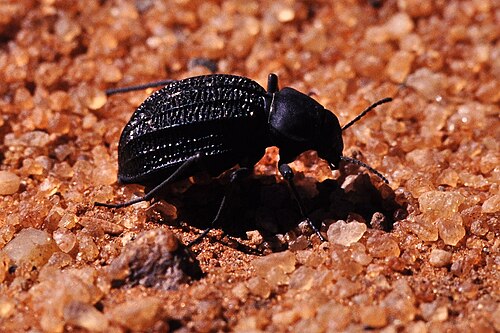
Beetles, the most diverse group of insects on Earth, owe much of their success to their exoskeleton. One of its standout features is the pair of hardened wing covers called elytra. These act like a shield, protecting the delicate flight wings tucked beneath from damage, moisture, and predators. Whether it’s a ladybug in a garden or a rhinoceros beetle in the tropics, this dual-layer design gives them both durability and versatility. The hard shell allows beetles to push through soil, burrow into wood, or crawl into tight spaces while keeping their fragile flight equipment safe. It’s a clever adaptation that has allowed beetles to colonize nearly every environment on the planet.
4. Lobsters
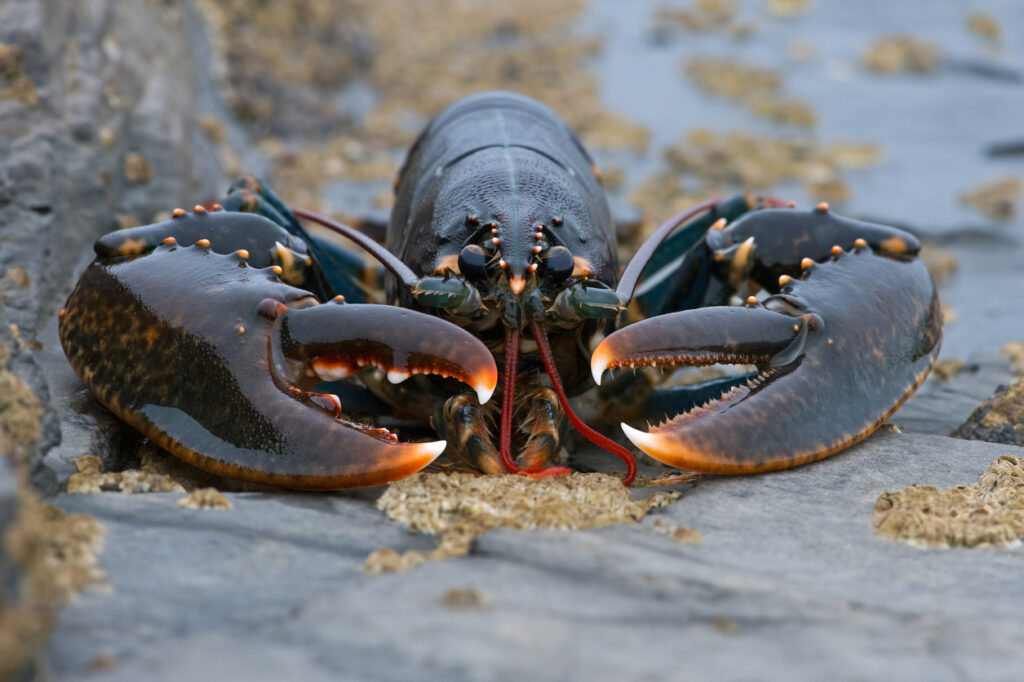
Lobsters are armored powerhouses of the ocean, and their exoskeleton is at the center of their survival strategy. This hard outer shell shields them from predators and provides the framework for their famously strong claws and muscular tails. When lobsters grow, they must molt, leaving them temporarily soft and at risk until their new armor hardens. But once it does, they’re nearly unbeatable in underwater tussles. The exoskeleton not only protects them but also gives them leverage to crush shellfish, defend territory, and dig into rocky crevices. It’s both armor and weapon, making lobsters some of the toughest crustaceans in the sea.
5. Tarantulas
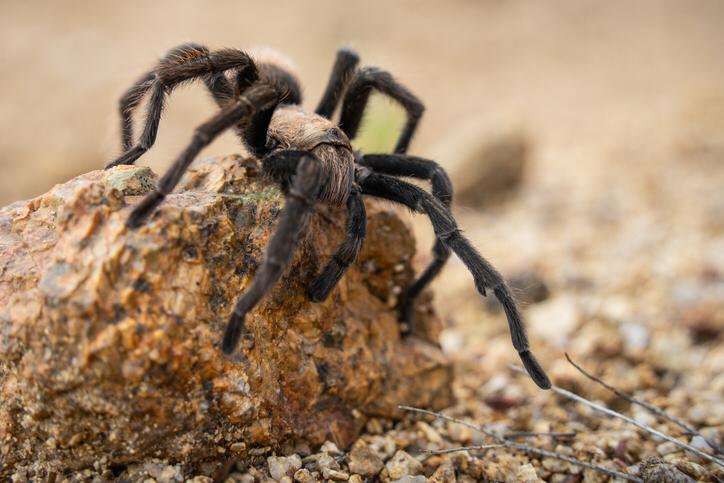
Tarantulas may look fearsome, but like other arthropods, they depend on their exoskeleton to live and grow. Their outer skeleton is tough enough to protect them from many predators yet flexible enough to allow them to crawl into burrows and hunt at night. As they grow, tarantulas must shed this outer shell through a process called molting. Right after molting, their bodies are soft, and even their movements become clumsy until the new skeleton hardens. During this stage, they’re especially vulnerable, relying on hiding to stay safe. This shedding cycle is crucial, allowing them to replace worn body parts and continue growing. For tarantulas, survival is tied directly to this constant renewal of their outer armor.
6. Horseshoe Crabs
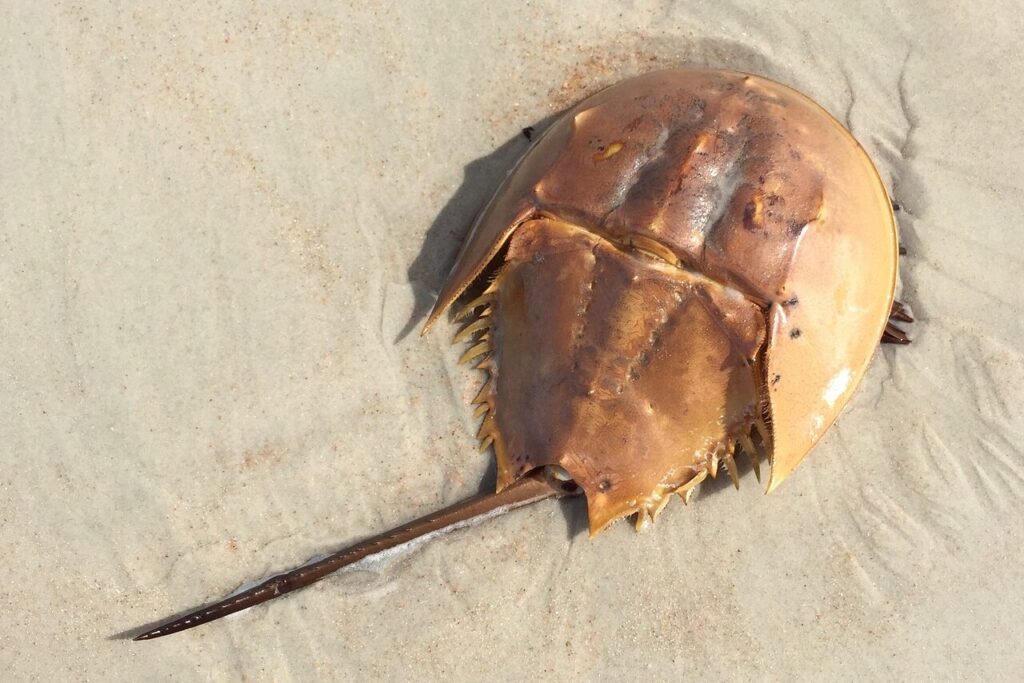
Horseshoe crabs are often called living fossils, and their exoskeleton design shows why. They’ve kept the same basic armor for more than 400 million years, surviving while countless other species went extinct. Their domed outer shell shields their soft bodies as they crawl along ocean floors, while their spiny tail helps them flip over if waves roll them onto their backs. The shell is not only protection but also a support structure for their unique blue blood, which plays a vital role in medical research today. This ancient armor has proven so effective that it has barely changed since before the age of the dinosaurs.
7. Butterfly Pupae
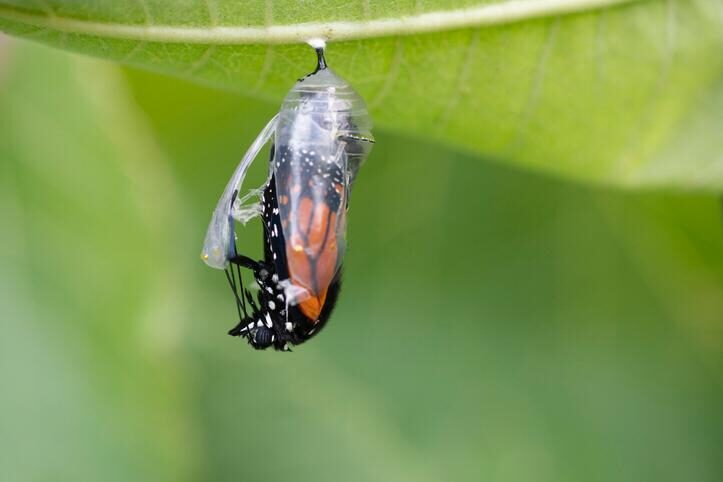
When a caterpillar transforms into a butterfly, it seals itself inside a protective casing called a chrysalis. While not a permanent exoskeleton, this hardened shell serves as a temporary one during metamorphosis. Inside, the insect’s body completely reorganizes, breaking down into a liquid-like state before reforming into wings, legs, and antennae. The chrysalis shields the fragile insect from predators, harsh weather, and physical damage during this vulnerable stage. Without this protective outer layer, the transformation into a butterfly would be nearly impossible. It’s a short-term exoskeleton with a life-or-death purpose, making it one of nature’s most extraordinary shields.
8. Shrimp
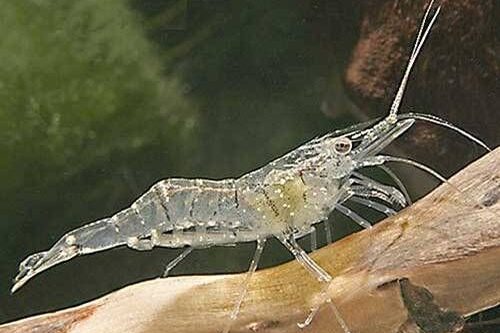
Shrimp are small but agile creatures whose exoskeletons give them both protection and flexibility. Their outer shell is often translucent, blending into their watery surroundings and providing camouflage from predators. Unlike some crustaceans with heavy armor, shrimp have a relatively lighter exoskeleton that allows quick, darting movements through the water. This balance between strength and mobility is key to their survival, especially when avoiding fish or larger crustaceans. Like crabs and lobsters, shrimp must molt to grow, leaving them exposed for a short time until their new shell hardens. Their adaptable exoskeleton makes them one of the ocean’s most successful and abundant species.
9. Cicadas
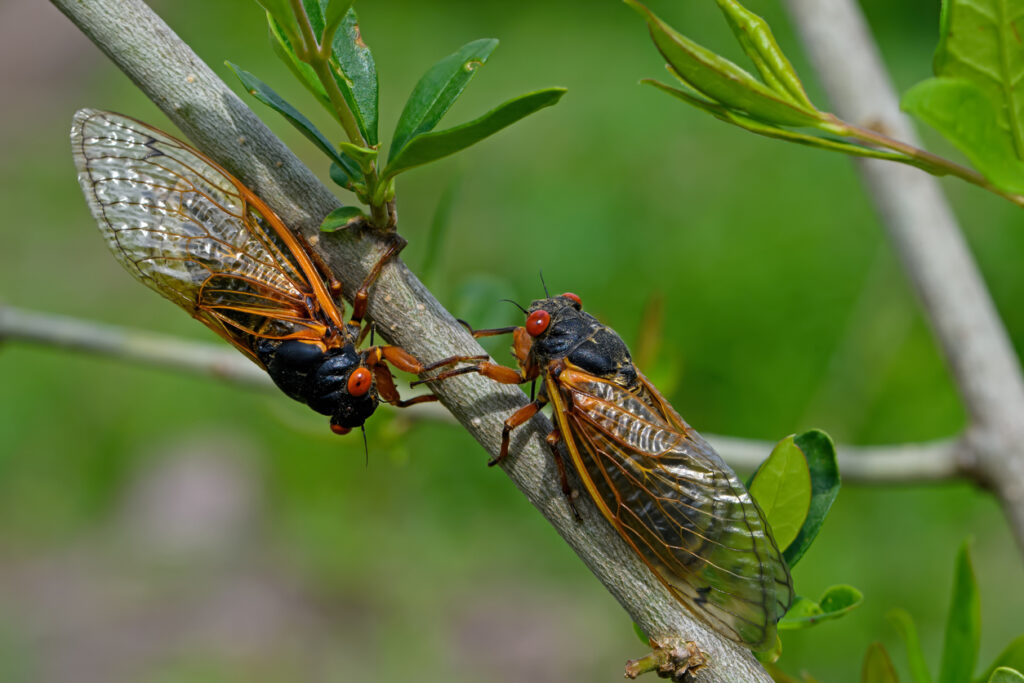
Cicadas are famous for their dramatic life cycle, spending years underground before emerging in massive numbers. When they surface, they leave behind their hardened exoskeletons, which often cling to trees like tiny statues. This outer shell protected them as nymphs underground, where they fed on plant roots and developed in safety. Once it’s shed, the adult cicada emerges with wings, ready to sing, mate, and complete its short above-ground life. These discarded exoskeletons are a visible reminder of their long hidden years below the soil and show how vital external skeletons can be in helping insects survive demanding environments.
10. Barnacles
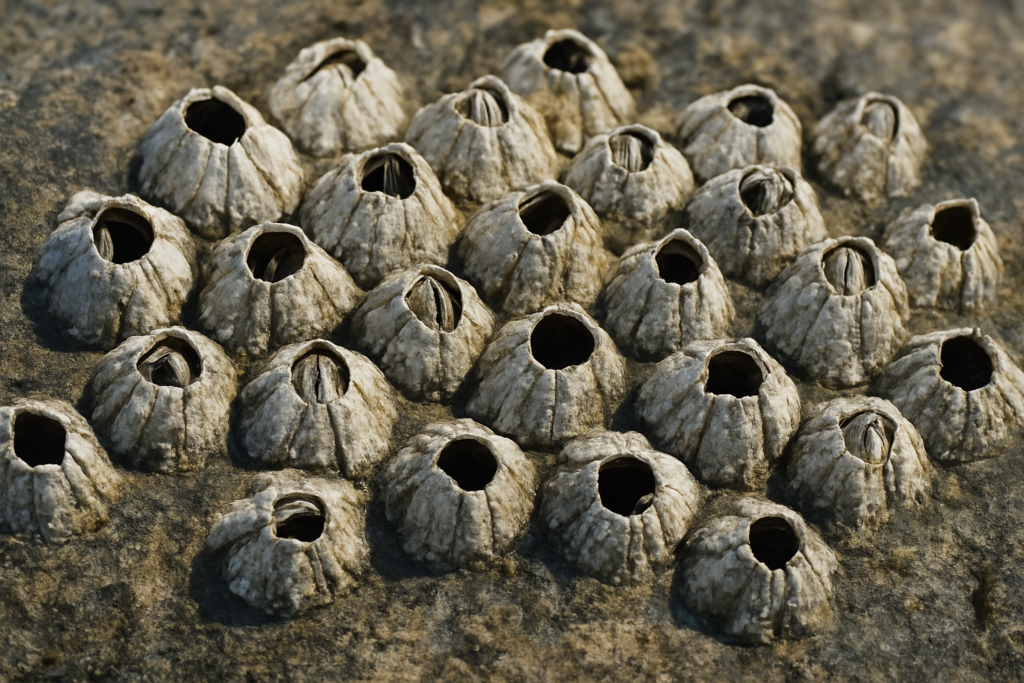
At first glance, barnacles look more like rocks than animals, but their tough outer shells are actually modified exoskeletons. These crustaceans cement themselves permanently to surfaces like rocks, docks, and even whales, and their hard plates shield them from pounding waves and hungry predators. Inside, the barnacle extends feathery legs to sweep plankton from the water, all while staying protected behind its outer wall. The shell also locks in moisture during low tide, preventing the barnacle from drying out. This external armor allows barnacles to thrive in one of the most challenging habitats on Earth, the crashing intertidal zone.
This story 10 Creatures With Skeletons on the Outside (and Why That Works) was first published on Daily FETCH


