
1. Lions at MGM Endured Confinement and Travel
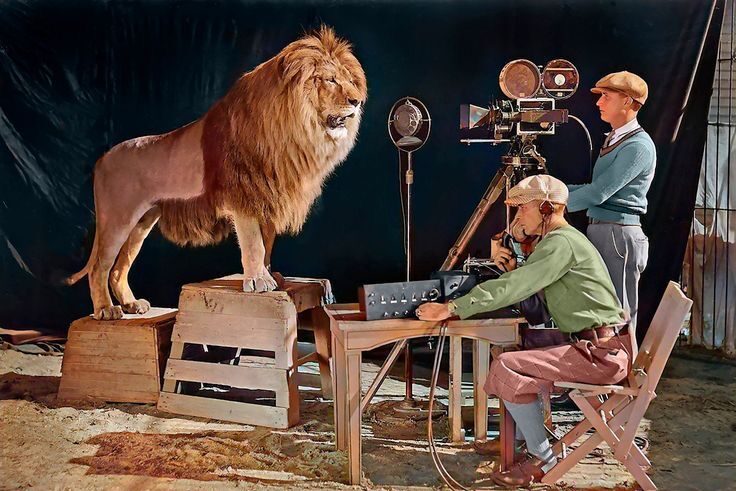
The iconic MGM lions like Leo and his predecessors, despite their fame, lived under cramped conditions, and shuffled frequently between studios in tight cages. The stressful transport and confinement compromised their well-being, showing that even some of the most recognized animal stars faced poor living standards away from the cameras.
2. Many Animals Were Secretly Replaced
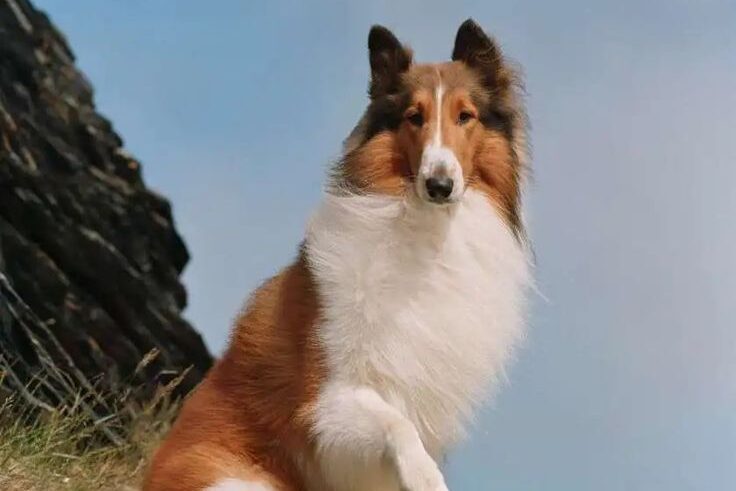
You might have thought there was just one star animal, like Flipper the dolphin or Lassie the collie, but the truth is multiple animals played these roles over time. For dolphins in Flipper’s case, several females including Susie, Kathy, Patty, Scotty, and Squirt shared the part because female dolphins have less aggressive behavior and smoother skins, making them easier to pass as the same star. The public only ever saw one “Flipper,” hiding a cast behind the scenes. Similarly, Lassie was portrayed by various collies, quietly swapped as needed to keep the character consistent.
3. Animals Were Often Overworked
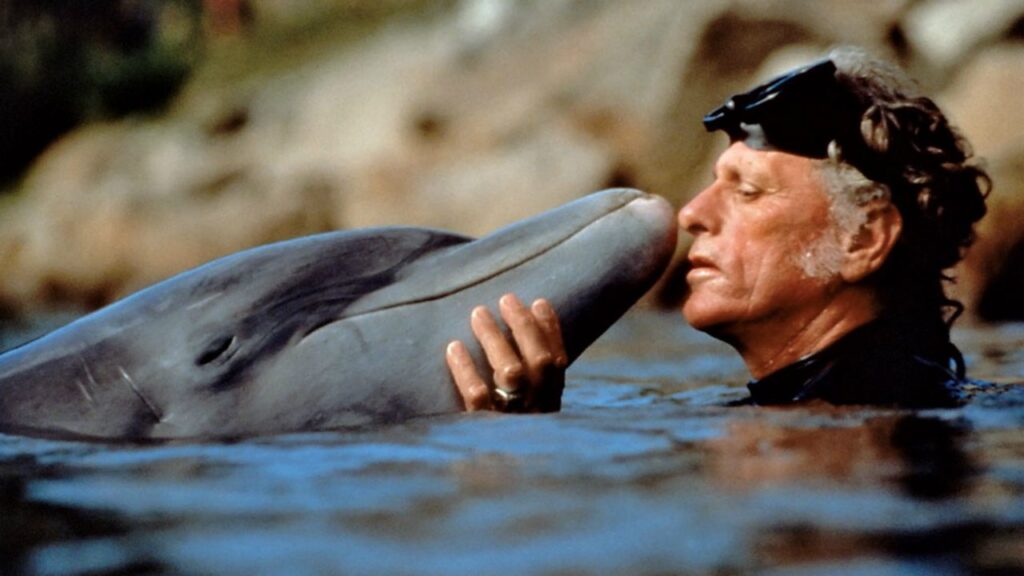
Filming schedules pushed animal actors to long hours under bright and hot studio lights, which could be exhausting and stressful. Bruno the bear, for example, faced tough working conditions. Meanwhile, Flipper was compelled to perform unusual tricks on command repeatedly, which was far from their natural behavior. Such demands put the animals in high-pressure environments to get the perfect shot, ignoring their comfort and well-being.
4. Some Animals Were Sedated to Stay Calm
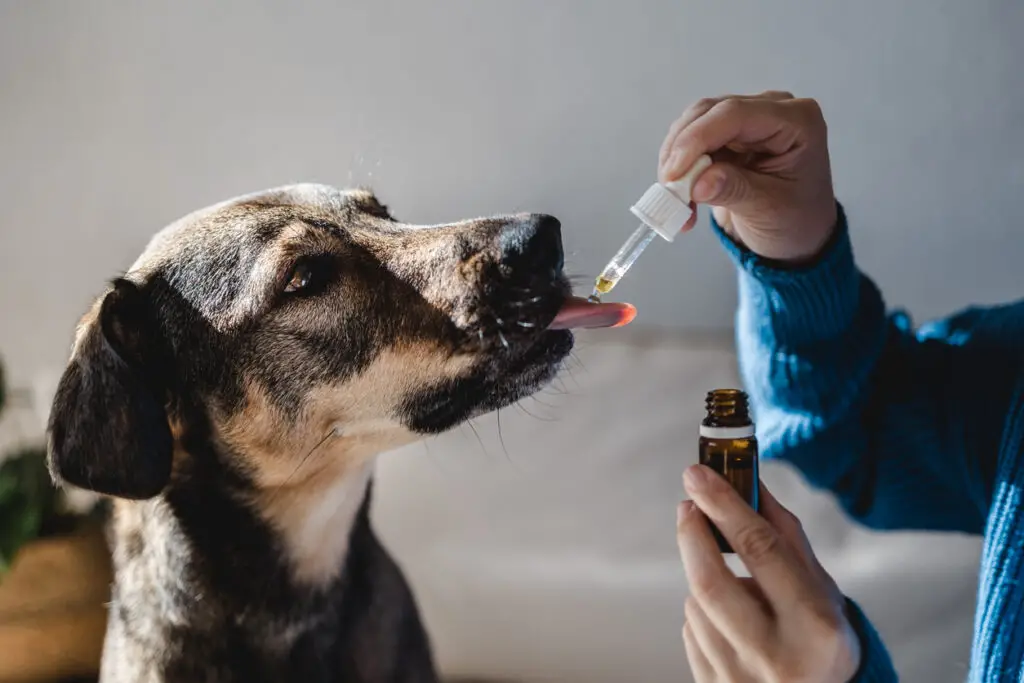
Behind the scenes, handlers sometimes used drugs to keep animals calm during stressful or potentially dangerous sequences on set. Reports and allegations have suggested that sedation was a common practice to manage anxiety or aggressive behavior in challenging filming conditions, despite the risks these drugs could pose to the animals’ health.
5. Trainers Used Harsh Methods
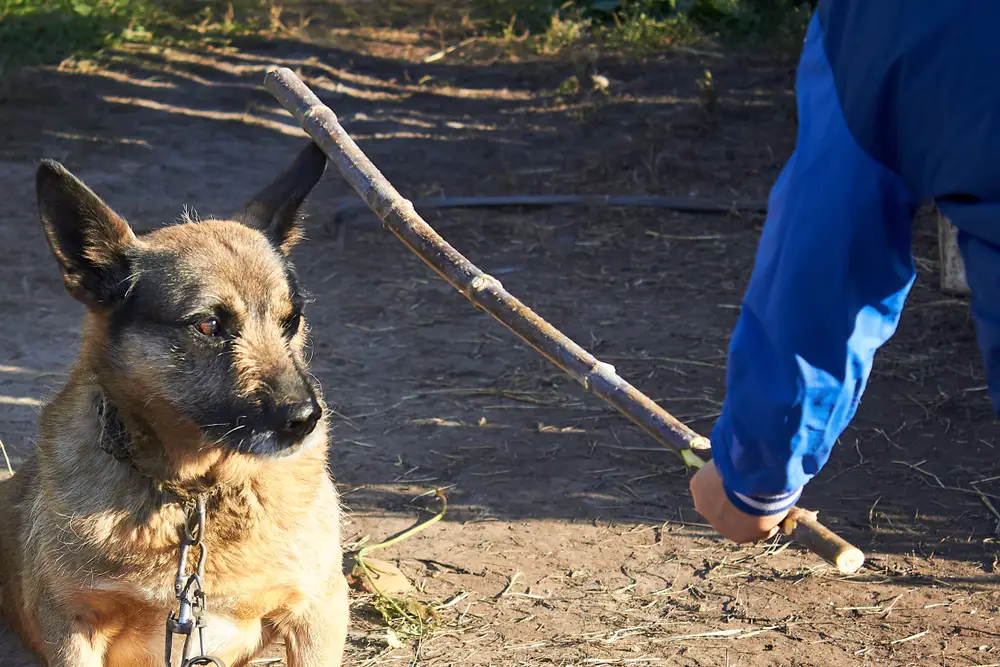
In classic Hollywood, animal training was often based on punishment, fear, and strict control rather than gentler, positive reinforcement techniques we advocate today. Trainers would use fear-based techniques to get animals to perform precisely, causing distress and sometimes harm. These outdated methods left lasting scars, both physical and emotional, on many animal actors, highlighting a darker side of film production.
6. Flipper’s Trainer Turned Whistleblower

Flipper the dolphin charmed moviegoers with feats that seemed magical, but the truth beneath the waves was far more somber. Ric O’Barry, Flipper’s trainer, eventually became a vocal critic of the industry. He revealed that dolphins used in entertainment often suffered immense stress, illness, and even depression, leading to premature deaths. O’Barry’s painful awakening led him to become an advocate for marine mammal protection, working tirelessly to expose the suffering hidden behind the camera. His revelations raised public awareness and fueled efforts to improve how dolphins and other marine animals are treated in captivity and on film sets.
7. Piglets as Arnold Ziffel Were Constantly Swapped
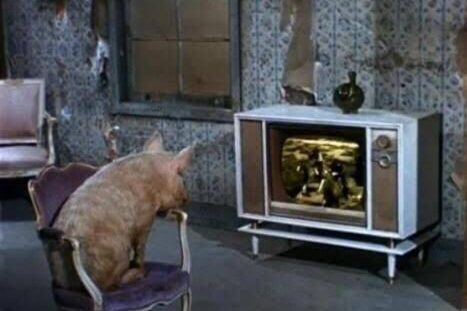
Arnold Ziffel, the iconic pig from the TV show Green Acres, was not a single porcine actor but a revolving cast of piglets. Since piglets grow rapidly and you need the character to look the same age, producers frequently replaced them with nearly identical siblings. This behind-the-scenes trick ensured continuity on screen while managing the natural growth and lifespan of the animal actors. Though practical for the show, it reflected the realities of working with animals whose development can’t be paused for storytelling needs.
8. Bart the Bear Had a Lucky Life, Unlike Most Bears

Bart the Bear became Hollywood’s beloved ursine star with a string of leading roles, but his good fortune was the exception, not the rule. Raised and trained humanely by dedicated handlers, Bart enjoyed a career filled with enriching environments and respect. Sadly, many other bears used in film weren’t so lucky, they were often kept in poor, cramped conditions off-set and faced neglect or harsh treatment. Bart’s story highlights the gap between animal stars who had advocates and those who suffered quietly.
9. Stress Took a Toll on Animal Lifespans
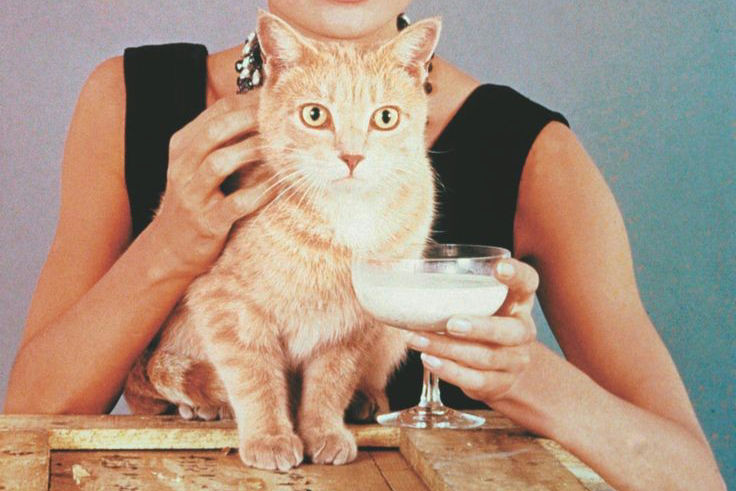
While Orangey the Cat sustained a successful decade-long career, many other animal actors sadly burned out much sooner. The demands of constant performance, long hours on set, and unnatural behaviors exacted a heavy toll, shortening their lifespans. Stress and exhaustion were common factors behind early deaths or retiring animals abruptly. This reality contradicts the glossy image Hollywood projected, reminding us of the unseen sacrifices behind animal fame.
10. The Dark Legacy Sparked Reforms in Animal Welfare
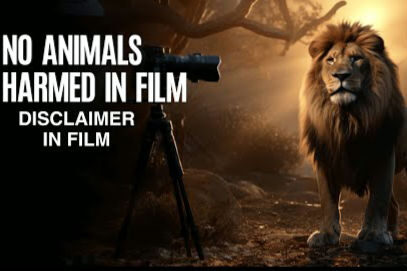
These sobering truths about animal actors have driven positive change. Public awareness of the cruelty and risks led to adoption of “No Animals Were Harmed” certifications, increased use of CGI alternatives, and more stringent welfare regulations in entertainment. The industry today faces ongoing pressure to balance storytelling with ethical treatment, ensuring that animal stars receive respect, care, and humane conditions throughout their careers.
This story 10 Behind-the-Scenes Truths About Animal Fame That Hollywood Didn’t Want You to Know was first published on Daily FETCH


