
10 Animals That Barely Sleep
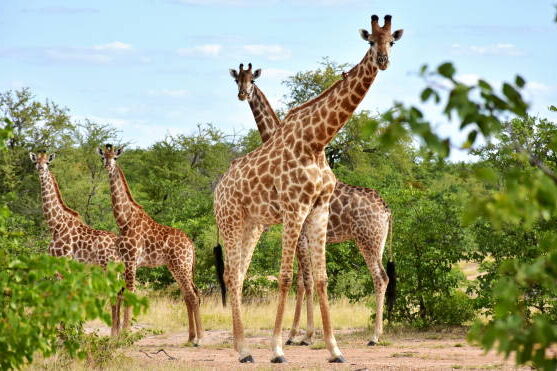
Before we begin, it is interesting to realize that not every creature shuts its eyes for long hours like we do, and the giraffe shows this clearly. This tall, calm giant sleeps for just a few minutes at a time, adding up to very little rest each day. It often snoozes while standing, staying alert so it can react quickly if danger approaches. Its height and vulnerability make long sleep risky, so it survives with short naps whenever it can. Watching a giraffe drift off while still on its feet reminds us that nature sets its own unique routines.
2. Elephant brief sleeper
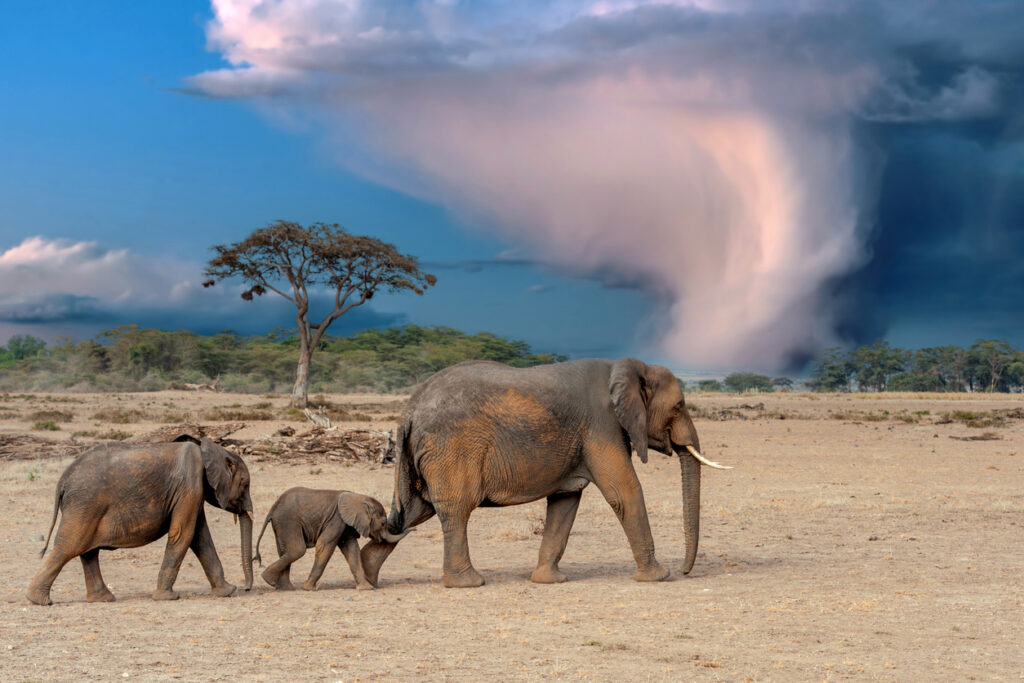
The elephant barely sleeps, spending most of its time walking, eating and looking out for possible threats. In the wild it often rests lightly while standing and rarely enjoys long moments of deep sleep. Constant movement keeps it safe, especially in places where predators are always a concern. Its large body demands continuous feeding and energy, so sleep becomes a small part of its daily rhythm. Imagine needing only tiny doses of rest while still carrying such weight and strength. Elephants show that sleep is not always about comfort but about staying aware enough to survive.
3. Horse light snoozer
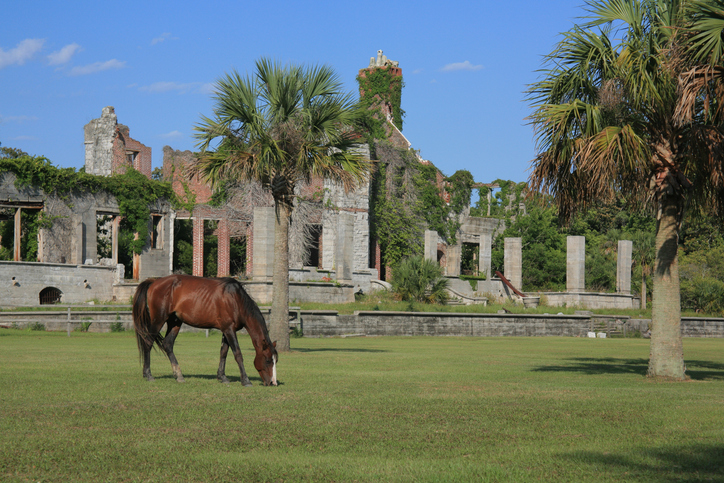
Horses are known for their strength, yet they rely on very short sleep periods throughout the day. They often nap while standing, using a special locking mechanism in their legs that allows them to rest without collapsing. Long sleep would make them too vulnerable in open fields, so they depend on light naps to restore energy. Their lifestyle revolves around grazing, movement and awareness, making deep sleep a luxury rather than a daily habit. It is amazing how they remain energetic and responsive with such little rest. Horses remind us that sometimes renewal comes in small, steady moments.
4. Dolphin half brain sleeper

Dolphins rest in a unique way by sleeping with only one side of their brain at a time. This adaptation allows them to stay awake enough to breathe, swim and watch for danger. Instead of shutting down completely, they take turns resting each half of their brain throughout the day. Their eyes even alternate between open and closed depending on which side is asleep. They live in an environment that demands constant awareness, and their sleep pattern reflects that need. The idea that half a brain can rest while the other stays active shows how differently creatures recharge.
5. Pygmy shrew tiny napper
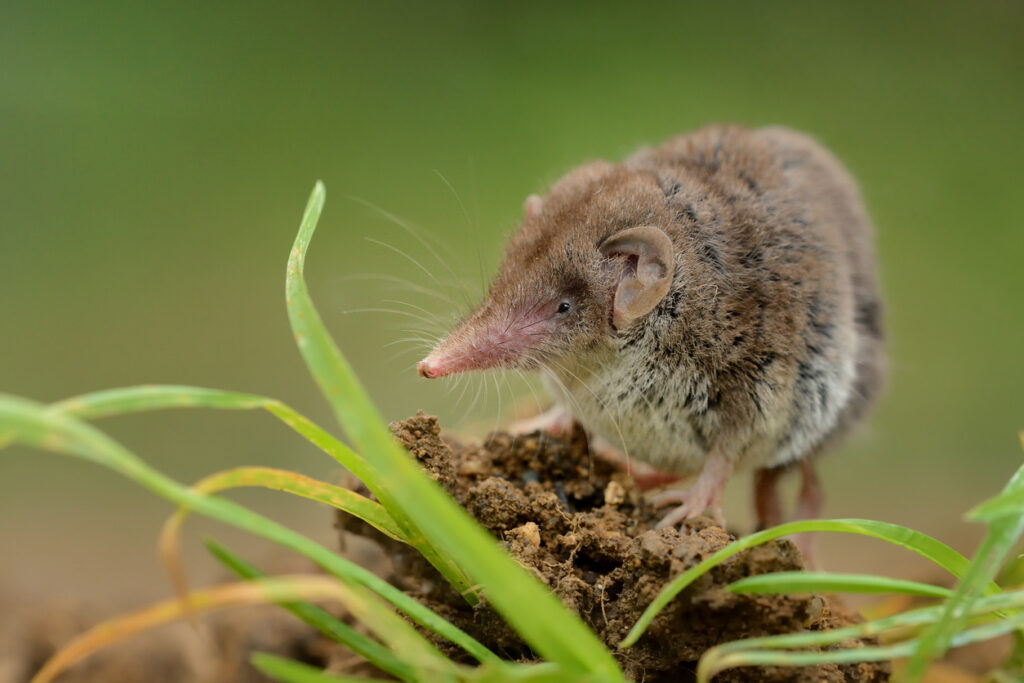
The pygmy shrew is tiny yet full of constant activity, making sleep a rare luxury. Its fast metabolism forces it to eat frequently, leaving little time for long restful moments. Instead it grabs tiny naps between searching for food and staying safe. Even a short delay in feeding can cause it to lose energy quickly, so its life feels like a nonstop race to survive. With minimal rest, it moves almost endlessly just to stay alive. This small creature proves that sleep is often determined by daily demands. Its world is fast and restless with barely any pause.
6. Seal short ocean sleeper
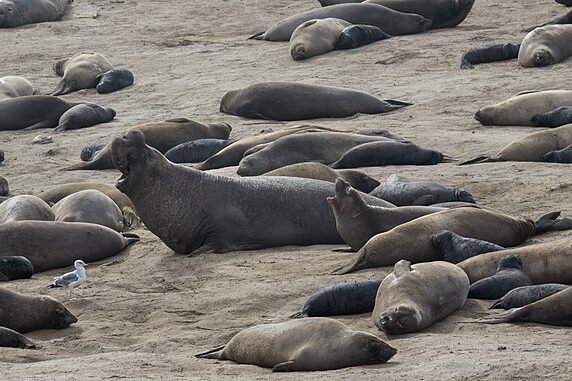
At sea, some seals experience extremely short sleep cycles because they must surface to breathe and stay aware of predators. They rest lightly while floating or drifting underwater, taking quick pauses rather than long peaceful sleep. On land they sleep longer, but in the ocean, survival controls their schedule. Constant motion and alertness become part of their routine, whether they want rest or not. Sleep becomes a quick dip into stillness before they return to scanning their surroundings. Seals show that environment shapes rest, and sometimes where you live controls how deeply you relax.
7. Goat little snoozer
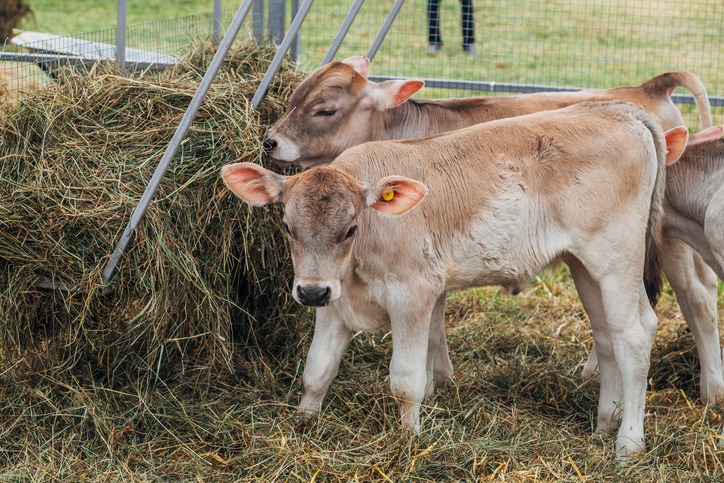
Goats stay active throughout the day, spending most of their time climbing, grazing and wandering. Their alert nature allows them to react immediately to sudden movements, so they rely on short naps rather than deep sleep. They rest only when they feel safe, and even then they remain aware of their surroundings. Being prey animals, long sleep would put them at risk. Instead they sprinkle small periods of rest across their day. Goats remind us that sleep is not always deep or prolonged. Sometimes it is a scattered collection of quiet pauses that keeps life moving smoothly.
8. Cow calm short sleeper
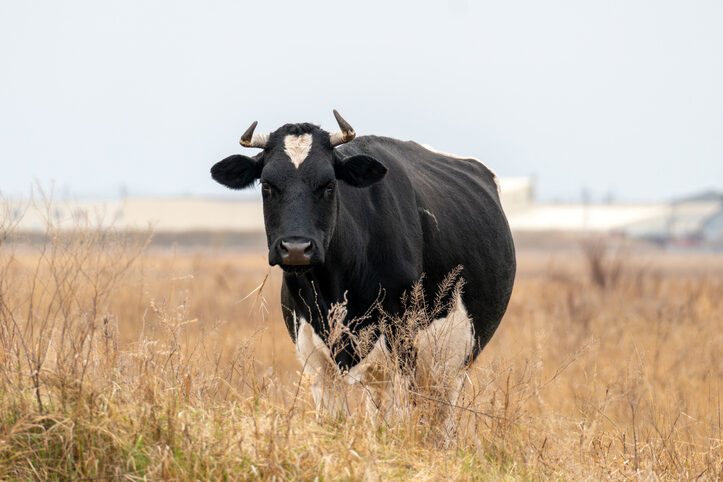
Cows spend most of their time grazing which leaves only small windows for sleep. They rest in short intervals throughout the day, sometimes lying down but often staying partially alert. Being herd animals, they depend on group awareness to stay safe, so long sleep cycles are not common. Their relaxed nature makes them appear sleepy, yet they actually get far less rest than expected. Their lifestyle is slow and steady but their sleep patterns are brief and practical. Cows demonstrate that even peaceful animals live with efficient rest. They simply take what they need and continue grazing calmly.
9. Migratory bird micro sleeper
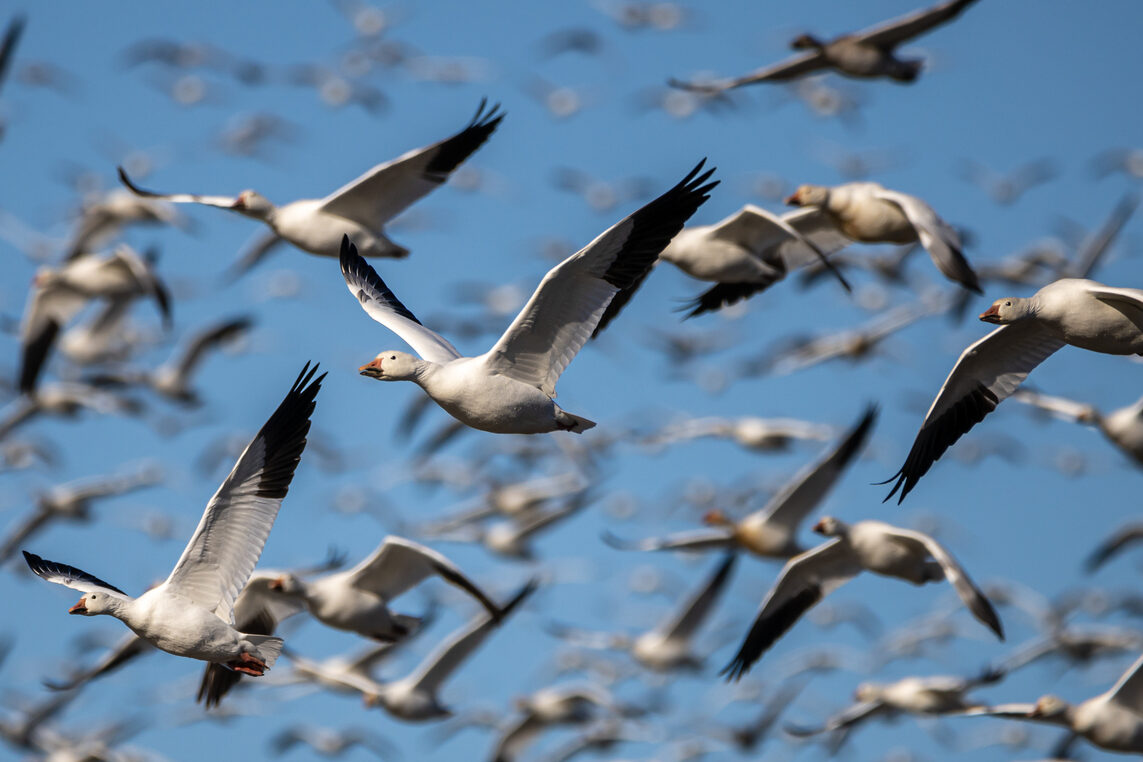
Some migratory birds barely rest during long journeys, taking extremely brief naps while flying or standing on one leg. Their bodies adapt to constant travel, saving energy through tiny sleep sessions instead of long deep slumber. They remain alert to wind changes, predators and shifting weather, making it impossible to disconnect completely. Instead of shutting down, they conserve energy little by little. Their sleep comes in scattered bits that keep them going across continents. These birds show that survival sometimes means resting in motion. They sleep lightly, travel far and trust small moments to keep them balanced.
10. Elephant seal limited snoozer
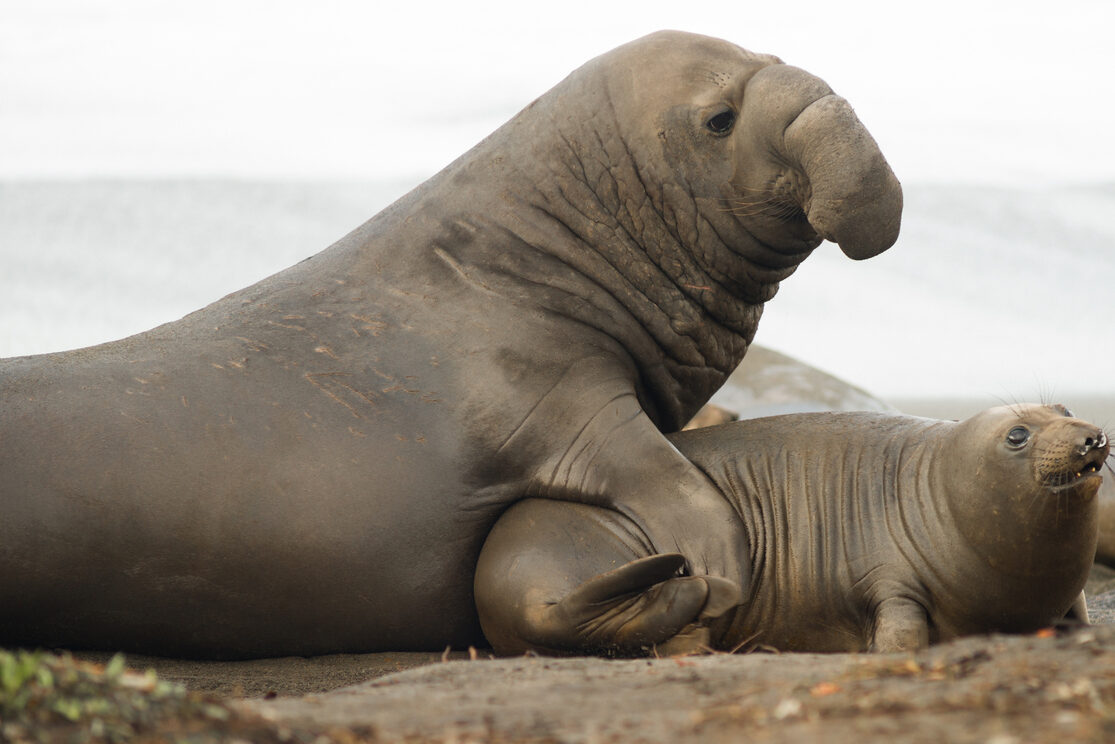
Out at sea, elephant seals take very short underwater naps while drifting and only get longer rest when they return to land. Life in the ocean demands awareness, so they cannot fully relax without risking danger. They sleep in small portions that barely add up to a full rest cycle. Their bodies adapt to this fragmented routine, allowing them to continue diving, swimming and hunting with little sleep. This lifestyle proves that survival often changes the way creatures rest. As we end this list, it becomes clear that sleep is not always comfort, but sometimes strategy.
10 Animals That Barely Wake Up
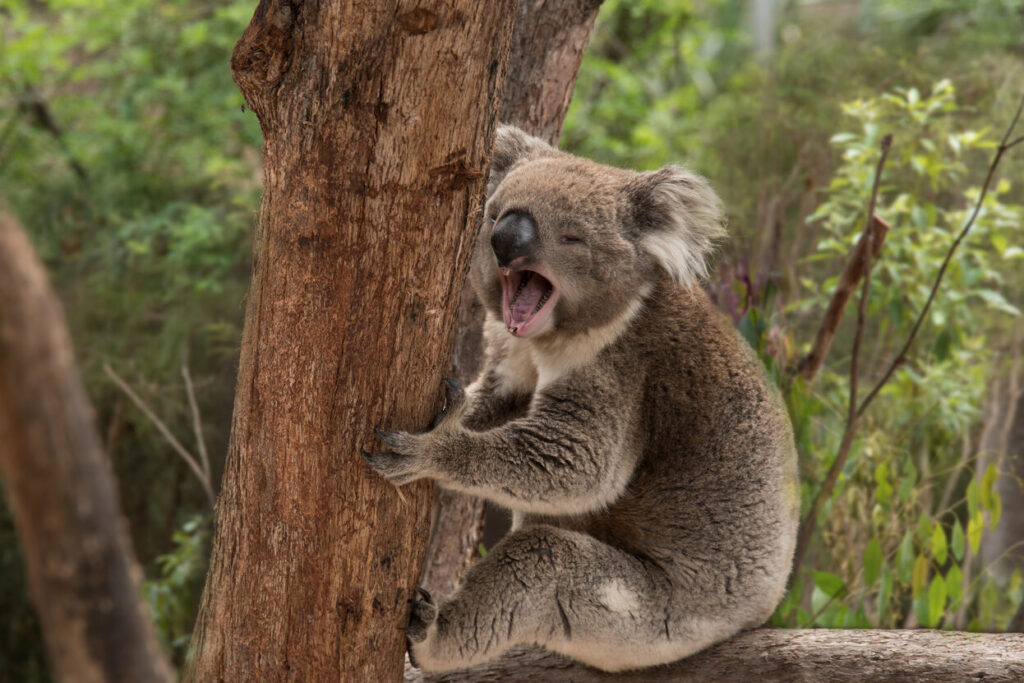
Some animals live slow and cozy lives, and the koala is the perfect introduction to this sleepy side of nature. Koalas spend most of their day sleeping with only short periods of activity in between. Their diet gives them limited energy, so long hours of rest help them survive. Curled tightly in eucalyptus trees, they save strength by barely moving. Their quiet lifestyle shows that slowing down can be a smart way to live. Koalas make sleep look like a gentle art and remind us that sometimes comfort is more important than constant activity. They rest with purpose.
2. Brown bat deep sleeper
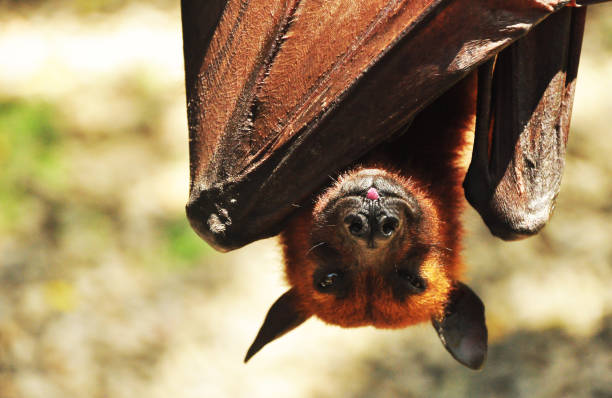
Brown bats spend many hours resting, especially during daylight. They hang upside down in dark places where they feel safe, conserving energy until nighttime arrives. Their sleep helps them recharge for evening hunting trips when insects become their main target. Because they rely on darkness to feed, their bodies adjust to long sleep periods during the day. Their quiet hours may seem excessive, but they serve a purpose in preparing them for fast and active nights. Brown bats show that sleep can be a preparation for intense work. Long rest supports their survival in the shadows.
3. Giant armadillo heavy sleeper
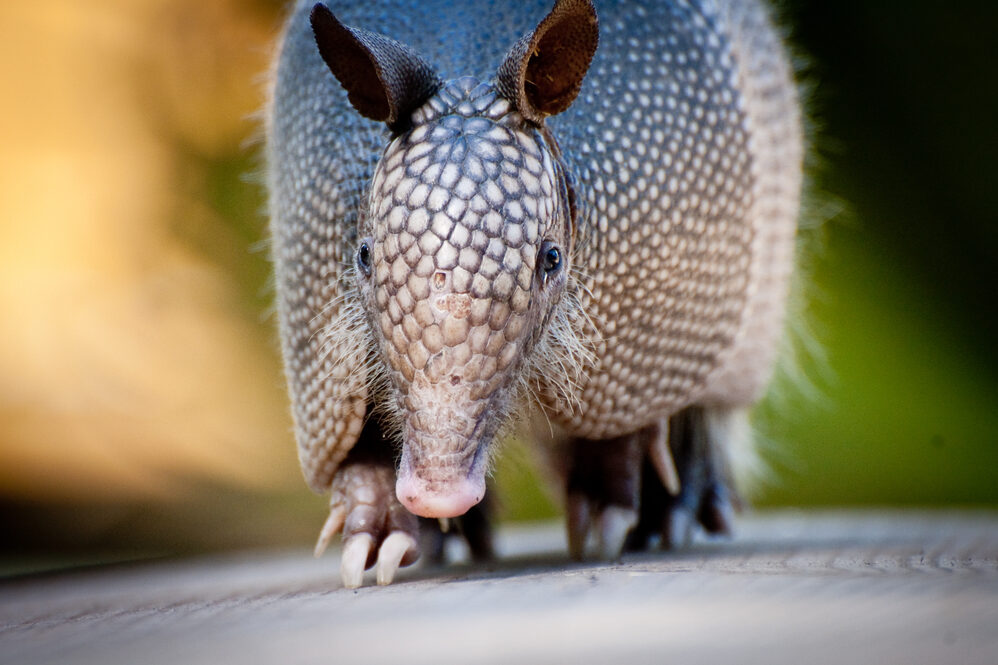
Giant armadillos spend a surprising amount of time asleep, often curled inside burrows where they feel protected. Their slow lifestyle supports long resting hours and minimal activity. They emerge mostly at night to search for food and return quickly to their quiet shelters. Lengthy sleep helps them conserve energy, especially since digging and nighttime foraging require effort. Their calm pace reminds us that life can flow steadily even with minimal movement. Giant armadillos use rest as their primary tool for surviving safely underground. They let stillness protect them and keep daily stress to a minimum.
4. Python long
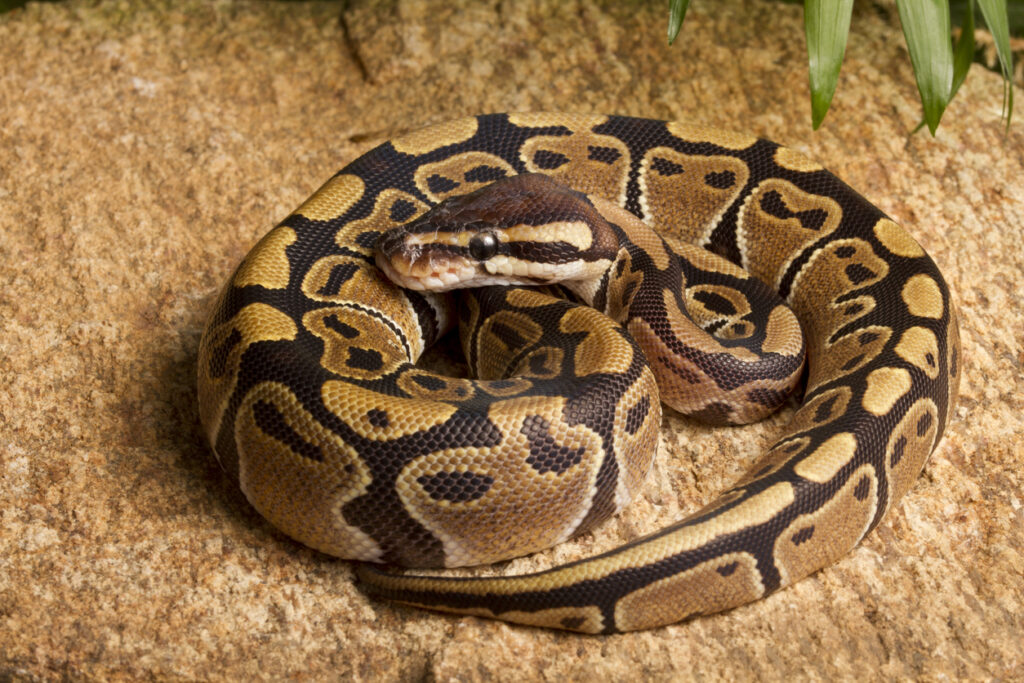
Pythons can stay motionless for long stretches of time especially after eating. Their digestion process demands energy, so resting helps them break down their meals slowly. They conserve their strength by minimizing movement instead of staying active throughout the day. This peaceful waiting period can last many hours and keeps them hidden from predators and prey. They do not need to chase constantly because patience becomes a powerful hunting strategy. The python shows that sometimes staying still is a plan rather than a pause. Long rest is part of its strength and helps it thrive without rushing.
5. Opossum extended sleeper
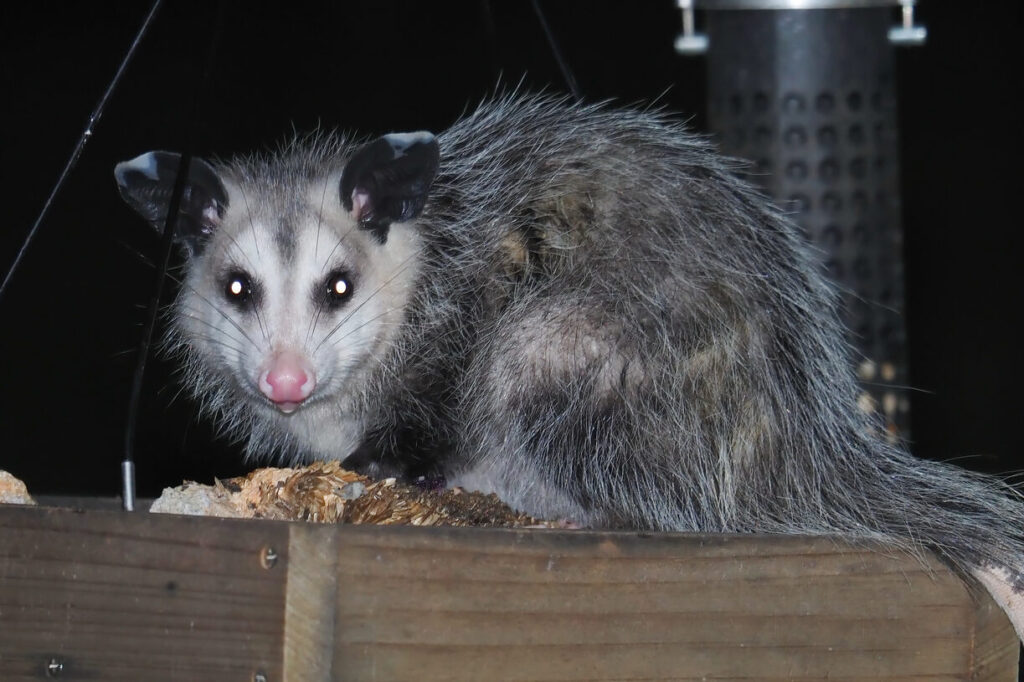
The opossum sleeps a lot to maintain energy for its nighttime routines. During the day it finds hidden places to rest where predators are less likely to spot it. Its long sleep hours make sense when you see how active it becomes after sunset. It spends evenings searching for food, exploring and navigating different areas. Sleep becomes its foundation for staying alert at night. The opossum does not waste energy during daylight, choosing instead to rest carefully before busier hours. It shows that sleep supports action, turning rest into preparation rather than laziness.
6. Tree shrew long napper
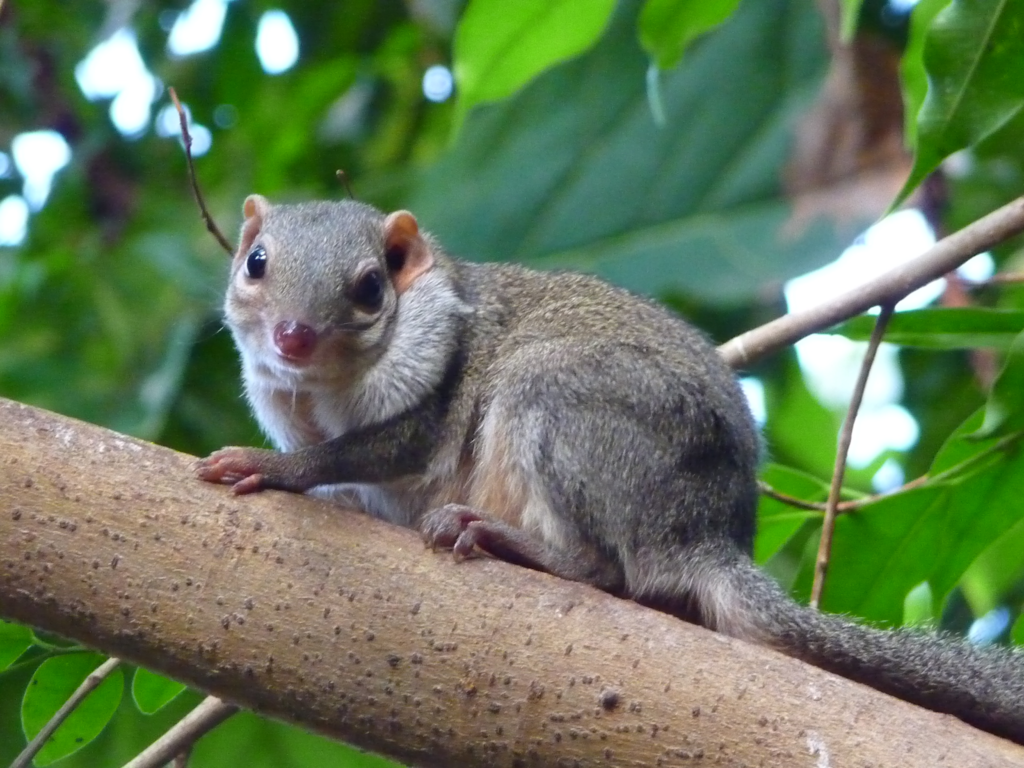
Tree shrews enjoy many hours of sleep each day, despite their small size and active instincts. Their high energy movements when awake require recovery time to keep their bodies balanced. Instead of spreading tiny naps throughout the day, they sink into longer rest periods that help them recharge fully. When they wake up, they move quickly, explore actively and search for food efficiently. Their sleep supports their fast bursts of behavior and protects them from exhaustion. The tree shrew teaches that even small creatures can value deep rest. Long breaks can help even the busiest bodies function better.
7. Tiger powerful sleeper
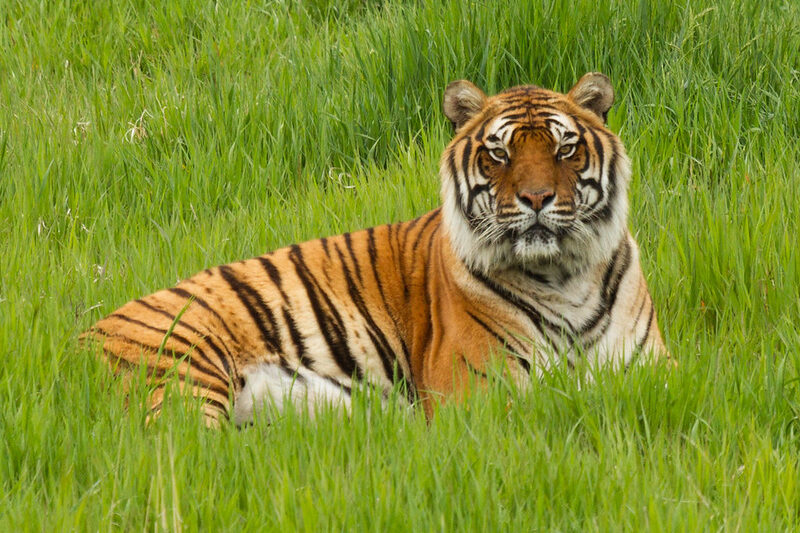
Tigers spend many hours sleeping to maintain their strength for hunting. Each chase uses intense energy, so they rest deeply to recover before another attempt. Their bodies require high stamina which long sleep helps rebuild. They find shaded or hidden places where they can relax safely while remaining aware of their surroundings. Even though they are powerful predators, they depend on rest just as much as action. Their sleep is not laziness but preparation for survival. A tiger’s powerful movements rely on quiet recovery. They show that every strong creature needs restful moments.
8. Lion deep dozer
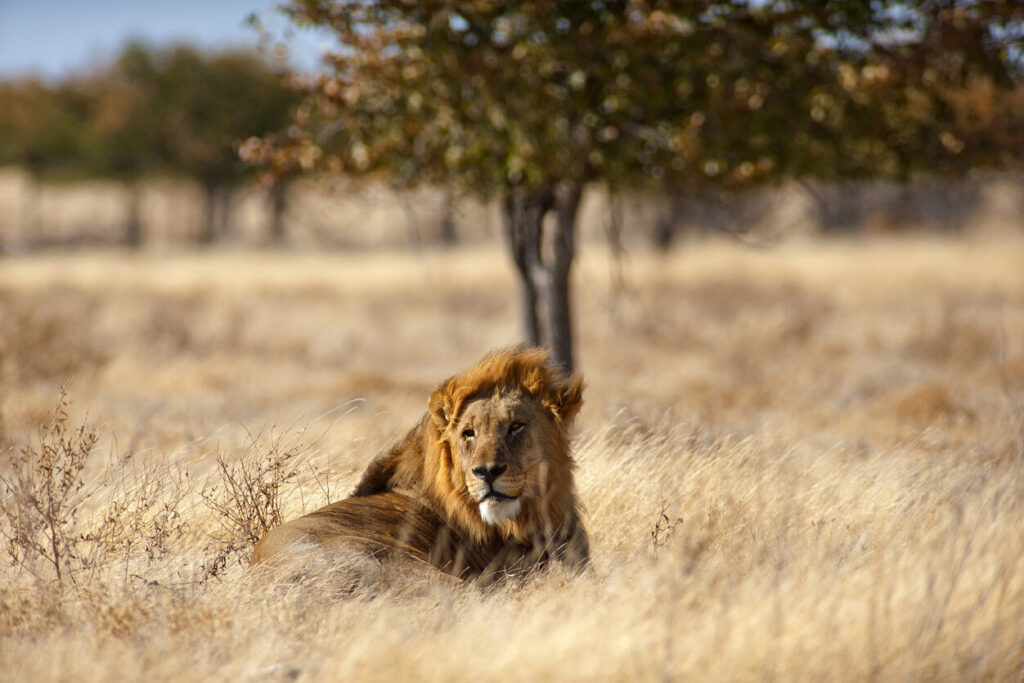
Lions often rest for most of the day, especially after eating large meals. Their bodies digest food slowly and they use downtime to recover strength for future hunts. By sleeping in groups they remain safe while saving energy. They hunt in bursts of force and speed, so sleep becomes necessary fuel rather than extra comfort. Their quiet hours look peaceful, but every nap supports their next attempt at survival. Lions reveal that the fiercest animals still need calm silence. Long rest makes their strength possible and keeps them prepared for whatever comes next in the wild.
9. Sloth slow sleeper
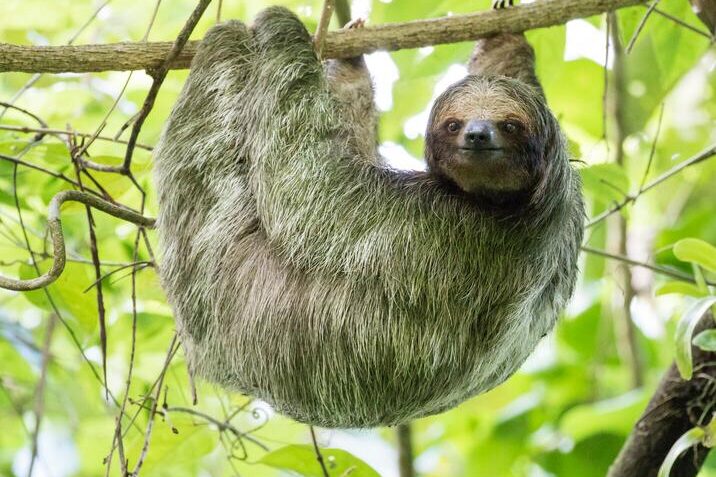
Sloths are famous for slow movement and long hours of sleep. Spending their days resting high in trees, they use little energy to survive. Their bodies are built for minimal activity which makes extended rest natural for them. They eat slowly, digest slowly and move only when necessary. Sleep supports this lazy rhythm and helps them remain safe from predators. By barely waking up, sloths glide through life without stress. They show that moving slowly does not mean weakness. It can be a peaceful way to exist and use only what is needed. Their world moves gently.
10. Panda relaxed sleeper
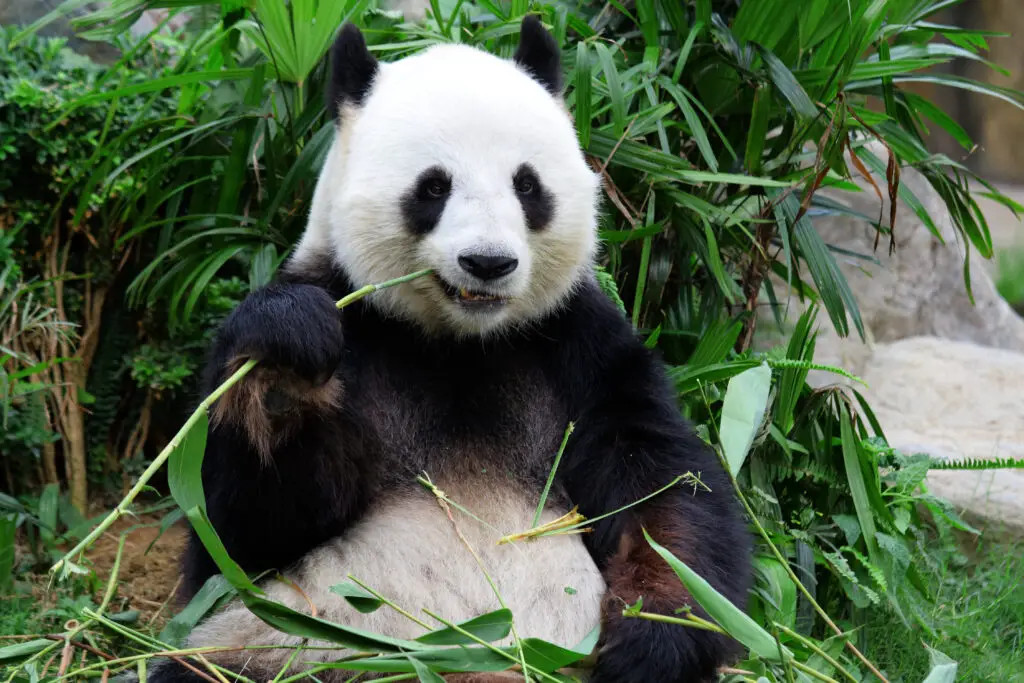
Pandas alternate between eating and sleeping, spending long hours curled comfortably while digesting bamboo. Their food provides limited energy, so resting becomes essential. Instead of rushing through their day they stretch time between meals and naps, choosing calm over constant motion. Every pause helps them maintain their strength and keep their bodies comfortable. Pandas live in a rhythm built on quiet moments and slow enjoyment. Ending our list here reminds us that sleep is not laziness but a natural part of balance. Some creatures thrive by doing less and letting rest sustain them peacefully.
This story 10 Animals That Barely Sleep and 10 That Barely Wake was first published on Daily FETCH


