
1. Aphids
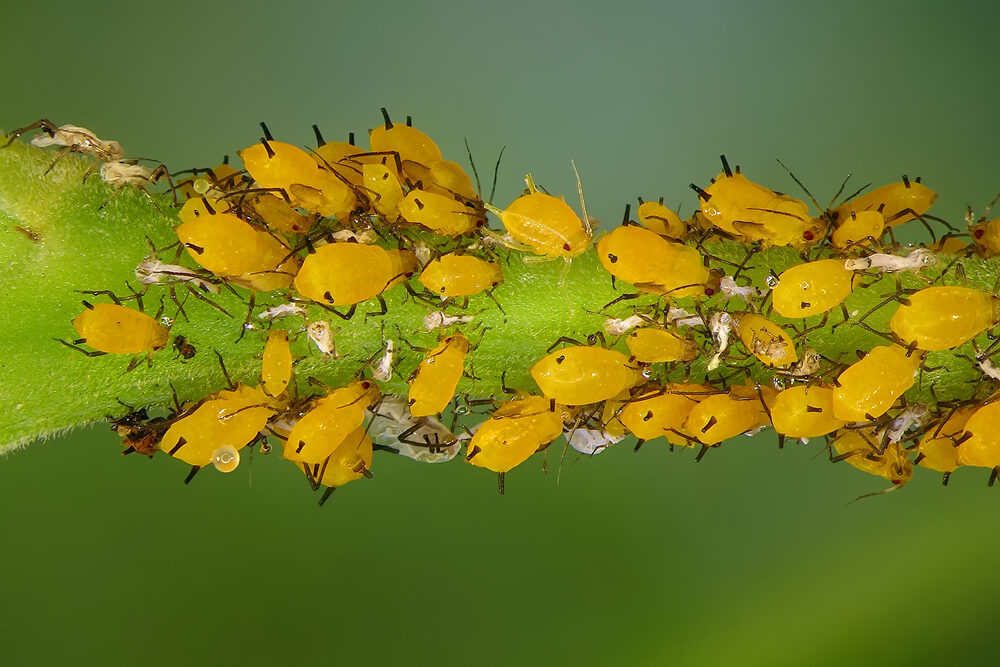
Some animals waste no time when it comes to reproduction. From insects born already carrying offspring to mammals that can get pregnant again right after giving birth, these species take efficiency to the extreme. Aphids are reproductive overachievers. Some female aphids are born already carrying developing embryos, essentially pregnant at birth. Through a process called telescoping generations, a single aphid can contain her daughter, who is already pregnant with a granddaughter.
2. Gall Wasps
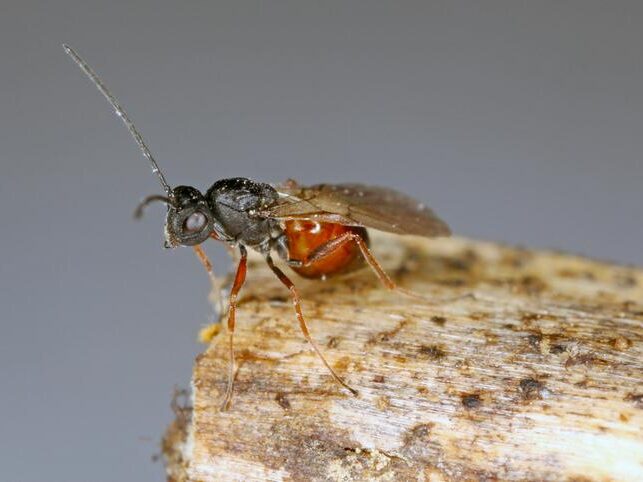
Gall wasps are tiny insects with a fascinating approach to reproduction. Some species can reproduce without mating at all, a process called parthenogenesis. What makes them truly unusual is their ability to host multiple generations inside one another, like nesting dolls. A female gall wasp may carry offspring that are already producing the next generation within them. This layered reproduction ensures the population can grow rapidly, especially since these wasps rely on inducing galls, or growths, in plants where their young develop safely. It’s a survival strategy that maximizes both time and resources.
3. Marbled Crayfish
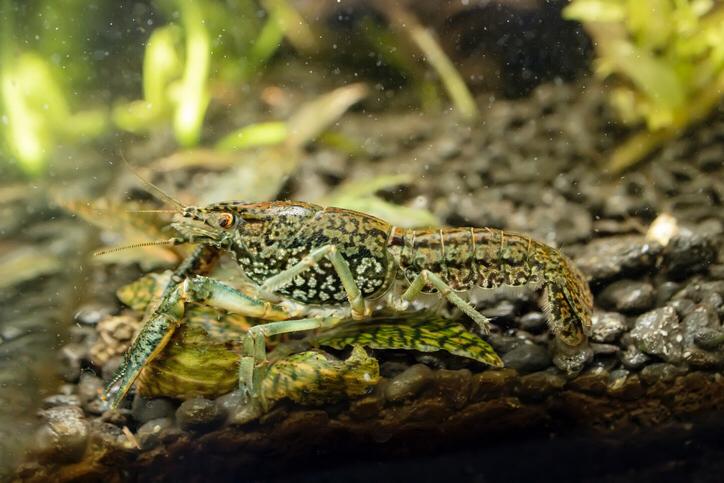
The marbled crayfish, also called Marmorkrebs, is remarkable because every individual is female and capable of reproducing alone. They reproduce through cloning, meaning each offspring is genetically identical to the mother. Even more surprising, these crayfish are fertile from birth, so a single individual can give rise to an entire population. In fact, marbled crayfish have spread widely in the wild after escaping captivity, becoming invasive in many regions. Their ability to reproduce quickly without males makes them one of the fastest-growing crustacean populations known, and scientists often study them to better understand cloning and genetics.
4. Nematodes
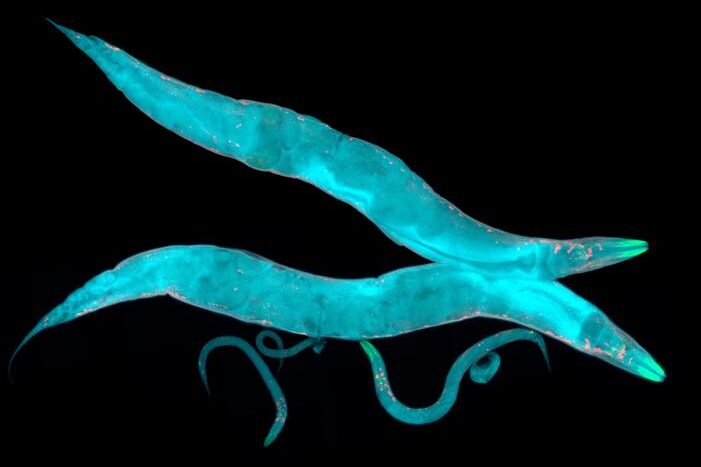
Nematodes, or roundworms, are among the simplest yet most widespread animals on Earth, and many species waste no time when it comes to reproduction. Some can begin laying eggs within hours of hatching, and they often don’t even need a mate to get started. For example, Caenorhabditis elegans, a species widely used in scientific research, can self-fertilize to produce hundreds of offspring in a matter of days. This rapid reproductive cycle allows nematodes to thrive in all sorts of environments, from soil to water to the insides of plants and animals, making them one of nature’s most adaptable survivors.
5. Mayflies

Mayflies live some of the shortest adult lives of any animal, sometimes only a single day. Because of this, reproduction has to happen almost immediately. In some species, females begin laying eggs within minutes of emerging from the water, often scattering them while still in flight. The urgency is simple: once they leave the water as adults, they don’t eat and exist only to reproduce. Entire swarms of mayflies rise and fall in massive clouds, ensuring their eggs are spread back into rivers and streams. Their rapid cycle keeps freshwater ecosystems healthy, feeding fish and other animals that rely on the larvae.
6. Spiny Mice
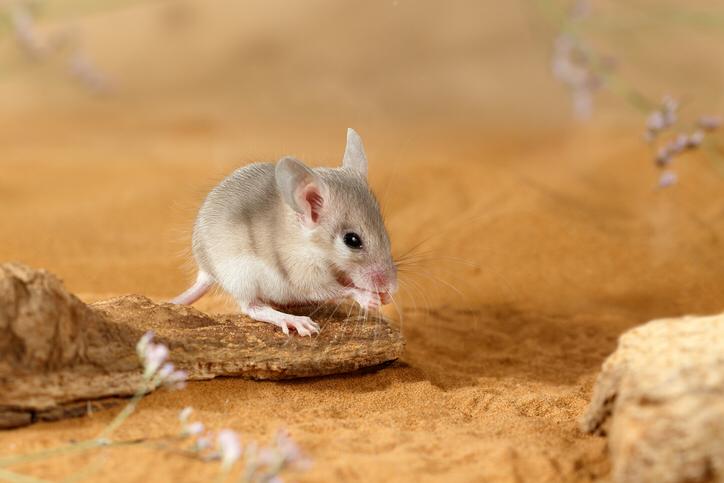
Spiny mice stand out among rodents for their unusually fast reproductive cycles. Unlike many mammals, female spiny mice can become pregnant again before even giving birth to their current litter. This overlapping of pregnancies means they can produce back-to-back litters with very little downtime in between. It’s a strategy that ensures their populations remain strong, especially in the wild where survival can be unpredictable. Researchers also find spiny mice fascinating because they share some reproductive traits with larger mammals, making them useful for scientific studies on pregnancy and development.
7. Guppies
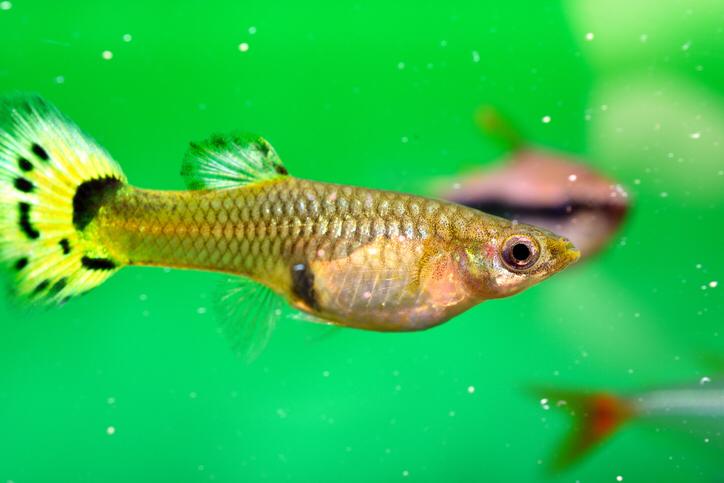
Guppies are small tropical fish known for their bright colors and surprisingly efficient reproduction. Female guppies can store sperm from a single mating for months, allowing them to become pregnant multiple times without needing another male. This gives them an advantage in environments where mates may not always be available. A female can produce several broods in quick succession, each one adding to the population. This remarkable ability has helped guppies spread widely across freshwater habitats and makes them a favorite species for scientists studying genetics, evolution, and reproduction.
8. Tsetse Flies
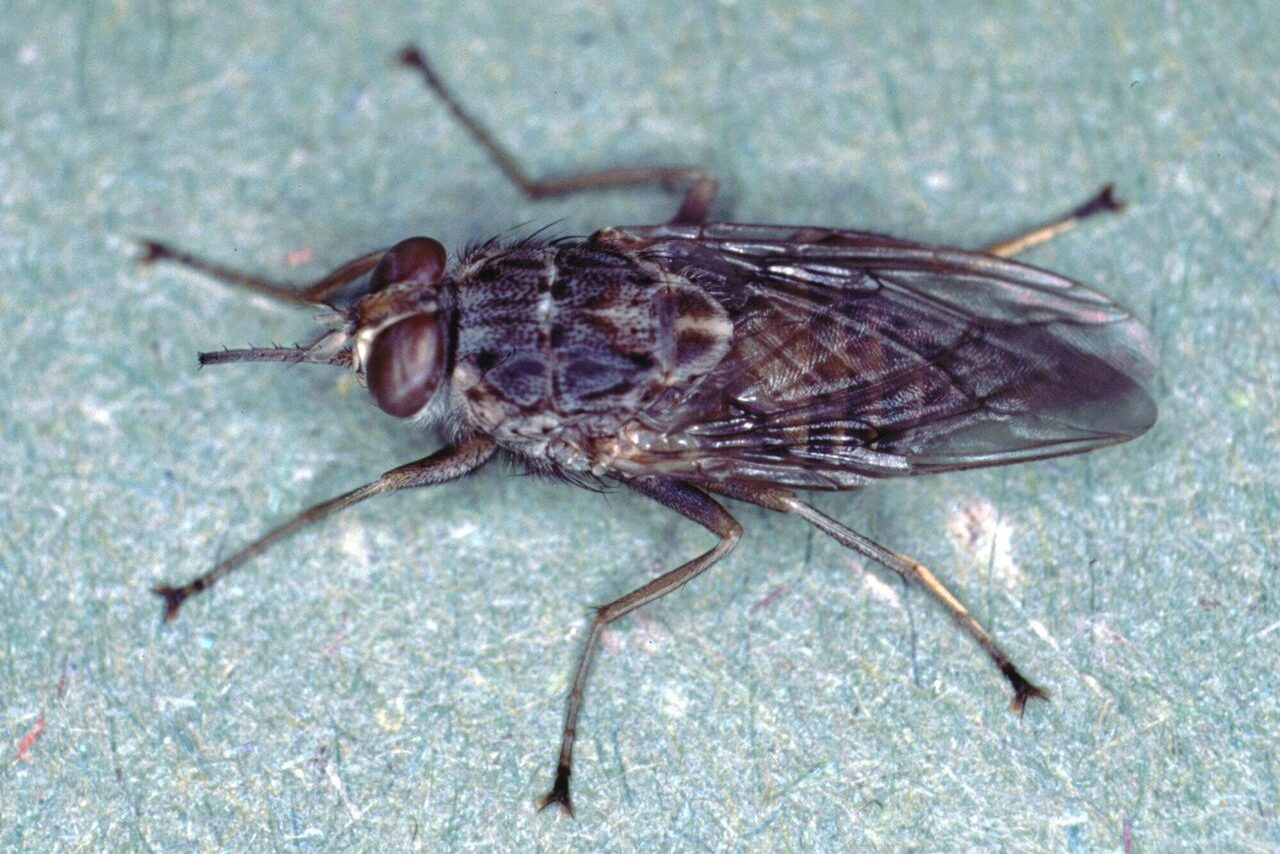
Tsetse flies take an unusual approach compared to most insects, they give birth to live young instead of laying eggs. A female tsetse fly nourishes a single larva inside her body until it’s fully developed, then gives birth to it. Almost immediately after, she mates again and begins the cycle anew. This method of reproduction is more energy-intensive but allows the offspring to start life strong and well-developed. While it ensures the species’ survival, it also contributes to their role in spreading diseases like sleeping sickness in Africa, since their populations can replenish quickly.
9. Brown Anoles
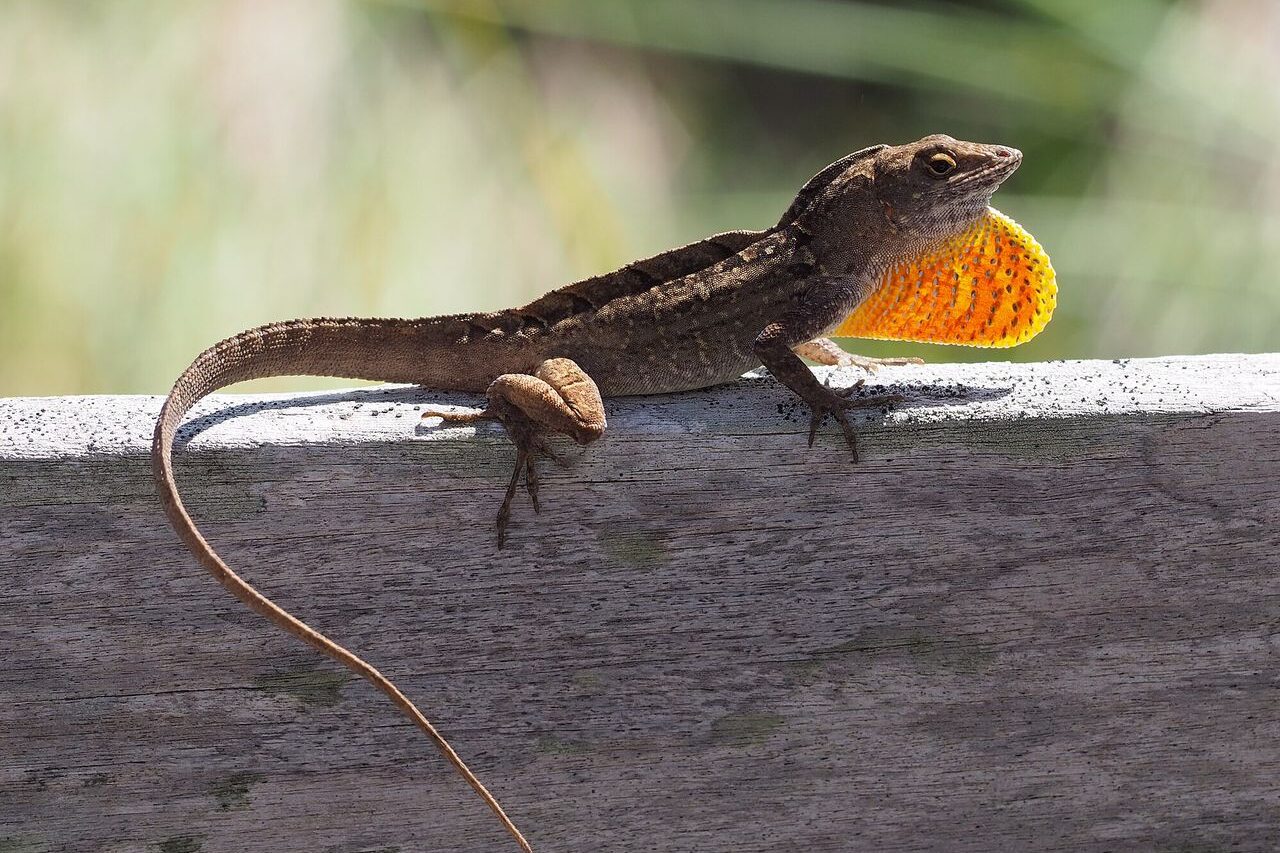
Brown anole lizards reproduce quickly and often, making them highly adaptable in different environments. A female can lay one egg every week, ensuring a steady stream of offspring. What makes them even more efficient is their ability to retain sperm from a single mating and use it to fertilize up to eight separate clutches of eggs. This means even if a female doesn’t encounter another male for a long time, she can still continue producing offspring. Their rapid reproductive cycle is one reason brown anoles have successfully spread beyond their native habitats into new regions.
10. Rabbits
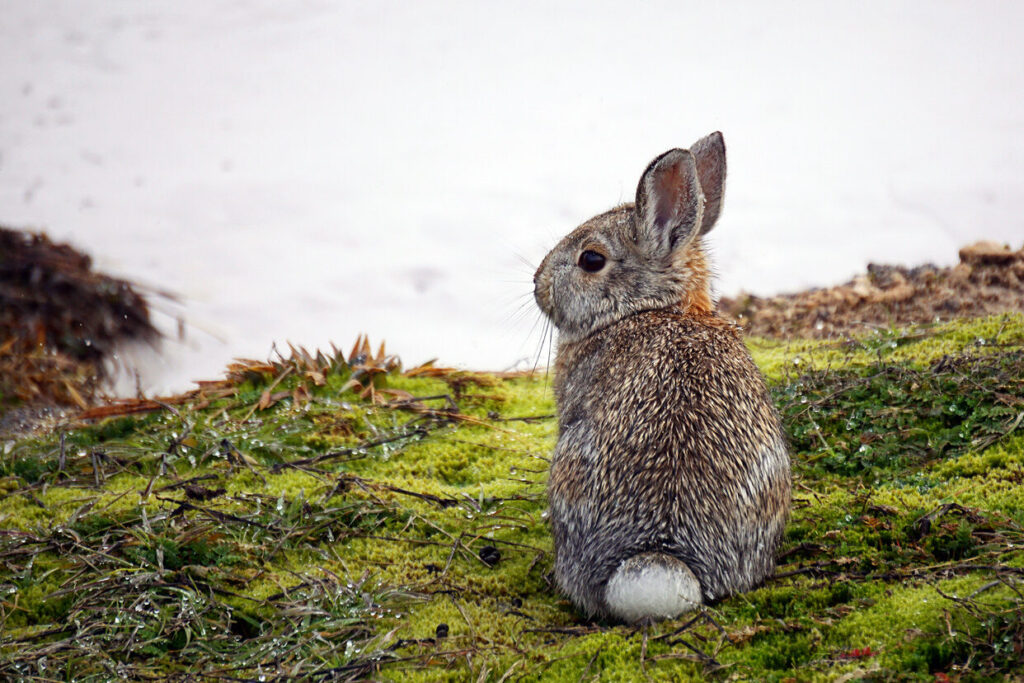
Rabbits are well known for their fast breeding, but the secret lies in their biology. They are induced ovulators, which means that mating itself triggers the release of eggs. This makes pregnancy much more likely whenever they mate. Even more remarkable, a female rabbit can become pregnant again within hours of giving birth. This near-constant cycle of reproduction allows rabbit populations to grow rapidly, which is why they are both beloved pets and considered pests in some areas. Their reproductive efficiency has made them a classic example of fast-breeding mammals in nature.
This story 10 Animals That Are Born Pregnant, Or Get Pregnant Immediately was first published on Daily FETCH


