
1. The Moment A Pilot Stops Answering
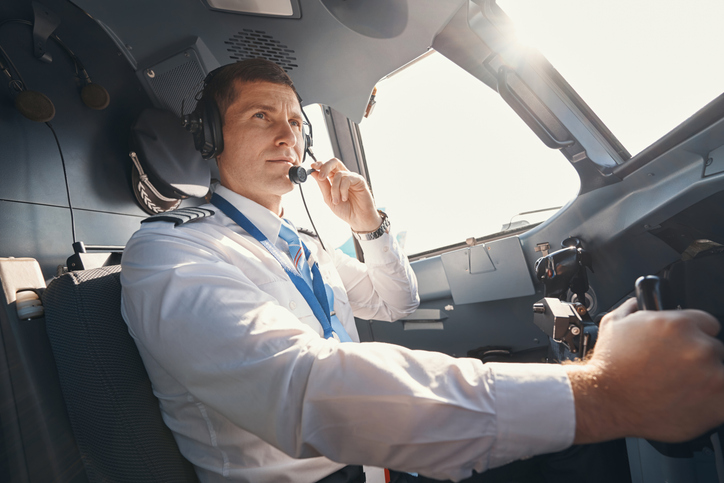
Most passengers settle into their seats believing the whole flight runs almost automatically, yet inside the control center the day often begins with quiet scanning and steady radio chatter. Then suddenly a controller calls a flight and hears nothing back. It might be a simple radio dial mistake or a busy cockpit, but silence always pulls attention fast. The controller repeats the call, checks the aircraft tag, and asks nearby pilots to try reaching them. Everyone stays calm, yet mentally the room tightens, because that missing voice briefly becomes the only thing that matters in a crowded sky.
Procedures guide every step so nobody guesses or rushes. The aircraft path is watched carefully while extra spacing quietly forms around it, protecting every nearby flight without alarming anyone onboard. Most times the pilot returns within minutes, slightly embarrassed, explaining the frequency change or headset issue. The controller answers normally and traffic resumes its rhythm. From the cabin nothing felt unusual at all. Still, for those short minutes on the ground, professionals were fully focused on keeping one silent aircraft safely woven into the moving pattern of the sky.
2. Storm Cells Growing Faster Than Expected
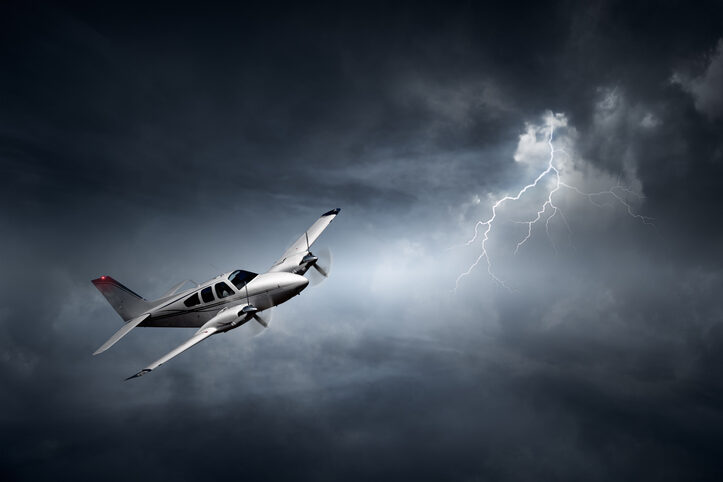
A shift can feel smooth and predictable until weather screens begin showing something uncomfortable. A harmless patch of rain starts thickening, spreading upward, turning darker, and suddenly sitting right across several planned flight paths. Controllers watch these shapes closely because storms rarely grow exactly where forecasts suggested earlier. Soon pilots begin requesting small course changes, each wanting smoother air and safer visibility. The controller listens, scanning the bigger picture, because helping one aircraft means thinking about the ten others moving behind it at different speeds and heights.
Reroutes begin quietly, one instruction at a time, spoken in the same calm tone passengers would expect during any routine flight. Paths bend slightly, spacing stretches, and neighboring control sectors coordinate behind the scenes so traffic keeps flowing. From the cabin, travelers may only notice a gentle turn or longer route on the screen. Inside the center, though, someone just reshaped several invisible highways in the sky within minutes. Nothing dramatic, just careful thinking, quick teamwork, and the steady understanding that weather never needs to look violent to deserve serious attention.
3. The Call About A Sick Passenger
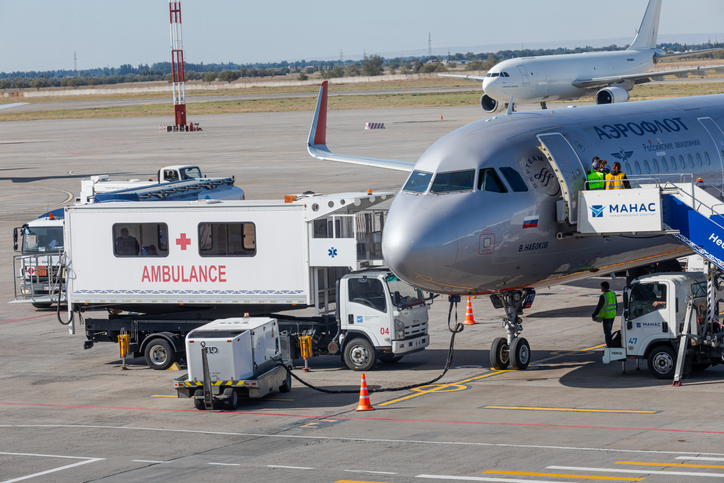
Controllers hear the words about a medical problem onboard more often than people imagine. A pilot comes through calmly explaining someone is unconscious, struggling to breathe, or in severe pain. From that second, priorities quietly shift. The controller begins checking the nearest airports that can safely receive the aircraft, thinking about runway length, weather, and how quickly emergency crews can reach the gate. No raised voices, just faster thinking and cleaner instructions while keeping the radio tone reassuring so the cockpit stays focused on the person needing help.
Other aircraft may be slowed slightly or guided into wider spacing so the affected flight can move forward without delay. Passengers onboard might only hear that the plane will land sooner than planned, unaware of the careful coordination happening far below. Inside the control room, several people track timing, descent clearance, and runway availability together. When the aircraft finally lands and confirms medical teams are waiting, the room often relaxes quietly. It feels less like solving a technical problem and more like helping a stranger reach help in time.
4. When Radar Warns Two Planes Are Too Close
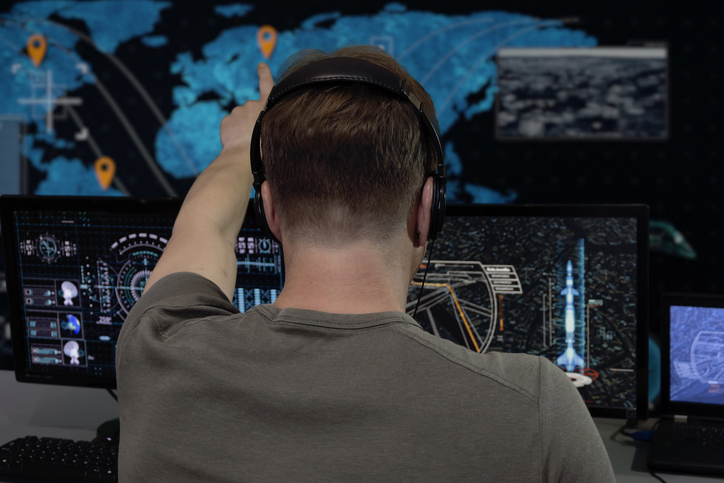
Controllers depend heavily on their radar systems, which constantly calculate aircraft distance and predicted paths. Once in a while, a visual alert flashes showing two flights drifting closer than the planned safety buffer. It does not mean danger is immediate, yet it demands instant attention. The controller studies altitude, direction, and speed, then gives one aircraft a short instruction to climb, descend, or turn slightly. The words are brief and practiced, delivered in the same even voice used for routine guidance, because clarity matters more than urgency in that moment.
Pilots respond quickly, reading back the instruction while their onboard systems also help monitor spacing. From inside the passenger cabin, the change might feel like nothing more than a gentle course correction. On the control floor, though, that small adjustment just protected hundreds of travelers from converging flight paths. Within seconds the alert disappears and traffic continues as before. Nobody pauses to celebrate. It simply becomes another quiet example of how constant monitoring, fast interpretation, and calm communication prevent problems long before anyone in the air realizes something needed fixing.
5. Hearing A Pilot Mention Smoke
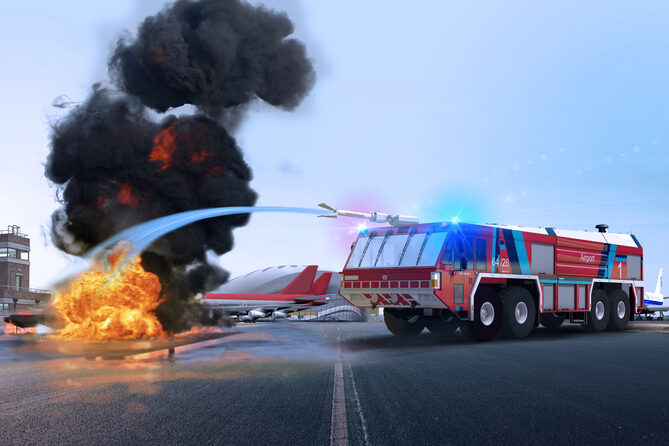
Few phrases make a controller focus faster than hearing a pilot calmly report a smell of smoke inside the aircraft. Even without visible fire, nobody treats that lightly. The controller immediately begins arranging the fastest practical landing option while keeping instructions simple so the cockpit workload stays manageable. Runway availability gets checked, emergency crews are notified, and surrounding aircraft are repositioned gently to clear a direct path. The controller voice stays steady and supportive, offering headings, wind information, and descent clearance in a clean predictable sequence.
Passengers onboard might sense the plane descending sooner or landing with emergency vehicles visible nearby, which can feel worrying even when everything stays controlled. Inside the center, attention never leaves that flight until it reaches the gate safely. Often the cause turns out minor, perhaps electrical insulation or equipment overheating. Still, nobody assumes that early. The system works because every smoke report receives full seriousness from the first second. Calm structure replaces panic, and by the time the aircraft parks, dozens of quiet decisions have already helped turn uncertainty into a safe arrival.
6. A Drone Appears Near The Approach Path
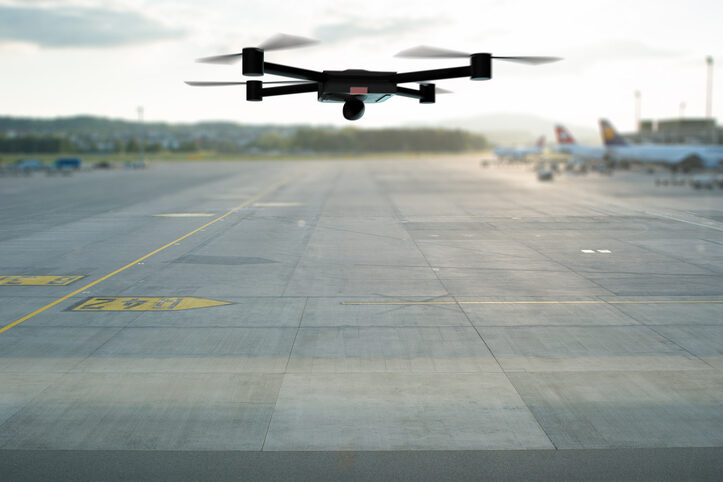
Modern controllers sometimes face a problem that barely existed years ago, pilots reporting a drone hovering somewhere near the landing corridor. Even small drones can damage engines or cockpit glass, so the report immediately changes the flow of traffic. The controller asks for the exact location, altitude estimate, and direction while quietly increasing spacing between arriving aircraft. Departures might pause for a moment, not dramatically, just enough to ensure nobody crosses the suspected area until visibility improves and the sky looks clear again.
Passengers circling above may assume the delay comes from normal congestion or weather, never guessing a tiny remote controlled device triggered the caution. Inside the control room, coordination spreads to airport security and local authorities who try to identify the drone operator. The controller continues guiding aircraft along slightly adjusted routes, keeping voices relaxed so the radio channel never sounds tense. Once confirmation arrives that the area is clear, the normal landing rhythm resumes almost seamlessly. It is one of those modern reminders that even very small objects can interrupt very large systems.
7. A Pilot Quietly Admits Extreme Fatigue
Long duty days, unexpected weather holds, and overnight disruptions can leave even experienced pilots feeling far more tired than planned. When a pilot honestly reports fatigue affecting concentration, controllers treat that admission with respect rather than alarm. The goal becomes reducing complexity for that flight. Routes may be simplified, altitude changes minimized, and approach instructions delivered a little earlier so the cockpit can plan calmly. Nothing sounds unusual to other aircraft listening, yet subtle adjustments begin shaping the path into something easier to manage.
Other flights nearby might receive slightly extended routing so the tired crew avoids unnecessary maneuvering or last minute changes. Passengers onboard may simply feel their descent was unusually smooth or direct. In the control center, though, that smoother path came from recognizing human limits and supporting honest communication. Aviation safety depends heavily on crews speaking up before exhaustion becomes dangerous. Controllers play their part by quietly reshaping the surrounding traffic picture, ensuring the flight reaches the runway with the least possible strain on the people responsible for landing it safely.
8. Bird Strike Report Just After Takeoff
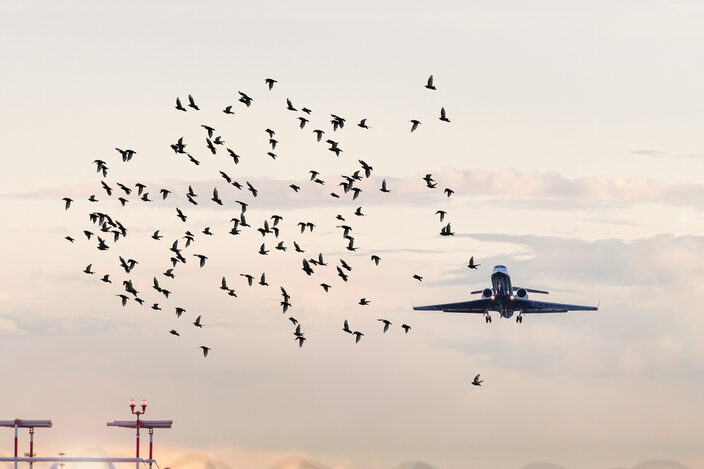
Bird strikes happen more often than most travelers realize, especially during the first minutes after departure when aircraft pass through lower altitudes. A pilot may report hitting birds yet still climbing normally, but controllers immediately prepare for the possibility of a return. The departure queue behind that aircraft may slow while the controller confirms engine readings, climb performance, and crew intentions. Instructions stay clear and unhurried, giving the pilots space to evaluate whether continuing or landing feels safer.
Passengers onboard might not even know anything happened until they hear the aircraft preparing to return for inspection. Inside the control center, spacing is rebuilt so the plane can loop back safely without crossing the path of incoming traffic. Ground services receive advance notice while the controller maintains a steady stream of headings and altitude guidance. When the aircraft lands and taxis normally, the departure rhythm slowly rebuilds. It feels routine from outside, yet that calm sequence relied on quick planning and disciplined communication from people determined to keep a manageable situation from becoming complicated.
9. A Runway Suddenly Closes Without Warning
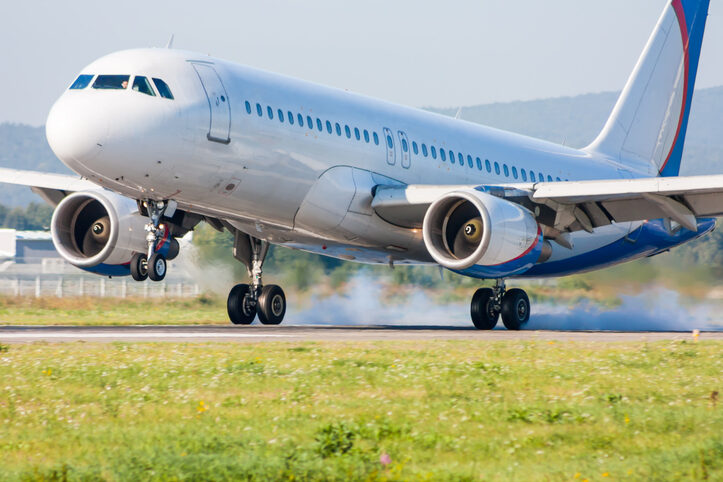
Controllers sometimes manage arrivals perfectly lined up for landing when sudden news comes that the runway is blocked by debris or a disabled aircraft. Instantly the plan changes. The controller instructs the nearest plane to climb and circle while redirecting others toward alternate runways. Every instruction must stay precise because multiple aircraft are already descending at different speeds and distances. The voice remains composed even while the mental workload jumps sharply, rebuilding the entire landing order in real time.
Passengers in the first aircraft might feel the engines surge as the plane climbs again just moments before touchdown, which can feel surprising but remains completely controlled. Inside the control center, someone is recalculating spacing, fuel endurance, and sequencing for several flights at once. Within minutes a new approach pattern stabilizes and arrivals continue smoothly. What looked like sudden disruption from the cockpit or cabin becomes simply another puzzle solved quietly on the ground. Flexibility and preparation allow the system to stretch, adjust, and keep moving without letting confusion spread through the sky.
10. The Altitude Reading That Does Not Match
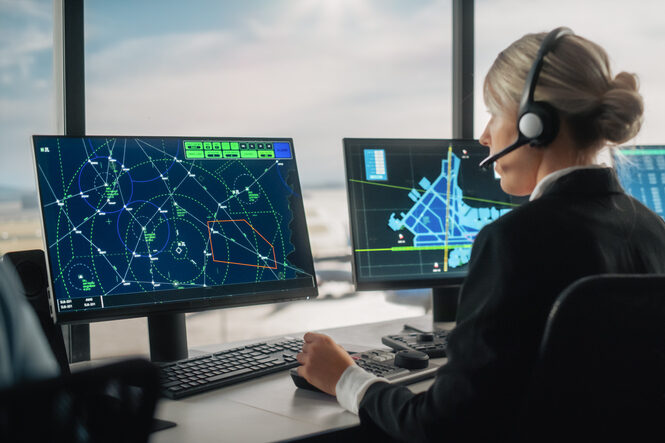
Controllers rely on aircraft transponders to display altitude automatically, so when one suddenly shows a value that does not match expectations, attention locks in immediately. The controller calmly asks the pilot to confirm their actual altitude while watching surrounding traffic carefully. Extra spacing forms quietly around that aircraft while the discrepancy gets sorted out. Nothing sounds urgent over the radio, yet mentally the controller is double checking every nearby flight level to ensure separation remains comfortable.
Often the mismatch comes from a simple instrument calibration issue or data delay, and once the pilot confirms the correct altitude, the display updates and normal spacing resumes. Passengers onboard never notice anything unusual at all. Inside the control room, though, that small numerical inconsistency briefly became the center of attention. Aviation safety often depends on noticing tiny details early and treating them seriously before they grow into larger problems. Someone saw one number that looked wrong, asked one calm question, and quietly protected every aircraft sharing that slice of sky.
11. Sudden Cabin Pressure Drop
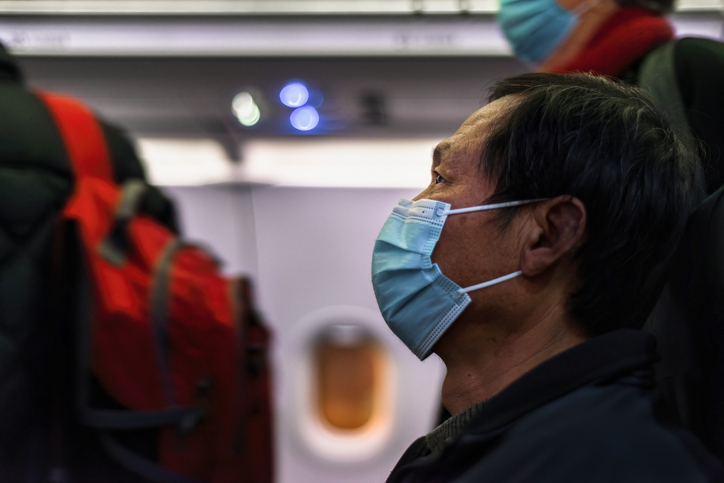
A routine flight can change tone quickly when a pilot reports a loss of cabin pressure. The message usually comes calm and controlled, yet everyone in the control room immediately understands the urgency. The aircraft must descend fast to reach breathable altitude, and that means clearing a safe vertical path through whatever traffic sits below. The controller begins issuing firm, simple instructions, moving other aircraft aside layer by layer while keeping radio language short so nothing gets misunderstood during a critical moment.
Passengers onboard may see oxygen masks deploy and feel the aircraft dropping faster than expected, which feels frightening even though the procedure is highly practiced. Inside the control center, eyes track the descent carefully, checking terrain, surrounding traffic, and nearby diversion airports at the same time. Once the aircraft reaches a stable lower altitude and confirms conditions are under control, the pressure inside the room softens too. What sounded dramatic at first becomes another structured response that worked exactly as designed, guided by calm voices and training repeated many times before.
12. Navigation Screens Briefly Freeze
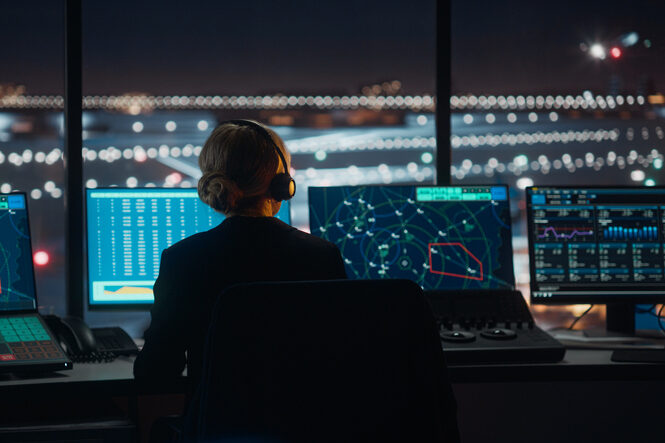
Even with modern systems, controllers sometimes face the uncomfortable moment when part of a radar display freezes or stops updating properly. Training takes over instantly. Backup screens open, manual tracking begins, and pilots may be asked to confirm their position verbally while the system stabilizes. Nobody rushes or guesses. The safest response is slowing the pace slightly and rebuilding certainty step by step while maintaining calm communication with every aircraft in the sector.
From the passenger seat, nothing feels different except perhaps a slightly longer route or a short hold before descent. Inside the control room, though, attention sharpens as controllers rely more heavily on voice confirmation and procedural spacing rather than automated prediction tools. The moment the display refreshes and tracking returns fully, the workload quietly drops back to normal. Nobody treats it like a dramatic failure. It is simply one of those situations where preparation meets reality, and the human ability to stay organized without perfect technology proves just as important as the technology itself.
13. Small Misunderstanding Over The Radio
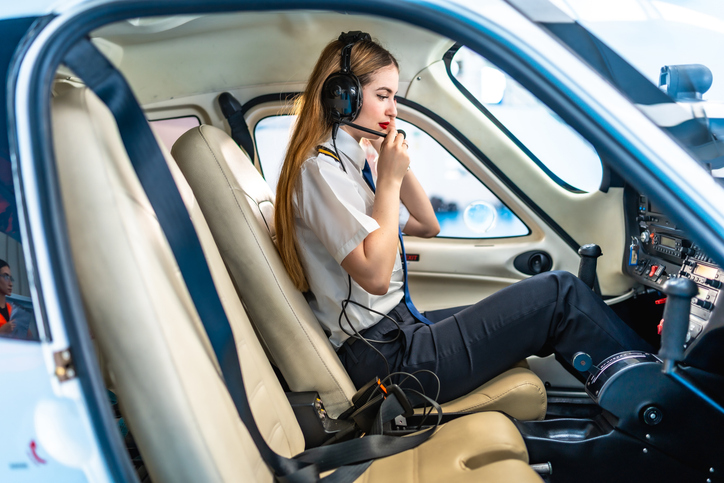
International flights connect crews from many language backgrounds, and even with standardized aviation English, occasional misunderstandings happen. A controller might hear a pilot repeat an instruction slightly wrong, maybe one digit off in an altitude or heading. That tiny difference matters. The controller immediately asks for confirmation again, speaking slowly and clearly, making sure every number sounds exact before allowing the aircraft to continue its maneuver.
Nearby traffic may receive slightly wider spacing during those extra seconds, not because danger exists, but because clarity always comes before speed in aviation culture. Passengers onboard would never notice the exchange, yet those brief repetitions represent one of the strongest safety habits in the system. Nobody feels embarrassed asking again. In fact, repeating instructions is encouraged because history has shown that the smallest misheard number can create large confusion later. That culture of patient confirmation keeps communication human, respectful, and dependable even when accents, radio noise, or fatigue try to interfere.
14. Fuel Levels Getting Uncomfortably Low
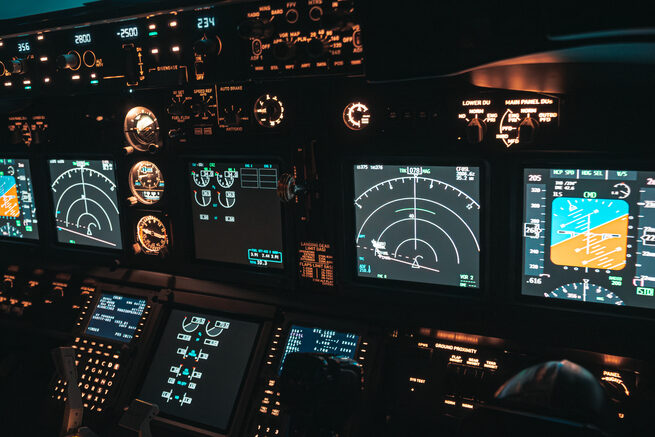
Sometimes a pilot quietly informs the controller that fuel reserves are shrinking faster than planned due to holding delays or unexpected winds. The announcement does not cause panic, but it immediately raises the aircraft’s landing priority. The controller begins adjusting the arrival flow, shortening the route where possible and ensuring the aircraft avoids additional holding patterns. Instructions stay calm and practical while other flights absorb small delays to keep the lower fuel aircraft moving steadily toward the runway.
Passengers onboard may never hear the technical detail, only noticing that their landing felt direct and efficient. Inside the control center, however, several timing calculations are happening at once, balancing fairness with safety while protecting spacing between all arriving jets. Once the aircraft lands and confirms safe taxi to the gate, the sequence relaxes back into normal order. It becomes another quiet example of how aviation solves problems early and quietly, often long before anyone outside the system realizes a small logistical concern was already being handled carefully.
15. Trouble Building Inside The Cabin
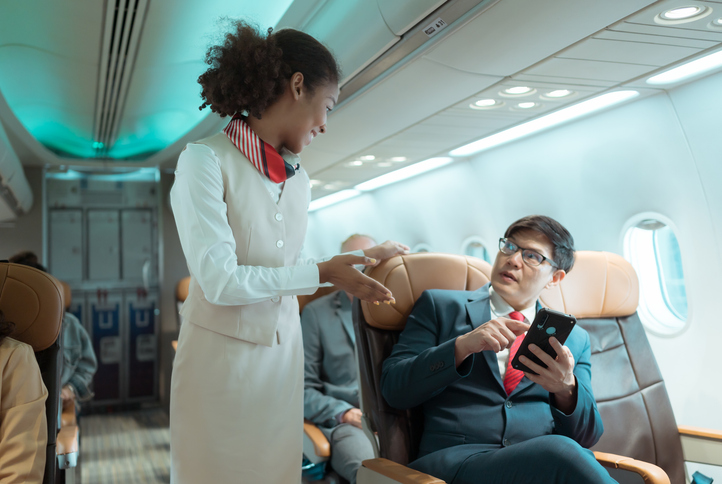
Controllers occasionally receive word from the cockpit that a passenger situation is escalating, perhaps aggressive behavior or refusal to follow crew instructions. While the cabin crew manages the immediate safety of everyone onboard, the controller begins preparing the possibility of a faster landing. Airport security teams may be notified early while the aircraft receives a cleaner arrival path designed to minimize airborne complications.
Other planes in the area might be spaced slightly farther apart so the affected aircraft can descend without delay. Passengers onboard may simply hear that the flight will land earlier than scheduled, unaware of the quiet coordination happening below. Inside the control center, the focus remains simple and practical, getting the aircraft safely to the ground where trained responders can handle the situation properly. It is not about drama or confrontation. It is about keeping the sky orderly while ensuring the aircraft reaches a controlled environment as smoothly and quickly as possible.
16. Lightning Strike During Climb
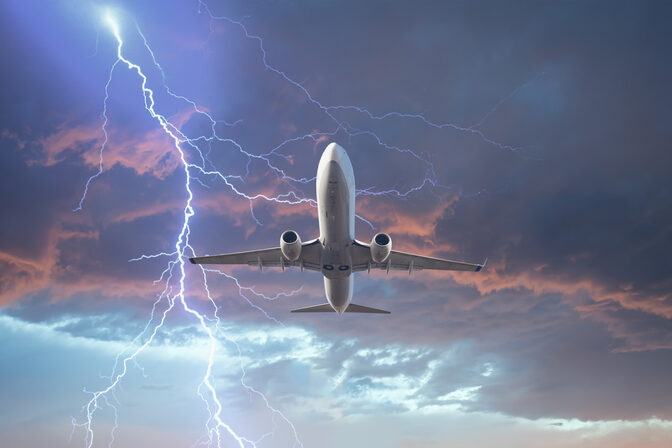
A pilot may report that lightning struck the aircraft while passing through storm clouds. Aircraft are built to handle such events, yet controllers still take the report seriously. The controller checks whether the crew wants to continue or adjust course, then begins guiding the aircraft away from the strongest weather cells while monitoring nearby traffic that may also be requesting storm deviations.
Passengers may remember the bright flash and loud crack more vividly than the calm coordination that follows. Inside the control room, the controller keeps the flight under close observation until it reaches clear air and confirms all instruments look normal. Once stability is confirmed, the flight simply continues along a safer route. Moments like this sound dramatic in conversation, yet within aviation they are treated with structured calm and careful monitoring. The combination of strong aircraft design and disciplined communication ensures that even nature’s sudden surprises are handled with steady professionalism rather than rushed reaction.
17. Ground Radar Stops Showing Taxi Positions
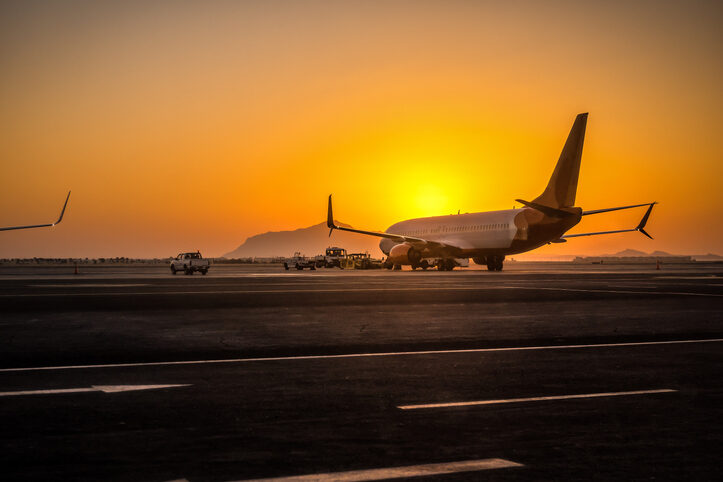
At busy airports, surface radar helps controllers track aircraft moving between runways and gates. If that display temporarily fails, operations shift into a slower, voice driven method. Controllers begin confirming positions directly with each pilot, issuing taxi instructions step by step and verifying every runway crossing carefully. Departures may pause briefly while the system ensures nobody enters an active runway without explicit confirmation.
Passengers onboard might assume the long taxi time comes from congestion or gate delays. Inside the tower, though, controllers are mentally mapping aircraft positions using spoken reports and visual observation instead of digital markers. The pace becomes intentionally careful rather than fast. Once the radar feed restores and aircraft icons return to the screen, movement gradually speeds up again. The moment passes quietly, yet it highlights something important about aviation safety. The system never depends on a single tool. When one layer pauses, trained humans already know exactly how to continue safely without it.
18. Too Many Aircraft Want The Same Cruising Height
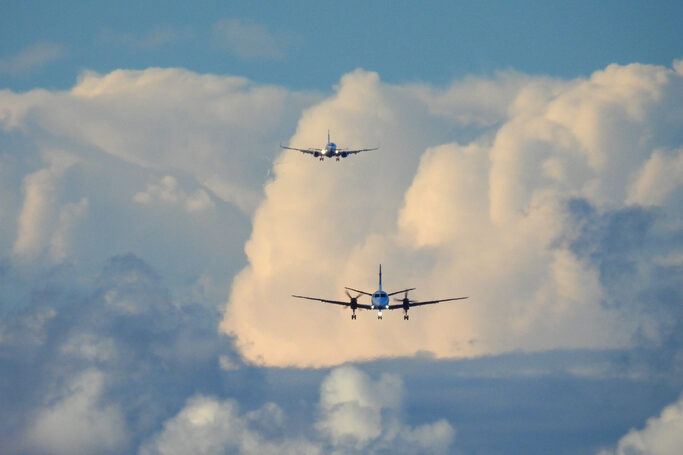
Pilots often request certain cruising altitudes because they provide better fuel efficiency or smoother winds. Sometimes several aircraft want the exact same level along the same corridor. Controllers must sequence those climbs carefully, since vertical separation rules allow only specific spacing between aircraft. The controller studies speed differences, route crossings, and future traffic before approving any climb.
Passengers may wonder why their aircraft levels off for a while instead of climbing immediately. Inside the control center, that delay is part of a forward looking calculation predicting where every aircraft will be several minutes ahead. Once a safe vertical gap appears, the climb clearance is given and the aircraft moves smoothly upward. It is not dramatic, just constant planning happening quietly in the background. The sky may look endless from a window seat, but from the controller’s perspective it is a carefully organized structure where even small altitude requests must fit precisely into the shared space.
19. Controllers Quietly Watching Their Own Fatigue
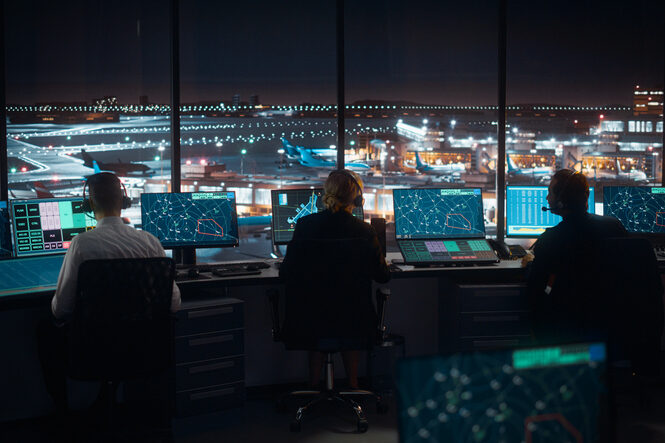
Air traffic control centers actively monitor controller alertness because the job demands long periods of focused concentration. Supervisors schedule breaks, rotate sectors, and encourage controllers to report when they feel overloaded. If someone needs relief, another trained controller steps in through a structured handover process that ensures every aircraft remains continuously monitored without interruption.
Passengers in the sky never notice these internal transitions, yet they form one of the most important human protections in aviation. The environment recognizes that attention is a resource that must be protected, not pushed past safe limits. By openly managing fatigue, the system keeps decisions sharp and communication clear. Once rested, the original controller may return later with renewed focus. This culture of shared responsibility ensures that safety never depends on one exhausted individual. Instead, it rests on a coordinated team that understands staying mentally fresh is just as critical as any radar or navigation system.
20. The Quiet Weight Of Every Routine Instruction
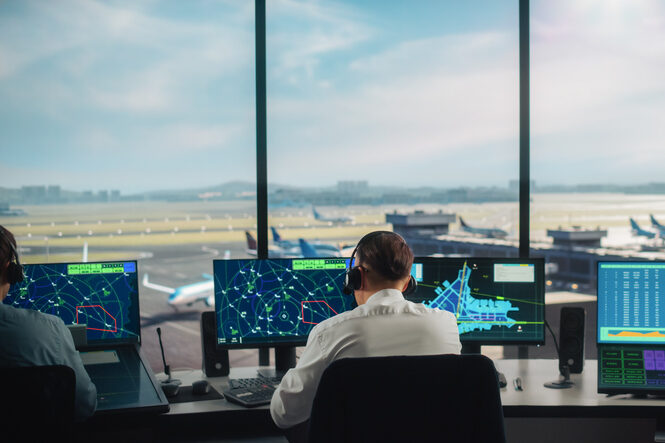
What many people would find most intimidating is not one dramatic emergency, but the steady awareness that every routine instruction carries real responsibility. Controllers issue thousands of clearances each shift, guiding climbs, turns, descents, and runway alignments for aircraft filled with families, workers, and travelers. Over time, this responsibility becomes structured daily work supported by procedures, teamwork, and constant communication rather than dramatic moments.
From outside, the system may look almost automatic, yet inside the control room it is deeply human, built on training, repetition, and calm cooperation. Weather shifts, technical quirks, and human situations all pass through the same disciplined process. That consistency is exactly why flying remains so safe. The reassuring truth is that safety does not come from perfection, but from people who expect challenges and handle them methodically every single day. And knowing that quiet layer of dedication exists behind every flight can make stepping onto the aircraft feel less uncertain and far more grounded in human care.


